
How to Store Silk Clothes Long-Term

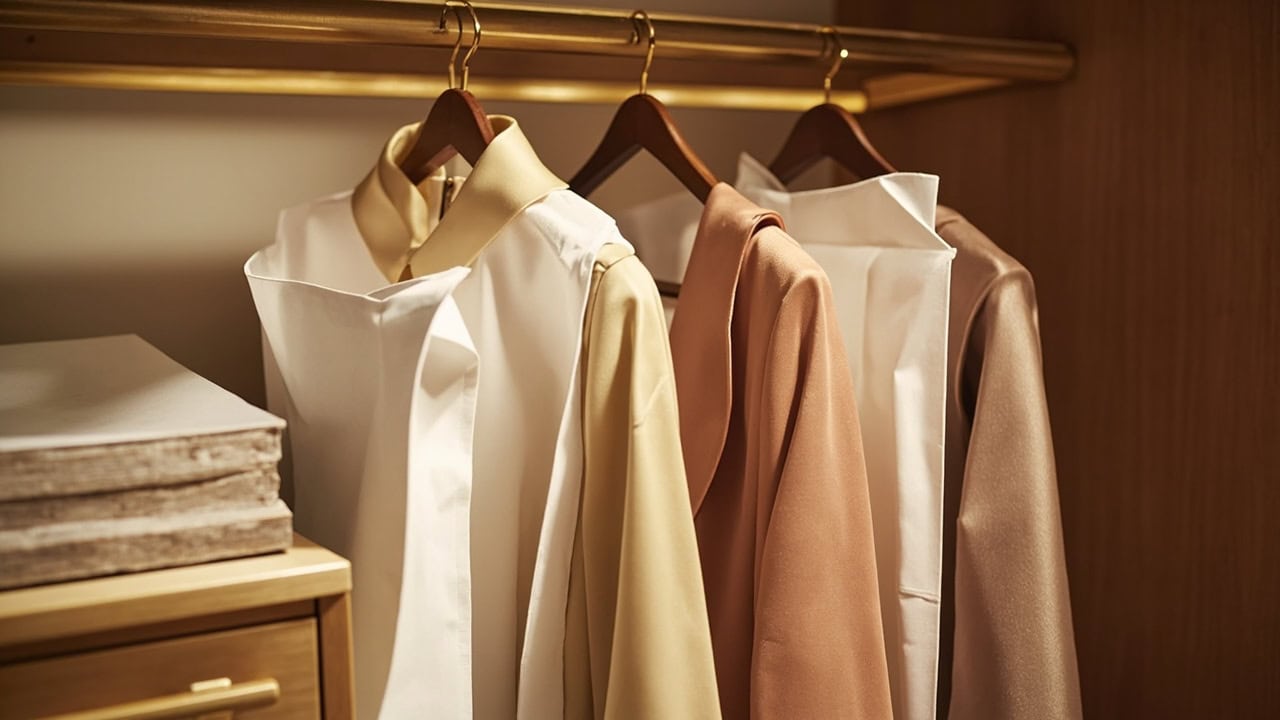
Silk clothes must be stored clean, completely dry, and protected from light, heat, and insects — the protein-based fibers (fibroin) are highly susceptible to UV degradation, moisture damage, and moth larvae feeding on perspiration residue. Long-term silk storage requires acid-free tissue to maintain the fiber’s structural integrity and natural luster, with breathable cotton bags preferred over plastic containers that trap humidity and cause yellowing. This guide covers every aspect of silk storage — from fold-versus-hang decisions and optimal climate conditions to moth prevention and container selection — so your garments emerge from storage in the same condition they went in.
Fold vs. Hang: Which Is Correct for Silk
Whether you fold or hang silk depends entirely on the garment’s construction and weight. Getting this wrong is one of the most common causes of silk damage in storage — shoulder distortions from heavy garments on narrow hangers, or deep creases from folding lightweight fabrics that shouldn’t be folded.
Silk blouses, tops, and lightweight garments should always be folded. These garments stretch easily when hung, with hanger pressure creating permanent shoulder distortions and shoulder divots that cannot be reversed. Fold along the garment’s natural seams and store flat to preserve its original silhouette.
Silk dresses and formal wear with heavy embellishments — beading, embroidery, structured bodices, or heavy beadwork — should hang on padded hangers inside breathable garment bags. The added weight of embellishments makes folding risky, as the folds can set permanently and crush delicate details. A wide, padded hanger distributes weight evenly across the shoulder seam.
Silk scarves and ties should be rolled or folded gently — never hung. Hanging causes stretching that distorts the drape and can permanently alter the dimensions of these accessories. Rolling around a core (such as a soft cotton towel roll) prevents creasing while saving space.
Heavy silk coats and jackets require wide, padded hangers to maintain their shoulder shape and structure during storage. The additional weight of outerwear fabric demands more support than a standard hanger can provide; narrow or wire hangers create sharp shoulder impressions that are especially difficult to remove from structured coat fabrics.
The governing principle is dimensional stability: if a garment naturally stretches or distorts when hung, fold it. If it maintains its shape when suspended, hanging with proper support is acceptable.
Optimal Storage Conditions for Long-Term Silk Storage
Silk’s protein fiber structure — primarily fibroin composed of the amino acid sequence Gly-Ser-Gly-Ala-Gly-Ala — makes it vulnerable to environmental degradation in ways that cotton or polyester are not. Controlling temperature, humidity, light, and air circulation is not optional; it is the difference between silk that lasts decades and silk that yellows, brittles, or disintegrates within a few years of storage.
Temperature
Store silk at 60–70°F (15–21°C). Heat accelerates silk degradation by breaking down the hydrogen bonds between fibroin protein chains — the same bonds that give silk its tensile strength. Temperatures above 80°F (27°C) significantly increase the rate of yellowing and fiber embrittlement. Never store silk in attics, garages, or near heating vents where temperatures fluctuate widely.
Humidity
Maintain 45–55% relative humidity. Too dry (below 35% RH) causes silk fibers to become brittle and lose their characteristic drape. Too humid (above 65% RH) creates conditions favorable for mold and mildew growth, which attack the sericin coating and can produce permanent discoloration and musty odors. A desiccant pack or humidity control packet inside your storage container helps maintain stable conditions during seasonal transitions.
Light Exposure
Complete darkness is preferred. Silk fibroin is highly susceptible to photodegradation — UV radiation breaks the peptide bonds in the protein chain, causing a loss of tensile strength estimated at up to 20% after prolonged exposure. Even indirect sunlight through a closet door or window is sufficient to cause gradual fading and fiber degradation over months of storage. Opaque storage containers and solid closet doors provide adequate protection; sheer garment bags allow light penetration and should not be used alone for long-term storage.
Air Circulation
Breathable storage prevents stale, musty odors and moisture buildup that can lead to mold. Sealed plastic containers trap humidity and create a micro-environment where moisture condenses, leading to fiber damage. Cotton garment bags, linen storage boxes, and canvas totes allow air exchange with the surrounding environment while filtering light and dust.
Storage Containers and Materials: What to Use vs. Avoid
The materials in direct contact with silk during storage matter as much as the environment. Silk can be damaged by contact with acidic papers, dyed materials, and certain wood tannins — all of which can cause permanent staining or fiber degradation even when the storage environment is otherwise ideal.
Use These Materials
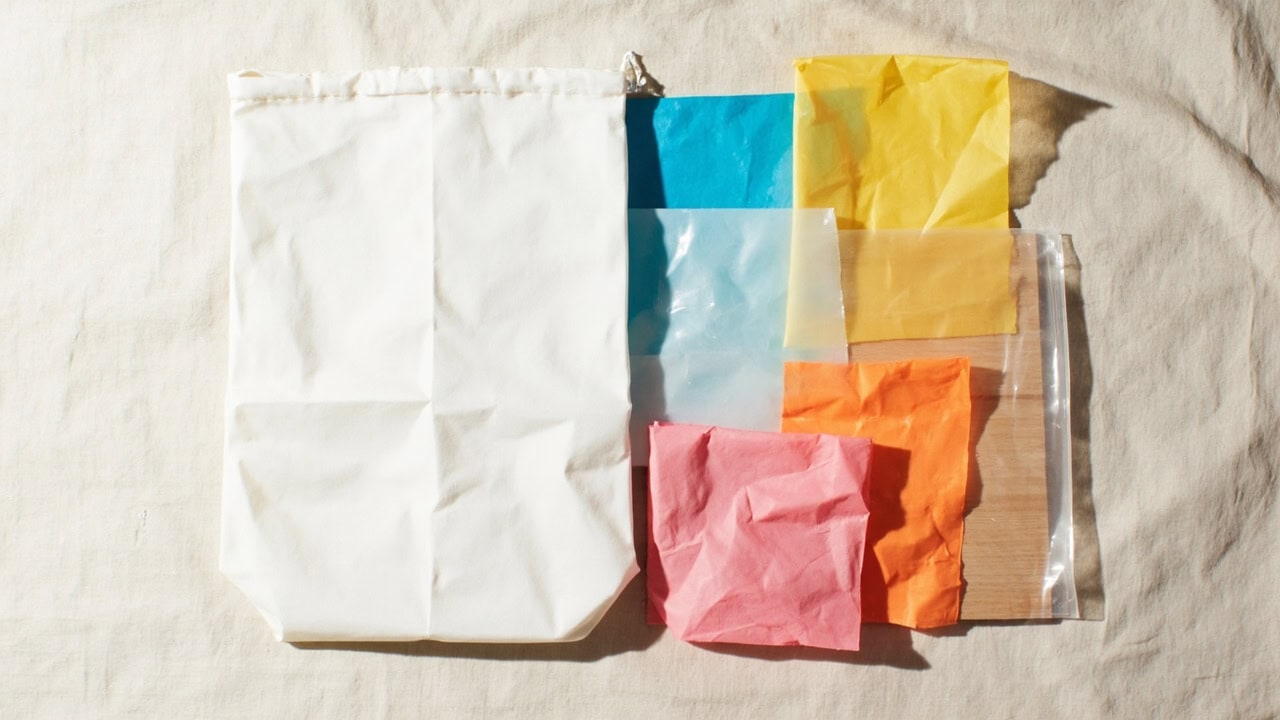
- Breathable cotton garment bags — unbleached, natural cotton is preferred over bleached white cotton, as the chlorine bleaching process can leave residual acidity. These allow air circulation while providing a dust barrier.
- Acid-free tissue paper — either buffered (pH 8.5–9.5 calcium carbonate buffer) or unbuffered (pH 7.0 neutral) cotton or linen tissue. Buffered tissue is generally preferred for silk, as it helps neutralize residual fatty acids from perspiration. Place tissue between folds to prevent creasing and as a protective layer on the exterior of folded stacks.
- Cedar blocks or cedar-lined chests — cedar wood emitscedrol and alpha-pinene, natural compounds that repulse clothes moths and carpet beetles. Cedar blocks should be refreshed (sanded) annually to maintain potency. Note that cedar alone is not sufficient as a moth treatment — it must be combined with clean garments.
- Canvas or linen storage boxes — these offer the breathability of fabric with enough structure to protect delicate garments from crushing. Avoid colored canvas if dye transfer is a concern; natural undyed canvas is safest.
Avoid These Materials
- Plastic bags and containers — trap humidity and prevent air circulation, leading to moisture buildup that causes yellowing and potential mold growth. Even zip-lock bags create a humidity chamber that is actively harmful to silk over weeks of storage.
- Colored tissue paper — dye transfer is a real risk with colored tissue, especially in warm or humid conditions. The dye can migrate into silk fibers and is often impossible to remove without professional treatment.
- Cardboard boxes — standard cardboard is acidic (pH 4.5–5.5) and can transfer acids to silk fibers over time, causing fiber degradation and yellowing. Archival-quality or acid-free cardboard is acceptable; standard moving boxes are not.
- Mothballs (naphthalene or paradichlorobenzene) — while effective at repelling moths, naphthalene and paradichlorobenzene both damage silk protein fibers. Naphthalene in particular can cause dissolution of the fibroin surface layers and is classified as a potential carcinogen. Not recommended.
- Direct contact with wood tannins — bare wood (cedar, oak, pine) contains tannins that can wick moisture and transfer stain-causing compounds to silk. Always place a cotton liner or acid-free barrier between wood shelves and silk garments.
Before-Storage Preparation: Cleaning Requirements
Cleaning before storage is non-negotiable. Invisible body oils, lotions, perspiration, and the fatty acids they contain are among the most damaging things you can leave on silk during long-term storage. Perspiration contains lactic acid and fatty acids that not only attract clothes moths — which feed on the protein residues rather than the silk itself — but can also cause staining and fiber degradation during the months of storage.
Dry clean only silk garments must be professionally cleaned before storage. Never attempt home washing on silk marked “Dry Clean Only” — the construction and finish of these garments is not stable in water and home washing can cause shrinkage, color bleeding, or permanent water spots. A reputable dry cleaner who specializes in silk will use appropriate solvents and pressing techniques.
Hand-washable silk — most pure silk garments without special finishes can be hand washed in cool water (below 86°F / 30°C) using a silk-specific detergent or a pH-neutral baby shampoo. Agitate gently; never wring or twist. Rinse thoroughly until water runs completely clear, as residual detergent can leave white streaks as it dries. For a detailed walkthrough, see our guide to how to wash silk at home.
Complete dryness is mandatory. Any residual moisture — even in a single fold or seam — creates conditions for mold, mildew, and fiber damage. After washing or dry cleaning, hang silk in a well-ventilated area away from direct heat until absolutely dry. A garment is ready for storage only when it passes the touch test: no cool or damp spots when the fabric is pressed firmly against the skin.
Spot treat visible stains before storage. Old stains oxidize and set during storage, often becoming permanent. Address food stains, makeup marks, perfume residue, and any discoloration with appropriate spot-treatment methods before the garment goes into storage. Professional stain removal is preferable for stubborn or set stains.
Remove metallic or rust-prone accessories — buttons, zipper pulls, buckles, and decorative hardware that may rust or oxidize during extended storage. Replace plastic buttons with fresh ones if the existing ones show any sign of cracking or deterioration. Rust stains on silk are among the most difficult to remove.
Protecting Silk from Moths and Pests During Long-Term Storage
Silk is a protein fiber — specifically fibroin — making it highly attractive to clothes moths (Tineola bisselliella) and carpet beetles (Anthrenus verbasci). Understanding why silk is targeted is essential to understanding how to protect it.
Adult clothes moths do not actually eat fabric — their larvae do. Female moths lay eggs on fabric surfaces, and when the larvae hatch, they feed on the protein fibers. Crucially, larvae are attracted to the body oils, food residue, and sweat absorbed into worn silk — not the silk itself. This is why cleaning silk before storage is the single most effective moth prevention step. Virgin, freshly cleaned silk is far less attractive to moths than worn, soiled silk.
Prevention Methods
- Clean before storing — removal of body oils and food residue eliminates the primary moth attractant. This is more effective than any repellent.
- Cedar blocks — natural moth repellent, though effectiveness diminishes as cedar oils evaporate. Sand or replace blocks annually. Cedar should be used as a supplement to cleaning, not a replacement.
- Lavender sachets — provide mild repellent effect. Less effective than cedar but useful as a supplementary measure. Place sachets inside garment bags, not in direct contact with silk.
- Regular inspection every 3–6 months — open storage containers, inspect for moth eggs (small white grains, often in hidden areas like armpits and cuffs), larval webbing, or signs of feeding. Early detection prevents widespread damage.
- Professional pest control — for severe infestations affecting multiple garments, professional treatment of the storage area may be necessary. Heat treatment (freezing at -18°C / 0°F for 72+ hours) can kill moth eggs and larvae in affected garments.
Long-Term vs. Short-Term Silk Storage: A Comparison
Different storage durations require different preparation levels. The table below breaks down recommended methods and key considerations for each storage type.
| Storage Type | Duration | Recommended Method | Key Considerations |
|---|---|---|---|
| Short-term | 1–3 months | Hanging in closet with breathable cotton garment bag | Breathable cotton bag; avoid crowding; ensure closet is cool and dark |
| Medium-term | 3–12 months (seasonal) | Folded in cotton storage bag with acid-free tissue between folds | Acid-free tissue between folds; cool, dark location; cedar blocks nearby |
| Long-term | 1+ years (extended) | Professionally cleaned, boxed with acid-free tissue and archival materials | Cedar blocks or lavender sachets; inspect every 6 months; re-clean if soiling detected |
For a comprehensive overview of long-term garment storage principles that apply to silk alongside other luxury fabrics, see our guide to how to store clothes long-term.
How to Store Silk: Step-by-Step
- Clean the garment completely. Either dry clean (for “Dry Clean Only” labeled silk) or hand wash in cool water with silk-specific detergent. Never store silk with visible or invisible soiling.
- Ensure complete dryness. Hang in a ventilated area until no cool or damp spots remain. Test by pressing firmly against skin — the fabric should feel room temperature throughout.
- Spot-treat any stains. Address makeup marks, food stains, or discoloration before storage. Set stains become permanent stains during storage.
- Decide on fold or hang. Lightweight tops and blouses → fold. Structured dresses and heavy embellished pieces → hang on padded hangers. Scarves and ties → roll. Heavy coats → hang on wide padded hangers.
- Wrap in acid-free tissue. For folded garments, place tissue between folds and around the exterior. For hanging garments, drape tissue loosely over the garment before placing in the bag.
- Place in breathable cotton garment bag or linen storage box. Ensure the container is clean, dry, and free of any colored linings or acidic materials.
- Add cedar blocks or lavender sachets. Position away from direct silk contact. Cedar blocks should be refreshed annually.
- Store in a cool, dark, dry location. 60–70°F (15–21°C), 45–55% relative humidity. A closet interior away from exterior walls (which can sweat) and away from heating sources.
- Inspect every 3–6 months. Open the storage container, check for any signs of moisture, yellowing, or moth activity. Promptly address any issues discovered.
Frequently Asked Questions
Q: Can you store silk clothes in plastic bags?
A: No — plastic bags trap humidity and prevent air circulation, leading to moisture buildup that causes silk yellowing and potential mold growth. Always use breathable cotton garment bags or linen storage bags for silk clothing.
Q: How do you prevent silk from yellowing during long-term storage?
A: Silk yellowing is caused by exposure to light, heat, humidity, and residual impurities. To prevent it: clean silk before storing (never store with body oils), use acid-free tissue, store in a cool dark place at 45–55% humidity, and avoid plastic containers that trap heat and moisture.
Q: Do moths eat silk clothes?
A: Yes — moths and carpet beetles are attracted to silk because it is a protein fiber (fibroin). However, moths are attracted to the body oils and residue on worn silk, not the silk itself. This is why cleaning silk before storage is the most effective moth prevention method.
Q: Should silk be folded or hung for long-term storage?
A: For long-term storage, most silk garments should be folded with acid-free tissue between folds to prevent creasing and shoulder distortion. Only silk garments that do not stretch or lose shape (like structured dresses) should be hung, and only on padded hangers with breathable garment bags.
References
- K. M. G. G. H. L. (n.d.). Silk. In Wikipedia. https://en.wikipedia.org/wiki/Silk
- Cotton Incorporated. (n.d.). Silk Care. CottonWorks. https://www.cottonworks.com/en-us/home/care/silk-care/
- The International Wool Textile Organisation (IWTO). (n.d.). Wool and Moth. IWTO. https://www.iwto.org
- ASTM International. (n.d.). ASTM D3882-22: Standard Test Method for Dimensional Stability of Silk and Silk Blends. https://www.astm.org/d3882-22.html
- American Association of Textile Chemists and Colorists (AATCC). (n.d.). AATCC Test Method 99-2010: Dimensional Changes of Silk and Silk Blends. AATCC.


