
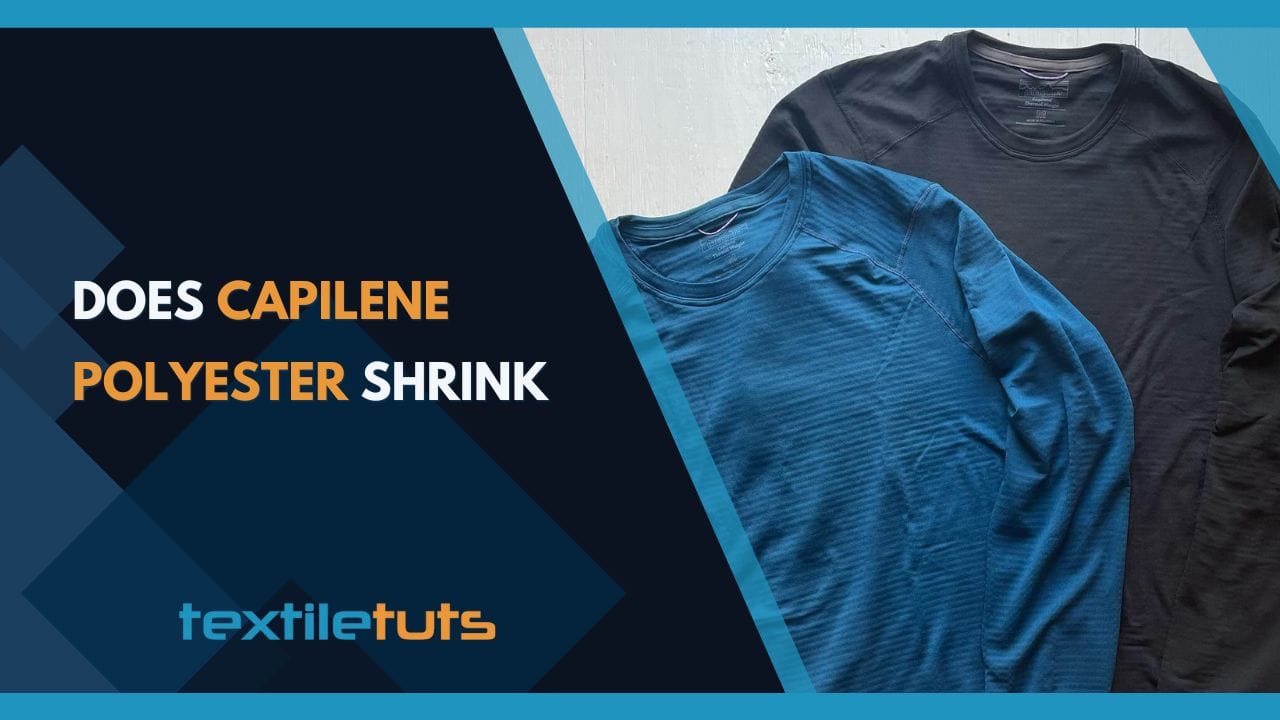
Does Capilene Polyester Shrink? Let’s Get to the Bottom of It!

Capilene polyester is a popular fabric choice for athletic and outdoor apparel due to its moisture-wicking properties and durability. But, despite its many positive attributes, there is still some uncertainty surrounding the fabric’s shrinkage potential.
Capilene polyester does not shrink when exposed to moisture, unlike traditional polyester fabrics. This is due to the unique fiber structure of Capilene, which traps moisture inside the fibers rather than absorbing it, preventing shrinkage.
Let’s explore the science behind this popular fabric and determine once and for all if Capilene polyester is susceptible to shrinking.
Is Patagonia Capilene Polyester Shrinkable?
Patagonia Capilene garments are made primarily from polyester, which is generally considered to be shrink-resistant. Polyester is a synthetic fabric that is engineered to maintain its shape and size, even after multiple washings.
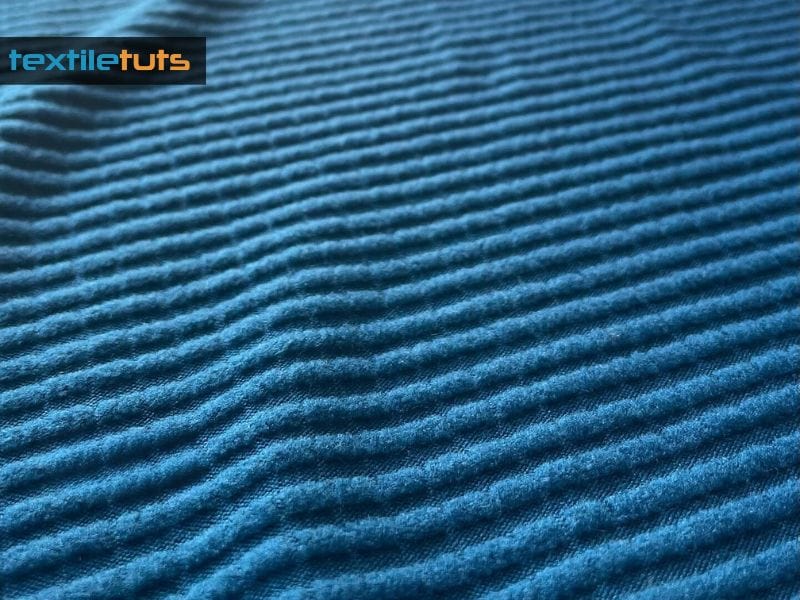
Consequently, Capilene clothing items, which are designed for outdoor activities and performance, are made to withstand elements and repeated cleanings without shrinking significantly.
However, no fabric is entirely shrink-proof, especially when exposed to high heat. While the construction of Capilene polyester is stable, exposing it to a hot dryer or hot water could potentially cause some minimal shrinkage.
Besides, Patagonia Capilene fabrics are often treated to enhance their performance characteristics, such as moisture-wicking, odor control, and quick-drying properties, which shouldn’t be negatively affected by proper care. So, in normal use and with proper care according to the garment’s care instructions, Patagonia Capilene polyester is not likely to experience any significant shrinkage.
Preventive Measures to Avoid Capilene Polyester Shrinking
Like many synthetic materials, Capilene Polyester can be susceptible to shrinking if not cared for properly. To extend the life of your Capilene polyester garments and maintain their fit, follow these preventive measures.
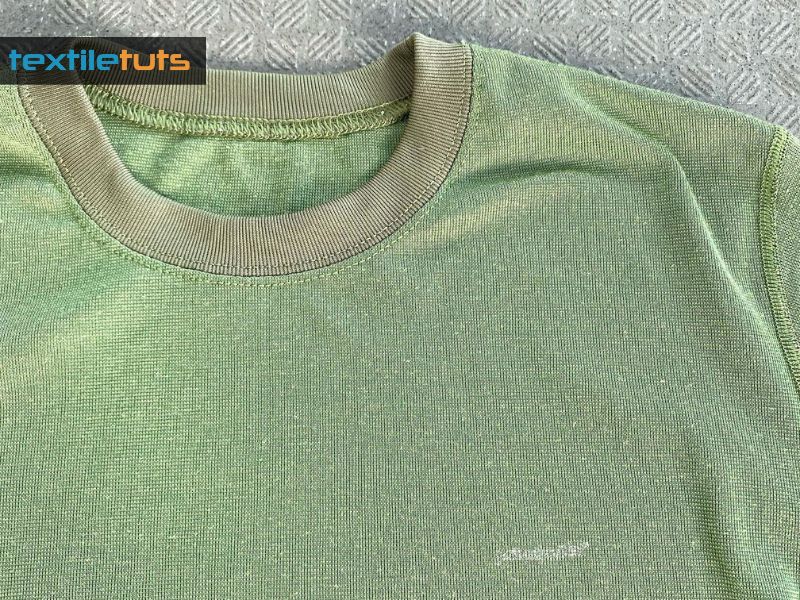
Understanding the Fabric
Before diving into care instructions, it’s important to understand what Capilene polyester is. Capilene is a brand name used by Patagonia, and it refers to their polyester baselayer fabric that is often treated for moisture wicking and made using recycled synthetic fibers. It’s designed to keep you dry and comfortable in a range of temperatures.
Washing Instructions
- Cold Water Wash: Always wash Capilene polyester in cold water. Heat can break down the fibers and lead to shrinking. Set your washing machine to a gentle, cold-water cycle.
- Mild Detergent: Use a mild, liquid detergent. Powdered detergents can be more abrasive and can damage the fabric over time.
- Separate Colors: Wash like colors together to avoid color transfer. This isn’t directly related to shrinking, but it can help maintain the appearance of your garments.
Drying Techniques
- Air Dry: The best way to dry Capilene products is to air dry them. Lay the garments flat in a well-ventilated area out of direct sunlight, or hang them up to drip dry.
- Low Heat Tumble Dry: If you must use a dryer, choose the lowest heat setting and remove the items while they are still slightly damp to minimize the amount of time they’re exposed to heat.
Avoiding Heat
- Stay Away from High Heat: Never wash or dry your Capilene polyester garments in a high-heat setting. High heat is the primary cause of shrinkage in synthetic fabrics. This includes avoiding hot washes, high-temperature drying cycles, and direct ironing.
- Ironing Precautions: If you must iron your Capilene garments, do so with the iron set to the lowest heat possible and ideally use a protective cloth between the iron and the fabric.
Proper Storage
- Fold, Don’t Hang: Fold your Capilene polyester garments rather than hanging them. Over time, hanging can stretch out fabrics, especially when they are wet, which can lead to a misshapen fit.
Avoiding Chemical Damage
- Chemical Exposure: Keep your Capilene polyester away from bleach and other harsh chemicals. These substances can degrade the fibers and potentially lead to shrinkage and other forms of damage.
Product Care Labels
- Read Labels: Manufacturers know their products best. Always read and follow the care instructions on the label of your Capilene polyester garments. Patagonia, for example, will provide specific instructions for the best care of their Capilene products.
Capilene Polyester Care Instructions
Maintaining your Capilene polyester garments through proper care will extend their life and ensure their performance features remain intact.
To ensure your Capilene polyester garments maintain their performance and longevity, follow these care instructions.
Washing Capilene Polyester
Pre-Treatment
- Spot Cleaning: Before washing, pretreat any stains with a small amount of laundry detergent. Gently rub it into the stained area and let it sit for a few minutes.
- Separation: Keep your Capilene items separate from heavy or abrasive fabrics to avoid pilling.
Machine Washing
- Temperature Settings: Use warm or cold water for the wash cycle. Hot water can damage the fibers and affect the garment’s moisture-wicking properties.
- Detergent: Choose a mild, non-bleach detergent. Specialized sports detergents are available that are designed to treat synthetic fabrics.
- Cycle: Set your machine to a gentle or delicate cycle with a moderate spin speed to reduce wear and tear on the fabric.
- Additional Items: Wash with like colors and similar synthetic fabrics.
Hand Washing
- Water Temperature: Use lukewarm water; avoid hot water.
- Detergent Choice: Use a small amount of mild or specialized sports detergent.
- Soaking and Agitation: Gently agitate the water with your hands and allow the garment to soak for a few minutes before rinsing.
Drying Capilene Polyester
Machine Drying
- Settings: If you choose to use a tumble dryer, set it to a low heat or air-only setting. High heat can cause shrinkage and damage the fabric structure.
- Timing: Remove the garment promptly after the cycle ends to avoid any potential heat damage or excessive wrinkling.
Air Drying
- Preferred Method: Lay the garment flat or hang it up to dry. This is the safest method for Capilene polyester as it prevents the risk of heat damage and helps the garment maintain its shape.
- Avoid Direct Sunlight: Prolonged exposure to direct sunlight can cause the colors to fade and may weaken the fibers over time.
Ironing Capilene Polyester
Capilene polyester generally does not require ironing due to its wrinkle-resistant properties. However, if you must iron the garment:
- Heat Setting: Use the lowest heat setting on your iron.
- Protection: Use a pressing cloth between the iron and the fabric to prevent melting or burning.
- Steam: A light steam can help remove wrinkles without direct contact.
Storage of Capilene Polyester
- Clean Before Storage: Always make sure Capilene garments are clean before storing to avoid attracting pests or forming mildew.
- Cool, Dry Place: Store in a dry environment to prevent mildew growth.
Additional Care Tips
- Avoid Softeners and Bleach: Fabric softeners can coat the fibers and diminish the moisture-wicking properties. Chlorine bleach can weaken fibers and should be avoided.
- Sun Protection: Some Capilene garments offer UPF sun protection. Following the care instructions will help maintain this feature.
- Odor Control: To combat odors, some Capilene products come with Polygiene or other odor control technology. Regular washing following these instructions will help sustain its effectiveness.
What Are the Properties of Capilene?
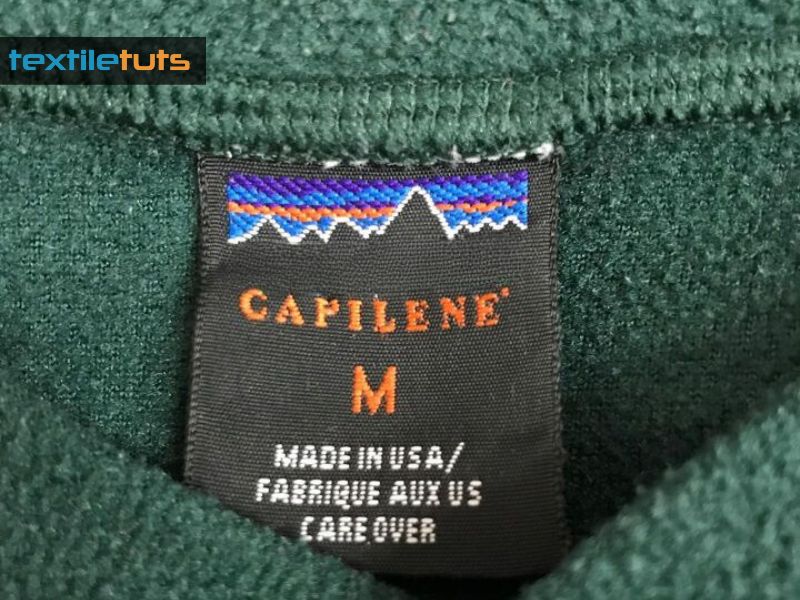
Capilene is a proprietary name for a type of polyester fiber developed and trademarked by Patagonia, a company known for its outdoor clothing and gear. The primary characteristic of Capilene is its ability to wick moisture and regulate temperature, making it ideal for use in base layers for outdoor activities. Here are some properties of Capilene broken down into subcategories:
Moisture Management
Capilene is designed to keep you dry by pulling moisture away from the skin and transferring it to the outer surface of the fabric. This allows the moisture to evaporate quickly, keeping the wearer dry and comfortable.
Quick Drying
The polyester fibers that makeup Capilene are hydrophobic, meaning they do not hold onto water. This property allows Capilene garments to dry much faster than those made from natural fibers like cotton, which is particularly useful in outdoor settings where quick dry times can significantly impact comfort and safety.
Lightweight and Packable
Capilene fabrics are generally lightweight and can be easily packed without taking up much space or adding significant weight to a pack. This makes them suitable for travelers and adventurers who need to minimize their load.
Breathability
Capilene allows air to pass through, aiding in temperature regulation and ensuring that the wearer does not become overly damp with sweat. This breathability is a critical feature in activewear, particularly in base layers.
Odor Resistance
Certain types of Capilene fabrics are treated with odor-control technology such as Polygiene, which prevents the growth of odor-causing bacteria on the fabric. This is an advantageous property for activewear and can mean that garments need to be washed less frequently, which is both convenient and environmentally beneficial.
Durability
Polyester fibers are strong and abrasive-resistant, meaning that Capilene garments tend to hold up well to wear and tear. They resist pilling and maintain their shape after multiple washings, contributing to a long lifespan for the product.
Warmth Retention
Capilene provides good insulation while being exceptionally lightweight. This insulation property helps trap warm air close to the body, efficiently keeping the wearer warm in colder conditions.
UV Protection
Many Capilene fabrics offer some level of Ultraviolet Protection Factor (UPF) to help protect the skin from harmful UV rays. This is an essential feature for outdoor enthusiasts who are frequently exposed to the sun.
Versatility
Capilene is used across a range of Patagonia products, from lightweight base layers for warm conditions to heavier-weight fabrics for cooler temperatures. The versatility of Capilene means that it can be worn year-round in a variety of outdoor and sporting activities.
Final Words
While the thought of shrinking your favorite Capilene polyester piece may be concerning, rest assured that with proper care and following the manufacturer’s instructions, shrinking can be avoided. However, if you do happen to shrink your Capilene garment, there are ways to try and reverse the process.
You need to follow the care instructions and take extra precautions to avoid any potential shrinking. Whether it’s hand-washing or air-drying, it’s always better to err on the side of caution when it comes to preserving the integrity of your Capilene polyester garments.
With proper care, you can continue to enjoy the comfort and performance of this versatile fabric for all your outdoor adventures.


