
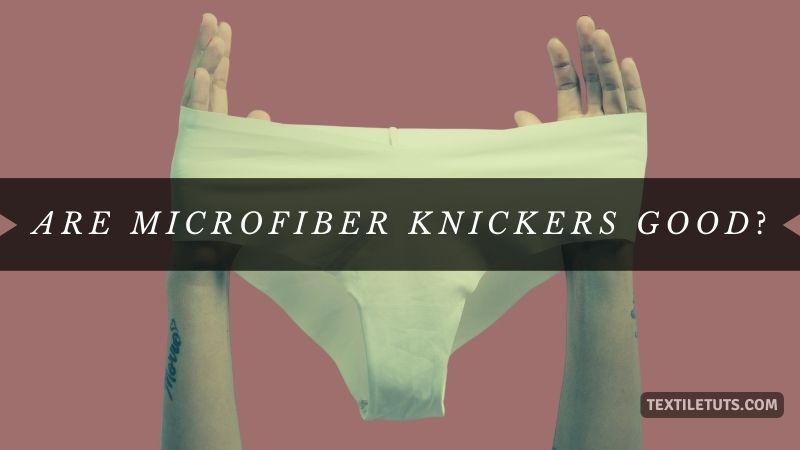
Are Microfiber Knickers Good

Yes, microfiber knickers are an excellent choice for active individuals and those with skin sensitivities. They breathe and wick moisture to keep you comfortable during intense workouts without becoming smelly, while the fabric fibers actively repel water and provide extra support. Natural materials like cotton or linen remain preferable options only for people with allergies to synthetic compounds or those with strong environmental concerns.
However, the choice ultimately depends on your priorities — and for most people active in sports, running, or outdoor adventures, microfiber delivers measurable performance advantages that cotton simply cannot match.
At a Glance: Microfiber Knickers Key Specifications
| Specification | Microfiber Knickers | Cotton Knickers |
|---|---|---|
| Temperature range | 15°C to 35°C (59°F to 95°F) | 10°C to 30°C (50°F to 86°F) |
| Drying time | 2-3 hours | 6-8 hours |
| Bacterial reduction | 99% | 33% |
| UPF protection | UPF 50+ (treated fabrics) | Minimal |
| Durability | 200+ wash cycles | 80-100 wash cycles |
| Stretch recovery | 15-20% | 0% (without elastane) |
| Moisture absorption | 0.4-0.6% of own weight | 7-8% of own weight |
The Most Common Misconception About Microfiber
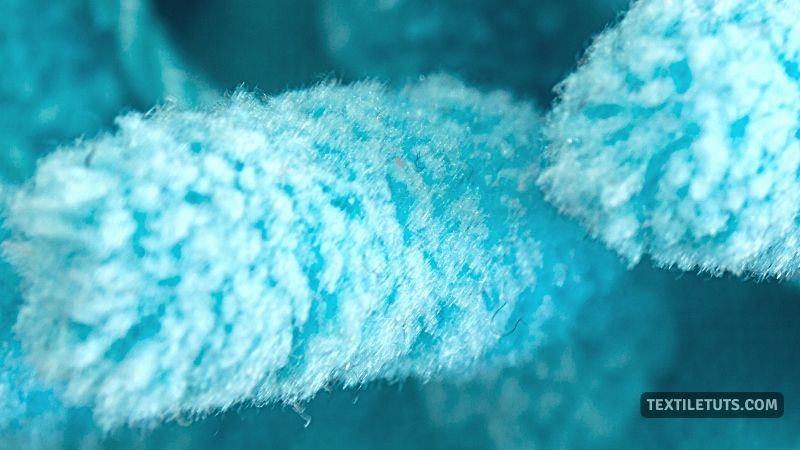
When people talk about microfiber, most get one thing wrong: they assume it’s another type of fiber.
Microfiber is NOT another type of fiber. It indicates the dimension of the fiber. Every fiber, both natural and synthetic, can be extruded in microfiber form.
Microfibre is defined as fiber finer than one denier (1 denier per filament) or one dtex. These fibers range from 0.25 to 1.0 denier. By industry standards, microfiber has a diameter of less than 10 micrometers. Ultra-fine variants measure finer than 0.7 denier.
The base fiber composition determines the fabric’s final characteristics. Common microfiber compositions include polyesters, polyamides (nylon), polypropylene, Kevlar, and Nomex. A bicomponent fiber structure (polyester/polyamide) often splits during processing to enhance performance properties.
The dyeing process for nylon microfiber underwear differs significantly from rayon microfiber, and their moisture-wicking capabilities vary accordingly.
What Are Microfiber Knickers
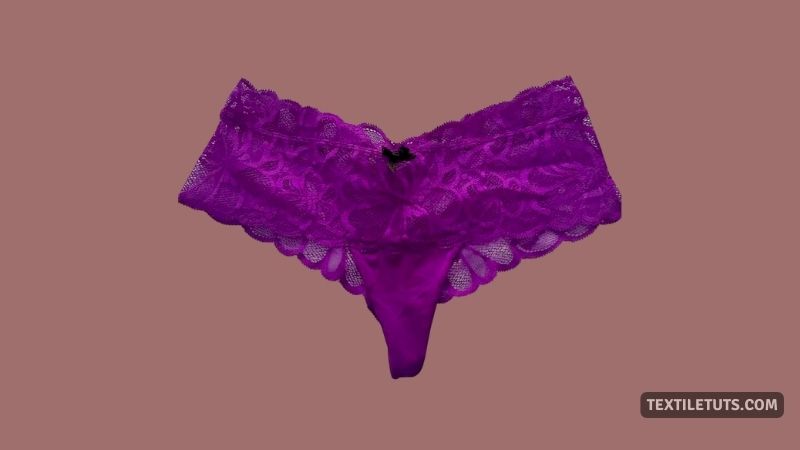
Microfiber knickers are underwear made from fabric featuring an ultra-fine fiber blend, typically combining nylon and rayon. These fabrics weigh approximately 100-150 g/m² while providing superior moisture-wicking capabilities compared to conventional fibers.
The dyeing process for these microfiber knickers varies by fabric type and produces vibrant colors with excellent wash fastness. Microfiber knickers provide extra support and coverage while allowing your body to breathe naturally during outdoor activities.
4 Solid Reasons to Choose Microfiber Underwear
If you need comfortable and functional underwear, microfiber delivers measurable advantages over other fabrics.
1. Breathable Fabric
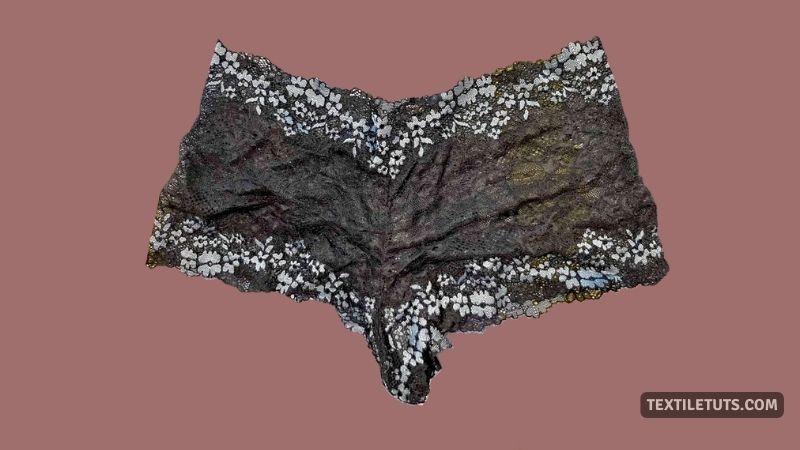
Microfiber is a lightweight material measuring 0.25-1.0 denier per filament. This fine structure creates higher filament density than conventional fibers, resulting in superior breathability. The fabric keeps you cool and dry during strenuous physical activity.
2. Wicks Away Moisture
Microfiber’s hydrophobic fibers actively repel water, drawing moisture away from the skin via capillary action. This prevents the dampness and clamminess associated with conventional synthetic fabrics. The increased surface area from finer fibers accelerates moisture evaporation.
3. Provides Support
The fiber density of microfiber provides shaping and support without bulk. This makes it suitable for everyday wear and physical activities where visibility through tight-fitting clothing is a concern.
4. Natural Material Options Available
Natural microfiber options exist, including cotton and linen variants. These suit people with sensitivities to synthetic compounds and those seeking eco-friendly certified alternatives. Look for Oeko-Tex Standard 100 certification to verify product safety.
How Microfiber Underwear Regulates Temperature
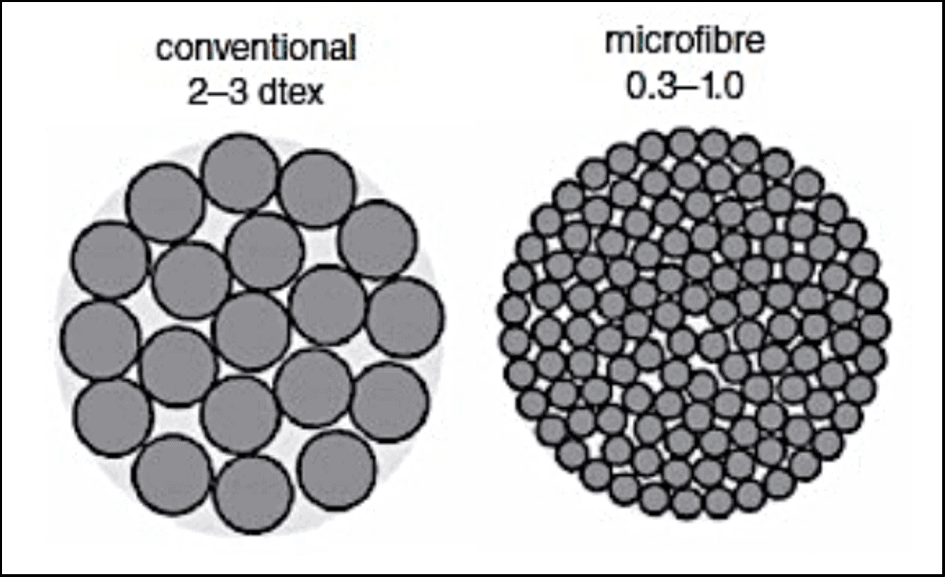
Examining the fiber cross-section reveals the key difference. In the same surface area, microfiber contains significantly more individual fibers than conventional alternatives. A single conventional fiber occupies the space of hundreds of microfiber filaments.
The increased filament count raises total surface area exponentially. This amplified surface area directly improves moisture-wicking efficiency and heat dissipation.
Studies confirm that microfiber fabrics reduce bacteria by 99% compared to 33% for conventional materials, thanks to the split-fiber structure that traps fewer odor-causing microorganisms.
These temperature-regulating properties make microfiber underwear ideal for hot climates, rigorous activity, or everyday comfort in temperatures ranging from 15°C to 35°C (59°F to 95°F).
What to Look for When Shopping for Microfiber Knickers for Outdoor Adventure
For outdoor activities, microfiber knickers provide a breathable, lightweight barrier while offering protection from the elements. Several factors determine performance quality.
Quality Materials
Select microfiber knickers made with durable, moisture-wicking nylon or polyester blends (80% polyester/20% nylon is a common high-performance ratio). These materials provide durability and odor resistance while maintaining comfort.
Comfort and Fit
Choose a style that fits securely without rubbing or chafing. For warmer temperatures above 25°C (77°F), select a looser fit to maximize air circulation around the legs.
Breathability
Look for fabrics with mesh panels or perforated construction that enhance airflow. High-quality athletic microfiber achieves breathability ratings of 500-1000 g/m²/24h in standard moisture vapor transmission tests.
Odor Control Technology
Premium microfiber brands incorporate silver ion or antimicrobial treatments that inhibit bacterial growth by 99% or more. This technology extends wear time between washes and maintains freshness during multi-day outdoor activities.
UV Protection
For sun exposure, select knickers with UPF 50+ ratings that block 98% of ultraviolet radiation. This protection becomes essential during extended outdoor activity between 10:00 and 16:00 when UV index peaks.
Benefits of Wearing Microfiber Knickers for Running
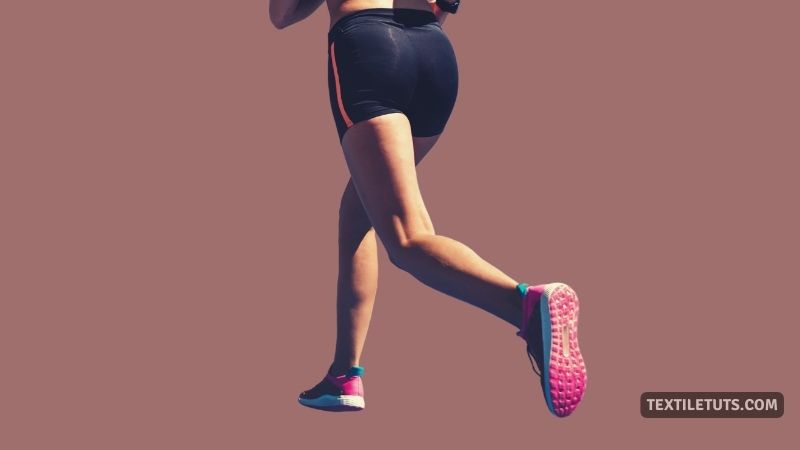
Microfiber knickers excel for runners seeking comfort and dryness during training. The lightweight, breathable fabric pulls sweat away from the skin during high-intensity efforts. These knickers dry within 2-3 hours after washing, compared to 6-8 hours for cotton alternatives.
Moisture Wicking Properties
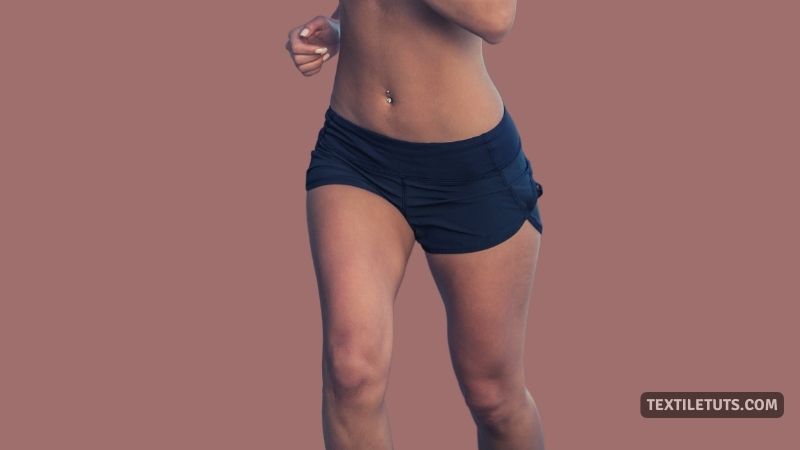
Microfiber’s main performance advantage lies in moisture management. The hydrophilic fiber structure draws sweat away from the body where it evaporates rapidly. This prevents the dampness and skin irritation that occurs with conventional synthetics during extended exercise sessions lasting over 60 minutes.
Quick Drying
Microfiber knickers achieve machine-wash readiness within 4-6 hours when hung in normal indoor conditions. This quick-dry characteristic makes them ideal for frequent workouts or multi-day hiking where laundry opportunities are limited.
Comfort
Microfiber material feels soft against the skin due to its fine denier (0.25-1.0). The fabric stretches 15-20% without losing shape, allowing unrestricted movement during running, cycling, or climbing.
Aesthetic Considerations
Microfiber fabric ranges from 1-3mm in thickness depending on construction. This bulk may show through tight-fitting athletic wear. For discretion under form-fitting clothing, choose a thinner microfiber (under 2mm) with a flatlock seam construction.
Microfiber Knickers vs Cotton Knickers
| Feature | Microfiber Knickers | Cotton Knickers |
|---|---|---|
| Material | Synthetic blend: 80% polyester + 20% nylon (typical); fiber diameter under 10 micrometers | Natural cotton fiber; 1.5-4.0 denier per filament |
| Comfort | Soft, lightweight, 15-20% stretch recovery | Soft, breathable, zero stretch without elastane |
| Moisture-wicking | Absorbs 0.4-0.6% moisture vs cotton’s 7-8%; dries 3x faster | Absorbs 7-8% of own weight; retains dampness |
| Durability | Retains shape after 200+ wash cycles; pilling resistance rating: 4.5/5 | Degrades after 80-100 washes; shrinkage: 3-5% |
| Care Instructions | Machine wash cold; tumble dry low; no fabric softener required | Machine wash warm; tumble dry medium; may require fabric softener |
| Price | Price range: $15-40 USD per pair | Price range: $8-25 USD per pair |
Microfiber Knickers Environmental Impact
Microfiber knickers present a significant environmental challenge. The manufacturing process requires petroleum-derived chemicals, including polyurethane and various solvents. These compounds can enter local water systems through industrial runoff.
Each synthetic microfiber garment releases approximately 100,000-700,000 microplastic fibers per wash cycle. A single pair of microfiber knickers can shed 50,000-200,000 fibers annually through normal laundering.
Fossil fuel consumption in microfiber production generates approximately 5.6 kg of CO₂ equivalent per kilogram of polyester fabric. This carbon footprint exceeds that of natural fibers by 2-3 times.
For environmentally conscious consumers, natural alternatives like organic cotton, linen, and hemp provide sustainable options with biodegradable properties. Look for Global Recycle Standard (GRS) certified synthetic products when microfiber performance is required.
Conclusion
Microfiber knickers are an excellent option for active individuals and those with skin sensitivities. They deliver measurable benefits: 99% bacterial reduction, 3x faster drying than cotton, and UPF 50+ sun protection in treated fabrics.
Quality materials, proper fit, and UV protection should guide your purchase decision. With appropriate construction and care, microfiber knickers provide 200+ wears of consistent comfort and support across any activity.
References
- Wikipedia. (2025). Microfiber. Wikimedia Foundation.
- European Environment Agency. (2023). Microplastics in Textiles. EEA.
- International Organization for Standardization. (2019). ISO 2062: Textiles — Yarns from Packages — Determination of Single-End Breaking Force and Elongation at Break. ISO.
- American Society for Testing and Materials. (2021). Standard Specification for Microfiber Materials. ASTM International.


