
Does Corduroy Shrink? Protecting Your Corduroy Clothes

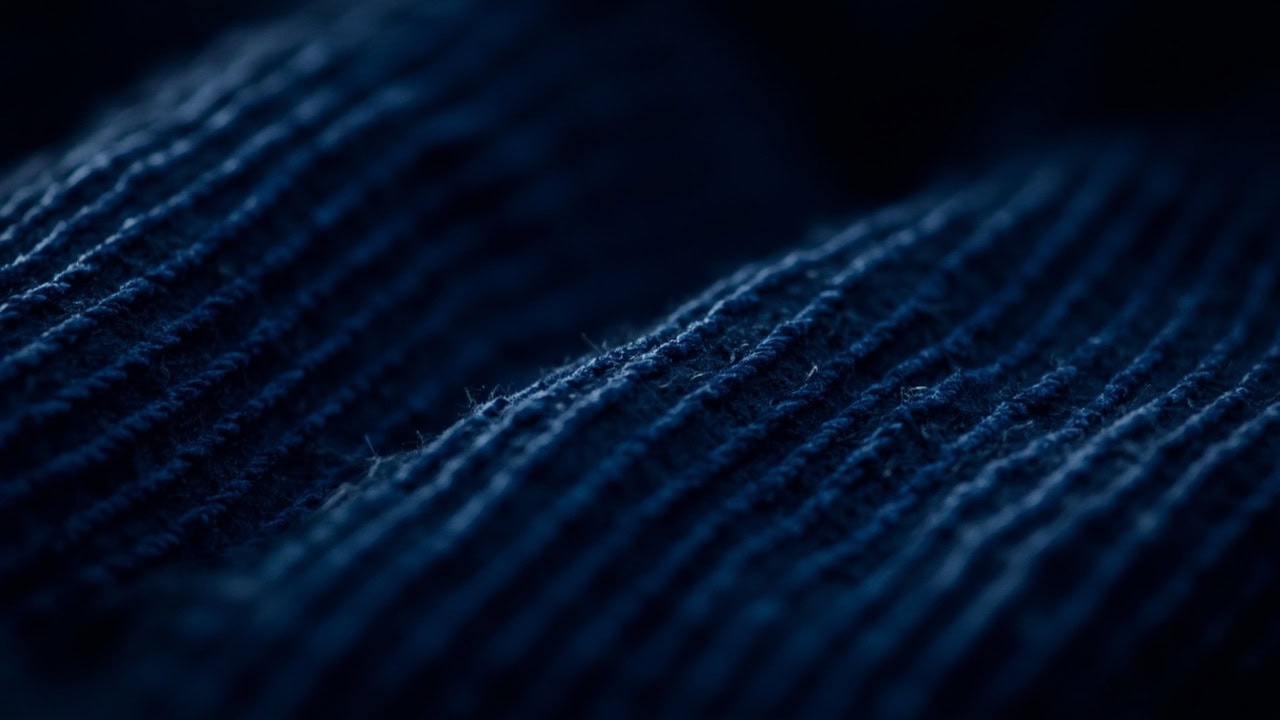
Corduroy shrinks 3–8% in warm water because it is almost always made from cotton — a fiber that releases manufacturing tension when wet. The pile (the ridged surface texture called “wale”) is particularly vulnerable: washing in the wrong direction or high agitation can permanently crush or mat the pile, causing damage beyond just dimensional change.
What Makes Corduroy Unique: The Wale Structure
Corduroy is a cut-pile fabric, meaning the soft, raised fibers are individually cut from the base weave rather than looped. These cut fibers are woven into a plain or twill base fabric, creating the unmistakable ridged surface that defines corduroy’s tactile character.
The ridges running the length of the fabric are called wales. The width of those ridges matters enormously for both feel and function. Narrow-wale corduroy (sometimes called “pincord” or “needlecord”) has fine, tightly spaced ridges and a lighter, more drapey quality — common in shirts and children’s clothing. Wide-wale corduroy has thick, prominent ridges and a bolder, more structured feel, making it a staple for trousers, jackets, and outerwear. Standard wale corduroy falls between the two.
This two-layer construction — a cotton base woven together with a cut pile surface — creates two separate shrinkage concerns. The base fabric shrinks like any woven cotton. The pile, however, responds to heat, agitation, and mechanical action by matting, crushing, or flattening against itself. Most corduroy garments are either 100% cotton or a cotton-polyester blend, and both behave differently in the wash.
How Much Does Corduroy Shrink?
Shrinkage in corduroy depends on three factors: fiber content, wash temperature, and whether the fabric has been pre-shrunk before it reaches you. The numbers below represent dimensional change in the fabric’s length and width after a standard machine wash cycle.
| Fabric Type | Wash Temperature | Expected Shrinkage |
|---|---|---|
| 100% cotton corduroy | 40°C (warm) | 3–8% |
| 100% cotton corduroy | 30°C (cold) | 1–3% (first wash) |
| Cotton-poly blend | 40°C (warm) | 1–4% (varies by blend ratio) |
| Pre-washed / pre-shrunk | 40°C (warm) | <2% after first wash |
ISO 3759:2011 and AATCC Test Method TM135 describe the standard procedures for measuring dimensional change in textiles after repeated home laundering cycles. Both standards use a 5-wash cycle to assess fabric shrinkage and require measurement of length and width before and after treatment. When a care label says “machine wash warm,” expect the upper end of that 3–8% range on 100% cotton corduroy.
The first wash always produces the most shrinkage. This is called relaxation shrinkage — the cotton fibers release residual manufacturing tension they have been holding since the fabric was woven and finished. Subsequent washes produce minimal additional shrinkage (typically under 1%) if you follow the correct temperature and agitation guidelines.
Pre-Shrinking Corduroy Before Sewing
If you are cutting a corduroy garment from yardage, pre-shrinking the fabric is not optional — it is essential. A pair of corduroy trousers made from un-pre-shrunk fabric can end up 2–5 cm shorter in the leg after the first home wash, ruining the fit and wasting your sewing time.
To pre-shrink corduroy properly, wash the yardage in warm water (40°C) on a normal cycle, then tumble dry on medium heat. This simulates the harshest real-world conditions your finished garment will face. Do not hand wash pre-shrink trials — machine wash and dry because that is what the garment will actually experience in use.
Before washing, measure and record the fabric’s length and width in at least three places across the piece (top, middle, bottom). After the wash and dry cycle, measure again at the same points. Calculate the percentage change to know exactly how much your specific lot has shrunk. This data lets you adjust your cutting pattern accordingly. If your corduroy has shrunk 5% in the lengthwise direction and 2% crosswise, you must account for that differential when laying out your pattern pieces.
How to Wash Corduroy Without Damaging the Pile
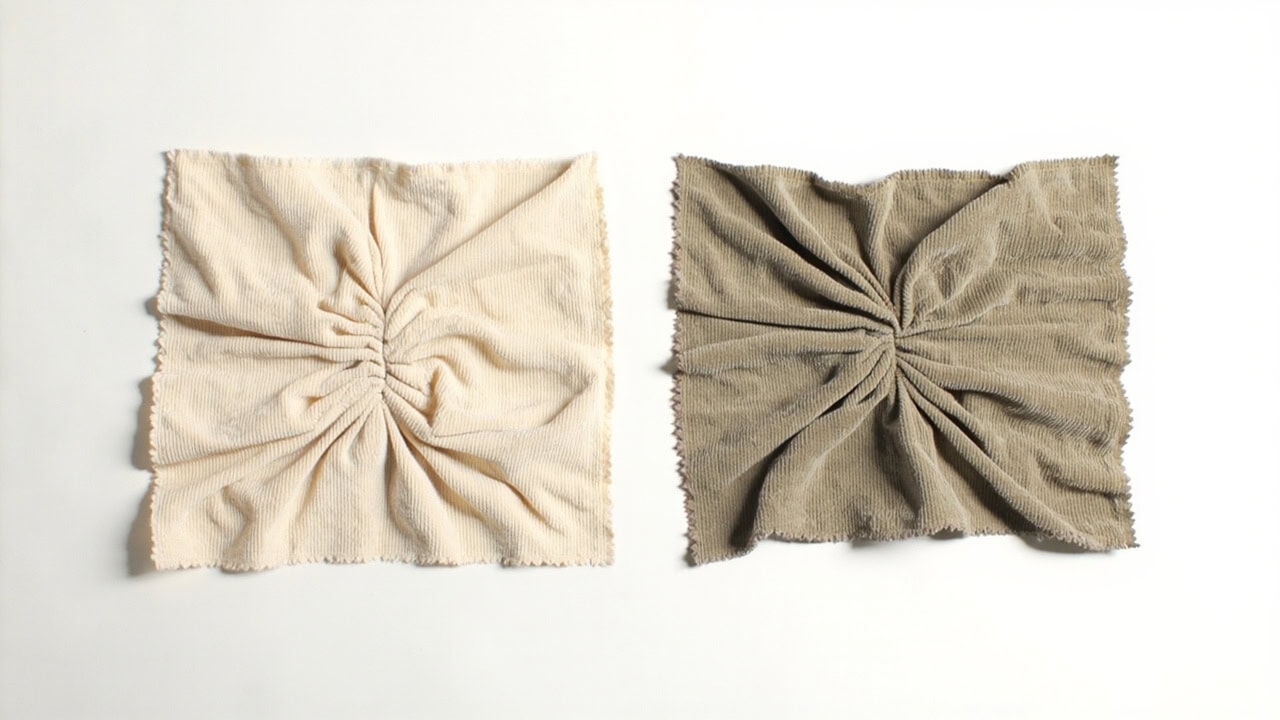
The pile is the most fragile part of corduroy. Unlike a smooth woven surface that simply gets cleaner when washed, corduroy’s pile can mat together, crush flat, or develop permanent shiny patches where friction has compacted the fibers. Here is how to wash corduroy and preserve the pile at every step.
Turn It Inside Out
Always turn corduroy garments inside out before washing. This simple step is the single most effective way to protect the pile surface. The interior of the garment faces the agitator and other items; the pile surface — the side you see when wearing it — stays covered throughout the wash cycle.
Choose the Right Temperature and Cycle
Wash in cold to warm water — 30–40°C — on the gentlest cycle your machine offers. The “delicate” or “hand wash” setting uses slower agitation and more water, which is exactly what pile fabric needs. High agitation causes pile fibers to tangle and mat, so avoid the normal or heavy-duty cycle even for sturdy wide-wale corduroy jackets.
Use Gentle Detergent
Harsh detergents — particularly those containing enzymes designed to break down protein stains or heavy-duty whitening agents — can chemically stress cotton pile fibers. Use a mild, gentle detergent. Avoid fabric softeners in the wash dispenser; they coat pile fibers with a residue that makes the fabric feel limp and attracts dirt.
Tumble Dry on Low Heat — Then Brush
Low-heat tumble drying actually restores corduroy pile fluffiness rather than damaging it. The gentle heat and tumbling action help collapsed pile fibers stand back up and re-fluff. Remove the garment while it is still slightly damp — not bone dry — and hang it to finish drying. Over-drying in a hot dryer causes the pile to flatten.
After drying, use a soft clothing brush (a natural-bristle suit brush or a dedicated fabric brush) to sweep the pile in one consistent direction — preferably the direction of the wale. This realigns the pile fibers, restores the fabric’s characteristic texture, and removes any loose lint caught in the ridges. Brush gently along the wale lines, never against them.
Do Not Iron the Pile Directly
Pressing an iron flat against corduroy pile crushes the fibers and creates permanent shiny marks that cannot be removed. If your corduroy needs de-wrinkling after washing, use a garment steamer instead — the steam puffs the pile back up without flattening it. If you must use an iron, turn the garment inside out and press only the reverse (back) side on the lowest heat setting, using a pressing cloth as a buffer.
Protecting Corduroy Color
Corduroy dyes — especially deep jewel tones and dark navy — are prone to fading with repeated washing. The friction of the wash cycle can gradually abrade the fiber surfaces where the dye sits, causing a faded, worn-in look that appears prematurely.
Wash corduroy only with other similar colors. A deep burgundy corduroy jacket washed with a load of white towels will inevitably lose some dye to the water and to direct fiber-to-fiber contact. Group darks with darks, and keep corduroy separate from lint-shedding fabrics like fleece, wool, and heavy terry cloth.
For new dark corduroy garments, add one cup of distilled white vinegar to the wash drum on the first wash. The mild acid in vinegar acts as a dye fixative, helping the dye molecules bond more firmly to the cotton fibers. This is a technique used in textile manufacturing and is endorsed by fabric care specialists. Do not add vinegar to every wash — one treatment at the beginning of the garment’s life is sufficient.
Turning the garment inside out before washing protects the pile surface from friction-induced color loss on the visible face of the fabric. Combined with cold water, gentle detergent, and a short wash cycle, inside-out washing extends the vibrancy of corduroy significantly.
Frequently Asked Questions
Q: Does corduroy shrink more than regular cotton?
A: Corduroy shrinks at approximately the same rate as other woven cotton fabrics (3–8%), but the pile construction makes it feel different after washing. The pile can also mat or crush, which looks like damage even if the overall dimensions are unchanged.
Q: Can you unshrink corduroy?
A: Some relaxation shrinkage in cotton corduroy can be reversed by soaking in warm water with hair conditioner and gently stretching while wet. Crushed or matted pile is more difficult to restore — gentle tumble drying on low heat often helps.
Q: Should corduroy be dry cleaned?
A: Most corduroy can be machine washed if care is taken. Dry cleaning is recommended for heavily structured corduroy garments (blazers, jackets) to preserve shape, or for very fine-wale silk corduroy.
References
- American Association of Textile Chemists and Colorists (AATCC). AATCC TM135: Dimensional Changes of Fabrics After Home Laundering. AATCC, 2023. https://www.aatcc.org/
- International Organization for Standardization. ISO 3759:2011: Textiles — Preparation, Marking and Measuring of Fabric Specimens and Garments for Tests Involving Dimensional Change. ISO, 2011. https://www.iso.org/
- Cotton Incorporated. Cotton Fabric Care Guide. Cottonworks. https://www.cottonworks.com/
- Wikihow. How to Wash Corduroy. https://www.wikihow.com/Wash-Corduroy
- International Wool Textile Organisation (IWTO). Fabric Dimensional Stability Testing Guidelines. https://www.iwto.org/


