
How to Fold vs. Hang Clothes: Which Fabrics Need Which

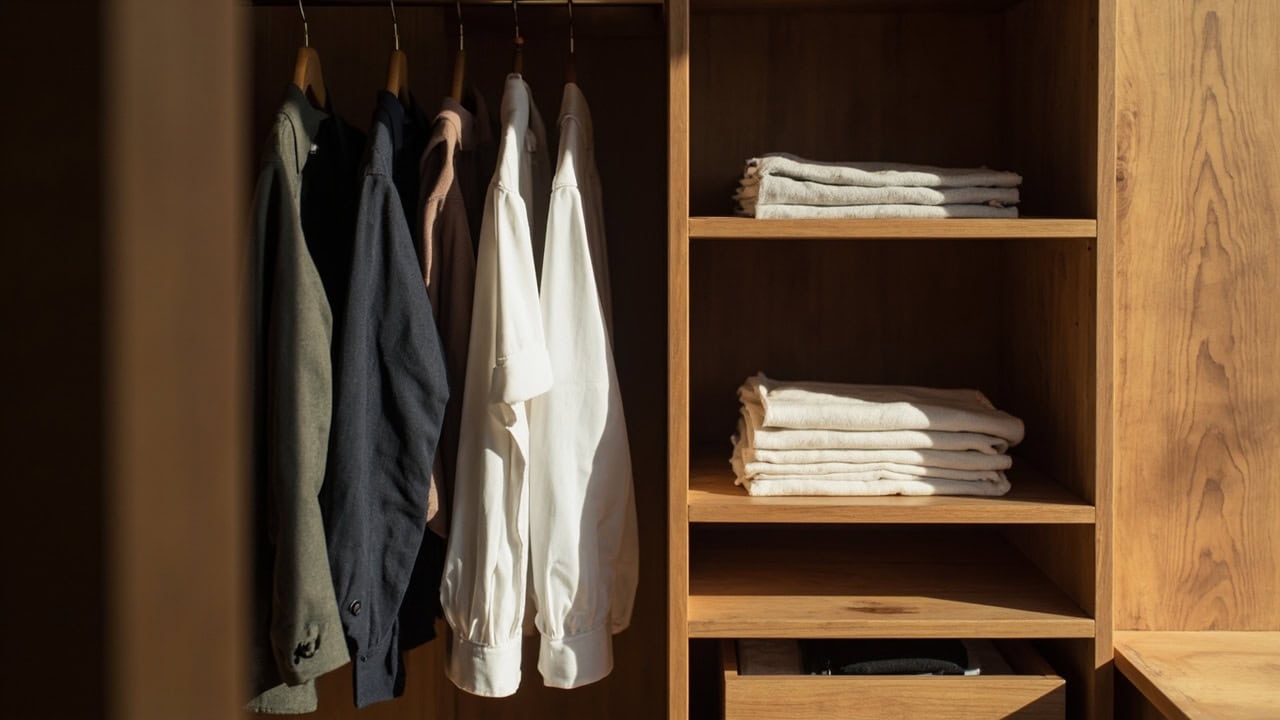
The decision between folding and hanging clothes depends primarily on fabric weight and knit structure — knit fabrics (t-shirts, sweaters) stretch and lose shape when hung, while woven fabrics (jeans, dress shirts) hang better than they fold. Fabrics heavier than 200 GSM should always be folded to prevent shoulder marks, and any garment with spandex or elastane content must be stored flat or folded to maintain elasticity.
The Core Rule: Weight and Structure Determine Everything
Two factors govern every fold-or-hang decision: fabric weight and knit structure. Fabric weight is measured in GSM — grams per square meter — and ranges from around 80 GSM for sheer voiles to over 400 GSM for heavy fleece. The higher the GSM, the more the fabric weighs, and the more likely it is to stretch, deform, or leave shoulder bumps when hung.
Knit fabrics such as t-shirts, sweaters, and leggings are made from interlocking loops of yarn. This loop structure gives knits their stretch and drape, but it also means gravity pulls the fabric downward when hung vertically, causing permanent vertical stretching and the dreaded shoulder bumps known as hanger marks.
Woven fabrics such as dress shirts, trousers, and denim have a stable grid structure — warp threads crossing weft threads — that holds its shape against gravity. Woven garments can generally handle hanging without stretching because the fabric’s structure supports its own weight.
Garments containing spandex, elastane, or Lycra — typically between 5% and 30% of the fibre blend — must always be stored flat or folded. The elastic fibres that give these fabrics their stretch are sensitive to prolonged hanging under load; the weight of the garment stretches the elastic over time, permanently reducing the fabric’s recovery ability and fit.
One universal rule: never hang moisture-loaded garments in a closed closet. Damp clothes stored in a wardrobe create a humid microclimate that encourages mould, mildew, and fibre degradation. Always ensure garments are completely dry — and aired briefly — before returning them to the closet or drawer.
Fabrics You Must ALWAYS Fold (Not Hang)
These fabric types share one critical property: hanging them will cause irreversible damage. Fold them, store them flat, or stack them vertically in drawers.
- T-shirts and jersey knit garments: GSM 120–180. The loop structure of jersey knit loses tension when hung vertically, leading to distorted hemlines and stretched shoulders. Fold or roll, never hang.
- Sweaters and knitwear: GSM 200–400. The combined weight of a heavy knit sweater pulling downward on its shoulder seams creates permanent stretching that cannot be steamed or pressed out. Always fold or store flat.
- Silk blouses and rayon shirts: Lightweight but drapey, these fabrics are deceptively fragile. A standard hanger causes the fabric to slump over the shoulders, creating sharp creases and permanent shoulder dimples. Fold across the chest, then fold again.
- Leggings and yoga pants: Spandex or elastane content of 15–30% is standard in athletic wear. Hanging stretches the elastic permanently, causing baggy knees, a loose waistband, and reduced compression — the very qualities that make leggings functional.
- Pajamas and loungewear: Most are made from jersey knit or lightweight flannel, both of which are prone to shoulder droop when hung. Fold and stack in drawers for best shape retention.
Fabrics You CAN Hang (Preferred Method)
These fabrics have a stable structure that supports hanging without adverse effects. Use the right hanger type for optimal results.
- Dress shirts and oxford cloth: GSM 150–200. Woven cotton or cotton-polyester blends maintain a crisp structure on a hanger. Button the shirt fully before hanging to preserve its shape and reduce wrinkling.
- Jeans and denim trousers: Heavy woven fabric — typically 300–400 GSM for raw denim — has enough structural integrity to support its own weight. However, folding is still preferred because the waistband stays flatter and the fabric develops less stress points over time.
- Blazers and jackets: Structured canvas interlining holds the chest and shoulder shape, making these ideal for hanging on broad wooden hangers. Use a hanger wide enough to mirror the shoulder slope.
- Trousers with wide waistbands: Woven fabric with no elastic content is dimensionally stable. Hang by the waistband using trouser hangers with clips, or fold over a wide-bar hanger.
- Dresses (silk or structured): Hang on padded hangers to preserve drape and prevent shoulder dimpling. Avoid wire hangers, which create pressure points on silk.
How to Fold Clothes Correctly (Step-by-Step)
Proper folding technique minimises wrinkles, saves drawer space, and protects fabric structure. Follow these steps for consistent results across garments.
- Button or zip the garment fully before folding. This maintains the garment’s shape and prevents one side from shifting independently of the other.
- Lay the item flat, front side down on a clean, flat surface. Smooth out any existing wrinkles with your hands.
- Fold sleeves inward at approximately 45° toward the center back. The exact angle matters less than keeping the fold symmetric — an asymmetric fold creates lopsided stacks in drawers.
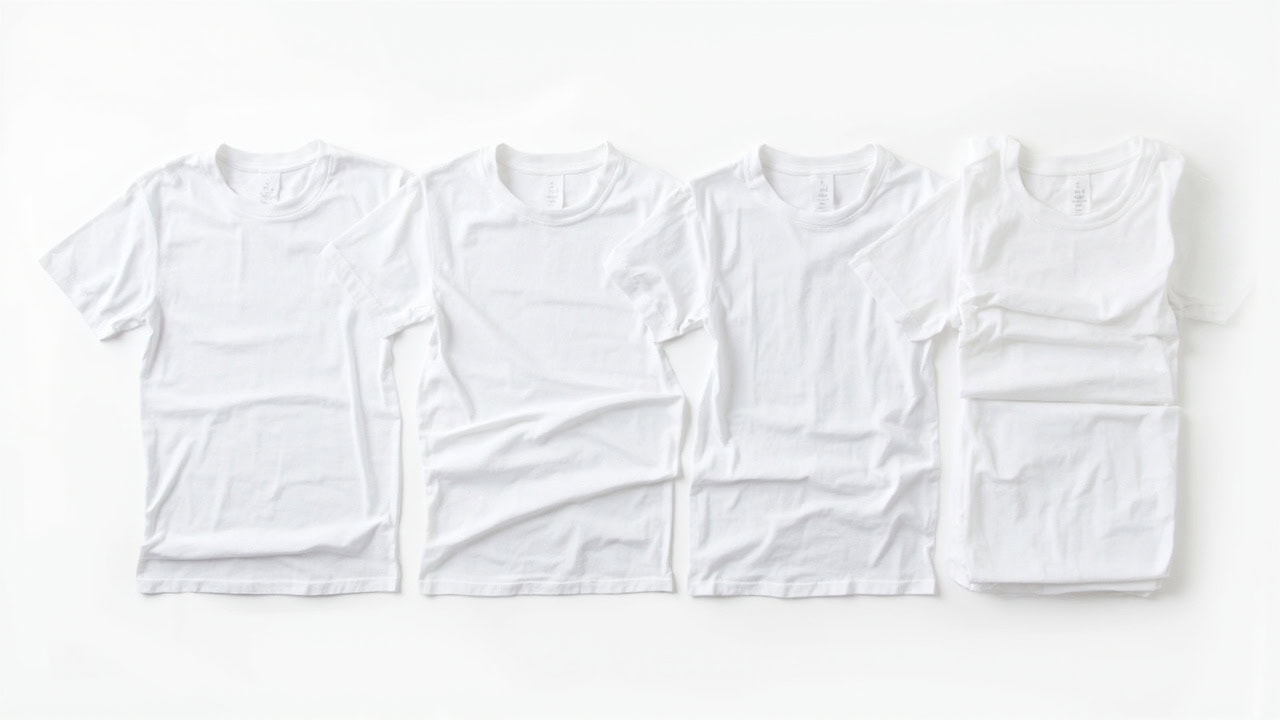
- Fold the bottom hem up to meet the shoulders for a basic fold, or fold in thirds vertically for tighter stacking in narrow drawers. For T-shirts: fold in thirds horizontally to create compact rectangles.
- For sweaters: fold in half horizontally (shoulders to hem), then fold in thirds vertically. Never roll knitwear — rolling creates unnatural creases that stress the loop structure.
- Stack folded items vertically in drawers with the heaviest garments at the bottom. This prevents lighter items from being crushed and reduces stress on delicate fabrics stored above.
How to Hang Clothes Correctly (Without Shoulder Bumps)
For garments that can be hung, using the correct hanger type and technique prevents shoulder bumps and preserves garment shape over months of storage.
- Choose the correct hanger type: Padded hangers for silk and delicate fabrics, wooden hangers with broad shoulders for heavy coats and blazers, and plastic clip hangers for skirts and trousers. The right hanger distributes weight and prevents pressure points.
- Button or close the garment fully before hanging. An unbuttoned shirt creates uneven stress on the fabric and tends to slip sideways on the hanger.
- For shirts: loop the hangar through the collar, ensuring both shoulder seams sit flat and symmetrically on the hanger. Adjust until the shirt hangs level without pulling to one side.
- For knitwear: use the local fold technique: fold the sweater in half at the shoulder line so the shoulder seam sits on the hanger bar, with the body of the sweater draped over the bar. This prevents the shoulder points from stretching under the garment’s own weight.
- Add hanger stabilizer balls or velvet hanger straps for garments with thin spaghetti straps. These prevent straps from sliding off the hanger and stretching out of shape.
- Leave 2–3 inches of space between hung items. Air circulation reduces moisture build-up, prevents crushing, and makes it easier to retrieve individual garments without disturbing neighbouring items.
Fabric Storage by Category (Quick Reference Table)
| Fabric Type | Fold or Hang? | Hanger Type | Special Notes |
|---|---|---|---|
| Cotton T-shirts | Fold | N/A | Stack vertically in drawers; heaviest at bottom |
| Wool sweaters | Fold flat | N/A | Never hang — shoulder marks are permanent |
| Silk blouses | Fold or hang | Padded | Fold for long-term storage; hang for short-term |
| Rayon | Fold | N/A | Hanging causes permanent stretching and dimpling |
| Linen shirts | Hang | Wooden | Wrinkles fall out naturally when worn |
| Denim / jeans | Fold | N/A | Hanging warps the waistband over time |
| Cashmere | Fold flat | N/A | Store with cedar blocks to deter moths |
| Polyester dresses | Hang | Padded | Check garment is moisture-free before storing |
| Spandex / Lycra | Fold flat | N/A | Never hang — elastic fibres degrade under load |
Seasonal Storage Considerations
Switching wardrobes between seasons exposes stored garments to humidity fluctuations, light exposure, and pest risks. A systematic seasonal storage routine extends the life of every fabric type.
Winter to summer swap: Before storing winter garments, ensure every item is clean — stains from winter wear attract fabric moths, which lay eggs on food particles embedded in fibres rather than on the fabric itself. Hang wool coats on wide wooden hangers with shoulder supports, and fold knitwear into breathable cotton storage bags. Avoid plastic bags, which trap moisture and cause yellowing on white fabrics.
Summer to winter swap: Humidity is the enemy of summer-to-winter storage. Ensure all items — especially anything worn in hot weather that may have residual perspiration — are completely dry and aired for 24 hours before storage. Hang structured items (blazers, dresses, lined jackets) and fold stretch items and knitwear flat.
Moisture control: Never store damp clothes under any circumstances. In humid climates, place silica gel packets inside drawers and closet corners — they absorb ambient moisture and prevent mould growth on natural fibres. Replace silica gel packets every six months for continued effectiveness.
Light exposure: Rotate stored items seasonally and keep displayed garments away from direct sunlight. UV radiation causes gradual colour fading, particularly on dark-dyed fabrics and prints. Sealed storage containers or blackout closet doors provide the best protection for stored garments.
Frequently Asked Questions
Q: Can you hang sweaters instead of folding them?
A: No — sweaters must be folded or stored flat. Hanging knitwear causes the shoulders to stretch permanently, creating shoulder bumps that cannot be fixed. Cashmere, merino wool, and acrylic sweaters are all susceptible to this gravitational distortion.
Q: Is it better to hang or fold jeans?
A: Fold jeans — never hang them. The weight of denim causes the waistband to stretch and warp when hung, and the fabric’s weave structure is better preserved folded. Store jeans stacked vertically in drawers with the heaviest pairs at the bottom.
Q: Does hanging clothes cause wrinkles?
A: Hanging clothes generally causes fewer wrinkles than folding, except for knit fabrics. Heavy woven garments (dress shirts, blazers) hanging in a closet often fall with minor wrinkles that fall out when worn. Knit fabrics can stretch and distort when hung, creating permanent shape changes rather than wrinkles.
Q: How do you store clothes to prevent moths?
A: Moths target protein fibres (wool, cashmere, silk). Clean all garments before storing — moths lay eggs on food particles, not fabric. Store wool items in sealed bags with cedar blocks or lavender sachets. Airtight plastic containers are most effective for long-term storage.
References
- CottonWorks™. (2024). Fabric Care Guide. https://www.cottonworks.com/fabric-care/
- ASTM International. (2023). ASTM D3136–23: Standard Care Labeling Language for Textile Products. ASTM International.
- ISO. (2012). ISO 3758:2012 — Textiles — Care Labelling Code Using Symbols. International Organization for Standardization.
- REI Co-op. (2024). Fabric Care and Repair Expert Advice. https://www.rei.com/learn/expert-advice/fabric-care.html
- House Beautiful. (2023). How to Store Clothes Properly: The Complete Guide. https://www.housebeautiful.com/uk/life Style /people-opinion/homes-interiors/a33585273/how-to-store-clothes/
- The Spruce. (2024). How to Store Sweaters Safely. https://www.thespruce.com/how-to-store-clothes-41210910


