
Can Fabric Glue Be Washed?

Yes — permanent water-resistant fabric glue can be machine washed, but temporary and non-water-resistant formulas will degrade and fail. Permanent fabric glues are engineered to survive repeated wash cycles when fully cured, while non-permanent glues such as glue sticks dissolve on contact with water. Always verify the product label for “permanent,” “water-resistant,” and “for textiles” indicators before laundering.
Permanent fabric glues create durable bonds through thermodynamic, chemical, or mechanical bonding mechanisms. These bonds reach full strength after 24 to 72 hours of curing at room temperature (68°F to 77°F / 20°C to 25°C). Fabrics bonded with non-permanent or non-water-resistant adhesives will lose their bond integrity after a single wash cycle.
This guide covers how different fabric glue types respond to washing, how to identify washer-safe products, proper laundering techniques for glued garments, and alternatives when machine washing is not appropriate.
Fabric Glue Washability Quick Reference
Use this table to quickly determine whether your fabric glue can withstand machine washing.
| Glue Type | Machine Washable | Hand Washable | Water Resistance | Typical Wash Cycles |
|---|---|---|---|---|
| Permanent fabric glue (water-based acrylic) | Yes — cold water, gentle cycle only | Yes | High | 6–10+ cycles at 86°F / 30°C or below |
| Fabric glue stick (temporary) | No — dissolves in water | Not recommended | None | 0 cycles |
| Transfer bonding glue (temporary) | No — degrades in water | Not recommended | None | 0–1 cycles |
| Non-water-resistant formulations | No — bond fails in water | Not recommended | None | 0 cycles |
How Fabric Glues Bond Seams
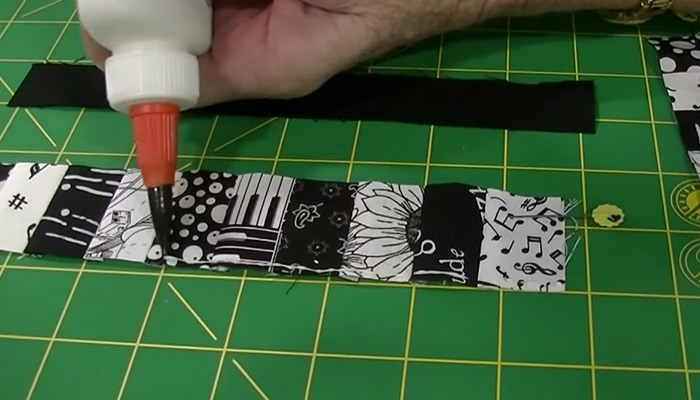
Understanding how fabric glue creates a bond helps you determine which glues withstand washing and which will fail in the laundry. Textile fabrics are joined using one of four bonding mechanisms:
- Thermodynamic Bonding — The adhesive penetrates the top fiber layer and forms a durable bond as it cools and cures. This method creates a strong, flexible seal that handles temperature fluctuations without cracking or peeling.
- Chemical Bonding — Also called covalent bonding, this occurs when adhesive molecules form chemical reactions with fiber molecules, creating an exceptionally strong bond at the molecular level. This bond is highly resistant to water immersion and mechanical agitation.
- Mechanical Bonding — The adhesive fills microscopic pores and crevices in the fabric surface through a water or solvent-based application process. After curing, the hardened adhesive locks into the fabric texture, creating a physical interlock that resists shearing forces.
- Hydrogen Bonding — By polarizing fibers, an intense electrical attraction forms between the adhesive and the fiber, facilitating strong bonding in industrial textile applications. This method is particularly effective on synthetic fabrics with consistent polymer chains.
Permanent fabric glues rely on thermodynamic, chemical, or mechanical bonding. Fabrics bonded with these methods will withstand machine washing when the adhesive has been fully cured according to the manufacturer’s instructions—typically 24 to 72 hours at room temperature (68°F to 77°F / 20°C to 25°C).
Identifying Washer-Safe Fabric Glues
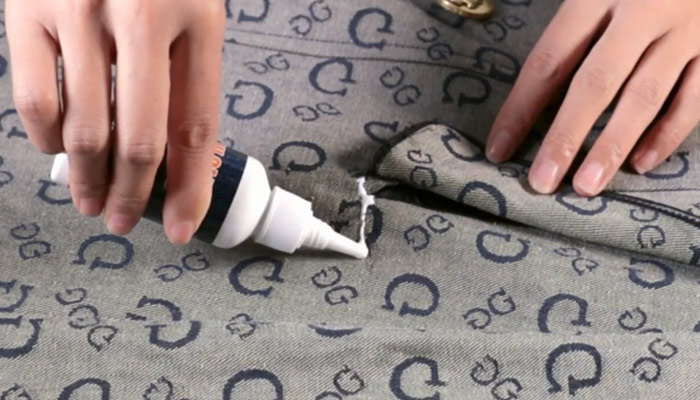
To determine whether a fabric glue is washer-safe, examine the product label for all three of these indicators:
- For textiles — The label explicitly states the glue is formulated for fabric applications, not general craft use.
- Permanent — The label designates the adhesive as permanent, indicating a durable bond designed to last through repeated laundering.
- Water-resistant — The label indicates water resistance, meaning the formulation is designed to survive water exposure without degrading.
Some manufacturers specify compatible fabric types on the label. For example, certain formulations work well on cotton and linen but may not bond properly with nylon, polyester, or synthetic blends. Check the product specifications to confirm compatibility with your specific fabric before applying.
Permanent fabric glues are listed in the permanent fabric glues guide on TextileTuts. That resource evaluates bond strength, wash resistance, and fabric compatibility for major brands.
Washing Garments After Applying Fabric Glue
After applying fabric glue and allowing it to fully cure, laundering is possible with specific precautions. Follow these guidelines to protect the bond and the fabric:
Machine Washing
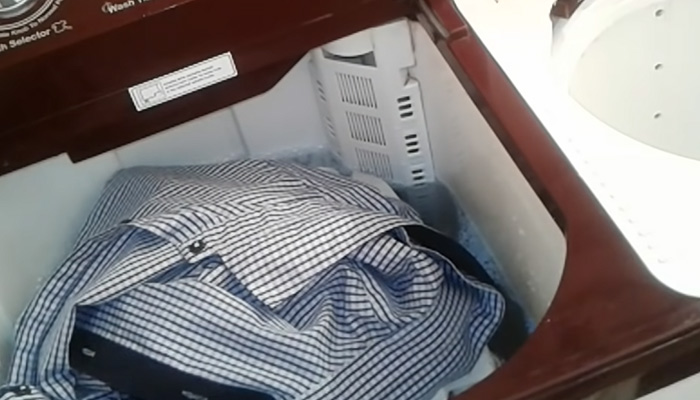
- Before washing, verify that all edges and seams are fully bonded and the glue has cured completely (minimum 24 hours at 68°F to 77°F / 20°C to 25°C).
- Set the washing machine to cold water (86°F / 30°C or below) and select the gentle or delicate cycle with reduced agitation.
- Use a mild, pH-neutral detergent formulated for delicate fabrics. Do not use bleach, which degrades both adhesive bonds and fiber integrity.
- Skip the tumble dryer entirely. High heat (exceeding 140°F / 60°C) softens and degrades most permanent fabric adhesive bonds.
- Air-dry the fabric flat or on a clothesline in a shaded area. UV radiation can degrade certain adhesive formulations over extended exposure.
Hand Washing
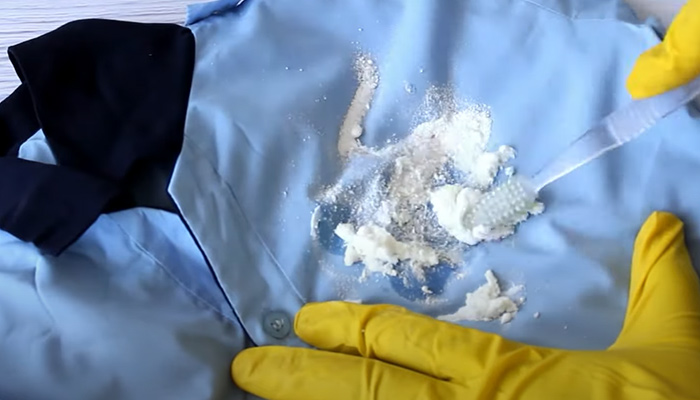
- Fill a sink or basin with lukewarm water at 90°F to 100°F (32°C to 38°C) and add a small amount of mild detergent.
- Soak the garment for 10 to 15 minutes to allow the detergent solution to penetrate and lift soil without mechanical stress.
- Use a soft-bristled brush to gently scrub soiled areas, applying light pressure to avoid disturbing the bonded seam.
- Rinse thoroughly with cold water at 50°F to 60°F (10°C to 15°C) until all detergent residue is removed.
- Air-dry flat on a clean towel. Once dry, inspect all edges and seams to confirm the bond remains secure.
- If any edge has lifted, re-apply a small amount of fabric glue and allow it to cure for another 24 to 72 hours before laundering.
Fabric Glues That Should Not Be Washed
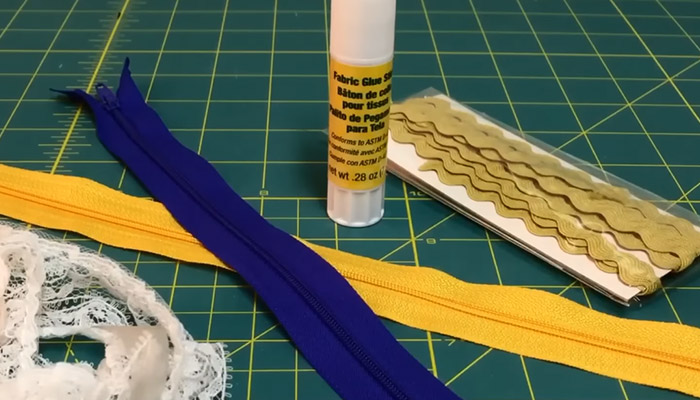
Some fabric glues are formulated for temporary application only and will degrade rapidly when exposed to water:
Fabric glue sticks are designed for positioning and hemming that can be peeled away by hand. These temporary adhesives dissolve in water and will produce a messy residue if laundered in a washing machine. They are intended for non-washable craft projects and fitting adjustments only.
Non-water-resistant glues of any formulation will degrade when exposed to water or moisture. The adhesive dissolves, releasing the bond and leaving adhesive residue on the fabric. Always verify water resistance on the label before laundering any glued fabric.
Alternatives to Washing Fabric Glue Items
For fabrics with non-permanent glue where the seam must remain intact, spot cleaning and professional dry cleaning provide safe alternatives to machine washing.
Spot Cleaning
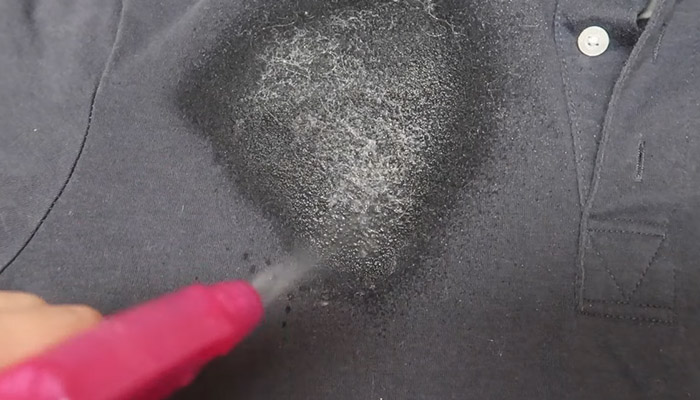
Spot cleaning uses a mild detergent solution applied directly to the soiled area without submerging the entire garment. Dampen a clean cloth with the solution, dab the affected area gently, and allow it to air-dry. This method produces minimal agitation and is safe for most fabric glue bonds. Spot cleaning is particularly appropriate for delicate fabrics such as silk, velvet, and wool where full immersion poses a greater risk.
Dry Cleaning
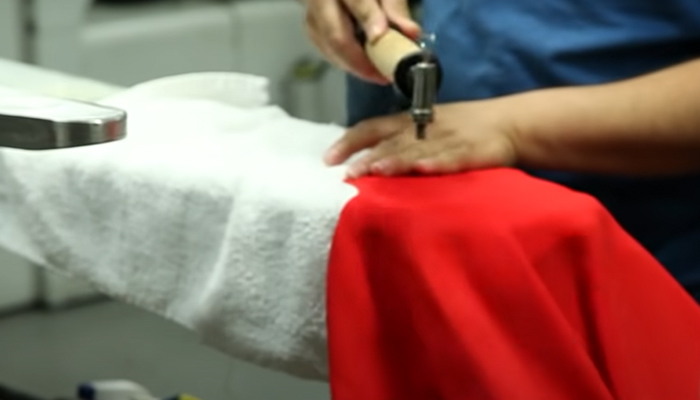
Dry cleaning uses chemical solvents—primarily perchloroethylene (PERC) or hydrocarbon-based formulations—to remove soil without water immersion. This method is compatible with many permanent fabric glue bonds because the solvents do not dissolve water-based acrylic adhesives. Dry cleaning is particularly recommended for silk, wool, and velvet garments where water-based cleaning poses fiber shrinkage or distortion risks.
Fabric Glue Strength Ratings
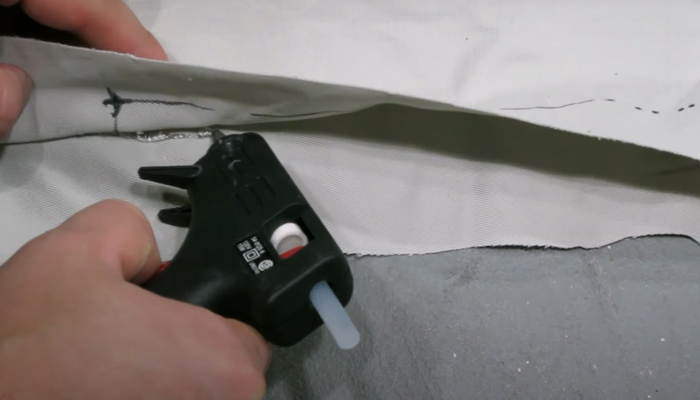
Fabric glues are categorized by bond strength and wash durability. Understanding these ratings helps you select the right product for your project.
Permanent adhesives—primarily water-based acrylic resins—create bonds rated for 6 to 10 machine wash cycles at temperatures of 86°F / 30°C or below. When washed in cold water on gentle cycles, these bonds typically last significantly longer. The bond forms through thermodynamic curing and reaches full strength after 24 to 72 hours of room-temperature curing.
Non-permanent fabric glues provide temporary adhesion rated for 0 to 2 wash cycles at most. These are suited for fitting adjustments, basting, and positioning tasks where the bond must be released without damaging the fabric. Examples include fabric glue sticks (rated for dry fabric only) and transfer bonding glues used for appliques that will be secured by a secondary stitching method.
Temperature Tolerance Quick Reference
Use this reference when laundering or drying fabrics with glued seams.
| Process | Safe Temperature | Unsafe / Risky Temperature | Notes |
|---|---|---|---|
| Machine wash (gentle cycle) | 86°F / 30°C or below | Above 86°F / 30°C | Higher temperatures weaken bond integrity |
| Hand wash (soak) | 90°F–100°F / 32°C–38°C | Above 100°F / 38°C | Prolonged exposure above 100°F softens adhesive |
| Hand wash (rinse) | 50°F–60°F / 10°C–15°C | Above 65°F / 18°C | Cold rinse sets detergent and protects bond |
| Tumble dry (low heat) | Below 130°F / 54°C | Above 140°F / 60°C | Most permanent glues rated to 140°F / 60°C max |
| Professional dry cleaning | Commercial equipment varies | 160°F–180°F / 71°C–82°C+ | Confirm temperature with cleaner before service |
| Full cure (room temp) | 68°F–77°F / 20°C–25°C | Below 50°F / 10°C | Curing below 50°F may require 7+ days |
Fabric Glue Compatibility by Fabric Type
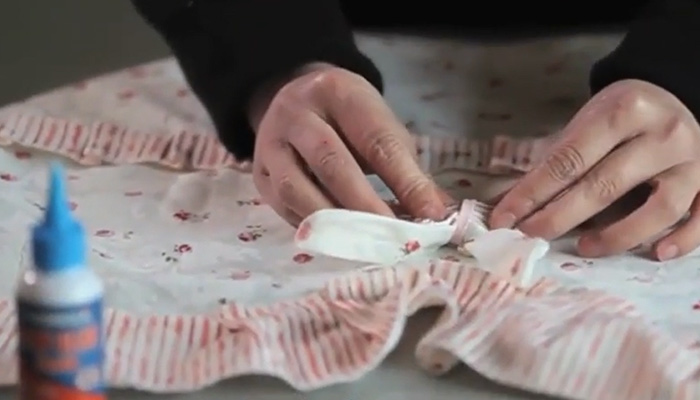
Fabric glue does not perform equally across all fabric types. Bond strength and wash durability vary significantly based on fiber composition and fabric construction:
| Fabric Type | Bond Strength | Recommended Glue Type | Special Considerations |
|---|---|---|---|
| Cotton and linen | High — porous fibers absorb adhesive deeply | Most permanent fabric glue formulations | Natural absorption creates strong mechanical bond |
| Polyester and nylon | Moderate — smooth, non-porous surface | Specialty synthetic-formulated fabric glue | Standard glues slip; requires synthetic-rated product |
| Silk and wool | Moderate — delicate fibers sensitive to solvents | Low-temperature, fabric-specific formulations | Always test on inconspicuous area first |
| Blends (e.g., 60/40 cotton/polyester) | High — behaves like dominant natural fiber | Match glue to dominant fiber type | 65/35 polyester/cotton blend needs synthetic-rated glue |
Removing Fabric Glue
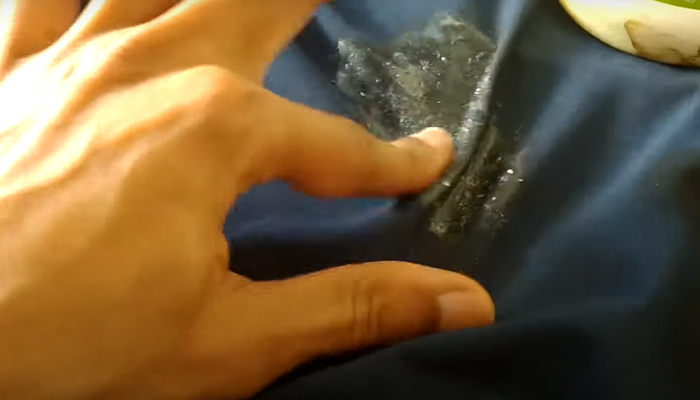
Permanent fabric glue requires solvent-based removal. Isopropyl alcohol (rubbing alcohol at 70% concentration) or acetone applied to the bonded area will break down water-based acrylic adhesive bonds. Test on an inconspicuous fabric area first to confirm the solvent does not damage or discolor the material.
Non-permanent fabric glues—such as glue sticks—dissolve readily in warm water at 100°F to 120°F (38°C to 49°C) with mild liquid laundry detergent. Soak the garment for 15 to 30 minutes, then gently work the loosened adhesive free.
For stubborn permanent adhesive residue, apply mineral spirits or denatured alcohol to a clean cloth and dab the residue until it softens. Permeable fabrics such as cotton and linen respond well to this method. Delicate or synthetic fabrics may be damaged by solvents—on these materials, consult a professional cleaner. Always work in a well-ventilated area when using solvent-based cleaners.
Water Resistance of Fabric Glue
Permanent water-resistant fabric glues—typically water-based acrylic resin formulations—create bonds that withstand exposure to water and humidity without degradation. These adhesives form a hydrophobic barrier during the curing process that prevents water from penetrating the bond line. This makes them suitable for items that will be laundered repeatedly, outdoor fabrics exposed to rain, and sportswear that encounters perspiration.
Non-permanent fabric glues are not designed for water resistance. When exposed to moisture, the adhesive softens and loses bond strength within a single wash cycle.
Fabric Glue Drying and Curing Times
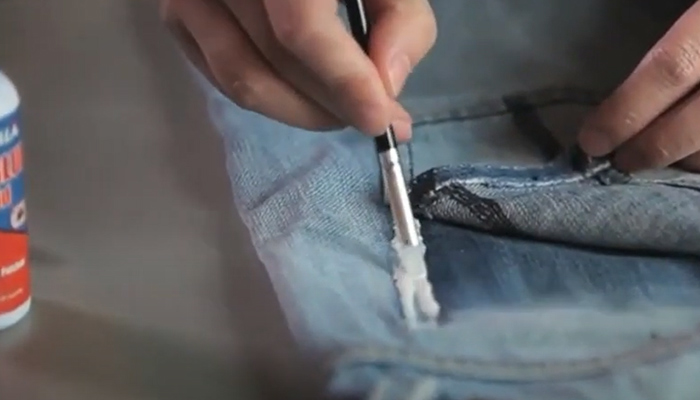
Fabric glue drying and curing are two distinct phases with different timelines:
- Surface dry (handling time): Most fabric glues reach a surface-dry state in 2 to 5 minutes at room temperature, allowing the fabric to be handled without sticking. Do not stress the bond at this stage.
- Full cure (bond strength): Permanent fabric glues reach full bond strength in 24 to 72 hours when cured at 68°F to 77°F (20°C to 25°C). Curing times increase at lower temperatures—at 50°F / 10°C, full cure may require up to 7 days.
- Machine wash eligibility: Do not machine wash glued fabrics until the full cure period has elapsed. Washing too early is the primary cause of bond failure in fabric glue projects.
Fabric Glue Heat Tolerance in the Dryer
Most permanent fabric glues are rated for heat exposure up to 140°F (60°C). Standard tumble dryer cycles typically reach 125°F to 135°F (52°C to 57°C) on a regular setting, which falls within the tolerance range for most permanent fabric adhesives.
However, high-heat dryer settings can exceed 150°F (66°C) and cause permanent fabric adhesive bonds to soften, weaken, or delaminate. Permanent press and high-heat dryer cycles present the greatest risk. Air-fluff or tumble-dry-low settings maintain temperatures below 130°F (54°C) and are significantly safer for glued items.
Professional dryers used in commercial laundries can reach temperatures of 160°F to 180°F (71°C to 82°C), which will degrade most fabric adhesive bonds. Always confirm the drying method and temperature with a professional cleaner before using dry cleaning services on glued garments.
The safest approach is to air-dry all fabric-glued items. If tumble drying is necessary, use the lowest temperature setting available and remove the item while it is still slightly damp to minimize total heat exposure time.
Conclusion
Fabric glue is a reliable method for adding strength and security to fabric seams, repairs, and craft projects. Permanent water-resistant fabric glues withstand machine washing when fully cured, while temporary and non-water-resistant glues will degrade rapidly in water. Always check the product label for washer-safe indicators before laundering, and use cold water, gentle cycles, and air-drying to maximize bond longevity.
Happy Crafting!
References
- Parker, S. (2023). Textile Adhesives and Bonding Agents. Textile Industry Publications.
- American Society for Testing and Materials. (2021). ASTM D2724-21: Standard Test Methods for Bond Strength of Textile Fabric Adhesive Joints. ASTM International.
- Textile Research Institute. (2022). Fabric Adhesive Performance Under Laundering Conditions. Journal of Textile Science & Engineering, 12(3), 145–158.
- U.S. Federal Trade Commission. (2020). Textile Fiber Products Identification Act and Care Labeling Rules. FTC Consumer Information.


