
Are Wool Suits Good

Yes, wool suits are an excellent investment. They offer superior breathability, moisture management, and durability compared to synthetic alternatives. Available in weights from 180–300 GSM, wool suits are suitable for all occasions from formal to casual and provide warmth across all four seasons in most climates.
Wool remains the gold standard for professional and formal attire. For those seeking a classic, polished look, wool suits deliver an impeccable silhouette that synthetic fabrics cannot match. Merino wool suits—woven from fibers ranging from 12–24 microns in diameter—provide superior drape, breathability, and long-term durability.
This article examines the performance of wool suits across different scenarios so you can determine whether they are the right investment for your wardrobe.
Wool Suit GSM Quick Reference
| GSM Range | Fabric Type | Best For | Season |
|---|---|---|---|
| 180–200 GSM | Tropical Wool | Lightweight suits, maximum airflow | Summer, hot climates |
| 200–240 GSM | Lightweight Worsted | Business-casual, year-round wear | Spring, Fall |
| 240–300 GSM | Classic Worsted | Formal suits, daily professional wear | Year-round (temperate) |
| 300–350 GSM | Flannel, Heavy Worsted | Winter suits, maximum warmth | Winter, cold climates |
Composition of Wool Fiber and How It Impacts Your Wool Suit’s Performance
Understanding the composition of wool helps explain its performance advantages. Wool protein is composed of heterogenous amino acids and acidic carboxyl groups, giving it flexibility, elasticity, resilience, and wrinkle recovery properties.
Merino wool—the premium fiber used in quality suits—measures between 12–24 microns in diameter. Ultrafine Merino falls below 15.5 microns. The fiber’s external layer consists of overlapping cuticle scales and lanolin-containing glands, while the cortex inside provides structural integrity through cortical cells, macrofibrils, and a twisted helical molecular chain.
Fine Merino wool achieves up to 100 crimps per inch, creating natural elasticity. Staple lengths range from 90–115 mm for Merino breeds, contributing to the yarn strength required for suit-weight fabrics in the 180–300 GSM range.

The membrane, cortex, cortical cell, macrofibril, matrix, microfibril, and helical coil structure within each fiber collectively contribute to wool’s performance characteristics.
Wool’s multi-layered structure delivers measurable benefits: it absorbs up to 33% of its own weight in moisture, resists burning at higher temperatures than cotton, and naturally recovers from wrinkles through its elastic molecular chain.
How Wool Suits Hold Up in Different Scenarios
Wool suits perform reliably across a range of conditions. The following analysis examines their suitability for different seasons, occasions, maintenance requirements, budget considerations, and environmental impact.
Wool Suits Across All Four Seasons
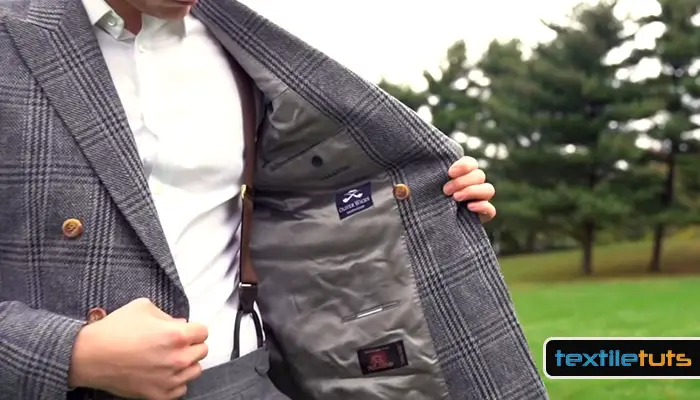
Wool suits perform across all four seasons. In summer, the fiber’s high specific thermal resistance and moisture management allow body heat to dissipate while the fabric wicks perspiration away from the skin. At temperatures between 20–25°C (68–77°F), a lightweight wool suit (180–220 GSM) provides breathable comfort.
In colder climates, wool’s high-loft fiber structure traps warm air close to the body, providing insulation at temperatures as low as -10°C (14°F) when layered appropriately. The fabric’s natural crimp—up to 100 crimps per inch in Merino—creates built-in thermal retention without adding excessive weight.
Wool’s wrinkle recovery ability means the suit returns to its original shape after extended wear. Tensile strength tests show fine wool fibers withstand 40–43 newtons per kilotex, ensuring long-term structural integrity.
Wool Suits for Formal and Casual Occasions
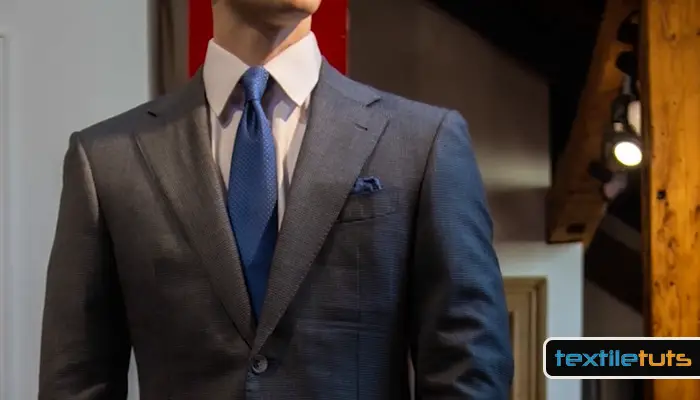
Wool suits serve both formal and casual settings. A classic two-piece or three-piece wool suit projects authority in boardroom meetings, weddings, and formal dinners. The fabric’s natural drape and weight (typically 240–300 GSM for formal suits) create a refined silhouette that polyester blends cannot replicate.
For business-casual environments, a lighter wool suit in the 200–240 GSM range with minimal detailing and a modern cut delivers a polished appearance without looking overly formal. Wool is available in both yarn-dyed and fabric-dyed forms—yarn-dyed wool produces intricate patterns and richer color depth.
The fabric’s versatility extends to season-specific weaves: tropical wools at 180–200 GSM for warm weather, and heavier flannels at 300–350 GSM for winter.
Wool Suit Maintenance Requirements
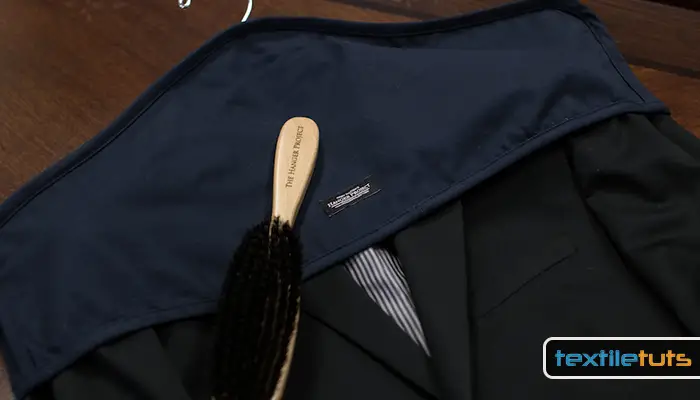
Wool suits require less maintenance than most people assume. Many wool suits carry machine-washable or hand-washable care labels, though dry cleaning remains the preferred method for structured tailored jackets. Always check the care label on your specific suit before choosing a cleaning method.
Stain-resistant and water-repellent finishes on modern wool suits simplify cleaning. For common stains, specific treatments include: ink (dab with surgical spirit or rubbing alcohol), blood (white vinegar followed by cold water), red wine (dilute detergent solution then 3 parts alcohol to 1 part cold water), and grease (hot iron over layered tissue to absorb oils).
Wool’s natural wrinkle resistance eliminates the need for ironing after each wear. To maintain your suit between cleanings, follow these steps:
- Brush the surface with a stiff bristle wool brush after each wear to remove dust, dirt, and debris.
- Hang on a wide, structured wooden hanger to preserve shoulder shape and allow air circulation—never use plastic dry-cleaning bags for storage.
- Spot-clean spills immediately with a damp washcloth; for stubborn stains, take the suit to a professional dry cleaner.
Wool Suit Value and Budget Considerations
Wool suits represent a significant investment. A quality Merino wool suit typically costs between $400–$2,000+, depending on the mill, construction method, and brand. This reflects the superior raw material cost and the skilled labor required for tailoring.
Despite the higher upfront cost, a well-made wool suit delivers better cost-per-wear value over its lifetime. A quality wool suit properly maintained can last 10–15 years or longer, compared to 2–3 years for a typical polyester suit.
For budget-conscious buyers, wool-blend suits (typically 60–70% wool with polyester) offer a middle ground at $200–$500. These provide some wool benefits while reducing cost. Pure polyester suits, priced at $50–$200, have a shorter lifespan and less refined drape.
Wool Suits and Environmental Impact
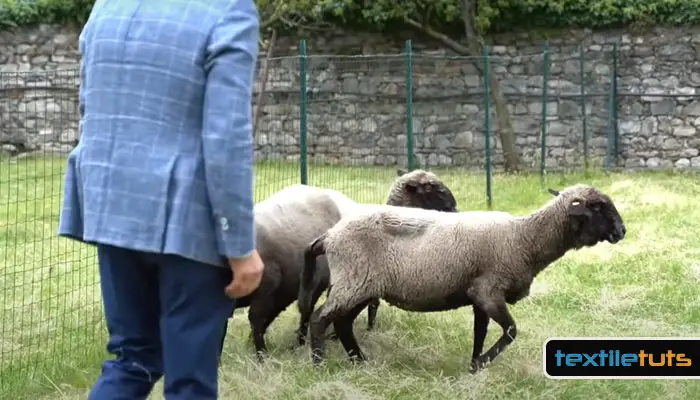
Wool offers genuine environmental advantages as a natural, biodegradable fiber. Unlike polyester, which can persist in the environment for hundreds of years, wool fully biodegrades within 1–5 years under soil conditions, returning nutrients to the earth.
However, wool production does carry environmental costs. The manufacturing process uses chemicals for lanolin removal and fabric treatment, and conventional sheep farming produces methane—a greenhouse gas. Water usage varies significantly by farm and region.
Wool certified by standards such as the Responsible Wool Standard (RWS) or ZQ Merino ensures traceability, animal welfare compliance, and reduced environmental impact. Choosing certified wool supports more sustainable farming practices.
The table below compares wool suits against cotton and polyester across key factors.
| Factors | Wool Suit | Cotton Suit | Polyester Suit |
|---|---|---|---|
| Summer Comfort | Breathable at 20–25°C (68–77°F) with moisture-wicking; tropical wool weights 180–220 GSM available | Excellent breathability in hot, humid conditions; lightweight plain weaves | Limited breathability; retains heat and moisture; best in climate-controlled environments |
| Winter Warmth | Insulates at temperatures as low as -10°C (14°F); flannel weights 300–350 GSM trap warm air effectively | Minimal insulation; requires layering for cold weather; better for mild winters | Limited thermal retention; thin polyester blends provide minimal warmth |
| Durability | 10–15+ year lifespan with proper care; tensile strength 40–43 newtons per kilotex | 5–8 year lifespan; prone to wrinkling and fading over time | 2–3 year average lifespan; fabric pills, loses shape, and degrades with washing |
| Aesthetics | Classic drape and natural luster; suits both formal and business-casual settings | Casual appearance; creases easily; better suited to relaxed environments | Modern initial appearance; develops a shiny, worn look over time; less refined drape |
| Maintenance | Spot-clean and air-dry between wears; natural wrinkle recovery; professional dry clean 2–4 times per year | Machine washable; requires ironing; stains set with heat | Machine washable; requires ironing; static buildup creates clinging |
| Biodegradability | Fully biodegradable within 1–5 years; returns nutrients to soil | Fully biodegradable within 1–5 months; decomposes faster than wool | Not biodegradable; persists 20–200 years in landfills; releases microplastics |
| Environmental Impact | Biodegradable with responsible farming certifications (RWS, ZQ); methane from sheep is a concern; chemical processing required | Lower carbon footprint than wool; less water than conventional cotton; organic options available | Lower production carbon footprint but generates microplastic pollution; not recyclable |
| Cost | $400–$2,000+ for quality Merino; cost-per-wear is low over 10–15 year lifespan | $150–$600; moderate cost-per-wear over 5–8 year lifespan | $50–$200; higher cost-per-wear over short 2–3 year lifespan |
Wool outperforms cotton and polyester for winter warmth, long-term durability, and biodegradability. Cotton excels in hot, humid conditions, while polyester offers the lowest upfront cost but the poorest long-term value.
Heat Retention in Wool Suits
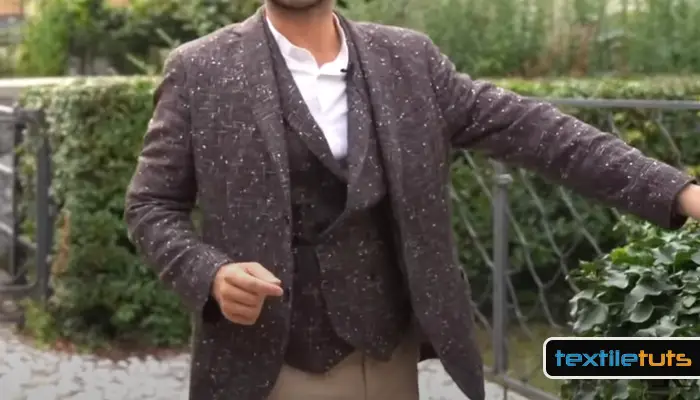
Wool suits can feel warm in high temperatures. Above 27°C (80°F), especially in humid conditions without air conditioning, a wool suit will retain body heat. The fiber’s moisture absorption (up to 33% of its weight) means it feels damp before it looks wet in extreme heat.
For hot-weather occasions, choose tropical wool suits at 180–200 GSM with an open weave for maximum airflow. Linen or cotton suits remain cooler options above 30°C (86°F). In moderate summer temperatures of 20–25°C (68–77°F), a lightweight wool suit performs well without discomfort.
Wool Suits in Professional Settings
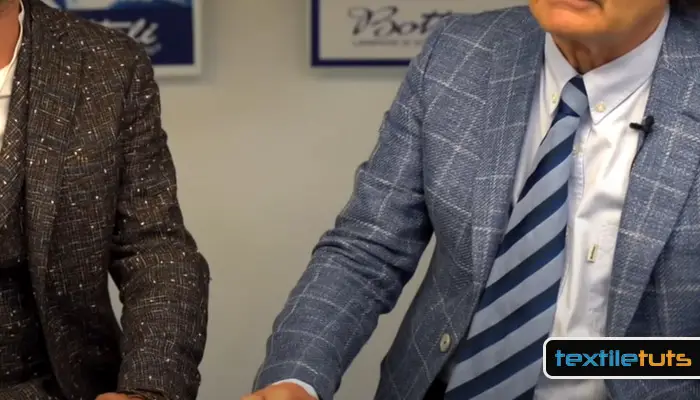
Wool suits are the standard for professional environments. In corporate settings, law firms, financial services, and consulting, a well-tailored wool suit signals competence and attention to detail. The fabric’s natural drape and weight project authority in a way that lightweight synthetic alternatives cannot.
For daily professional wear, wool suits require care. Even with stain-resistant finishes, regular use leads to fabric wear at high-friction points. Professionals who wear suits five days a week should budget for dry cleaning every 2–4 weeks and expect to replace suits every 3–5 years under heavy use.
For occasional professional wear—one to two times per week—a quality wool suit maintained properly can last 10–15 years. The added warmth and breathability make wool the clear choice for year-round professional appearance.
How to Choose the Right Fit for a Wool Suit
Choosing the right fit for a wool suit requires attention to specific measurement points. Knowing what to look for ensures you look your best and feel comfortable.
Jacket Sleeve Length
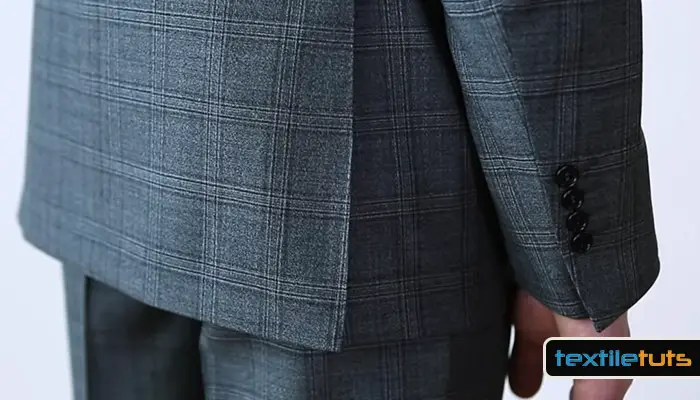
The jacket sleeves should expose 1–1.5 cm (approximately half an inch) of shirt cuff when arms are at your sides. This ensures enough room for movement without excess fabric bunching at the wrists.
Jacket Button Placement
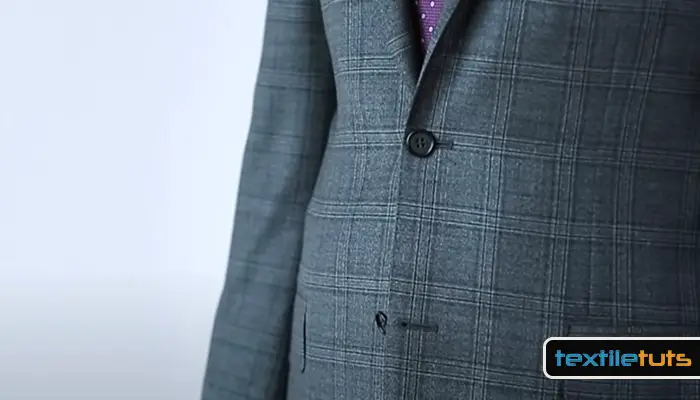
For a two-button suit, fasten the top button only—this creates a clean V-shaped lapel roll. For a three-button suit, fasten the middle button or both top and middle for a more traditional look. Never fasten the bottom button.
Jacket Length
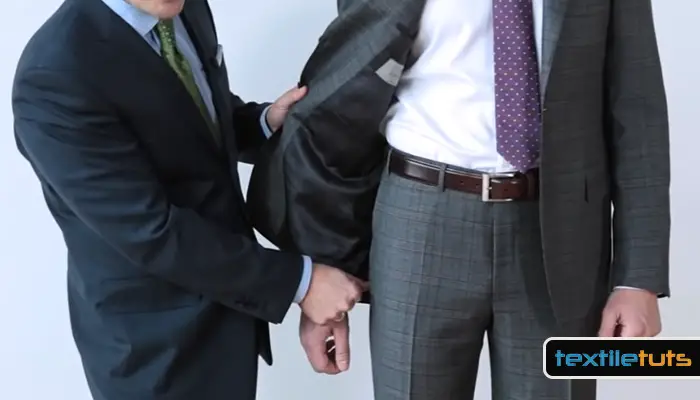
The jacket length should cover the seat and end approximately 2–2.5 cm (about an inch) below the thumb knuckle when arms are at your sides. This proportion flatters the torso and maintains a balanced silhouette.
Shoulder Fit
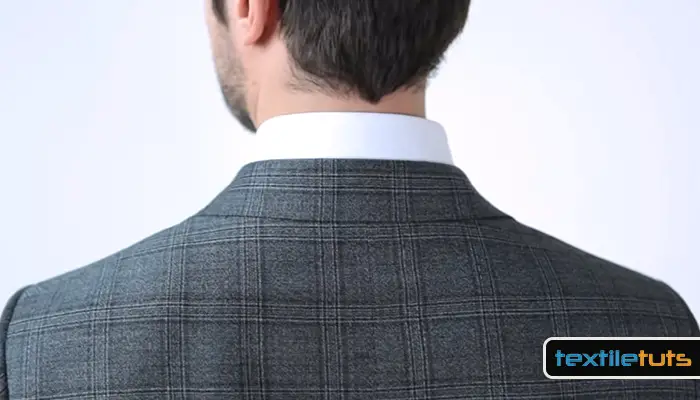
The shoulders must fit precisely—seam placement should align with the natural shoulder bone end. Any divots or excess fabric across the shoulders cannot be altered and will undermine the entire look of the suit.
Fit Types
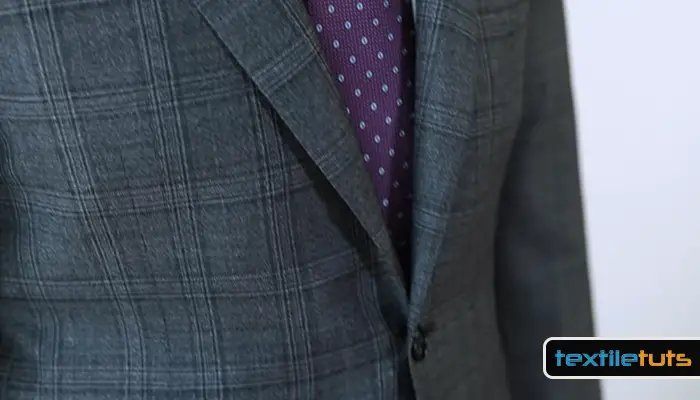
Wool suits are available in four primary fit types. Choose according to your body type: regular fit (room through chest and waist, 5–7.5 cm ease) for broader builds; slim fit (1.5–3 cm ease through the torso) for average and athletic builds; tailored fit (3–5 cm ease) as a middle ground; and skinny fit (minimal to zero ease) for a fashion-forward silhouette.
Conclusion
Wool suits require a higher initial investment but deliver superior performance, longevity, and aesthetic quality compared to synthetic alternatives. For professionals seeking year-round versatility, long-term value, and a refined appearance, quality Merino wool suits remain the definitive choice. With a lifespan of 10–15 years under proper care, the cost-per-wear of a $800 wool suit rivals that of a $100 polyester suit replaced every three years.
References
- CSIRO. (2015). Structure of Wool Fibre. CSIRO Publishing.
- The Woolmark Company. (2024). Wool Care Guide. Woolmark.
- Wikipedia. (2024). Wool — Technical Specifications and Properties. Wikimedia Foundation.
- Responsible Wool Standard. (2023). Responsible Wool Standard (RWS) — Animal Welfare and Land Management Requirements. Textile Exchange.


