
The Complete Guide to Removing Stains from Clothes: Every Stain Type Covered

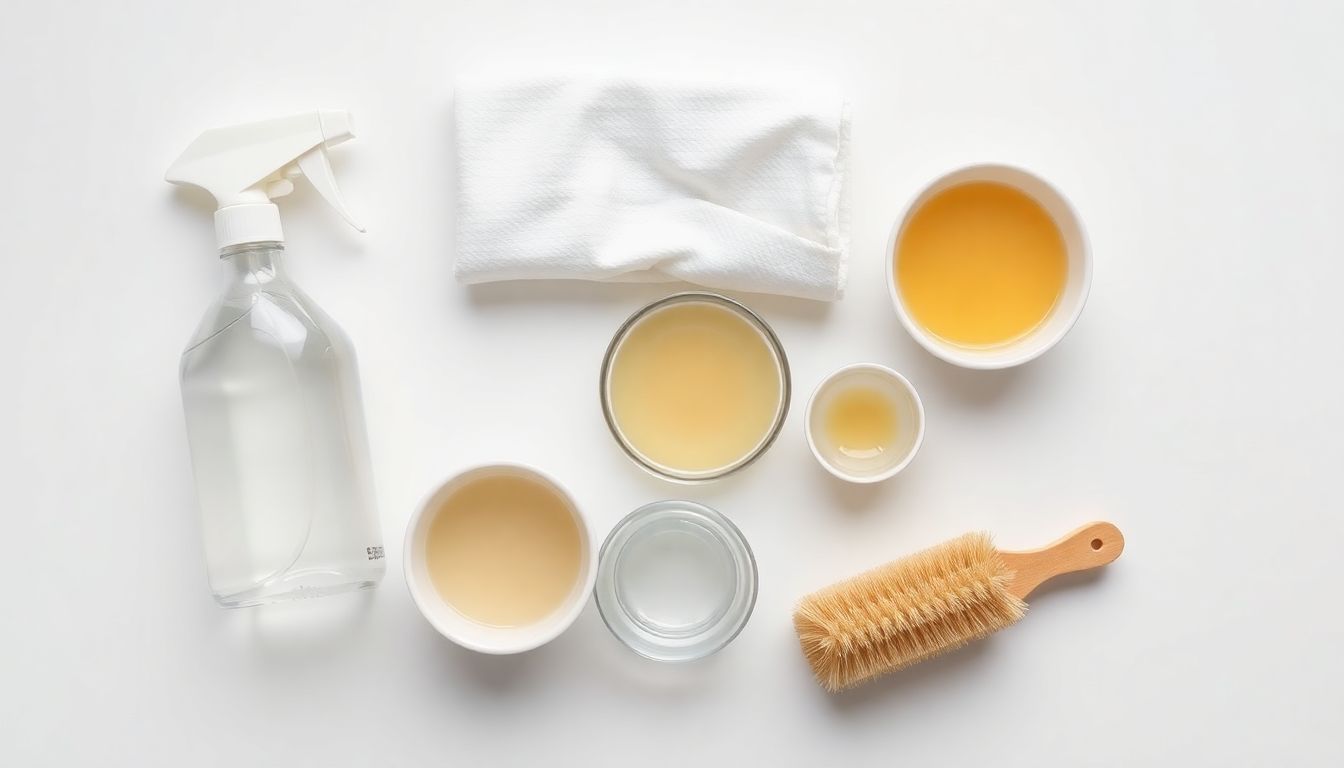
Removing stains from clothes requires matching the right removal method to the specific stain type and fabric — using the wrong approach (hot water on protein stains, or bleach on colored fabrics) permanently sets stains rather than removing them. This guide covers every major stain category with tested removal methods, fabric-safe product recommendations, and the first 60-second emergency response that determines whether a stain comes out.
The Golden Rule of Stain Removal: Act Within 60 Seconds
Every second counts when a stain occurs. The first 60 seconds after a spill determine whether the stain will be easy to remove or nearly impossible. Fresh stains sit on the surface of fabric fibers and have not yet penetrated the fiber core or bonded chemically — at this stage, simple blotting and cold water flush remove the majority of spills before any treatment is even needed.
The 3-step emergency response that works on every fresh stain is: first, blot (never rub) with a clean white cloth to lift liquid without forcing it deeper into the fabric weave; second, flush the stained area with cold water from the reverse side of the fabric to push the stain outward rather than further inward; third, identify the stain type before applying any treatment product, because the wrong chemical can set rather than remove a stain.
Understanding what “setting” a stain means chemically explains why the wrong approach causes permanent damage. Protein stains (blood, egg, sweat) denature and bond to fiber molecules when heated above 40°C (104°F) — the coiled protein molecules unfold, then re-bond in new positions as they cool, permanently changing the fiber structure. Tannin stains (coffee, wine, fruit juice) oxidize when exposed to air and heat, causing chromophore molecules to darken and bind irreversibly to cellulose fibers. Oil and grease stains penetrate hydrophobic fiber cores through surface tension, and once inside, are trapped by the same molecular forces that make the fabric water-resistant.
Rubbing a stain is the single most damaging action you can take. Mechanical friction spreads the stain laterally across the fabric surface, creating a larger stain diameter, while also driving stain particles deeper between individual fibers where they become far more difficult to extract. Blotting and dabbing, by contrast, uses capillary action to draw liquid upward and outward without displacing solid particles.
How to Identify Your Stain Type
Identifying the stain type before treatment is critical because each category requires a different chemical approach. The six categories are: protein-based, tannin, oil/grease, dye, oxidizing, and mud/earth. Use the visual and tactile clues — the color, texture, and source of the spill — to categorize it, then apply the matching treatment protocol.
Protein-Based Stains
Examples: blood, egg, sweat, dairy, meat juices, baby formula
Protein stains come from organic animal sources and share a critical property: heat permanently sets them. When protein fibers are exposed to temperatures above 40°C (104°F), the protein molecules denature — the tertiary structure unfolds and re-bonds to the fabric fiber in a new configuration that cannot be reversed by washing. Cold water keeps protein molecules in their native coiled state, allowing enzyme proteases to break them down before they bond.
Initial treatment: Rinse immediately with cold water from the reverse side, then apply an enzyme detergent containing protease directly to the stain. Soak for 15–30 minutes before washing in the coldest water safe for the fabric.
→ See: How to Remove Blood Stains, How to Remove Sweat Stains
Tannin Stains
Examples: coffee, tea, red wine, fruit juice, beer, balsamic vinegar
Tannin stains are water-soluble when fresh but oxidize rapidly when exposed to air and heat, turning from clear or light-colored to dark brown as the chromophore molecules polymerize and bond to cellulose fibers. The oxidation reaction accelerates above 60°C (140°F). Fresh tannin stains on natural fibers like cotton and linen can often be removed completely with a direct pour of boiling water from a height (the force of the water helps flush the tannin before oxidation completes), but only on colorfast natural fabrics — never on synthetics or delicates.
Initial treatment: For fresh stains on cotton/linen, pour boiling water from 30 cm (12 inches) above the fabric. For dried or set tannin stains, soak in cold water with an enzyme detergent containing amylase, then wash at the highest safe temperature for the fabric.
→ See: How to Remove Red Wine Stains
Oil and Grease Stains
Examples: cooking oil, butter, salad dressing, motor oil, cosmetics, sunscreen, lubricant
Oil and grease stains are hydrophobic — meaning water alone cannot dissolve or rinse them away. These stains require a surfactant or solvent with matching hydrophobic properties to break the oil into small droplets (emulsification) that can be suspended in water and rinsed away. The lecithin in dishwashing liquid is particularly effective because it has both a water-attracting end and an oil-attracting end, allowing it to surround oil droplets and keep them suspended.
Initial treatment: Apply dish soap directly to the stain, working it in gently with a fingertip. Let it sit for 5 minutes — do not let it dry. The surfactants in dish soap need moisture to work; dried dish soap on an oil stain can leave its own residue. Wash immediately at the highest temperature safe for the fabric.
→ See: How to Remove Grease and Oil Stains, How to Remove Makeup Stains
Dye Stains
Examples: grass, berries, turmeric, fabric dye transfer, marker (some types)
Dye stains are among the most difficult to remove because the chromophore molecules — the same molecules that give colored fabrics their color — bond chemically to fiber molecules through covalent and hydrogen bonding. The green pigment in grass (chlorophyll) and the red/blue pigments in berries (anthocyanins) are natural dyes that bond strongly to cellulose fibers. Once through a hot wash cycle, these stains crosslink with the fiber and become effectively permanent on colored fabrics.
Initial treatment: Apply an enzyme detergent containing protease or lipase (or both) as a pre-treatment and soak in cold water for at least 30 minutes. For white fabrics only, oxygen bleach (sodium percarbonate) can be used after enzyme treatment to further break down remaining color molecules through oxidation.
→ See: How to Remove Grass Stains, How to Remove Dye Transfer Stains
Oxidizing Stains
Examples: rust, ink, mold, iodine, certain food dyes
Oxidizing stains require either a reducing agent or an oxidizing agent — depending on the stain’s chemistry — to break the chromophore structure and eliminate the color. Rust (iron oxide) is reduced by acids like lemon juice or white vinegar, which convert the insoluble ferric oxide into a soluble iron compound that can be rinsed away. Ink stains are oxidizing agents themselves — ballpoint ink oxidizes on exposure to air, bonding to paper and fabric equally — and require a counter-oxidant (rubbing alcohol or a commercial ink remover) to break the oxidation bond.
Initial treatment: Rust: apply lemon juice or white vinegar, let sit 5–10 minutes, rinse. Ink: blot immediately with rubbing alcohol (isopropyl), replacing the cloth frequently as the ink dissolves. Never apply water to fresh ink — water spreads the oxidation front and enlarges the stain.
→ See: How to Remove Rust Stains, How to Remove Pen and Ink Stains, How to Remove Mold Stains
Mud and Earth Stains
Examples: dirt, clay, mud, garden soil, boot scuffs
Mud stains are unique in that the correct first response is to do nothing until the mud has dried completely. Wet mud contains a high proportion of water, which acts as a carrier that pulls the solid clay and pigment particles deeper into the fabric weave as it dries. The capillary action of drying pulls particles inward; waiting for the mud to dry means the water evaporates at the surface, leaving the solid particles on the fabric surface where they can simply be brushed off.
Initial treatment: Let mud dry completely — this may take 24–48 hours. Once dry, brush off the loose mud with a stiff-bristled brush (an old toothbrush works well for delicates). Then treat any remaining discoloration with an enzyme detergent containing protease to break down organic matter in the earth pigments, and wash in the warmest water safe for the fabric.
→ See: How to Remove Mud Stains
The Stain Removal Toolkit: What Actually Works
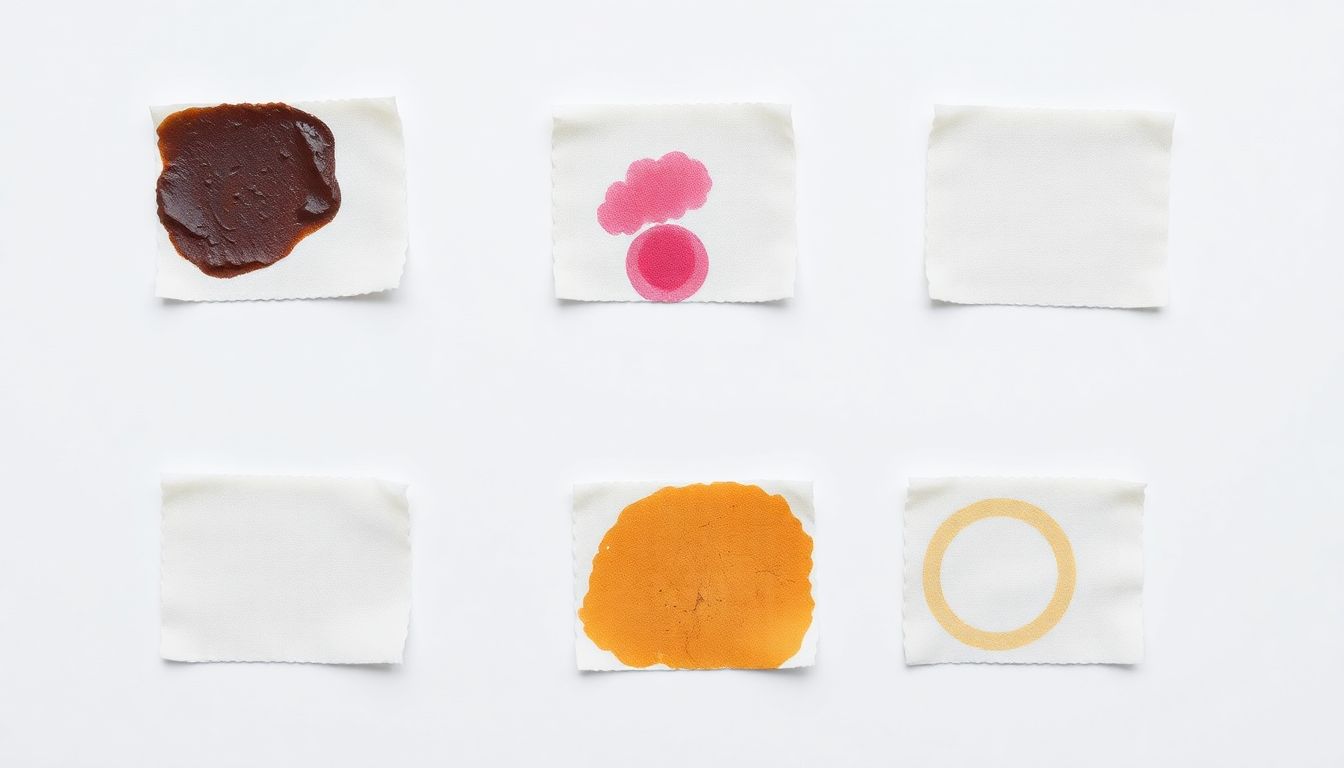
Successful stain removal requires matching the right product to the stain type. These are the categories of products that textile scientists and professional cleaners actually rely on — and the specific stain types each one targets.
Enzyme Detergents
Enzyme detergents contain biological catalysts — protease, lipase, amylase, and mannanase — that break down specific stain molecules at room temperature. Protease (also called subtilisin) cleaves the peptide bonds in protein molecules, effective against blood, sweat, egg, and dairy stains. Lipase breaks ester bonds in triglycerides (fats and oils). Amylase hydrolyzes starch molecules. Mannanase targets guar gum, a thickening agent found in many foods and cosmetic products.
Enzyme performance peaks at 37–50°C (99–122°F) and drops sharply below 20°C (68°F). In cold washes below 20°C, enzyme activity is significantly reduced. For the best results with enzyme treatment, soak in warm (not hot) water for 15–30 minutes before washing. Leading brands that use enzyme formulations include Persil (Henkel), Tide (P&G), and Ariel. Always check that enzyme detergents are specifically labeled as containing protease, lipase, or amylase if targeting a particular stain type.
Oxygen Bleach (Sodium Percarbonate)
Oxygen bleach releases hydrogen peroxide when dissolved in water — typically 13–14% active oxygen by weight in consumer products. The oxidation reaction breaks chromophore molecules in tannin and dye stains, decolorizing them without the aggressive fiber damage of chlorine bleach. Sodium percarbonate is stable in dry form but activates fully in water above 40°C (104°F); water below 30°C significantly reduces its oxidizing potency.
Oxygen bleach is safe for most colored fabrics because it does not selectively attack the chromophore molecules in fabric dyes the way chlorine bleach does — however, it will lighten the fabric itself with prolonged use. Products containing sodium percarbonate include OxiClean (Vanish in Europe), and most “color-safe” bleach formulations. Do not use on wool, silk, leather, or garments with rubber foam components.
Chlorine Bleach (Sodium Hypochlorite)
Chlorine bleach operates through a different mechanism than oxygen bleach: it oxidizes chromophore molecules by transferring oxygen directly to them, effectively destroying the color-bearing structure. At concentrations of 5–6% (typical household bleach), sodium hypochlorite is effective against stubborn stains on white cotton but causes severe damage to synthetic fibers — polyester fibers undergo depolymerization when exposed to hypochlorous acid, weakening tensile strength and eventually causing fabric disintegration. On wool and silk, chlorine bleach dissolves the protein fibers entirely.
Use chlorine bleach only on white, undyed cotton or linen. Always dilute: 250 ml (1 cup) of household bleach in 4 liters (1 gallon) of water for pre-treatment. Never apply full-strength bleach directly to fabric. Never mix chlorine bleach with ammonia or acidic products (vinegar, lemon juice) — the resulting chloramine gas is lethal if inhaled.
Dish Soap (Surfactant-Based)
Dishwashing liquids are surfactant-heavy formulations designed to emulsify hydrophobic oils and fats for manual washing. The primary grease-cutting agents are anionic surfactants (sodium lauryl sulfate or similar), combined with enzymes where indicated. Dish soap works on fresh grease and oil stains through a dual mechanism: the hydrophobic end of the surfactant molecule attaches to oil droplets, while the hydrophilic end attaches to water molecules, surrounding each oil droplet in a micelle that suspends it in wash water.
Dawn Ultra, Fairy (Europe), and similar grease-cutting formulations are preferred over gentle or moisturizing dish soaps for stain treatment. Products with lecithin (listed as “lecithinin” in ingredients) provide additional performance on old or set grease stains.
White Vinegar (Acetic Acid, 5%)
White vinegar is a mild acid (pH approximately 2.5–3.0) that dissolves mineral deposits, deodorizes, and breaks down alkaline residues such as deodorant buildup and detergent residue. It is not a primary stain remover but works as a rinsing agent and odor neutralizer — particularly effective for removing antiperspirant residue (aluminum chlorohydrate) on dark shirts, and for neutralizing cleaning products before they leave a residue.
Rubbing Alcohol (Isopropyl Alcohol, 70%)
Isopropyl alcohol is a solvent that dissolves the polymer binders in ballpoint ink, making it the first-line treatment for ink stains. It works through solubilization — the alcohol penetrates the ink’s polymer carrier, releasing the pigment into solution where it can be blotted away. Isopropyl alcohol is also effective against permanent marker on fabric (though not on painted or printed surfaces). Do not use on acetate fabrics — the acetone in some formulations dissolves acetate fibers. Use in a well-ventilated area.
Baking Soda (Sodium Bicarbonate)
Baking soda is a mild alkali (pH approximately 8.3) that acts as a gentle mechanical abrasive and odor absorber. Combined with vinegar, it produces carbon dioxide gas (the fizzing reaction) that helps physically dislodge dried-on food particles. On its own, it absorbs odor from smoke, mildew, and body oils in fabric. It is not a primary stain remover but is useful as a pre-treatment booster and for ongoing odor management in stored garments.
Hydrogen Peroxide (3%)
Household hydrogen peroxide (3% solution) is a mild oxidizing agent — less aggressive than oxygen bleach — that breaks down the hemoglobin in blood stains and the uric acid crystals in sweat stains. It is particularly effective for treating underarm yellowing on white cotton T-shirts, where years of sweat exposure cause a cumulative discoloration that enzyme detergents alone cannot remove. Always test for colorfastness before applying: place a drop on an inside seam and watch for color change within 60 seconds.
Stain Removal by Fabric Type: Safety Rules
Every fabric responds differently to cleaning agents because fiber chemistry determines compatibility. The same hydrogen peroxide that safely lightens a blood stain on white cotton will damage the protein structure of wool. Know your fabric before you treat.
| Fabric | Safe Methods | Avoid |
|---|---|---|
| Cotton | Enzyme detergents, oxygen bleach, dish soap, cold water flush for proteins | Very high heat after staining (sets any remaining stain); chlorine bleach on colored cotton |
| Wool | Cold water enzyme detergents (protease-free for delicate wool), gentle dish soap, dry cleaning solvent | Chlorine bleach, hot water (any temperature above 40°C/104°F), enzyme detergents containing protease, vigorous rubbing |
| Silk | Cold water, gentle dish soap (patch test first), enzyme-free formulations | Bleach of any kind, rubbing alcohol, hot water, wringing or twisting, direct sunlight drying |
| Polyester | Enzyme detergents, oxygen bleach, dish soap, standard washing temperatures | High heat before stain is fully removed (heat sets any remaining stain permanently into polyester’s hydrophobic fibers) |
| Denim | Cold water enzyme pre-soak, oxygen bleach for white denim | Chlorine bleach on colored denim (unless fading is desired for raw indigo aesthetics) |
| Linen | Cold water flush for fresh stains, oxygen bleach on white linen, enzyme detergents | Chlorine bleach on colored linen (causes fiber degradation and color loss), very high wash temperatures on stained fabric |
→ See detailed guides: Removing Stains from Wool, Removing Stains from Silk, Removing Stains from Linen, Removing Stains from Polyester
The Complete Pre-Treatment Process (Step-by-Step)
Following a consistent pre-treatment process prevents the most common mistakes that turn removable stains into permanent ones. Each step builds on the previous — skipping or reordering steps is the primary reason home stain treatment fails.
- Identify the stain type using the six categories above. Misidentifying a protein stain as a tannin stain leads directly to using hot water, which permanently sets the protein.
- Remove excess material: scrape solid spills with a blunt edge (butter knife or spoon back), or blot liquid spills with a clean white cloth — white prevents dye transfer from the cloth to the fabric. Work from the outside edge of the stain inward to prevent spreading.
- Flush with cold water from the reverse side of the fabric. This pushes the stain outward rather than further into the fiber core. Hold the fabric taut to control the flow direction. Continue for at least 30 seconds.
- Apply the appropriate pre-treatment product — enzyme detergent for protein/tannin/dye stains, dish soap for grease/oil, acid (vinegar/lemon) for rust, alcohol for ink. Apply directly to the stain and gently work in with a soft-bristled brush or fingertip.
- Allow 5–15 minutes of contact time before washing. Enzyme cleaners in particular need sustained contact to break down stain molecules — the cleavage reactions are not instantaneous. Do not let the pre-treatment dry on the fabric during this time.
- Check the care label for maximum wash temperature before washing. The number in the wash tub symbol indicates the maximum temperature in degrees Celsius. Washing at a temperature higher than indicated can damage the fabric even if the stain comes out.
- Inspect the stain before drying. Heat from a tumble dryer permanently sets any remaining stain by completing the oxidation or bonding reaction. If the stain is still visible after washing, repeat the pre-treatment process before drying.
- Repeat if necessary before drying. Set-in stains that have been through a previous wash cycle will require 4–8 hours of enzyme pre-soak (soak in enzyme solution overnight) before the next wash to give enzymes sufficient time to break the bonded molecules.
What Never to Do When Treating Stains
- Never use hot water on protein stains (blood, egg, sweat, dairy). Temperatures above 40°C (104°F) denature the protein, causing it to bond irreversibly to fiber molecules. The stain turns brown as it sets — the same browning reaction that occurs when cooking meat.
- Never put a stained garment in the dryer before the stain is fully confirmed removed. The sustained high heat of a tumble dryer (typically 50–80°C / 122–176°F inside the drum) completes any oxidation or bonding reaction still in progress, turning a partially-removed stain into a permanent one.
- Never rub a stain. Rubbing creates friction that drives stain particles deeper into the fabric weave and spreads the stain laterally. Always blot, dab, or tamp — never scrub in a back-and-forth motion.
- Never bleach silk, wool, or spandex. Chlorine bleach dissolves protein fibers (wool and silk) through oxidation of the polypeptide chains. On spandex (elastane), hypochlorous acid attacks the polyurethane backbone, causing permanent fiber degradation and loss of stretch recovery.
- Never pour boiling water on synthetic fabrics or delicates. Polyester, nylon, acetate, and silk all have glass transition temperatures well below 100°C — boiling water can cause dimensional instability, pilling, and permanent changes to the fabric hand and surface appearance. On synthetic fibers already stained with an oil-based substance, boiling water melts the oil into the fiber rather than flushing it out.
- Never apply water to fresh ink stains. Water causes ballpoint ink to spread through capillary action, dramatically increasing the stained area. Always start with isopropyl alcohol or a dedicated ink removal product.
- Never use acetone or nail polish remover on acetate fabrics. Acetone dissolves acetate fibers on contact, creating a hole or melted patch. Check the fabric content label before using acetone-based products.
By Stain Type
- Red Wine
- Blood
- Grass
- Grease and Oil
- Rust
- Chocolate
- Sweat
- Deodorant
- Makeup
- Pen and Ink
- Tomato Sauce
- Turmeric
- Mud
- Sunscreen
- Bleach
- Dye Transfer
- Mold and Mildew
By Fabric Type
Stain Prevention and Treatment Basics
- Why Clothes Stain in the Washing Machine
- Best Stain Removers Ranked
- How to Pre-Treat Stains Effectively
- Does Fabric Softener Stain Clothes?
For comprehensive how to wash clothes safely after stain treatment, see the Fabric Care hub. To understand how fabric fiber structure affects stain absorption, visit the Textile Glossary for terms including enzyme (biological catalysts that break down stains), surfactant (surface-active agents that emulsify oils), oxidation (chemical reaction that breaks color molecules), colorfastness (resistance to color loss), and protein fiber (natural fibers from animal sources).
Frequently Asked Questions
What removes old set-in stains?
Enzyme pre-soak products (OxiClean, Persil) are the most effective for set-in organic stains. Soak for 4–8 hours in an enzyme solution before washing. Dye-based stains (grass, red wine) that have been through a hot dryer may be permanent.
Does cold or hot water remove stains better?
Cold water is safer for most stains. Hot water SETS protein stains (blood, egg, sweat) permanently. For tannin stains (coffee, tea), hot water poured from height can help with fresh stains on cotton, but use cold water first until you identify the stain type.
Is OxiClean safe for colored clothes?
Yes — OxiClean is an oxygen bleach (sodium percarbonate), not chlorine bleach, making it safe for most colored fabrics. Always test on an inconspicuous area first. Do not use on wool, silk, or leather.
How do you remove a stain that has been washed and dried?
Rehydrate the stain with a pre-treatment product (enzyme detergent or oxygen bleach), let it soak 4–8 hours, then rewash at the highest safe temperature for the fabric. Success rate decreases significantly after heat exposure.
References
- AATCC International. (2024). AATCC TM130 – Soil Release: Oily Stain Release. American Association of Textile Chemists and Colorists. https://www.aatcc.org/test/methods/
- AATCC International. (2024). AATCC TM175 – Stain Resistance: Pile Floor Coverings. American Association of Textile Chemists and Colorists. https://www.aatcc.org/test/methods/
- AATCC International. (2024). AATCC LP5 – Lab Procedure for Home Laundering with Bleach. American Association of Textile Chemists and Colorists. https://www.aatcc.org/test/methods/
- CottonWorks. (2024). Fabric Care: Stain Removal. Cotton Incorporated. https://www.cottonworks.com/
- International Standards Organization. (2024). ISO 3758 – Care Labelling Codes. ISO. https://www.iso.org/standard/31364.html
- Britannica. (2024). Protein – Denaturation. Encyclopedia Britannica. https://www.britannica.com/science/protein-biochemistry
- ASTM International. (2024). Textile Testing Standards. ASTM International. https://www.astm.org/


