
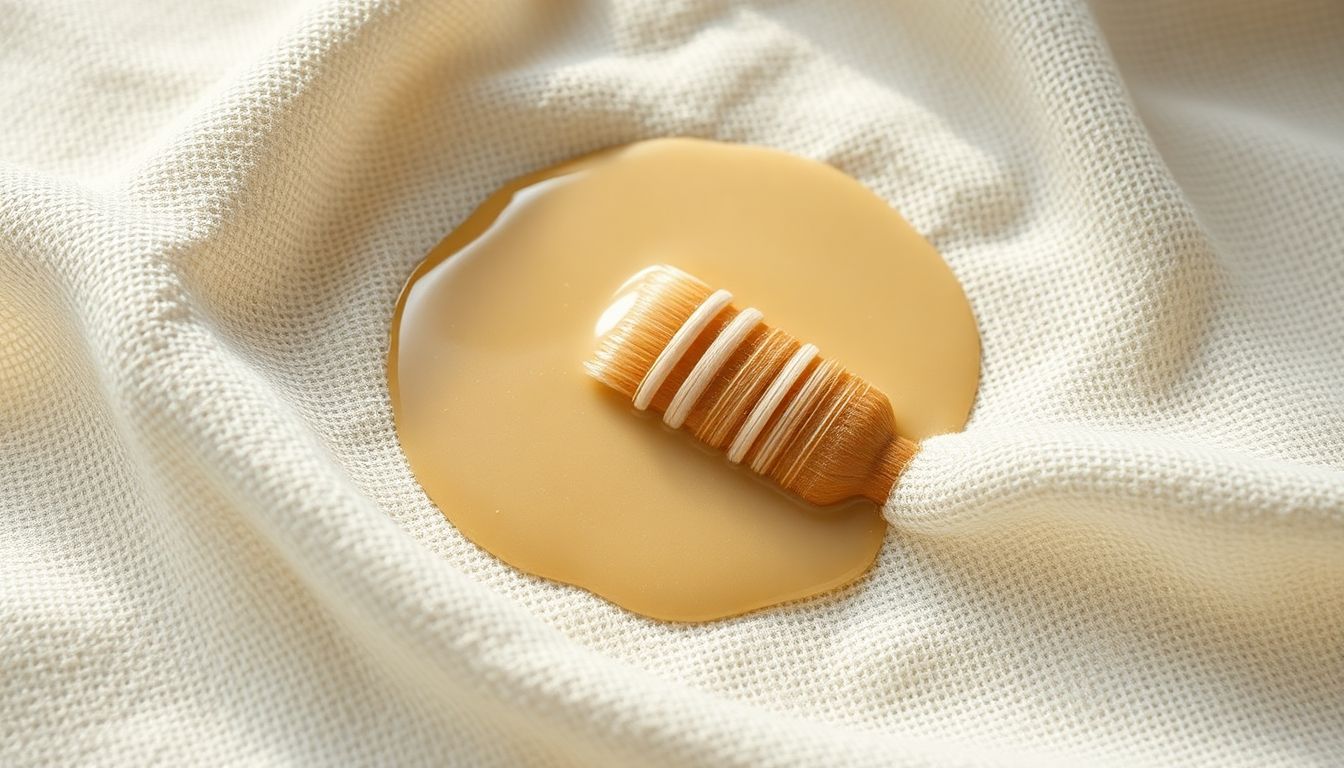
How to Remove Stains from Linen

Linen is one of the easiest fabrics to treat stains on — it is a sturdy cellulose fiber that tolerates enzyme detergents, oxygen bleach, and warm water washing. The main consideration for linen stain removal is acting quickly, as linen’s high absorbency means stains penetrate the fiber rapidly. White linen is particularly forgiving — it can be treated with OxiClean and washed at 60°C for most stain types. For a comprehensive guide covering all fabric types, see our complete stain removal hub.
Why Linen Is Relatively Easy to Stain-Treat
Linen is 100% cellulose — the same fiber family as cotton — derived from the bast fibers of the flax plant. Unlike wool, silk, or viscose, linen withstands mechanical scrubbing and tolerates a wide range of chemical treatments without damage.
Enzyme detergents work particularly well on linen because enzymes hydrolyze proteins, breaking down organic matter in stains into smaller, soluble components that flush away. Proteolytic enzymes target protein-based stains (blood, grass, food), while amylases and lipases handle starches and fats. These enzymes function optimally between 30°C and 50°C, making them ideal for linen care.
OxiClean — sodium percarbonate (2 Na₂CO₃ · 3 H₂O₂) — releases hydrogen peroxide when dissolved in warm water, containing approximately 32.5% hydrogen peroxide by weight. This oxidizing agent breaks down color-causing compounds in stains without damaging cellulose fibers, making it safe for linen and highly effective on wine, coffee, and organic discoloration.
Linen’s absorbency (20% moisture regain — significantly higher than cotton’s 8.5%) means it draws in liquids rapidly. This high absorbency is a double-edged sword: stains penetrate quickly, but so do cleaning agents. Acting fast is the single most important factor in successful linen stain removal. Linen can withstand high temperatures and tolerates enzyme detergents, OxiClean, white vinegar, and hydrogen peroxide (white linen only). For general washing guidance, see our guide to machine vs. hand washing linen.
Quick Reference: Linen Stain Treatment
The table below summarizes the most effective treatments for common stain types on linen fabric. All treatments assume the stain is fresh — for old stains, increase soak time and consider OxiClean overnight soaks. For a complete breakdown across all fabric types, visit our stain removal guide organized by fabric type.
| Stain Type | Treatment | Notes |
|---|---|---|
| Coffee/tea | Enzyme detergent → hot wash | Effective; higher temp for white linen |
| Red wine | OxiClean soak → hot wash | Very effective on linen |
| Blood | Cold water flush → enzyme soak | Cold water essential first |
| Grease/oil | Dish soap → warm wash | Linen can handle warm temp after treatment |
| Grass | Enzyme pre-soak → hot wash | Linen handles this treatment well |
| Turmeric | OxiClean + sunlight | White linen: H₂O₂ also effective |
| Mold | Vinegar soak → hot wash | 60°C kills mold in linen effectively |
Step-by-Step for Most Common Linen Stains
For Organic Stains (Coffee, Wine, Grass)
- Flush with cold water from the reverse side — this pushes the stain outward rather than deeper into the fiber
- Apply enzyme liquid detergent directly to the stained area; let sit 20–30 minutes. Enzyme activity increases with temperature until the optimal range (30–50°C) is reached, so allow sufficient contact time
- If on white or beige linen: apply OxiClean paste (1 part OxiClean to 4 parts water) for 30 minutes. Sodium percarbonate releases hydrogen peroxide at this temperature range, maximizing oxidizing power
- Wash at 40°C for colored linen, 60°C for white linen. Linen can withstand these temperatures without damage — 60°C is within the range that denatures proteins in organic stains while being safe for the cellulose fiber
- Check before drying; if any tint remains, lay in direct sunlight. UV bleaching provides natural whitening that often removes residual coloring after washing
For Oil-Based Stains
- Apply dish soap directly to the grease stain — dish detergents contain surfactants that emulsify oils
- Work the soap into the fiber with fingertips or a soft brush; let sit 10 minutes. Linen’s durable cellulose structure withstands gentle mechanical action that would damage wool or silk
- Rinse thoroughly, then apply enzyme detergent to address any remaining organic component
- Wash warm at 40°C; check stain removal before high-heat drying. Linen dries faster than cotton, so air drying is often sufficient
White Linen vs. Colored Linen: The Difference
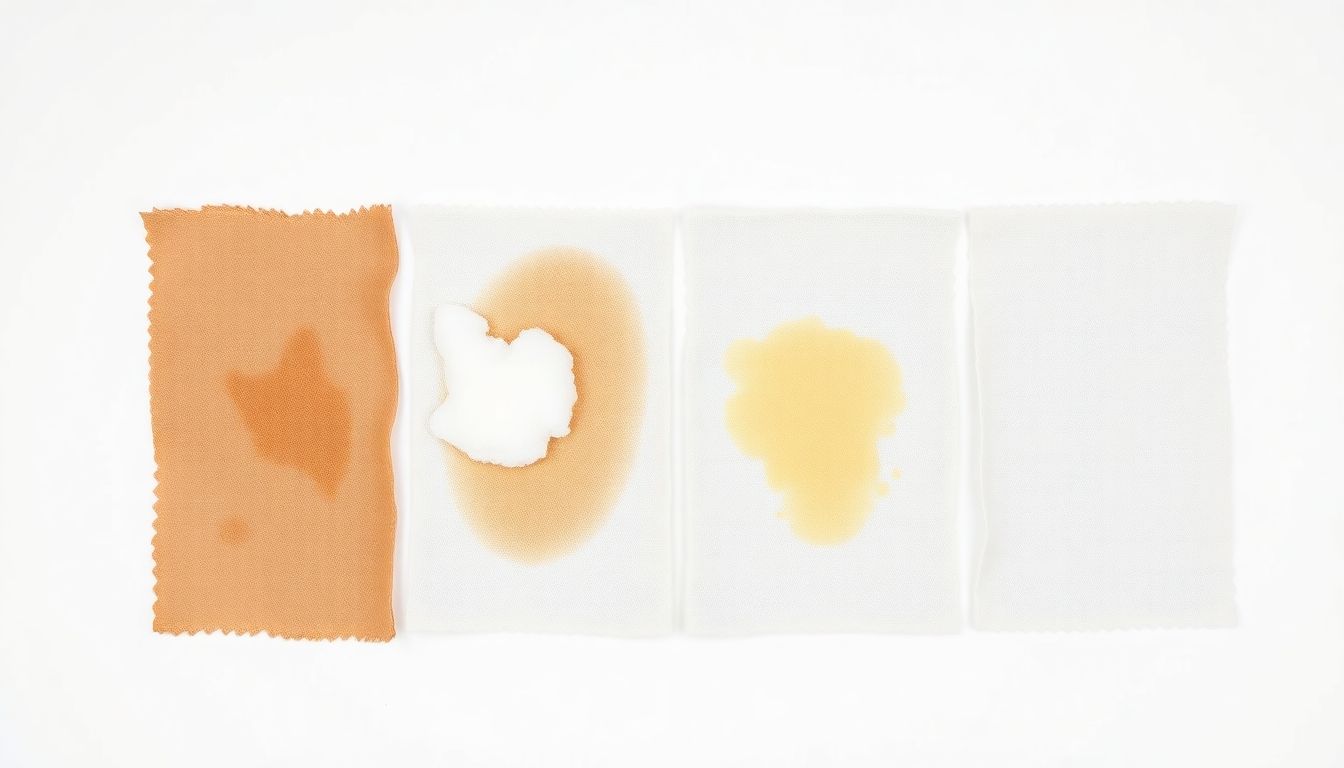
The primary difference in stain treatment between white and colored linen lies in the aggressiveness of chemicals you can safely use.
White linen tolerates the most aggressive treatments because there is no dye to lose. Hydrogen peroxide (3% solution, the standard household strength) is safe for white linen and highly effective on stubborn stains like wine, grass, and turmeric. OxiClean soaks at 40°C for 30–60 minutes work well. White linen can be washed at 60°C — a temperature that kills most bacteria and effectively removes protein-based stains through heat denaturation. This higher temperature is particularly effective against body oils, sweat stains, and biological stains.
Colored linen requires more caution. Avoid hydrogen peroxide entirely — it can cause oxidation of natural dyes, leading to bleaching or color changes. OxiClean is color-safe when used as directed (1 scoop per gallon of water) but always test on an inconspicuous area first. Wash colored linen at 40°C maximum to preserve dye stability. Enzyme detergents are safe for colored linen at this temperature range.
Natural and undyed linen (ecru, oatmeal, natural tan tones) behaves similarly to white linen — most aggressive treatments are safe because there is no applied dye to damage. These linens often contain the original flax plant color, which is relatively lightfast. OxiClean is generally well-tolerated, and UV bleaching is particularly effective on natural linen tones.
Linen’s Natural Color Improvement with Sunlight
Unwashed natural linen naturally whitens with sunlight exposure — this is not a myth but a centuries-old technique based on photochemical bleaching. UV radiation in sunlight breaks down chromophore compounds (color-causing molecules) in organic matter and can oxidize residual staining compounds that survived washing.
For stain-treated linen, laying the washed fabric in direct sunlight after the final rinse often produces dramatically improved results compared to tumble drying alone. This traditional linen whitening method works particularly well on white linen and natural undyed linen. The process is gradual — 2–4 hours of direct midday sun typically produces visible results — and is completely chemical-free after the initial treatment.
Important: colored linen should not be hung in strong direct sunlight for extended periods, as UV can degrade some textile dyes over time. White linen and undyed natural linen, however, benefit significantly from sun bleaching and can be sun-dried regularly without damage.
Frequently Asked Questions
Q: Does linen stain easily?
A: Linen has high absorbency (20% moisture regain) — it does absorb stains quickly. However, its cellulose structure responds well to enzyme and oxygen bleach treatments, making most stains removable.
Q: Can you machine wash linen after treating a stain?
A: Yes — linen is machine washable and handles warm water well. After pre-treating, machine wash at 40°C (or 60°C for white linen) for most stains.
Q: How do you remove old stains from antique linen?
A: Soak in OxiClean solution for 2–4 hours; lay in direct sunlight after washing. For very old stains on heirloom linen: consult a textile conservator before attempting aggressive treatment.
References
- Cotton Incorporated. (n.d.). Linen Fabric Properties. Retrieved from Cotton Incorporated Fiber Science.
- Wikipedia. (2024). Enzyme. Retrieved from Wikipedia — Enzyme.
- Wikipedia. (2024). Sodium Percarbonate. Retrieved from Wikipedia — Sodium Percarbonate.
- Wikipedia. (2024). Linen. Retrieved from Wikipedia — Linen.
- American Association of Textile Chemists and Colorists (AATCC). (2023). AATCC Test Method 61-2017: Colorfastness to Laundering. AATCC Technical Manual.
- International Organization for Standardization (ISO). (2019). ISO 105-C06: Textiles — Tests for color fastness — Part C06: Color fastness to domestic and commercial laundering. ISO.


