
How to Remove Pen and Ink Stains from Clothes

Estimated reading time: 8 minutes
Ink Stain Removal Depends Entirely on Ink Chemistry
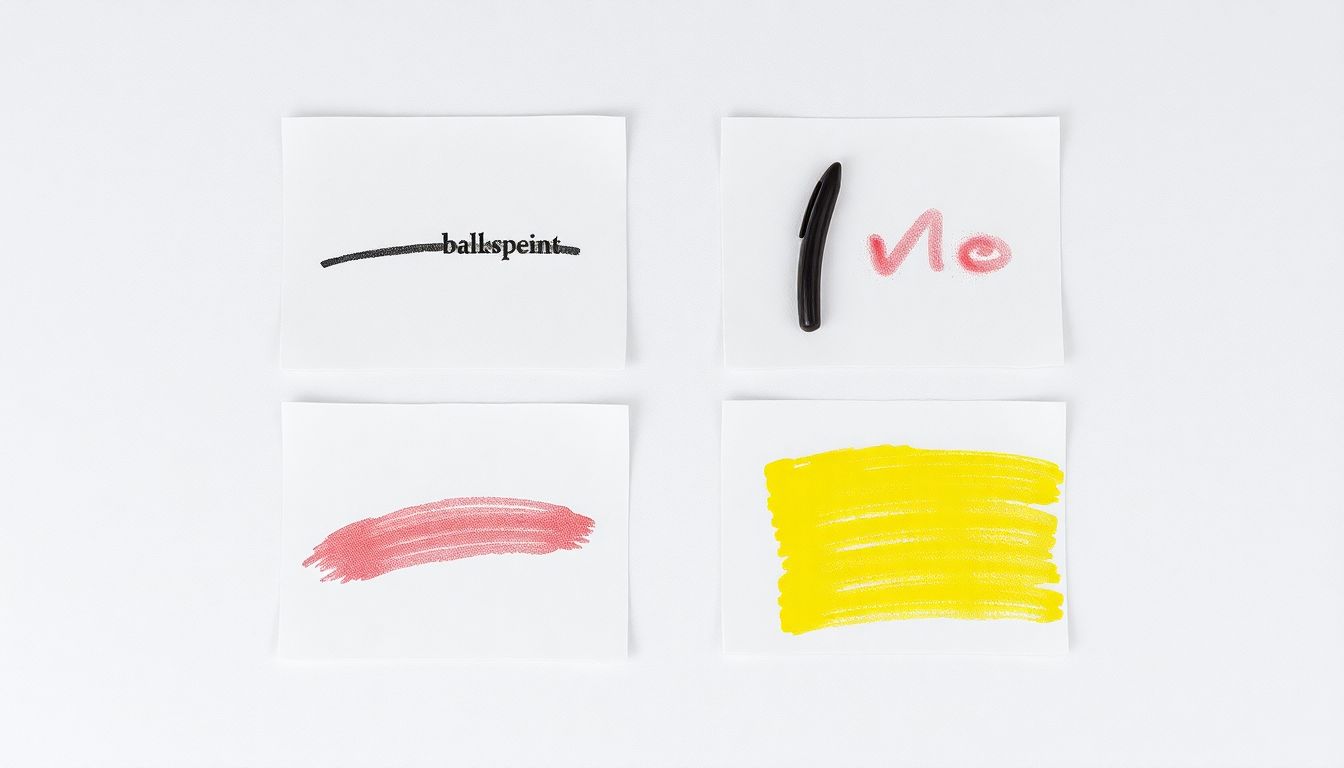
Ink stain removal depends entirely on the type of ink: ballpoint pen ink (oil-based) responds to rubbing alcohol; permanent marker (alcohol-based dye) also responds to alcohol but requires longer treatment; gel pen ink (water-based pigment) responds to dish soap and cold water if treated fresh; printer ink (water or oil-based) requires alcohol or specialist products. Using the wrong treatment can spread the stain instead of removing it. Identifying the ink type before selecting a treatment method is the single most critical step in successful stain removal.
Inks fall into four broad chemical classes: aqueous (water-based), liquid (solvent-based), paste, and powder. Modern inks are complex formulations comprising colorants (pigments or dyes) and vehicles (binders and solvents). Additional additives include resins, lubricants, solubilizers, surfactants, and particulate matter. The ink classification determines how the ink behaves on fabric and which removal agent will effectively dissolve it.
Ink Type Identification: The Critical First Step
Before applying any treatment, identify the ink type. Not all inks behave the same way, and using the wrong solvent can set the stain permanently or damage the fabric. Use the guide below to identify your ink type before proceeding.
| Ink Type | Chemical Base | Primary Treatment | Secondary Treatment |
|---|---|---|---|
| Ballpoint pen | Oil-based (fatty acids, dyes dissolved in oil) | Rubbing alcohol (isopropyl 70%+) | Dish soap + cold water |
| Gel pen | Water-based pigment (aqueous) | Dish soap + cold water (fresh) | Enzyme pre-soak (dried) |
| Felt-tip / marker | Alcohol-based dye | Rubbing alcohol or acetone | Hairspray (alcohol delivery) |
| Permanent marker (Sharpie) | Alcohol-based dye + xylene | Acetone or high-concentration isopropyl | Specialist ink remover |
| Highlighter | Fluorescent dye in alcohol/water | Rubbing alcohol | Bleach (white fabrics only) |
| Printer / stamp ink | Water or oil-based | Rubbing alcohol or specialist product | Dry cleaning solvent |
Ballpoint pen ink is formulated with dyes dissolved in fatty oil (typically soybean or linseed oil), making it impervious to water. This is why washing a ballpoint stain with water alone simply pushes the oil-based dye deeper into fabric fibres. Gel pen ink, by contrast, uses water-based pigment suspensions with a gel structure — these are water-soluble when fresh but become increasingly difficult to remove as the water evaporates and the pigment settles into the fibre. Permanent markers use alcohol-based dyes with xylene or similar aromatic solvents, which penetrate fibres deeply and bond rapidly with cellulose materials.
Method 1: Rubbing Alcohol for Ballpoint and Permanent Marker
Rubbing alcohol (isopropyl alcohol) is the most effective home treatment for ballpoint pen ink and felt-tip stains. Isopropyl alcohol acts as a solvent for the dye vehicles in these inks, breaking the bond between the colorant and the fabric fibre without degrading most textile materials. Isopropyl 70%–99% concentration works most effectively because higher concentrations contain more pure isopropyl alcohol and less water, improving solvent action.
- Place a clean, white cloth or paper towel behind the stained area. This absorbent layer catches ink as it lifts from the fabric and prevents it from bleeding through to the other side.
- Apply isopropyl alcohol (70% or higher) to a cotton ball or clean white cloth. Do not pour alcohol directly onto the stain — controlled application prevents uncontrolled spreading.
- Blot from the outside edge of the stain working inward. This technique, called “directional blotting,” prevents the ink from being pushed into unaffected areas of the fabric.
- As the ink transfers to the cotton ball, switch to a fresh section. A saturated cotton ball merely redistributes the ink. Keep rotating to clean cotton until no more colour transfers.
- Rinse the area with cool water from the reverse side (the back of the fabric) to flush loosened ink particles out of the fibre matrix.
- Apply a small amount of dish soap directly to the treated area and work it in gently with your fingertips. Dish soap acts as a surfactant, emulsifying any remaining oil residue from ballpoint ink.
- Wash the garment in cold water on a standard cycle. Hot water can set any remaining ink particles, so cold is essential for this final wash.
For older ballpoint stains that have been through the wash and dried, increase soaking time to 5–10 minutes before blotting. Multiple treatment sessions may be required for stains older than 48 hours.
Method 2: Hairspray as an Alternative Alcohol Delivery System
Hairspray was historically used as an ink stain treatment before specialised stain removers became widely available. Most aerosol hairsprays contain 20–60% alcohol (typically ethanol or isopropyl alcohol), which dissolves ballpoint ink on contact. However, modern hairspray formulations have reduced alcohol content due to environmental regulations and product reformulations, making them less reliable than pure isopropyl alcohol.
- Select an unscented, alcohol-based hairspray if possible — added fragrances and conditioners may introduce additional staining agents.
- Apply a small amount directly to the stain from a distance of 15–20 cm to ensure even coverage without oversaturation.
- Allow the hairspray to sit for 1–2 minutes. This dwell time allows the alcohol to penetrate the ink vehicle before evaporation begins.
- Blot with a clean white cloth, working from outside the stain inward. Follow with a dish soap treatment and cold wash.
Hairspray is a backup option only. For consistent results, keep a bottle of isopropyl alcohol 70%+ in your laundry area — it is more reliable, less expensive, and has a longer shelf life than aerosol hairspray.
Method 3: Acetone for Permanent Marker (Severe Stains)
Acetone (the active ingredient in most nail polish removers) is significantly stronger than isopropyl alcohol and can dissolve permanent marker stains that resist alcohol treatment. Acetone works by breaking the aromatic chemical bonds in permanent marker dyes, including those formulated with xylene and related compounds. However, acetone is also a potent fibre solvent for certain materials.
Critical Warning: Do Not Use Acetone On These Fabrics
- Acetate — Acetone dissolves acetate fibres completely, causing visible pitting, holes, and fabric disintegration.
- Silk — Acetone degrades the protein structure of silk fibres, causing permanent damage even with brief contact.
- Velvet — The pile structure of velvet is dissolved by acetone, permanently flattening the nap.
- Modacrylic — Solvent-sensitive synthetic fibre damaged by acetone exposure.
Always test for colourfastness before applying acetone to any coloured fabric. Apply one drop to an inconspicuous area (inside seam allowance or hem) and wait 60 seconds. If colour transfers to the test cloth or the fabric appears degraded, discontinue use and consult a professional dry cleaner.
- Test colourfastness on a hidden area of the garment before full application.
- Place the stained item on a flat surface with the cloth barrier behind the stain.
- Apply acetone sparingly with a cotton ball — dampened, not saturated.
- Blot immediately from outside edge inward. Do not allow acetone to evaporate completely on the stain, as this can concentrate the remaining dye.
- Rinse thoroughly with cool water to remove all acetone residue.
- Wash in cold water with a mild detergent.
Method 4: Dish Soap and Cold Water for Gel Pen Ink
Fresh gel pen ink is the most forgiving ink type to treat because it is water-based. Gel pen inks use pigment particles suspended in a water-glycerin gel matrix. As long as the ink has not dried and polymerised, these pigments can be flushed from fabric with cold water and surfactant action alone.
- Flush the stain immediately with cold running water from the reverse side of the fabric. Working from behind pushes the ink out rather than deeper into the fibre.
- Apply undiluted liquid dish soap directly onto the stain. Choose a clear, dye-free formula — coloured soaps may add their own staining agents.
- Work the dish soap into the stain with your fingertips using gentle circular motions. Allow it to penetrate for 2–3 minutes.
- Rinse again from the reverse side with cold water, continuing until no more blue, black, or coloured pigment appears in the rinse water.
- Wash in cold water on the shortest available cycle to prevent heat-setting any remaining pigment.
For Dried Gel Ink: Enzyme Pre-Soak Method
When gel pen ink has dried and polymerised into the fabric fibre over 24–48 hours, cold water alone is insufficient. Enzyme-based pre-soak products (such as those containing protease or amylase enzymes) break down the organic pigment structure at a molecular level. Soak the stained garment for 30 minutes in cold water with enzyme pre-soak added, then proceed with the dish soap treatment above.
Ink Stain Treatment by Fabric Type
Fabric composition determines not only which treatment to select but also the aggressiveness of application. Natural and protein fibres behave differently from synthetic fibres when exposed to solvents.
Cotton
Cotton is the most resilient fabric for ink stain treatment. All methods described in this article are safe for cotton and cotton-blend fabrics. Cotton tolerates abrasion well, making cotton suitable for aggressive blotting techniques. After any solvent treatment, washing in warm (not hot) water with a standard laundry detergent helps restore the fabric to its pre-stained condition. Avoid bleach on ink-stained cotton unless the garment is 100% white — bleach can cause the ink dye to oxidise and darken rather than fade.
Polyester
Polyester is a synthetic fibre that tolerates rubbing alcohol well but is sensitive to acetone. Polyester’s tight weave provides some resistance to ink penetration, making fresh stains easier to treat on polyester than on open-weave fabrics. Use the isopropyl alcohol method for ballpoint and permanent marker stains on polyester. After treatment, wash in cold water on a gentle cycle. High heat can cause polyester to pill or lose its shape, so avoid hot water soaking.
Silk
Silk requires the most caution. Never use acetone on silk — it dissolves the protein fibres. For ballpoint stains on silk, apply isopropyl alcohol sparingly using a cotton swab (not a saturated ball) and test on an inconspicuous area first. Silk’s delicate protein structure means even rubbing alcohol should be used in minimal amounts. For permanent marker on silk, consult a professional dry cleaner with solvent expertise rather than attempting home treatment.
Wool
Wool fibres are covered in protective scales (the cuticle layer) that can be damaged by harsh solvents and mechanical agitation. Wool’s cuticle layer acts as a natural barrier but also makes the fibre more susceptible to felting if handled roughly. Use rubbing alcohol sparingly on wool, dabbing rather than rubbing. For severe ink stains on wool garments, dry cleaning is the recommended approach — professional cleaners have access to perchloroethylene and other solvents that safely lift ink from wool fibres without damaging the cuticle.
Linen
Linen behaves similarly to cotton — it is durable and tolerates all ink stain treatments. Linen’s high absorbency means it can accept more treatment liquid without damage, but linen wrinkles easily and can be damaged by aggressive blotting. Use gentle application techniques and avoid wringing the fabric after treatment.
Synthetic Blends
Polyester-cotton blends and other synthetic mixes require a conservative approach — test any solvent on a hidden area first. The synthetic component may react differently to solvents than the natural fibre component. When in doubt, start with the gentlest method (dish soap and cold water for fresh stains) before progressing to alcohol-based treatments.
Frequently Asked Questions
The most common questions about ink stain removal focus on treatment efficacy for specific ink types, fabric compatibility, and removal timeframes. The answers below provide authoritative guidance based on ink chemistry and fabric science — each treatment works by dissolving or flushing the colorant from fabric fibres, with effectiveness depending on ink age, ink type, and fabric composition.
Does rubbing alcohol remove ink stains?
Yes — rubbing alcohol (isopropyl) is the most effective home treatment for ballpoint and felt-tip ink stains. Higher concentration isopropyl (70% or higher) works better than lower concentrations because it contains more pure solvent and less water. Isopropyl alcohol dissolves the oil-based dye vehicle in ballpoint ink, allowing the colorant to be lifted from fabric fibres with directional blotting. It is not effective on water-based gel ink stains, which require dish soap and cold water instead.
How do you remove old dried ink stains?
Dried ink stains require longer treatment times and multiple applications. Apply rubbing alcohol (isopropyl 70%+) to the stain and allow it to soak for 5–10 minutes — do not let it dry completely, as evaporation concentrates the remaining dye. Blot repeatedly, switching to clean sections of the cloth each time. Multiple applications are almost always needed for stains older than 48 hours. For very old permanent marker stains on resilient fabrics, specialist ink removal products containing surfactants and solvents may be required. Always follow with a cold wash after treatment.
Does hairspray remove ink stains?
Hairspray contains alcohol which can dissolve ink, making it effective for mild ballpoint stains in the absence of rubbing alcohol. However, modern hairspray formulations have significantly lower alcohol content than older products (some contain as little as 20% alcohol), making them unreliable for anything beyond the lightest stains. If using hairspray, select an unscented variety, apply it directly to the stain, allow 1–2 minutes dwell time, then blot with a clean cloth. Rubbing alcohol is a more consistent and cost-effective choice for ink stain removal.
Can you use acetone to remove ink from fabric?
Acetone is effective for permanent marker (Sharpie) stains that resist rubbing alcohol, but it must never be used on acetate, silk, or velvet — acetone dissolves these fibres and will cause visible damage. Always test for colourfastness on a hidden area before applying acetone to coloured fabrics. Apply sparingly with a cotton ball, blot immediately, and rinse thoroughly with cool water after treatment.
What removes gel pen ink from clothes?
Fresh gel pen ink is water-based and responds to dish soap with cold water. Apply dish soap directly to the stain, work it in gently, then flush from the reverse side with cold water. For dried gel ink, use an enzyme-based pre-soak for 30 minutes before washing in cold water. Gel pen ink that has been through a hot wash cycle typically requires 2–3 enzyme treatments over several days for complete removal.
How do you remove ink stains from silk?
Silk requires gentle, cautious treatment. Never use acetone on silk — it dissolves the protein fibres. For ballpoint stains, apply a small amount of isopropyl alcohol (70%+) using a cotton swab (not a saturated ball) and blot gently. Test on an inside seam first. For permanent marker on silk, consult a professional dry cleaner rather than risking home treatment. After any treatment on silk, allow the garment to air dry away from direct heat.
Key Principles for Successful Ink Stain Removal
- Identify the ink type first. Ballpoint, gel, permanent marker, and highlighter inks each require different treatments. Applying the wrong solvent can set the stain permanently.
- Act quickly. Fresh ink stains have a success rate above 90% with proper treatment. Stains older than 48 hours drop to 40–60% success rates, and very old stains may require specialist products.
- Never wash and dry a stained garment before treatment. Heat from a tumble dryer sets ink stains permanently by polymerising the dye into the fibre. Always treat before washing.
- Always blot — never rub. Mechanical friction damages fabric fibres and pushes ink deeper into the fibre matrix. Blotting lifts ink from the surface without fibre damage.
- Work from the outside edge inward. This prevents the stain from spreading into unaffected fabric areas during treatment.
- Cold water for gel ink, isopropyl alcohol for ballpoint and permanent marker, acetone only for severe permanent marker on safe fabrics. When in doubt about a fabric’s acetone sensitivity, default to isopropyl alcohol or professional dry cleaning.
Related Stain Removal Guides
For a comprehensive approach to fabric stain treatment, refer to our complete stain removal guide, which covers oxidising stains, protein stains, and solvent-based stains in detail. You may also find these related guides useful:
- How to Remove Makeup Stains from Clothes — Makeup removers use similar solvent-based treatments to ink removal for lipstick and mascara stains.
- How to Remove Bleach Stains from Clothes — Understanding how chemical removal processes damage fabric helps prevent the opposite problem — unintended fibre degradation.
References
- Ink Chemistry. (2024). Encyclopaedia Britannica. https://www.britannica.com/science/ink
- The Spruce. (2024). How to Remove Ink Stains from Clothes. The Spruce. https://www.thespruce.com/how-to-remove-ink-stains-from-clothes-2146875
- Amodex Ink Inc. (2024). Amodex Ink Stain Remover Product Information. https://amodexink.com
- American Association of Textile Chemists and Colorists (AATCC). (2024). AATCC Test Method 124: Appearance of Fabrics after Laundering. AATCC Technical Manual.


