
How to Remove Makeup Stains from Clothes

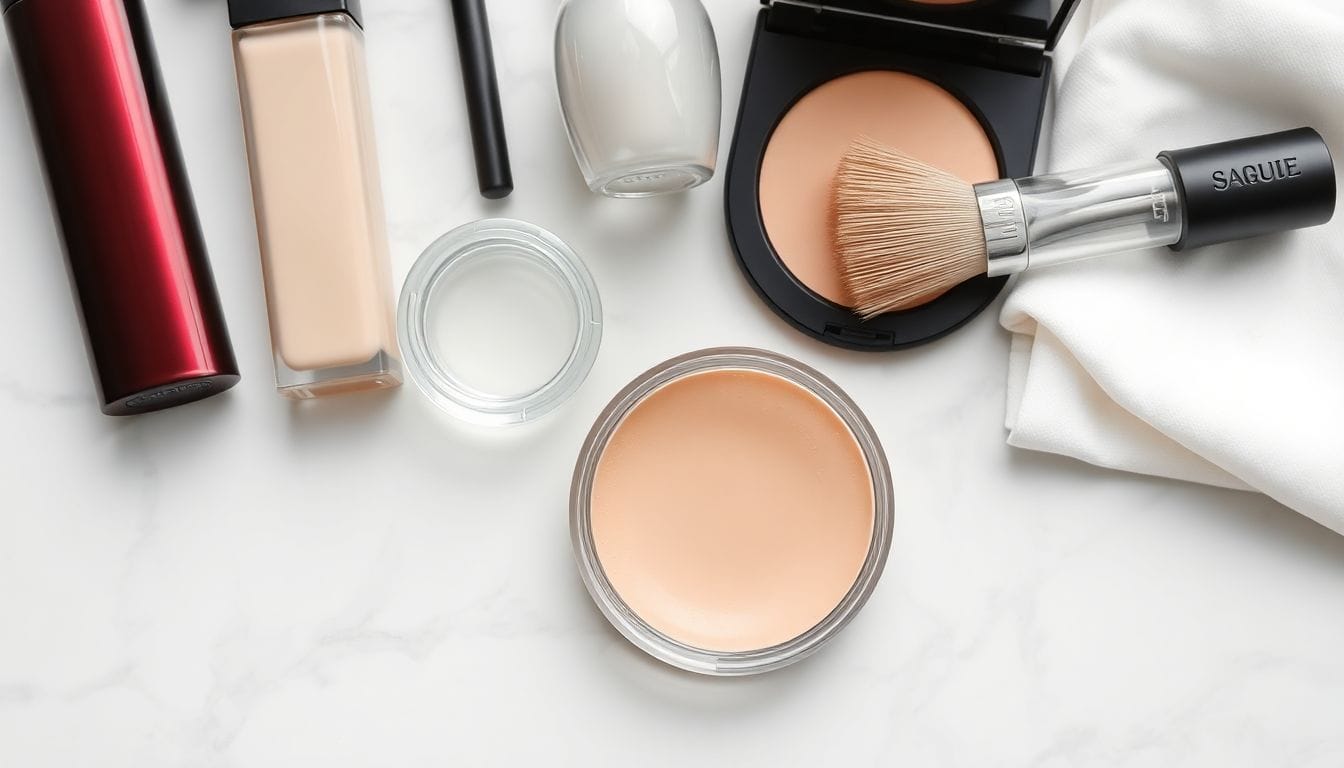
Foundation requires surfactant treatment; lipstick needs rubbing alcohol to dissolve its wax component; mascara responds to eye makeup remover or dish soap; powder blush and eyeshadow brush off and rinse out easily. Oil-based makeup — including foundation and concealer — represents one of the most challenging stain types in everyday laundry care due to the chemical complexity of cosmetic formulations.
Oil-based product stains — of which makeup represents a significant share — rank among the top three most difficult stain types to remove from everyday clothing (laundry care industry data). The collar and neckline area is the most frequent location for foundation and concealer transfer, especially for those who wear makeup daily. The challenge stems from the wide variety of cosmetic formulations: from water-based foundation to waterproof mascara to wax-based lipstick, each presents a different chemical composition requiring a targeted approach.
Makeup Stain Treatment by Type
Every makeup product has a distinct chemical composition that determines the most effective removal method. Understanding what you are dealing with before reaching for a cleaning product is critical — treating a wax-based lipstick stain with water alone, for example, will only push the stain deeper into the fibre.
Foundation (Liquid or Powder)
Liquid foundation is either oil-based or water-based — a pigment suspension in a carrier medium. Oil-based varieties are the more challenging of the two because the surfactant component in standard laundry detergent must work to emulsify the oil before it can be rinsed away.
Treat liquid foundation with a two-stage process. Apply a concentrated dish soap directly to the stain — dish soaps are formulated with surfactants that break down oils effectively. Work the soap into the stain with your fingertip or a soft cloth using gentle circular motions. Allow it to sit for 10 minutes to permit the surfactant to penetrate and emulsify the oil component. Rinse thoroughly with cold water, then apply an enzyme pre-soak to address any remaining pigment particles before machine washing in cold water.
Powder foundation behaves more like a loose powder stain and can often be treated similarly to powder blush — brushing off the excess before any wet treatment is applied.
Lipstick
Lipstick is one of the most complex makeup stains because it contains three problem components simultaneously: a wax base (typically carnauba or beeswax), a colour pigment (often from iron oxides or synthetic dyes), and an oil component (castor oil being the most common). The wax component is the primary challenge — it must be dissolved before either the oil or the dye can be addressed.
Rubbing alcohol (isopropyl alcohol) is the primary tool for lipstick stain removal because it dissolves wax compounds effectively without degrading most fabric fibres. Apply the alcohol to a cotton ball and press it gently onto the stain — do not scrub, as friction can spread the wax further into the fibre bundle. Blot from the outside edge inward to contain the stain. Once the wax is dissolved and blotted away, follow with dish soap to emulsify and remove the remaining castor oil residue. The final wash must be in cold water.
Two critical prohibitions apply to lipstick stain removal. Do not use hot water at any stage — temperatures above 40°C can set the dye component permanently into the fibre, making the stain significantly harder to remove. Do not scrub the stain abrasively, as this works the wax-dye-oil combination deeper into the fabric structure and can damage fibre surfaces.
Mascara
Mascara presents a unique challenge because most modern mascaras are formulated to be waterproof. This waterproofing comes from film-forming polymer systems that create a water-resistant coating around each lash — and these same properties make the stain adhere stubbornly to fabric fibres. The primary pigment used in mascara is carbon black, which is a fine particulate that embeds mechanically into fibre gaps once the polymer film has bonded.
Standard (non-waterproof) mascara responds to eye makeup remover or standard dish soap applied with a cotton ball, blotted from the outside edges inward. Oil-based eye makeup removers are particularly effective because the oil component helps break down the polymer film.
Waterproof mascara requires a pre-treatment step. Apply petroleum jelly or a small amount of baby oil to the stain and allow it to sit for 10 minutes to soften and break down the polymer film. This allows the subsequent eye makeup remover or dish soap treatment to reach the carbon black pigment underneath. Always wash waterproof mascara-treated items in cold water only.
Powder Eyeshadow and Blush
Loose powder and pressed powder products are the simplest makeup stains to treat because they have not bonded chemically with the fabric — they are sitting on the surface, held in place by nothing more than light mechanical embedding. Powder eyeshadow and blush are formulated from mineral pigments (typically iron oxides, titanium dioxide, and mica) suspended in a binder that is often talc-based.
The single most important rule for powder makeup stains: do not wet the stain before brushing off the excess. Water activates the talc binder and turns the dry powder into a paste that will spread and embed further into the fabric. Use a soft-bristled brush — a clean makeup brush or an old toothbrush works well — and brush away all visible powder from the surface. Once the excess is removed, rinse with cold water and proceed with a normal wash cycle.
Concealer
Concealer is chemically similar to liquid foundation — a pigment suspension designed for high-coverage spot application. The same dish soap treatment used for foundation applies. However, full-coverage and heavy-duty concealers often contain a higher concentration of oils and pigments than standard foundation formulations to achieve their opaque finish.
For stubborn heavy-coverage concealer stains that have been set through washing, a brief pre-treatment with WD-40 can be effective. Apply a small amount to the stain, allow it to penetrate for 2–3 minutes, then follow with a concentrated dish soap treatment to remove the WD-40 residue before machine washing. This method should be reserved only for the most stubborn stains on durable fabrics.
Setting Spray and Primer
Setting sprays are predominantly water-based formulations with film-forming polymers that lock makeup in place. Because they are water-based, they respond well to standard enzyme pre-soak treatments. Apply an enzyme detergent directly to the stained area, allow a 15-minute pre-soak in cold water, then machine wash in cold. Primer formulas vary — silicone-based primers may require a brief rubbing alcohol treatment before the enzyme pre-soak.
Makeup Stains on Specific Fabrics
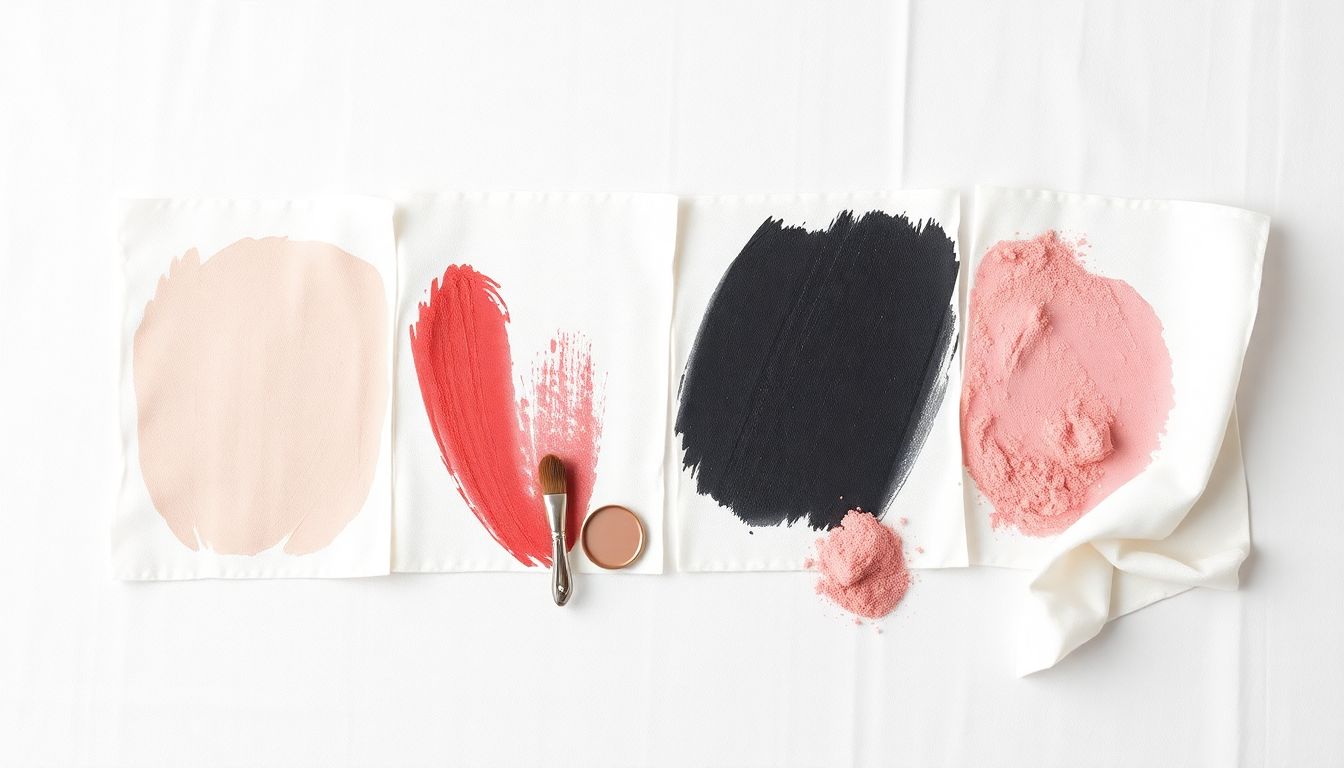
Fabric composition determines not only which treatments are safe but also how aggressively you can treat a stain. The same makeup stain on silk requires a fundamentally different approach than on white cotton.
Silk
Silk is a protein fibre with a smooth, triangular fibre structure that refracts light and produces its characteristic sheen. This same structure makes it particularly vulnerable to alcohol-based treatments, which can degrade the fibre surface and strip the natural oils that maintain silk’s lustre. For silk garments, use only micellar water or oil-based eye makeup remover applied sparingly with a cotton swab. Gently blot — do not rub. For severe or set stains on silk, dry cleaning is the recommended treatment, as professional dry cleaning solvents can dissolve makeup waxes and oils without damaging the fibre structure.
Wool
Wool is a scaled fibre with natural crimp and moisture-absorbing properties. The scales on wool fibres can be damaged by harsh solvents and excessive agitation, leading to felting and distortion of the garment shape. Treat wool makeup stains only with cold water and gentle blotting. For lipstick stains or oil-based makeup on wool, dry cleaning is the safest option. Never use rubbing alcohol on wool, as it can cause the dye in the fabric to bleed.
White Cotton
White cotton is the most forgiving fabric for makeup stain removal because it can withstand stronger treatments without risk of dye damage. After the initial dish soap and enzyme pre-soak treatment, a final soaking in an oxygen-based bleach (OxiClean or similar) for 30–60 minutes can address any remaining pigment traces. Chlorine bleach should not be used directly on makeup stains — it can cause the coloured pigments in the makeup to oxidise and permanently set into the fibre, making the stain worse rather than better.
Polyester
Polyester is a synthetic fibre with good chemical resistance, meaning it tolerates most standard stain removal treatments. The primary caution with polyester is heat: once a stain is present, avoid high-temperature washing or drying until you are certain the stain is fully removed. High heat can set any remaining makeup pigment into the polyester fibre, and polyester is particularly prone to setting oil-based stains at temperatures above 60°C. Always wash and dry polyester makeup-stained items on cold settings.
Collar and Neckline Makeup Stains
Beyond fabric-specific treatment considerations, the collar and neckline region requires special attention regardless of material. This area is the single most common location for makeup stains on everyday clothing. Transfer occurs through direct contact when makeup on the face — particularly foundation and concealer — contacts collar fabric, necklines, and scarves throughout the day. The skin’s natural oils and perspiration accelerate the bonding of the makeup’s oil component to fabric fibres.
For individuals who wear makeup regularly, the most effective strategy is prevention through pre-treatment. Apply a stain-repellent spray to collar edges after laundering, or use a laundry bar soap to pre-treat collar edges before each wash. Address any collar makeup stains immediately upon noticing them — the longer the oil component of foundation or concealer remains in contact with the fibre, the more completely it polymerises and bonds to the fabric structure. A 24-hour delay can reduce removal success rates significantly.
If the stain has already set, an overnight enzyme pre-soak before washing is the most effective recovery method. Mix enzyme detergent with cold water, submerge the stained collar area, and allow it to soak for 8–12 hours before machine washing.
Frequently Asked Questions
Does rubbing alcohol remove makeup stains?
Yes — rubbing alcohol effectively removes lipstick and some oil-based makeup by dissolving the wax and oil components. Do not use on acetate, silk, or velvet. Follow with dish soap to remove alcohol residue and remaining dye.
How do you remove lipstick from colored clothes?
Apply rubbing alcohol to the wax component first; blot; follow with enzyme detergent pre-soak; wash cold. Avoid hydrogen peroxide (may lighten fabric) and chlorine bleach.
Can you remove mascara stains from clothes?
Yes — eye makeup remover (micellar water or oil-based remover) breaks down the waterproof polymers in mascara. Apply with a cotton ball; blot from outside in; follow with dish soap; cold wash.
References
- AATCC. (n.d.). AATCC Test Methods and Procedures. American Association of Textile Chemists and Colorists. https://www.aatcc.org/standards/
- The International Fabricare Institute. (n.d.). Stain Removal Guide for Professional Cleaners. https://www.laundry.org/
- McNeil, J. & Smith, S. (n.d.). Textile Fiber Chemistry and Stain Resistance. Textile World. https://www.textileworld.com/
- U.S. Federal Trade Commission. (n.d.). Care Labeling of Textile Wearing Apparel. FTC. https://www.ftc.gov/
- ASTM International. (n.d.). ASTM D13 — Textiles. ASTM International. https://www.astm.org/


