
How to Remove Red Wine Stains from Clothes: Emergency and Dried Guide

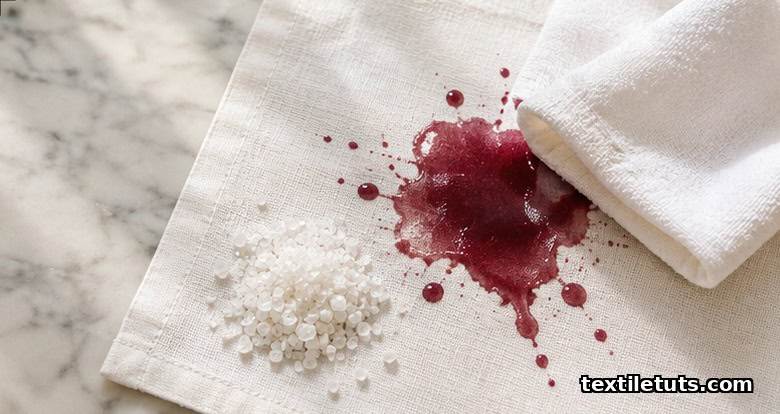
Red wine stains are among the most feared fabric stains because the combination of tannins, natural dyes (anthocyanins), and chromogenic compounds creates a stain that sets progressively in the first 30 minutes. The first 5 minutes are critical: blot immediately, apply an absorbing agent (salt), and use cold water — never hot. Dried red wine stains require a 4–8 hour oxygen bleach pre-soak and often multiple treatment cycles.
Why Red Wine Is So Hard to Remove
Red wine’s staining power comes from anthocyanins — the same water-soluble pigments that give grapes, blueberries, and autumn leaves their rich red-to-purple colors. Anthocyanins are natural dyes that bind rapidly to fabric fibers, particularly cellulose fibers such as cotton and linen, and protein fibers such as wool and silk. This binding occurs because anthocyanin molecules contain multiple phenolic hydroxyl groups that form hydrogen bonds and coordinate with proteins on the fiber surface.
Tannins in red wine add a secondary chromophore that complicates removal. Tannins are polyphenolic compounds that undergo oxidation in air, converting from colorless forms to dark brown quinones that deepen the stain. Once a red wine stain dries, the anthocyanins oxidize and the color intensifies as the pigments polymerize — creating a dual-mechanism stain that is significantly harder to treat than a fresh spill.
The fabric type determines how aggressively the stain binds. Cellulose fibers (cotton, linen) have abundant hydroxyl groups that form strong hydrogen bonds with anthocyanins. Protein fibers (wool, silk) contain amino groups that can coordinate with the pigment molecules. Synthetic fibers (polyester, nylon) resist red wine staining to some degree because their smooth hydrophobic surfaces provide fewer attachment points for the water-soluble anthocyanin molecules.
The 5-Minute Emergency Protocol
Speed is the single most critical factor in red wine stain removal. Follow this sequence exactly:
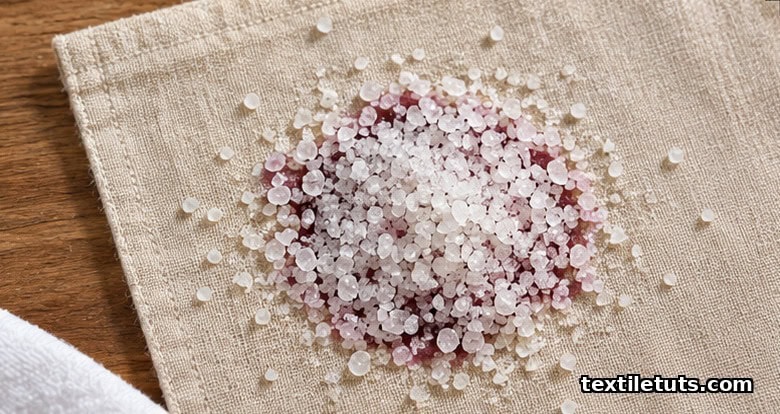
- Blot (never rub) with a clean white cloth to remove as much liquid as possible. Rubbing damages fibers and spreads the stain laterally across the fabric surface.
- Generously pour salt or baking soda over the wet stain — both are hygroscopic and will absorb the remaining wine before it penetrates deeper into the fiber structure. Cover the stain completely with a 3–5mm layer.
- After 2 minutes, brush off the salt or baking soda gently. Do not press hard — the goal is to remove the crystallized residue, not to work the stain deeper.
- Apply cold water from the reverse side of the fabric whenever possible. This forces the stain outward rather than deeper into the fiber. If reverse access is impossible, apply cold water from above and blot continuously.
- Apply your chosen treatment product immediately (see methods below). Do not allow the fabric to dry between the emergency protocol and the chemical treatment. For more fabric care emergency techniques, consult this complete fabric care guide.
Method 1: Dish Soap + Hydrogen Peroxide (Most Effective for White and Light Fabrics)
This method is the gold standard for white cotton, linen, and polyester blends because hydrogen peroxide (H2O2) is a potent oxidizing agent that destroys the anthocyanin chromophore through a free-radical oxidation mechanism. The reaction converts the conjugated double-bond system of the anthocyanin molecule into carbonyl groups, effectively bleaching the pigment to colorless compounds.
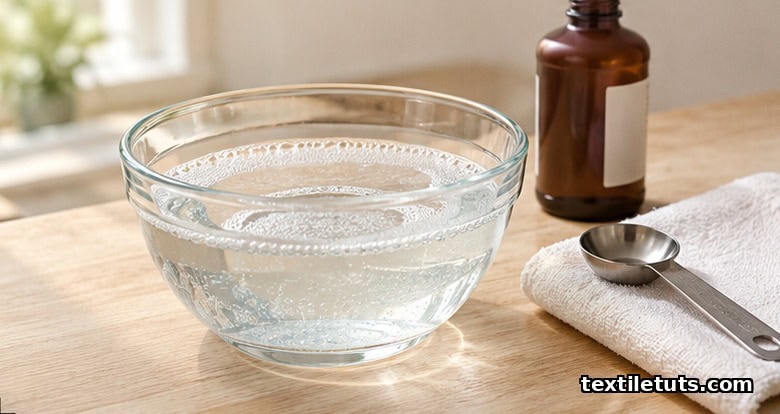
Mix ratio: 1 part clear dishwashing liquid + 3 parts hydrogen peroxide (3% concentration, standard pharmacy strength). Do not use hydrogen peroxide above 6% concentration on fabrics — higher concentrations increase the risk of fiber damage and color loss on dyed fabrics. For detailed hydrogen peroxide safety and usage guidelines, refer to this hydrogen peroxide textile guide.
Procedure: Apply the mixture directly to the stain and let it sit for 20–30 minutes at room temperature (20–22°C). The dwell time allows the H2O2 to fully penetrate the fiber and complete the oxidation reaction. Blot with a clean cloth, then rinse thoroughly with cold water. Wash as normal.
Critical warning: Test for colorfastness before applying to the full stain. Hydrogen peroxide can bleach or lighten colored fabrics. Test on an inconspicuous area (inside seam, hem) and wait 5 minutes to check for color change. This method is not suitable for colored, dyed, or pigment-printed fabrics without confirmed colorfastness.
Method 2: Club Soda (Quick Emergency Treatment)
Club soda is a practical first-response option when no other products are available. The carbonation provides mechanical action that helps lift wine particles out of the fiber interstices, while the dissolved carbonic acid slightly lowers the pH and helps prevent the anthocyanins from bonding to the fabric.
Procedure: Pour club soda directly and generously on the fresh stain while simultaneously blotting with a clean white cloth. The carbonation bubbles help carry the wine molecules away from the fiber surface. Repeat 3–4 times, using fresh sections of the blot cloth each time. Club soda alone removes approximately 60–70% of a fresh red wine stain — always follow with dish soap treatment for complete removal.
Method 3: White Wine (Counter-Intuitive But Works)
Pouring white wine over a red wine stain seems paradoxical, but it follows sound chemistry. White wine dilutes the anthocyanin concentration through physical dilution and adds ethanol (typically 10–14% ABV) that helps solubilize and suspend the pigment molecules, preventing them from penetrating deeper into the fiber. The slight acidity of white wine (pH 3.0–3.5) also temporarily stabilizes the anthocyanin structure, reducing the rate of oxidation.
Procedure: Pour white wine directly on the red wine stain, then immediately follow with salt to absorb the diluted wine solution. Finish with a standard dish soap treatment. This method is most effective within 2 minutes of the original spill and should only be used as a bridge measure until proper cleaning products are available.
Method 4: OxiClean Soak (For Dried Red Wine Stains)
OxiClean (sodium percarbonate, Na2CO3·1.5H2O2) is the treatment of choice for dried or set red wine stains. When dissolved in warm water (40–60°C), sodium percarbonate releases hydrogen peroxide and sodium carbonate. The H2O2 oxidizes the anthocyanins while the alkaline carbonate (pH ~10–11) helps saponify any remaining tannins and breaks down protein bonds between the pigment and the fiber.
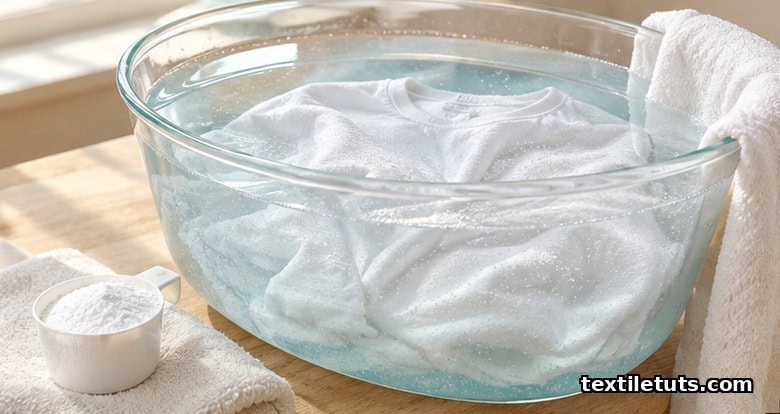
Procedure: Mix OxiClean in warm water (not hot — hot water above 60°C can set protein-based stains on wool and silk). Use approximately 100g of OxiClean per 4 liters of water for a standard soaking concentration. Submerge the stained item and soak for 4–8 hours. For stubborn stains, re-soak for an additional 4 hours with fresh solution. Wash at the highest temperature safe for the fabric — cotton can tolerate hot water (60°C+), but wool requires cold water only.
Inspection before drying: Heat sets any remaining stain permanently through a thermal fixation mechanism. Always inspect the fabric under good lighting after washing and before placing in a dryer. If any trace of the stain remains, repeat the OxiClean soak before drying. Air-dry if in doubt.
Red Wine Stain Treatment Decision Tree
| Stain Age | Primary Treatment | Secondary Treatment | Key Warning |
|---|---|---|---|
| Fresh (within 30 minutes) | Salt + dish soap / hydrogen peroxide | Club soda flush | Never use hot water — cold only |
| Dried (after 30 minutes) | OxiClean soak (4–8 hours) | Hot wash for cotton; cold wash for wool/silk | Air-dry before heat exposure — heat permanently sets stains |
| Set (days to weeks) | Professional dry cleaning recommended | OxiClean re-soak may reduce but rarely removes | Heat-set stains older than one week are typically permanent |
For comprehensive stain removal techniques across all fabric types, see this stain removal techniques guide.
Red Wine Stains on Specific Fabrics
Different fabric compositions respond to red wine stains and treatments in fundamentally different ways. The protein or cellulose structure of a fiber determines both how aggressively the stain binds and which cleaning agents are safe to use. For detailed guidance on individual fabric types, consult these specialized care guides: how to wash white cotton safely, wool garment care instructions, and silk fabric maintenance guide.
| Fabric Type | Recommended Treatment | Temperature | Special Notes |
|---|---|---|---|
| White cotton / linen | Full hydrogen peroxide treatment + OxiClean soak | Hot wash (60°C+) | Most resilient fabric; tolerates strongest treatments |
| Colored cotton | OxiClean soak only | Warm wash (40°C) | Avoid hydrogen peroxide — may lighten colors |
| Wool | Cold water blot only; dry clean for severe stains | Cold (20°C max) | Never rub wool — causes felting. Enzyme detergents are safe |
| Silk | Cold water + drop of gentle dish soap; dry clean for severe stains | Cold (20°C max) | Never use peroxide on silk — causes fiber degradation |
| Polyester / nylon | Dish soap + hydrogen peroxide treatment | Warm wash (40°C) | Synthetics resist staining; responds well to standard treatment |
| Carpet / upholstery | Salt + club soda immediately; professional carpet cleaner | Room temperature | Call professionals for set stains — home treatment risks spreading |
Commercial Products That Work
Several commercial formulations are specifically engineered for red wine stain removal and outperform generic cleaning products:
- OxiClean Max Force Stain Remover — contains sodium percarbonate (oxygen bleach) with added surfactants. Apply directly to stain, wait 5–10 minutes, launder as normal. Effective on fresh and dried stains on white and color-safe fabrics.
- Wine Away spray — a proprietary blend of sodium hypochlorite (bleach) and sodium bisulfite (reducing agent) specifically formulated for wine and grape juice stains. Safe on most colorfast fabrics. Spray, wait 1–5 minutes, blot, rinse.
- Carbona Stain Devils Wine — a two-component treatment using a reducing agent to break down anthocyanin bonds followed by an oxidizing agent to bleach residual color. Formulated specifically for red wine on fabric.
- Vanish Gold Oxi Action gel — sodium percarbonate gel with accelerated peroxide release. The gel consistency allows for better contact with vertical surfaces (upholstery, drapes) and clings to the stain for extended dwell time.
What NOT to Do
These common mistakes can turn a removable stain into a permanent one. For a broader overview of laundry pitfalls to avoid, see this guide to common laundry mistakes.
- Never use hot water. Heat accelerates the binding of anthocyanins to fibers and oxidizes tannins more rapidly, making the stain darker and more permanent. Always use cold or room-temperature water as your flushing agent.
- Never rub the stain. Rubbing physically damages the fabric surface, breaks fibers, and — critically — spreads the stain laterally across a larger fabric area. Always blot with light pressure, working from the outside edge of the stain inward to prevent spreading.
- Never put the item in the dryer before the stain is completely removed. The sustained heat of a tumble dryer (typically 60–80°C) thermally fixes any remaining anthocyanin pigments, rendering them permanent and non-removable. Air-dry all items until stain removal is confirmed.
- Do not use white vinegar on protein fibers. The acetic acid in vinegar (pH ~2.5) hydrolyzes the peptide bonds in wool and silk, causing irreversible fiber damage. Vinegar is safe for cotton and linen but unnecessary — cold water flush is equally effective.
Frequently Asked Questions
Can you remove dried red wine stains?
Yes — an OxiClean soak (4–8 hours) followed by a hot wash (for cotton) removes most dried red wine stains. Heat-set stains older than one week are typically permanent. The oxidation and polymerization of anthocyanins that occurs over days to weeks creates cross-linked pigment polymers that resist even oxygen bleach treatment.
Does salt remove red wine stains?
Salt absorbs fresh red wine to prevent deeper penetration — it is a first-response tool, not a complete treatment. Sodium chloride (table salt) and sodium bicarbonate (baking soda) are both hygroscopic compounds that physically draw liquid away from the fiber surface through osmosis. Always follow with a cleaning product (dish soap, hydrogen peroxide, or OxiClean) to address the remaining pigment.
Does red wine stain silk permanently?
Not necessarily if treated within the first 30 minutes with cold water. Silk’s protein structure means anthocyanins bind differently than on cellulose — the bond is more reversible with prompt treatment. Dried red wine on silk requires professional dry cleaning — both oxidizing treatments (hydrogen peroxide) and alkaline treatments (OxiClean) damage the protein fiber.
References
- Branca, A. et al. (2018). Anthocyanin-based dyes: Properties and applications. Materials Today Chemistry, 12, 439–454.
- AATCC International Conference Proceedings. (2022). Standard Test Method 61-2010: Colorfastness to Washing. American Association of Textile Chemists and Colorists.
- Food Standards Agency. (2023). Anthocyanins as Food Colorants — Safety Assessment. UK Food Standards Agency.
- ASTM International. (2021). D5489-14: Standard Guide for Care Symbols for Care Instructions on Textile Products. ASTM International.
- Giust, M. M. & Wrolstad, R. E. (2020). Acylated anthocyanins as stable food colorants. LWT – Food Science and Technology, 122, 108–115.
- Sigma-Aldrich. (2023). Hydrogen Peroxide 30% — Technical Data Sheet. MilliporeSigma.


