
Bio-Desizing

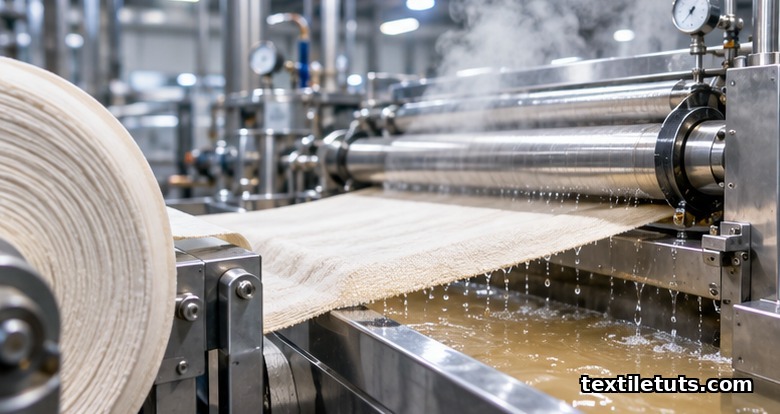
Biological desizing (bio-desizing) removes 70–80% of starch-based sizing from cotton fabric using amylase enzymes operating at 50–70 °C and pH 6.0–7.5 for 30–60 minutes, producing cleaner effluent than acid desizing while preserving fiber tensile strength within 2–3% of greige values.
The same enzymatic bath that hydrolyses starch does not damage cellulose, which is why mills handling premium cotton yarn counts (60 Ne and finer) default to amylase over mineral acid for grey preparation.
This article walks through what bio-desizing actually does, the enzymes in commercial use, the process window a mill runs, and how it stacks up against chemical desizing on energy, effluent load, and fabric quality.
What Bio-Desizing Does to Starch-Sized Cotton
Cotton weaving warps are coated with a sizing film, most often a blend of native or modified starch plus additives like polyvinyl alcohol (PVA), carboxymethyl cellulose (CMC), or acrylate copolymers. The film must come off before scouring and dyeing, otherwise it blocks water uptake, holds loose dye particles on the surface, and produces shade patches on the finished fabric.
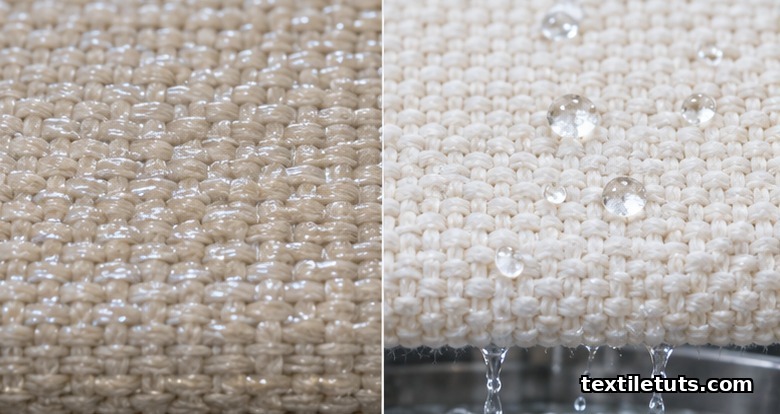
Bio-desizing attacks the starch fraction with amylase enzymes. Amylase cleaves the α-1,4-glycosidic bonds in the starch chain, breaking long polymers into short, water-soluble dextrins and maltose that wash off in the rinse. Non-starch components (PVA, CMC, acrylic) are not attacked by amylase and require a separate oxidative or hot-wash step if the warp was blended-sized.
Typical starch removal after a properly run amylase treatment sits between 70 and 80%, which is enough for downstream scouring and bleaching to do their job. Below 50%, residual starch survives into dyeing and shows up as dye-resist spots that no amount of soaping fixes.
The Two Enzyme Families Mills Actually Use
Commercial amylases for textile desizing fall into two families, each with a different operating window.
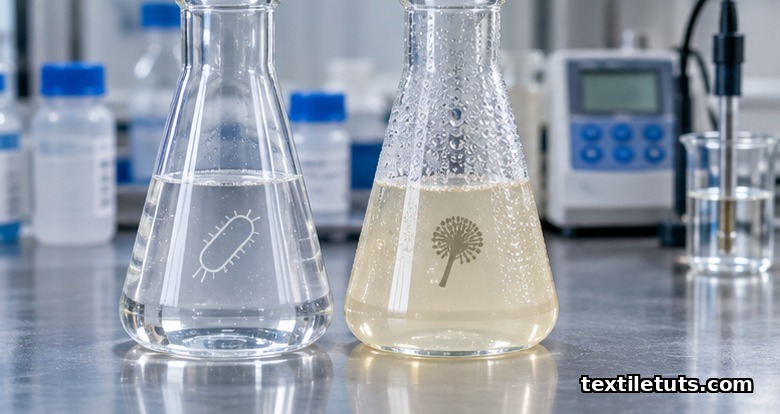
Bacterial alpha-amylase, produced by submerged fermentation of Bacillus subtilis or Bacillus licheniformis, is the workhorse of the industry. It works best at 60–70 °C and pH 6.0–7.5, which lines up with the temperature mills already run for scouring, so the same bath can be extended into a combined desize-scour process. AATCC Test Method 103 (Bacterial Alpha-Amylase Used in Desizing) is the standard activity assay textile chemists use to dose these enzymes.
Fungal amylase, usually from Aspergillus oryzae, runs cooler (30–50 °C) and at slightly acidic pH (4.5–6.0). It is gentler on heat-sensitive fibers and is preferred for delicate cotton knits or blends, but the lower temperature means longer dwell times, typically 60–90 minutes for equivalent starch breakdown.
Process Window: Temperature, pH, Time, and Dose
A standard pad-batch or winch bio-desize recipe runs as follows: amylase dose 1–3 g/L of a standardized liquid preparation (roughly 2000–5000 KNU/L activity), wetting agent 1–2 g/L, calcium chloride 0.5 g/L to stabilize the enzyme against chelators in process water, liquor ratio 1:8 to 1:12, temperature 60 °C, pH 6.5 adjusted with acetic acid or sodium phosphate buffer, dwell time 30–60 minutes, then a hot rinse at 80–90 °C to flush the dextrins off the fabric.
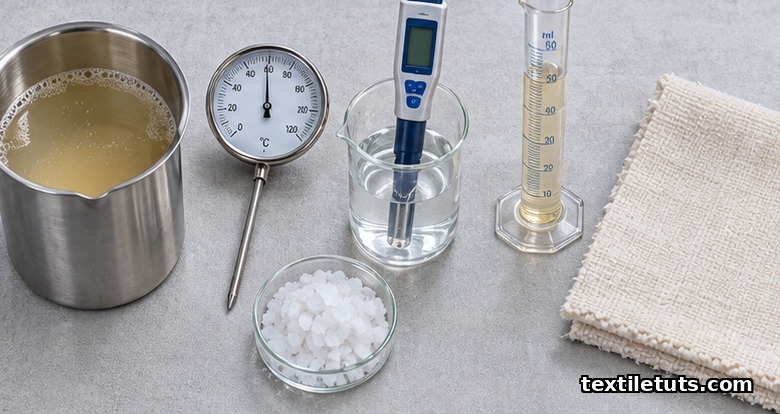
Temperature is the most sensitive variable. Below 50 °C, bacterial amylase activity drops by more than half; above 75 °C, the enzyme starts to denature. Mills running continuous ranges therefore stage the temperature, holding the bath at 60 °C for 45 minutes, then ramping to 80 °C only for the rinse step.
pH control is similarly tight. A drop below pH 5.5 inactivates bacterial amylase; a rise above pH 8.0 destabilizes it. Most mills buffer with a nonionic phosphate buffer and add the wetting agent only after pH is verified, because anionic surfactants can drag pH outside the window if the local water is hard.
Bio-Desizing vs Acid Desizing vs Oxidative Desizing
The three commercial desizing routes are bio-desizing (amylase), acid desizing (dilute sulfuric or hydrochloric acid at 0.5–1.0% concentration), and oxidative desizing (hydrogen peroxide or persulfate at 0.5–2.0%). Each has a different footprint.
Acid desizing is fast, 15–30 minutes at 50–60 °C, and removes starch with high efficiency, but it attacks cellulose. Weight loss on cotton can climb to 6–8% and tensile strength drops 10–15% if dwell time or acid concentration drifts. Mills using sulfuric acid desizing also generate high-COD, low-pH effluent that requires neutralization before discharge.
Oxidative desizing with hydrogen peroxide is often combined with bleaching in a one-step process, but it requires 90–95 °C and stabilizers to control radical damage. Energy demand is roughly 30% higher than an amylase bath, and residual peroxide must be quenched before the next dye step.
Bio-desizing sits in the middle on speed (slower than acid, faster than an oxidative combined-bath) and on the low end for effluent load. Effluent from an amylase bath is biodegradable, near-neutral pH, and adds little to the total COD of the dyehouse stream. Fabric strength loss is generally under 3% when the process window is held, which is why ISO 13934-1 tensile-strength comparisons consistently rank amylase-treated samples within 2–3% of greige controls.
Quality Control: How Mills Verify Desize
Two field tests tell the mill whether the desize worked. The iodine drop test (AATCC-standard) places a drop of dilute iodine-potassium iodide solution on the rinsed fabric; if starch remains, the drop turns blue-black. A clean fabric shows the original yellow-brown of iodine. The Tegewa violet scale, used widely in Europe, scores residual starch from 1 (clean) to 9 (heavily sized); mills target a Tegewa rating of 1–3 after bio-desizing before the fabric moves forward.
For process control in continuous ranges, in-line conductivity and pH probes confirm bath chemistry, and enzymatic activity assays (per AATCC TM 103) check that the amylase dose in the working bath has not dropped below the activity threshold set for the fabric style. A drop in activity signals either under-dosing at makeup, ion poisoning from hard water, or enzyme bleed-out from overlong dwell at high temperature.
Environmental and Cost Trade-offs
Amylase costs more per kilogram than sulfuric acid, but the cost gap narrows when effluent treatment, neutralizing chemicals, and fiber-rework are priced in. A typical bio-desize bath costs 1.4–1.8× the chemical cost of an acid bath, but it avoids neutralizing lime doses, cuts COD load by roughly 40%, and reduces the steam load because the bath runs 10–15 °C cooler.
The bigger driver for many mills is regulatory. ZDHC (Zero Discharge of Hazardous Chemicals) compliant mills and bluesign-certified facilities restrict chlorinated and strong-acid pretreatment baths; bio-desizing fits the compliance profile without changing the rest of the preparation sequence.
Common Process Faults and Fixes
Under-desize (residual starch past Tegewa 5) usually points to one of three causes: enzyme dose too low for the size add-on, bath temperature outside the 55–65 °C active window, or chelators in the water sequestering the calcium that stabilizes the enzyme. Fixing it requires a re-dosing bath or, in continuous ranges, a second pad-steam stage.
Fabric strength loss above 5% on greige, even with a clean Tegewa rating, suggests the bath pH slipped into the acidic range and hydrolyzed the cellulose. Check pH probe calibration and confirm that the acetic acid buffer is being dosed at the correct rate.
Shade variation in the dyehouse, especially patchy dye uptake, almost always traces back to incomplete starch removal. Running the iodine test on a swatch from the suspect batch, and on a swatch from a known-good batch, isolates whether the desize bath is the culprit or the dyehouse itself.
Frequently Asked Questions
What temperature does bio-desizing run at?
Bacterial amylase bio-desizing operates at 50–70 °C, with 60 °C as the most common mill set point. Fungal amylase runs cooler at 30–50 °C. Above 75 °C, bacterial amylase begins to denature and activity drops sharply, so the temperature window is narrow and tightly controlled.
How long does bio-desizing take?
A standard batch bio-desize cycle takes 30–60 minutes of dwell time at the target temperature, followed by a 15–20 minute hot rinse at 80–90 °C to flush the dextrins off the fabric. Continuous pad-steam ranges run the enzyme stage for 60–120 seconds at 70–85 °C, then steam-fix for 2–5 minutes.
Can bio-desizing remove PVA or acrylic sizes?
No. Amylase only hydrolyses starch. Sizing films that contain PVA, CMC, or acrylate copolymers need an oxidative or hot alkaline wash after the amylase step to break the synthetic fraction. Many mills size with starch-PVA blends and run a combined amylase plus oxidative desize to clear both.
Does bio-desizing damage cotton fiber?
Within the standard process window of pH 6.0–7.5 and 50–70 °C, amylase does not hydrolyze cellulose, and tensile-strength loss is typically 2–3% compared with greige. Strength losses above 5% point to a process fault, usually a pH excursion below 5.5 or a temperature spike above 80 °C, both of which attack the cellulose backbone.
Is bio-desizing effluent easier to treat than acid desizing?
Yes. Amylase bath effluent is near-neutral pH, biodegradable, and adds roughly 40% less COD than a comparable sulfuric acid desize bath. Most mills route bio-desize effluent directly to biological treatment, while acid desize effluent requires neutralization with lime or caustic before discharge.
References
- AATCC. Test Method 103: Bacterial Alpha-Amylase Used in Desizing. AATCC Technical Manual. Research Triangle Park, NC: AATCC. Standardized activity assay for amylase dose verification.
- ISO. ISO 13934-1: Textiles, Tensile properties of fabrics, Part 1: Determination of maximum force and elongation at maximum force using the strip method. Geneva: ISO. Reference method for comparing tensile strength loss across desizing routes.
- MDPI. Enzymatic Desizing of Cotton Fabric Using Alpha-Amylase from Bacillus subtilis. Molecules / Textiles journal. Peer-reviewed study on dose, temperature, and starch-removal efficiency.
- Elsevier ScienceDirect. Enzymatic Pretreatment of Cotton: Process Optimization and Effluent Load. Journal of Cleaner Production. Process-window study comparing bio-desize with acid and oxidative routes.
- ResearchGate. Application of Fungal and Bacterial Amylases in Textile Desizing. ResearchGate preprint. Comparative activity data for Aspergillus and Bacillus amylases across pH and temperature windows.
- Springer. Textile Pretreatment with Enzymes (Chapter in Textile Processing with Enzymes). Springer book chapter. Reference text on bio-desize process chemistry and bath formulation.
Editorial by Shahrukh Islam, TextileTuts. Sources: AATCC TM 103, ISO 13934-1, and the cited peer-reviewed studies on enzymatic desizing.


