
CATEGORY HUB · 59 ARTICLES
Fabric Manufacturing & Care
From fiber to fabric: the manufacturing process
Woven, knit, and nonwoven fabric formation. The complete chain of preparation, weaving/knitting, dyeing, printing, and finishing. From greige goods to finished fabric ready for cutting.
01
Essential reading
Start here. The most important articles that explain the category to a textile engineer in one sitting.
Fabric Manufacturing & Care
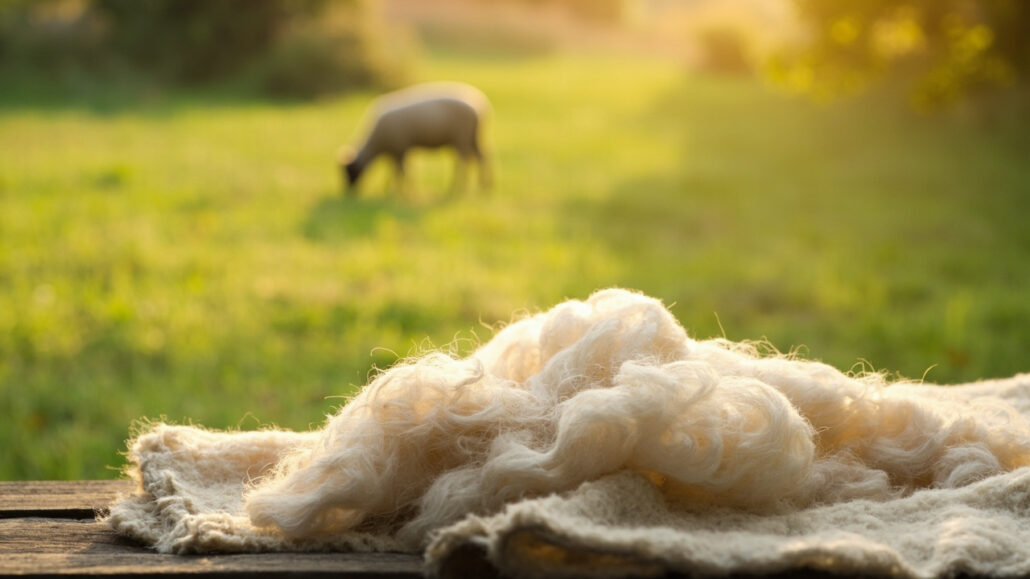
What Is Wool Fabric? Types, Properties, Grades and Care
Wool fabric is a natural protein fiber harvested from sheep (primarily Ovis aries), composed of...
Read article →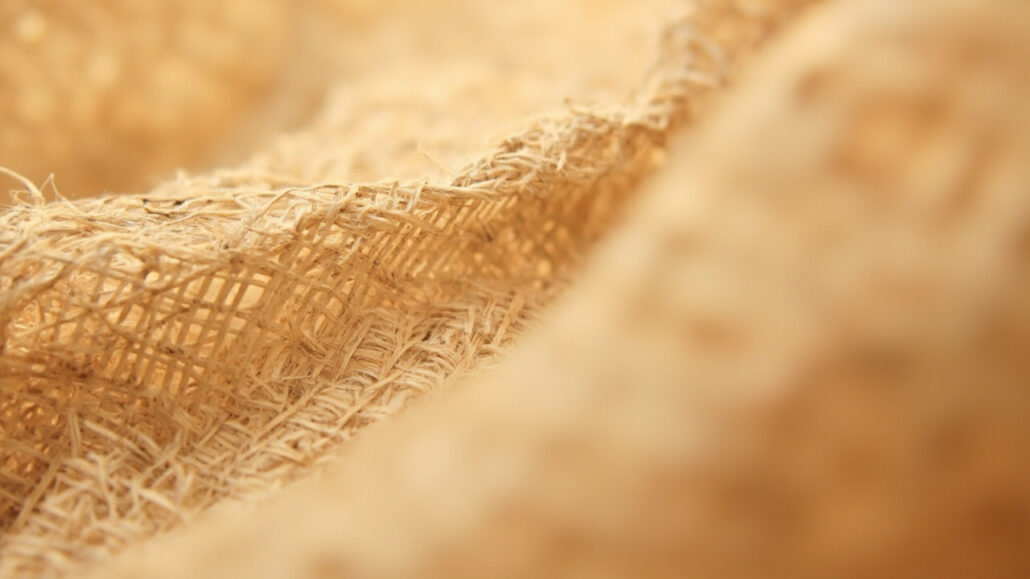
Fabric Manufacturing & Care
What Is Linen Fabric? Properties, Weave, and Complete Care
Wool fabric is a natural protein fiber harvested from sheep (primarily Ovis aries), composed of...
Read article →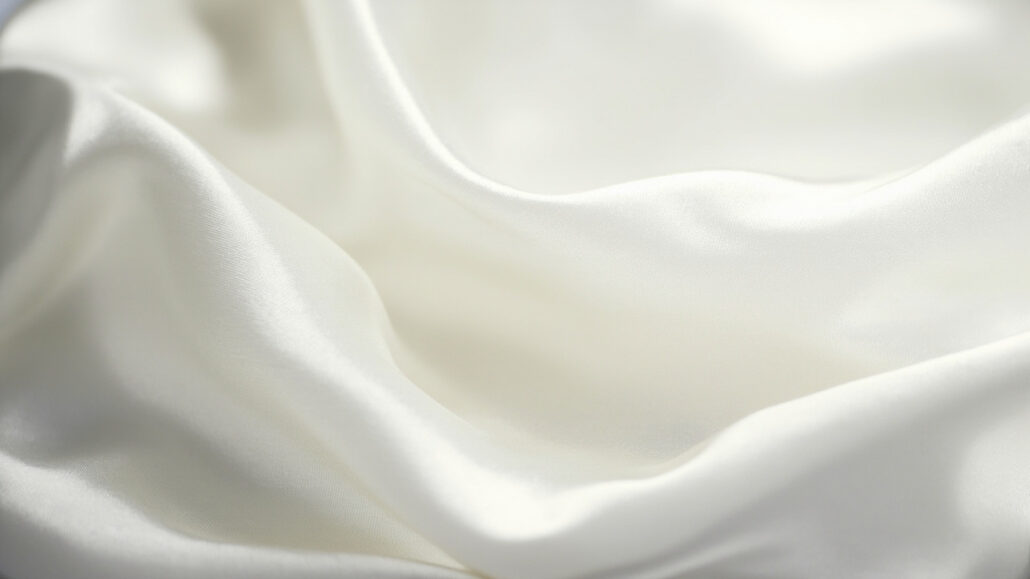
Fabric Manufacturing & Care
What Is Silk Fabric? Types, Production, and Care
Wool fabric is a natural protein fiber harvested from sheep (primarily Ovis aries), composed of...
Read article →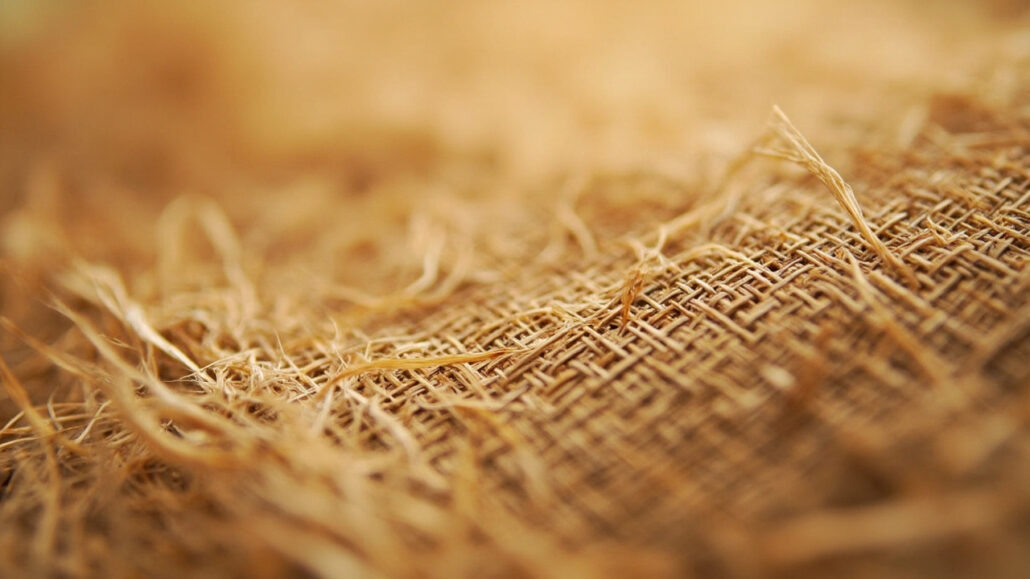
Fabric Manufacturing & Care
What Is Hemp Fabric? Properties, Sustainability, and Uses
Wool fabric is a natural protein fiber harvested from sheep (primarily Ovis aries), composed of...
Read article →
02
More from this category
More specific processes, techniques, and topic deep-dives.
Fabric Manufacturing & Care
What Is Jute Fabric? Properties, Uses, and Care
Wool fabric is a natural protein fiber harvested from sheep (primarily Ovis aries), composed of...
Read article →
Fabric Manufacturing & Care
What Is Polyester Fabric? Properties, Types, Pros and Cons
Wool fabric is a natural protein fiber harvested from sheep (primarily Ovis aries), composed of...
Read article →
Fabric Manufacturing & Care
What Is Rayon Fabric? Viscose, Modal, and Lyocell Explained
Wool fabric is a natural protein fiber harvested from sheep (primarily Ovis aries), composed of...
Read article →
Fabric Manufacturing & Care
What Is Microfiber Fabric? Properties and Uses
Wool fabric is a natural protein fiber harvested from sheep (primarily Ovis aries), composed of...
Read article →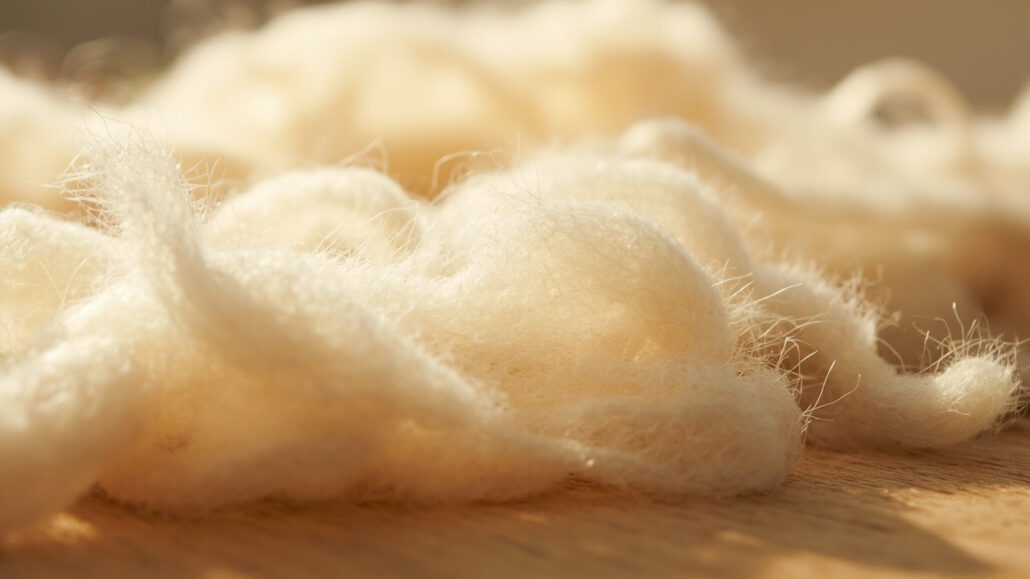
Fabric Manufacturing & Care
What Is Cashmere Fabric? Properties, Grades, and Worth
Wool fabric is a natural protein fiber harvested from sheep (primarily Ovis aries), composed of...
Read article →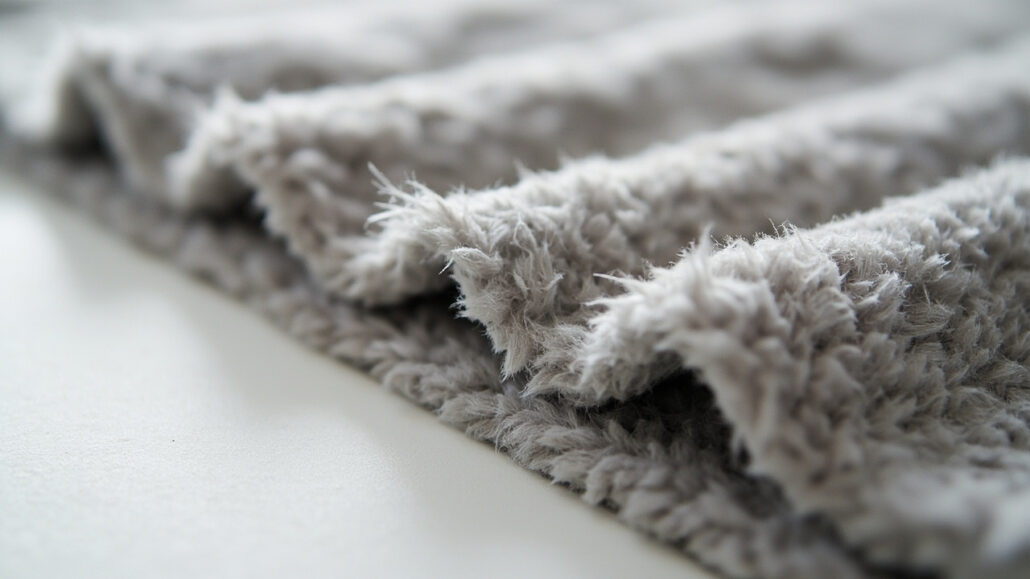
Fabric Manufacturing & Care
What Is Fleece Fabric? Types, Properties, and Uses
Wool fabric is a natural protein fiber harvested from sheep (primarily Ovis aries), composed of...
Read article →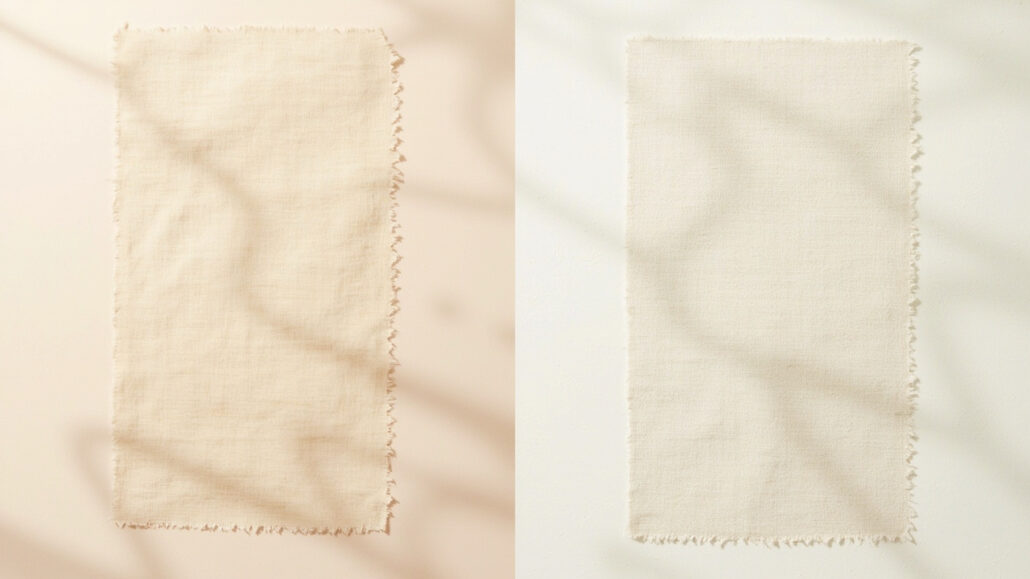
Fabric Manufacturing & Care
Modal vs. Cotton: Which Is Softer and More Breathable?
Wool fabric is a natural protein fiber harvested from sheep (primarily Ovis aries), composed of...
Read article →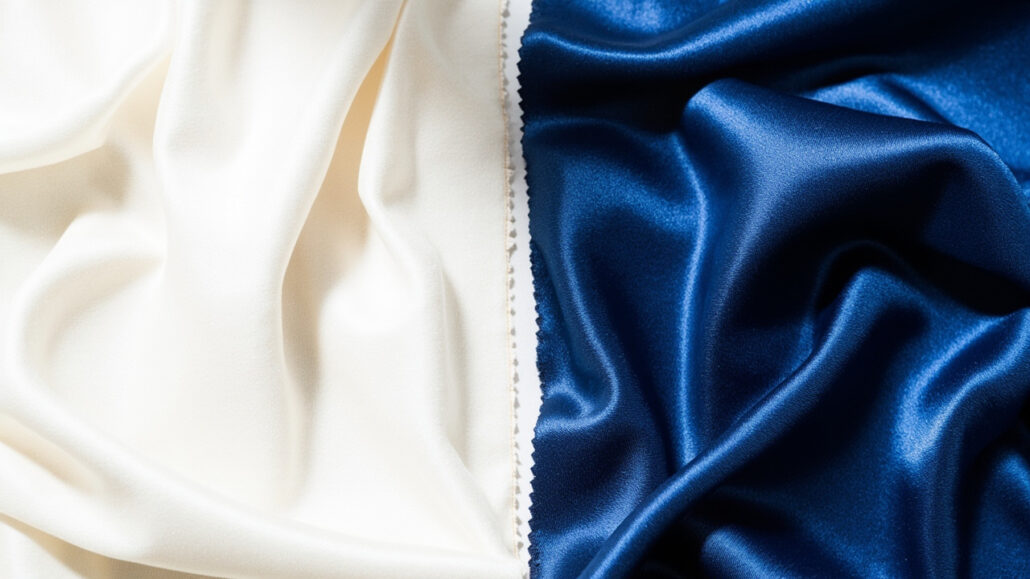
Fabric Manufacturing & Care
Silk vs. Satin: What’s the Actual Difference?
Wool fabric is a natural protein fiber harvested from sheep (primarily Ovis aries), composed of...
Read article →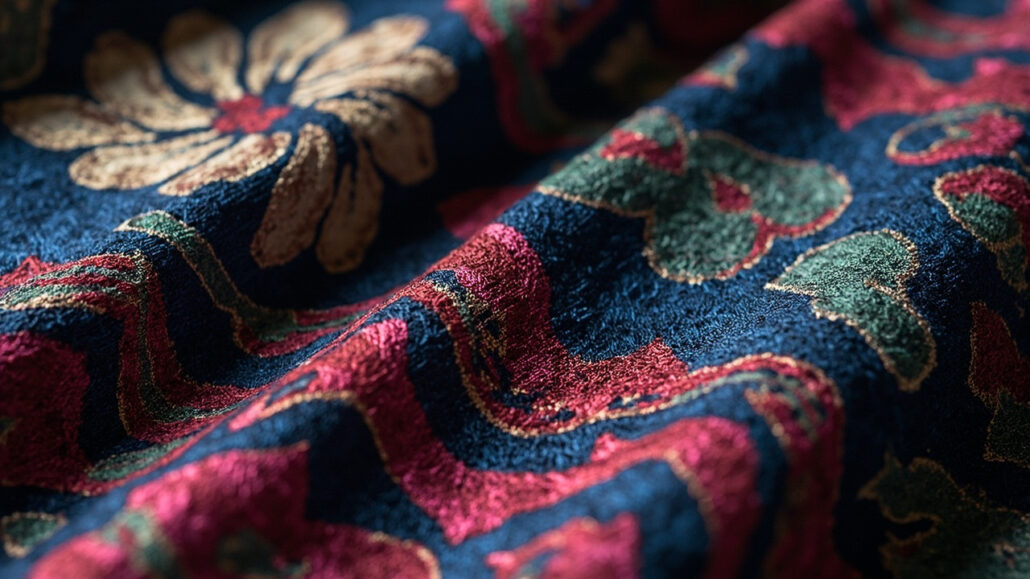
Fabric Manufacturing & Care
Jacquard Weaving: How Complex Patterns Are Created on a Loom
Jacquard weaving is a method of creating intricate, multi-colored patterns directly during the weaving process...
Read article →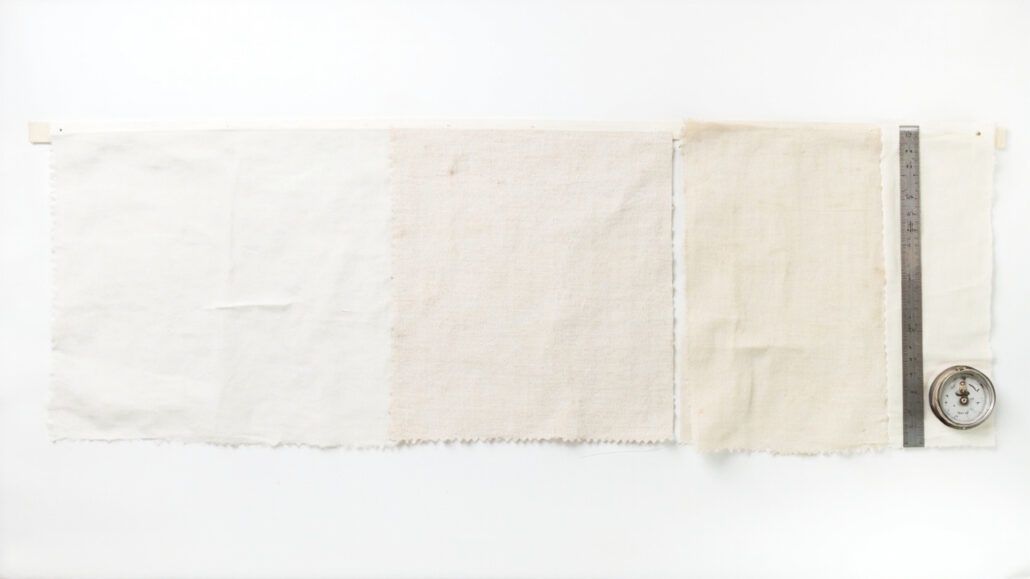
Fabric Manufacturing & Care
How GSM Relates to Fabric Weight, Thread Count, and Durability
Fabric GSM (grams per square meter) is the direct, standardized measurement of fabric weight —...
Read article →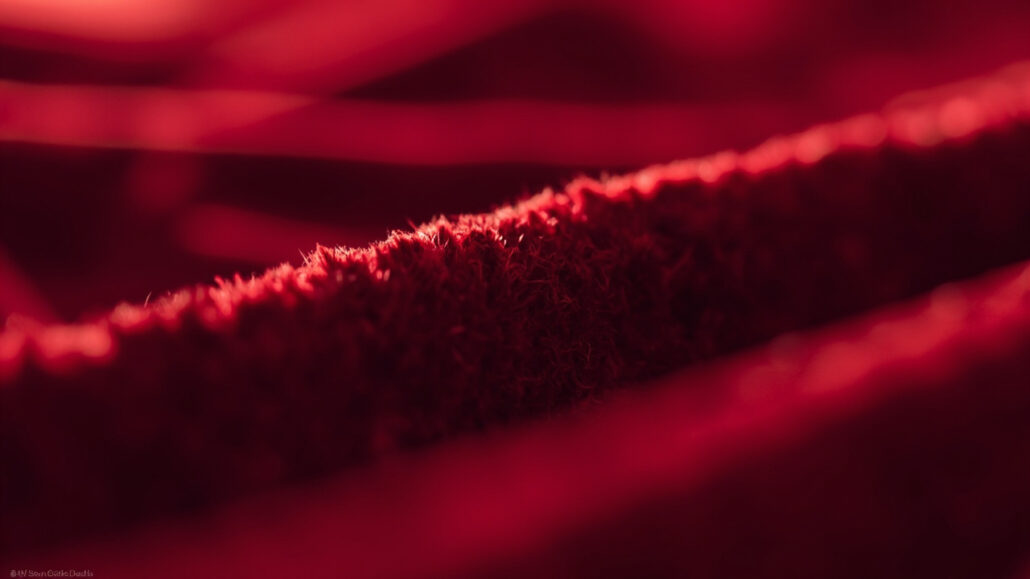
Fabric Manufacturing & Care
Pile Fabrics: How Velvet, Corduroy, and Terry Cloth Are Constructed
Pile Fabrics: Complete Guide to Velvet, Corduroy, and Terry Cloth Pile fabrics are textiles constructed...
Read article →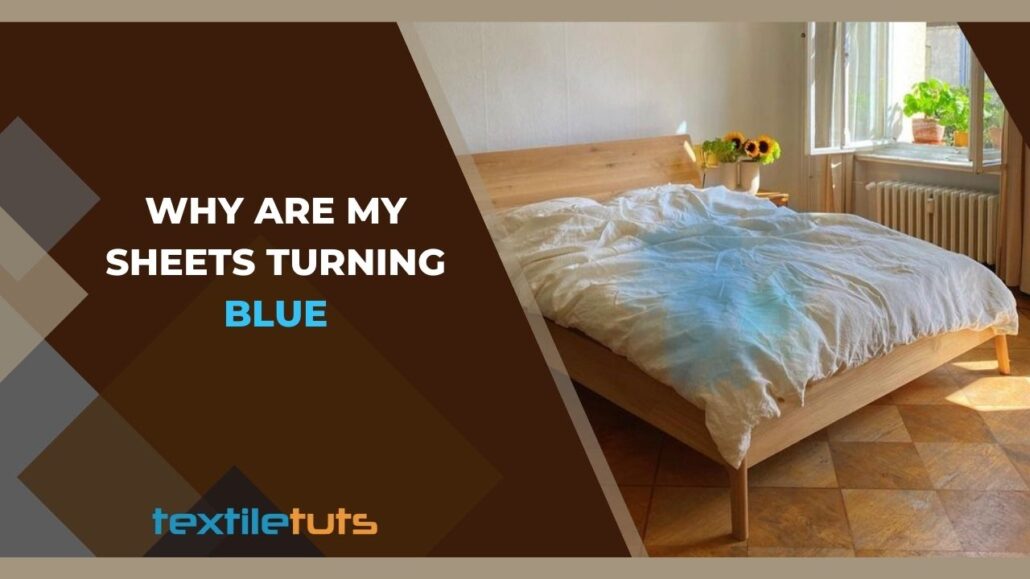
Fabric Manufacturing & Care
Why Are My Sheets Turning Blue? – 7 Unusual Reasons
Different Causes of Bed Sheets Turning Blue Bed sheets turn blue through three primary mechanisms:...
Read article →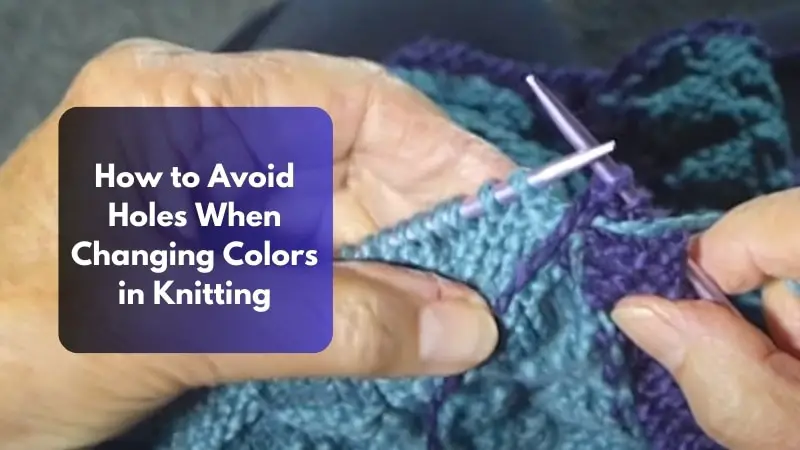
Fabric Manufacturing & Care
How to Avoid Holes When Changing Colors in Knitting?
You can avoid holes when changing colors in knitting by using one of four core...
Read article →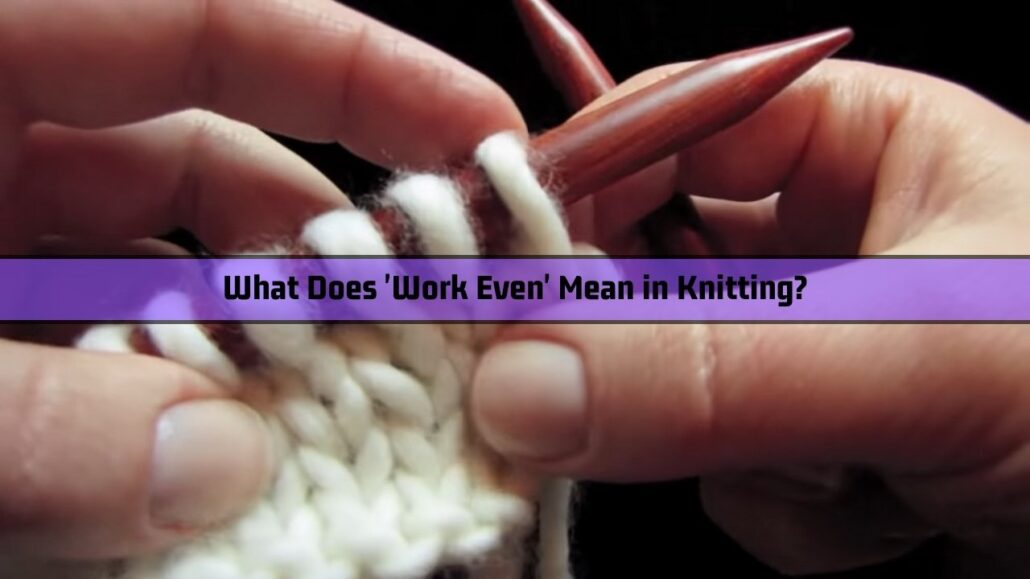
Fabric Manufacturing & Care
What Does ‘Work Even’ Mean in Knitting?
Working even means continuing to follow the established stitch pattern without making any increases or...
Read article →
04
Frequently asked questions
What is the difference between woven and knit?
Woven: two yarn systems interlaced at right angles - stable, less stretch. Knit: one yarn forming interlocking loops - stretchy, more drape, warmer. Both have major sub-families.
What is nonwoven fabric?
Engineered sheet structures bonded by mechanical, chemical, thermal, or solvent means. Used for hygiene (diapers, wipes), medical (gowns, masks), geotextile, and automotive.
What is GSM?
Grams per square meter. Determined per ISO 3801 by cutting a 100 cm2 swatch and weighing. Standard for fabric weight comparison.
What is finishing?
The wet and dry processes that convert greige fabric into finished goods: desizing, scouring, bleaching, mercerizing, dyeing, printing, and mechanical/chemical finishing (softening, calendaring, shrinking).
What is the largest fabric category by volume?
Woven fabrics account for roughly 60% of global textile production by volume. Knit ~25%. Nonwoven ~10%. Other ~5%.
Can't find what you're looking for?
The team replies to every email. Send us your question or a sample spec and we'll route it to the right specialist.