
What Is Linen Fabric? Properties, Weave, and Complete Care

Linen fabric is a natural textile made from the fibers of the flax plant (Linum usitatissimum), valued for its superior breathability, moisture-wicking ability, and tensile strength that increases up to 30% when wet. Unlike cotton, linen fibers are longer and hollow in cross-section, allowing air to circulate freely and moisture to evaporate rapidly — making linen garments up to 3-4 times more breathable than cotton equivalents.
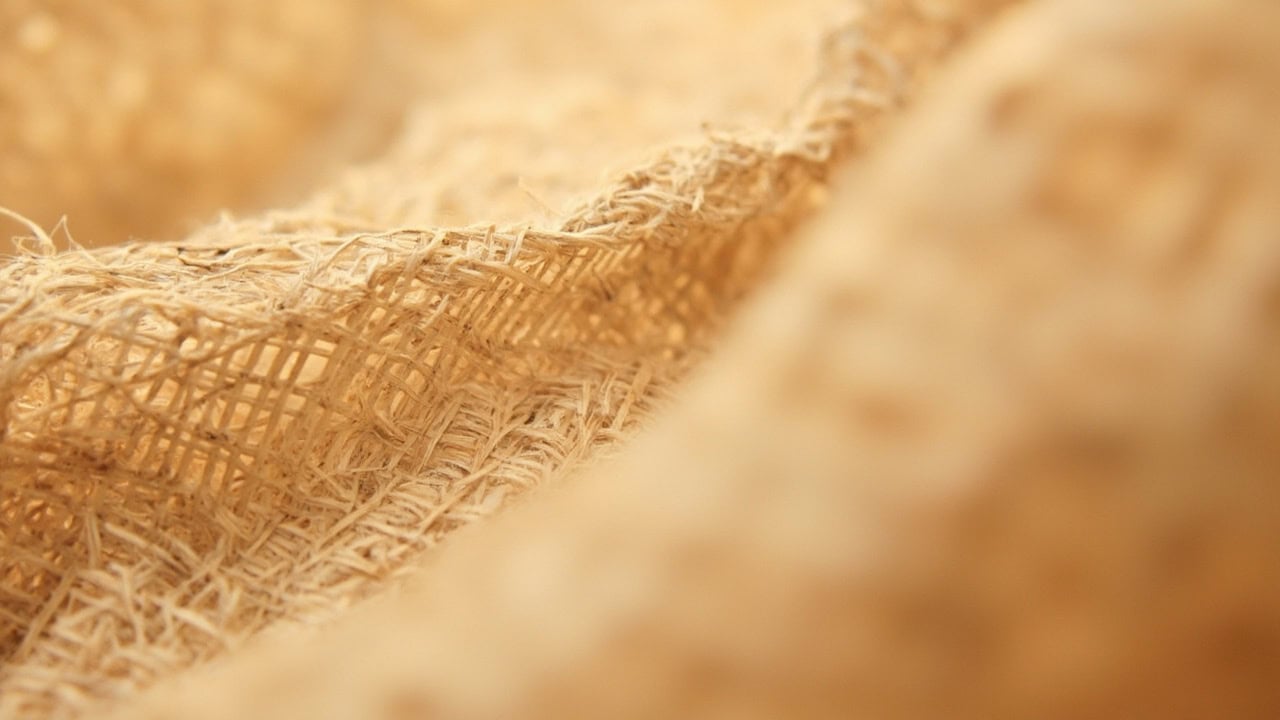
What Is Linen Fabric? Definition and Overview
Linen is one of the oldest textile fibers in human history, with evidence of flax cultivation dating back over 10,000 years in ancient Mesopotamia and Egypt. It is classified as a cellulosic natural fiber — not a protein fiber like wool or silk — and is produced from the bast fibers (stem fibers) of the flax plant. The word “linen” derives from the Latin linum and Greek linon, root terms that also give us the words “line” and “linseed.”
Technically, “linen” refers only to textiles made from flax-based fibers. Other bast fibers such as ramie and hemp are sometimes mislabeled as linen, but they are distinct fibers with different properties. True linen fabric is prized for its characteristic coolness, crispness, durability, and the distinctive “slub” texture that results from natural irregularities in the flax fibers — a feature textile connoisseurs consider a mark of authenticity rather than a defect.
How Linen Fabric Is Made: From Flax to Textile
The journey from flax plant to wearable linen fabric involves six key stages, each of which profoundly influences the quality of the final textile.
Cultivation
Flax (Linum usitatissimum, meaning “most useful” in Latin) grows optimally in temperate climates with moderate rainfall — conditions found across Western Europe, Russia, China, and Egypt. One significant environmental advantage of flax over cotton is its dramatically lower water requirement: flax requires minimal irrigation and far fewer pesticides than cotton cultivation, making it a more sustainable fiber choice at the agricultural stage.
Harvesting
Flax plants are pulled from the ground rather than cut — a critical distinction. Pulling preserves the full length of the bast fibers that run the entire stem. If flax is cut, the shorter fiber lengths that result produce a coarser, weaker yarn. After harvesting, the seeds are removed through a process called rippling (threshing and winnowing).
Retting
Retting is the controlled decomposition process that loosens the bast fibers from the woody inner stem (called “shives”). In water retting, flax bundles are submerged in tanks, ponds, or streams where bacterial action breaks down the pectin binding the fibers. In dew retting — more common in cooler climates — flax is laid in fields and left to decompose naturally as morning dew promotes bacterial growth. Water retting produces a higher-quality fiber but requires more water management; dew retting is more environmentally sustainable but takes longer (typically 3–6 weeks).
Scutching
After retting, the dried flax stalks are crushed between metal rollers in a process called scutching. This mechanical action (typically performed August through December) beats the stalks to separate the long, usable linen fibers — called “line fibers” — from the woody shive particles. Quality scutching removes up to 90% of the non-fiber plant material while preserving fiber tensile strength.
Hackling (or Heckling)
Hackling is a combing process that further aligns the flax fibers and removes any remaining short or tangled fibers, leaving only the longest and finest line fibers. The short fibers removed during hackling (called “tow”) are still usable and are often spun into coarser, lower-quality linen yarns for heavy textiles. Fine linen for high-quality apparel uses the longest hackled fibers only.
Spinning and Weaving
The hackled flax fibers are drawn and twisted into yarn. Linen yarn is typically spun with a slight twist to maximize tensile strength — too much twist reduces the fabric’s characteristic softness. Plain weave is the most common linen weave, producing the crisp, lightweight fabric used for shirts and dresses. Twill weave produces “linen twill” — identifiable by its diagonal weave pattern — used for trousers and jackets where more drape is desired.
Linen Fabric Properties Table
| Property | Linen | Cotton (comparison) |
|---|---|---|
| Tensile Strength | Very high (increases ~30% when wet) | High |
| Breathability | Excellent — 3–4× more breathable than cotton | Good |
| Moisture Absorption | Absorbs up to 20% of its dry weight | Absorbs up to 8.5% |
| Heat Conductivity | Excellent — stays cool against skin | Good |
| Softness with Age | Improves dramatically with each wash | Softens but may pill over time |
| Durability | Exceptional — can last decades with proper care | Durable but degrades faster |
| Elastic Recovery | Low — wrinkles easily | Moderate |
| Biodegradable | Fully biodegradable, decomposes in weeks in soil | Fully biodegradable |
| Environmental Impact | Lower water and pesticide use than cotton | High water and pesticide demand |
Flax fibers range from 25–150 mm in length with a diameter of 12–16 micrometers — significantly longer than cotton fibers. Their irregular polygonal cross-sections with natural “nodes” along the fiber length create the characteristic texture and stiffness that differentiates linen from smoother fabrics. The fibers are hollow in cross-section, which contributes to linen’s superior breathability and moisture-wicking properties.
Types and Varieties of Linen Fabric
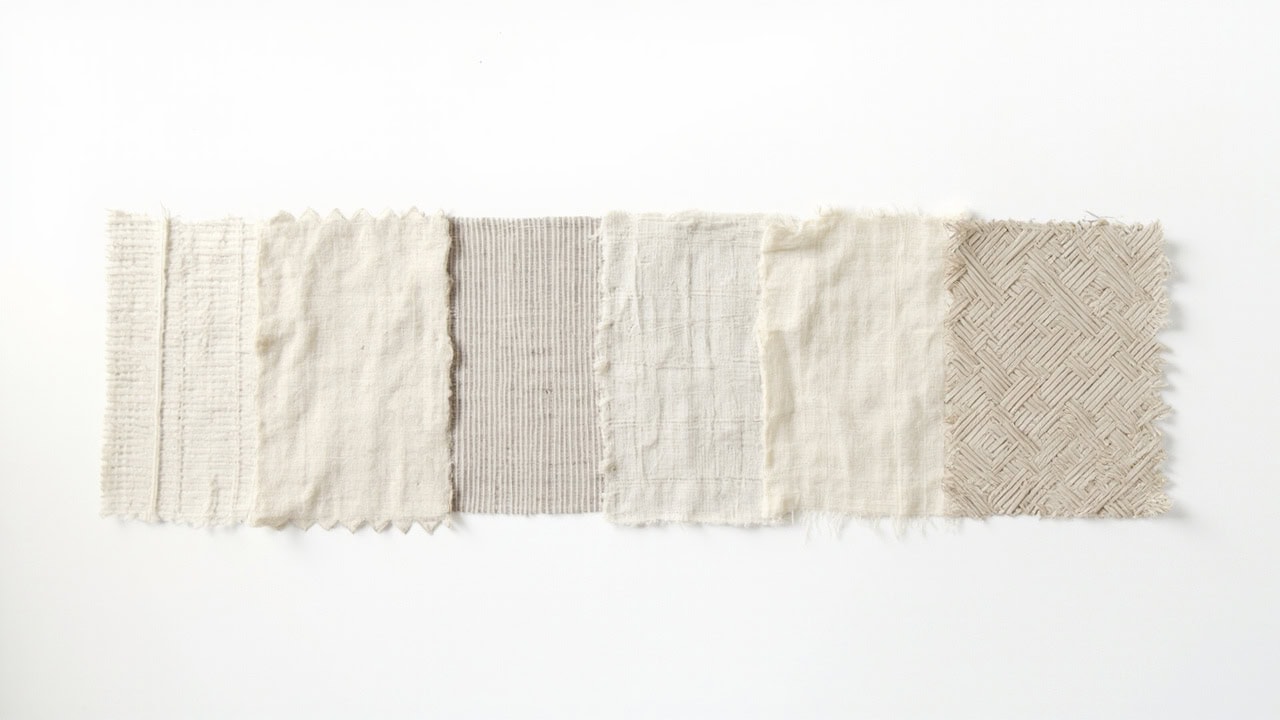
Linen fabric is available in several distinct varieties, each suited to different applications based on weave structure, weight, and fiber treatment.
- Plain Linen — Standard plain weave; lightweight and crisp. Used for shirts, dresses, blouses, and table linens.
- Linen Twill — Twill weave with diagonal pattern; slightly heavier with more drape. Used for trousers, jackets, and structured garments.
- Damask Linen — Reversible patterned weave created on a jacquard loom; decorative and elegant. Used for tablecloths, napkins, and home décor.
- Sheeting Linen — Plain weave with a high, close thread count; durable and smooth. Used for bedding and household linens.
- Blouse Linen — Lighter weight with a slightly open weave; drapes fluidly. Used for flowing garments and summer apparel.
- Linen Union/Blends — Linen combined with cotton, silk, or synthetic fibers; blending reduces wrinkling and improves wrinkle resistance while maintaining some linen properties.
- Washed or Pre-washed Linen — Mechanically washed during finishing to soften the texture and reduce initial crispness; currently the most popular retail format for linen apparel.
- Irish Linen — A specific high-quality linen produced in Ireland under strict branding standards; recognized globally as a premium linen designation.
- Belgian Linen — Premium quality linen from Belgium, where flax cultivation and linen production are deeply traditional industries; higher thread count and finer fiber quality.
Common Uses and Applications
Linen’s unique combination of breathability, durability, and moisture-wicking properties makes it suitable for a wide range of applications.
- Apparel — Summer shirts, blouses, dresses, skirts, trousers, jackets, and suits. Linen excels in hot and humid climates precisely because it allows rapid moisture evaporation, keeping the wearer cool and dry.
- Home Textiles — Tablecloths, napkins, placemats, bedding (sheets, pillowcases), curtains, and upholstery. Linen’s natural resistance to dirt and stains makes it practical for household use.
- Workwear — Traditional guild attire and chef uniforms, historically prized for linen in professional kitchens because of its breathability and heat dissipation properties.
- Accessories — Bags, totes, hats, and scarves. Washed linen in particular has become popular for casual accessories.
- Technical and Industrial — Canvas, sailcloth, window treatments, and traditional canvas artist’s painting supports. Linen’s tensile strength and resistance to stretching make it ideal for structural textile applications.
- Archival and Conservation — Due to its acid-free properties and exceptional longevity, linen paper and cloth are used in museum conservation and archival document storage.
Pros and Cons of Linen Fabric
| Pros | Cons |
|---|---|
| Exceptionally breathable and cool to the touch | Prone to wrinkles; requires ironing or embracing natural creases |
| Gets softer and more comfortable with every wash | Stiff and slightly coarse before breaking in |
| Extremely durable — up to 30% stronger when wet | Higher cost than cotton equivalents |
| Naturally moth-resistant and impervious to clothes moths | Can shrink 3–5% on first wash if not pre-treated |
| Hypoallergenic; suitable for sensitive skin | Dyes less vibrantly than cotton; more limited color range |
| Fully biodegradable; eco-friendly fiber choice | Requires specific care to maximize longevity |
| Rapid moisture-wicking; dries quickly | Creases sharply; may need steam pressing for formal use |
Linen Care Summary
Proper care is essential to preserving linen’s natural advantages and extending the lifespan of linen garments, which — with correct handling — can last decades.
- Washing: Machine wash in cold to warm water (30–40°C / 86–104°F). Avoid hot water, which increases shrinkage risk and can break down linen fibers prematurely. For heavily soiled linen, a 40°C wash is generally safe. See our full guide on how to wash linen for detailed instructions.
- Drying: Air drying is preferred — hang or lay flat on a clean surface. If using a tumble dryer, set to low heat and remove while still slightly damp to prevent over-drying. Can you tumble dry linen? — yes, on low heat only.
- Ironing: Iron linen while damp on a high heat setting — linen tolerates high temperatures better than most synthetic fibers. Use steam liberally; a pressed linen garment should sit briefly after ironing to set the creases. Our linen ironing guide covers temperature settings and techniques.
- Storage: Fold or hang linen garments with adequate space to allow air circulation. Cedar blocks or lavender sachets provide natural moth protection — linen is naturally moth-resistant but protection is still advisable for stored garments.
- Shrinkage: Untreated linen can shrink 3–5% on its first wash, particularly in hot water or a hot dryer. Always check if your linen is pre-washed or pre-shrunk before laundering. Does linen shrink? — yes, if washed incorrectly.
- Stain Removal: Linen resists dirt and stains well, but when stains occur, prompt treatment is essential. See our guide to removing stains from linen for fabric-safe techniques.
One of linen’s most celebrated characteristics is that it improves with age. Unlike cotton, which degrades with repeated washing, linen fibers become softer, more pliable, and more comfortable with each laundering cycle — provided the care instructions above are followed. This is why vintage linen garments (50+ years old) are often in better condition than vintage cotton items from the same era.
Frequently Asked Questions
Q: What is linen fabric made from?
A: Linen fabric is made from the bast fibers (stem fibers) of the flax plant (Linum usitatissimum). These long, hollow fibers are released through retting, then hackled, spun into yarn, and woven into textile fabric.
Q: Is linen better than cotton?
A: Linen and cotton have different strengths. Linen is 3–4 times more breathable, becomes up to 30% stronger when wet, and improves with age — but wrinkles more readily and costs more. Cotton is softer initially, less expensive, and wrinkles less. For hot and humid climates, linen is the superior choice; for everyday convenience and budget, cotton may be preferred.
Q: Does linen shrink when washed?
A: Linen can shrink 3–5% on its first wash if not pre-shrunk or cared for properly. Hot water washing and high-heat drying both increase shrinkage risk. Wash in cold to warm water (30–40°C) and air dry or tumble dry on low heat to minimize shrinkage. Always check the garment label for pre-washed linen that may already be dimensionally stable.
Q: How do you stop linen from wrinkling?
A: Linen wrinkles by nature due to its low elastic recovery — this is an inherent property of the fiber, not a flaw. The only practical ways to reduce wrinkles are blending linen with synthetic fibers (linen-union fabrics), using permanent press laundry cycles, or ironing and steaming while the fabric is still damp. Many textile designers and consumers embrace linen’s natural creases as part of its authentic, relaxed aesthetic.
References
- Wikipedia. (2026). Linen. Wikimedia Foundation.
- Textile Exchange. (2021). Linen. Textile Exchange Knowledge Center.
- CottonWorks. (2026). Linen. CottonWorks — U.S. Cotton.
- ASTM International. ASTM D3822 — Standard Specification for Linen (Flax) Thread. astm.org.
- International Organization for Standardization. ISO 20706 — Textile — Methods for Determination of the Number of Threads per Unit Length in Woven Fabrics. iso.org.


