
What Is Polyester Fabric? Properties, Types, Pros and Cons

Polyester fabric is a synthetic textile made from petroleum-derived polyethylene terephthalate (PET) through melt-spinning extrusion — it ranks as the most widely used fiber worldwide at 45% of global fiber production because of its exceptional durability (tenacity: 2.5–9 g/denier), wrinkle resistance, and low moisture absorption (0.4% at 65% RH). Standard polyester melts at 260°C (500°F) making it heat-sensitive, while recycled polyester (rPET) offers the same mechanical properties with 75% lower carbon footprint, and microfiber polyester provides superior softness through 0.5–1.0 denier filament construction.
What Is Polyester Fabric? Definition and Overview
Polyester is a generic term for any synthetic polymer fiber — the most common type is polyethylene terephthalate (PET). The word “polyester” comes from the chemical structure: poly (many) + ester (the functional group containing carbon, hydrogen, and oxygen). Each repeat unit of PET contains one ester linkage that bonds ethylene glycol and terephthalic acid through esterification and polycondensation reactions.
Polyester was first developed by Wallace Carothers and DuPont scientists in the 1930s as part of a broader research program into synthetic polymers. After World War II, DuPont commercialized polyester as Dacron in 1951, making it one of the first synthetic fibers available for consumer textiles. The development marked a turning point in textile history — for the first time, manufacturers could produce a durable, wrinkle-resistant fabric from raw materials other than natural fibers.
The raw materials for polyester are derived entirely from petroleum. Ethylene — obtained from petroleum refining through fluid catalytic cracking — is converted to ethylene glycol, which is then reacted with purified terephthalic acid (PTA) to form the PET polymer. This makes polyester a non-renewable resource, dependent on crude oil extraction and processing.
Global production of polyester fiber reached approximately 60 million metric tons annually as of the late 2000s, accounting for 45–50% of all fiber production worldwide. Polyester is produced in two primary forms: filament (continuous long fibers that give fabric its smooth, shiny appearance) and staple fiber (short lengths typically 25–150mm that are spun into yarn like cotton or wool). Filament polyester dominates industrial and apparel applications, while staple fiber is widely used in blends with natural fibers.
How Polyester Is Made: The PET Manufacturing Process
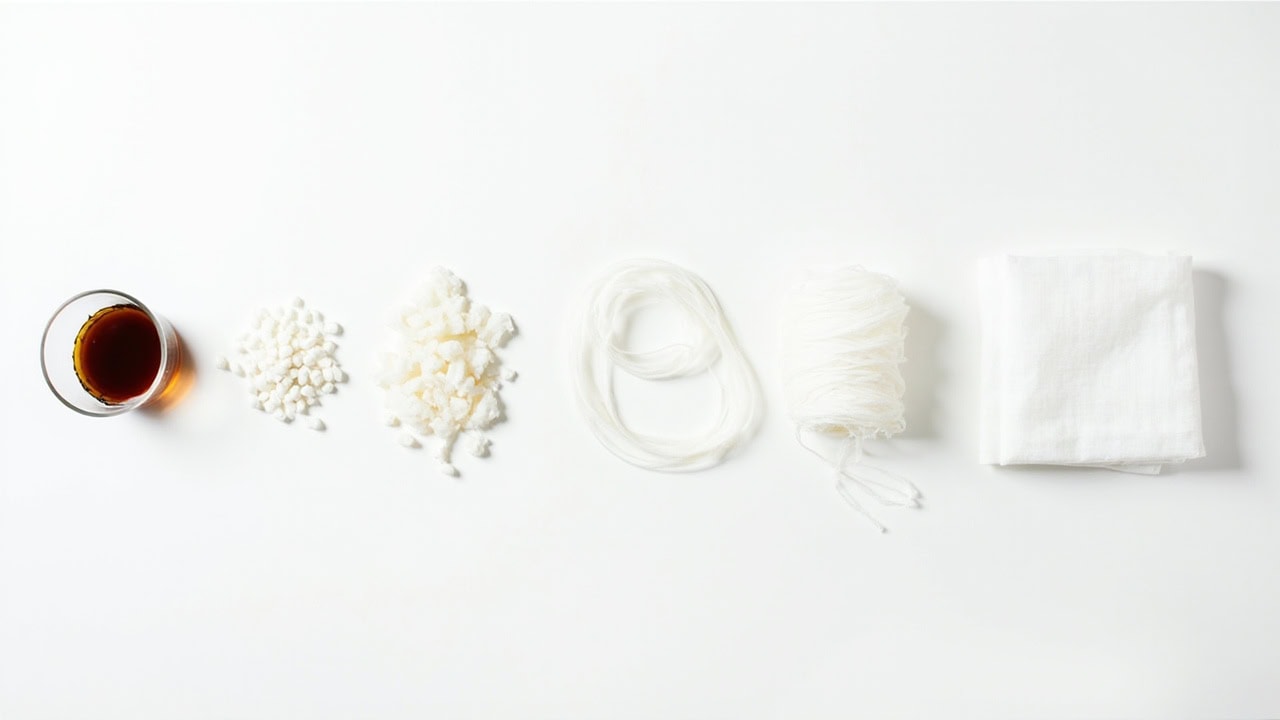
The manufacturing of polyester fiber from petroleum involves a series of chemical and mechanical steps that transform crude oil derivatives into wearable textile fibers. Each stage is carefully controlled to produce fibers with specific strength, elongation, and texture properties.
- Petroleum refining and ethylene production: Crude oil is refined through fluid catalytic cracking, which breaks larger hydrocarbon molecules into lighter fractions including ethylene — the key building block for synthetic fibers.
- Esterification and polycondensation: Ethylene glycol (derived from ethylene) is reacted with purified terephthalic acid (PTA) at temperatures of 250–300°C under controlled pressure. This esterification reaction produces water as a byproduct and forms the PET polymer chain through polycondensation. The reaction is catalyzed by antimony compounds and proceeds until the polymer reaches a molecular weight suitable for fiber spinning (intrinsic viscosity of 0.60–0.65 dL/g).
- Melt spinning: Solid PET pellets are melted in an extruder at 280–290°C (above the melting point but below decomposition temperature). The molten polymer is then extruded through spinnerets — precision metal plates with 500–5,000 holes each, depending on the denier target. As the filaments exit into cool air, they solidify into continuous strands.
- Drawing (orientation): The extruded filaments are drawn (stretched) at ratios of 2.5–5× their original length at temperatures between 70–120°C. This orientation aligns the polymer molecules along the fiber axis, dramatically increasing tenacity and tensile strength. Drawn fibers achieve the high g/denier values that make polyester prized for durable goods.
- Texturing and finishing: Filaments are crimped (textured) using air-jet or gear-crimping methods to introduce bulk and loft. Staple fibers are cut to length (typically 38–150mm). Filament yarns may be wound directly onto bobbins or further processed into textured yarns for stretch fabrics.
The production of rPET (recycled polyethylene terephthalate) follows the same melt-spinning chemistry but replaces virgin PTA and ethylene glycol with post-consumer plastic bottles. bottles are collected, sorted, cleaned, shredded into flakes, and melted to produce rPET chips. The rPET process requires approximately 66% less energy than virgin PET production, making it a significantly more sustainable alternative. rPET achieves the same mechanical properties as virgin polyester — the same tenacity, elongation, and moisture resistance — while diverting plastic waste from landfills and oceans.
Polyester Fabric Properties Table
Polyester’s technical specifications make it one of the most engineered fibers in commercial production. The following table summarizes its key performance characteristics across mechanical, thermal, and chemical dimensions.
| Property | Value | Notes |
|---|---|---|
| Tenacity (dry) | 2.5–9.0 g/denier | Among the highest of all textile fibers; range reflects different draw ratios and polymer grades |
| Tenacity (wet) | Same as dry | Does not weaken when wet — unlike cotton or rayon which lose 10–30% strength |
| Elongation at break | 15–45% | Good elasticity recovery; fibers return to original length after stretching |
| Moisture absorption | 0.4% at 65% RH | Highly hydrophobic — does not absorb water; dries almost as fast as it gets wet |
| Melting point | 260°C (500°F) | Heat-sensitive; will scorch and melt at sustained high temperatures |
| Glass transition | 67–80°C | Above this range, fibers become pliable and can be set in new shapes |
| Density | 1.38 g/cm³ | Heavier than water — polyester fabrics sink rather than float |
| UV resistance | Good | More resistant than cotton, silk, or rayon; does not degrade rapidly in sunlight |
| Abrasion resistance | Excellent | High Martindale rating of 20,000+ cycles; suitable for upholstery and workwear |
| Pilling tendency | Moderate | Depends on fiber length, twist level, and fabric construction; staple fiber pills more than filament |
Types of Polyester Fabric
The polyester category encompasses several specialized variants, each engineered for specific performance attributes. Understanding the distinctions helps in selecting the right fabric for any application.
PET Polyester (Virgin)
Standard polyester made directly from petroleum-derived PET resin. Virgin PET polyester offers the most balanced combination of properties at the lowest cost — it delivers high durability, wrinkle resistance, and chemical stability in a single fiber. It serves as the baseline against which all specialty polyesters are measured and accounts for the largest share of global polyester production.
rPET (Recycled Polyester)
Recycled polyester is made from post-consumer plastic bottles or pre-consumer PET waste (factory scraps). The bottles are shredded, washed, melted, and reprocessed into fiber-grade chips using the same melt-spinning method as virgin PET. rPET delivers identical mechanical properties — the same tenacity, moisture resistance, and durability — while requiring approximately 66% less energy in production. Certified options include the Global Recycled Standard (GRS) and Recycled Claim Standard (RCS), which verify recycled content through third-party supply chain audits. Brands increasingly use rPET in activewear, outdoor apparel, and accessories as part of circular economy commitments.
Microfiber Polyester
Microfiber polyester uses ultra-fine filaments with a denier per filament (DPF) of 0.5–1.0, compared to standard polyester’s 1.5–3.0 denier per filament. The finer filaments create a dramatically softer hand feel and increased surface area per unit weight, which improves moisture transport through capillary action. Microfiber polyester is the preferred fabric for performance activewear, swimwear, upholstery, and cleaning textiles because its dense weave provides better barrier properties while remaining lightweight. Fabrics made from 0.5 denier filaments feel noticeably smoother against skin than standard polyester, approaching the softness of natural silk in hand.
Polyester Filament Yarn (PFY)
Continuous filament yarns produce fabrics with high luster and smooth surfaces. PFY is used in satins, taffetas, and lining fabrics where a glossy, drapable appearance is desired. The continuous nature of the filaments eliminates fiber ends on the fabric surface, reducing pilling and creating a sleek aesthetic used in evening wear, lingerie linings, and technical outerwear shells.
Polyester Staple Fiber (PSF)
Staple fiber is cut to short lengths and spun into yarn using conventional cotton or wool spinning systems. PSF is typically blended with cotton (e.g., 65% polyester / 35% cotton) to combine polyester’s durability and wrinkle resistance with cotton’s breathability and moisture absorption. Polyester-cotton blends dominate workwear, shirting, and bedding markets because they offer a practical balance of performance and comfort at moderate cost.
Textured Polyester
Textured or bulked continuous filament (BCF) polyester uses air-jet texturing or false-twist texturing to introduce crimps and loops into the filaments. This bulked structure traps air between fibers, adding loft, stretch, and warmth — making it the fiber of choice for fleece fabrics, insulation fills, and stretch knitwear. Polyester fleece (such as Polartec) achieves warmth-to-weight ratios that outperform many natural fiber alternatives.
Polyester Blends
Blending polyester with natural or cellulosic fibers modifies the fabric’s hand, breathability, and moisture management. The most common blend is poly-cotton (65/35 or 50/50), which reduces cost while improving drapability compared to 100% polyester. Poly-viscose blends offer a more natural drape and improved moisture absorption compared to pure polyester. Each blend ratio shifts the performance balance — higher polyester content increases durability and wrinkle resistance while reducing breathability and comfort against skin.
Common Uses and Applications
Polyester’s versatility has made it omnipresent across the textile industry. Its specific performance envelope — high strength, moisture-wicking, UV resistance, and rapid drying — makes it the dominant fiber in applications where these properties matter most.
Apparel
In clothing, polyester is the dominant fiber for activewear, sportswear, and outdoor apparel because its hydrophobic nature moves sweat away from skin through capillary action rather than absorption. This moisture-wicking action keeps athletes dry during high-output activities. Outdoor clothing — jackets, shells, and hiking pants — relies on polyester’s wind resistance and quick-dry performance. Beyond performance wear, polyester appears in uniforms, dresses, blouses, and linings where its shape retention and wrinkle resistance reduce maintenance requirements. The global production volume of textile PET alone reached approximately 39 million metric tons annually by 2008, reflecting the scale of polyester’s dominance in apparel.
Home Textiles
Polyester dominates home textile categories where durability and easy care outweigh the preference for natural fibers. Bedsheets made from polyester (often in a microfiber weave) resist wrinkling and dry rapidly after washing. Polyester curtains maintain pleats and resist fading better than cotton when exposed to sunlight. Upholstery fabrics in polyester blends withstand the abrasion of daily use — a typical polyester upholstery fabric achieves 20,000+ Martindale cycles before showing wear, compared to 10,000–15,000 for cotton blends. Carpets made from polyester (particularly PET polyester from recycled bottles) offer stain resistance and color retention at competitive price points.
Industrial Applications
Industrial polyester fabrics are engineered for extreme mechanical and environmental conditions. Polyester conveyor belts offer high tensile strength and resistance to flex fatigue over millions of cycles. Geotextiles made from nonwoven polyester stabilize road foundations, control erosion, and separate soil layers — their durability ensures performance over decades of ground contact. Safety harnesses and lifting slings depend on polyester’s high tenacity and minimal stretch under load. Tire cords use high-modulus polyester to reinforce rubber without the weight penalty of steel. Banners and outdoor signage use polyester mesh and coated fabrics that resist UV degradation and wind loading.
Technical and Disposable Textiles
Nonwoven polyester fabrics serve single-use and limited-use functions in medical, hygiene, and consumer products. Reusable shopping bags made from nonwoven polyester geotextile replace millions of disposable plastic bags. Medical gowns and drapes use spunbond polyester for barrier properties and breathability. Insulation materials (including Polartec Alpha and similar technologies) use polyester fiber batting to trap air and maintain warmth without the bulk of natural fibers.
Pros and Cons of Polyester Fabric
| Pros | Cons |
|---|---|
| Extremely durable and long-lasting — retains shape and strength through hundreds of wash cycles | Derived from petroleum — a non-renewable resource with significant extraction and refining impacts |
| Wrinkle-resistant and maintains shape after wear and washing | Does not biodegrade — persists in landfill for 200+ years as estimated by EPA degradation studies |
| Quick-drying due to hydrophobic nature — moisture evaporates in minutes, not hours | Can pill and develop static cling over time with repeated washing |
| Excellent shape-retention after stretching — recovers original dimensions after 5–10% elongation | Melts at 260°C — ironing on high heat creates holes and shiny spots permanently |
| UV and abrasion resistant — outperforms cotton and silk in outdoor exposure tests | Less breathable than natural fibers — trapped heat and moisture cause discomfort in warm conditions |
| Stain-resistant — hydrophobic surface repels water-based liquids and resists oil-based stains | Can trap and retain odors with repeated wear — bacteria build up in the fiber’s hydrophobic environment |
| Affordable mass production — lower cost per meter than most natural fiber alternatives | Sheds microplastic fibers in every wash cycle — estimated 496,000+ fibers per 6kg wash load |
| rPET variants available for reduced environmental impact — 66% less energy vs. virgin polyester | Not compostable or biodegradable — end-of-life options remain limited to landfill or incineration |
The environmental case for polyester is nuanced. A single polyester t-shirt carries a lifetime carbon footprint estimated at over 20kg CO2 equivalent — significantly higher than equivalent garments made from natural fibers. However, polyester’s durability means a well-made polyester garment often outlasts its cotton counterpart, potentially reducing per-wear environmental impact. rPET addresses part of the problem by requiring substantially less energy in production and diverting plastic bottles from waste streams, but it does not eliminate the fundamental issue of microplastic shedding during washing or the lack of biodegradability at end of life.
Caring for Polyester Fabric
Polyester’s durability makes it relatively forgiving in care routines, but following best practices extends garment life and preserves performance properties. The most critical variables are heat and chemical exposure — both of which can cause irreversible damage to polyester fibers.
Washing
Machine wash polyester in warm water at 40°C (104°F) or cold water for best results. Warm washing effectively removes body oils and perspiration without risking fiber damage at this temperature. Use a mild laundry detergent — heavy-duty detergents designed for stubborn stains may contain enzymes (proteases and lipases) that can degrade polyester polymer chains over repeated exposure. Always turn garments inside-out before washing to reduce surface abrasion that causes pilling on the visible face of the fabric.
Drying
Tumble dry on low heat or line dry whenever possible. Polyester’s rapid moisture evaporation means items typically dry in 30–60 minutes on a low tumble or line setting. Remove garments promptly at the end of the drying cycle to prevent static buildup and wrinkles from developing. High heat drying above 70°C risks fiber softening and shrinkage — the glass transition temperature of 67–80°C means polyester begins to become pliable above this range.
Ironing
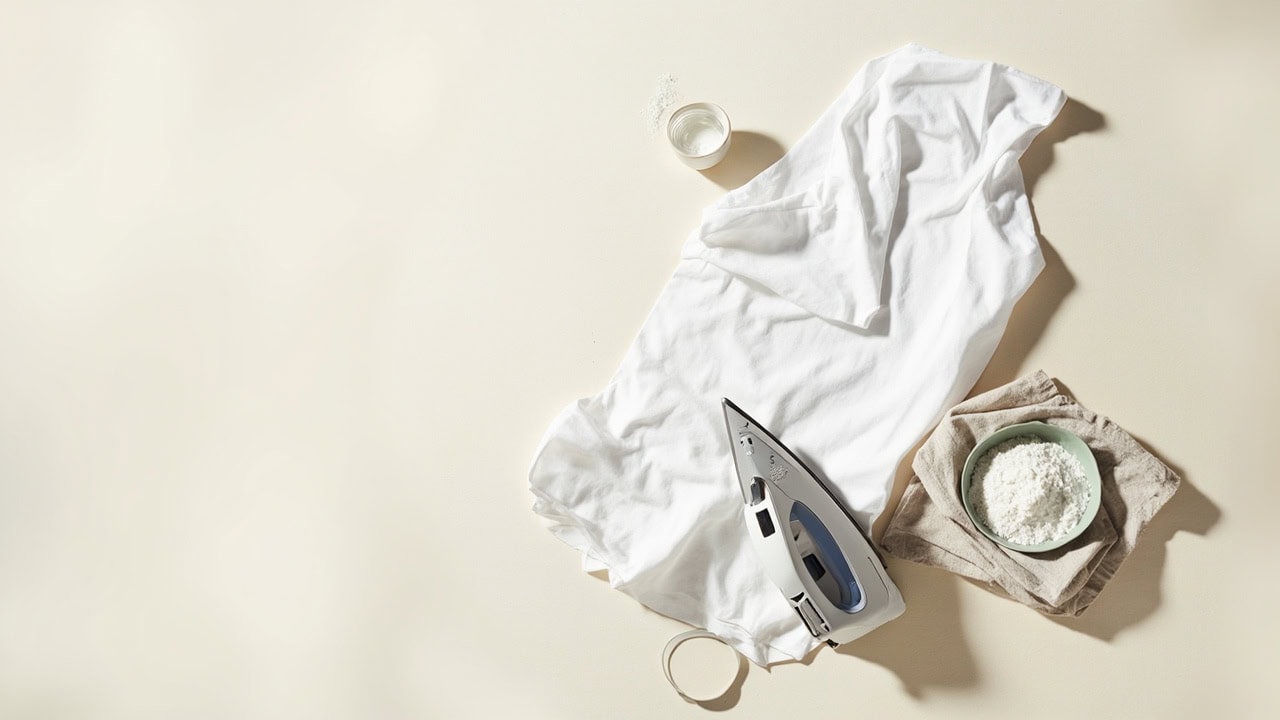
Use the synthetic/iron-safe setting at approximately 130°C (266°F) — well below polyester’s 260°C melting point but high enough to remove wrinkles. Always place a pressing cloth (a clean cotton handkerchief or muslin) between the iron and the polyester fabric. Without a pressing cloth, the direct heat of an iron creates shiny spots by compressing and glazing the fiber surface. Never use the steam function at high temperatures — steam combined with direct heat can cause localized fiber shrinkage or marking.
Storing
Polyester resists moth damage and mildew due to its synthetic polymer structure — insects have no interest in petroleum-derived fibers, and the hydrophobic surface does not retain the moisture that mildew needs to grow. Fold heavier polyester garments (jackets, trousers) to prevent shoulder stretching from hanging, and hang lighter-weight knit polyester items to avoid deep creases from folding. Polyester bags and comforters can be stored long-term in vacuum bags if needed, though the compression may affect loft in textured polyester fills.
What to Avoid
- Do not iron on high heat — temperatures above 200°C will melt and scorch the fabric permanently
- Do not dry clean unnecessarily — the solvents used in professional cleaning are generally unnecessary for polyester and add cost
- Do not use chlorine bleach — it may yellow white polyester and can degrade the polymer chain with repeated exposure
- Do not use excessive fabric softener — it builds up on synthetic fibers, reducing moisture-wicking performance and creating a greasy feel
- Do not leave polyester items in the sun for extended drying — while UV-resistant, prolonged direct sunlight can cause slight color fading over time
Frequently Asked Questions
Q: What is polyester fabric made from?
A: Polyester fabric is made from polyethylene terephthalate (PET) — a synthetic polymer derived from petroleum. The PET polymer is melt-spun into filaments, drawn to align the molecules, and then woven or knitted into fabric. Recycled polyester (rPET) uses the same chemistry but sources the PET from post-consumer plastic bottles instead of virgin petroleum.
Q: Is polyester fabric breathable?
A: Polyester is not very breathable because it is hydrophobic — it does not absorb moisture and instead moves it away from skin through capillary action (moisture-wicking). This makes it excellent for activewear but less comfortable in hot, humid conditions compared to cotton or linen which absorb and release moisture naturally.
Q: What are the disadvantages of polyester?
A: Polyester’s main disadvantages are: it is made from non-renewable petroleum, does not biodegrade (persists 200+ years in landfill), sheds microplastic fibers in every wash cycle contributing to ocean pollution, can melt when exposed to high heat, and tends to retain odors with repeated wear. It is also less comfortable next to skin in warm weather due to low breathability.
Q: Is recycled polyester better for the environment?
A: Recycled polyester (rPET) requires approximately 66% less energy to produce than virgin polyester and diverts plastic bottles from landfill and oceans. However, it still sheds microplastics during washing and is not biodegradable. rPET is a significant improvement over virgin polyester but not a complete solution — look for GRS (Global Recycled Standard) certification to verify authenticity.
References
- Textile Exchange. (2024). Polyester. Textile Exchange.
- Wikipedia Contributors. (2025). Polyester. Wikipedia.
- Encyclopaedia Britannica. (2025). Polyester fiber. Encyclopaedia Britannica.


