
What Is Cashmere Fabric? Properties, Grades, and Worth

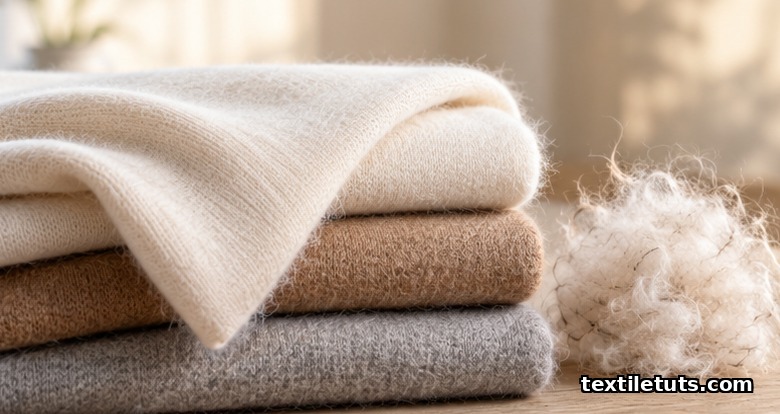
Cashmere fabric is a premium natural fiber harvested from the underbelly of Capra hircus goats native to Mongolia, Nepal, and China — not the fleece of sheep as commonly assumed. The fiber averages 15–19 microns in diameter (compared to 40+ microns for standard wool), making it approximately three times softer than sheep’s wool, and is graded A through C based on micron count and staple length, with Grade A representing the finest quality at under 15.5 microns.
Definition and Origin of Cashmere
Cashmere (also spelled Kashmir) comes from Capra hircus goats — a distinct species from sheep, despite the common misconception. The name derives from Kashmir, the region in South Asia where the fiber was first traded to European markets in the 18th century. These goats produce a double fleece: a fine, soft undercoat that grows in winter to provide insulation, and a coarser outer layer of guard hair that protects against weather and abrasion.
Mongolia, Nepal, and China produce approximately 90% of the world’s cashmere supply. As of 2016 data, China leads global production at 19,200 metric tons of raw fiber annually, followed by Mongolia at 8,900 tons, with Afghanistan as a distant third. The annual world raw production totals between 15,000 and 20,000 tons — yielding only approximately 6,500 tons of pure, processed cashmere after the de-hairing process removes the coarse guard hairs.
Only the fine undercoat (down) is harvested as cashmere — the coarse guard hairs are mechanically or manually separated during processing. Each goat produces approximately 150–200 grams of raw cashmere per year, making this fiber remarkably scarce. One standard sweater requires the annual yield of 2–4 goats to produce, which is why genuine cashmere commands premium pricing.
How Cashmere Is Made: From Goat to Fabric
The journey from raw goat fiber to finished cashmere fabric involves six distinct stages, each critical to the final quality of the textile.
Harvesting
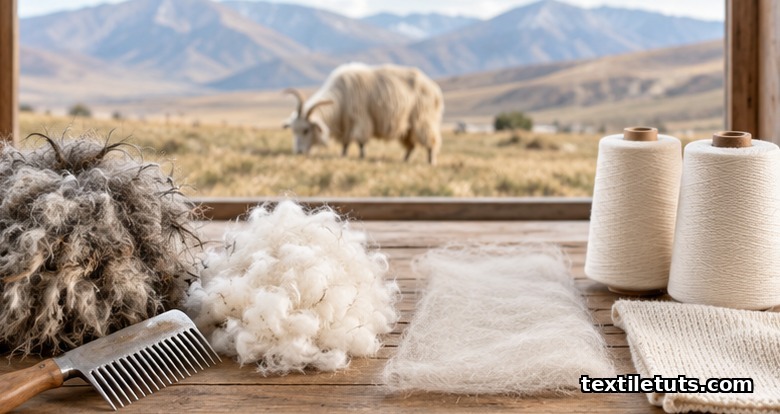
Goats naturally shed their winter undercoat in spring as temperatures rise. Unlike wool, which is sheared, cashmere fibers are collected by hand combing — a labor-intensive process where herders gently comb through the goat’s coat to gather the loose undercoat fibers. This method is less stressful for the animal and preserves the long staple length of the fibers, which is essential for yarn strength and pilling resistance.
De-hairing
Raw cashmere fiber contains both the valuable soft undercoat and coarse guard hair that must be separated. De-hairing is the most technically demanding stage of cashmere processing — mechanical or manual techniques remove guard hairs while preserving the maximum amount of fine undercoat. Efficiency at this stage directly impacts yield and cost; higher-quality de-hairing equipment produces cleaner fiber with less waste.
Cleaning and Washing
The harvested fiber is washed in hot water to remove grease, dirt, vegetable matter, and natural lanolin oils. This degreasing process is essential for accepting dyes evenly and producing the pure white color prized in premium cashmere. Fiber destined for natural undyed garments undergoes additional rinsing to ensure no chemical residue remains.
Sorting and Grading
Cleaned fibers are sorted by color and fineness. Color grades include natural white (most valuable — takes dye evenly), followed by brown and grey varieties. Fineness sorting separates fibers by diameter, which determines their end use: the finest fibers go into next-to-skin garments while slightly coarser fiber may be used for woven outerwear or blankets.
Spinning
Cashmere fibers are carded (aligned into a continuous web) and then spun into yarn. Two primary spinning methods are used: ring-spun spinning produces a softer, loftier yarn ideal for knitwear, while worsted spinning creates a smoother, more structured yarn suited for woven fabrics. Ring-spun cashmere has a slightly bulkier hand feel and superior softness; worsted cashmere is more refined and formal in appearance.
Weaving and Knitting
The finished yarn is either woven into fabric or knitted directly into garments. Cashmere can be knitted — producing lighter, softer fabrics with excellent drape — or woven for more structured garments with increased durability. Knitted cashmere sweaters typically feel softer against skin; woven cashmere is more stable and resists stretching over time.
Cashmere Grades: Understanding Quality and Value
Cashmere is commercially graded A through C based on two key measurements: micron count (fiber diameter) and staple length. Under U.S. federal trade regulations, fiber labeled as cashmere must have an average diameter not exceeding 19 microns, with no more than 3% of fibers exceeding 30 microns and a coefficient of variation no greater than 24%.
| Grade | Micron Count | Staple Length | Characteristics |
|---|---|---|---|
| Grade A | Under 15.5 µ | 36–50 mm | Finest quality; extremely soft; most expensive |
| Grade B | 15.5–19 µ | 30–40 mm | Mid-range softness; good quality; moderate price |
| Grade C | Over 19 µ | Under 30 mm | Coarser texture; less soft; budget-friendly |
Higher grade cashmere means thinner fiber diameter, which translates directly to a softer hand feel against skin. Staple length matters equally: longer fibers create stronger yarn with fewer loose ends, resulting in better pilling resistance and longer garment life.
Beware of misleading labels. Some manufacturers blend multiple cashmere grades — or blend cashmere with other fibers — while still displaying a “100% cashmere” tag. This certification confirms the fiber content is indeed cashmere but makes no guarantee about grade quality. Always check for grade specifications when purchasing premium garments, or buy from suppliers with verified quality testing data.
Types and Varieties of Cashmere
The cashmere market offers several distinct product categories, each with different quality profiles and price points.
- Pure cashmere: Contains 100% cashmere fiber with no blends. Offers the highest quality and price — the benchmark against which all other cashmere is measured.
- Cashmere blends: Mixed with silk, cotton, or wool. Blending improves durability, reduces cost, and can enhance specific properties (silk adds luster; cotton improves breathability; wool increases resilience).
- Virgin cashmere: Made exclusively from first-time shearings — fibers that have never been processed into yarn or fabric before. Superior softness compared to recycled fiber, with intact natural scales that enhance warmth and moisture management.
- Recycled cashmere: Reprocessed from post-consumer garments or factory scraps. Lower quality than virgin cashmere — shorter staple length leads to reduced strength, increased pilling, and diminished softness. Often used in budget accessories.
- Reversed-pile cashmere: A woven fabric with a raised surface, similar to velvet but softer. The pile creates extra insulating air pockets, making it exceptionally warm — commonly used in coats and luxury throws.
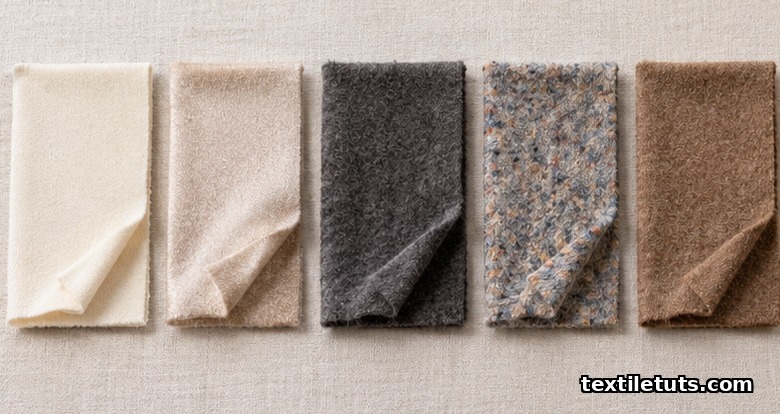
Color options range from natural undyed fibers to richly dyed varieties. Natural white cashmere is the most valuable because its cuticle scales are undamaged by processing, accepting dye evenly for vibrant, long-lasting colors. Brown and grey cashmere are naturally pigmented and typically require less dye, producing more muted, earthy tones.
Properties Table: Cashmere at a Glance
| Property | Cashmere | Standard Wool | Comparison |
|---|---|---|---|
| Fiber diameter | 15–19 µ | 40–50 µ | 3× finer |
| Weight | Very light | Medium-heavy | 5× lighter insulation |
| Softness | Excellent | Good | Superior next-to-skin comfort |
| Warmth retention | Excellent | Very good | 3× warmer by weight |
| Breathability | High | Medium | Better moisture regulation |
| Durability | Moderate | High | Less resilient than wool |
| Pilling tendency | High | Low | Requires regular maintenance |
| Price range | $30–$300 | $10–$50 | Premium tier |
Cashmere’s defining characteristic is its exceptional warmth-to-weight ratio. The fine fibers create more insulating air pockets per ounce of material than coarser alternatives, meaning a lightweight cashmere sweater provides equivalent warmth to a much heavier wool sweater. This makes cashmere ideal for cold-weather layering without bulk.
Common Uses and Applications
Cashmere’s unique properties make it suitable for a range of applications, from everyday luxury to technical performance wear.
- Sweaters and cardigans: The primary use for cashmere, accounting for approximately 60% of global cashmere production. Lightweight yet warm, with a drape that elevates casual and formal knitwear alike.
- Scarves and wraps: Excellent warmth-to-weight ratio makes cashmere scarves ideal for cold weather without the bulk of wool alternatives. The soft fibers feel comfortable against the neck and face.
- Coats and jackets: Often lined or blended with wool for structure, cashmere coats provide exceptional insulation with a luxurious hand feel. Reversed-pile cashmere is particularly popular in premium outerwear.
- Blankets and throws: Luxury home textiles benefit from cashmere’s warmth and softness. A cashmere throw weighs a fraction of a wool blanket yet provides equivalent insulation.
- Base layers and loungewear: Next-to-skin softness makes cashmere excellent for thermals and comfort wear. Baby cashmere — harvested from younger goats at approximately 14 microns — is especially prized for this application.
- Accessories: Hats, gloves, and socks often blend cashmere with more durable fibers (such as nylon or silk) to improve resilience while maintaining softness. Pure cashmere socks are rare due to durability concerns.
Pros and Cons of Cashmere
Advantages
- Exceptional softness: At 15–19 microns, cashmere fibers are finer than any sheep’s wool, eliminating the prickly sensation that makes coarse wool uncomfortable against skin.
- Superior warmth-to-weight ratio: Three times warmer than wool by weight, providing maximum insulation with minimal bulk for comfortable layering.
- Natural moisture-wicking: As a hygroscopic fiber, cashmere absorbs and releases water from the air, helping regulate body temperature in varying conditions.
- Biodegradable and renewable: Unlike synthetic fibers, pure cashmere decomposes naturally within a few years at end of life, making it a more sustainable choice.
- Luxurious aesthetic: The natural luster, fluid drape, and unmistakable hand feel signal quality and craftsmanship.
Disadvantages
- High cost: Genuine cashmere commands significant premiums — a single Grade A sweater costs $150–$300, while lower-grade options start around $30–$80. The limited supply per goat and labor-intensive processing justify but don’t eliminate this barrier.
- Special care requirements: Cashmere requires hand washing in cold water or professional dry cleaning, never wringing or twisting, and flat drying to maintain shape. This maintenance routine is significantly more demanding than machine-washable alternatives.
- Pilling tendency: Short fibers work loose from yarn surfaces over time, forming small pills that require regular removal with a cashmere comb or de-pilling device.
- Lower durability than wool: The fine fibers break under rough wear, snagging on jewelry or rough surfaces. Cashmere garments typically last 5–10 years with proper care versus 20+ years for well-maintained wool.
- Environmental concerns: The explosive growth of cashmere production — particularly in Mongolia, where goat numbers have tripled since 1990 — has caused severe overgrazing. Approximately 65% of Mongolia’s grasslands show signs of degradation, contributing to desertification and temperature increases. Factories in China’s Alashan region are forced to close several days weekly due to water rationing as deserts expand by approximately 400 square miles annually.
How to Care for Cashmere
Proper care dramatically extends cashmere’s lifespan. Follow these guidelines to maintain your garment’s softness and structure across seasons and years of wear.
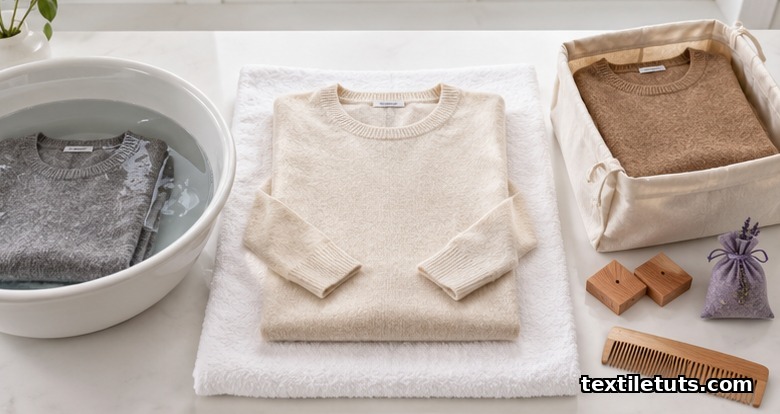
- Hand wash in cold water (30°C/86°F maximum) using a cashmere-specific shampoo or mild detergent. Agitate gently for 2–3 minutes — never soak for extended periods.
- Never wring or twist the garment. Press water out gently with clean towels, then reshape while damp. Hanging wet cashmere stretches irreversibly.
- Lay flat to dry on a clean towel, reshaping the garment to its original dimensions. Rotate periodically to ensure even drying. Drying time is typically 24–48 hours depending on humidity.
- Store folded in breathable cotton bags — never plastic, which traps moisture and can cause yellowing. Add cedar blocks or lavender sachets for moth deterrence. Never hang cashmere; the weight of the garment stretches the shoulder seams over time.
- Remove pills regularly with a cashmere comb or electric de-pilling device after each 2–3 wears. This prevents pills from working deeper into the yarn and maintains a smooth appearance.
- Consider professional dry cleaning for structured garments such as coats, blazers, and formal knitwear. Dry cleaning preserves structured silhouettes and prevents the relaxation that can occur with home washing.
For a comprehensive guide to cashmere garment maintenance, see our dedicated article on how to wash cashmere.
Frequently Asked Questions
Q: Is cashmere actually warmer than wool?
A: Yes — cashmere is approximately three times warmer than wool by weight. The fine fibers create more insulating air pockets per ounce of material, meaning a lightweight cashmere sweater provides equivalent warmth to a much heavier wool sweater, making it ideal for cold-weather layering.
Q: What does cashmere grade mean?
A: Cashmere is graded A through C based on fiber diameter (micron count) and staple length. Grade A is the finest (under 15.5 microns) with the longest fibers (36–50 mm), producing the softest and most expensive cashmere. Grade C is coarser (over 19 microns) with shorter fibers, offering a budget-friendly option with reduced softness.
Q: Why is cashmere so expensive?
A: Cashmere commands a premium price due to limited supply — each goat produces only 150–200 grams of usable fiber annually, and it takes 2–4 goats to make a single sweater. The labor-intensive hand-combing harvest, scarcity of quality fiber, and processing costs (particularly the de-hairing stage) all contribute to the high retail price.
Q: How do I prevent cashmere from pilling?
A: Pilling occurs when short fibers work loose from the yarn surface. To minimize pilling: wash cashmere inside-out, use gentle cycle or hand wash, avoid rubbing rough surfaces, and remove pills regularly with a cashmere comb. Higher-grade cashmere with longer fibers pills less than lower-grade alternatives.
References
- Wikipedia. (2025). Cashmere wool. Wikimedia Foundation.
- Business of Fashion. (2024). The Cashmere Market. Business of Fashion.
- CottonWorks. (2024). Cashmere Textile Resources. Cotton Incorporated.
- International Wool Textile Organisation. (2024). Wool and Cashmere Standards. IWTO.
- U.S. Federal Trade Commission. (2024). Thread Labeling Regulations for Cashmere Content. FTC.


