
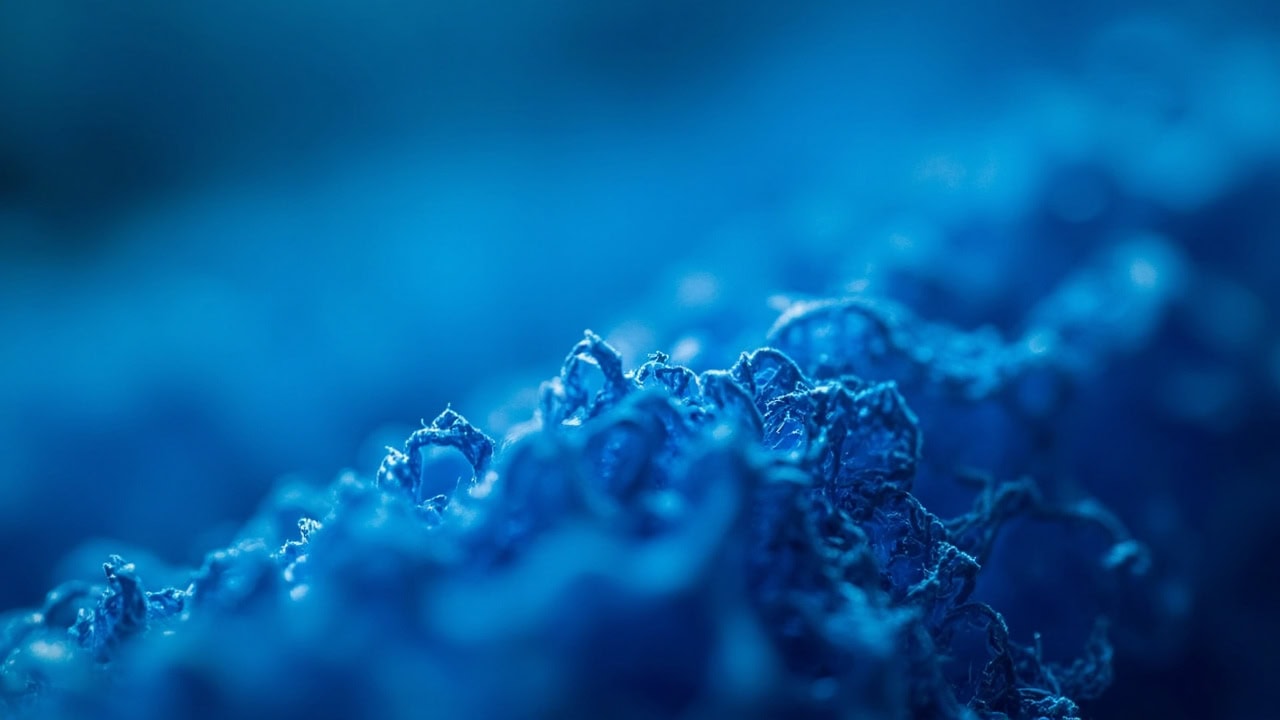
What Is Microfiber Fabric? Properties and Uses

Microfiber is a synthetic fabric composed of ultra-fine fibers finer than 1 denier in fineness — with individual filaments measuring less than 10 micrometers in diameter, approximately 100 times thinner than a human hair. The fabric is typically made from polyester or polyamide (nylon) that is split during manufacturing to create millions of microscopic loops per square inch, which trap dust, absorb liquids, and conform to surfaces with superior contact. Microfibers are produced from continuous filaments via melt-blown or flash spinning processes, with split-fiber variants using bicomponent technology where incompatible polymers are mechanically or chemically separated to create wedge-shaped micro-lobes for enhanced cleaning. Microfiber’s defining characteristic is its split-fiber construction: the finer the fiber, the greater the surface area and cleaning effectiveness.
What Is Microfiber Fabric?
Microfiber fabric is a synthetic textile made from ultra-fine continuous filament fibers, with each individual filament measuring 0.5 to 1 denier in fineness — substantially finer than standard polyester filaments which range from 1.5 to 5.0 denier. Originally developed in Japan during the 1970s for high-performance cleaning applications, microfiber technology emerged from advances in melt-blown and flash spinning processes that could produce fibers below 0.7 denier. The key distinction between microfiber and conventional synthetic fabrics lies in the split versus unsplit fiber construction: split microfiber has wedge-shaped fibers that separate during production, creating micro-lobes that trap dirt and absorb liquids with superior effectiveness, while unsplit microfiber remains smooth and is optimized for softness and water resistance in apparel applications. Polyester provides durability and moisture-wicking capability, while polyamide (nylon) adds softness and elasticity to the blend.
The most common cleaning-grade microfiber uses an 80/20 polyester/polyamide split ratio, where the bicomponent fibers are mechanically split to create wedge-shaped filaments that dramatically increase surface area. This split-fiber construction is what gives cleaning microfiber its distinctive ability to trap and hold microscopic particles, bacteria, and liquids rather than simply pushing them across a surface as conventional cleaning cloths do. Apparel-grade microfiber, by contrast, uses unsplit filaments that are tightly woven to create a smooth, water-resistant surface ideal for outerwear, sportswear, and linings.
How Microfiber Is Made: The Manufacturing Process
The manufacturing process for microfiber fabric involves four distinct stages, each contributing to the final performance characteristics of the textile. Understanding how microfiber is made clarifies why it performs so differently from conventional synthetic fabrics in both cleaning and apparel applications.
- Extrusion: Polyester or polyamide (nylon) polymer is extruded through ultra-fine spinnerets, forcing the molten polymer through thousands of tiny orifices to create continuous filaments. The spinneret hole size directly determines the starting denier of each filament.
- Drawing: The extruded filaments are drawn (stretched) to achieve the ultra-fine denier ratings required for microfiber status — typically 0.5 to 1 denier per filament. This drawing process aligns the polymer chains, increasing tensile strength along the fiber axis while reducing diameter.
- Splitting treatment: For cleaning-grade (split-fiber) microfiber, the drawn filaments undergo a splitting treatment where bicomponent fibers — combining incompatible polymers such as polyester and polyamide in a conjugated or side-by-side configuration — are mechanically or chemically split into individual wedge-shaped microfibers. This splitting creates the characteristic micro-lobes that dramatically increase surface area and cleaning effectiveness. The split ratio determines cleaning effectiveness: an 80/20 polyester/polyamide split is optimal for water-based cleaning, with higher-quality microfiber using more splits per fiber bundle.
- Fabric construction: The split or unsplit filaments are woven, knitted, or formed into nonwoven structures depending on the intended application. Woven microfiber produces tight, smooth fabrics for apparel; knit microfiber offers stretch and drape for activewear; nonwoven microfiber provides maximum surface area for cleaning products.
The island-in-sea technique represents an alternative manufacturing approach, where thin polymer fibers are extruded within a sacrificial matrix (the “sea”) that is later dissolved, leaving only the fine individual “island” filaments. Both manufacturing methods yield fibers with surface areas of approximately 200–300 square meters per gram, compared to just 20–50 square meters per gram for standard polyester — a 10x increase in surface area that directly translates to superior liquid absorption and particle-trapping ability.
Key Properties of Microfiber
Microfiber’s performance advantages over conventional textiles derive directly from its ultra-fine fiber structure and high surface area. Split-fiber cleaning microfiber reduces surface bacteria by 99% compared to just 33% reduction achieved with conventional cleaning materials, making it substantially more effective for卫生 cleaning applications without the need for chemical disinfectants.
| Property | Microfiber Value | Standard Polyester |
|---|---|---|
| Fiber fineness | 0.5–1.0 denier | 1.5–5.0 denier |
| Surface area per gram | ~200–300 m² | ~20–50 m² |
| Moisture absorption | High (via capillary action) | Low |
| Oil absorption | Excellent (oleophilic nature) | Poor |
| Durability (Martindale) | 30,000–50,000 cycles | 20,000–40,000 cycles |
| Breathability | Moderate | Moderate |
| Heat sensitivity | 60–70°C max | 70–80°C max |
| Drying time | Fast | Fast |
The oleophilic (oil-attracting) nature of polyester-based microfiber makes it particularly effective at absorbing oils and greases, which is why it outperforms cotton and other natural fibers in both cleaning and filtration applications. The split-fiber structure creates capillary action that draws liquids into the fiber bundle, while the electrostatic properties of certain microfiber treatments enable strong dust attraction for enhanced particle capture. Martindale abrasion testing — the international standard for measuring fabric durability — shows microfiber achieving 30,000 to 50,000 cycles before visible surface wear, placing it in the “heavy domestic use” to “general contract use” categories and confirming its suitability for demanding applications like upholstery and commercial cleaning.
Types and Varieties of Microfiber
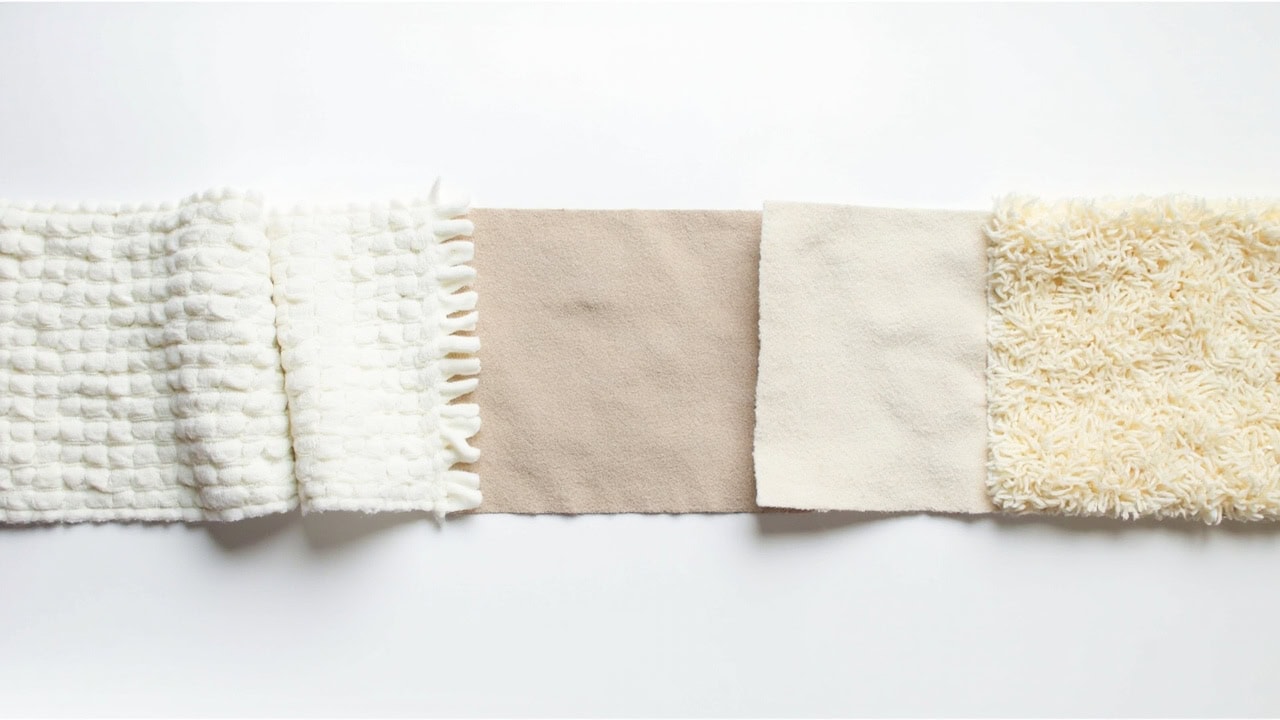
Microfiber fabrics are engineered for specific end uses, with the manufacturing process — particularly whether fibers are split or unsplit — determining the performance characteristics. The six primary varieties each serve distinct applications across cleaning, apparel, and technical textiles.
- Cleaning microfiber (split-fiber): Designed specifically for trapping dirt and liquids, cleaning-grade microfiber uses a split bicomponent construction — typically an 80/20 polyester/polyamide blend — where the wedge-shaped fibers separate during manufacturing to create millions of micro-loops per square inch. This split-fiber structure is what enables the fabric to capture particles as small as bacteria and hold them within the fiber matrix rather than redistributing them across the cleaned surface.
- Apparel microfiber (unsplit): Smooth, tightly woven microfiber optimized for water resistance and wind protection in outerwear and sportswear applications. Unsplit microfiber lacks the absorbent loops of cleaning microfiber; instead, its tight weave creates a barrier that repels water while remaining breathable and lightweight. Run your hand across unsplit microfiber and it will not cling to skin the way split-fiber cleaning cloth does.
- Microfiber suede (polyester suede): Created by brushing or buffing microfiber fabric to raise a soft, velvet-like surface that mimics genuine suede leather with dramatically superior durability. Polyester suede resists abrasion better than natural suede, cleans more easily, and maintains its appearance through hundreds of wash cycles. It is widely used in upholstery, accessories, and premium footwear.
- Microfiber velvet: High-pile microfiber construction with an ultra-soft hand feel, achieved through special knitting or weaving techniques that create a plush surface. Microfiber velvet offers the luxurious appearance of traditional velvet at a lower cost and with improved durability and stain resistance.
- Anti-static microfiber: Treated during manufacturing to reduce static electricity buildup, making it essential for electronics cleaning applications where static discharge could damage sensitive components. The anti-static treatment is typically a topical finish that dissipates charge as it forms.
- Microfiber chenille: Features a rope-like yarn construction where multiple filament loops are piled to create exceptional absorbency and a soft, almost cloud-like texture. Microfiber chenille is the preferred construction for premium cleaning cloths and mop heads, where maximum liquid pickup and retention are required.
Common Uses and Applications
Microfiber’s unique combination of softness, absorbency, durability, and lightweight construction has made it one of the most versatile technical textiles in production today. Its applications span from household cleaning to high-performance athletic apparel, with each variety optimized for its specific use case.
- Cleaning products: Microfiber cleaning cloths, mop heads, dusters, and scrubbers dominate both household and commercial cleaning markets. Split-fiber construction enables chemical-free cleaning — the physical microstructure alone traps 99% of surface bacteria. Commercial-grade microfiber mops are standard in healthcare and food service environments where sterilization standards are critical.
- Apparel: Sportswear, swimwear, running jackets, and athletic linings rely on microfiber’s moisture-wicking and quick-dry properties to keep wearers comfortable during physical activity. The fabric’s lightweight nature — microfiber fabrics can weigh 50–100 g/m² less than comparable cotton blends — makes it ideal for performance athletic garments where reducing bulk directly improves mobility and breathability.
- Upholstery and furniture: Microfiber suede has become a leading alternative to genuine leather and natural suede in furniture manufacturing, automotive interiors, and marine upholstery. It offers comparable aesthetics with superior stain resistance, easier cleaning, and better color retention through years of use. Marine-grade microfiber upholstery is specifically engineered to resist mold, mildew, and UV degradation.
- Filtration: Both air and liquid filtration media in HVAC systems, industrial processes, and water treatment facilities utilize microfiber’s high surface area and oleophilic properties to capture microscopic particles. High-efficiency particulate air (HEPA) filters often incorporate microfibers to achieve sub-micron filtration ratings that conventional fiber media cannot achieve.
- Footwear: Running shoes, trail sandals, and athletic footwear incorporate microfiber in uppers and linings for its combination of breathability, moisture management, lightweight construction, and quick-drying performance. Microfiber overlays and reinforcements add durability to high-wear areas without adding significant weight.
- Accessories: Bags, purses, wallets, and phone cases benefit from microfiber’s water resistance, lightweight durability, and sleek appearance. Microfiber-lined cases protect electronics with a scratch-resistant interior while adding minimal bulk.
Pros and Cons of Microfiber Fabric
Microfiber offers substantial performance advantages in specific applications, but it carries genuine limitations that affect care requirements, longevity, and environmental impact. Understanding both sides of the ledger is essential for selecting the right fabric for any given use case.
| Pros | Cons |
|---|---|
| Exceptional softness and drape — finer than natural silk at a fraction of the cost | Retains oils and body oils, requiring frequent washing to maintain performance |
| Superior moisture-wicking and quick-dry performance for athletic apparel | Can melt or deform if exposed to temperatures exceeding 70°C during washing or drying |
| Effective cleaning without chemicals — traps 99% of bacteria using only water and mechanical action | Sheds microplastics during every wash cycle, contributing to ocean and waterway pollution |
| Durable and long-lasting — maintains effectiveness through 50–100 wash cycles with proper care | Requires special care: no fabric softener, no high-heat drying, mild detergent only |
| Lightweight yet dense — provides high performance in minimal bulk and weight | Higher initial cost than standard polyester or cotton alternatives |
| Trap 99% of bacteria in controlled tests versus 33% for conventional cleaning materials | Oleophilic nature means it absorbs oils readily, which can make grease removal more challenging if not properly maintained |
Microfiber Care: Washing, Drying, and Maintenance
Proper care is critical to maintaining microfiber’s performance characteristics over its usable lifespan. The same properties that make microfiber effective — split fibers, high surface area, oleophilic polyester — also make it susceptible to specific types of damage from improper care practices.
- Washing temperature: Wash in warm water between 40–60°C (104–140°F). Temperatures above 70°C (158°F) cause the polyester or polyamide fibers to soften, melt, and permanently bond together — destroying the split-fiber structure that provides cleaning effectiveness. For heavily soiled cleaning cloths, a single wash at 60°C is safe and helps remove embedded oils.
- Detergent selection: Use only mild, plain laundry detergent. Never use fabric softener — it coats the fine fibers with a waxy residue that fills the micro-lobes, eliminates capillary action, and permanently reduces cleaning effectiveness. Avoid oily soaps and heavy-duty degreasers on cleaning microfiber, as these can leave residues that clog the fiber structure.
- Bleach and harsh chemicals: Never use bleach or chlorine-based cleaners on microfiber. Bleach degrades the fine fiber structure at a molecular level, reducing tensile strength and causing the split fibers to break down into shorter segments that lose their cleaning effectiveness. Oxygen-based bleaches are marginally safer but still reduce fiber longevity.
- Drying: Air dry whenever possible to maximize the lifespan of both cleaning cloths and apparel microfiber. If machine drying is necessary, use the lowest heat setting — tumble dry on low heat only. High heat causes fiber fusion, shrinking, and permanent loss of the soft hand feel. Do not iron microfiber under any circumstances; the maximum safe iron temperature for most microfiber blends is below the lowest iron setting.
- Replacement interval for cleaning cloths: Replace split-fiber cleaning cloths when fibers appear worn, frayed, or matted — typically after 50–100 wash cycles depending on wash conditions and soil load. Even with proper care, the split-fiber structure gradually degrades and cleaning effectiveness diminishes. Commercial cleaning operations typically retire microfiber mops and cloths on a fixed schedule regardless of visible wear.
- Restoring split-fiber effectiveness: Proper washing actually restores split-fiber cleaning effectiveness by re-separating any fibers that have begun to re-bond or mat together during use. The mechanical agitation of machine washing with mild detergent at 40–60°C resets the fiber structure to its active cleaning state. This is why even worn microfiber can continue to clean effectively until the fiber degradation becomes physically visible.
Environmental Impact and Microplastic Pollution
Despite its performance advantages, microfiber carries significant environmental costs that are increasingly subject to regulatory attention. As a petroleum-based synthetic textile, microfiber is non-biodegradable and relies on fossil fuel feedstocks for production. The most pressing environmental concern is microplastic shedding during washing: a single jacket wash releases approximately 1.7 grams of microfibers into wastewater systems, and these microplastics ultimately accumulate in waterways, oceans, and the food chain. Studies indicate synthetic microfibers account for approximately 85% of shoreline plastic debris globally. California has mandated that all washing machines sold in the state include filtration systems to capture microfibers by 2029, and similar legislation is under consideration in other jurisdictions. Some manufacturers now address this concern by using recycled PET bottles as the raw material source for polyester microfiber, reducing virgin petroleum demand while acknowledging that microplastic shedding remains a lifecycle challenge regardless of feedstock origin.
Frequently Asked Questions
Q: What is microfiber fabric made of?
A: Microfiber fabric is made from synthetic polymers — primarily polyester or polyamide (nylon). Polyester microfiber offers durability and moisture-wicking, while nylon microfiber provides superior softness and elasticity. Both are extruded into ultra-fine filaments measuring 0.5 to 1 denier. The bicomponent split-fiber construction typically uses an 80/20 polyester/polyamide blend for cleaning applications.
Q: Is microfiber better than cotton?
A: For cleaning, split-fiber microfiber outperforms cotton by trapping dirt and bacteria in its micro-lobes rather than pushing it around — reducing surface bacteria by 99% compared to 33% for conventional cleaning materials. For apparel, microfiber offers superior moisture-wicking and quick-dry properties, while cotton excels in breathability and skin comfort for everyday wear. Neither is universally better; the application determines which performs optimally.
Q: Can microfiber fabric be recycled?
A: Yes — microfiber made from polyester can be mechanically or chemically recycled into new polyester products including new microfiber or other polyester textiles. However, recycling rates remain low because the small fiber size complicates collection and sorting, and many microfiber products contain polymer blends that are difficult to separate. Some manufacturers now use recycled PET bottles as the raw material source for polyester microfiber, closing the loop on post-consumer plastic waste.
Q: Does microfiber lose effectiveness after washing?
A: Microfiber maintains its effectiveness through 50–100 wash cycles when cared for properly. Avoid fabric softener (it coats fibers and destroys absorbency), high heat above 70°C (causes fiber fusion and melting), and harsh chemicals (degrades fiber structure). Machine washing in warm water (40–60°C) with mild detergent actually restores split-fiber cleaning effectiveness by re-separating any matted or re-bonded fibers. Replace cleaning cloths when fibers appear visibly worn or matted.
References
- Wikipedia contributors. (2025). Microfiber. Wikipedia, The Free Encyclopedia. https://en.wikipedia.org/wiki/Microfiber
- CottonWorks. (2025). Microfiber. Cotton Incorporated. https://www.cottonworks.com/topics/microfiber/
- Boucher, J. & Friot, D. (2017). Primary Microplastics in the Oceans: A Global Evaluation of Sources. IUCN International Union for Conservation of Nature. https://doi.org/10.2305/IUCN.CH.2017.01.en
- Napper, I. E. & Thompson, R. C. (2016). Release of synthetic microplastic plastic fibres from domestic washing machines: Effects of fabric type and washing conditions. Marine Pollution Bulletin, 112(1–2), 39–45. https://doi.org/10.1016/j.marpolbul.2016.09.025
- State of California. (2020). Assembly Bill No. 962 — Microfiber Pollution. California Legislature. https://leginfo.legislature.ca.gov/faces/billNavClient.xhtml?bill_id=201920200AB962


