
What Does ‘Work Even’ Mean in Knitting?

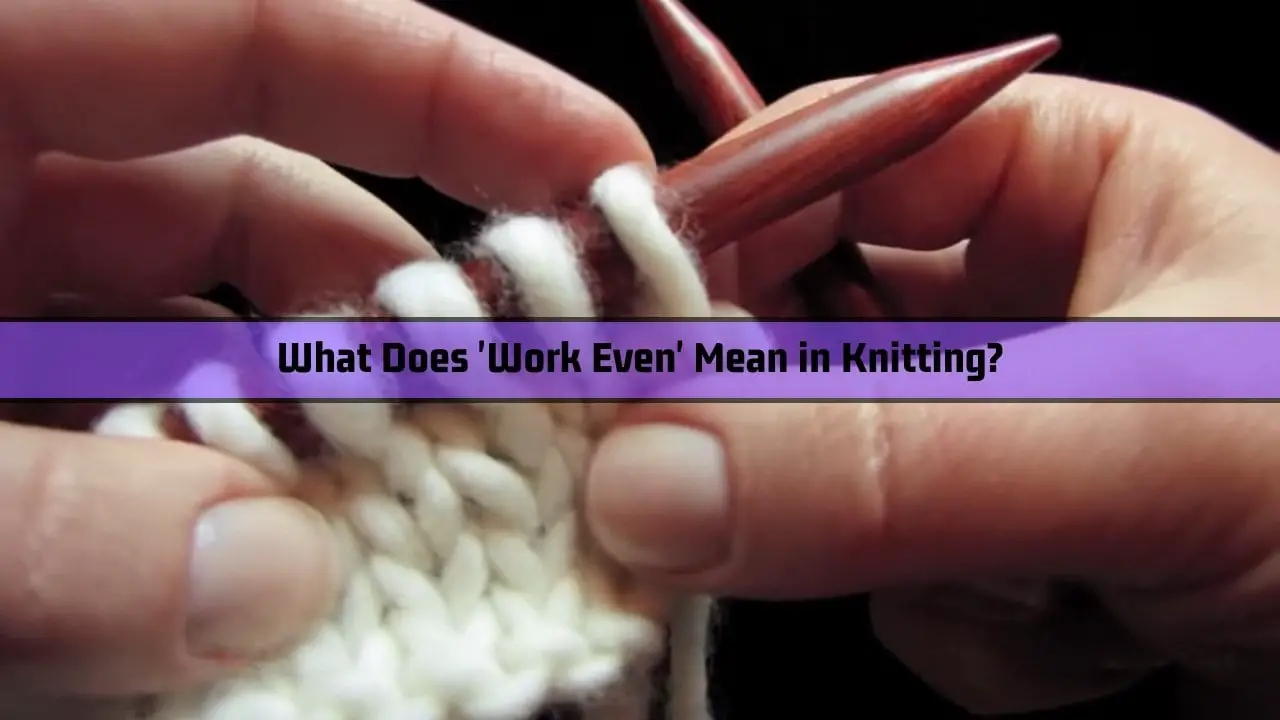
Working even means continuing to follow the established stitch pattern without making any increases or decreases. When you work even, you maintain the exact same stitch count in every row while knitting the specified number of rows or rounds. This technique is used throughout knitting patterns to build uniform sections of fabric — such as the body or sleeves of a garment — where no shaping is required.
Understanding the “Work Even” Technique in Knitting
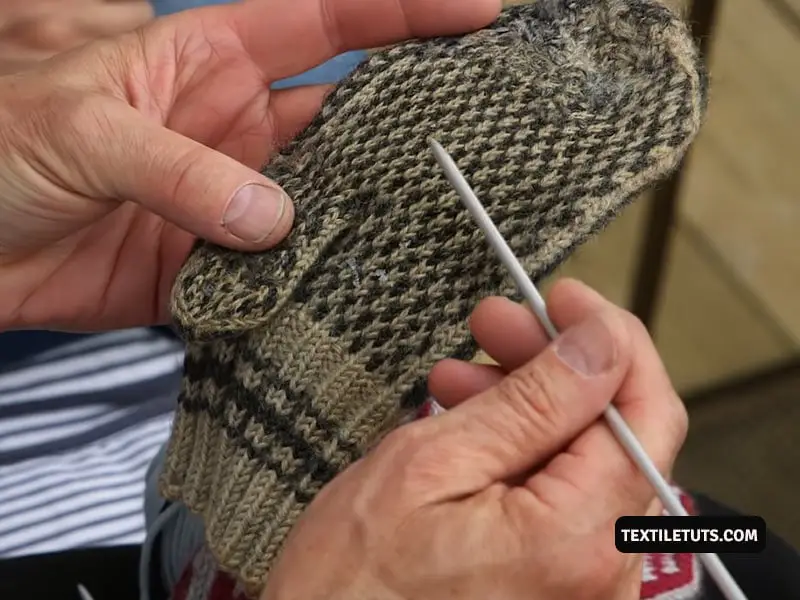
If the knitting instructions say “Work Even,” you must continue working the established stitch pattern without any increases or decreases in the number of stitches. You will maintain the current stitch count while knitting the specified number of rows or rounds.
This technique creates sections of uniform fabric, such as in the body or sleeves of a garment where no shaping is required. When you see “work even” in a pattern, continue knitting or purling (or following the established stitch pattern) without making any changes to the stitch count.
A Practical Example of “Work Even” in a Knitting Pattern
Consider a pattern instruction that reads: “Work even in St st, following stripe sequence until piece measures 10 inches (25 cm).” Here, “St st” stands for “stockinette stitch,” which creates a smooth, flat fabric with a V-shaped pattern on the right side and a bumpy texture on the wrong side.
“Working even” means continuing to knit in the same stitch pattern without increasing or decreasing stitches. A “stripe sequence” refers to a pattern of alternating colors or textures that creates stripes in the fabric.
The instruction “Work even in St st, following stripe sequence” means you must continue knitting in stockinette stitch without any increases or decreases while simultaneously following a specific stripe pattern. The instruction “until piece measures 10 inches (25 cm)” specifies that you continue this technique until the knitted piece reaches 10 inches (25 cm) in length.
This technique builds the main body or sleeves of a garment at a consistent gauge. Yarn weight directly affects the fabric density: Aran weight yarn (5–7 stitches per inch on 4.5–5.1 mm needles) produces a medium-density fabric, while sock weight yarn (8–10 stitches per inch on 3.6–4.2 mm needles) creates a much finer, tighter fabric.
Step-by-Step Guide to Working Even in Knitting
Compared to other knitting techniques, “work even” is straightforward because you do not need to adjust the stitch count or create shaping. Follow these steps to work even correctly.
Step 1: Recognize the Established Stitch Pattern
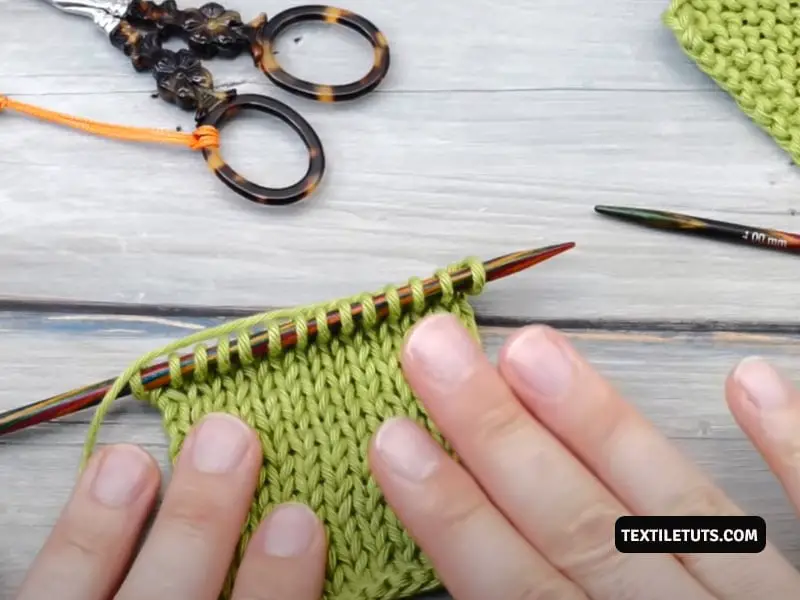
Examine your work and identify the stitch pattern currently in use. Look at the texture and structure of the knitted fabric to determine whether you are working in stockinette stitch, garter stitch, ribbing, or another pattern.
Stockinette stitch produces a smooth V-pattern on the right side and a bumpy texture on the wrong side. Garter stitch creates a reversible fabric with horizontal ridges on both sides. Ribbing produces a stretchy, textured pattern used for cuffs and collars.
Step 2: Continue the Existing Pattern for the Specified Rows
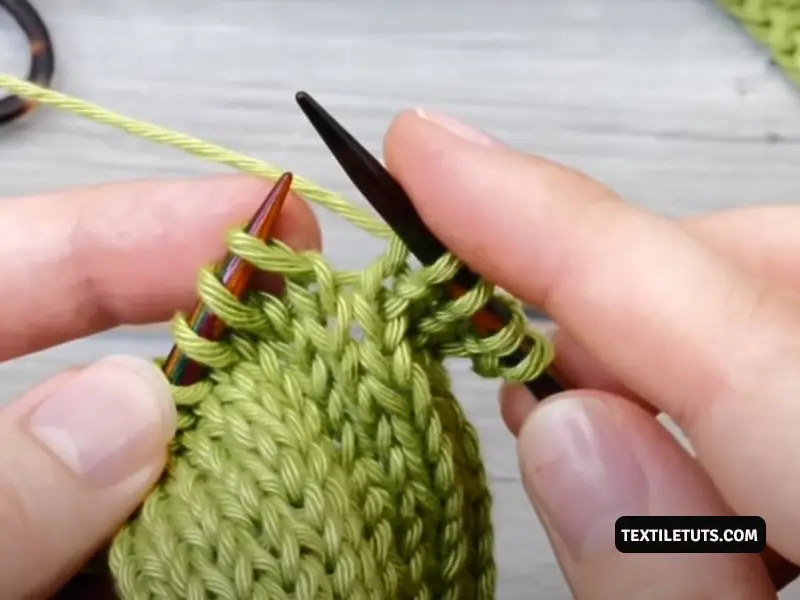
Follow the pattern instructions for the specified number of rows or rounds while maintaining the same stitch count throughout this section.
Two of the most common stitch patterns used with the “work even” technique are stockinette stitch and garter stitch.
Stockinette Stitch
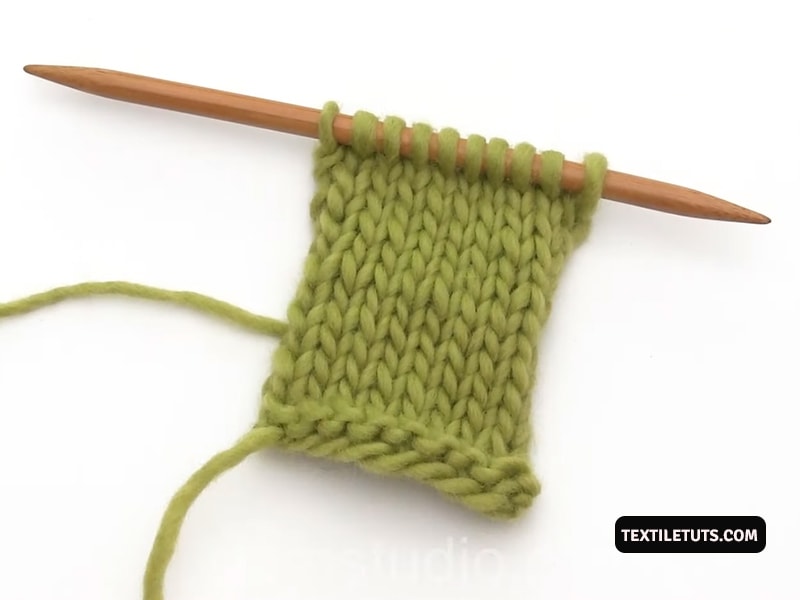
When working flat (back and forth) in stockinette stitch, knit all stitches on the right side (RS) and purl all stitches on the wrong side (WS). When working in the round, knit every stitch in every round to maintain the stockinette pattern.
Standard gauge for stockinette varies by yarn weight: Aran weight yarn typically requires 5–7 stitches per inch on 4.5–5.1 mm needles, while sock weight yarn requires 8–10 stitches per inch on 3.6–4.2 mm needles.
Garter Stitch
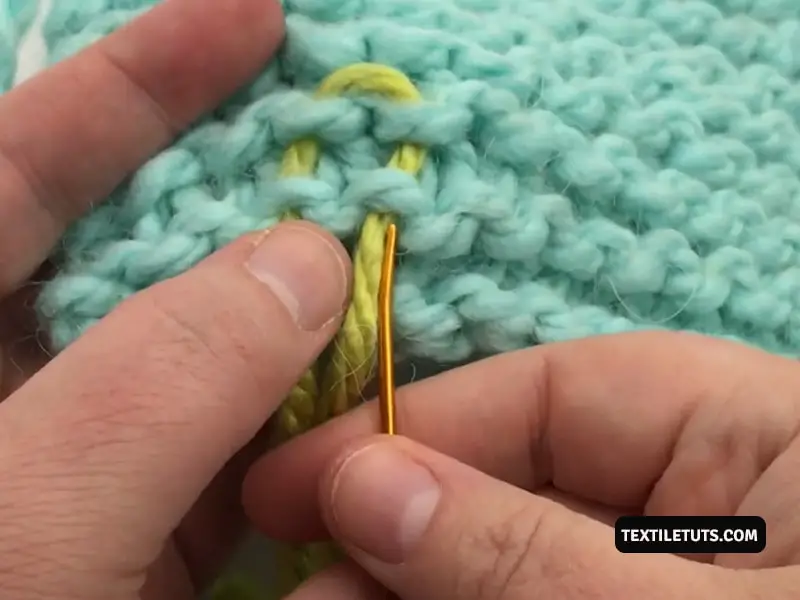
For garter stitch worked flat, knit every stitch on both the right side and the wrong side. When working in the round, alternate between knitting one round and purling the next round to create the garter stitch texture.
Step 3: Create Neat, Even Edges
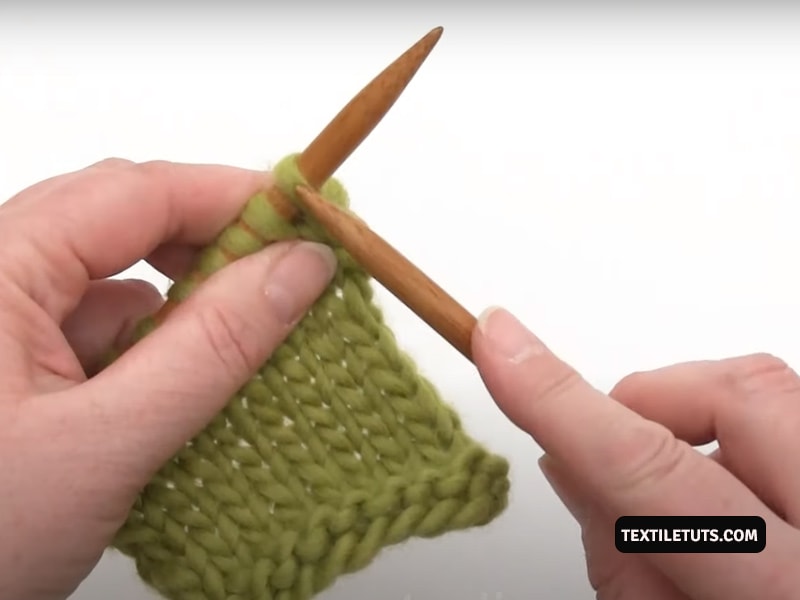
Selvage (also spelled selvedge) stitches create a neat and defined edge on your knitting project. This technique is essential for projects like scarves, blankets, and shawls where the edges will be visible.
Two methods produce the best selvage edges: slip the first stitch of every row purlwise without knitting it to create a smooth cord-like edge, and knit the last stitch of every row normally to anchor it and prevent unraveling. This combination produces edges that lay flat and resist rolling.
Decoding “Work 3 Rows Even” in Knitting Patterns
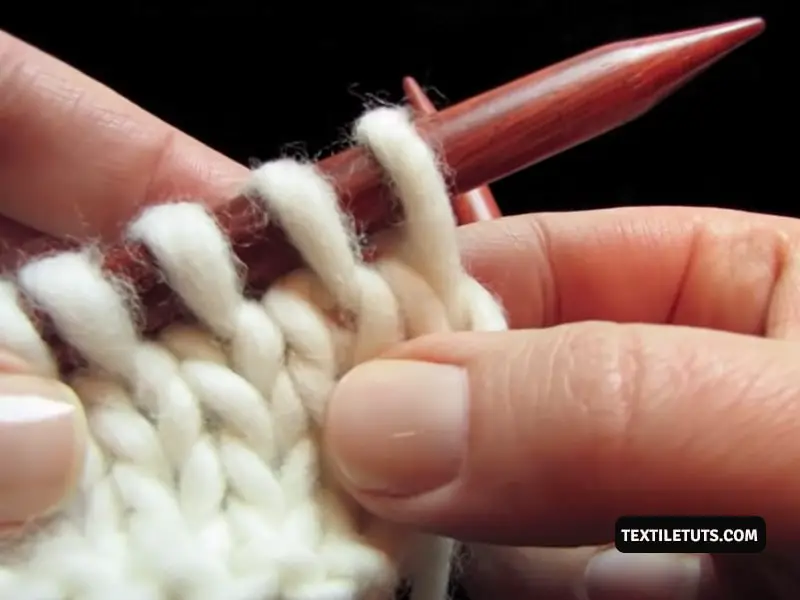
The instruction “work 3 rows even” is commonly used in knitting patterns to create a shaping-free section. It means you must knit every stitch in each row without making any increases or decreases for three consecutive rows.
To work 3 rows even, knit every stitch in each row for three consecutive rows. This creates a section where the stitch count remains constant and the fabric grows at a uniform rate. This technique is frequently used to add length to a garment body or sleeve before beginning additional shaping.
How Yarn Count and GSM Impact Knitting Fabric Properties
Understanding yarn count and GSM (grams per square metre) is essential for achieving the right fabric properties in knitting projects. Yarn count refers to the thickness or fineness of yarn, measured using systems such as tex (grams per 1,000 metres), decitex (grams per 10,000 metres), or denier (grams per 9,000 metres). GSM measures the areal density of the knitted fabric and directly influences its weight, drape, warmth, and durability. The gsm to yarn count calculator helps determine the appropriate yarn weight for a specific fabric density, ensuring consistent results across knitting projects.
Quick-Reference: Work Even by Stitch Pattern and Construction Method
Use this quick-reference guide to determine exactly what “work even” means for the most common stitch patterns and construction methods.
| Stitch Pattern | Working Flat (Back & Forth) | Working in the Round |
|---|---|---|
| Stockinette Stitch | Knit all stitches on RS rows; purl all stitches on WS rows | Knit every stitch in every round |
| Garter Stitch | Knit every stitch on every row | Alternate: knit one round, purl one round |
| Ribbing (1×1) | Alternate knit 1, purl 1 on every row | Alternate knit 1, purl 1 on every round |
| Ribbing (2×2) | Alternate knit 2, purl 2 on every row | Alternate knit 2, purl 2 on every round |
Common “Work Even” Mistakes to Avoid
- Increasing or decreasing by accident: Accidentally adding a yarn-over (YO) or forgetting a decrease disturbs the stitch count. Count your stitches at the end of every row or round to verify the count matches the pattern.
- Switching to the wrong side of work: In stockinette worked flat, missing a purl row on the wrong side creates a split or jagged fabric. Keep track of which side is which.
- Misreading “work even” as “work even in pattern”: Some patterns say “work even in pattern” which means maintain the stitch pattern AND the stitch count — these are not always the same thing.
- Not marking the starting point: Without a stitch marker or row counter, it is easy to lose track of how many rows you have completed when the instruction says “work even for 20 rows.”
- Dropping stitches: A dropped stitch can unravel further with each subsequent row, fundamentally altering the stitch count. Use stitch markers to catch dropped stitches early.
Quick-Reference Guide: Yarn Weight and Recommended Gauge
The table below shows common yarn weight categories, their typical gauge ranges, and recommended needle sizes based on industry standards from the Craft Yarn Council.
| Yarn Weight | Craft Yarn Council # | Stitches per Inch | Needle Size (mm) | Wraps per Inch (WPI) |
|---|---|---|---|---|
| Lace | 0 | 8–10 | 2.25–3.25 | 10–20 |
| Super Fine (Sock) | 1 | 8–10 | 3.6–4.2 | 14–20 |
| Fine (Sport) | 2 | 6–7 | 3.75–4.5 | 12–16 |
| Light (DK) | 3 | 5–6 | 4.5–5.5 | 10–14 |
| Medium (Worsted) | 4 | 4–5 | 5.5–6.5 | 8–12 |
| Aran | 4 | 5–7 | 4.5–5.5 | 6–8 |
| Bulky | 5 | 3–4 | 6.5–9 | 4–6 |
| Super Bulky | 6 | 2–3 | 9–15 | 2–4 |
Final Words
Now you understand what “work even” means in knitting. While working even, you maintain the same number of stitches in every row without increasing or decreasing, which preserves the shape and dimensions of the knitted piece.
To apply this technique correctly, first recognize the existing stitch pattern. Then continue expanding that pattern without making any changes to the stitch count or overall shape. Finally, finish the edges using selvage stitches for a clean, professional look.
References
- Craft Yarn Council. (2024). Yarn Weight Chart: Official Yarn Weight Standards. Craft Yarn Council.
- Wikipedia. (2024). Knitting. Wikimedia Foundation.
- Wikipedia. (2024). Yarn. Wikimedia Foundation.
- Cotton Council International. (2024). Knitting Basics: Fabric Properties and Standards. Cotton Incorporated.


