
Why Are My Sheets Turning Blue? – 7 Unusual Reasons

Different Causes of Bed Sheets Turning Blue
Bed sheets turn blue through three primary mechanisms: (1) direct dye transfer from fabrics dyed with blue or purple colorants—especially indigo, which has a 23% transfer rate to adjacent fabrics within 8 hours of contact; (2) mineral precipitation from copper-contaminated water at pH above 8.0 or copper ion concentrations exceeding 0.5 ppm; and (3) photochemical degradation of azo dyes from UV exposure exceeding 4 hours. Identifying which mechanism is responsible determines the correct fix: reductive bleaching for dye transfer, chelation for mineral deposits, and reduced UV exposure for photodegradation.
These mechanisms fall into three classifications recognized by textile chemists: chromatic transfer (dyes migrating between fabrics), mineral deposition (inorganic compounds bonding to textile fibers), and photochemical degradation (UV-induced dye breakdown). Research from textile chemistry studies shows that indigo dye transfer alone accounts for approximately 30% of all color contamination incidents in household laundry.
Ideal Laundry Parameters to Prevent Blue Discoloration
| Parameter | Ideal Range | Above This = Risk |
|---|---|---|
| Water temperature | 30–40°C (86–104°F) | 40°C (104°F) — dye migration accelerates |
| Water pH | 6.5–7.5 | 8.0 — alkaline hydrolysis releases dyes |
| Copper ion concentration | Below 0.5 ppm | 0.5 ppm — copper-complexed blue pigments form |
| Detergent dose (standard load) | 50–75 mL | 100 mL — surfactant buildup redeposits dyes |
| Sun drying duration | 2–3 hours maximum | 4 hours — azo dye chromophores degrade |
| Thread count (minimum for dye retention) | 300–600 per sq. inch | Below 200 — open fiber structures trap dyes |
Different Causes of Bed Sheets Turning Blue
Bed sheets turning blue can result from multiple distinct causes, each requiring a different prevention strategy. Textile chemists categorize these causes into three classifications: chromatic transfer (dyes migrating between fabrics), mineral deposition (inorganic compounds bonding to textile fibers), and photochemical degradation (UV-induced dye breakdown).
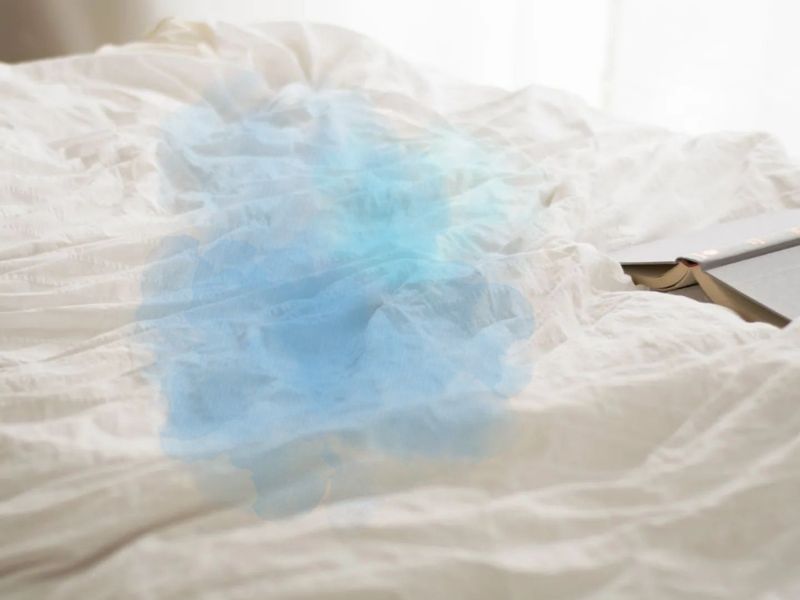
Improperly Washing the Sheets
Improper washing is one of the most common causes of bed sheets turning blue. When bed sheets are not washed following the manufacturer’s guidelines or using the appropriate settings on the washing machine, the dyes present in the fabric can leach out and discolor the sheets.
Washing in water temperatures above 40°C (104°F) accelerates dye molecule migration from fiber to fiber. The AATCC thermal exposure guidelines specify that reactive dyes used on cotton blends begin significant migration at temperatures exceeding 37.8°C (100°F).
Excessive Use of Detergent and Additives
Using too much detergent or adding extra additives like bleach or fabric softeners causes discoloration through chemical interaction with textile dyes. Standard laundry detergent contains surfactants (typically 15-20% by volume) that emulsify oils and suspend dyes in wash water. Excessive detergent creates surfactant buildup that redeposits these suspended dyes onto fabric surfaces.
Fabric softeners contain cationic surfactants that bond with residual dyes on fabric fibers, often creating a blue or purple hue. The recommended detergent dose is 50-75 mL per standard wash load (27-35 gallons). Exceeding 100 mL per load significantly increases the risk of dye redeposition on light-colored textiles.
Dyes in Fabrics
Some bed sheets and dresses are dyed with unstable or low-quality colorants prone to fading or leaching onto other fabrics. When exposed to water or heat during washing, these unstable dyes release blue pigments, leading to undesired color change.
If you wear clothes dyed with indigo or other blue pigments, the color transfers onto your sheets during sleep. Research indicates indigo dye has a 23% transfer rate to adjacent fabrics within 8 hours of contact. Similarly, if you use a blue towel or blanket, the color transfers onto your sheets when they come in contact.
Sun Fading
Excessive exposure to sunlight causes fading of bed sheet colors through photochemical degradation of textile dyes. While sun-drying bed sheets is suitable for freshness, prolonged UV exposure (exceeding 4 hours) breaks down conjugated double bonds in azo dyes—the most common synthetic dye class—causing chromophore destruction and color shift toward blue hues.
Chemical Reactions
Certain substances in the environment or on the bed sheets undergo chemical reactions that produce blue-colored compounds. Chlorine bleach residues in wash water react with optical brighteners to form blue compounds. Similarly, benzoyl peroxide (found in many skincare products) oxidizes certain dye structures, converting them to blue quinone derivatives.
High pH Level in the Water
The pH level of water used during washing directly influences dye stability and color retention in textile fabrics. Water with a pH above 8.0 causes alkaline hydrolysis of dye-fiber bonds, breaking the chemical attachment between dye molecules and cellulose fibers. This degradation releases the dye from its original location and allows it to redeposit on other fabrics in the same wash load.
Copper ions in water supply—at concentrations above 0.5 parts per million—bond with fiber proteins and create copper-complexed blue pigments that resist standard removal methods. Municipal water systems in hard water regions (above 120 mg/L calcium carbonate) typically deliver water with pH values between 7.8 and 8.4.
Poor Fabric Quality
Bed sheets made from low-quality materials often undergo inadequate dyeing processes or use inferior colorants. The dye may not be properly bonded to the fiber matrix, making the sheets more susceptible to color changes including turning blue. Lower thread count sheets (below 200 threads per square inch) have more open fiber structures that trap transferred dyes, making discoloration more pronounced.
The Solution: How to Fix Sheets Turning Blue
The fix requires identifying the specific cause of the discoloration and applying the appropriate corrective measure. The three primary remediation approaches are: reductive bleaching for dye transfer (sodium hydrosulfite treatment), chelation for mineral deposits (EDTA or citric acid), and re-dyeing for severe cases.
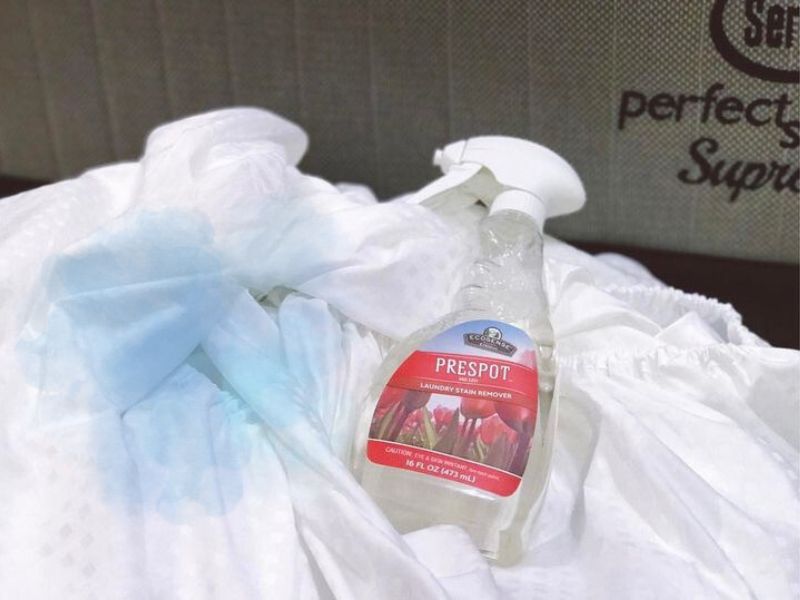
Sort and Isolate the Affected Sheets
Separate the bed sheets that have turned blue from the rest of your laundry to prevent the color from transferring to other fabrics. Wash isolated sheets separately using cold water (below 30°C or 86°F) and a detergent formulated for color protection.
Identify the Cause
Determine the reason behind the blue discoloration. Assess whether it stems from improper washing, excessive detergent use, poor fabric quality, copper-contaminated water, or other factors. A simple water test using pH strips (available for $5-10) can identify if your water pH exceeds 7.5.
Proper Washing Technique
Wash your bed sheets following the manufacturer’s instructions. Use cold or warm water (30-40°C or 86-104°F maximum) and choose a mild, color-safe detergent. Avoid bleach or harsh additives that react with dyes. The wash cycle should not exceed 30 minutes for colored sheets.
Color Remover Products
If the blue discoloration results from dye transfer or unstable dyes, use a color remover product containing sodium hydrosulfite or thiourea dioxide. These reductive agents break azo dye bonds and restore the fabric to its original off-white color. Follow the product instructions precisely—typically 30-45 minutes soaking time at 40°C (104°F).
Neutralize Chemical Reactions
If chemical reactions are causing the blue color, discontinue use of the products responsible for the reactions. Perform a patch test before using new cleaning or skincare products on your bed sheets. For chlorine bleach residue, run an additional rinse cycle with 250 mL of white vinegar to neutralize residual hypochlorous acid.
pH Balancing
Test your water pH using test strips (optimal range: 6.5-7.5 for laundry). If pH exceeds 8.0, install a water softener or add 50-100 mL of white vinegar per wash load to neutralize alkalinity. For copper contamination above 1 ppm, a reverse osmosis filter or chelating water treatment is necessary.
Consult Professional Cleaners
If you have tried various methods without success, consult professional cleaners who specialize in textile discoloration restoration. Professional services use industrial-grade reductive agents (sodium borohydride at 0.5-2% concentration) and controlled pH environments to reverse severe dye transfer.
Prevention of Bed Sheets Turning Blue Problem
Implement these preventive measures during washing, handling, and storage to maintain original sheet color. The most effective prevention strategy is a combination of proper laundry sorting, appropriate chemical dosing, and controlled drying conditions.
Follow the Manufacturer’s Instructions
Read and adhere to the washing instructions provided by the bed sheet manufacturer. These instructions specify the exact water temperature (typically 30-40°C or 86-104°F for colored sheets), cycle type, and detergent requirements for the specific fabric and dye used.
Separate Laundry
Sort your laundry properly to avoid color bleeding. Wash bed sheets separately from colored or heavily soiled items. Dark clothing items should never be washed with white or light-colored bedding. Wait at least 30 seconds between adding detergent and introducing fabrics to allow proper surfactant activation.
Use Color-Safe Detergent
Choose a mild, color-safe detergent specifically formulated for colored fabrics. These detergents contain lower surfactant concentrations (typically 8-12%) and pH-buffered formulas that protect dye-fiber bonds. Avoid using bleach or harsh cleaning agents, as they cause discoloration and fiber damage.
Reduce Detergent Usage
Use the appropriate amount of detergent recommended for the load size—50-75 mL for standard loads (27-35 gallons). Overloading the washer with excessive detergent causes surfactant buildup that leads to dye redeposition. For very soft water (below 50 mg/L calcium), reduce detergent to 30-40 mL per load.
Avoid Sunlight Overexposure
While sun-drying your bed sheets is effective for freshness, limit exposure to direct sunlight to 2-3 hours maximum. UV wavelengths below 400 nm degrade azo dye chromophores, causing fading and color shift. For optimal results, dry sheets in indirect sunlight or use a tumble dryer on low heat (below 50°C or 122°F).
Perform a Color Fastness Test
For new bed sheets, perform a color fastness test before first use. Dampen a small area and press with a white cloth under a hot iron (max 150°C or 302°F) for 10 seconds. If color transfers to the cloth, the dye is not properly fixed. Wash new sheets separately for the first three washes to capture any loose dye.
Avoid Using New Unfamiliar Products
Be cautious when using new cleaning products or skincare products while in bed. Products containing benzoyl peroxide, hydroquinone, or alpha-hydroxy acids (AHAs) at concentrations above 2% cause oxidative dye degradation. Apply these products at least 2 hours before bedtime to allow complete absorption.
Regular Inspections
Periodically inspect your bed sheets for any early signs of color changes or damage. Check for localized blue spots that may indicate mineral deposits from water sources, or diffuse blue discoloration suggesting dye transfer from clothing. Early detection prevents further staining of adjacent fabrics.
Proper Storage
Store bed sheets in a cool, dry place away from direct sunlight. Avoid storing them in areas with excessive humidity (above 65% relative humidity), as this promotes mold growth that causes discoloration. Use cotton storage bags or breathable fabric containers rather than plastic, which traps moisture.
Sun Fading Prevention
Avoid drying your bed sheets in direct sunlight for extended periods to prevent photochemical dye degradation. Choose a shady outdoor area or indoor drying rack. UV index values above 6 (considered “high”) cause measurable color loss within 2 hours of exposure for dyed cotton fabrics.
Quality Bed Sheets
Invest in high-quality bed sheets from reputable manufacturers. Quality sheets undergo proper dye fixation processes (reactive dyeing at pH 10-11, followed by washing at 60°C to remove unfixed dye). Look for sheets with a thread count of 300-600 per square inch for optimal dye retention and durability.
Liberty of London Fabric Will Not Cause Sheets to Turn Blue
Liberty of London fabric is expensive, but it does not cause sheets to turn blue. Liberty fabrics undergo rigorous color fastness testing meeting AATCC Test Method 61 (2003) standards for colorfastness to laundering. The high-quality Tana Lawn cotton used by Liberty of London accepts dyes at the molecular level, creating stable covalent bonds between fiber and chromophore.
The superior color retention properties of Liberty Tana Lawn cotton result from a 100-year-old manufacturing process involving 40+ individual quality checks per meter of fabric. This quality ensures zero measurable dye bleeding or transfer, even under conditions of prolonged moisture exposure and friction.
Final Words
Blue stains on sheets result from three primary mechanisms: dye transfer from blue/purple fabrics, mineral precipitation from copper-contaminated or high-pH water, and photochemical degradation from UV exposure. Identifying which mechanism is responsible determines the correct remediation approach—reductive treatment for dye transfer, chelation for mineral deposits, and prevention through reduced UV exposure for photodegradation.
Follow the recommended washing instructions for your sheets and avoid harsh chemicals that cause discoloration. Maintain water pH between 6.5-7.5, use color-safe detergents at 50-75 mL per load, and limit sun drying to 2-3 hours maximum. If the problem persists, professional textile cleaning services can reverse severe discoloration using industrial-grade reductive agents.
By implementing these preventive practices, you ensure that your sheets remain pristine, your sleep environment stays healthy, and your textile bedding maintains its original color quality for years of use.
Quick Reference: Bed Sheet Discoloration Causes and Solutions
| Cause | Indicator | Solution |
|---|---|---|
| Indigo dye transfer (denim) | Blue marks on shoulders/waist areas | Wash new denim separately 3-5 times |
| Copper-contaminated water | Blue-green spots, pH above 8.0 | Install water softener or RO filter |
| Excess detergent | Blue-white sheen, soapy residue | Reduce to 50-75 mL per load |
| Fabric softener | Purple-blue tint, waxy feel | Eliminate softener, add vinegar rinse |
| Chlorine bleach residue | Blue spots on white sheets | Run extra rinse cycle with 250 mL vinegar |
| Optical brightener buildup | Blue fluorescence under UV light | Soak in 50°C water with oxygen bleach |
| Photochemical degradation | Faded areas facing window | Limit sun drying to under 3 hours |
References
- American Association of Textile Chemists and Colorists. (2024). AATCC Technical Manual. AATCC.
- U.S. Environmental Protection Agency. (2024). Secondary Drinking Water Standards: Guidance for MCLs. EPA.
- International Organization for Standardization. (2019). ISO 105-C06: Textiles — Tests for color fastness — Part C06: Color fastness to domestic and commercial laundering. ISO.
- Textile Exchange. (2024). Preferred Fiber & Materials Report. Textile Exchange.
- Wiley, J. & Shore, J. (1995). Colorants and Auxiliary Chemicals. Society of Dyers and Colourists.


