WRITES ABOUT · YARN ENGINEERING

Iftay Khairul Alam

Chairman, Textile Engineering (TE)

Alumnus of European University of Bangladesh

[email protected] *******7552 Office 1131 (Level-11)

ABOUT

Background

Senior Lecturer at the Department of Textile Engineering at the European University of Bangladesh, Iftay Khairul Alam aims to make intricate topics of fiber science understood by all with an affinity for textiles. He now brings his passion and knowledge about yarn spinning to TextileTuts.com, where he provides detailed information and easy-to-digest solutions.

Education

Iftay completed his B.Sc. in Textile Engineering, specializing in Spinning, from Ahsanullah University of Science and Technology. Subsequently, he pursued a M.Sc. from the Bangladesh University of Textiles, honing his expertise in spinning.

Experience

With a robust academic background, and a knack for fibers and yarns, Iftay has authored & co-authored several research papers on yarn spinning and related topics. As an esteemed author on TextileTuts.com, he shares in-depth knowledge about yarns, threads, fiber, synthetic fiber, and various aspects of spinning, right from bale management to ring spinning, aiming to elucidate every small detail with clarity.

Expertise

  • Yarn and Thread Properties
  • Fiber Science
  • Synthetic Fiber Technology
  • Spinning Operations and Techniques
  • Textile Engineering Education

AREAS OF EXPERTISE

What Iftay writes about

Spinning

PUBLICATIONS · 0 ARTICLES

Articles by Iftay

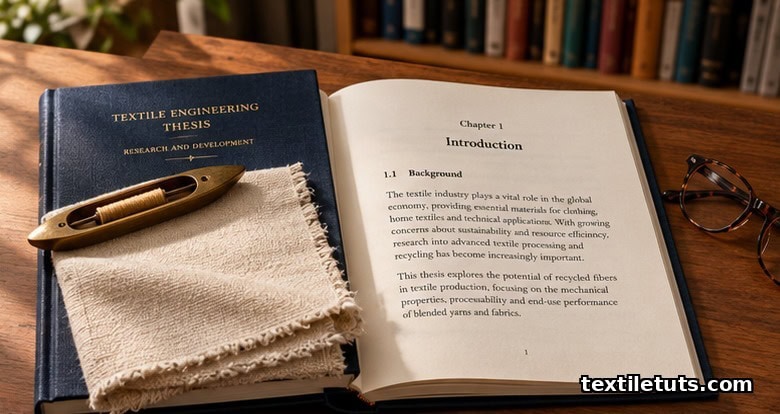
Thesis Format and Structure
Thesis

Thesis Format and Structure

A textile-engineering thesis is typically organized into 5–7 chapters (Introduction, Literature Review, Materials &...

Read article →
Vortex Spinning: Murata Vortex and Competitive Technologies
Spinning

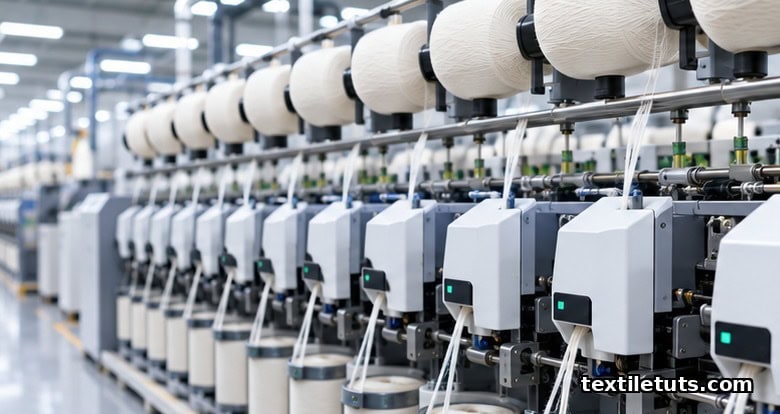
Vortex Spinning: Murata Vortex and Competitive Technologies

Murata Vortex Spinning (MVS) operates at production speeds of 350 to 450 meters per minute,...

Read article →
Yarn Evenness Testing: Uster Evenness Tester
Spinning

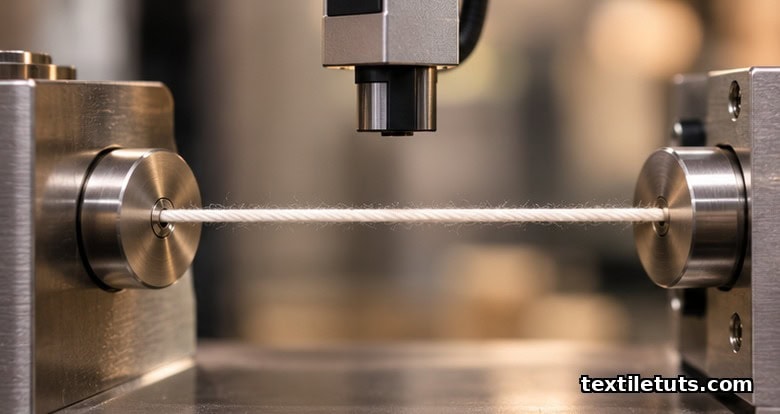
Yarn Evenness Testing: Uster Evenness Tester

The Uster Evenness Tester measures yarn linear density variation along its length using capacitive and...

Read article →
Twist Multiplier (TM): Formula, Calculation, and Applications
Spinning

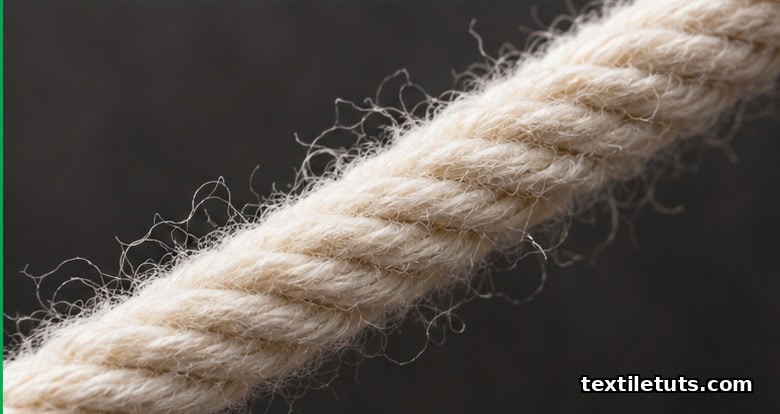
Twist Multiplier (TM): Formula, Calculation, and Applications

Twist multiplier (TM) is the ratio of yarn twist per inch to the square root...

Read article →
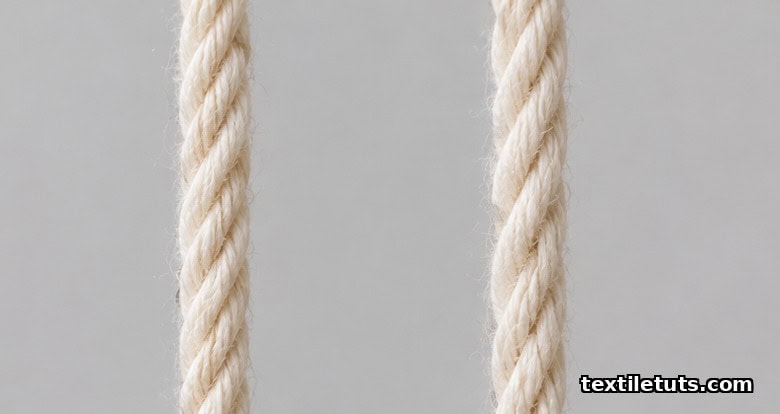
Yarn Twist and Twist Direction: Z-Twist vs S-Twist
Spinning

Yarn Twist and Twist Direction: Z-Twist vs S-Twist

Yarn twist direction follows two standardized conventions defined in ISO 2:1973: Z-twist (also called right-hand...

Read article →
Roving Frame in Spinning: Function and Specifications
Spinning

Roving Frame in Spinning: Function and Specifications

A roving frame (also called a speed frame) inserts 1.0 to 2.5 turns per inch...

Read article →
Cotton Combing Process: Noil, Sliver, and Yarn Count
Spinning

Cotton Combing Process: Noil, Sliver, and Yarn Count

Cotton combing removes 8 to 20 percent of the fiber mass from a carded sliver...

Read article →
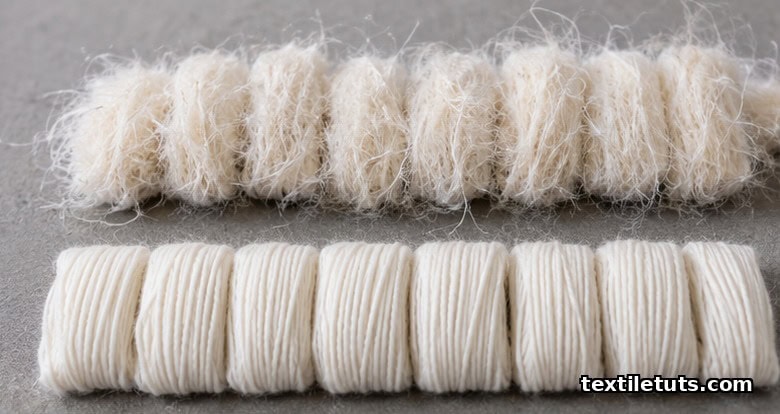
Comber vs Carder: Role in Yarn Quality
Spinning

Comber vs Carder: Role in Yarn Quality

Combed cotton yarn removes 10 to 25 percent of short fibers (those shorter than 12.7...

Read article →
Yarn Splicing: Methods and Quality Impact
Spinning

Yarn Splicing: Methods and Quality Impact

Yarn splicing joins two yarn ends without knots by intermingling the constituent fibers, restoring 75...

Read article →
Two-For-One Twisting: Process and Applications
Spinning

Two-For-One Twisting: Process and Applications

Two-for-one (TFO) twisting inserts two turns of twist per spindle revolution, allowing modern TFO machines...

Read article →
How Yarn Count Affects Spinning Production
Spinning

How Yarn Count Affects Spinning Production

Yarn count directly controls spinning-mill output: shifting from Ne 24 to Ne 40 on a...

Read article →
Ne, Nm, Tex, Denier, Decitex: Spinning-Specific Calculations
Spinning

Ne, Nm, Tex, Denier, Decitex: Spinning-Specific Calculations

Ne, Nm, Tex, denier, and decitex are five yarn linear-density systems where Ne (English cotton...

Read article →