
CATEGORY HUB · 26 ARTICLES
Yarn Manufacturing & Processing
Yarn manufacturing and properties
Yarn formation: ring, rotor, air-jet, vortex, compact spinning. Yarn properties, quality control, and applications. From fiber to bobbin to fabric.
01
Essential reading
Start here. The most important articles that explain the category to a textile engineer in one sitting.
Textile Calculations
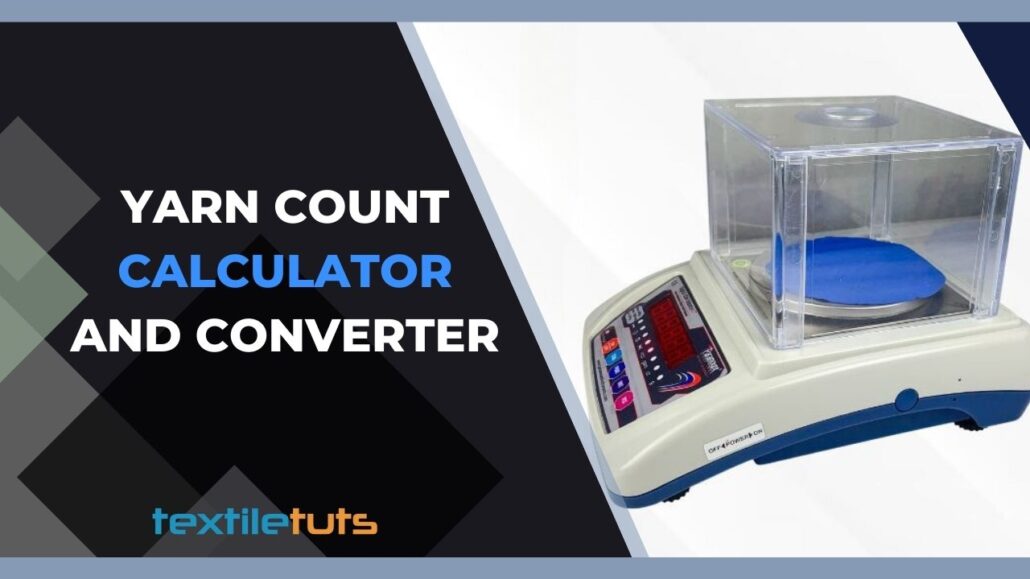
Yarn Count Calculator and Converter
Use our free yarn count calculator to find the linear density of any yarn sample...
Read article →
Yarn Manufacturing & Processing
The Best Yarn For Placemats | Top 5 Picks
Use our free yarn count calculator to find the linear density of any yarn sample...
Read article →
Yarn Manufacturing & Processing
Best Yarns for Crocheting Slippers – No Shrinkage, Guaranteed!
Use our free yarn count calculator to find the linear density of any yarn sample...
Read article →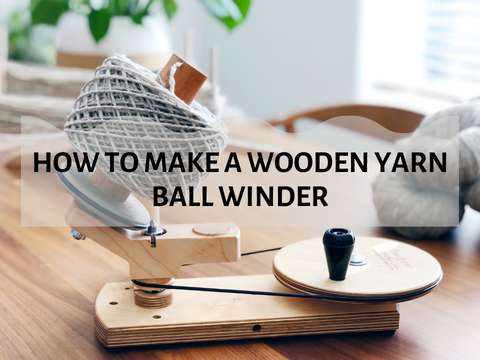
Yarn Manufacturing & Processing
How to Make a Wooden Yarn Ball Winder
Use our free yarn count calculator to find the linear density of any yarn sample...
Read article →
02
More from this category
More specific processes, techniques, and topic deep-dives.

Yarn Manufacturing & Processing
5 Best Embroidery Thread for Brother PE770
Use our free yarn count calculator to find the linear density of any yarn sample...
Read article →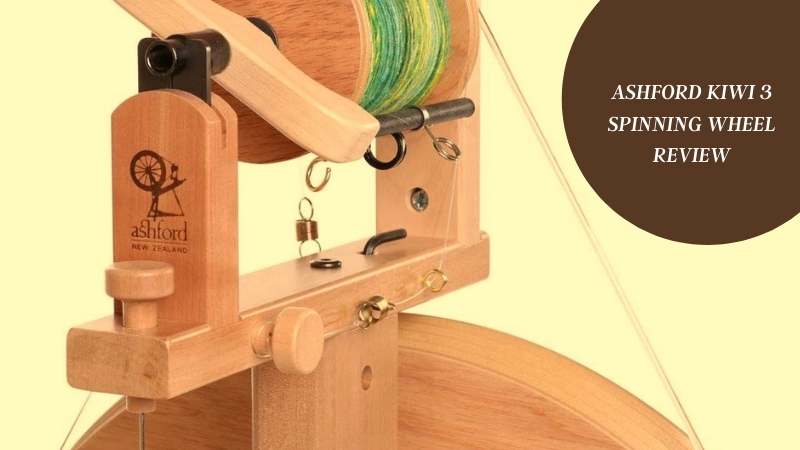
Yarn Manufacturing & Processing
Ashford Kiwi 3 Spinning Wheel Review – Is It the Best Beginner Spinning Wheel?
Use our free yarn count calculator to find the linear density of any yarn sample...
Read article →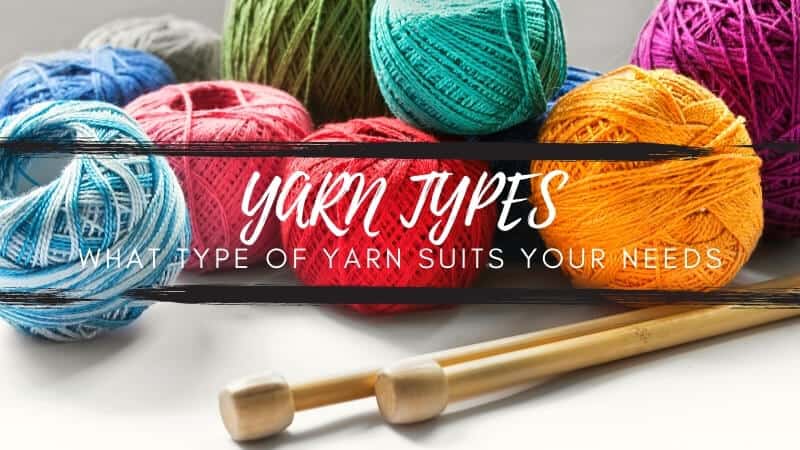
Yarn Manufacturing & Processing
Yarn Types : What Type of Yarn Suits Your Needs
Use our free yarn count calculator to find the linear density of any yarn sample...
Read article →
Yarn Manufacturing & Processing
6 Best Yarn Ball Winder in 2026
Are you tired of your yarn cakes moving around when you are working with them? Get the best yarn ball winder from our list.
Read article →
Yarn Manufacturing & Processing
Yarn Count | Different Counting Systems
Use our free yarn count calculator to find the linear density of any yarn sample...
Read article →
Yarn Manufacturing & Processing
How to Find Yarn Count
Use our free yarn count calculator to find the linear density of any yarn sample...
Read article →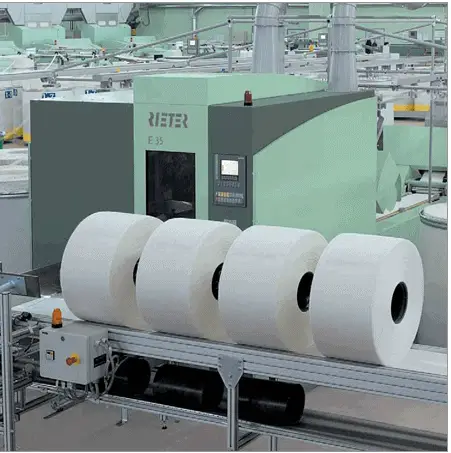
Yarn Manufacturing & Processing
Lap Former : Tasks | Types | Features
To produce superior quality of cotton yarn i.e., combed cotton yarn, we need to employ two more extra machines in our spinning line compa...
Read article →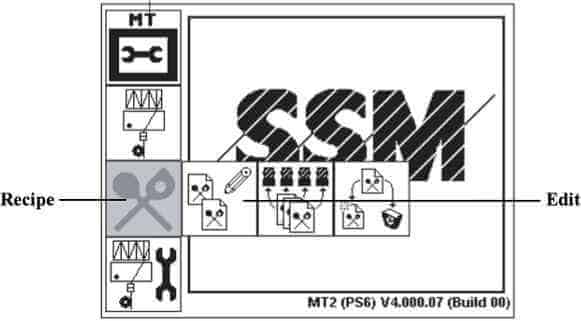
Yarn Manufacturing & Processing
Parameters and Programming of Soft Winding Machine (SSM)
By trying out different combinations, we can get to our desired soft winding recipe for a particular yarn type and count. In this article...
Read article →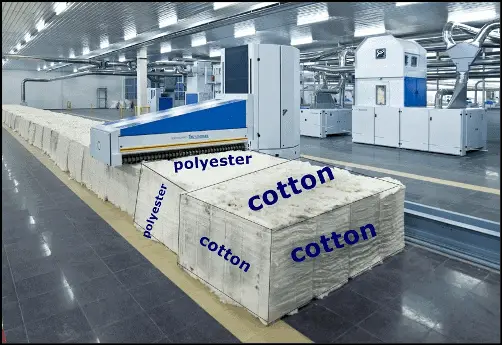
Yarn Manufacturing & Processing
Blending of Cotton-Polyester Fibre to Produce PC/CVC Yarn
The most popular reason for blending is that of combining the properties of two or more fibers. Blending of different fibers is also used...
Read article →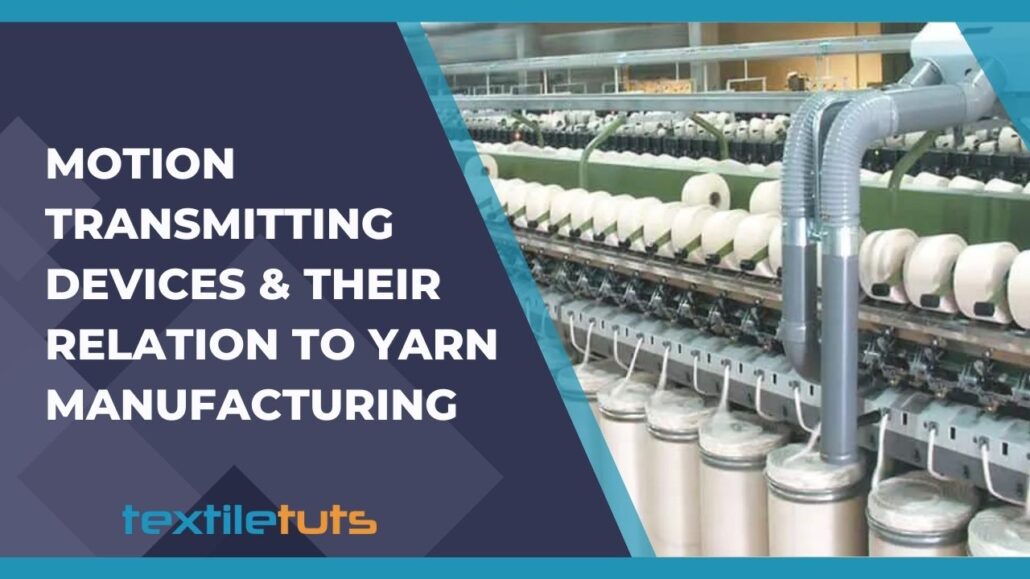
Yarn Manufacturing & Processing
Motion Transmitting Devices & Their Relation to Yarn Manufacturing
Motions are transmitted from the source Motor to different Rollers in machines like Carding, Draw-frame, Simplex, Ring-Frame etc.
Read article →
04
Frequently asked questions
What is the most common yarn count for apparel?
Ne 20/1 to Ne 40/1 for woven apparel (t-shirt weight 20-30s, shirting 40-60s, denim 6-12s). 20-30 Ne is most common for knit jersey. Specialty fabrics use finer or coarser counts.
What is the difference between ring and rotor yarn?
Ring yarn is finer, stronger, more uniform. Rotor yarn is bulkier, more hair, lower cost. The choice depends on end-use and cost.
What is twist multiplier?
TM = TPM / sqrt(Ne). It normalizes twist to yarn count. Standard ranges: 3.5-4.0 for soft knitting, 4.0-4.5 for general weaving, 4.5-5.5 for hard-twist, 5-6 for sewing thread.
What is yarn evenness?
A measure of yarn mass variation along its length. Measured by Uster tester as CV% (coefficient of variation) or U%. Lower is better. Typical: 9-11% U for ring-spun cotton, 11-13% for rotor.
What is the difference between single and ply yarn?
Single yarn: one strand of fibers. Ply yarn: two or more singles twisted together. Ply increases strength and evenness but reduces softness and increases cost. Common: 2-ply, 3-ply. Sewing thread is often 3-ply.
Can't find what you're looking for?
The team replies to every email. Send us your question or a sample spec and we'll route it to the right specialist.