
What Is Organic Cotton? How It Differs from Conventional Cotton

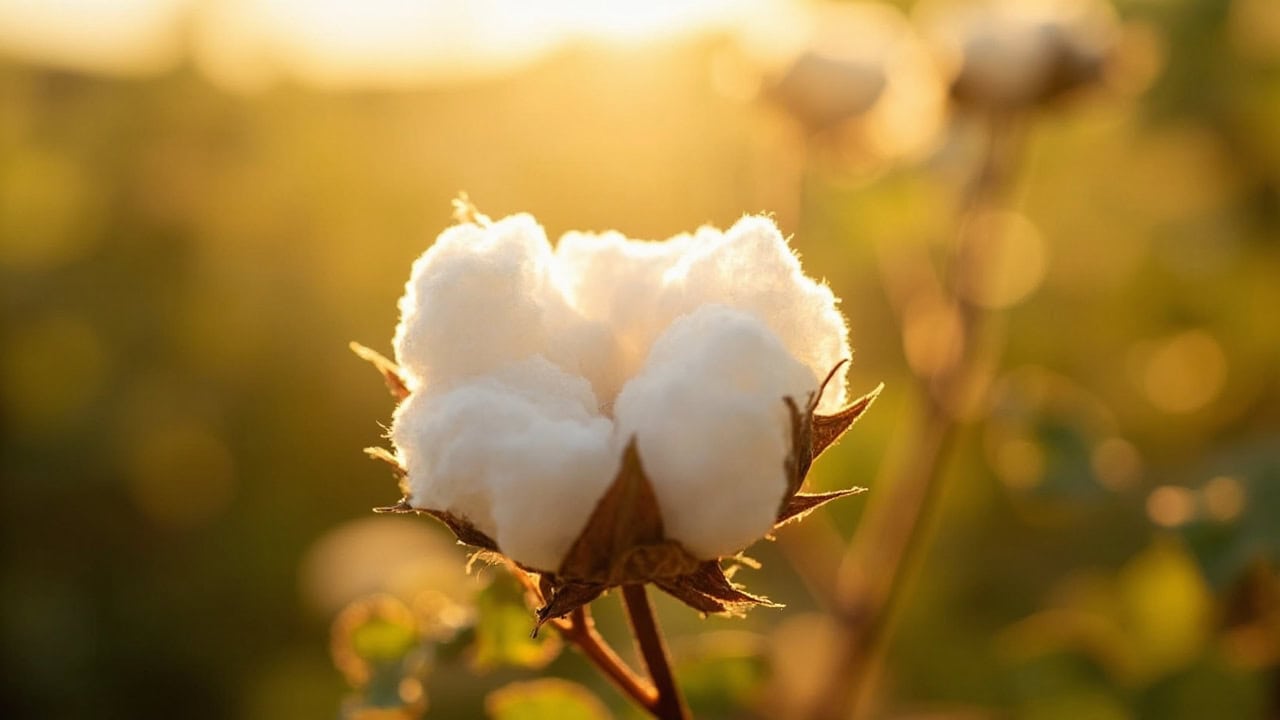
Organic cotton is cotton grown without synthetic pesticides, herbicides, or fertilizers, certified under the Global Organic Textile Standard (GOTS) requiring a minimum of 90% organic-certified fibers. Conventional cotton production consumes approximately 16% of the world’s insecticide sales while occupying only 2.5% of global farmland — and nearly 500 people per day die from acute pesticide poisoning worldwide, according to PAN UK. Choosing organic cotton means supporting farming systems that eliminate toxic chemical exposure for agricultural workers, regenerate soil health over time, and produce fabrics free from chemical residue that stays on skin throughout the lifetime of a garment.
What Is Organic Cotton? Definition and Overview
Organic cotton is cotton produced without synthetic agricultural chemicals — including synthetic pesticides, herbicides, fertilizers, and defoliants. It is grown from non-genetically modified (GMO seeds) using natural farming methods that work with the ecosystem rather than against it. For cotton to be legally sold as organic, it must be certified by an independent third-party organization such as GOTS (Global Organic Textile Standard) or OCS (Organic Content Standard).
The Global Organic Textile Standard (GOTS) is the worldwide leading textile processing standard for organic fibers. GOTS certification requires a minimum of 90% organic-certified fibers in every product, with the remaining 10% consisting of materials that meet strict restricted-substance criteria. The standard covers the entire production chain: from the field where the cotton is grown, through spinning, weaving, dyeing, and finishing, to the finished garment that reaches consumers.
Organic cotton farming replaces chemical pest control with natural pest management strategies — including beneficial insects that prey on cotton pests, trap crops that lure pests away from cotton, and habitat strips that support pollinators and predatory insects. This approach reduces the ecological footprint of cotton production while eliminating farmer exposure to toxic synthetic chemicals linked to cancer, neurological damage, and reproductive disorders.
Unlike conventional cotton, where the “organic” label applies only to the raw fiber, GOTS certification follows the entire supply chain. Every operation — from the cotton gin to the dye house to the garment factory — must be audited annually by an independent third-party inspector. This creates an unbroken chain of custody from field to finished product that verifies organic claims at every step.
The GOTS Certification Standard Explained
The Global Organic Textile Standard (GOTS) is the most recognized and rigorous organic textile standard globally, used in more than 80 countries with certified operations on every continent. Established in 2006 as a joint initiative of leading organic textile associations, GOTS provides a single, auditable standard that covers both organic fiber content and responsible social and environmental manufacturing practices.
All GOTS-certified operations are inspected annually by independent third-party auditors. Unlike self-declared claims or generic eco-labels, GOTS certification requires physical on-site inspections of every production facility, document verification of the organic supply chain, and testing of final products to confirm restricted substance limits are met. Certification can be suspended or revoked if non-conformances are found.
GOTS prohibits a comprehensive list of substances and practices that are permitted in conventional textile manufacturing. The standard’s prohibited inputs include:
- Synthetic pesticides and insecticides, including neonicotinoids (clothianidin, imidacloprid, thiamethoxam) that have been linked to bee colony collapse and pollinator die-off
- Synthetic fertilizers — soil fertility under GOTS is maintained through natural methods including crop rotation, compost application, green manure crops, and legume nitrogen fixation
- Genetically modified organisms (GMO seeds and materials)
- Heavy metals including cadmium, lead, and mercury in any processing stage
- Formaldehyde and aromatic solvents used in conventional dyeing and finishing
- Certain azo dyes that can break down into carcinogenic aromatic amines
- All other hazardous chemicals listed on the GOTS Restricted Substance List (RSL)
Beyond environmental criteria, GOTS also covers social standards aligned with ILO (International Labour Organization) conventions. Certified operations must demonstrate fair wages, prohibition of child labor, reasonable working hours, safe working conditions, and freedom of association for workers. This makes GOTS certification a comprehensive standard that addresses both what goes into the product and how it is made.
Certified organic cotton carries full traceability from field to finished garment. Each certified operation receives a unique license number that appears on transaction certificates accompanying every shipment of certified material. This means brands, retailers, and ultimately consumers can trace a GOTS-certified product back to the specific farm and production facilities that handled it.
How Organic Cotton Is Made: Farm to Fabric
The journey from organic cotton field to finished fabric involves seven distinct stages, each of which must meet GOTS requirements for the final product to carry the organic label. Every stage is audited and certified by an accredited certification body.
Step 1 — Cultivation
Cotton seeds are planted in soil that has been free from prohibited synthetic chemicals for at least three years — the standard organic conversion period. Farmers use non-GMO seeds saved from previous organic crops or purchased from certified organic seed suppliers. No synthetic fertilizers, pesticides, or herbicides are applied at any point during cultivation.
Step 2 — Growing
Natural pest management replaces chemical insecticides. Farmers introduce or protect beneficial insects such as ladybugs, lacewings, and parasitic wasps that prey on cotton boll weevils, aphids, and other cotton pests. Trap crops — plantings of crops that attract pests away from the main cotton crop — redirect pest populations away from the harvestable crop. Organic cotton often uses 91% less water than conventionally grown cotton in some regions, primarily because healthy organic soil with high organic matter content retains moisture far more effectively than degraded conventional soil.
Step 3 — Harvest
Organic cotton is harvested by hand-picking or mechanical picking without the use of chemical defoliants. Conventional cotton farming sprays defoliants (often containing glyphosate-based herbicides) to cause the cotton plant to drop its leaves before mechanical harvest, making picking faster but leaving chemical residues on the fiber. Organic harvesters skip this step entirely, picking only the open bolls and accepting slightly lower harvest efficiency in exchange for chemical-free fiber.
Step 4 — Ginning
The harvested cotton (seed cotton) is transported to a cotton gin where cotton fibers are separated from the seeds. In organic processing, this is done using a mechanical gin — saw gins or roller gins that separate fiber from seed using physical force alone, with no chemical processing. The separated seeds can be sold as organic cottonseed oil or organic cottonseed meal for animal feed.
Step 5 — Spinning
Clean cotton fiber (lint) is carded and combed to align fibers parallel, then spun into yarn. Organic spinning mills operate under GOTS certification and must avoid chlorine bleach, synthetic softeners, and petroleum-based processing aids. The resulting organic cotton yarn — with a specific yarn count determined by the warp and weft density — carries the same organic certification chain from field to mill.
Step 6 — Weaving or Knitting
Yarn is processed into fabric via weaving (producing woven cotton cloth with warp and weft threads) or knitting (producing jersey and other stretch fabrics). All dyes and finishes applied at this stage must appear on the GOTS Restricted Substance List (RSL) of approved chemicals. Azo dyes that can release carcinogenic amines, heavy metal-based dyes, and formaldehyde-releasing finishing agents are all prohibited. Reactive dyes — which bond chemically with cotton fibers and produce color with excellent colorfastness — are the preferred choice for organic cotton dyeing because they generate minimal wastewater contamination.
Step 7 — Certification
Each production stage — cultivation, ginning, spinning, weaving/knitting, dyeing/finishing, and garment manufacture — is audited separately under the GOTS chain of custody system. Every facility in the supply chain must hold its own GOTS certification with an accredited certifier. Transaction certificates accompany every shipment of certified material, documenting the organic content percentage and certification status of the specific batch. Only products where all stages are certified may carry the GOTS label.
Organic Cotton vs. Conventional Cotton: Key Differences
The differences between organic cotton and conventional cotton extend from the seed planted in the ground to the finishing processes applied to the finished fabric. These differences affect farmer health, environmental impact, fabric properties, and cost. If you want to understand what conventional cotton production looks like by contrast, see our full guide to what is conventional cotton.
| Property | Organic Cotton | Conventional Cotton |
|---|---|---|
| Seeds | Non-GMO, untreated | Often genetically modified ( Roundup Ready cotton tolerates glyphosate herbicide) |
| Pesticides | Zero synthetic pesticides | ~16% of world insecticide sales despite 2.5% of farmland |
| Fertilizers | Natural (compost, crop rotation, green manure) | Synthetic nitrogen fertilizers (energy-intensive to manufacture) |
| Water Use | Lower long-term due to improved soil water retention | High water demand; ~45% reduction achieved in US conventionally over 40 years |
| Soil Health | Improves over time through organic matter addition | Degrades soil structure and microbial life |
| Farmer Exposure | No toxic chemical exposure | High exposure to carcinogens; ~500 deaths/day from acute pesticide poisoning globally |
| Certification | Third-party verified, annual audits, full chain of custody | No mandatory certification for conventional cotton |
| Price Premium | 20–50% higher than conventional | Lower cost; farmers spend up to 60% of income on pesticides |
| Biodegradability | Fully biodegradable (no synthetic chemical residue) | Depends on processing; dye and finish chemicals may persist |
Types and Varieties of Organic Cotton
Not all organic cotton products are equivalent. The organic textile market offers several certification levels and product categories that reflect different degrees of organic content and supply chain rigor.
100% Organic Cotton is cotton that is fully certified organic from seed to finished fabric — every stage of production meets the applicable organic standard. This is the purest form of organic cotton available and carries the strongest certification claims.
Organic Cotton Blend is a mix of organic and conventional cotton in a single product. GOTS requires that the organic percentage be clearly stated — for example, a garment containing 70% organic cotton and 30% conventional cotton must be labeled as such. Blends allow brands to reduce costs while expanding organic content, but they do not carry the full 90%+ organic certification of 100% organic products.
GOTS Certified products meet the most stringent global organic textile standard, covering both the organic fiber content and the social and environmental criteria of the production process. GOTS certification requires a minimum of 90% organic fibers and prohibits hundreds of hazardous chemicals used in conventional textile processing.
OCS (Organic Content Standard) is a chain-of-custody standard administered by the Textile Exchange that tracks organic material through the supply chain. OCS is less strict than GOTS — it verifies the presence and amount of organic content but does not set requirements for social criteria, environmental processing standards, or prohibited chemicals. A product can carry OCS certification without meeting the full GOTS processing standards.
Fair Trade Organic Cotton combines organic certification with Fair Trade social standards, adding requirements for fair wages, community development premiums paid to farmer cooperatives, and safe working conditions beyond the baseline GOTS social criteria. This dual certification provides the strongest assurance of both environmental integrity and social responsibility.
Pre-Organic Cotton (or “in-conversion” cotton) is grown on land that is transitioning from conventional to organic production. The three-year organic conversion period must be completed before cotton can be sold as certified organic. During conversion, farmers use organic methods but cannot yet claim full organic status — a limitation that creates economic pressure to complete the transition despite the premium not yet being available. To explore other premium cotton varieties, see our guide to what is Egyptian cotton, another premium fiber type in the fabric types guide.
Properties of Organic Cotton Fabric
Organic cotton fabric has the same fundamental cotton fiber properties as conventional cotton — it is the same fiber from the same plant species (Gossypium hirsutum or Gossypium barbadense). What differs is the absence of chemical processing residues and, often, the quality of the fiber itself, which tends to be superior due to healthier soil conditions. For a broader view of all fabric types, see our complete fabric types guide.
| Property | Rating | Notes |
|---|---|---|
| Softness | ★★★★★ | Naturally soft due to longer fibers and absence of chemical finishing agents that can stiffen fabric |
| Breathability | ★★★★★ | Excellent airflow; highly porous fiber structure allows heat and moisture to escape; ideal for skin-sensitive applications |
| Durability | ★★★★☆ | Strong natural fiber; outlasts synthetic fabrics when cared for properly; longer organic cotton fibers reduce pilling |
| Moisture Absorption | ★★★★★ | Absorbs up to 27× its weight in water — cotton’s defining advantage over synthetic moisture-wicking fabrics |
| Heat Sensitivity | Moderate | Can withstand ironing temperatures of 200–250°C; does not melt like synthetic fibers |
| Pilling Potential | Low to Moderate | Lower pilling than conventional cotton due to longer, more consistent fiber length from organic farming |
| Hypoallergenic | ★★★★★ | No chemical residue on fabric; ideal for babies, people with eczema, and skin sensitivities; no synthetic finish chemicals to irritate skin |
Common Uses for Organic Cotton
Organic cotton’s combination of softness, breathability, moisture absorption, and chemical-free composition makes it the preferred material for applications where skin contact is prolonged and chemical residue is undesirable.
- Baby clothing and diapers: Infant skin is thinner and more permeable than adult skin, absorbing chemical residues more readily. Organic cotton eliminates this exposure risk entirely, making it the standard choice for premium baby clothing and cloth diaper manufacturers.
- Underwear and loungewear: Worn close to the skin for extended periods, intimate apparel demands chemical-free fabric. Organic cotton underwear is naturally hypoallergenic, breathable, and moisture-absorbing — eliminating the discomfort of synthetic fabrics and the chemical load of conventionally finished cotton.
- Bedding and towels: Sheets, pillowcases, bath towels, and hand towels made from organic cotton offer superior softness, absorbency, and breathability. Since people spend approximately one-third of their lives in contact with bedding, eliminating chemical residues from this extended exposure matters significantly for long-term health.
- Activewear linings: Organic cotton linings in sportswear and activewear provide natural moisture management against the skin while the outer synthetic layer handles stretch and weather protection — combining cotton’s comfort with modern athletic fabric performance.
- Medical textiles and wound dressings: The absence of chemical residues and reactive dyes makes organic cotton suitable for medical applications including wound dressings, bandages, and hospital bedding where chemical sensitization is a concern.
- Eco-fashion and sustainable clothing lines: As consumer awareness of fashion’s environmental impact grows, organic cotton has become the foundational material for sustainable fashion brands seeking to eliminate pesticide contamination and toxic chemical processing from their supply chains.
Pros and Cons of Organic Cotton
| Advantages | Disadvantages |
|---|---|
| No toxic chemical residue on finished fabric; safer for skin | Higher price premium (20–50% above conventional cotton) |
| Safer for farmers and factory workers; eliminates pesticide exposure | Limited global supply; fewer certified suppliers than conventional cotton |
| Improves soil health and biodiversity over time | Can be harder to source consistently for large-scale production |
| Fully biodegradable and compostable at end of life | Color options may be more limited; natural dyes used instead of synthetic |
| Supports regenerative agriculture and ecosystem restoration | Yields can be lower initially during organic transition period |
| No GMO inputs in the production chain | Requires three-year land transition before full organic certification |
| Reduces water pollution from agricultural runoff | Supply chain complexity increases traceability challenges |
How to Care for Organic Cotton
Organic cotton requires no special care beyond standard cotton care guidelines — the difference between organic and conventional cotton lies in how the fiber was grown, not in how it should be maintained. The same fiber properties that make conventional cotton durable and easy to care for apply equally to organic cotton. For a comprehensive guide to washing all cotton fabrics, see our guide to how to wash cotton fabrics.
- Washing: Machine wash in warm or cold water at 30–40°C. Turn garments inside out to protect any surface prints or finish treatments. Use a mild, eco-friendly detergent free from optical brighteners, chlorine-based whiteners, and synthetic fragrances that can accumulate in cotton fibers. Heavier soil loads may require warm water (40°C) for effective cleaning.
- Drying: Tumble dry on low heat or line dry in fresh air. Remove promptly from the dryer to prevent wrinkles from setting. Line drying preserves fabric longevity and reduces energy consumption; organic cotton’s lack of chemical finishing agents means it softens naturally with each wash and air dry cycle.
- Ironing: Iron on medium-high heat (150–200°C). Organic cotton can withstand higher heat than synthetic fabrics — it will not melt or scorch at standard ironing temperatures. Use steam for best results; a spray bottle of water or steam function eliminates the need for starch. Cotton can tolerate brief contact with very high heat (up to 250°C) without damage.
- Storage: Fold or hang in a cool, dry place with adequate air circulation. Organic cotton garments dyed with natural dyes may fade more quickly than synthetically dyed counterparts when exposed to direct sunlight — store colored organic cotton items away from prolonged sun exposure to preserve color vibrancy.
- Bleaching: Avoid chlorine bleach entirely — it weakens cotton fibers and creates environmental contamination in wastewater. For whitening or removing stains, use oxygen bleach (sodium percarbonate) which releases hydrogen peroxide in water and is far gentler on both fabric and environment. Hydrogen peroxide-based stain removers are safe for organic cotton and effective on organic stains like blood and grass.
Organic cotton shrinks 3–5% on first wash, similar to conventional cotton — a result of the fiber swelling when wet and contracting as it dries. Pre-shrunk (sanforized) organic cotton garments shrink less, typically 1–2% on first wash. To minimize shrinkage and maintain dimensional stability, wash in warm or cold water rather than hot, and avoid high-heat tumble drying. Once the initial shrinkage has occurred, subsequent washing at consistent temperatures produces no additional dimensional change.
Frequently Asked Questions
Q: What makes cotton organic instead of conventional?
A: Organic cotton is grown without synthetic pesticides, herbicides, GMO seeds, or chemical fertilizers, controlled under GOTS certification requiring 90%+ organic fibers. Conventional cotton can use any synthetic agricultural chemical and GMO seeds freely, and is not subject to mandatory third-party certification or supply chain traceability requirements.
Q: Is organic cotton better quality than regular cotton?
A: Organic cotton often has longer, stronger fibers due to healthier soil conditions, resulting in softer, more durable fabric that pills less over time. Both organic and conventional cotton are the same fiber (Gossypium hirsutum or Gossypium barbadense); the difference is in farming methods, chemical processing, and fiber quality rather than the fundamental fiber type.
Q: How can you tell if cotton is really organic?
A: Look for the GOTS certification label (the most recognized global standard requiring 90%+ organic fibers and full supply chain audit), the OCS badge (which tracks organic content through the chain of custody), or a Fair Trade mark (which adds social criteria). Avoid vague marketing terms like “natural,” “eco-friendly,” or “green” that are not legally defined certifications — only third-party verified labels provide genuine assurance.
Q: Does organic cotton shrink?
A: Organic cotton shrinks 3–5% on first wash, which is comparable to conventional cotton. Pre-shrunk (sanforized) varieties shrink less, typically 1–2%. Wash in warm or cold water and avoid high-heat tumble drying to minimize shrinkage. Organic cotton has no special shrinkage resistance compared to conventional cotton — the organic designation refers to how the fiber was grown, not how it behaves during laundering.
References
- Global Organic Textile Standard (GOTS). (2024). Global Organic Textile Standard — General Description and Standard Document. https://globalstandard.org/the-standard/general-description
- Textile Exchange. (2023). Organic Cotton Market Report 2023. https://textileexchange.org/organic-cotton-market-report/
- Cotton Incorporated. (2024). Sustainability — U.S. Cotton Industry Environmental Impact Data. https://www.cottoninc.com/general-cotton-information/sustainability/
- PAN UK. (2019). Cotton and Pesticides — The Scale of the Problem. https://www.pan-uk.org/cotton/
- International Labour Organization (ILO). (2023). World Employment and Social Outlook — Trends 2024. https://www.ilo.org/global/research/global-reports/weso/
- United Nations Environment Programme (UNEP). (2013). Agriculture — Pesticides and Health Impacts. https://www.unep.org/resources/report/agricultural-pesticides-and-health-impacts


