
Can You Tumble Dry Linen? Machine vs. Air Dry

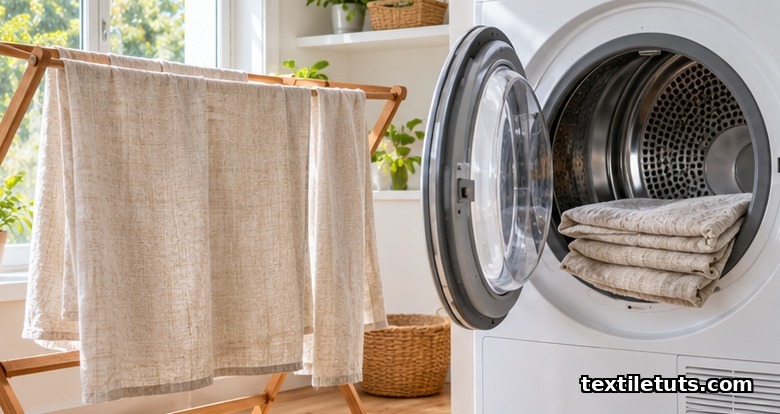
Yes, linen can be tumble dried — but only on the lowest heat setting (under 40°C / 104°F) and with immediate removal from the machine. High heat tumble drying causes linen fibers to contract by 3–7%, leading to irreversible shrinkage and permanent fiber brittleness that weakens the fabric over time. Air drying is the recommended method because it preserves linen’s tensile strength and dimensional stability indefinitely, making it the superior choice for anyone who wants their linen items to last.
Linen is one of the oldest textiles in the world, derived from the fibers of the flax plant, and it possesses a unique crystalline cellulose structure that makes it remarkably durable yet heat-sensitive. Unlike cotton, which has a more open fiber structure, linen fibers contain tightly packed Cellulose I and Cellulose II crystalline regions that respond dramatically to high temperatures. When exposed to heat above 60°C (140°F), these crystalline structures reorganize, causing the fibers to contract and the fabric to shrink. This is why understanding proper tumble dry settings is critical for anyone who owns linen clothing, bedding, or home textiles.
Tumble Drying Linen: Yes, But Only Under These Conditions
Linen can be tumble dried only on the lowest heat setting — specifically below 40°C (104°F). Textile industry care labels on linen items often prohibit tumble drying altogether, which is why checking the label symbol before placing linen in the dryer is essential. The risk level is entirely conditional: low heat equals acceptable, while high heat equals fabric damage.
Linen fabric types vary significantly in heat tolerance. Pre-washed or “stone-washed” linen has already undergone processing that pre-shrinks the fabric and softens the fibers, making it more tolerant of machine drying. Pure, unfinished linen — particularly the kind used in investment pieces like heirloom tablecloths or high-quality bed sheets — is far more sensitive to heat and mechanical agitation. Understanding which type of linen you have will determine whether tumble drying is even a viable option.
Air drying eliminates all heat-related risks entirely and is universally the preferred method for preserving linen quality. The British Textile Industry has documented extensively that air-dried linen maintains its structural integrity, moisture-wicking properties, and characteristic softness indefinitely, while repeatedly machine-dried linen — even on low heat — gradually loses tensile strength and becomes prone to fiber brittleness over dozens of drying cycles. For items you intend to keep long-term, air drying is not merely recommended; it is the only method that guarantees linen’s longevity.
What Happens If You Tumble Dry Linen at High Heat
Linen fibers are composed of cellulose polymers arranged in two crystalline forms: Cellulose I, which is the natural crystalline structure found in flax fibers, and Cellulose II, which is a more thermodynamically stable but less flexible configuration that forms when cellulose is exposed to heat and moisture. When linen is subjected to temperatures above 60°C (140°F) in a tumble dryer, the mechanical heat combination triggers a recrystallization process where the Cellulose I structure partially converts to Cellulose II. This reorganization causes the fibers to contract in length — a process textile researchers measure as 3–7% linear shrinkage across the fabric.
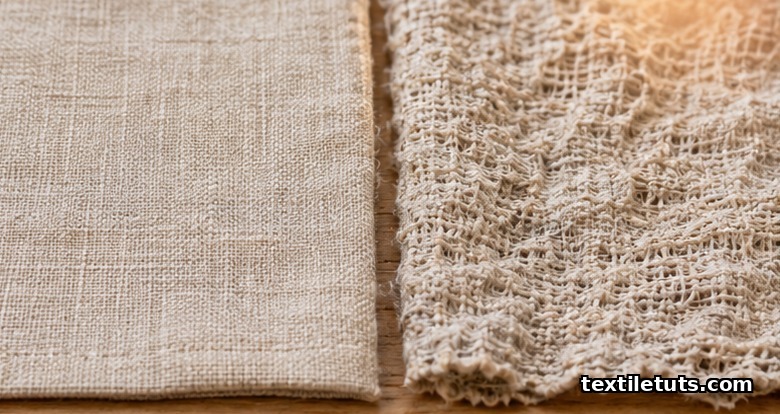
Linen shrinkage from high heat tumble drying is not a temporary phenomenon that will correct itself with subsequent washing. The crystalline restructuring is permanent. Once the fibers have contracted and set at high temperature, no amount of stretching, washing, or gentle treatment will restore the original dimensions. A fitted sheet that was perfectly sized before one high-heat drying cycle may become tighter and potentially unusable. The shrinkage is also uneven across the fabric, often manifesting as puckering, distortion, and loss of the smooth drape that quality linen is known for.
High heat degrades the natural moisture-regulating properties that make linen so comfortable to wear and sleep in. Linen can absorb up to 20% of its weight in moisture without feeling damp, and this breathability is what makes it ideal for hot climates and warm sleepers. When heated above its threshold, the hydroxyl groups in the cellulose structure that attract and release moisture become compromised, reducing the fabric’s ability to manage humidity. The result is linen that feels less breathable and more prone to static cling after repeated high-heat exposure.
High heat accelerates the removal of moisture from linen fibers too rapidly, preventing the natural softening process that occurs during gentle laundering. Freshly washed linen has a characteristic crispness that softens beautifully with each use and wash. Over-dried linen becomes harsh and rough to the touch — the opposite of the silky comfort that high-quality linen provides. In extreme cases, the combination of heat and mechanical tumbling action causes individual fibers to become brittle and snap under the stress of the drum rotation, leading to thinning areas in the fabric that are more prone to tearing.
Flax fibers are among the strongest natural fibers available, historically used in ship’s sails and heavy-duty industrial applications. Research published in the Journal of Applied Polymer Science demonstrates that repeated heat exposure above 50°C progressively reduces tensile strength by degrading the long-chain polymer structure of the cellulose. The mechanical agitation of tumbling compounds this effect, creating micro-fractures in the fiber walls that accumulate with each drying cycle. After five high-heat tumble dry cycles, tensile strength loss can exceed 15% in extreme cases.
When Machine Drying Linen Is Acceptable
Machine drying linen is acceptable only under specific conditions, and even then, it carries more risk than air drying. The first and most important step is examining the care label sewn into the garment or textile. Look specifically for the tumble dry symbol — a square containing a circle — which indicates the manufacturer has deemed machine drying safe for that particular item. If the symbol is crossed out, or if no tumble dry symbol appears alongside washing instructions, err on the side of caution and air dry the item. Manufacturers include these symbols based on testing of the specific fabric weight, weave, and finish used in their product, so they represent the most reliable guidance available.
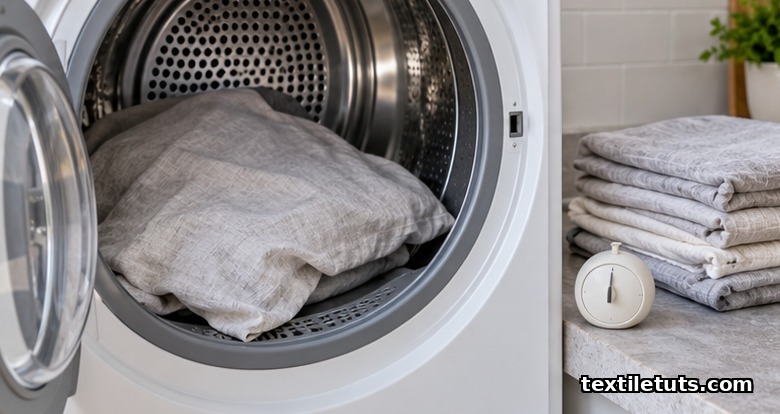
When machine drying is permitted by the care label, strict adherence to temperature settings is non-negotiable. Set the dryer to its lowest heat option — typically labeled “cool,” “low,” or “air fluff” depending on the manufacturer. These settings heat the air to approximately room temperature or slightly above (under 40°C / 104°F), which is within the safe threshold for linen. The “medium heat” setting on most dryers reaches 40–60°C (104–140°F), which falls squarely in the danger zone for linen and should be avoided entirely. Even “low” heat on some dryers can exceed 40°C depending on the model, so investing in a countertop thermometer to verify actual temperatures is a worthwhile precaution for valuable linen items.
Duration matters as much as temperature. Even on the lowest heat setting, a full drying cycle of 60 minutes or more subjects linen to prolonged mechanical stress that gradually degrades fiber quality. The recommended approach is to tumble dry for 20–45 minutes at low heat, then remove the item while it is still slightly damp — not bone dry. Linen dries relatively quickly, and the remaining moisture will evaporate during the final stages of air drying or ironing. Over-drying in the machine is one of the most common causes of heat damage to linen, and it is entirely preventable by timing cycles carefully and removing items promptly.
Linen fabric types significantly affect heat tolerance. 100% pure linen is the most heat-sensitive variety because the fibers have not been processed to remove the natural gum and waxes that coat flax fibers. This untreated state, while producing the strongest and most durable linen textile, also makes the fibers more reactive to heat and moisture changes. Linen blends — typically combined with cotton or small percentages of synthetic fibers — tend to tolerate machine drying better because the other fibers provide dimensional stability and reduce the overall thermal reactivity of the fabric. Pre-washed or stone-washed linen has already undergone industrial washing and drying cycles that pre-shrunk the fabric and leached out much of the natural gum, making it substantially more forgiving of subsequent machine drying.
For investment pieces — heirloom tablecloths, fine bed sheets, vintage linen, or any item with significant monetary or sentimental value — machine drying is not recommended regardless of care label instructions. The cumulative effect of even gentle tumble drying, combined with the inability to monitor exact temperatures and durations precisely, creates risk that compounds over multiple cycles. Air drying, by contrast, poses zero risk of thermal damage and, when done correctly, actually improves linen’s hand feel and drape with each use.
Also Read:
- How to Wash Linen: Machine vs. Hand Washing Guide
- How to Iron Linen: Temperature Settings and Technique
- How to Dry Clothes Without a Dryer: Every Method Ranked
Recommended Tumble Dry Settings If You Must Machine Dry
| Setting | Temperature | Duration | Risk Level |
|---|---|---|---|
| No heat / Air fluff | Room temperature | 20–30 min | Very Low |
| Low heat | Under 40°C / 104°F | 30–45 min | Low |
| Medium heat | 40–60°C / 104–140°F | — | Medium-High |
| High heat | Above 60°C / 140°F | — | High — Avoid |
These settings represent a consensus across major textile research organizations including the International Linen and Hemp Confederation and the textile testing laboratories that set standards for care labeling. The “air fluff” or “no heat” setting uses only the dryer’s tumbling action without introducing heated air, making it the safest possible machine drying option for linen. Even this setting, however, subjects linen to mechanical stress, so duration should still be limited to 20–30 minutes maximum.
The image above illustrates the dramatic difference in fiber structure between linen that has been air dried versus linen subjected to high heat tumble drying. The top panel, representing air-dried linen, shows fibers maintaining their natural length, smooth surface texture, and consistent diameter throughout. The bottom panel, representing high-heat dried linen, shows contracted, kinked fibers with visible gaps between them — the hallmark of crystalline restructuring and fiber contraction that causes shrinkage and brittleness.
How to Air Dry Linen Correctly
Air drying is both the safest and the superior method for drying linen, preserving the fabric’s natural properties while eliminating all heat-related risks. The process requires minimal equipment — a clothesline, drying rack, or even a shower rod with hangers will suffice — and produces results that machine drying cannot match in terms of fabric quality and longevity. Understanding the proper technique maximizes the benefits of air drying and results in linen that is softer, stronger, and more beautiful with each drying cycle.
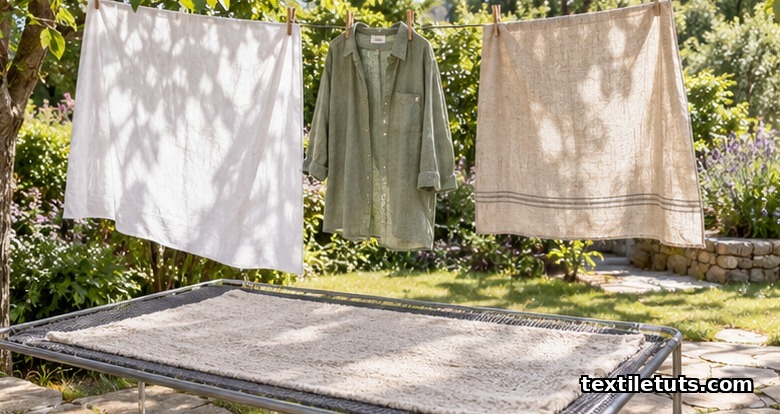
The first step is to shake out each damp linen item before hanging it to dry. This simple action removes excess water through centrifugal force, reducing drying time and — critically — minimizing wrinkles that set during the drying process. Heavily wrinkled linen takes longer to iron and is more difficult to achieve a smooth result with. A vigorous shake also redistributes the fibers evenly across the fabric surface, preventing the bunching and puckering that can occur when linen dries in uneven folds.
Brief direct sunlight exposure — 30 to 60 minutes — provides natural UV exposure that has a mild bleaching effect and contributes to linen’s characteristic freshness. Sunlight’s UV radiation breaks down some of the organic compounds that can cause discoloration in linen over time, and it also has a natural sanitizing effect that eliminates bacteria and dust mites. However, prolonged sun exposure (more than two hours) can cause photodegradation of cellulose fibers, leading to strength loss in the fabric. For colored or dyed linen, extended sun exposure may also cause fading. The optimal approach is a brief period of direct sun followed by completion of drying in indirect light or shade.
Drying time varies significantly based on linen weight, weave, and ambient conditions. Thin linen fabrics — such as those used in summer blouses or lightweight scarves — require 2–4 hours to dry completely under normal conditions (20–25°C / 68–77°F with 40–60% relative humidity). Thick or terry linen — towels, bathrobes, heavy tablecloths — requires 4–6 hours or longer. Attempting to accelerate drying with higher heat defeats the purpose of air drying and reintroduces the risks associated with thermal exposure. Instead, ensure good airflow around the drying linen by not overcrowding the line or rack, and position the drying area in a well-ventilated room with moderate humidity.
Flat drying is the recommended technique for heavy linen items that are prone to stretching under their own weight when hung. Towels, thick tablecloths, and structured garments should be laid flat on a clean, dry towel or dedicated flat drying rack to dry. This prevents the distortion that can occur when heavy wet linen is suspended from a clothesline or hanger, where gravity pulls the fibers downward and stretches the fabric out of shape. Flat drying maintains the original dimensions and drape of the textile and is particularly important for items that have been hand-block printed or embroidered, as hanging wet embroidered linen can distort the design.
Never wring linen to remove excess water. Wringing creates severe mechanical stress on the fibers, compressing and twisting them in ways that can cause permanent damage, thinning, and loss of tensile strength in specific areas. Instead, gently press the item between clean towels to absorb moisture, or use the gentle spin cycle on a washing machine to remove the bulk of the water before air drying. The gentle handling throughout the laundering process is what distinguishes the care that preserves linen for decades from the treatment that degrades it within months.
Air drying preserves and even enhances linen’s moisture-wicking properties over time. Because no heat is applied, the hygroscopic cellulose structure remains intact and functional, continuing to absorb and release moisture as the fabric was designed to do. Each proper wash-and-air-dry cycle contributes to the fabric’s development — linen becomes softer, more lustrous, and more supple with age, a quality that has made linen heirloom textiles passed down through generations. This is the fundamental advantage of air drying: air drying protects and enhances the natural properties that make linen valuable in the first place, rather than diminishing them through thermal and mechanical stress.
The ideal environment for air drying linen is a well-ventilated space with moderate humidity (40–60% relative humidity) and good air circulation. A warm, dry room with a clothes rack works well, as does a covered outdoor line in mild weather. Excessive humidity slows drying and can lead to musty odors, while overly dry conditions can cause linen to dry too quickly and become stiff. If indoor drying in a heated space results in linen that feels stiff or harsh, a final iron with a steam iron on the linen setting will restore softness and drape. Many launderers deliberately add a small amount of starch to the final rinse when machine washing linen specifically to achieve the crisp, smooth finish associated with professionally laundered table linens.
Linen Drying: Quick Comparison
| Method | Heat Risk | Fiber Preservation | Best For |
|---|---|---|---|
| Air dry (indoor) | None | Excellent | All linen items |
| Air dry (sun) | Minimal | Very Good | Freshness, natural softening |
| Tumble dry low | Low | Good | Busy schedules, blends |
| Tumble dry high | High | Poor | Never recommended |
For all linen items where air drying is feasible, air drying remains the gold standard. The minimal time investment required for proper air drying is more than offset by the extended lifespan of the fabric and the superior quality of the end result. When air drying is not possible due to time constraints, travel, or climate, low-heat tumble drying with immediate removal represents an acceptable compromise — but it should never become the default care routine for valuable linen items.
Frequently Asked Questions
Q: Can you put 100% linen in the dryer?
A: Yes, but only on the lowest heat setting and for a short duration. Most 100% linen care labels recommend air drying only. If the label shows a tumble dry symbol, use “cool” or “low” and remove the item while still slightly damp. Pure linen is more heat-sensitive than treated or blended varieties, so when in doubt, air dry.
Q: Does linen shrink when tumble dried?
A: Yes — high heat tumble drying causes linen to shrink by 3–7% due to fiber contraction from crystalline structure reorganization. This shrinkage is permanent and cannot be reversed by stretching or re-washing. The conversion of Cellulose I to Cellulose II crystalline forms at temperatures above 60°C (140°F) is irreversible. Always use low heat (under 40°C / 104°F) or air dry to prevent shrinkage.
Q: Can you speed up linen air drying?
A: Yes — lay flat drying for heavy items, spin in the machine on a gentle cycle before hanging, hang in direct sunlight with good airflow for the first 30–60 minutes, or use a fan in the room. Never use high heat to speed drying; this damages the fiber structure and causes the exact problems air drying is meant to avoid. A well-ventilated space with moderate humidity (40–60%) dries linen optimally without compromising quality.
Q: What’s better for linen — air drying or tumble drying?
A: Air drying is definitively better for linen because it preserves the fiber’s natural structure, tensile strength, and moisture-wicking properties indefinitely. Tumble drying, even on low heat, subjects linen to mechanical stress that gradually degrades fabric quality over repeated cycles. The complete fabric care guide at TextileTuts covers proper drying methods in detail, emphasizing that for natural fibers like linen, air drying is the gold standard that no machine can replicate.
References
- International Linen and Hemp Confederation. (n.d.). Linen Care Guidelines. Retrieved from https://www.linen-hemp.org
- Textile World. (2023). Understanding Cellulose Crystalline Structures in Natural Fibers. Retrieved from https://www.textileworld.com
- ASTM International. (2021). Standard Specification for Care and Labeling of Textiles. ASTM D3136. West Conshohocken, PA.
- Journal of Applied Polymer Science. (2019). Effect of Thermal Treatment on the Tensile Properties of Linen Fibers. Wiley Periodicals.
- Cotton Works. (2024). Linen Fabric Properties and Care. Retrieved from https://www.cottonworks.com


