
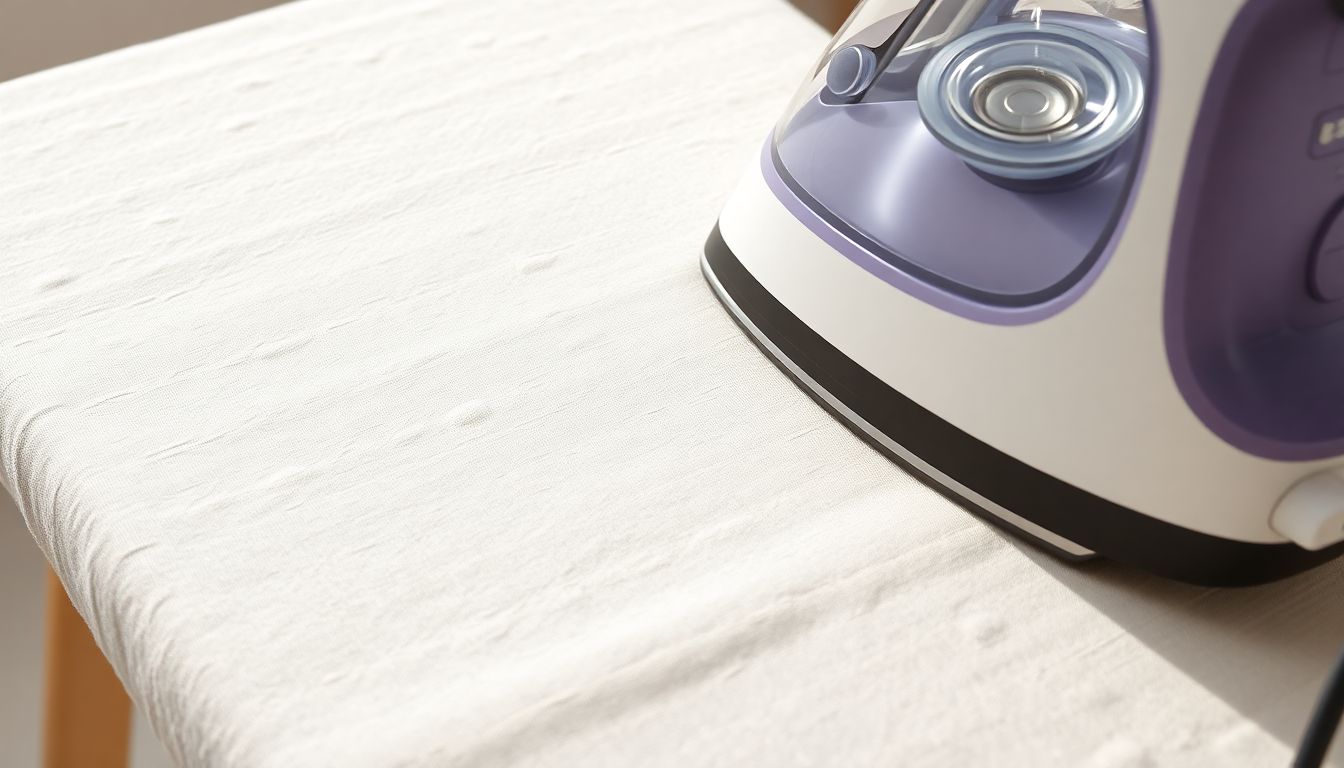
How to Iron Linen: Temperature Settings and Technique

Linen must be ironed at 200–230°C (390–445°F) — the highest heat setting for most household irons — because linen fibers are composed of cellulose with no synthetic elastic recovery, meaning wrinkles set permanently if not addressed with sustained heat and moisture. The linen should be slightly damp when ironed; if dry, use steam or a spray bottle to mist the fabric before and during pressing.
Unlike synthetic fibers that melt or shine under high heat, linen tolerates direct contact with a hot iron and responds exceptionally well to steam. This makes linen one of the most iron-friendly natural fabrics, but only if you use the correct temperature range and technique. This guide covers every aspect of ironing linen — from temperature selection to pressing cloth use, step-by-step method, and steaming alternatives — so you can achieve crisp, wrinkle-free results every time.
Iron Temperature for Linen: The 200–230°C Rule
Linen tolerates 200–230°C (390–445°F) — the “linen/cotton” or “max” setting on most household irons. This temperature range is the linen ironing sweet spot: high enough to permanently relax the cellulose fibers that compose linen, yet below the scorching threshold for most properly hydrated linen fabric. The higher end of this range (220–230°C / 430–445°F) works best for thick or densely woven linen, while 200–210°C (390–410°F) is adequate for lighter weight linen garments.
This temperature range places linen above wool (150°C / 300°F) and silk (low/”silk” setting, approximately 110–120°C / 230–250°F), but at or slightly below pure cotton (up to 230°C / 445°F). Unlike synthetic fabrics such as polyester, which can melt, shine, or permanently distort under high heat, linen has no elastic recovery mechanism — its cellulose fibers respond predictably to sustained heat and moisture without degrading.
One of linen’s distinct advantages over synthetic blends is its ability to withstand full steam without risk of damage. Polyester and nylon fabrics can develop a shiny “iron press” mark or even melt at high steam temperatures, but linen absorbs steam readily, with the moisture and heat together effectively relaxing fibers for smooth results.
If your iron has a dedicated “linen” setting, it almost always defaults to the correct 200–230°C range — use it without hesitation. For irons without a linen setting, the “cotton/linen” or “max” setting provides equivalent heat. If your iron only has numbered settings, setting 3–4 on a typical dial corresponds to approximately 200°C (390°F), while setting 5–6 approaches 230°C (445°F).
Always iron linen while it is slightly damp. Dry linen requires significantly more heat and pressure to achieve the same results, increasing the risk of scorching or shiny patches. If your linen garment has dried completely after washing, either spritz it with water using a spray bottle or use the iron’s continuous steam function to reintroduce moisture before and during pressing.
Can You Iron Linen Directly or Do You Need a Pressing Cloth?
Linen can be ironed directly — without a pressing cloth — on most medium to light-colored garments when using the steam function. The steam acts as a buffer between the soleplate and the fabric surface, reducing direct heat contact. However, certain situations call for a pressing cloth as an additional protective layer.
When to Use a Pressing Cloth on Linen
- Dark or deeply colored linen garments — Dark fabrics are particularly susceptible to iron shine (also called iron sheen), a glossy or metallic-looking patch that appears when the fabric fibers are compressed and flattened under heat and pressure. A pressing cloth distributes heat more evenly and prevents the soleplate from directly polishing the fabric surface.
- Linen with decorative stitching, embroidery, or raised details — Intricate stitching and embroidery threads can melt, distort, or become discolored under direct iron contact. A pressing cloth shields these details while still allowing steam to penetrate and relax the surrounding fabric.
- Vintage, fragile, or lightweight linen — Older linen fabric may have weakened fibers that are more susceptible to scorch marks. A pressing cloth provides a protective buffer that reduces thermal stress on fragile fibers.
- Linen with applied decorations — Buttons covered in fabric, glued embellishments, or heat-sensitive trim should always be protected with a pressing cloth and the garment pressed from the reverse side.
Pressing Cloth Material and Technique
The best pressing cloth for linen is 100% cotton muslin — a plain-woven, tightly bundled cotton fabric with no dyes or prints that could transfer to your garment. A clean, white cotton tea towel or handkerchief also works well. Avoid synthetic or blended fabric pressing cloths, as these can melt or scorch under the high temperatures required for linen.
To use a pressing cloth effectively: dampen the cloth slightly (not soaking wet — it should be visibly moist but not dripping), place it directly on top of the linen garment, and iron through the damp cloth. The moisture in the pressing cloth creates steam within the layers, enhancing the relaxing effect on linen fibers while the cloth itself absorbs any direct heat from the iron’s soleplate. Never use a soaking wet pressing cloth, as this can cause water spots or streaking on the linen surface.
Step-by-Step Ironing Method for Linen
Follow this systematic eight-step method for consistently crisp linen ironing results. Each step addresses a specific factor — temperature, moisture, direction, and post-press handling — that collectively determines the quality of the finish.
- Check the care label — Confirm there is no “do not iron” symbol. While rare for linen, some vintage or blended linen garments may have specific care restrictions. If the label shows an iron symbol with an X through it, skip ironing and consider a steaming alternative instead.
- Set your iron to 200–230°C (390–445°F) — Select the “linen/cotton” or “max” heat setting. Fill the iron’s water reservoir if your iron has a steam function, as you’ll be using steam liberally throughout the process. Allow the iron to fully heat up — most irons take 2–3 minutes to reach full temperature.
- Turn the garment inside out — Ironing the reverse side of colored or dark linen garments significantly reduces the risk of surface shine and iron marks appearing on the visible side. For white or light-colored linen, ironing either side is acceptable since shine is less noticeable on pale fabric.
- Work while slightly damp — If the linen is dry, mist it with water using a spray bottle or trigger multiple steam bursts from the iron before and during pressing. Linen fibers absorb moisture readily, and damp linen requires less heat to relax — protecting the fabric while improving results. The ideal moisture level: visibly damp but not wet enough to wring out.
- Iron along the fabric grain — Press lengthwise along the weave direction, following the grain of the fabric. Ironing across the grain (perpendicular to the weave) can stretch and distort the fabric’s shape, causing uneven edges, pulling seams, or creating a skewed drape. Always move the iron in the same direction as the lengthwise threads.
- Apply steam liberally — Hold the steam trigger or engage continuous steam while moving the iron along the fabric. Steam is essential for linen because it simultaneously adds moisture and heat, the two factors needed to relax cellulose fibers. For particularly stubborn wrinkles, pause briefly (no more than 2–3 seconds) with steam engaged before continuing to move — but never leave the iron stationary for long.
- Target collars, cuffs, and plackets first — These areas are the most structurally visible on a linen garment and benefit most from crisp pressing. By starting here, you can establish proper heat and technique before working on larger, less critical surface areas. Use the tip of the iron for confined spaces like collar points and button plackets.
- Hang immediately after pressing — Never fold or stack freshly ironed linen. The heat and moisture from ironing leave linen fibers in a temporarily malleable state; stacking or folding creates new creases that set as the fabric cools. Hang linen on a padded hanger or lay it flat on a clean surface until it reaches room temperature and the fibers have fully set — approximately 15–20 minutes.
Common Ironing Mistakes for Linen
Understanding what goes wrong helps you avoid the most frequent errors. The table below covers the five most common linen ironing mistakes, why each matters, and how to correct them.
| Mistake | Why It Matters | Correction |
|---|---|---|
| Using too low a temperature | Wrinkles do not fully release; repeated pressing over the same area increases the risk of shine and fiber damage | Raise to 200°C+ (390°F). If the iron doesn’t have a linen setting, use the cotton/linen or max setting |
| Ironing dry linen without steam | Dry linen fibers don’t relax under heat alone; the friction of ironing across dry fabric creates shiny patches and can scorch the surface | Mist the fabric with water or use the steam burst function continuously. Never attempt to iron bone-dry linen at high heat |
| Pressing across the grain | Ironing perpendicular to the weave applies uneven tension that stretches and distorts fabric shape, causing wavy seams and skewed fit | Always press lengthwise with the weave direction. Establish the grain by feeling for the dominant thread direction |
| Leaving the iron in one spot too long | Prolonged direct heat creates scorch marks (yellow/brown discoloration) on light linen and iron shine (metallic gloss) on dark fabric | Keep the iron moving constantly at a moderate pace. If you need sustained pressure, use the steam burst and move in small circles rather than staying stationary |
| Folding or stacking linen immediately after pressing | Freshly ironed linen fibers are heat-softened and malleable; folding creates new creases that set as the fabric cools, often worse than the original wrinkles | Hang or lay flat until fully cooled (15–20 minutes minimum) before folding, wearing, or storing |
Steaming as an Alternative to Ironing Linen
Steaming alone can effectively remove wrinkles from linen without direct contact pressing, making it an excellent alternative for delicate items, structured garments, or situations where laying the garment flat for ironing is impractical.
Vertical steaming is particularly well-suited to linen and works best for curtains, tablecloths, and hanging garments such as dresses, blazers, and suits. A standing garment steamer or the vertical steam function on a quality steam iron produces continuous steam that penetrates linen fibers and relaxes wrinkles through gravity-assisted moisture and heat. Hold the steamer head 2–5 cm from the fabric surface and move slowly from top to bottom, allowing the steam to work on each section before moving on.
For heavy, tailored linen pieces such as structured blazers, structured dresses, or coats, a combined approach yields the best results: use vertical steam to initially relax wrinkles, then finish with a light press using a damp pressing cloth and the iron set to 200°C. This two-step method gives you the shaping control of a press while minimizing the risks associated with direct iron contact on heavyweight linen.
When steaming linen, always steam from the wrong side of the fabric (the reverse of the visible side) to avoid water spotting on the right side. Water spots occur when condensed steam droplets fall back onto the fabric surface — steaming from the reverse side means any droplets travel away from the visible face. For tablecloths and curtains where both sides may be visible, test on a small, inconspicuous area first.
Steaming is not suitable for linen that requires a perfectly crisp finish — the fluted or sharply pressed edges typical of formal linen shirts and table settings require direct iron contact with pressure. However, for everyday linen garments, table linens, and anything with pleats or delicate construction, steaming delivers satisfactory wrinkle removal with significantly reduced risk of shine, scorching, or distortion.
Frequently Asked Questions
Q: What temperature should I iron linen at?
A: Iron linen at 200–230°C (390–445°F) — the highest safe heat for most household irons. Use the “linen/cotton” setting or “max” heat with steam engaged. This temperature safely handles pure linen without scorching, provided the fabric is slightly damp. If your iron has a dedicated linen setting, use it — it defaults to this exact range.
Q: Should you iron linen inside out?
A: Yes — ironing linen inside out is recommended, especially for colored or dark garments, to prevent surface shine and iron marks on the visible side. For white or light-colored linen, ironing either side is acceptable. The reverse side absorbs heat and steam more evenly without creating the glossy patches that form on direct-contact pressing of colored fabric.
Q: Can you iron 100% linen?
A: Yes — 100% linen tolerates high heat up to 230°C and responds exceptionally well to steam. Unlike polyester blends, which can melt or develop permanent shine at moderate temperatures, linen has no synthetic components that degrade under heat. Keep the iron moving continuously and always use steam or mist the fabric to avoid scorching.
Q: Does linen wrinkle easily after ironing?
A: Yes — linen naturally wrinkles more than synthetic blends because its cellulose fibers have no elastic recovery mechanism to spring back into shape. Wrinkles can reappear within minutes of wearing. For a semi-crisp look that lasts longer: iron with liberal steam, hang the garment immediately after pressing, and avoid sitting for extended periods in humid or damp conditions. The wrinkles that do return will be significantly softer and less pronounced than on unironed linen.
For related care guidance, see our complete guide to fabric care, or learn how to wash linen properly to minimize wrinkles from the start. If you need to tackle stubborn creases without an iron, our guide to removing wrinkles from linen without ironing covers steaming and other alternatives. For fabric-specific stain emergencies, see how to remove blood stains from fabric — relevant when linen spills occur during care or crafting.
References
- Wikipedia. (2025). Linen. Wikimedia Foundation.
- CottonWorks. (2024). How to Care for Cotton — Ironing. Cotton Incorporated.
- International Woolmark Company. (2023). Ironing Guidelines for Wool and Blends. IWTO.


