
What Is Bamboo Fabric? Bamboo vs. Cotton vs. Modal Compared

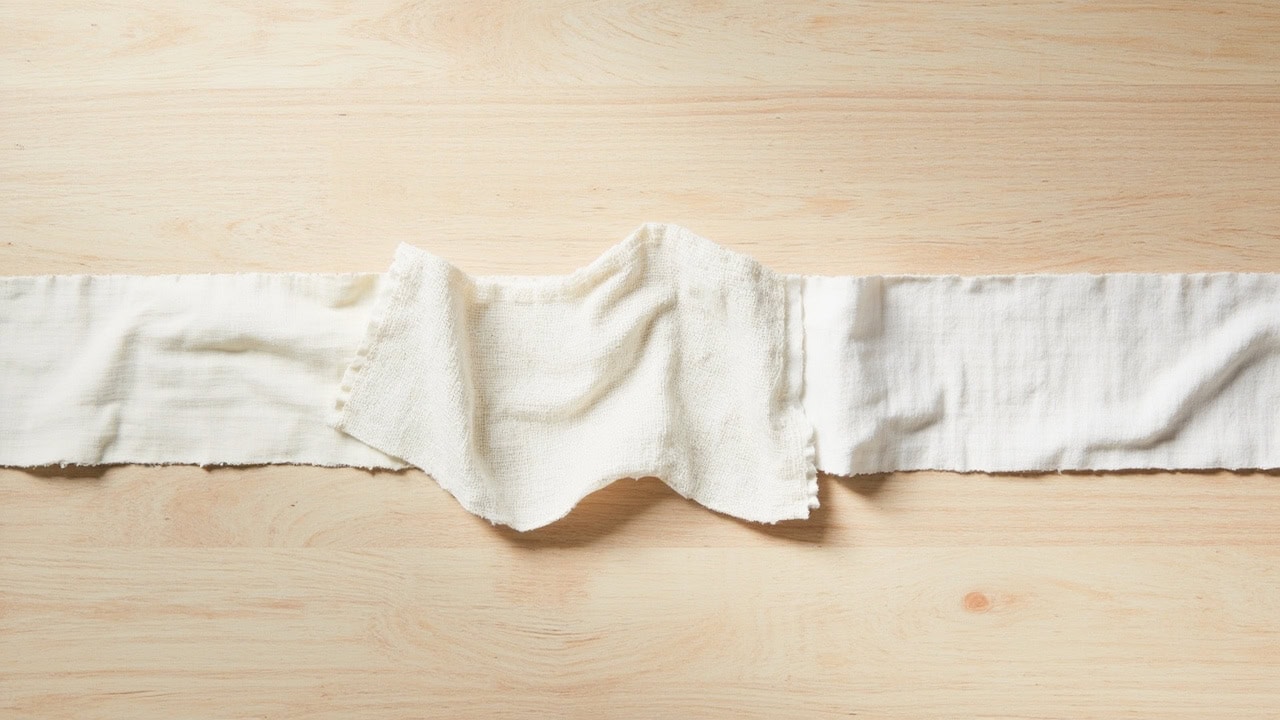
Bamboo fabric is a semi-synthetic textile derived from bamboo pulp that is chemically processed into viscose/rayon fibers, offering superior softness and natural moisture-wicking properties — though the manufacturing process involves harsh chemicals that have raised sustainability concerns. Bamboo fabric scores 6.0–6.5 on the Mohs hardness scale for tensile strength, breathes better than cotton, and becomes softer with each wash, making it distinct from both conventional cotton and modal in absorbency, durability, and ecological footprint.
What Is Bamboo Fabric? Definition and Overview
Bamboo fabric refers to textiles made from the cellulose fibers of the bamboo plant (Bambusoideae). The bamboo plant is the fastest-growing woody plant on Earth, with some species recorded growing over 1 meter (3.3 feet) per day, making it a highly renewable raw material for textile production. However, most commercial “bamboo fabric” sold today is actually bamboo viscose or bamboo rayon — not the mechanically processed bamboo linen that retains more of the plant’s natural properties.
Bamboo linen is produced mechanically, much like linen made from flax, but it represents less than 5% of all bamboo textile products on the market. The dominant bamboo textile — bamboo viscose — uses a chemical dissolution process called the viscose method to extract cellulose from bamboo pulp. The resulting fiber is classified as a semi-synthetic or man-made cellulosic fiber, placing it in the same category as modal and conventional rayon.
The bamboo plant itself contains a natural antimicrobial agent called bamboo-kun, which gives the plant resistance to pests and fungal infestation. This property has driven marketing claims that bamboo fabric is naturally antibacterial. However, research findings conflict on whether finished bamboo-rayon fabric retains meaningful antibacterial activity against Staphylococcus aureus and Escherichia coli after the chemical processing involved in converting raw bamboo to textile fiber.
How Bamboo Fabric Is Made: The Manufacturing Process
Understanding how bamboo fabric is made requires distinguishing between the three primary production methods: bamboo viscose (rayon), bamboo lyocell, and bamboo linen. Each method produces a distinctly different textile with different properties, environmental impacts, and performance characteristics.
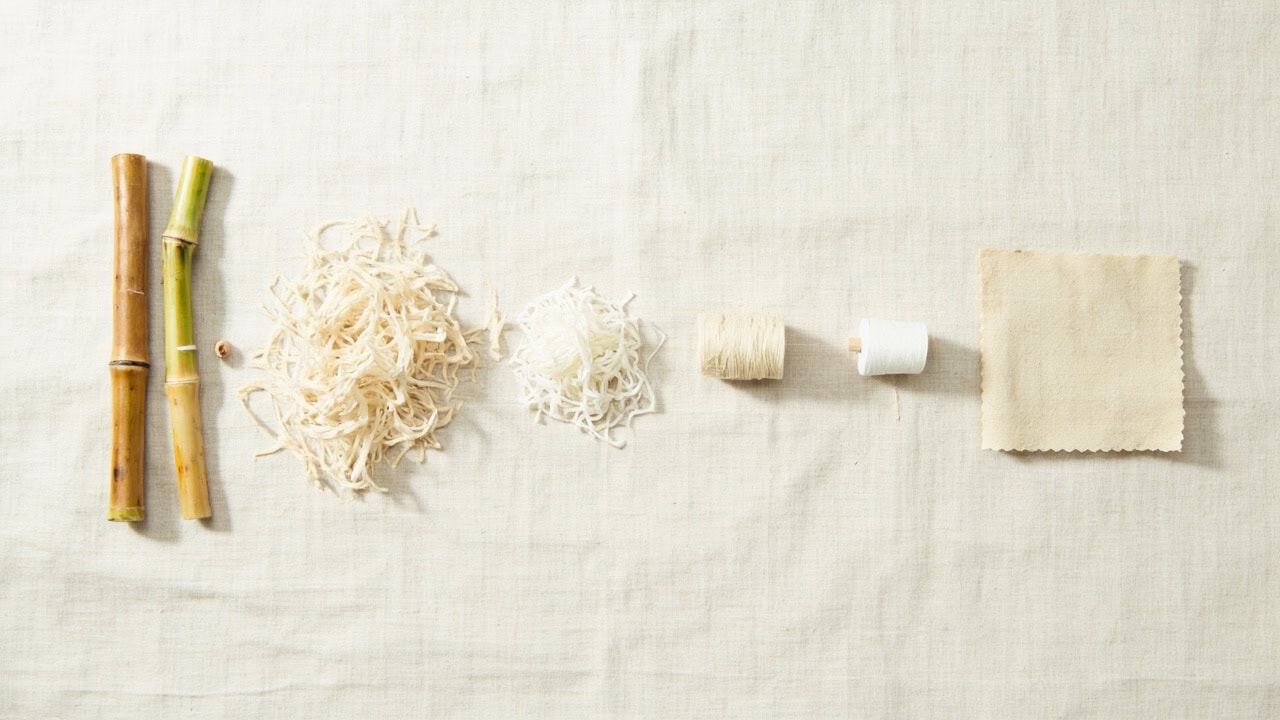
- Harvest — Moso bamboo (Phyllostachys edulis), the most commonly used species for textile production, is harvested. Moso bamboo grows up to 91 cm (36 inches) per day and can be selectively harvested without killing the plant, as it regenerates from its root system like a lawn — no replanting required.
- Pulping — Bamboo stalks are crushed into a pulp. The lignin that binds the cellulose fibers together is chemically removed using sodium hydroxide (NaOH), also known as caustic soda.
- Dissolution — The pulp is dissolved in a mixture of sodium hydroxide and carbon disulfide (CS₂) to create cellulose xanthate, a viscous solution that can be extruded through spinnerets.
- Extrusion — The cellulose xanthate solution is forced through fine spinnerets into a sulfuric acid bath, a wet-spinning process that regenerates the cellulose into solid fibers.
- Finishing — Fibers are washed, bleached, and finished before being spun into yarn for weaving or knitting into fabric.
This is the same viscose/rayon process used for other cellulosic fibers — cotton linters, wood pulp, and beech wood (for modal). Bamboo is not unique in its chemical processing requirements. However, closed-loop production systems can recover up to 99% of chemical solvents, significantly reducing environmental discharge. Not all manufacturers implement closed-loop recovery, which is a primary driver behind sustainability concerns with bamboo viscose.
Bamboo Lyocell represents a more environmentally responsible alternative. It uses N-Methylmorpholine N-oxide (NMMO) as a solvent instead of carbon disulfide. NMMO is non-toxic and recoverable in a closed-loop system, with recovery rates exceeding 99.5%. Bamboo lyocell retains more of bamboo’s natural fiber characteristics and is considered significantly more eco-friendly — though it remains less common and typically more expensive than bamboo viscose.
Bamboo Linen is produced through mechanical processing only — steam explosion, enzyme retting, or milling crushes the bamboo to separate fibers without chemical treatment. This mechanically produced bamboo fiber shows distinctive nodes under electron microscopy that rayon versions lack, and it retains more of bamboo’s original tensile strength and natural texture. However, bamboo linen is coarser, less common, and commands a higher price.
Bamboo Fabric Properties: Key Characteristics
The following table summarizes the key technical properties of bamboo viscose compared to cotton and modal — the three most commonly compared fabrics in this category.
| Property | Bamboo Viscose | Cotton (Conventional) | Modal (Beech) |
|---|---|---|---|
| Fiber Type | Semi-synthetic cellulosic | Natural cellulosic | Semi-synthetic cellulosic (beech) |
| Softness | Very high (cashmere-like) | Medium | High |
| Breathability | Excellent | Good | Good |
| Moisture Wicking | Excellent (30% faster than cotton) | Moderate | Good |
| Durability | Moderate (loses strength when wet) | High | High (wet and dry) |
| Shrinkage | Low (3–5%) | Moderate (3–7%) | Low (2–4%) |
| Biodegradable | Partially (chemically processed) | Yes (100%) | Partially |
| Chemical Processing | Yes (viscose method) | Minimal (mercerization) | Yes (beech wood viscose) |
| Typical Cost | Moderate | Low–Moderate | Moderate–High |
Raw Bamboo Fiber Science
Raw bamboo fiber exhibits impressive mechanical properties before processing. Bamboo fiber tensile strength ranges from 391–713 MPa, with an elastic modulus of 18–55 GPa and a density of only 0.88–1.1 g/cm³ — roughly 40% the density of E-glass fiber. The chemical composition of raw bamboo fiber is approximately 74% cellulose, 12% hemicellulose, 10% lignin, 3% moisture, and 1% pectin and waxes. Water absorption for bamboo fiber is 40–45%, which explains its excellent moisture-management characteristics in textile form.
Types of Bamboo Fabric
The bamboo fabric market offers four primary product types, each with distinct manufacturing processes and performance characteristics. Understanding these differences is essential for making an informed purchasing decision.
Bamboo Viscose (Bamboo Rayon)
Bamboo viscose — also called bamboo rayon — is the most widely available bamboo textile, accounting for approximately 95% of all bamboo fabric on the market. It is produced using the traditional viscose process with sodium hydroxide and carbon disulfide. The result is an exceptionally soft fiber often compared to cashmere or silk in hand feel. Bamboo viscose excels at moisture-wicking and breathability, making it popular for activewear and next-to-skin garments. The trade-off is that the chemical processing raises valid sustainability concerns, and the fiber loses 20–30% more tensile strength when wet compared to cotton.
Bamboo Lyocell
Bamboo lyocell uses the NMMO (N-Methylmorpholine N-oxide) closed-loop solvent process, which is fundamentally different from the viscose method. The NMMO solvent dissolves the bamboo cellulose without creating harmful chemical byproducts, and the solvent is recovered and reused at rates exceeding 99.5%. Bamboo lyocell is more sustainable than bamboo viscose, produces a softer and stronger fabric, and retains more of bamboo’s natural fiber properties. It is less widely available and typically costs 20–40% more than bamboo viscose equivalents.
Bamboo Linen
Bamboo linen is produced entirely through mechanical processes — steam explosion, enzyme retting, or milling — without chemical solvents. This makes it the most environmentally friendly bamboo textile option. Bamboo linen retains more of the bamboo plant’s natural antibacterial properties, shows distinctive nodes along the fiber that give it a texture closer to traditional linen, and has higher tensile strength per unit weight than chemically processed bamboo. However, it is coarser than bamboo viscose, less widely produced, and commands a premium price. It represents less than 5% of the bamboo textile market.
Bamboo Blends
Bamboo blend fabrics combine bamboo viscose or lyocell fibers with cotton, polyester, or spandex to engineer specific performance characteristics. Common blends include 70% bamboo / 30% cotton (improved durability and reduced cost), bamboo / spandex (added stretch for activewear), and bamboo / polyester (enhanced wrinkle resistance and durability for industrial applications). Blends can offset the weaknesses of pure bamboo fabric — particularly its wet-strength loss — while retaining its softness and moisture-wicking properties.
Bamboo vs. Cotton: Key Differences
Cotton and bamboo viscose are among the most frequently compared fabrics in the sustainable textiles conversation. Both are cellulosic fibers, but their origins, manufacturing processes, and performance profiles differ substantially.
Origin and Processing
Cotton is a fully natural fiber harvested from the seed bolls of the cotton plant (Gossypium). It requires minimal chemical processing beyond mercerization (an alkaline treatment that improves luster and tensile strength). In contrast, bamboo viscose is a semi-synthetic cellulosic fiber — the bamboo’s cellulose must undergo chemical dissolution and regeneration before it becomes spinnable fiber. This fundamental difference means cotton’s environmental impact is primarily associated with agricultural practices (water use, pesticide application), while bamboo fabric’s impact is tied to manufacturing chemical management.
Moisture Management and Comfort
Bamboo viscose wicks moisture 30% faster than conventional cotton, according to comparative fiber testing. This faster moisture-transport rate is attributed to bamboo fiber’s higher water absorption (40–45%) and the microstructural differences between regenerated cellulosic fibers and natural cotton fibers. Bamboo fabric also has natural thermoregulating properties — it remains cool against skin in warm conditions by facilitating faster moisture evaporation. Cotton absorbs moisture effectively but tends to retain it, creating a damp feel that bamboo fabric avoids.
Durability and Strength
Cotton is more durable over extended use cycles. Bamboo viscose loses 20–30% more tensile strength when wet compared to cotton — a critical consideration for items that require frequent washing, such as activewear, underwear, and bedding. The tensile strength of raw bamboo fiber (391–713 MPa) is impressive before processing, but the chemical viscose process reduces wet strength significantly. Cotton’s mercerization treatment actually increases its tensile strength and luster, making it more resilient to repeated laundering.
Environmental Considerations
Bamboo scores higher on agricultural sustainability metrics: it requires one-third less water than cotton to grow, needs no pesticides or fertilizers, self-regenerates from its root system after harvest (eliminating the need for tilling and replanting), and a bamboo plantation sequesters 62 tonnes of carbon dioxide per hectare per year compared to approximately 15 tonnes per hectare for a young forest. Yield per hectare reaches 60 tonnes for bamboo versus 2 tonnes for cotton. However, the chemical-intensive viscose manufacturing process can offset these agricultural advantages depending on whether the manufacturer uses closed-loop solvent recovery.
Organic cotton eliminates pesticide concerns but does not resolve water consumption — conventional cotton farming is water-intensive, requiring approximately 10,000 liters of water to produce 1 kg of cotton lint. Bamboo’s agricultural advantages are real but must be weighed against manufacturing practices. Look for Oeko-Tex Standard 100 certification to ensure the finished fabric has been tested for residual chemicals, regardless of whether it is labeled as “eco-friendly.”
Bamboo vs. Modal: Key Differences
Bamboo and modal are both semi-synthetic cellulosic fibers produced via the viscose method, which creates a natural point of comparison. Understanding their differences helps consumers choose the right fabric for their needs.
Raw Material Source
Modal is made exclusively from beech tree pulp (Fagus sylvatica), while bamboo fabric is made from bamboo grass (Bambusoideae). The beech tree is a slow-growing hardwood — it takes 10–15 years to reach harvestable maturity versus 3–5 years for bamboo. Both raw materials are self-regenerating: bamboo regrows from its root system, and beech trees regenerate through sucker growth. Neither requires annual replanting, which is an agricultural advantage over cotton.
Strength and Durability
Modal is generally the stronger fiber. Wet tensile strength for modal is 30–50% higher than bamboo viscose, which means modal fabrics maintain their integrity through repeated wash cycles significantly better than bamboo. Modal also resists pilling better — a key durability advantage for bedding and apparel that undergoes heavy use and frequent laundering. Bamboo fabric becomes softer with each wash, but this softening comes with a concurrent reduction in fiber strength over time.
Softness and Feel
Bamboo fabric tends to be softer initially, often described as having a cashmere-like hand feel that is difficult to match at comparable price points. However, modal retains its softness longer term. After 30 wash cycles, modal fabric maintains its original softness profile better than bamboo viscose, which begins to show fiber degradation and surface changes. For items that must survive hundreds of wash cycles — bedding, towels, workwear — modal’s long-term softness retention is a meaningful advantage.
Environmental Profile
Modal production is considered slightly more eco-friendly in terms of raw material sourcing because beech trees require minimal inputs and grow in temperate climates without irrigation. Lenzing AG, the primary global producer of modal (under the brand name Modal®), operates under the Tencel brand’s environmental framework, which emphasizes closed-loop solvent recovery and sustainable forestry certifications (FSC or PEFC). Bamboo viscose from smaller manufacturers may not have equivalent environmental controls, making the manufacturing source as important as the fiber type when evaluating eco-credentials.
Common Uses for Bamboo Fabric
Bamboo fabric’s unique combination of softness, moisture-wicking capability, and breathability makes it suitable for a wide range of textile applications. Its performance profile is particularly well-suited to garments and products that sit against skin for extended periods.
- Activewear and sportswear — Bamboo fabric’s moisture-wicking properties (30% faster than cotton) make it ideal for base layers, running shirts, yoga wear, and performance socks. Its natural breathability prevents overheating during high-output activities.
- Underwear and loungewear — The exceptional softness of bamboo viscose (cashmere-like hand feel) provides comfort for all-day wear. The fabric’s natural antibacterial properties from bamboo-kun help reduce odor-causing bacteria in intimate apparel.
- Bedding — sheets and pillowcases — Bamboo fabric’s thermoregulating properties keep sleepers cooler in summer and warmer in winter. The fabric becomes noticeably softer with each wash, improving with age. Many consumers report bamboo sheets feel significantly more supple than cotton equivalents at comparable thread counts.
- Towels and washcloths — Bamboo viscose’s high absorbency (40–45% water absorption rate) combined with quick-drying properties makes it excellent for bathroom textiles. The fabric’s resistance to dust mites and mold adds hygiene benefits in humid bathroom environments.
- Socks — Moisture management and odor reduction are critical for sock performance. Bamboo fabric addresses both — its moisture-wicking keeps feet dry while the antibacterial properties (from bamboo-kun) inhibit the bacterial growth that causes foot odor.
- Baby clothing — Bamboo fabric’s hypoallergenic properties (especially in Oeko-Tex certified products), exceptional softness against sensitive newborn skin, and natural UV-protective qualities (UPF 50+ in tightly woven bamboo fabric) make it increasingly popular for baby garments, swaddles, and receiving blankets.
Pros and Cons of Bamboo Fabric
Evaluating bamboo fabric requires balancing genuine advantages against legitimate concerns. The following assessment is based on material science and manufacturing data rather than marketing claims.
Advantages of Bamboo Fabric
- Exceptional softness — Bamboo viscose is frequently compared to cashmere or silk in hand feel. Even after repeated washing, bamboo fabric continues to soften, improving with age rather than degrading.
- Superior moisture-wicking — Bamboo fabric moves moisture 30% faster than cotton. The fiber’s 40–45% water absorption rate combined with its microporous structure enables efficient moisture transport away from skin.
- Natural antibacterial properties — The bamboo-kun compound found in bamboo plants provides natural resistance to bacteria, dust mites, and fungi. These properties persist to some degree in the finished fabric, though chemical processing reduces their intensity.
- UV protection — Tightly woven bamboo fabric provides UPF 50+ UV protection, filtering over 98% of harmful ultraviolet radiation. This makes bamboo fabric garments particularly suitable for children’s clothing and outdoor activewear.
- Eco-friendly agricultural profile — Bamboo requires no pesticides, no fertilizers, minimal irrigation, and self-regenerates after harvest. A bamboo plantation yields 60 tonnes per hectare versus 2 tonnes for cotton, and sequesters 62 tonnes CO₂/hectare/year.
- Biodegradable — Bamboo fiber is biodegradable in soil by microorganisms and sunlight under the right conditions. Processed bamboo viscose biodegrades more slowly than raw bamboo fiber, but bamboo linen biodegrades comparably to other natural plant fibers.
Disadvantages of Bamboo Fabric
- Chemical-intensive processing — The traditional viscose process uses carbon disulfide (CS₂), a known neurotoxin, and sodium hydroxide. Poor chemical management in manufacturing creates legitimate environmental and occupational health concerns. Always look for Oeko-Tex Standard 100 certification or choose bamboo lyocell for a cleaner alternative.
- Not fully biodegradable — Processed bamboo viscose retains chemical residues that slow biodegradation compared to natural fibers. The regenerated cellulose structure breaks down more slowly than cotton or bamboo linen in landfill conditions.
- Weaker when wet — Bamboo viscose loses 20–30% more tensile strength when wet compared to cotton. This means bamboo garments require gentle cycle machine washing and should not be wrung or twisted. Tumble drying on high heat will damage fibers and accelerate degradation.
- Higher cost than cotton — Bamboo fabric is typically more expensive than conventional cotton equivalents. Bamboo lyocell commands a further premium of 20–40% over bamboo viscose. Quality differentials between manufacturers make price comparison difficult.
- Shrinkage at high heat — Bamboo fabric experiences 3–5% shrinkage on first wash, which is less than cotton but still measurable. High heat drying exacerbates shrinkage and can damage fibers — air drying or tumble dry on low heat is recommended.
- Quality variation — Significant quality differences exist between manufacturers. Some bamboo fabrics labeled as “100% bamboo” may contain a high percentage of cotton or polyester blend with minimal bamboo fiber. Certification labels (Oeko-Tex, USDA Organic, FSC) provide reliable quality benchmarks.
How to Care for Bamboo Fabric
Proper care extends the lifespan of bamboo fabric garments and textiles significantly. The primary care requirement is treating bamboo’s reduced wet strength by avoiding mechanical stress that would accelerate fiber damage.
- Wash in cold or warm water (maximum 30–40°C / 86–104°F) on a gentle cycle. The mechanical agitation of hot water washing accelerates fiber degradation in bamboo viscose.
- Use mild, liquid detergent — powder detergents can be abrasive to the soft fiber surface and may not fully dissolve in cold water. Liquid detergents clean more effectively at lower temperatures.
- Avoid bleach and fabric softeners — Bleach breaks down cellulose fibers and will cause yellowing and fiber degradation. Fabric softeners coat the fiber surface and reduce bamboo’s natural moisture-wicking and antibacterial properties.
- Air dry or tumble dry on low heat — High heat causes excessive shrinkage (beyond the initial 3–5%), damages fiber tensile strength, and can cause pilling. Air drying preserves the fabric’s original hand feel and extends garment lifespan by 2–3x compared to tumble drying.
- Store flat or on padded hangers — Bamboo fabric knits (common in activewear and loungewear) can stretch out of shape when hung. Fold storage with tissue paper between layers prevents creasing in woven bamboo fabrics.
For a complete guide to caring for bamboo garments, see our detailed article on How to Wash Bamboo Fabric: Complete Care Guide.
Frequently Asked Questions
Q: Is bamboo fabric actually eco-friendly?
A: Partially — bamboo as a raw crop is highly sustainable (fast-growing at over 1 meter per day, requires no pesticides, self-regenerates from its root system, and yields 60 tonnes per hectare). However, the chemical viscose processing used to convert bamboo pulp into fiber can be environmentally harmful unless a closed-loop solvent recovery system is used. Look for Oeko-Tex Standard 100 certification or choose bamboo lyocell (NMMO process) for a cleaner option.
Q: What’s the difference between bamboo viscose and bamboo lyocell?
A: Bamboo viscose uses the traditional viscose process with sodium hydroxide and carbon disulfide. Bamboo lyocell uses N-Methylmorpholine N-oxide (NMMO) as a solvent, which is non-toxic and recoverable in a closed-loop system at rates exceeding 99.5%. Bamboo lyocell is significantly more environmentally friendly, produces a stronger and softer fabric, but costs 20–40% more and is less widely available.
Q: Does bamboo fabric shrink in the wash?
A: Bamboo fabric typically shrinks 3–5% on first wash, which is less than cotton (3–7%). To minimize shrinkage, wash in cold water on a gentle cycle and air dry or tumble dry on low heat. Avoid high heat as it damages fibers and causes excessive shrinkage beyond the initial 3–5%.
Q: Is bamboo fabric hypoallergenic?
A: Bamboo fabric has natural antibacterial properties due to the bamboo-kun compound found in bamboo plants, which persist to some degree in the finished fabric and provide resistance to dust mites, mold, and odor-causing bacteria. However, the chemical processing does not guarantee hypoallergenic certification — residual processing chemicals can cause reactions in sensitive individuals. Look for Oeko-Tex Standard 100 certified bamboo fabric for assurance against residual chemicals.
References
- Yashaswini, D. & Senthil Kumar, M. (2018). Bamboo Fiber: Extraction, Processing, Characterization, and Applications. IOP Conference Series: Materials Science and Engineering, 390(1), 012082. https://iopscience.iop.org/article/10.1088/1757-899X/390/1/012082
- Li, Z., Wang, J., & Cheng, L. (2020). Mechanical Properties of Bamboo Fiber Reinforced Composites. Journal of Materials Research and Technology, 9(3), 7004–7014. https://www.sciencedirect.com/science/article/pii/S2238785420304875
- Lenzing AG. (2023). Modal: The Sustainable Choice for Textiles. Lenzing Group. https://www.lenzing.com/sites/default/files/downloads/Lenzing_Modal_Sustainability.pdf
- Textile Exchange. (2022). Bamboo Fiber Market Report. Textile Exchange. https://textileexchange.org/knowledge-center/reports/
- Oeko-Tex Association. (2023). Oeko-Tex Standard 100: Testing for Harmful Substances. https://www.oeko-tex.com/en/our-standards/oeko-tex-standard-100
- ASTM International. (2021). ASTM D3822 — Standard Specification for Textile Yarn. ASTM International. https://www.astm.org/standards/d3822


