
How to Wash Linen: Machine vs. Hand Washing Guide

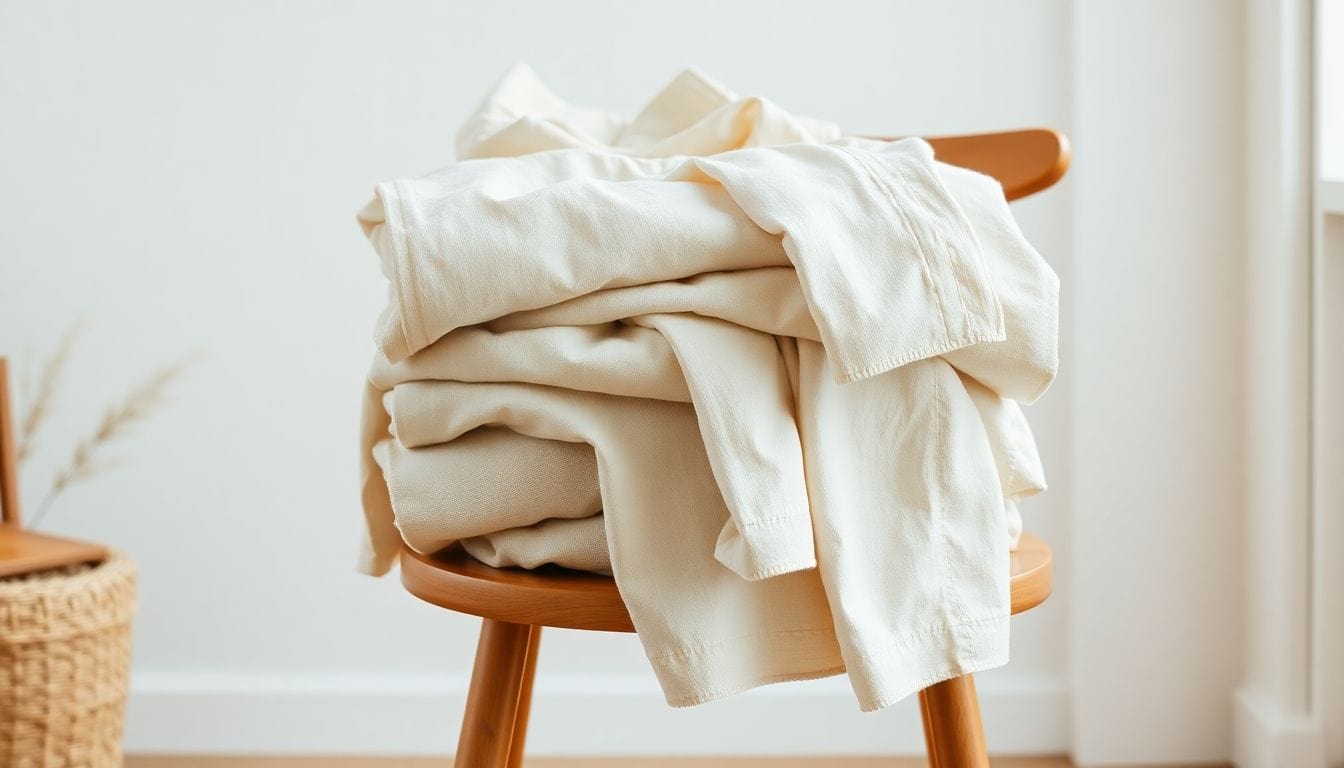
Linen is the most wash-friendly natural fabric — it gets stronger when wet (unlike wool, which weakens when wet) and tolerates warm water, regular detergent, and machine washing. The washing rules for linen are straightforward: 40°C for most garments, 60°C for household linen, gentle cycle, and no high-heat tumble drying. Linen’s main care challenge is wrinkling — it wrinkles severely if left damp too long, and wrinkling can be minimized by removing from the machine immediately and line drying.
Why Linen is the Easiest Natural Fabric to Wash
Linen is made from flax fibers — a cellulose-based fiber similar to cotton, but fundamentally different from protein-based fibers like wool or silk. This distinction matters enormously when it comes to washing. Where wool weakens when wet due to its protein structure and cuticle scales that catch and felt during agitation, linen becomes stronger when wet. Its tensile strength increases by up to 20% in wet conditions, meaning it can withstand vigorous agitation without damage.
Flax fibers measure 25–150 mm in length with a diameter of 12–16 μm — longer and finer than most cotton fibers. They have no cuticle scales, which eliminates the felting risk that makes wool so tricky to launder. Because linen contains no protein structure, it is immune to enzyme damage — the process by which proteolytic enzymes in some detergents break down protein fibers like wool or silk. For linen, you can safely use standard laundry detergents without worrying about enzymatic degradation.
One of linen’s most distinctive qualities is that it improves with washing. Unlike synthetic fabrics that degrade over time, linen becomes softer, more supple, and more comfortable with each laundry cycle. This is a defining characteristic of the fiber — new linen garments often feel slightly stiff, but after 10 or more washes, the fabric develops a coveted fluidity that is one of the reasons linen is prized in clothing and home textiles.
Linen Garments vs. Household Linen: Temperature Guide
Temperature selection for linen depends entirely on the item type. Linen clothing and delicate garments require cooler water to prevent shrinkage and preserve color, while household linen — which must be sanitized and is washed less frequently — can tolerate and benefit from higher temperatures.
| Item Type | Temperature | Cycle | Notes |
|---|---|---|---|
| Clothing (shirts, trousers, dresses) | 40°C | Gentle | Prevents excessive shrinkage; preserves garment shape |
| Lightweight summer garments | 30°C | Gentle | Minimal shrinkage risk; protects fine weaves |
| Bed linen and pillowcases | 60°C | Regular | High temperature sanitizes; removes bacteria and dust mites |
| Tea towels and kitchen linen | 60°C | Regular | Meets food hygiene requirements; removes grease and bacteria |
| Dark or vibrantly colored linen | 30°C | Gentle | Prevents color fading; preserves deep dyes |
Machine Washing Linen: Step-by-Step
Machine washing is the most convenient method for most linen items and, when done correctly, produces excellent results. Follow these steps in order:
- Sort by color. Linen garments can bleed color — especially dark tones and reds — in the first 2–3 washes. Separate white, light, and dark items before loading the machine.
- Check pockets and close fastenings. Remove all items from pockets. Close zips and hooks to prevent snagging. Turn dark garments inside-out to protect the outer face from agitation friction.
- Select the gentle or delicate cycle. This uses less mechanical agitation than the standard wash cycle, reducing stress on the fabric. Linen’s tensile strength is highest when wet, but excessive agitation still causes unnecessary wear.
- Set the temperature. 40°C for garments; 60°C for household linen (bed sheets, tea towels, tablecloths). Do not exceed 60°C — temperatures above this increase shrinkage risk without additional cleaning benefit.
- Use liquid detergent. Powder detergents can leave residue in the linen weave, particularly in high-pile or loosely woven linen fabrics. Liquid detergent dissolves completely and distributes evenly. Standard or “regular” formulations are appropriate — there is no need for specialty detergent.
- Do not overfill the drum. Linen benefits from room to move freely in the wash. A half-full drum (approximately 2.5 kg of laundry in a standard 5 kg machine) allows water and detergent to circulate effectively around each garment.
- Remove immediately after the cycle ends. This is the single most important step for minimizing wrinkles. Linen wrinkles permanently if left damp in the washing drum — the combination of moisture, heat, and compression creates creases that become set and difficult to remove. As soon as the cycle finishes, transfer items to the dryer or hanging space.
- Shake out while damp and line dry or flat dry. Give each garment a firm shake while still wet to redistribute the fibers and reduce creasing. Then hang on a clothesline or lay flat on a clean towel. Both methods allow gravity to naturally smooth the fabric as it dries.
Hand Washing Linen
Hand washing is the appropriate method for delicate linen garments — fine blouses, embroidered linen, vintage linen pieces, or any item with a care label specifying hand wash only. It is gentler than machine washing and gives you full control over agitation and temperature.
- Prepare the bath: Fill a basin or clean sink with cool-to-warm water at 30°C. Add a standard amount of liquid detergent or a small amount of Woolite (formulated for delicate fibers, though it is not required for linen as it is for wool).
- Submerge and soak: Fully submerge the garment. Gently squeeze water through the fabric — do not wring or twist, as this distorts the weave. Allow to soak for 10 minutes. The detergent and water will work through the fabric without mechanical action.
- Rinse thoroughly: Drain the basin and refill with clean water at the same temperature (30°C). Submerge and squeeze again to rinse out all detergent residue. Repeat if necessary until no suds remain.
- Press out water: Linen tolerates pressure far better than wool or silk. Press the garment firmly against the side of the basin or against a clean wall to push water out. Do not wring — the twisting motion can distort the shape.
- Towel roll and dry: Roll the garment in a clean, dry towel to absorb excess moisture, then lay flat or hang to dry. Linen blazers and structured garments should always be reshaped and laid flat to dry to maintain their form.
How to Dry Linen
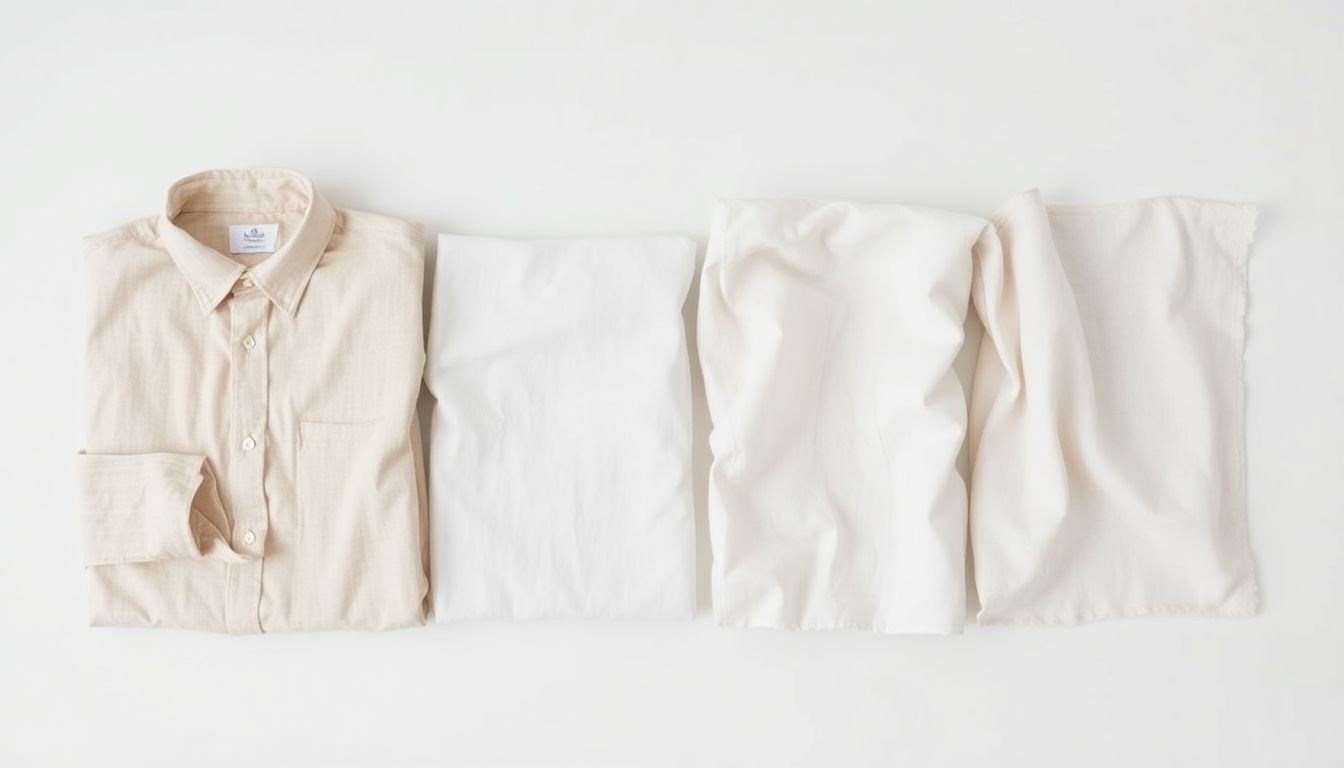
Drying method has a significant impact on linen quality — both on wrinkle levels and on the long-term integrity of the fibers. The best results come from removing linen from the wash immediately and getting it into open air.
Line Drying (Recommended)
Line drying is the gold standard for linen. Hang damp garments on a clothesline or rack in open air. As moisture evaporates, the natural fiber structure of linen actually helps smooth minor wrinkles. Line drying also preserves fiber integrity over time — there is no mechanical action and no heat stress. If drying outdoors, partial shade is preferable for dark or richly colored linen to prevent sun fading.
Flat Drying
For shaped garments — linen blazers, structured dresses, or any item with interfacing or tailoring — lay flat on a clean, dry towel. Reshape while damp, ensuring seams are aligned and pockets are smoothed flat. Flat drying prevents the distorting effect that hanging can have on heavier, structured garments.
Tumble Drying (Use With Caution)
Tumble drying is possible on low heat only and only for sturdy, firmly woven linen items — never for delicate garments or those with embellishments. Remove the item while it is still slightly damp (not fully dry) to prevent over-drying, which causes excessive wrinkling and can induce minor shrinkage of 1–3% on subsequent cycles. Never tumble dry on high heat — temperatures above 70°C in a tumble dryer cause shrinkage of 3–5% and permanently alter the texture to a harsh, stiff hand feel that cannot be restored.
Managing Linen Wrinkles
Wrinkling is a natural characteristic of linen — not a washing error. Because linen fibers are cellulose-based with very low elasticity, they do not spring back into shape after being compressed. When wet, linen is particularly susceptible to permanent creasing. However, linen’s casual, relaxed wrinkle is widely accepted and even fashionable — many linen garments are designed and marketed with an intentionally rumpled aesthetic.
To minimize wrinkles when they are undesirable:
- Remove from the washing machine immediately when the cycle ends — do not leave damp linen sitting in the drum.
- Shake each garment firmly before hanging or laying flat to dry, redistributing fibers and releasing minor creases.
- Line dry in a breezy location — air movement accelerates drying and naturally smooths the fabric.
To remove stubborn wrinkles when ironing is preferred, work while the fabric is still damp. Set the iron to medium-high heat — linen tolerates high temperatures better than most fabrics because of its excellent thermal conductivity. A steam iron is recommended: the combination of heat and steam relaxes the linen fibers and smooths creases effectively. For very stubborn wrinkles, mist the garment with water from a spray bottle, wait two minutes for the moisture to penetrate the fibers, then iron. For more detailed ironing guidance, see our guide to ironing linen.
Linen Softening Over Time
New linen often feels stiff and slightly coarse — this is entirely normal and reflects the nature of the fiber, not a defect. Linen softens progressively with each wash cycle as the pectin binding the flax fibers gradually breaks down and the fiber bundle structure opens up, creating a suppler, more fluid hand feel. After 10 or more washes, most linen garments become noticeably softer and more comfortable against the skin.
To accelerate softening without damaging the fabric:
- Add ½ cup of white distilled vinegar to the rinse compartment of your washing machine. The acetic acid in vinegar neutralizes mineral deposits and residual alkaline detergent that contribute to stiffness. It is not harmful to linen fibers and does not leave a vinegar smell after drying.
- Occasional tumble drying on low heat (even if line drying is your primary method) mechanically softens the fibers through gentle tumbling action and heat. This can be used occasionally to speed up the break-in period.
- Line dry in a breezy outdoor location. Air movement and natural evaporation produce a softer result than drying in still indoor air.
Avoid liquid fabric softener or dryer sheets. While they produce a temporary softening effect, they work by coating the linen fibers with a waxy chemical layer. This coating reduces the fabric’s breathability — one of linen’s most valued properties — and accumulates with each wash cycle, eventually creating a buildup that interferes with the fiber’s natural handle and can cause the fabric to become heavy and less fluid over time.
Frequently Asked Questions
Q: Can linen be washed in hot water?
A: Household linen (bed sheets, tea towels) can be washed at 60°C for sanitizing. Linen garments should be washed at 40°C to prevent shrinkage — linen can shrink 3–5% at high temperatures, primarily in the first wash.
Q: Does linen shrink every time you wash it?
A: Most linen shrinkage occurs in the first 2–3 washes. After that, pre-shrunk linen is dimensionally stable. Buying linen garments one size up accommodates first-wash shrinkage if it is a concern.
Q: How do I get linen soft without fabric softener?
A: Add ½ cup white vinegar to the rinse cycle; use tumble drying on low heat occasionally; line dry in a breezy spot. Repeated washing over time is the most effective softener — linen becomes noticeably softer after 10 or more washes.
References
- Mod Textiles. (n.d.). Linen Fabric Care and Properties. Mod Textiles.
- CottonWorks™. (n.d.). Fabric Care — Care by Fiber Type. CottonWorks™.


