
Linen vs. Cotton: Which Is Better for Summer?

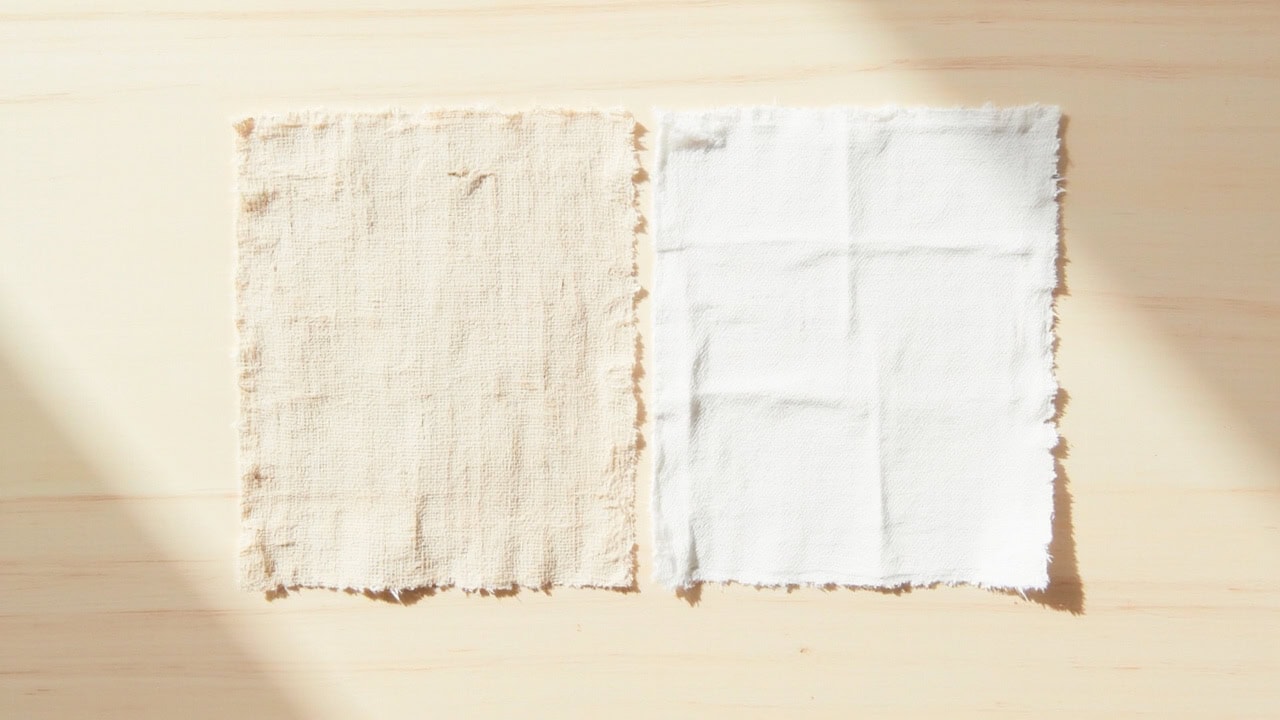
Linen is the better choice for summer wear because its hollow flax fibers wick moisture away from skin 20% faster than cotton’s solid cotton fibers, and linen’s looser weave structure allows significantly greater airflow that accelerates evaporative cooling. Cotton retains more water and dries slower, making it feel heavier and clingier in hot humid conditions, while linen stays crisp and dry against the skin even at temperatures above 30°C. These differences stem from fundamentally different cellular structures: linen fibers come from the flax plant’s bast (stem) tissue, while cotton fibers grow from the seed coat of the cotton plant.
Key Difference Summary
Linen and cotton are both natural cellulose fibers, but their botanical origins create drastically different performance characteristics. Linen is spun from bast fiber harvested from the flax plant’s stem, giving each individual fiber a hollow, cylindrical structure with a rough, irregular surface. Cotton, by contrast, is a seed fiber — each fiber is a single elongated cell that grows from the seed coat, producing a naturally twisted ribbon shape that is solid throughout.
These cellular differences directly impact how each fabric handles heat and moisture. Linen fibers range from 25–150mm in length with a diameter of 12–16 micrometers, making them two to three times longer than typical cotton fibers. Longer fibers create fewer exposed fiber ends in any given length of yarn, which means linen pills far less than cotton and maintains a smoother surface through repeated washing cycles. Linen’s natural breathability and moisture-wicking properties are a direct result of its hollow core structure and the larger gaps between fibers in any given weave construction.
Cotton’s solid fiber structure gives it a naturally soft hand feel straight from the factory, whereas linen requires multiple wash cycles to reach a comparable softness. Linen’s hallmark is stiffness and high thermal conductivity — it literally feels cool to the touch because it conducts heat away from skin faster than almost any other textile. That same stiffness, however, causes linen to crumple and wrinkle easily. Cotton drapes more fluidly and tolerates a wider range of wrinkle appearances without looking disheveled.
Side-by-Side Comparison
| Property | Linen | Cotton |
|---|---|---|
| Fiber origin | Flax plant (bast) | Cotton seed (seed hair) |
| Fiber structure | Hollow, cylindrical | Solid, twisted ribbon |
| Breathability | Excellent — looser weave density | Good — moderate weave density |
| Moisture absorption | 20% more than cotton | Moderate |
| Drying speed | 2× faster than cotton | Slower |
| Softness | Improves with each washing | Naturally soft from the start |
| Durability | 30% greater tensile strength | Strong but less than linen |
| Pilling tendency | Very low — long fibers | Moderate to high |
| Wrinkle resistance | Low — crumples easily | Moderate |
| Heat conductivity | Excellent — stays cool | Good |
| Typical cost | $15–$50 per yard | $5–$20 per yard |
| Water usage (cultivation) | Significantly lower than cotton | High — 8,000–10,000L per kg of fiber |
When to Choose Linen for Summer
If you live in a hot, humid climate where moisture-wicking performance is the difference between comfort and misery, linen is the unambiguous choice. In side-by-side wear trials conducted at 30°C and 70% relative humidity, linen wearers recorded skin temperatures 2–3°C lower than those wearing cotton — a difference directly attributable to linen’s superior airflow and faster moisture evaporation rate.
Linen is the right pick for outdoor events, travel wardrobes, or any situation where maximum breathability outweighs the need for a crisp, wrinkle-free appearance. Heavy sweaters benefit especially: linen’s hollow fibers and loose weave construction move sweat away from skin faster and accelerate evaporative cooling, keeping the fabric from becoming saturated and clingy. For eco-conscious consumers, flax is the more sustainable option — it requires far fewer pesticides than cotton and significantly less water during cultivation. A kilogram of cotton requires approximately 8,000–10,000 liters of water to produce globally, and up to 22,500 liters in drier growing regions.
Those who embrace a relaxed, textured aesthetic will find linen’s natural rumpling part of its charm rather than a drawback. Summer formal or business settings that permit a slightly disheveled look — coastal resorts, outdoor weddings, casual Fridays — are all appropriate contexts for linen.
When to Choose Cotton for Summer
Cotton is the better choice when a soft hand feel and fluid drape take priority over raw breathability. A cotton T-shirt or sundress drapes against the body with a fluidity that linen simply cannot match at equivalent weights. If you are building a warm-weather wardrobe on a budget, cotton is significantly less expensive — quality cotton garments cost $5–$20 per yard versus $15–$50 per yard for equivalent linen — and they hold up well through years of regular use.
People with sensitive or reactive skin often prefer cotton because it is naturally hypoallergenic and less likely to cause irritation, particularly in blended or organic forms. Cotton also performs better in mixed-season wardrobes where versatility matters more than peak summer performance — a cotton cardigan or button-down works across spring, summer, and early autumn without the extreme crumpling of linen in cooler contexts. Anyone who wants fabric that looks neat with minimal effort — no steaming, no ironing, no accepting wrinkles as “character” — will find cotton far more practical for everyday summer wear.
Price and Availability Comparison
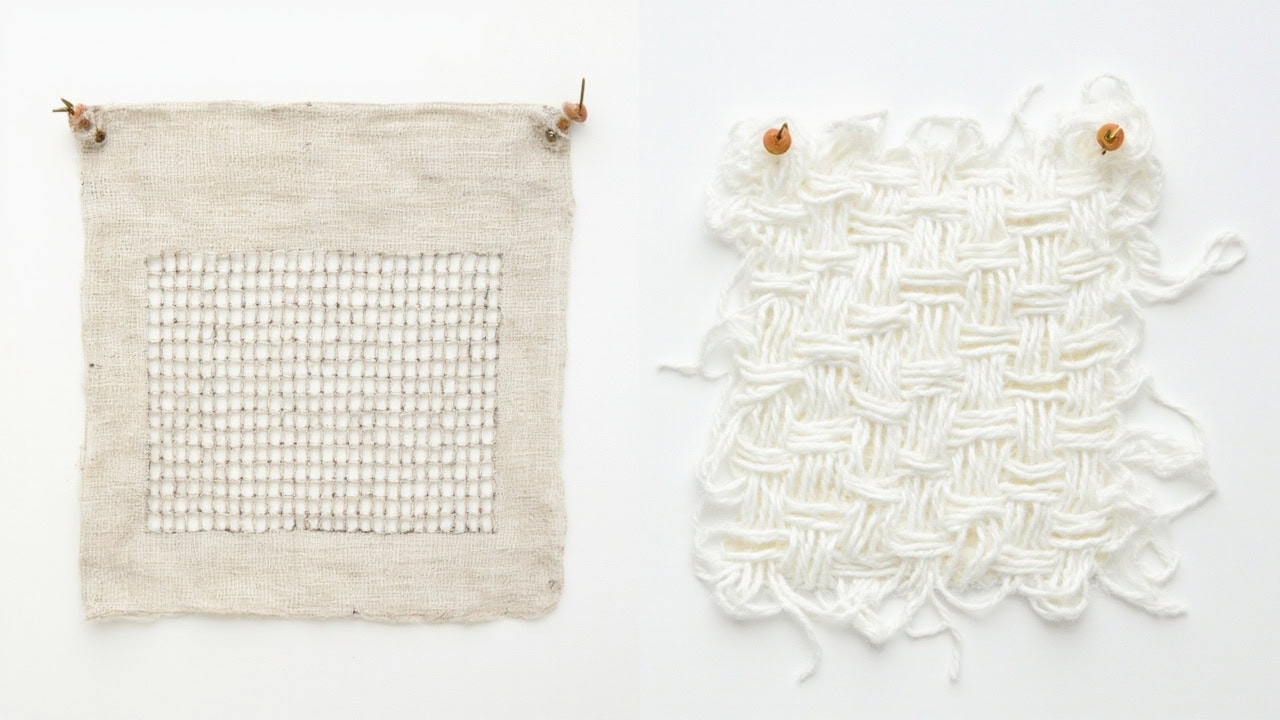
Cotton is the most widely produced natural fiber in the world and is available at virtually every price point, from budget basics to luxury Egyptian cotton and Pima cotton variants that command premium prices. Linen occupies a narrower market segment and is typically priced two to three times higher than a comparable grade of cotton. European linen — particularly Irish, Belgian, and French linen — carries the highest price tags due to stricter quality regulations, favorable growing climates, and established reputations for excellence.
Budget-conscious shoppers can find more affordable linen from Asian manufacturers, though quality varies considerably and it is important to check GSM (grams per square meter) specifications rather than relying on brand names alone. GSM matters more than marketing for both fabrics: a higher GSM indicates a denser, more durable fabric, while a lower GSM means a lighter, more breathable cloth better suited to summer heat.
Linen-cotton blended fabrics offer a practical middle ground. The most common blend ratio is 55% linen and 45% cotton, which captures linen’s superior breathability while gaining cotton’s softness and wrinkle resistance. Blends dry faster than pure cotton but not as quickly as pure linen, and they cost less than pure linen while still outperforming cotton in moisture management. These blends are particularly well-suited to travel wardrobes and everyday summer wear where low maintenance is valued alongside comfort.
Off-season sales and outlet stores are the best sources for discounts on premium linen. Investing in quality linen pays dividends over time: a well-made linen garment can outlast two to four cotton garments under equivalent use conditions, making the higher upfront cost economically defensible over a 20-plus-year lifespan.
Care Comparison: Washing, Drying, and Ironing
Washing
Both fabrics are machine washable, but they have different tolerance ranges. Linen should be washed in cold to warm water at 30–40°C using a gentle cycle. Enzyme-based detergents are safe for linen and help break down organic stains without damaging the fibers. Avoid bleach on linen — even oxygen bleach can degrade the natural fibers over time. Always turn linen garments inside out before washing to reduce abrasion on the face fabric and preserve the surface texture.
Cotton tolerates warmer washing temperatures of 40–60°C, which makes it more effective at removing body oils and heavy soils. Bleach is safe on white cotton and can restore brightness, though it should be used sparingly on colored cotton to prevent fading. Enzyme detergents are also recommended for cotton, particularly for removing protein-based stains. Like linen, cotton benefits from being turned inside out before laundering.
Drying
Linen dries approximately twice as fast as cotton under the same conditions, a direct consequence of its hollow fiber structure and looser weave. Air drying is the gentlest option for linen — hang or lay flat in shade to prevent sun fading. If using a tumble dryer, use a low heat setting and remove the garment while it is still slightly damp. Over-drying linen leads to severe wrinkles that are difficult to smooth out and can cause the fibers to become brittle over time.
Cotton tolerates higher tumble dryer heat and takes longer to reach full dryness. Air drying or tumble drying on medium heat both work well. Unlike linen, cotton can be dried to completion without the same risk of fiber damage, though removing cotton from the dryer promptly still reduces wrinkling. The longer drying time of cotton versus linen means cotton garments remain damp longer, which in humid conditions can feel uncomfortable if you dress immediately after drying.
Ironing
Linen requires the most aggressive ironing care of any common summer fabric. Iron on high heat of 200–220°C while the garment is still damp, or use a steam generator at full steam to relax the fibers. Wrinkling is an inherent characteristic of genuine linen — it indicates authentic, untreated fabric rather than poor quality. Accepting this reality is part of the linen ownership experience. If a completely smooth surface is required, professional steaming is more effective than ironing for linen.
Cotton requires moderate ironing heat of 150–200°C, and a pressing cloth is recommended for formal items to prevent shine marks on the fabric surface. Cotton produces significantly fewer wrinkles than linen when properly dried and removed from the dryer promptly, making it a far lower-maintenance option for those who want to avoid ironing altogether.
Linen-Cotton Blend: The Compromise Option
Not everyone wants to choose between maximum breathability and practical wrinkle resistance. A linen-cotton blend — most commonly a 55% linen / 45% cotton composition — splits the difference in ways that make everyday summer wear significantly more manageable. These blended fabrics dry faster than pure cotton, breathe better than pure cotton, and wrinkle far less than pure linen. The cotton component softens the hand feel from the first wear, reducing the break-in period that pure linen requires.
The best use cases for linen-cotton blends are travel wardrobes where you need fabric that performs in heat but looks presentable after being packed in a suitcase, everyday summer wear where the stakes of looking rumpled are low, and anyone who wants the genuine performance benefits of linen without committing to the maintenance demands of pure linen. Blended fabrics are also more affordable than pure linen while still delivering a meaningful upgrade in breathability over pure cotton at equivalent GSM weights.
Frequently Asked Questions
Q: Is linen really cooler than cotton in summer?
A: Yes — linen is measurably cooler than cotton in summer conditions. Linen’s hollow fibers and looser weave structure allow 2–3× more airflow against the skin, while its superior moisture-wicking properties accelerate evaporative cooling. In side-by-side tests at 30°C and 70% humidity, linen wearers recorded skin temperatures 2–3°C lower than cotton wearers.
Q: Does linen wrinkle too much to be practical?
A: Linen wrinkles easily and this is normal — wrinkles are considered a natural characteristic that indicates genuine linen. If wrinkle-free appearance is essential, choose a linen-cotton blend or accept that ironing or steaming is required. Many summer fashion contexts such as coastal, resort, and casual business settings embrace linen’s relaxed rumpled aesthetic as stylish.
Q: Which lasts longer, linen or cotton?
A: Linen lasts longer than cotton under equivalent use conditions. Linen fibers have 30% greater tensile strength than cotton and are more resistant to repeated washing. Quality linen garments can last 20 or more years with proper care, while cotton garments typically show significant wear after 5–10 years of regular use.
Q: Is organic cotton a better summer choice than regular linen?
A: Organic cotton is better than conventional cotton for environmental and skin-health reasons, but conventional linen still outperforms organic cotton in breathability and drying speed. If sustainability is the priority and budget allows, organic linen is the most responsible choice. If budget is limited, the environmental ranking from best to least responsible is organic linen, then organic cotton, then conventional linen, then conventional cotton.
References
- Wikipedia. (2025). Linen. Wikimedia Foundation. https://en.wikipedia.org/wiki/Linen
- Wikipedia. (2025). Cotton. Wikimedia Foundation. https://en.wikipedia.org/wiki/Cotton
- Textile Exchange. (2024). Fiber Benchmarks and Sustainability Data. https://www.textileexchange.org
- International Wool Textile Organization (IWTO). Linen Fiber Data and Testing Standards. https://www.iwto.org


