
What Is Acrylic Fabric? Pros, Cons, and Wool Comparison

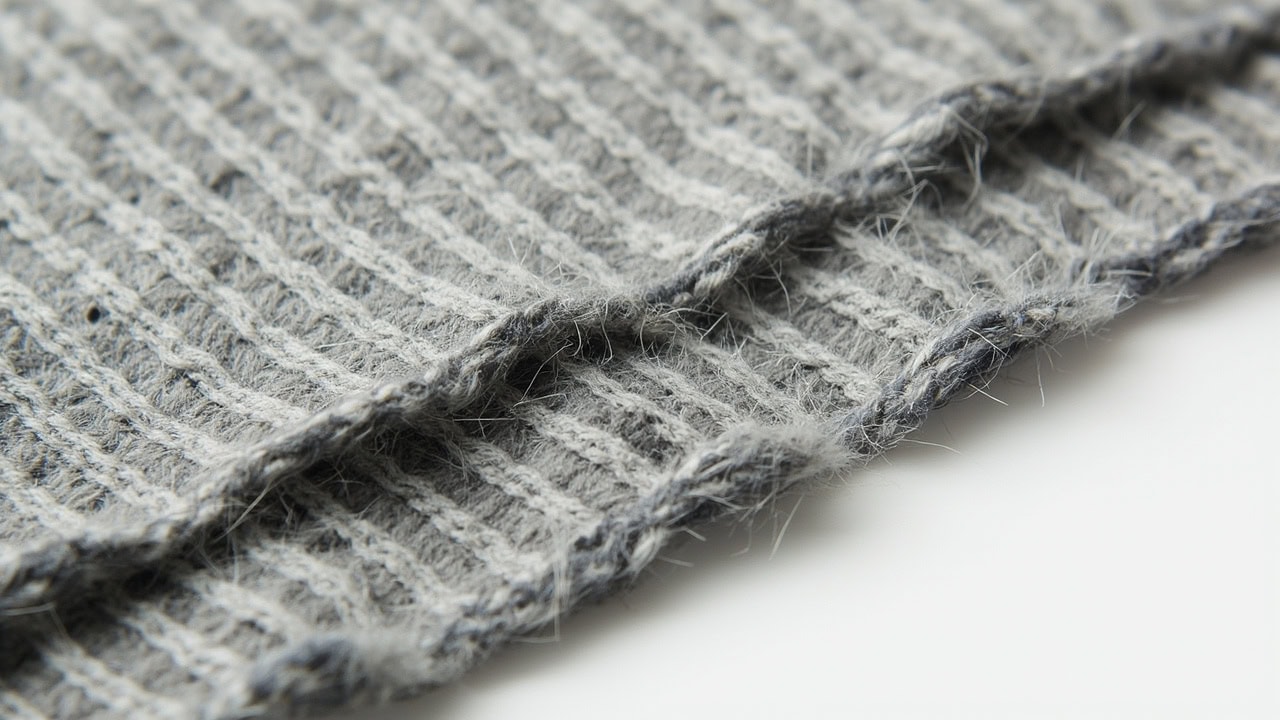
Acrylic fabric is a synthetic fiber derived from polyacrylonitrile polymer, invented in 1941 as the first mass-produced synthetic wool alternative. Acrylic weighs 20–30% less than wool while providing comparable insulation, but it pills with friction, builds static electricity, and cannot match wool’s 20–30 year lifespan or natural moisture management properties.
What Is Acrylic Fabric? Definition and Overview
Acrylic is a synthetic (man-made) fiber—not derived from natural sources like cotton or wool. Its full chemical name is polyacrylonitrile (PAN), and to legally carry the “acrylic” label in the United States, the fiber must contain at least 85% acrylonitrile monomer by weight. The remaining 15% typically consists of comonomers such as vinyl acetate or methyl acrylate, which improve dyeability and processing characteristics.
DuPont commercialized acrylic under the Orlon brand in 1941, making it one of the earliest synthetic fibers developed as a direct alternative to natural wool. The polymer’s average molecular weight is approximately 100,000—roughly 1,900 monomer units per polymer chain—giving it a consistent, uniform structure that natural fibers cannot replicate.
Acrylic serves primarily as a wool substitute in clothing, blankets, and upholstery. As a synthetic fabric type, it belongs to a category of man-made fibers that also includes polyester, nylon, and acetate. Global production stands at approximately 3.5 million metric tons annually, with manufacturing concentrated in the Far East, Turkey, India, Mexico, and South America. Notable brand names include Dralon, Drytex, Acrilan, and Creslan.
How Acrylic Fabric Is Made: Manufacturing Process
The acrylic fiber manufacturing process begins with free-radical polymerization of acrylonitrile monomers in an aqueous suspension, creating polyacrylonitrile polymer with the molecular structure that defines acrylic fiber. This polymerization produces a white, powdery polymer that is then dissolved in a solvent to create the spinning solution, known as “dope.”
Two spinning methods dominate acrylic production. Wet spinning dissolves the polymer in N,N-dimethylformamide (DMF) or aqueous sodium thiocyanate, then forces the solution through a multi-hole spinneret (a metal plate with hundreds of tiny openings) into an aqueous coagulation bath where the fiber precipitates and solidifies. Dry spinning instead dissolves the polymer in acetone and extrudes it into a stream of heated inert gas, where the solvent evaporates and leaves the solid fiber behind.
After spinning, the nascent fibers are stretched (drawn) to align the polymer chains along the fiber axis—a process that dramatically increases tensile strength. The fibers then pass through a crimper, which imparts a wool-like waviness that adds bulk and warmth-trapping air volume. Finally, the fibers are washed to remove residual solvent, dried, and either cut to staple length for blending with other fibers or kept as continuous filament for specialty uses.
Acrylic fibers are manufactured in deniers ranging from approximately 0.9 to 15, and are sold either as cut staple (short lengths, typically 25–100mm) or as tow—a continuous bundle containing 500,000 to 1 million filaments before cutting. Micro acrylic fibers, below 1 denier per filament, provide exceptional softness used in baby clothing and next-to-skin apparel.
Acrylic Fabric Properties Table
| Property | Acrylic | Wool (comparison) |
|---|---|---|
| Fiber type | Synthetic (PAN polymer) | Natural (keratin protein) |
| Weight | Light (1.14–1.18 g/cm³) | Medium (1.32 g/cm³) |
| Warmth retention | Good — traps air in fibers | Excellent — natural crimp structure |
| Breathability | Low — hydrophobic surface | High — moisture absorbing |
| Durability | Moderate (pills with friction) | High (20–30 year lifespan) |
| Moisture absorption | 1–2% (hydrophobic) | 15–17% (hygroscopic) |
| Static buildup | High (electrical resistivity) | Low (natural moisture conductivity) |
| Shrinkage | Minimal (pre-shrunk) | Felting shrinkage if mishandled |
| Cost (raw fiber) | Low ($3–8/lb) | High ($10–25/lb) |
Types of Acrylic Fabric
The acrylic fiber category encompasses several distinct variants engineered for specific performance requirements:
- Standard acrylic: The conventional PAN fiber used in most clothing and home textiles. Modacrylic variants (35–85% acrylonitrile) offer enhanced flame resistance for protective apparel and children’s sleepwear.
- Anti-pilling acrylic: Modified polymer structure through copolymer engineering that reduces the tendency of fiber ends to ball up on the surface. These variants break fewer fibers under friction, maintaining a smoother appearance after repeated laundering.
- Performance acrylic: Engineered with UV-resistant additives and enhanced light-stability compounds for outdoor furniture, marine upholstery, and awnings where prolonged sun exposure is a factor.
- Acrylic blends: Combined with natural and other synthetic fibers. Cotton-acrylic blends improve shape retention and reduce cost; wool-acrylic blends combine warmth with improved machine washability; viscose-acrylic blends enhance drapability and softness.
- Micro acrylic: Filaments below 1 denier in linear density, producing fabrics with a cashmere-like hand and superior softness against the skin. Used in premium baby clothing, loungewear, and high-end knitwear.
Common Uses and Applications
Acrylic dominates several textile categories where its wool-like properties and cost advantage create strong value propositions:
- Sweaters and knitwear: The largest single application. Acrylic sweaters replicate wool’s loft and warmth at 30–50% of the raw material cost, and accept dye readily for vivid, colorfast garments.
- Blankets and throws: The second-largest use. Acrylic blankets provide machine-washable warmth without the felting risks associated with wool, making them ideal for children’s bedrooms and healthcare settings.
- Upholstery fabric: Both indoor furniture and outdoor applications use acrylic for its UV resistance, mildew resistance, and rapid drying. Performance acrylic upholstery can withstand prolonged sun exposure that degrades natural fibers.
- Fake fur and plush toys: Acrylic’s moldable quality, ease of dyeing, and uniform fiber structure enable realistic synthetic fur fabrics and soft toys that are machine washable and hypoallergenic.
- Industrial fabrics: Filter media, awnings, boat covers, and tarpaulins benefit from acrylic’s weather resistance and structural consistency across large production runs.
- Athletic knitwear and outdoor base layers: Lightweight acrylic jerseys and base layers offer quick-drying performance for moderate-output activities where full synthetic wicking fabrics would be overkill.
Pros of Acrylic Fabric
Acrylic offers a compelling combination of practical advantages that explain its widespread adoption across consumer and industrial textiles:
- Affordable: Raw acrylic fiber costs 30–50% less than wool, translating to finished garments that are accessible at mass-market price points without sacrificing the visual appearance of quality knitwear.
- Lightweight: At 1.14–1.18 g/cm³, acrylic is noticeably lighter than wool (1.32 g/cm³), making acrylic sweaters and blankets easier to wear, transport, and store.
- Quick-drying: Due to its hydrophobic nature (only 1–2% moisture absorption), acrylic dries approximately 50% faster than cotton and significantly faster than wool, which must air-dry slowly to avoid shrinkage.
- Machine washable: Unlike wool, acrylic tolerates machine washing at warm temperatures without felting or shrinking, provided care label instructions are followed.
- Colorfast: Acrylic accepts dye deeply and uniformly, producing vibrant colors that resist fading through repeated laundering and UV exposure better than many natural fibers.
- Shape retention: Acrylic fibers recovery from deformation better than viscose, maintaining garment shape and resisting wrinkles during wear, storage, and washing.
- Mildew resistant: The hydrophobic polymer does not support mold or mildew growth, making acrylic suitable for damp environments where natural fibers would deteriorate.
- UV resistant: Acrylic withstands prolonged ultraviolet radiation without significant degradation, making it suitable for outdoor applications where other fibers would yellow and weaken.
- Consistent quality: Manufactured under controlled chemical processes, acrylic exhibits uniform fiber diameter, length, and color that varies far less than natural fibers subject to agricultural conditions.
Cons of Acrylic Fabric
Despite its many advantages, acrylic fabric carries significant drawbacks that limit its suitability for certain applications:
- Pills with friction: Acrylic fiber ends break under repeated rubbing and tangle into small balls (pills) on the fabric surface. High-pilling areas appear on sleeves, underarms, and anywhere garments experience contact friction. Anti-pilling treatment options and fabric shavers can manage existing pills on worn garments.
- Static electricity buildup: The hydrophobic polymer surface has high electrical resistivity, causing acrylic to accumulate static charges that produce fabric cling, uncomfortable shocks, and attraction of lint and hair.
- Poor breathability: Acrylic traps heat and moisture against the skin more than natural fibers. The hydrophobic surface does not absorb perspiration, creating a clammy feeling during physical activity or warm weather wear.
- Not biodegradable: Polyacrylonitrile is a petroleum-derived polymer that persists in landfills for 200 or more years. End-of-life disposal of acrylic garments represents a long-term environmental liability.
- Lacks natural hand: While acrylic mimics wool’s loft and warmth visually, it does not achieve the same luxurious tactile quality (hand) that natural fibers provide—the difference is perceptible to many consumers.
- Microplastic shedding: Acrylic releases a significant quantity of microplastic fibers during laundering. Research from Plymouth University measured approximately 730,000 synthetic microfibers released per wash cycle from acrylic fabric—five times more than polyester-cotton blend and approximately 1.5 times more than pure polyester. These microplastics enter waterways and have been detected in marine organisms, coastlines, and drinking water.
- Lower durability than wool: While adequate for budget and mid-market applications, acrylic does not match wool’s 20–30 year service life in comparable garments, degrading faster through repeated mechanical wear and laundering cycles.
- Heat sensitive: Acrylic softens at approximately 260°C (500°F) and can fuse or melt if exposed to higher temperatures, meaning ironing requires a pressing cloth on the lowest heat setting. This also means acrylic garments can be damaged by high-heat drying or accidental exposure to flame.
Acrylic vs. Wool: Direct Comparison
Both acrylic and wool serve as warm, soft fibers used in sweaters, blankets, and knitwear, but their performance characteristics diverge significantly across key dimensions:
Choose acrylic when:
- Budget is the primary constraint — acrylic garments typically cost 30–50% less than comparable wool pieces.
- Machine washability is required — acrylic tolerates home laundering without special care products or hand-washing.
- Lightweight warmth is preferred — acrylic’s lower density provides comparable insulation at lower garment weight.
- Color vibrancy and colorfastness are priorities — acrylic accepts a wider range of dyes and maintains color intensity through repeated washing.
- Quick-drying performance is needed — acrylic’s hydrophobic nature makes it the practical choice for travel, outdoor use, and damp environments.
Choose wool when:
- Natural fiber and sustainability are priorities — wool is biodegradable, renewable (sheep produce new fleece annually), and has a lower overall environmental footprint across its lifecycle.
- Long-term durability is required — quality wool garments last 20–30 years with proper care, significantly outlasting acrylic equivalents.
- Moisture management and breathability matter — wool absorbs up to 15–17% of its weight in moisture without feeling damp, while acrylic’s 1–2% absorption leaves moisture on the surface.
- Odor resistance is important — lanolin in wool provides natural antibacterial properties that allow wool garments to be worn multiple times before washing, unlike acrylic which retains odors.
- Water resistance is needed — lanolin-treated wool provides inherent water repellency for outdoor and wet-weather applications that acrylic cannot match.
- Natural temperature regulation is desired — wool’s crimped fiber structure and moisture absorption enable active temperature regulation, keeping wearers comfortable across a wider range of conditions.
For quality investment pieces that will last decades, wool is the clear choice. For budget-friendly, low-maintenance everyday wear, acrylic delivers wool’s aesthetic at a fraction of the cost.
How to Care for Acrylic Fabric
Acrylic’s care requirements are straightforward compared to natural fibers, but specific practices preserve appearance and extend garment life. For a full guide to caring for acrylic and other synthetic materials, see our guide to washing synthetic fabrics.
- Machine wash cold or warm: Water temperatures above 40°C (104°F) can cause acrylic fibers to relax and lose shape permanently. Stick to cold or warm cycles (30–40°C) for most acrylic garments.
- Use gentle cycle with mild detergent: Harsh detergents and aggressive agitation accelerate fiber breakage and pilling. A mild, pH-neutral detergent formulated for synthetic fabrics works best.
- Avoid fabric softener: Liquid fabric softeners coat synthetic fibers with a waxy residue that reduces breathability, increases static buildup once the coating wears off unevenly, and can cause skin irritation. Instead, use a dryer sheet designed for synthetics or add white vinegar to the rinse cycle for natural softening.
- Air dry preferred: Remove garments promptly after washing and lay flat or hang to air dry. If tumble drying is necessary, use the lowest heat setting and remove items immediately to prevent static charging.
- Iron on lowest heat with pressing cloth: Direct contact with a hot iron at high heat will melt acrylic fibers, creating shiny spots or permanent damage. Always use a pressing cloth between the iron and the garment, and never use steam on acrylic.
- Use anti-pilling sprays and tools: Fabric shavers and de-pilling combs remove accumulated pills from worn acrylic garments, restoring a smoother appearance. Anti-pilling sprays provide temporary protection on new garments.
- Wash inside out: Turning garments inside out before washing reduces surface friction against the drum and other items, significantly slowing pilling formation on the visible face of the fabric.
- Use a microfiber capture bag: To reduce microplastic shedding entering waterways, launder acrylic garments inside a Guppyfriend wash bag or similar microfiber-catching laundry bag. Studies show these bags capture 80–90% of microplastic fibers that would otherwise escape into wastewater.
Environmental Considerations
Acrylic fabric presents environmental challenges across its lifecycle that are important to understand:
- Petroleum-derived raw material: Acrylic is synthesized from acrylonitrile, which is derived from propylene and ammonia—both petroleum and natural gas derivatives. This gives acrylic a higher carbon footprint at the raw material stage compared to natural fibers from renewable agricultural sources.
- Microplastic pollution: Each wash cycle releases 100,000–730,000 microplastic fibers from acrylic garments, depending on garment age, wash conditions, and fabric construction. These microfibers pass through wastewater filtration systems and enter rivers, oceans, and ultimately the food chain. Ecologist Mark Browne’s research documented synthetic fiber concentrations along coastlines globally, with approximately 85% of man-made debris on shorelines consisting of microfibers matching clothing fiber types, including acrylic.
- Not biodegradable: PAN polymer does not decompose under normal environmental conditions. Acrylic garments discarded in landfills persist for 200 or more years, contributing to long-term solid waste accumulation.
- Limited recycling infrastructure: While some acrylic manufacturers have developed closed-loop recycling programs that reprocess production waste back into new fiber, consumer-level acrylic recycling infrastructure remains limited globally. Acrylic cannot typically be recycled through standard municipal textile recycling streams.
- Recycled acrylic alternatives: Emerging sustainable options include recycled acrylic (r acrylic) produced from post-consumer acrylic waste or repurposed plastic bottles, reducing virgin petroleum demand. Brands using r acrylic claim a 50–80% reduction in carbon footprint compared to virgin acrylic. Recycled acrylic retains the same performance properties as virgin material.
Frequently Asked Questions
Q: Is acrylic fabric good quality?
A: Acrylic fabric is good quality for its price point — it provides wool-like warmth and appearance at 30–50% of the cost. However, it is less durable than wool (pills with friction), lacks breathability, and is not biodegradable. For budget-conscious, low-maintenance applications, acrylic is excellent; for long-term investment pieces or natural fiber preferences, wool is superior.
Q: Does acrylic fabric pill?
A: Yes — acrylic fabric pills with friction and repeated wear. Pilling occurs when fiber ends break and tangle into small balls on the fabric surface. Anti-pilling acrylic varieties (modified polymer structure) reduce but do not eliminate pilling. Turning garments inside out during washing and using fabric shavers can manage existing pills.
Q: Is acrylic better than wool?
A: Acrylic and wool each have distinct advantages. Acrylic is more affordable, machine washable, quick-drying, and lightweight. Wool is more durable (20–30 year lifespan), naturally breathable, moisture absorbing, temperature regulating, and biodegradable. Wool wins for quality investment pieces and natural fiber preferences; acrylic wins for budget and convenience.
Q: Can acrylic fabric cause skin irritation?
A: Acrylic fabric can cause skin irritation in some people, particularly those with sensitive skin or acrylic allergy (a recognized textile contact allergen). Acrylic is less irritating than wool for people with wool sensitivity since it lacks lanolin. However, its low breathability can trap heat and moisture against skin, causing discomfort for some wearers.
References
- Browne, M. A. et al. (2011). Accumulation of Microplastic on Shorelines Worldwide: Sources and Sinks. Environmental Science & Technology, 45(21), 9175–9179. ResearchGate.
- DeArmitt, C. (2014). Acrylic Fiber. CottonWorks (Cotton Incorporated).
- Nair, G. R., & Kumar, S. (2016). Acrylic Fiber — Wikipedia. Wikimedia Foundation.
- Plymouth University. (2016). Microplastics in the Marine Environment. Plymouth University Marine Institute.


