
What Is Modal Fabric? Beechwood Fiber Properties and Care

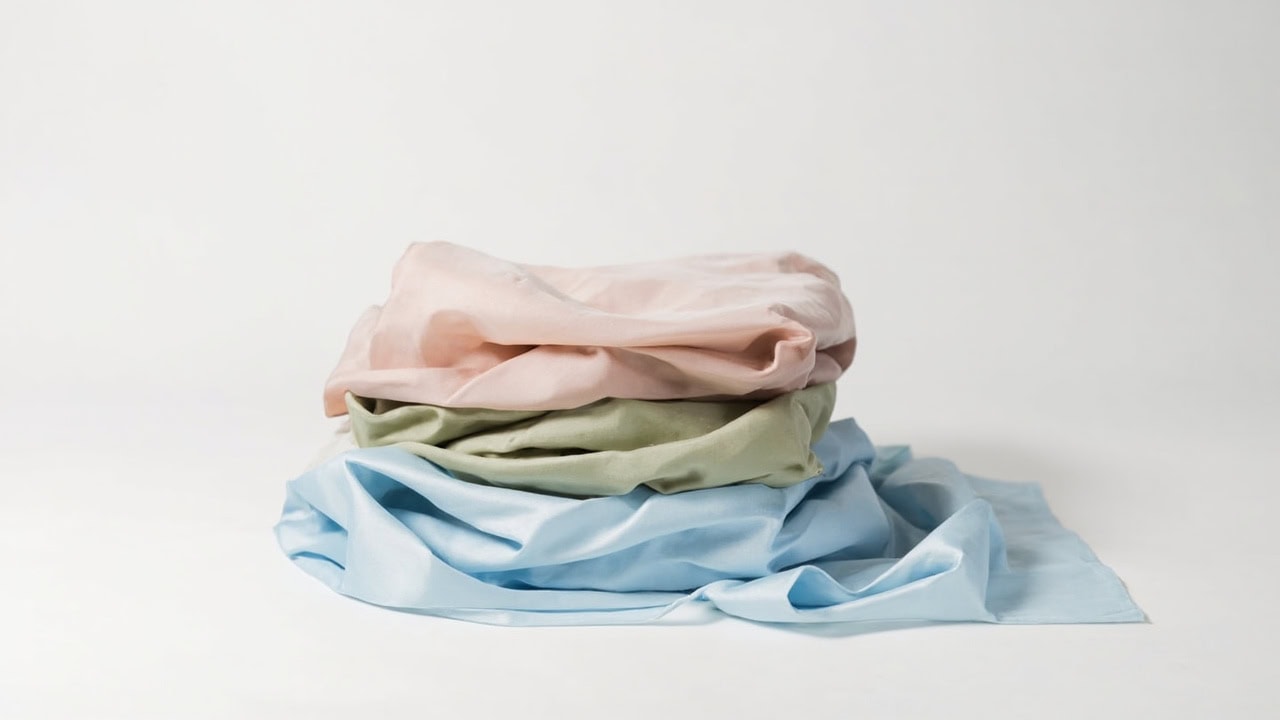
Modal is a semi-synthetic fiber made from beechwood pulp through a solvent-spinning process that dissolves wood cellulose in N-methylmorpholine N-oxide (NMMO) — a closed-loop system that recycles 99% of the solvent. First developed by Lenzing AG in 1951 and branded as Modal in 1977, modal fibers are 50% more hygroscopic than cotton, maintaining their softness and color vibrancy through 50+ wash cycles without the pilling tendency of standard viscose. This makes modal an exceptional choice for garments that demand long-lasting comfort, moisture management, and durable vibrant colors.
What Is Modal Fabric? Definition and Overview
Modal is a type of cellulose fiber classified as semi-synthetic rayon — technically referred to as “modal rayon.” It is made from beechwood pulp, combining a natural cellulose source with chemical processing to create enhanced performance properties that surpass standard viscose. Developed by Austrian company Lenzing AG, modal was originally patented under the name “howol” before being rebranded as Modal in 1977. Today, multiple manufacturers produce modal fibers under various trade names, though Lenzing remains the industry leader.
The primary appeal of modal lies in its ability to combine natural fiber aesthetics with engineered performance. The fiber’s molecular structure is stretched during production, aligning cellulose chains along the fiber axis for improved tenacity and fineness. This alignment gives modal its characteristic soft handle, high dimensional stability, and resistance to pilling — properties that differentiate it from standard viscose and make it suitable for next-to-skin garments requiring sustained comfort.
How Modal Is Made: The NMMO Solvent-Spinning Process
The production of modal fiber follows a solvent-spinning process that distinguishes it from conventional viscose manufacturing. Beechwood logs are first debarked and mechanically chipped, then pulp is extracted through the kraft process — a chemical pulping method that separates cellulose fibers from lignin. This cellulose pulp serves as the raw material for modal production.
The critical difference between modal and standard viscose lies in the solvent used. While conventional viscose rayon employs carbon disulfide (CS₂) to dissolve cellulose, modal production uses N-methylmorpholine N-oxide (NMMO). The NMMO process is fundamentally safer and more environmentally responsible: it is a closed-loop system where approximately 99% of the solvent is recovered and recycled back into the production cycle, eliminating the release of harmful sulfur compounds associated with traditional viscose manufacturing.
In the NMMO process, cellulose pulp is dissolved in the NMMO solvent at elevated temperatures to form a homogeneous solution. This solution is then extruded through precision spinnerets into cool air, where the solvent is extracted by a water bath, causing the cellulose to precipitate as continuous filaments. These filaments are subsequently stretched — typically to 1.3 to 1.5 times their original length — to orient the molecular chains and increase fiber tenacity. The stretched fibers are then washed thoroughly to remove any residual solvent, dried, and cut to staple length for spinning into yarn.
This controlled stretching process gives modal its characteristic high tenacity and fine dtex (linear mass density). The resulting fibers exhibit a smooth, rounded cross-section that contributes to modal’s famously soft handle and reduced propensity for pilling compared to cotton or standard viscose.
Modal vs. Other Fibers: Key Properties Comparison
Understanding how modal performs relative to other common textiles helps clarify its strengths and ideal applications. The following comparison highlights modal’s position among conventional and synthetic fibers.
| Property | Modal | Cotton | Standard Viscose | Polyester |
|---|---|---|---|---|
| Absorbency | High (50% > cotton) | Medium | High | Very low |
| Softness | Excellent (0.8 dtex fineness) | Good | Medium | Poor |
| Breathability | High | High | High | Low |
| Durability | Good (wet strength retention) | Good | Poor | Excellent |
| Color retention | Excellent | Medium | Poor | Excellent |
| Pilling resistance | Good | Medium | Poor | Good |
| Shrinkage | Minimal (3–5%) | Moderate (5–10%) | High (10–15%) | Minimal |
| Heat sensitivity | Moderate (170°C) | High | Moderate | High |
Modal’s 0.8 dtex fineness significantly outperforms cotton (1.5–2.0 dtex) and even approaches the ultra-fine MicroModal variant at 0.9 dtex. This fineness translates directly to a softer hand feel — the finer the fiber, the silkier the fabric surface. In terms of hygroscopic properties, modal absorbs 50% more moisture than cotton by weight, making it superior for moisture management in intimate apparel and activewear. Meanwhile, its resistance to shrinkage (3–5%) dramatically outpaces standard viscose (10–15%) and competes favorably with polyester.
Types and Varieties of Modal Fabric
Modal fabric is available in several variants, each tailored to specific end-use requirements. Understanding these varieties helps in selecting the appropriate material for a given application.
Pure Modal
Composed of 100% modal fibers, pure modal delivers maximum softness and colorfastness. It is commonly used in intimate apparel, luxury loungewear, and premium bedding where the full softness of the fiber is desired without compromise from other materials.
Modal/Cotton Blends
Typical blend ratios range from 50/50 to 40/60 (modal/cotton). These blends combine modal’s softness and moisture-wicking properties with cotton’s structural integrity and breathability. The result is a fabric well-suited for activewear, everyday clothing, and garments requiring both comfort and durability.
Modal/Lycra (Spandex) Blends
Adding Lycra (elastane) to modal creates fabrics with stretch and recovery properties essential for form-fitting garments. These blends dominate the underwear, activewear, and shapewear markets where 4-way stretch and shape retention are critical.
MicroModal
MicroModal represents the ultra-fine variant of modal at approximately 0.9 dtex — even finer than standard modal’s 0.8 dtex. This exceptional fineness creates an impossibly soft hand feel approaching silk. MicroModal is the material of choice for fine underwear, luxury loungewear, and premium sleepwear where next-to-skin comfort is paramount.
TENCEL™ Modal
TENCEL™ Modal is Lenzing’s branded version, produced under stricter environmental standards and certified by recognized sustainability frameworks. Wood pulp is sourced exclusively from certified sustainable forests (FSC and PEFC certified), and the production process generates 50% lower emissions than standard viscose. TENCEL™ Modal represents the premium sustainable choice for eco-conscious brands.
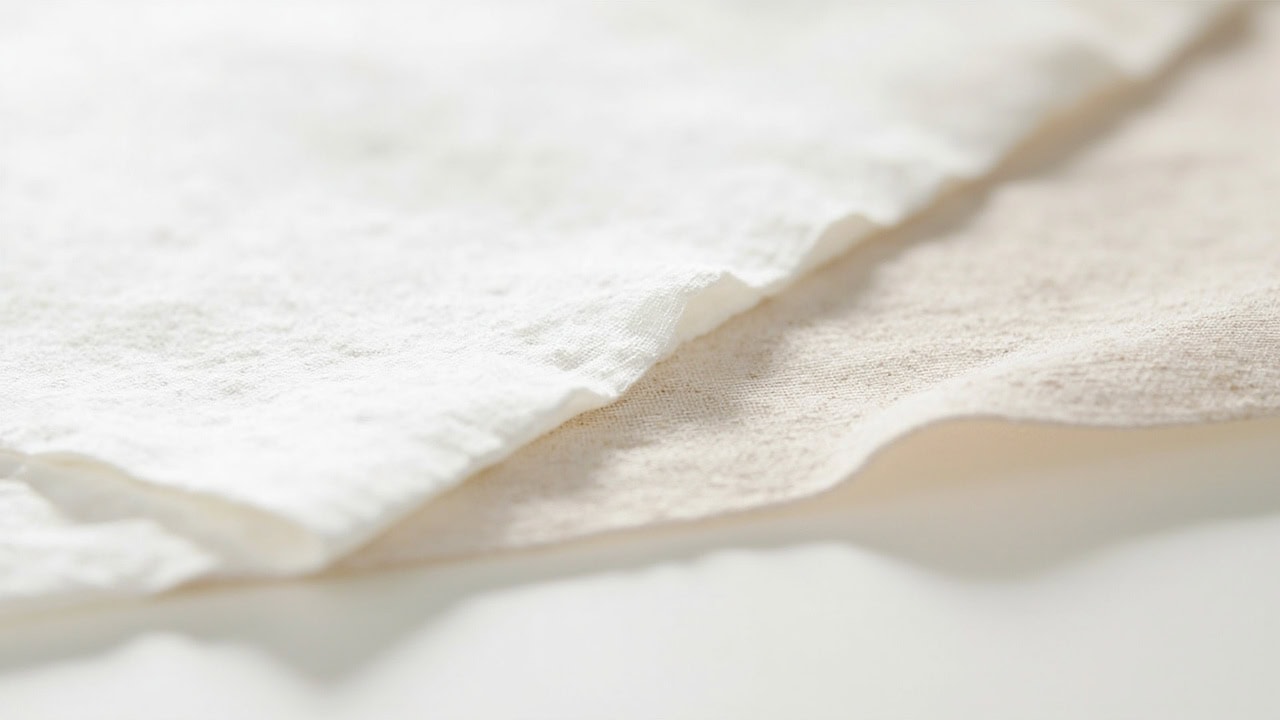
Common Uses and Applications
Modal’s combination of softness, moisture management, and durability makes it versatile across numerous textile applications. Its hygroscopic properties excel particularly in garments designed for prolonged skin contact.
- Intimate apparel: Underwear, bras, panties — modal’s exceptional softness and high moisture absorption provide all-day comfort without the irritation common with coarser fibers.
- Loungewear and sleepwear: Pajamas, robes, nightgowns — breathable modal regulates temperature and feels gentle against skin, making it ideal for rest and relaxation wear.
- Activewear: T-shirts, leggings, sports bras — modal’s moisture-wicking capabilities keep skin dry during exercise while its dimensional stability ensures garments maintain their shape through repeated wear and washing.
- Bedding: Sheets, duvet covers — modal retains its softness through 50+ wash cycles, outlasting many cotton alternatives while providing a smooth, luxurious sleeping surface.
- T-shirts and casual tops: Often in modal/cotton blends for a flattering drape and year-round comfort in everyday wardrobe essentials.
- Bathrobes: High absorbency paired with quick-drying properties makes modal an excellent choice for plush robes that feel soft against skin post-shower.
Pros and Cons of Modal Fabric
Like all textile materials, modal presents a trade-off profile that designers, manufacturers, and consumers should understand when selecting appropriate fabrics for specific applications.
Advantages of Modal
- Exceptional softness: At 0.8 dtex fiber fineness, modal is significantly finer than cotton (1.5–2.0 dtex), producing a luxuriously soft hand feel that improves with each wash.
- Superior moisture management: Modal absorbs 50% more moisture than cotton by weight, wicking perspiration away from skin for sustained comfort in warm conditions or during physical activity.
- Excellent colorfastness: Modal fibers accept dye readily and retain color vibrancy through 50+ wash cycles without fading, maintaining garment appearance over time.
- Minimal shrinkage: With shrinkage of only 3–5% after first washing, modal outperforms cotton (5–10%) and dramatically outperforms standard viscose (10–15%), providing dimensional stability that simplifies care routines.
- Reduced pilling: Modal pills less than standard viscose due to its smoother filament structure and lower surface friction, maintaining a smooth fabric appearance longer.
- Eco-friendly production: The closed-loop NMMO process recovers and recycles 99% of the solvent, producing significantly fewer pollutants than carbon disulfide-based viscose manufacturing. TENCEL™ Modal additionally uses FSC/PEFC-certified wood pulp and generates 50% lower emissions.
- Biodegradability: Under correct conditions (industrial composting, soil burial), modal is biodegradable, returning to nature without persistent microplastic pollution.
Disadvantages of Modal
- Higher cost: Modal commands a price premium over cotton and standard viscose, reflecting its more complex manufacturing process and performance advantages. Garments priced at the higher end of the market may limit accessibility for cost-sensitive consumers.
- Lower dry tensile strength than polyester: While modal outperforms standard viscose in wet strength retention, it cannot match polyester’s robust tenacity when dry, limiting its use in high-abrasion applications.
- Heat sensitivity: Modal begins to scorch or melt at temperatures exceeding 170°C, requiring careful ironing, pressing, and tumble-drying practices that may surprise users accustomed to more heat-tolerant synthetics.
- Weaker when wet: Although modal retains more strength when wet than standard viscose, it is structurally weaker in wet states — a consideration for laundering heavy or densely constructed garments.
- Requires careful care: Optimal maintenance of modal garments demands specific practices — cold washing, mild detergents, low-heat drying — that require consumer education and attention to care labels.
- Energy and chemical use: Despite its environmental advantages over standard viscose, modal production still requires chemical processing and substantial energy input, making it less sustainable than organic cotton grown without chemical fertilizers or pesticides in some impact categories.
Caring for Modal Fabric
Proper care practices preserve modal’s softness, color, and dimensional stability over the garment’s lifespan. Following these guidelines ensures optimal performance and longevity.
- Machine wash cold (30°C/86°F): Heat damages modal fibers and accelerates color fading. Always select the gentle or delicate cycle with cold water to maintain fiber integrity and garment appearance.
- Use mild liquid detergent: Powder detergents may contain harsh alkalis or optical brighteners that degrade modal fibers and strip dye. Liquid detergents dissolve completely and are gentler on the fiber matrix.
- Avoid bleach and fabric softeners: Both coatings reduce modal’s natural moisture-wicking properties and can cause fiber degradation over time. If whitening is needed, use oxygen-based bleaches sparingly.
- Tumble dry low or line dry: High heat causes shrinkage and fiber damage in modal. Remove from the dryer promptly while still slightly damp to prevent over-drying, or hang garments to air dry naturally.
- Iron on low heat (below 150°C): If ironing is necessary, use a synthetic/cool setting, iron on the reverse side, and employ a pressing cloth to prevent shiny marks. Steaming is a safer alternative for wrinkle removal without heat damage risk.
- Address pilling as needed: While modal pills less than viscose, it may develop pills over time, particularly in high-friction areas. Use a fabric shaver or de-pilling comb to restore a smooth surface.
- Store folded or hung appropriately: Modal is dimensionally stable, so it resists stretching and distortion. Fold heavier garments like sweaters; hang lighter items like blouses and dresses to prevent creasing.
Modal’s resilience to pilling makes it a low-maintenance option compared to standard viscose, but it still benefits from the occasional use of a fabric shaver to maintain its smooth appearance. For more detailed guidance on maintaining modal garments, see our complete guide to how to wash modal fabric.
Frequently Asked Questions
Q: Is modal fabric better than cotton?
A: Modal offers specific advantages over cotton: it is softer (finer fiber at 0.8 dtex versus cotton’s 1.5–2.0 dtex), more absorbent (50% higher moisture absorption), holds color better through washes, and resists shrinkage better (3–5% versus 5–10%). However, cotton is more durable when dry, more heat-resistant, and costs less. Modal is the better choice for next-to-skin comfort items like underwear and loungewear; cotton may be preferred for durable everyday garments and hot-climate clothing.
Q: Is modal eco-friendly?
A: Modal produced via the NMMO process is more eco-friendly than standard viscose (which uses carbon disulfide) — the closed-loop system recovers 99% of the solvent. Lenzing’s TENCEL Modal also uses wood from certified sustainable forests (FSC/PEFC) and produces 50% lower emissions than standard viscose. However, it still requires chemical processing and more energy than organic cotton, so it is not the most sustainable option overall — but significantly better than standard synthetic fibers.
Q: Does modal fabric shrink?
A: Modal has minimal shrinkage — typically 3–5% after first wash, far less than cotton (5–10%) or standard viscose (10–15%). This dimensional stability is one of modal’s key advantages. To minimize shrinkage: always wash cold, avoid high heat drying, and remove from dryer promptly.
Q: Can you iron modal fabric?
A: Yes, but carefully — modal is sensitive to heat above 170°C. Use a low iron setting (synthetic/cool), iron on the reverse side, and use a pressing cloth to prevent shiny marks. Steaming is a safer alternative for removing wrinkles without risk of scorching or melting the fibers.
References
- Lenzing AG. (2024). TENCEL™ Modal Product Information. Lenzing AG.
- Cotton Incorporated. (2024). Modal Fiber: Technical Specifications and Properties. Cotton Works.
- Wikipedia. (2024). Rayon. Wikipedia.


