
What Is Spandex (Elastane) Fabric? Properties and Uses

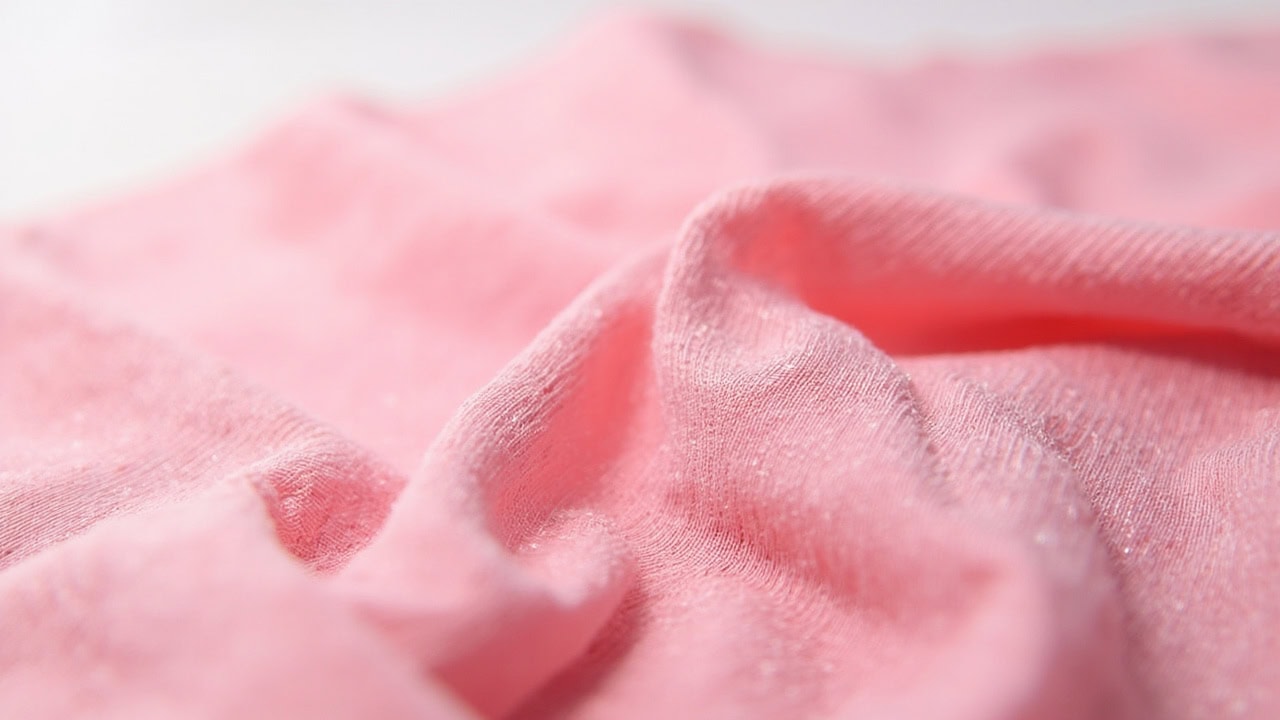
Spandex (elastane) is a polyurethane-based synthetic fiber invented in 1958 that can stretch 5–8 times its original length while retaining its shape — the highest elastic recovery of any textile fiber. First commercialized as Lycra by DuPont in 1962, spandex is composed of at least 85% polyurethane by weight and is prized for its exceptional elasticity, durability, and resistance to body oils and sweat, making it the dominant stretch fiber in performance apparel, activewear, swimwear, and compression garments.
What Is Spandex? Definition and Overview
Spandex — scientifically known as elastane — is a synthetic fiber composed of at least 85% polyurethane by weight. The name “spandex” is an anagram of “expands,” directly reflecting the fiber’s core property of extraordinary stretchability. In North America, the term “spandex” is the standard designation, while the international textile community — following ISO 2076 — refers to this same fiber as “elastane.”
The fiber was originally developed during World War II as a replacement for rubber in ammunition production, driven by the need to conserve natural rubber supplies. After years of refinement, chemist Joseph Shivers at DuPont perfected the fiber in 1958, initially calling it “Fiber K” before its commercial debut as Lycra in 1962. In Europe, the Bayer company marketed an equivalent fiber under the brand name Dorlastan.
The first commercial textile application came in 1959, appearing in women’s hosiery where it revolutionized fit and comfort. Since then, spandex has become the dominant stretch fiber in any garment requiring shape retention, fit flexibility, and freedom of movement. By 2010, an estimated 80% of clothing sold in the United States contained spandex in some form.
How Spandex Is Made: The Manufacturing Process
Spandex is produced through a spinning process that transforms polyurethane polymer solutions into fine elastic fibers. The method most commonly used in high-quality spandex production is dry spinning, where the polyurethane polymer is dissolved in a solvent (typically dimethylacetamide), extruded through spinnerets — very fine holes — and then heated to evaporate the solvent, leaving behind solid fiber strands.
Two primary production methods exist. Melt extrusion involves heating polyurethane pellets and forcing them through spinnerets; this method is less expensive but produces lower-quality fiber with reduced elasticity and consistency. Wet spinning — where the polymer solution is extruded into a coagulation bath — is rare and reserved for specialty applications.
The resulting fiber has a segmented polyurethane structure: hard segments provide tensile strength and dimensional stability, while soft segments enable the characteristic elastic stretch and recovery. DuPont’s Lycra uses a proprietary copolymer of polytetramethylene glycol and methylenebis(phenyl isocyanate), creating a polyether-polyurea copolymer chain.
After extrusion, the fiber is cured, stretched to orient the polymer chains, and wound onto spools. The degree of stretching during manufacturing directly affects the fiber’s final elastic properties and tenacity.
Spandex vs. Elastane vs. Lycra: What’s the Difference?
These three terms cause confusion, but they all describe the same polyurethane-based elastic fiber — just from different perspectives. Spandex is the generic term used in the United States, derived from “expands” by rearranging its letters. Elastane is the international standard name, adopted by the International Organization for Standardization (ISO 2076), making it the preferred term in Europe and most other countries. Lycra is simply the brand name DuPont uses for its specific spandex product — the most recognized commercial spandex brand worldwide.
Other notable commercial brands include Creora (produced by Hyosung), Dorlastan (Bayer’s European brand), Esprex, and ROICA (Asahi Kasei’s premium Japanese spandex). When shopping for spandex garments, understanding these equivalencies helps compare products across brands and regions.
Key Properties of Spandex
| Property | Value/Description |
|---|---|
| Elasticity | 5–8 times original length |
| Recovery | 95–99% shape retention after stretch |
| Tenacity | 0.5–1.0 grams per denier (lower than most fibers) |
| Heat Sensitivity | Damaged by sustained heat above 150°C (302°F) |
| Moisture Absorption | Very low — 0.5–1.5% moisture regain |
| Chemical Resistance | Resistant to body oils, sweat, detergents |
| UV Resistance | Degrades with prolonged UV exposure |
| Durability | Long-lasting with proper care; resists pilling |
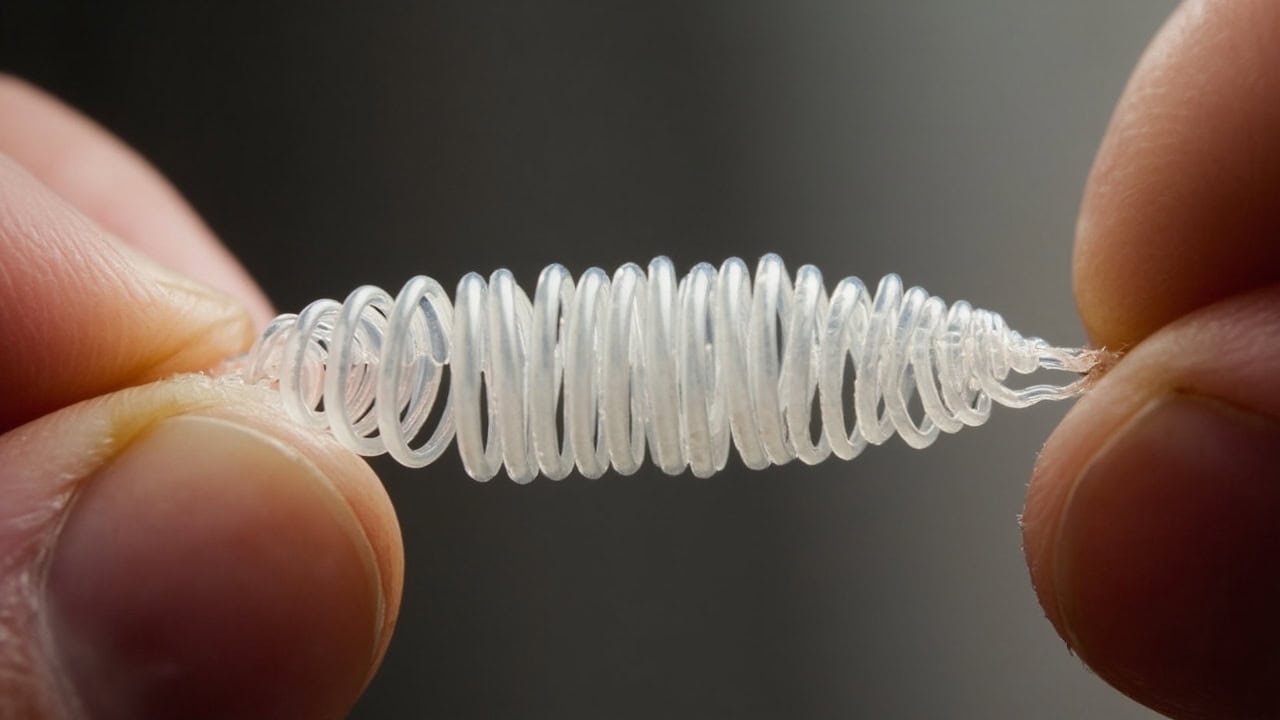
Spandex’s most remarkable property is its ability to stretch 5–8 times its original length and return to its exact original dimensions. This near-perfect elastic recovery of 95–99% is unmatched by any other textile fiber. The tradeoff is relatively low tenacity (0.5–1.0 g/denier), meaning spandex provides less resistance to breaking under tension compared to fibers like polyester or nylon.
The fiber’s low moisture absorption (0.5–1.5% moisture regain) makes it quick-drying and resistant to water-based stains. However, this same property means spandex does not absorb perspiration as effectively as natural fibers — a consideration for high-sweat applications.
Types and Varieties of Spandex
By Method of Production
- Dry-spun spandex — highest quality and most common; produces smoother, more consistent fibers
- Melt-spun spandex — lower cost; used in budget garments and where moderate stretch is acceptable
- Wet-spun spandex — rare; specialty applications only
By Stretch Direction
- 2-way stretch (single-direction) — stretches in one direction, typically horizontal
- 4-way stretch (multi-direction) — stretches both horizontally and vertically; most common in apparel for maximum flexibility
By Blend Percentage
- 100% spandex — compression garments, swimwear, shapewear, and specialty activewear
- 15–30% spandex blends — standard activewear, leggings, sports bras, and underwear
- 2–10% spandex blends — stretch denim, casual wear, and woven fabrics where subtle stretch improves comfort
By Brand/Certification
- Lycra certified — DuPont quality standard; ensures consistent performance and durability
- Creora certified — Hyosung’s global spandex brand; second largest producer
- ROICA — Asahi Kasei’s premium Japanese spandex; known for high-performance specialty grades
Common Uses and Applications
Apparel
- Activewear and sportswear — leggings, yoga pants, running shorts, sports bras, compression tops; spandex’s elasticity allows unrestricted movement while maintaining garment shape
- Swimwear — spandex provides excellent chlorine resistance (though prolonged exposure eventually degrades the fiber) and maintains shape in wet conditions
- Hosiery and socks — allows stretch for better fit and prevents sagging; prevents heel and toe from distorting
- Underwear and loungewear — comfort stretch reduces binding and improves fit
- Stretch denim — typically 2–5% spandex combined with cotton provides comfortable stretch recovery in jeans and casual pants
Technical and Medical
- Compression garments — medical-grade compression stockings, TED hose, and athletic compression wear; controlled pressure improves blood flow and reduces fatigue
- Shapewear and control garments — high-spandex blends provide shaping and support
- Wetsuits and dive gear — spandex provides close-fitting insulation and allows for suit entry
- Orthopedic braces and supports — medical devices use spandex for controlled compression and fit
Other Applications
- Furniture and upholstery — sofa cushions, chair covers, and cushion inserts benefit from spandex’s durability and shape retention
- Automotive interiors — seat covers, headliners, and door panels use spandex for stretch fit and durability
Pros and Cons of Spandex
| Pros | Cons |
|---|---|
| Exceptional stretch (5–8× original length) | Low tensile strength compared to other fibers |
| Excellent shape recovery (95–99%) | Degrades in chlorine (pool water) |
| Lightweight and comfortable | Degrades with prolonged UV exposure |
| Resistant to body oils and sweat | Can pill over time with friction |
| Quick-drying (low moisture absorption) | Heat sensitive — damaged by high ironing temperatures |
| Long-lasting with proper care | Not biodegradable — synthetic petroleum-based fiber |
| Allows freedom of movement | Can trap odors if not cleaned properly |
Spandex delivers unmatched stretch performance but comes with meaningful limitations. Its petroleum-based composition means it is not biodegradable, and the fiber is notoriously difficult to recycle — even a 5% spandex inclusion in fabric makes it incompatible with most mechanical recycling systems. For environmentally conscious consumers, this represents a significant drawback compared to natural fibers.
Caring for Spandex Garments
Proper care extends the life of spandex garments significantly. The key principles of spandex care revolve around protecting the polyurethane fiber structure from heat, chlorine, and mechanical stress.
- Wash in cold water — temperatures below 30°C (85°F); heat damages elastane fibers and degrades elastic recovery over time
- Use mild detergent — avoid bleach and fabric softeners, which coat the fibers and reduce stretch recovery
- Air dry preferred — if using a dryer, select the lowest heat setting; sustained heat above 150°C permanently damages spandex
- Do not iron or use steam — direct heat damages the polyurethane structure irreversibly
- Avoid chlorinated pool water — chlorine accelerates degradation of spandex; rinse swimwear after every pool use
- Store flat or folded — hanging stretches out the garment over time; storing in a crumpled pile causes deep creases that are difficult to remove
- Avoid rough surfaces and Velcro — these cause pilling, snags, and fiber breakage
With proper care, spandex garments typically maintain their elasticity and shape for 2–5 years. Signs of degradation include fabric that no longer returns to its original shape after stretching, visible thinning of the fiber, or a loss of compression in fitted garments.
Frequently Asked Questions
Q: What is spandex fabric made of?
A: Spandex is made of at least 85% polyurethane by weight, combined with stiff polymer segments that create its characteristic elastic properties. The polyurethane is dissolved in a solvent and extruded through spinnerets in a dry spinning process, then cured to form the final elastic fiber.
Q: Is spandex the same as Lycra?
A: Yes, spandex (elastane) and Lycra are the same thing — Lycra is simply the DuPont brand name for their specific type of spandex fiber. The term “spandex” is used in the United States, while “elastane” is the international standard name (ISO 2076).
Q: Does spandex shrink when washed?
A: Pure spandex does not shrink, but spandex blend fabrics (like stretch jeans with cotton) can shrink if the other fibers in the blend are natural fibers. To prevent any shrinkage, always wash spandex garments in cold water and avoid heat. If you need to remove sweat stains from activewear, use cold water and a gentle detergent — never heat.
Q: How long does spandex last?
A: With proper care, spandex garments can last 2–5 years. The fiber itself is durable, but pilling, chlorine exposure, and repeated stretching cycles eventually degrade elastane. Signs of spandex degradation include fabric that no longer returns to shape after stretching or visible thinning of the fiber.
References
- Shivers, J. (1958). Historical development of polyurethane-based elastic fibers. DuPont Internal Records.
- International Organization for Standardization. (2013). ISO 2076:2013 — Textiles — Man-made fibres — Generic names. ISO.
- Cotton Incorporated. (2024). Spandex Fiber Properties and Applications. CottonWorks.
- DuPont. (2024). Lycra Brand Fiber Technology. DuPont.
- Textile Exchange. (2024). Preferred Fiber & Materials Market Report 2024. Textile Exchange.


