
Iron Temperature Guide: Every Fabric Setting Explained

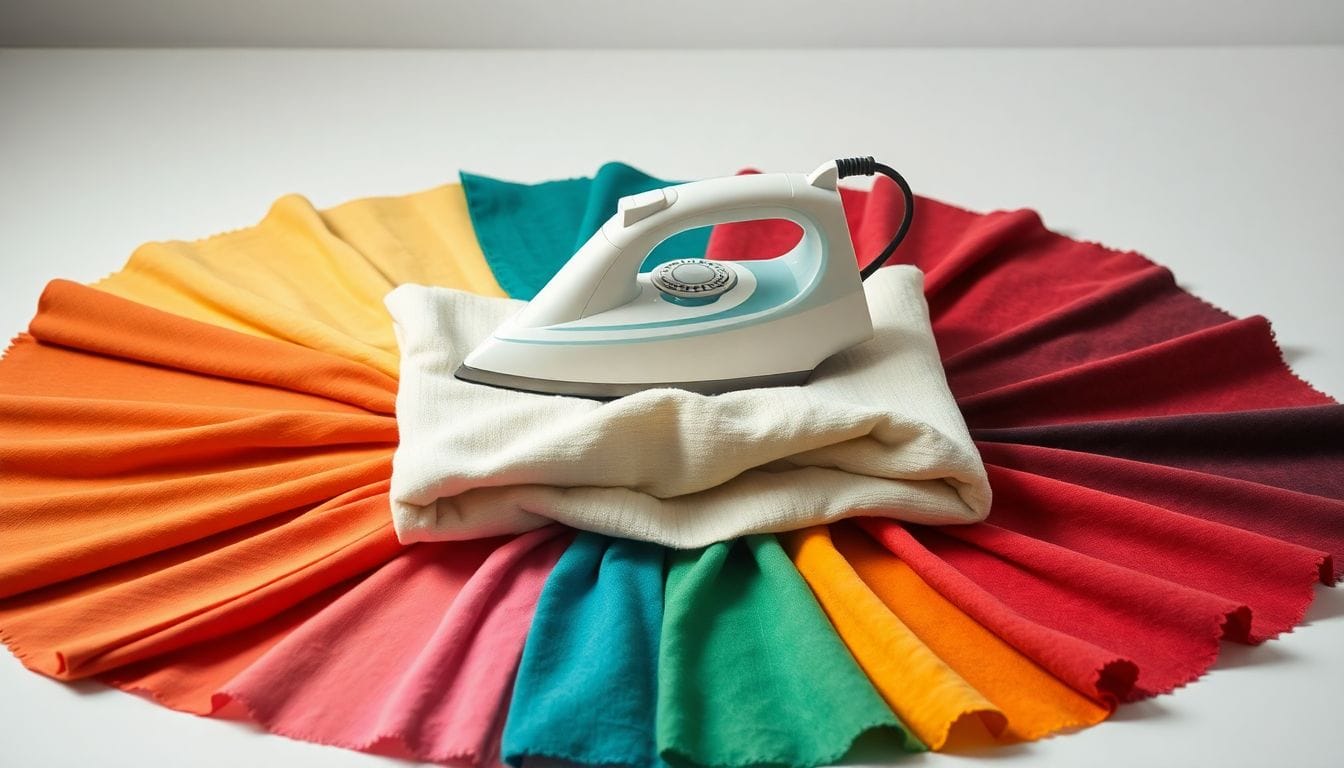
Iron temperature settings on your iron dial correspond to specific temperature ranges: Acrylic requires the lowest heat at 110–120°C (synthetic setting), acetate and nylon need 130–150°C (low), wool and silk demand 150–160°C (wool/silk setting), cotton requires 180–200°C (cotton setting), and linen needs the highest heat at 210–220°C (linen/max setting). Using a temperature higher than recommended risks scorching, shine marks, or permanent fiber damage.
Understanding Your Iron’s Temperature Dial
Most household irons use a standardized dot-marking system to indicate heat levels, making it easier to match the setting to your fabric without needing to memorize exact temperatures. The system divides ironing heat into four tiers, each identified by a specific number of dots:
- One dot: 110°C (230°F) — the coolest setting, intended for synthetic and heat-sensitive fibers
- Two dots: 130–150°C (275–300°F) — low heat for acetate, nylon, and lightweight synthetics
- Three dots: 160–200°C (320–400°F) — medium-to-high heat for wool, silk, polyester, and medium-weight cotton
- Four dots: 210–220°C (410–430°F) — maximum heat reserved exclusively for linen and heavyweight cotton
For quick temperature conversion from Celsius to Fahrenheit, use this approximation: multiply the Celsius value by 2, then subtract 30. For example, 150°C × 2 = 300, minus 30 = 270°F (the actual value is around 300°F, so the formula gives a close estimate within the typical ironing range). Always start with the lowest recommended temperature for an unfamiliar fabric and test on an inconspicuous area — such as the inside of a seam allowance — before pressing the full garment.
Steam and dry heat operate at the same temperature on your iron. The steam function adds moisture to the fabric, which makes fibers more pliable and wrinkle removal more effective. Dry ironing is preferable when you need a sharp, crisp crease — such as on trouser legs or collar points — because excess moisture can soften fibers too much and cause creases to fall flat.
Iron Temperature Chart by Fabric
The table below summarizes the correct iron setting, temperature range, and pressing cloth recommendation for every common fabric type. Save this chart as a reference before ironing any garment.
| Fabric | Iron Setting | Temperature (°C) | Temperature (°F) | Pressing Cloth? |
|---|---|---|---|---|
| Acrylic | Synthetic | 110–120 | 225–250 | Yes, always |
| Acetate | Low | 130–150 | 275–300 | Yes |
| Nylon | Low | 130–150 | 275–300 | Yes |
| Wool | Wool | 150–160 | 300–320 | Yes, damp cloth |
| Silk | Wool | 150–160 | 300–320 | Yes, inside out |
| Polyester | Synthetic / Silk | 140–160 | 285–320 | Yes |
| Viscose / Rayon | Silk | 150–160 | 300–320 | Yes |
| Cotton (lightweight) | Cotton | 180–190 | 355–375 | Optional |
| Cotton (heavyweight) | Cotton / Linen | 200–210 | 390–410 | Optional |
| Linen | Linen / Max | 210–220 | 410–430 | Optional |
| Denim | Linen / Max | 210–220 | 410–430 | Optional |
How to Iron Different Fabrics Safely
Wool
Wool requires a careful, no-slide approach. Set your iron to the wool/silk setting (150–160°C / 300–320°F), then always place a damp pressing cloth between the iron and the fabric. Press with light, even pressure — do not slide the iron across the garment. Instead, lift the iron and place it down on the next section. Sliding causes wool fibers to compress and flatten, creating permanent shine marks that cannot be removed.
Steam is acceptable when ironing wool, but keep the iron hovering above the fabric rather than resting it directly on the cloth. If you are pressing a wool suit jacket or tailored garment, use a tailor’s ham or a rolled-up towel beneath the seam to support the natural curve of the fabric and prevent imprints on the reverse side. For more detailed instructions, see our guide to ironing wool garments.
Silk
Silk is ironed most safely inside out, which protects the visible face of the fabric from direct heat and any potential shine marks. Use the wool/silk setting (150–160°C / 300–320°F) with a pressing cloth at all times. Crucially, never spray water directly onto silk — water droplets can cause permanent water spots on silk fibers, especially on darker fabrics where spotting is most visible.
Before ironing the visible side of a silk garment, test on an inconspicuous area first to check for color fastness. If you are uncertain about a silk item — or if it has delicate embellishments — skip the iron entirely and use a garment steamer instead. Hanging silk clothes in a steamy bathroom for 15–20 minutes is often enough to remove light wrinkles without any direct heat contact. Our full guide to ironing silk covers these techniques in detail.
Cotton
Cotton is more heat-tolerant than most other fibers, and most cotton items can be safely ironed at 180–200°C (355–400°F). Lightweight cotton shirts and blouses should be pressed on the standard cotton setting, while heavyweight canvas, denim, and workwear require the linen/max setting to effectively flatten thick fibers.
For best results, iron cotton items while they are still slightly damp — the moisture makes fibers more pliable and wrinkles release more easily. If the garment has dried completely, use the steam function or lightly dampen it with a spray bottle before pressing. Pay special attention to collar points and cuff areas, which often need the highest heat and firmest pressure to hold a crisp shape. Heavy cotton canvas and denim respond best to the linen/max setting at 210–220°C — the same range used for linen. Learn more in our guide to ironing linen and heavy cotton fabrics.
Linen
Linen requires the highest iron temperature of any common fabric — 210–220°C (410–430°F) — because its fibers are thick, stiff, and highly resilient. Iron linen while it is still damp for the fastest and most effective wrinkle removal; if the garment has dried, use the steam function aggressively or dampen it before pressing.
Pure linen is durable enough to be ironed without a pressing cloth, and many people prefer direct contact for a crisp, natural finish. However, linen blends — particularly those mixed with silk or synthetic fibers — should be pressed through a cloth at a reduced temperature to prevent shine or fiber damage. Denim, which shares linen’s high heat requirement, benefits from the same approach: use the linen/max setting and iron inside out for the cleanest finish on the outer face.
Common Ironing Mistakes That Damage Fabric
Ironing damage is almost always the result of excessive heat or missing protective measures. Knowing what can go wrong helps you avoid the most common — and irreversible — errors.
- Ironing acrylic on high heat: Acrylic is a synthetic fiber that begins to melt at around 160°C. Setting your iron to cotton or linen heat scorches and flattens the fibers permanently, creating a shiny, plastic-like surface that cannot be restored.
- Skipping the pressing cloth on wool: Direct heat on wool compresses the scaly surface fibers, causing them to lie flat and reflect light in a way that appears as permanent shine marks. This is one of the most common and irreversible ironing mistakes.
- Ironing silk without a cloth or inside-out: Silk scorches easily at temperatures above 160°C. Without a cloth as a buffer, the iron soleplate can burn individual fibers, creating small holes or brown discoloration that cannot be repaired.
- Using steam on velvet: Steam crushes the directional pile of velvet fibers, causing them to mat together and lose their characteristic soft sheen. Velvet must be steamed hanging (never on a flat surface) or pressed very carefully with a cool iron and no steam. Our guide to ironing velvet explains the correct approach.
- Ironing inside-out and missing a spot: If you press part of a garment inside-out and then turn it right-side out, the spot you missed will appear as an unwanted shine mark on the visible side. Always check your work before flipping the garment.
- Dirty iron soleplate: Melted synthetic residue on an iron soleplate — from previous ironing of acrylic or polyester — transfers silently to subsequent garments. Clean your iron’s soleplate regularly with a non-abrasive cleaner, especially after pressing synthetic fabrics.
Pressing Cloth: When and Why to Use One
A pressing cloth acts as a heat barrier between the iron and your fabric, preventing shine marks, scorch marks, and fiber damage. It is one of the simplest and most effective investments you can make in garment care.
Always use a pressing cloth for: wool, silk, acetate, acrylic, nylon, viscose, rayon, and any fabric that shows a tendency to develop shine under heat. These fibers have surface properties that respond poorly to direct iron contact.
Pressing cloth is optional for: cotton, linen, and denim when you are using the appropriate temperature for those durable fibers. Even then, using a cloth is never harmful and adds a layer of protection.
The ideal pressing cloth is a clean, undyed white cotton fabric — an old white pillowcase cut to size works perfectly. Avoid colored cloths: dyes can transfer under heat to light-colored garments. A damp pressing cloth is particularly valuable for wool, where it serves a dual purpose: it reduces the direct heat reaching the fabric by approximately 20–30°C while adding the steam needed to relax the fibers. For wool, always use a damp cloth rather than increasing the iron temperature.
Steaming vs. Ironing: When to Use Each
Both steaming and ironing remove wrinkles, but they work differently and suit different fabric types and garment structures.
Steaming is the better choice for: delicate fabrics such as silk, wool, and acrylic; structured garments with internal padding like shoulder pads or blazers; curtains and drapes; and hanging garments where you want to refresh the fabric without flattening its natural drape. Portable garment steamers operate at lower temperatures than iron contact heat — typically 60–100°C at the nozzle — which means they refresh and deodorize but cannot produce a sharp crease.
Ironing with direct contact is the better choice for: cotton, linen, denim, and other durable natural fibers that need a sharp crease in trouser legs, collar points, or pleats. For most everyday wrinkle removal, using an iron with steam on the appropriate fabric setting is more effective than steaming alone.
If a garment is labeled “do not iron,” take that instruction seriously. For such items — particularly delicate synthetics and structured tailored pieces — a garment steamer is the correct tool. For stubborn wrinkles that resist steaming on structured garments, consider whether the issue is actually a press crease or a fitting issue that ironing cannot solve.
Frequently Asked Questions
Q: What iron temperature should I use for polyester?
A: Polyester requires a low-to-medium iron temperature of 140–160°C (285–320°F) on the synthetic or silk setting. Never exceed 170°C — polyester is a synthetic fiber that can melt, scorch, or develop a permanent shiny appearance from excessive heat. Always use a pressing cloth. For a full breakdown, see our guide to ironing polyester.
Q: Can you iron wool without a pressing cloth?
A: No — ironing wool directly without a pressing cloth creates permanent shine marks on the fabric surface. The heat compresses and smooths the wool fibers in a way that reflects light differently, creating an ugly sheen. Use a damp pressing cloth on the wool/silk setting (150–160°C) instead. See our detailed guide to ironing wool for step-by-step instructions.
Q: What is the highest iron temperature setting?
A: The highest iron setting (usually marked max or three/four dots) corresponds to 210–220°C (410–430°F) and is intended for linen and heavy cotton only. Using this temperature on synthetic fibers, silk, or wool will cause immediate, irreversible damage including scorching, melting, or shine marks.
Q: Can you iron acetate fabric?
A: Acetate should be ironed on the lowest heat setting (110–130°C) with a pressing cloth. Acetate is heat-sensitive and can melt or stick to the iron soleplate at high temperatures. Many acetate garments are actually labeled “do not iron” — if wrinkles persist after washing, steaming is the safer option.
References
- American Society for Testing and Materials. (2019). ASTM D3136-19: Standard Performance Specification for Ironing Temperature Labeling of Consumer Textiles. ASTM International.
- International Organization for Standardization. (2016). ISO 3758:2016 — Textiles — Care Labelling Code Using Symbols. ISO.
- Cotton Incorporated. (2024). Fabric Care: Ironing Guidelines. cottonworks.com
- Woolmark Company. (2023). Wool Care Guide: Ironing and Pressing. woolmark.com


