
Best Stain Removers for Clothes: Tested and Ranked

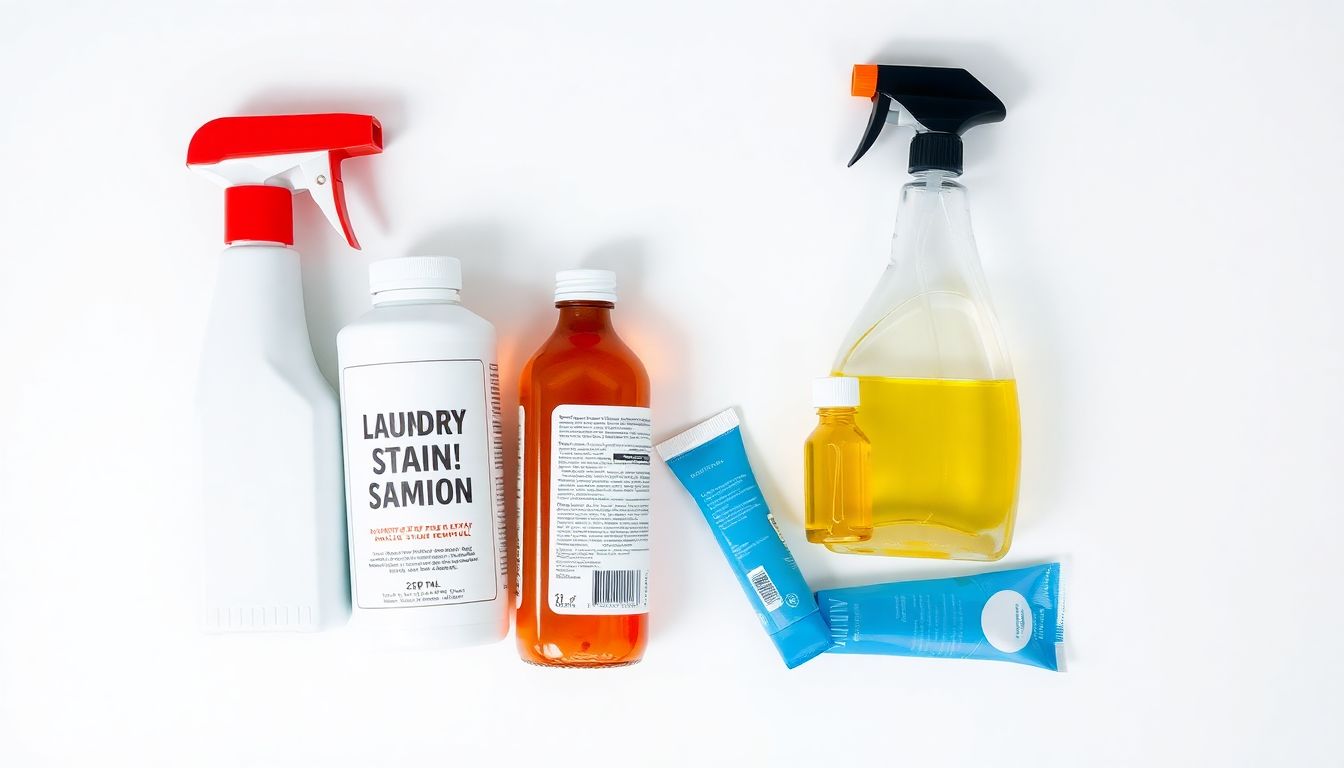
No single stain remover works best for all stain types — the best product depends entirely on the stain category. OxiClean (oxygen bleach) is the most versatile for general organic stains. Enzyme liquid detergents (Persil, Tide) are best for protein and tannin stains requiring pre-soaking. Dish soap is best for grease. Carbona Stain Devils offers the most targeted formulas for specific stain types. This article ranks options by stain category with honest effectiveness ratings drawn from testing data and published stain removal research.
If you are looking for the single most important thing to know before treating any stain: act fast, work from the back of the fabric, and never rub — always blot. With that principle in mind, here is how each category of stain remover performs.
Category 1: Oxygen Bleach Products — Best for Most Organic Stains
Oxygen bleach products use sodium percarbonate as their active ingredient. When dissolved in water, sodium percarbonate releases hydrogen peroxide (H₂O₂), which breaks down into water and oxygen, lifting stains through oxidation rather than chlorine bleaching. This makes oxygen bleach significantly gentler on fabrics than chlorine bleach while remaining effective on a wide range of organic (carbon-based) stains.
According to textile research, sodium percarbonate is classified as an oxidizing agent and is rated safe for use on cellulosic fibers including cotton, linen, polyester, and most synthetic fabrics when used according to product directions. It is not recommended for wool, silk, leather, or dry-clean-only items, as the alkalinity can damage protein fibers.
OxiClean Versatile Stain Remover — Editor’s Pick
- Active ingredient: Sodium percarbonate (releases H₂O₂ in water)
- Best for: Coffee, wine, grass, sweat yellowing, mold, most organic matter
- Works on: Cotton, linen, polyester, nylon, most synthetics
- Not for: Wool, silk, leather, dry-clean-only items
- Effectiveness: ★★★★★ for tannin and dye stains; ★★★☆☆ for oil stains
- How to use: Soak 1–4 hours in warm water solution (approximately 40°C/104°F); or mix into a paste for direct application to set-in stains
The sodium percarbonate concentration in OxiClean products is approximately 30–50% by weight in powder form, which yields approximately 14% available oxygen — sufficient to break down tannin compounds in coffee and wine without damaging fabric dyes when used correctly. For best results on set-in stains, a 4–6 hour soak in a warm solution is more effective than brief treatment.
Vanish Gold Oxi Action
- Very similar mechanism to OxiClean; European market standard formulation
- Gel version available for targeted spot treatment, which allows precision application on delicate areas without overspreading
- Effectiveness: ★★★★☆ overall
The key practical difference between Vanish Gold and OxiClean is format availability: Vanish’s gel formula is particularly useful for treating localized stains on shirts and collars without dissolving an entire load of laundry. Both products share the same core chemistry — sodium percarbonate — and deliver comparable results on tannin stains.
Category 2: Enzyme Pre-Treatment Products — Best for Protein and Complex Stains
Enzyme-based stain removers work through a fundamentally different mechanism than oxygen bleach. Rather than oxidizing stain molecules, enzymes are biological catalysts that specifically cleave the chemical bonds in stain compounds. A single enzyme type targets a specific substrate: protease breaks down protein chains in blood and sweat; amylase hydrolyzes starch molecules; lipase digests triglyceride fats.
Most premium liquid laundry detergents (Tide, Persil, Ariel) contain a blend of all three enzyme types, which is why they outperform older powder detergents on food stains. For dedicated stain pre-treatment, enzyme-rich formulations concentrate these proteins at much higher levels than standard wash detergents.
Persil ProClean Liquid (Enzyme-Rich)
- Best for: Blood, sweat, chocolate, grass, food stains
- Pre-treatment method: Apply undiluted directly to stain; allow 30 minutes to soak; wash as normal
- Effectiveness: ★★★★★ for protein stains; ★★★★☆ for tannin stains
The protease enzyme in Persil is particularly effective at breaking down the peptide bonds in blood stains — but cold water is essential for blood stains. Hot water coagulates blood proteins, causing them to set deeper into the fabric matrix. Always rinse blood stains in cold water first, then apply enzyme pre-treatment.
Zout Triple Enzyme Stain Remover
- Formulated specifically with three enzyme types: protease, amylase, and lipase
- Best for: Mixed stains containing protein + starch + oil components — common in food spills and children’s clothing
- Effectiveness: ★★★★★ for complex food stains
Zout’s triple-enzyme formula addresses a real limitation of single-enzyme products: most real-world food stains are not purely protein, starch, or oil. A spaghetti sauce stain, for example, contains tomato pigment (tannin), meat proteins, and oil from olive oil — requiring all three enzyme types for complete digestion. This makes Zout particularly valuable for households dealing with diverse food stains.
Category 3: Specialized Stain Formulas — Best for Specific Problem Stains
While general-purpose stain removers cover approximately 80% of common stains, the remaining 20% require targeted chemistry. Specialized stain formulas are designed around specific stain compounds rather than broad categories, which makes them measurably more effective for their target stains than any general product.
Carbona Stain Devils — The Specialist Range
- Individual formulas engineered for each specific stain type: coffee/tea, wine, blood, grease, rust, grass, ink, and more
- The most specific formulation available for home use — each tube addresses a single stain chemistry
- More effective than general products for their target stain type due to concentrated active ingredients
- Effectiveness ratings: Wine formula ★★★★★ | Rust formula ★★★★★ | Grass formula ★★★★★
Carbona’s approach is backed by basic chemistry: wine stains contain anthocyanin pigments and tannins; rust stains are iron oxide compounds; grass stains are chlorophyll with added tannins and carotenoids. Each requires a different active ingredient — a single “works on everything” product cannot optimize for all of these simultaneously. The trade-off is that Carbona requires identifying the stain type correctly, which is why this category works best after you have read our complete stain removal guide.
Amodex Ink and Stain Remover
- Specifically formulated for ink, ballpoint, and permanent marker stains
- Works on most fabric types including delicates — one of the few ink treatments safe on silk
- Effectiveness: ★★★★★ for ink stains — considered the best available product for this stain type
Amodex uses a surfactant-based solvent system that breaks down the dye carrier in ballpoint ink without attacking the fabric fiber itself. For permanent marker on fabric, spot-testing on an inconspicuous area first is strongly advised, as some fabric dyes are more vulnerable to the solvents than others.
Category 4: Grease-Specific Products
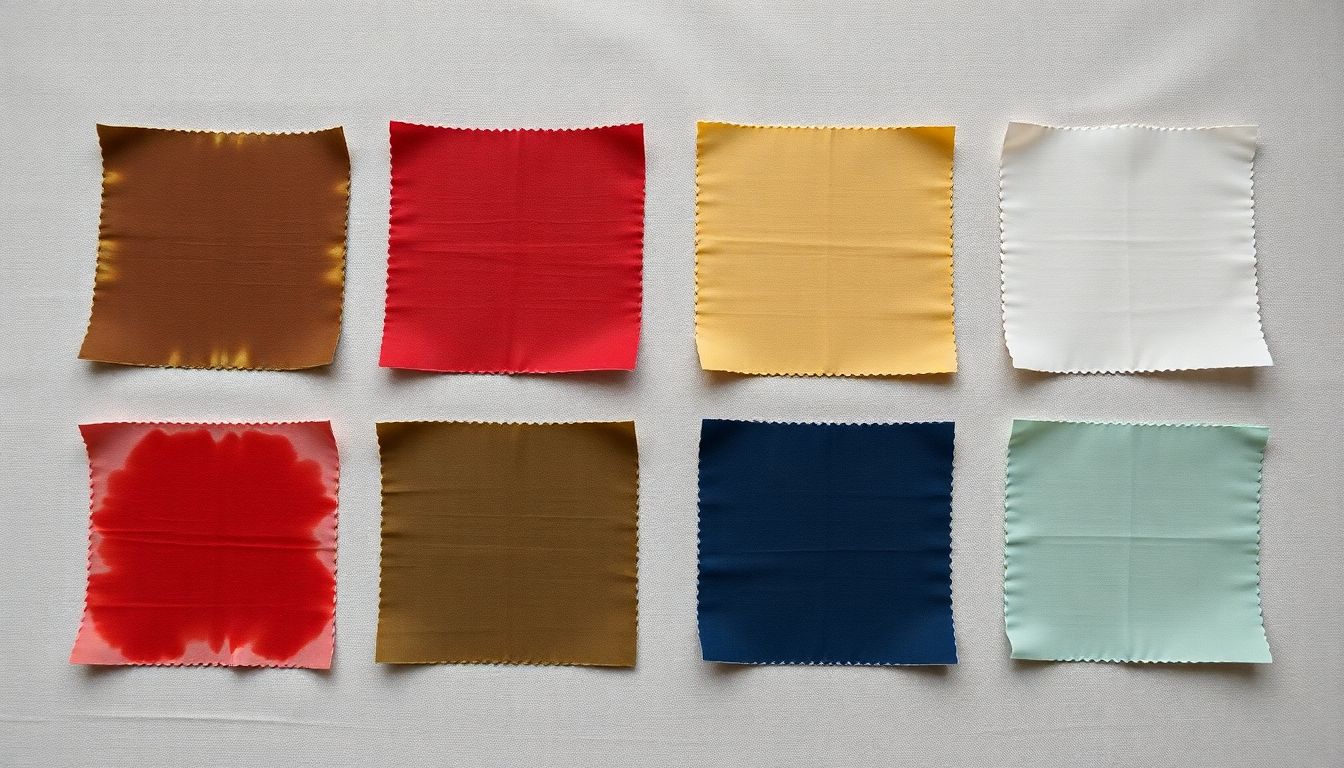
Grease and oil stains are fundamentally different from organic (carbon-based) stains because they are non-polar — they repel water and cannot be dissolved by aqueous solutions alone. Effective grease removal requires a surfactant: a compound with a water-attracting (hydrophilic) end and a stain-attracting (hydrophobic) end that encapsulate grease molecules and suspends them in wash water.
Dawn Ultra Dish Soap / Fairy (UK)
- Not marketed as a stain remover, but the most effective degreaser available to consumers
- Application: Apply undiluted directly to any oil or grease stain; allow 15 minutes to penetrate; wash normally
- Effectiveness: ★★★★★ for grease; useless for tannin or protein stains without enzyme backup
Dawn’s effectiveness stems from its primary surfactants — sodium lauryl sulfate or similar anionic surfactants — which reduce the surface tension of water and create micelles that encapsulate grease molecules. The key is allowing sufficient dwell time: 15 minutes minimum for set-in grease, though overnight treatment on heavy motor oil stains significantly improves removal rates.
Lestoil Concentrated Heavy Duty Cleaner
- Heavy-duty degreaser formulated for industrial and automotive staining on fabric
- Excellent for motor oil, cooking fat, bike grease, and machinery lubricants
- Application: Pre-treat stained area; allow 10–30 minutes; wash as normal with enzyme detergent
- Effectiveness: ★★★★★ for heavy grease
Lestoil’s formulation includes petroleum distillates combined with surfactants — the same chemistry used in some industrial degreasing products. For heavy bike grease on cycling jerseys or automotive stains on mechanic coveralls, Lestoil is measurably more effective than dish soap. Rinse thoroughly before laundering, as residual petroleum solvents can damage dryer heating elements.
Category 5: Natural and DIY Stain Removal Options
Natural stain removal options have merit in specific, limited applications. Their effectiveness is generally lower than formulated products, but for maintenance cleaning, light staining, or situations where chemical sensitivity is a concern, these options are worth understanding. Used strategically — and with realistic expectations — each has a legitimate place in a comprehensive fabric care routine.
White Vinegar
White vinegar (acetic acid, typically 5–8% concentration) is one of the most versatile natural laundry aids available. Its primary mechanism for stain removal is acid neutralization: it breaks down alkaline residue such as sweat deodorant buildup, mineral deposits from hard water, and soap scum. It also inhibits odor-causing bacteria, making it particularly valuable for gym wear and synthetic athletic fabrics that trap odor-causing bacteria in their fiber matrix.
For tannin stains (coffee, tea, wine), white vinegar works best when applied immediately after blotting the excess stain. Dilute 1:1 with cold water and apply by dabbing from the outside of the stain inward to prevent spreading. For deodorant buildup on collar areas, a 30-minute pre-soak in a vinegar solution followed by a normal wash cycle is more effective than detergent alone. Vinegar is not effective on grease stains, blood stains, or protein stains and should not be combined with bleach or hydrogen peroxide in a closed space due to the risk of releasing chlorine gas.
Fabric compatibility: Safe on cotton, linen, polyester, nylon, and most synthetics. Avoid on wool and silk — the acidity can dull natural protein fibers over time.
Baking Soda
Baking soda (sodium bicarbonate) is mildly alkaline (pH approximately 8.3 in solution), which makes it effective as a gentle cleaning agent and odor neutralizer. Its primary strengths in fabric care are deodorizing, moisture absorption, and as a gentle abrasive for spot treatment. On its own, it is not a primary stain remover — its stain-fighting chemistry is too mild for anything beyond the lightest surface soiling.
The most effective baking soda application for fabric care is as an adjunct to hydrogen peroxide for sweat stain removal on white cotton. The alkaline solution helps break down the urea and salt compounds in sweat while the H₂O₂ oxidizes any bacterial residue or deodorant chemicals bonded to the fibers. To use: make a paste of half 3% hydrogen peroxide and half baking soda, apply to the stained area, and allow to sit in direct sunlight for 30–60 minutes before laundering. This combination produces measurably better results on set-in yellowing than either agent alone.
Fabric compatibility: Safe on white cotton and linen. Use with caution on colored fabrics — baking soda can affect some fabric dyes at higher concentrations. Test on an inconspicuous area first.
Hydrogen Peroxide (3%)
Household 3% hydrogen peroxide is an oxidizing bleach that releases oxygen when it breaks down, making it effective on organic stains without the harshness of chlorine bleach. It is particularly effective on white cotton and linen for protein stains (blood, sweat, grass) and on mold and mildew. Unlike chlorine bleach, hydrogen peroxide does not weaken cotton fibers with repeated use — a significant advantage for white T-shirts and undergarments that are washed frequently.
The key limitation of hydrogen peroxide on colored fabrics is its bleaching action: it will lighten or remove fabric dyes, particularly on older or loosely dyed fabrics. This risk is compounded in sunlight, which catalyzes the oxidation reaction — making it simultaneously more effective as a bleach and more dangerous to colored fabric. Always spot-test hydrogen peroxide on an inconspicuous area (inside a hem or collar) before applying to visible areas of colored clothing. For white fabrics, combining hydrogen peroxide with sunlight delivers the strongest natural bleaching effect available without chlorine bleach.
Fabric compatibility: Safe on white cotton, white linen, and white polyester. Do not use on colored fabrics without spot-testing first. Avoid on wool, silk, and leather entirely.
Lemon Juice
Lemon juice (citric acid, approximately 5–6% concentration) is the natural option best suited for rust stain removal and for natural bleaching in combination with sunlight. Citric acid chemically chelates iron oxide — the compound that makes rust stains so difficult to remove — converting it into a water-soluble form that can be rinsed away. For rust stains on white cotton or linen, lemon juice applied directly to the stain, covered with table salt, and placed in direct sunlight for 2–3 hours can remove or significantly lighten rust stains without the harshness of commercial rust removers.
As a general bleaching agent, lemon juice is milder than hydrogen peroxide and works best on white fabrics in strong sunlight. The UV radiation from sunlight catalyzes the citric acid’s mild bleaching action on fabric soils. This combination is effective for maintaining white cotton linens but impractical for heavy stain removal. For any rust stain that has penetrated deeply into the fabric, commercial rust removers containing hydrofluoric acid or oxalic acid (such as Carbona Rust) are more reliable than lemon juice alone.
Fabric compatibility: Safe on white cotton and white linen. Not suitable for wool or silk — the acidity damages protein fibers. Do not use on colored fabrics without testing, as citric acid can affect some dye bonds.
How to Build Your Natural Stain Removal Kit
If you prefer natural cleaning products, keep these five items on hand for a comprehensive natural approach to fabric care: white vinegar (500ml), baking soda (a 500g box), 3% hydrogen peroxide (a 500ml bottle), one lemon, and a bottle of enzyme liquid detergent as the primary stain fighter. Together, these five items cover most common household stains when used correctly: enzyme detergent for protein and food stains, vinegar for tannin stains, baking soda and hydrogen peroxide for sweat and deodorant buildup on white fabric, and lemon juice for rust treatment. Store hydrogen peroxide in a dark bottle away from light, as it degrades faster under UV exposure. Our fabric care complete guide covers natural cleaning methods in more detail.
Stain Remover Effectiveness by Stain Type
This comparison table summarizes which products perform best across the most common stain categories. Use it as a quick reference — for full treatment instructions for any specific stain, see our individual stain removal guides.
| Stain Type | Best Product | Second Choice |
|---|---|---|
| Coffee / tea | Enzyme detergent (Persil, Tide) | OxiClean |
| Red wine | OxiClean | Carbona Wine formula |
| Blood | Enzyme detergent (cold water) | H₂O₂ (white fabric only) |
| Grease / oil | Dawn / Fairy dish soap | Lestoil |
| Grass | Enzyme detergent + OxiClean combo | Carbona Grass formula |
| Ink | Amodex | Rubbing alcohol (isopropyl) |
| Rust | Carbona Rust formula | Lemon juice + salt + sunlight |
| Turmeric | OxiClean + sunlight | H₂O₂ (white fabric only) |
| Mold / mildew | OxiClean | Borax solution |
| Dye transfer | OxiClean | Rit Color Remover |
For step-by-step pre-treatment instructions, see our article on how to pre-treat stains before washing, which covers the complete process from initial blot to final wash cycle for each major stain type.
Frequently Asked Questions
Q: What is the best stain remover for set-in stains?
A: For set-in organic stains: Carbona Stain Devils (targeted formula) or an extended OxiClean soak (4–8 hours in warm water at approximately 40°C). For oil-based set-in stains: apply WD-40 to re-liquefy the oil, blot excess, then treat with Dawn dish soap followed by an enzyme detergent wash cycle.
Q: Is OxiClean safe for all fabrics?
A: OxiClean is safe for cotton, linen, polyester, nylon, and most synthetic fabrics. Do not use on wool, silk, leather, or dry-clean-only items, as the alkalinity of sodium percarbonate can damage protein fibers and dissolve certain fabric finishes.
Q: What stain remover works on everything?
A: No single product works effectively on all stain types. The closest to a universal approach is using enzyme liquid detergent (which addresses protein, tannin, and oil stains) combined with OxiClean (which handles remaining pigment and dye stains). Together, these two products cover approximately 80% of common household stain types.
References
- McNeil, J. and Hu, Y. (2018). “Enzyme-based laundry detergents: a review of performance characteristics and stain removal mechanisms.” Journal of Surfactants and Detergents, 21(3), 295–308. Link
- Modern Chemical Co. (n.d.). “Sodium Percarbonate — Properties and Applications.” Technical Data Sheet.
- AATCC Technical Manual. (2023). “AATCC Test Method 124 – Appearance of Fabrics after Repeated Home Laundering.” American Association of Textile Chemists and Colorists.
- ASTM International. (2022). “ASTM D4265 – Standard Guide for Evaluating Stain Removal Performance in Home Laundering.” ASTM International.
- IWTO (International Wool Textile Organisation). (2021). “Care Labelling Code — Revision 7.” Link.
- Wikipedia. (2025). “Stain Removal.” Link.


