
How to Iron Wool Without Damaging the Fibers

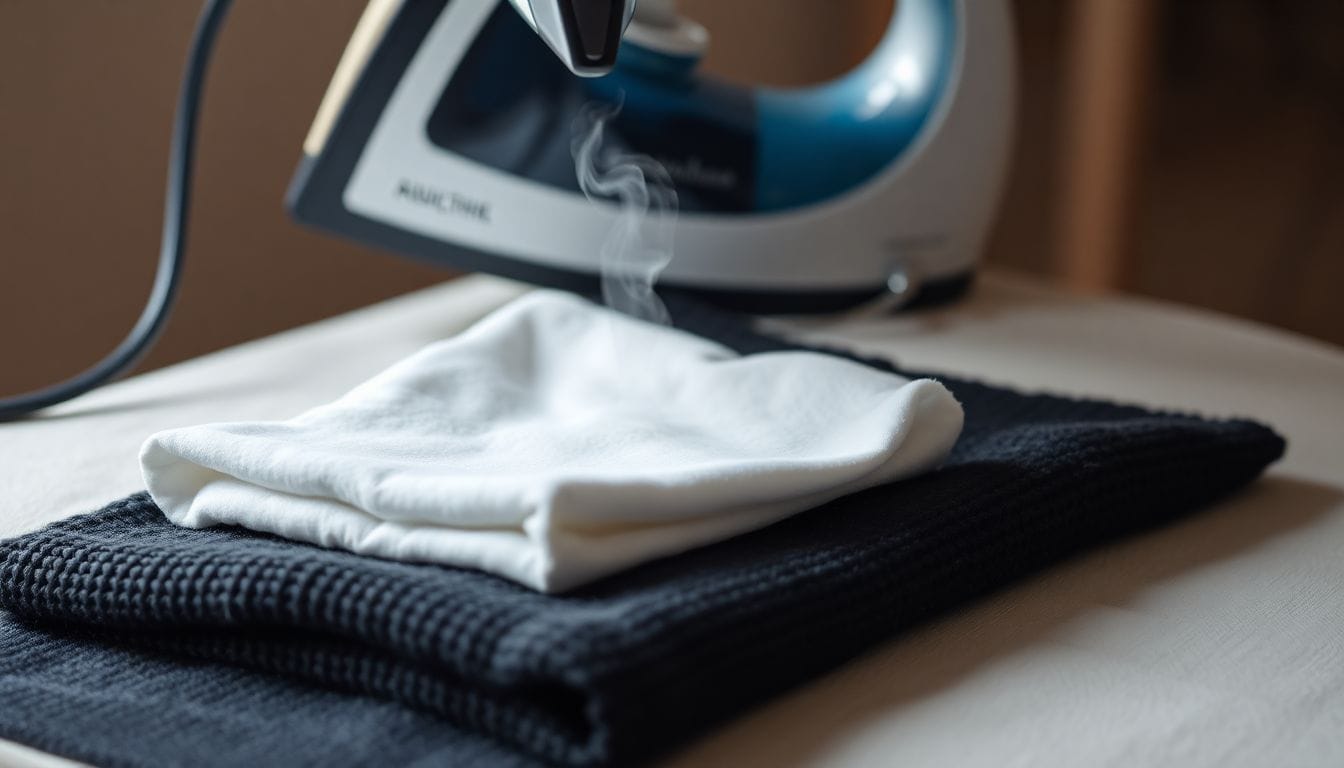
Wool must be ironed at 148–160°C (medium heat) with a damp pressing cloth placed between the iron and fabric — the combination of direct heat and steam causes the keratin protein fibers to contract, resulting in irreversible shrinkage, felting, and permanent shine marks (puckering) that cannot be restored. The pressing cloth acts as a thermal buffer, allowing steam to penetrate without crushing the fiber scales that give wool its structure.
Iron Temperature for Wool: The 148–160°C Rule
Wool’s keratin fibers begin to sustain permanent damage at temperatures exceeding 160°C. The safe ironing range for wool is 148–160°C — this corresponds to the medium heat setting on most household irons, positioned between synthetic fabrics (below 130°C) and cotton or linen (200°C+). Always check the fabric care label before ironing, as some wool blends may have modified fiber treatments that alter their heat tolerance.
The wool/heat setting on your iron — typically marked with a single dot symbol (•) — is specifically calibrated for this temperature range. Never use the cotton or linen (high heat) setting on pure wool. Those settings expose the fabric to temperatures exceeding 200°C, which will permanently felt, shrink, and scorch the fibers within a single pass.
According to the International Wool Textile Organization (IWTO), wool fibers consist of keratin protein with a protective outer cuticle layer of overlapping scales. These cuticle scales are what give wool its characteristic texture and felting potential when exposed to heat, moisture, and mechanical agitation combined. At temperatures above 160°C, these scales begin to permanently flatten and fuse, destroying the fiber’s structural integrity.
Pressing Cloth: Your Essential Protective Barrier
A pressing cloth — typically damp cotton muslin or a clean tea towel — is not optional when ironing wool; it is a mandatory protective barrier. The cloth prevents direct contact between the iron’s soleplate and the fabric’s fiber cuticle scales, which are responsible for wool’s texture and structure.
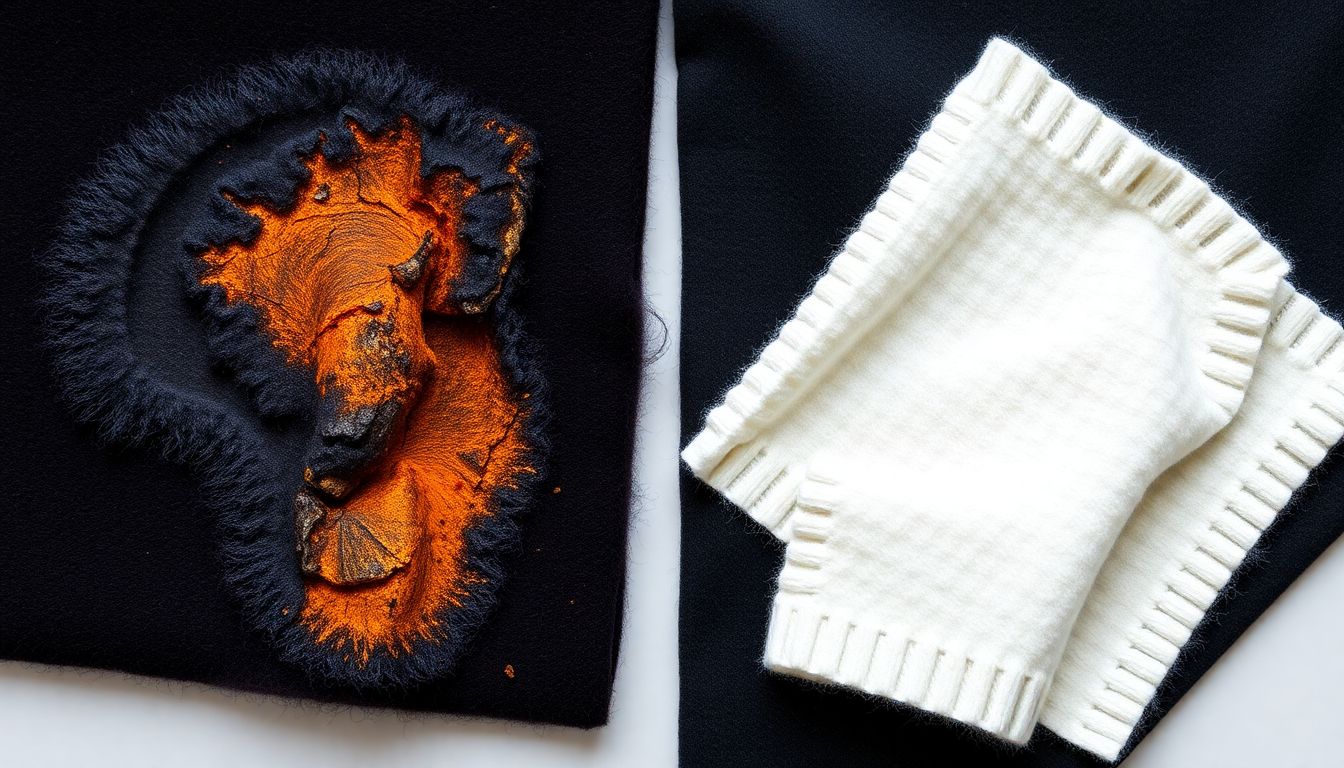
Direct iron contact causes two distinct types of damage. First, shine marks (puckering) occur when the soleplate flattens and compresses the fiber cuticle scales, creating permanent reflective patches that cannot be restored through re-wetting or subsequent care. Second, compression shrinkage — commonly called felting — happens when heat and pressure cause the microscopic barbs on adjacent fiber scales to mesh together irreversibly, reducing the fabric’s dimensions and altering its hand (texture).
Always keep your pressing cloth damp, not wet. Excessive moisture in the cloth creates water spots and can cause localized fiber swelling that leads to uneven pressing results. Change the cloth’s position frequently during ironing to avoid transferring moisture patterns onto the fabric surface.
Step-by-Step Ironing Method for Wool
Follow this precise sequence to iron wool safely without damaging the fibers:
- Set your iron to the wool setting (148–160°C / medium heat).
- Dampen a clean cotton pressing cloth with cold water and wring out any excess moisture — the cloth should be damp, not dripping wet.
- Lay the damp pressing cloth flat over the entire wool garment surface.
- Press the iron down gently onto the pressing cloth — do not slide the iron — and hold for 5–10 seconds per area.
- Lift the iron completely off the fabric, move to the next section, and repeat the pressing motion.
- Never slide the iron back and forth across the wool as you would when pressing cotton — sliding creates friction heat and uneven pressure that flattens fiber scales, causing permanent shine marks.
- Turn the garment inside out to press seams, collars, cuffs, and other structured areas — iron from the reverse side through the pressing cloth for better shape retention.
- Allow the fabric to cool completely (at least 5–10 minutes) before moving, hanging, or folding — wool fibers remain malleable when warm and will set new creases if disturbed prematurely.
Common Ironing Mistakes for Wool
Avoiding these five critical errors will prevent the most common forms of wool ironing damage:
- Using steam directly on wool: Direct steam contact from an iron’s steam burst or a handheld steamer held too close causes localized shrinkage and shine marks. Always steam through a pressing cloth, or use a garment steamer held at a minimum 15–20cm distance from the fabric surface.
- Sliding the iron instead of pressing: Sliding creates friction heat and mechanically flattens the fiber cuticle scales, generating permanent shine patches that cannot be removed by re-wetting or additional care.
- Ironing at cotton temperatures: Cotton and linen settings exceed 200°C. A single pass at those temperatures can permanently felt wool, causing irreversible shrinkage of 10–15% and complete destruction of the fabric’s drape and handle.
- Not testing on a hidden area first: Always test your ironing technique on an inside seam, hem allowance, or other concealed area before pressing visible portions of the garment.
- Folding while warm: Wool fibers remain thermally malleable for several minutes after ironing and will set permanent creases if folded or compressed before cooling to room temperature.
Steaming as an Alternative to Ironing Wool
Steaming is often preferable to direct ironing for wool because it relaxes fibers through moisture and heat without applying mechanical pressure that can flatten the knit structure or damage cuticle scales. Steaming is particularly suitable for structured garments, delicate knits, and items where maintaining the original loft and texture is priority.
For steaming wool, use a handheld garment steamer held 15–20cm away from the fabric surface. Pass the steam vertically over the garment in smooth, overlapping strokes — never rest the steamer nozzle directly on the wool, as direct contact concentrates heat and moisture in a single spot, creating localized shrinkage. For heavy creases, hanging the garment in a steamy bathroom (with hot shower running) for 15–20 minutes allows the steam to naturally relax wool fibers and release wrinkles without any direct contact.
For expensive tailored wool garments — suits, blazers, structured coats — professional dry cleaner steaming is recommended. Dry cleaner steamers operate at controlled temperatures and distances, providing consistent results without risk of shine marks or felting that can occur with consumer-grade equipment.
Wool Ironing by Garment Type
Different wool garments require different approaches based on their construction, knit structure, and finishing:
| Garment Type | Recommended Method | Special Considerations |
|---|---|---|
| Sweaters and knitwear | Steam only — never press with iron | Iron pressure flattens the knit structure and destroys the garment’s loft and elasticity |
| Wool trousers and skirts | Iron inside out through pressing cloth at 148–160°C | Use a ham or tailor’s board for curved areas like waistbands and hip seams |
| Wool suits and blazers | Steam only; press only on internal canvases | Never press the outer fabric directly — use pressing cloth even on internal layers |
| Wool shirts and blouses | Iron inside out through pressing cloth at 148°C (lower end of range) | The lightweight fabric requires the coolest safe setting to prevent shine |
| Wool coats | Hang to release wrinkles in steamy bathroom; spot steam only | Professional equipment recommended for full pressing — domestic irons risk uneven pressure |
The critical distinction across all garment types is that wool’s protein-based keratin fibers and outer cuticle scales are highly sensitive to combined heat, moisture, and mechanical pressure. Any ironing or pressing must use the pressing cloth as a thermal buffer, keep temperatures within the 148–160°C range, and avoid sliding motions that create friction heat.
Frequently Asked Questions
Q: Can you iron wool directly without a pressing cloth?
A: No — ironing wool directly without a pressing cloth causes permanent shine marks (puckering) where the iron’s soleplate crushes the fiber cuticle scales, and risks localized shrinkage felting. The pressing cloth is a mandatory protective barrier.
Q: What temperature should you iron wool?
A: Wool should be ironed at 148–160°C (the medium heat or wool setting on your iron). This is lower than cotton (200°C+) and higher than synthetic fabrics (below 130°C). Exceeding 160°C begins to damage the keratin protein structure of wool fibers.
Q: Can you use steam on wool when ironing?
A: Steam can be used on wool but only through a pressing cloth — never direct steam contact as it causes localized shrinkage and permanent shine marks. A garment steamer held at a 15–20cm distance is a safer alternative for most wool garments.
Q: How do you remove wrinkles from wool without ironing?
A: Hang wool garments in a steamy bathroom for 15–20 minutes — the shower steam naturally relaxes wool fibers and releases wrinkles. For quick touch-ups, use a handheld garment steamer held away from the fabric surface.
References
- International Wool Textile Organization (IWTO). Wool Science Resources. IWTO.
- Wikipedia. Wool — Fiber Structure and Properties. Wikimedia Foundation.
- wikiHow. How to Iron Wool. wikiHow.


