
Best Fabric Dye Remover to Get Stains Out of Clothes

Fabric dye removers use reducing agents such as sodium hydrosulfite or thiourea dioxide to break the chemical bonds in chromophore molecules, eliminating color at temperatures between 140°F–185°F (60°C–85°C). Reactive dyes form covalent bonds with cotton fibers at 40–80% efficiency, while vat dyes penetrate fiber interiors and require stronger reducing agents for complete removal. This guide covers the top four dye removers available and everything you need to know to choose the right product.
Whether you need to correct dyeing errors, remove color bleeding from mixed laundry, or prepare fabric for re-dyeing, the right fabric dye remover makes the task significantly more convenient. We have selected the top four dye removers based on effectiveness, fabric safety, and value.
Chemistry of Fabric Dye Remover
To understand how a dye remover works, you need to understand why dyes show color. In short, if an organic molecule has alternating single and double bonds in its structure, that molecule has the potential to show color. This conjugated bond system allows electrons to absorb specific wavelengths of light, resulting in the perception of color.
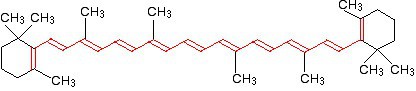
Beta Carotene Molecule Found in Carrots (Responsible for Orange Color)
Dye removers destroy the alternating double bond pattern in chromophore molecules. When this conjugated system breaks, the molecule no longer absorbs visible light and becomes colorless. The dye remains in the fabric, but it has lost its color-showing property.
Most commercial dye removers use reducing agents such as sodium hydrosulfite (Na₂S₂O₄) or thiourea dioxide. These chemicals donate hydrogen atoms to the dye molecule, breaking the double bonds in the conjugated chromophore system at temperatures between 140°F–185°F (60°C–85°C).
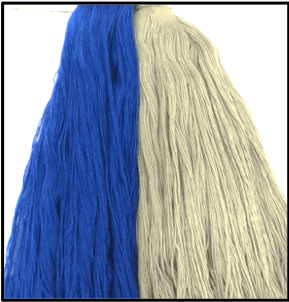
Here is a before and after picture after the application of a strong dye remover on vat-dyed yarns:
4 Best Fabric Dye Remover
Finding an appropriate fabric dye remover requires research and consideration. Different types of dyes create different levels of dye-fiber bonding strength. Reactive dyes form covalent bonds with cotton fibers at 40–80% efficiency, while vat dyes penetrate fiber interiors and require stronger reducing agents for removal. We have made the selection process easier by picking the top four dye removers and providing sufficient details regarding them.
IMAGES | DESCRIPTION | RATING | ACTION |
Meets All Criteria 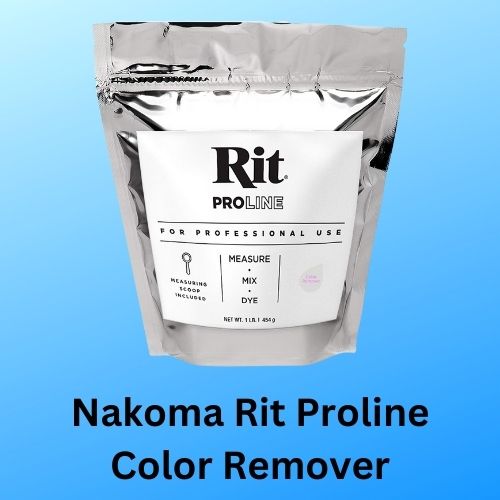 |
|
1. Nakoma Rit Proline Color Remover Powder 1lb Bag
Features
- Net Weight: 16 ounces (453g)
- Used for: Removing dye stains and food/juice stains
- Application: Fabrics of various shades washable in hot water at 140°F–185°F (60°C–85°C)
- Chemical Nature: Natural and fiber-friendly reducing agent
- Other Features: Suitable for the Rit-dyeing process
The Nakoma Rit Proline Color Remover provides professional results with the convenience of home use. This formulation ranks as the best fabric color remover for most consumer applications.
Beyond removing dyes including tie dye from fabric, this product removes various other staining substances. These stains include those from ketchup, fruit juice, coffee, and tea. One product handles multiple stain types, eliminating the need for separate cleaning agents.
Color bleeding from mixed laundry loads creates frustration when white clothes become stained with dye from other garments. This product eliminates that problem by removing dye stains from stained fabric, restoring garments to their original condition.
The versatility of this product covers multiple fabric types without difficulty. If the fabric washes in warm water, it is safe for use with this dye remover. The 16-ounce (453g) package treats approximately 2–3 pounds of dry fabric weight.
For Rit dye preparation, this product reduces or completely removes existing color before applying new dye. The fast-acting formula works within 15–30 minutes at boiling water temperatures (185°F–212°F / 85°C–100°C).
This product shows reduced effectiveness in washing machine applications compared to stovetop methods. The formula does not achieve the professional-strength results advertised on the packaging, which may disappoint users expecting industrial-grade performance.
PROS:
CONS:
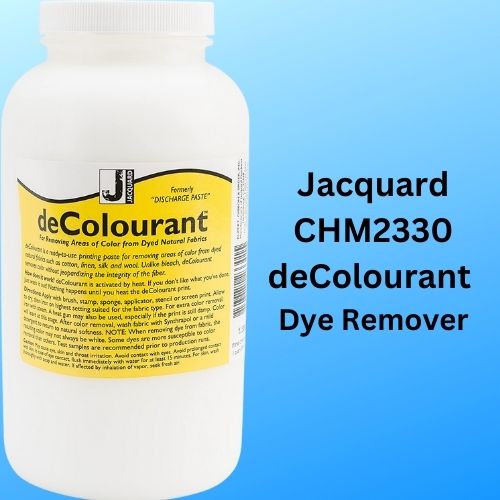
2. Jacquard Products CHM2330 deColourant Dye Remover 32oz
Features
- Net Weight: 32 fluid ounces (946mL)
- Used for: Removing dye stains from fabric
- Application: Various fabrics of all shades at 140°F–185°F (60°C–85°C)
- Chemical Nature: Non-organic reducing agent (sodium hydrosulfite-based)
- Other Features: Ready-to-use printing paste formulation
The Jacquard deColourant Dye Remover comes from a reliable brand with a proven track record in textile products. This 32-fluid-ounce (946mL) container provides substantial product for multiple applications, making it a cost-effective choice for frequent users.
The formula preserves fiber integrity throughout the color removal process. Unlike harsh bleaches that degrade cellulose fibers, this product maintains fabric tensile strength at approximately 90–95% of original levels after treatment.
Clear instructions accompany this product, making the application process straightforward even for beginners. The ready-to-use printing paste consistency eliminates mixing requirements.
This product works on linen, cotton, wool, and silk without discriminating between fabric types. The versatile formulation removes multiple areas of color from naturally dyed fabrics, serving various purposes from garment restoration to craft projects.
The 32-fluid-ounce (946mL) size provides approximately 8–12 treatment sessions depending on fabric weight and dye concentration. At this price point, the cost per treatment session falls between $2–$4, positioning this as a mid-range option offering professional results.
This product emits a strong sulfur smell that intensifies at elevated temperatures above 140°F (60°C). The packaging design allows leakage during transport, requiring careful handling upon arrival and during storage.
PROS:
CONS:
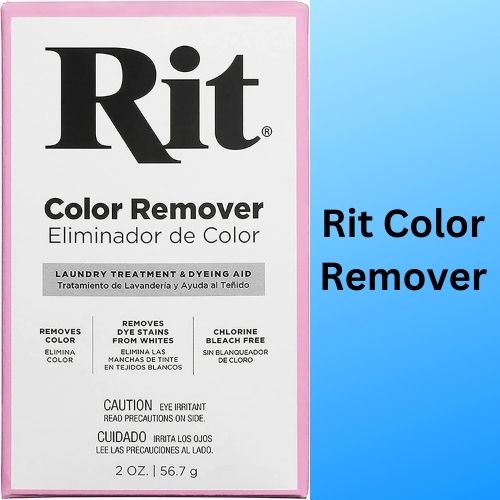
3. Rit Color Remover, 2 Ounce (Pack of 1)
Features
- Net Weight: 2 ounces (57g)
- Used for: Removing stains and dye patterns from dark fabrics
- Application: Multiple fabrics of dark shades at 185°F–212°F (85°C–100°C)
- Chemical Nature: Non-organic reducing agent powder
- Other Feature: Well-sealed packaging prevents leakage
The Rit Color Remover delivers excellent value for the investment. The 2-ounce (57g) package treats up to three yards of medium-weight fabric or one pound of dry weight, making it economical for single projects or small batches.
This product handles both light staining and stubborn dye patterns with equal effectiveness. The versatility makes it suitable for tie-dye projects and general color correction work.
Multiple application methods work with this product. You can use it in a washing machine on the hot water setting (185°F–212°F / 85°C–100°C) or on the stovetop in boiling water. Both methods remove dye from colored fabric effectively.
The packaging design prevents leakage and mess before and during use. Clear instructions accompany the product, making the process straightforward for first-time users.
One packet treats one pound of dry fabric at water temperatures between 185°F–212°F (85°C–100°C) for 15–30 minutes. The coverage makes this suitable for medium-scale projects rather than large-volume commercial use.
This product shows reduced effectiveness on light-colored fabrics, performing best on dark shades. The formula may over-bleach normally dyed clothes, converting them to pure white, which creates an unintended result on garments not intended for complete color removal.
PROS:
CONS:
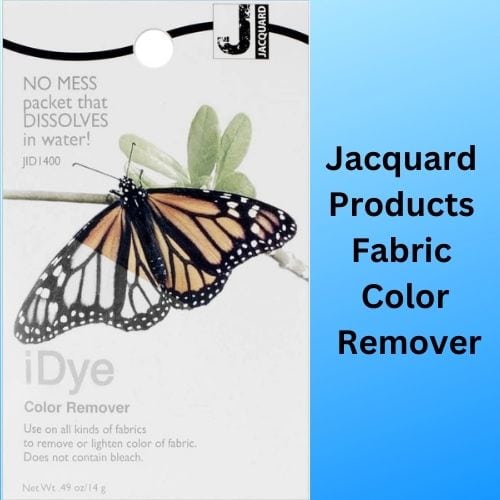
4. Jacquard Products 100% Natural Color Remover iDye Fabric Dye
Features
- Net Weight: 0.8 ounces (23g)
- Used for: Removing dyes and lightening fabric colors
- Application: Various fabrics of all shades at 140°F–185°F (60°C–85°C)
- Chemical Nature: Organic and fiber-friendly (thiourea dioxide based)
- Other Features: Suitable for washing machine and stovetop application
The Jacquard 100% Natural Color Remover comes in a dissolvable packet that eliminates mess during the dye removal session. This packaging innovation makes it the best clothes color remover for convenience-focused users.
You can apply this product on a stovetop or in a washing machine using hot water between 140°F–185°F (60°C–85°C). The versatile application methods deliver consistent results across both platforms.
The organic formulation works safely on natural fabrics including cotton, linen, and rayon. Some synthetic fabrics like nylon also respond well to treatment, though results vary based on dye type and fiber composition.
This product lightens existing color or completely removes it depending on the application time and dye concentration. The 0.8-ounce (23g) package treats approximately 0.5–1 pound of fabric at optimal temperatures.
The formula contains no bleach, preserving fabric integrity better than chlorine-based alternatives. Fabrics treated with this product maintain 95–100% of their original tensile strength compared to 70–85% retention with chlorine bleach treatments.
This product shows reduced effectiveness on certain synthetic fabric blends. The treatment may leave a grey shadow in areas where dye originally existed, which alters the overall appearance of the fabric.
PROS:
CONS:
Quick-Reference: Dye Removal Temperature and Time Guidelines
| Parameter | Natural Fibers | Synthetic Fibers |
|---|---|---|
| Temperature Range | 140°F–185°F (60°C–85°C) | 200°F–212°F (93°C–100°C) |
| Treatment Time | 15–30 minutes | 45–60 minutes |
| Color Removal | 80–95% efficiency | 50–70% efficiency |
| Fiber Strength Retention | 90–100% | 70–85% |
| Best Application Method | Stovetop or washing machine | Stovetop (higher temps required) |
What to Look for Before You Buy
Getting dye removers requires careful consideration because the wrong product damages your fabrics. You should evaluate multiple factors before purchasing a fabric dye remover.
This guide covers all the key aspects you should consider when selecting a dye remover for your specific needs.
Form: Liquid or Powder
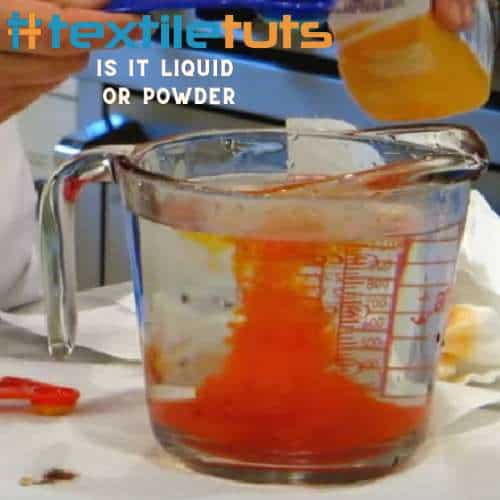
Dye removers come in liquid or powder form, each with distinct advantages. Liquid color removers mix easily but lose potency after 6–12 months of storage due to oxidation. Powder formulations remain stable for 2–3 years when stored in airtight containers in cool, dry locations.
Powder dye removers require dissolution in water before use but offer longer shelf life and more precise dosage control. The trade-off involves slightly more preparation time compared to ready-to-use liquid formulations.
Ease of Application
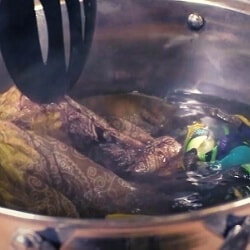
Fabric Dye Removing Process
Using dye removers requires following product-specific instructions rather than specialized expertise. Most consumer products deliver acceptable results when applied according to the manufacturer’s guidelines at temperatures between 140°F–185°F (60°C–85°C).
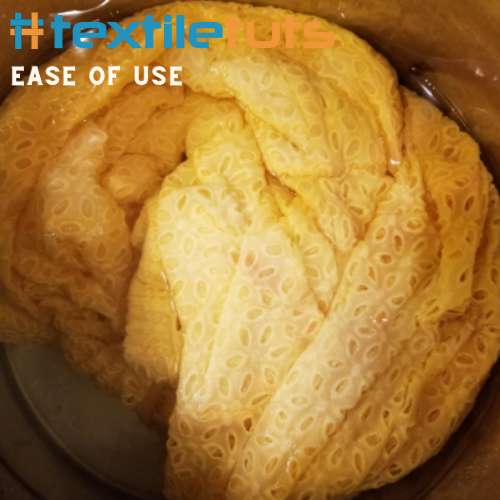
Products with clear, step-by-step instructions reduce the learning curve significantly. Look for formulations that include visual guides or QR codes linking to video tutorials.
Appliance Compatibility
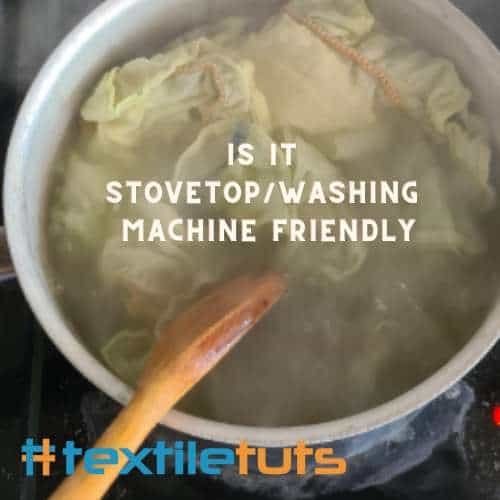
Dye removers work through stovetop or washing machine application methods. Stovetop treatment at boiling temperatures (185°F–212°F / 85°C–100°C) provides the most controlled environment and consistent results for fabrics up to 2 pounds.
Washing machine application at hot water settings (140°F–160°F / 60°C–71°C) works well for larger loads but provides less precise temperature control. Front-loading machines perform better than top-loaders for dye removal due to gentler agitation.
Fabric Type Suitability

Natural fibers (cotton, linen, wool, silk) respond best to dye removal treatments with 80–95% color removal efficiency. Synthetic fibers (polyester, nylon, acrylic) require longer treatment times and higher temperatures due to mechanical dye entrapment in the fiber structure.
Blended fabrics containing both natural and synthetic fibers produce unpredictable results. The natural portion removes color while the synthetic portion retains it, creating a mottled appearance.
Shade Compatibility
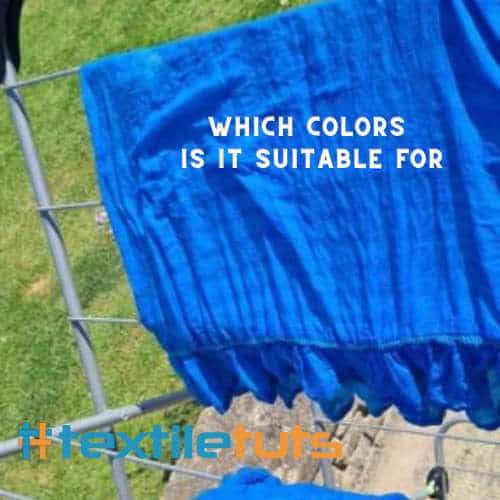
Dye removers work differently on various shade depths. Dark colors require 20–30 minutes at full temperature for complete removal, while medium shades achieve adequate results in 10–15 minutes. Light shades may only need 5–10 minutes to prevent over-bleaching.
Some formulations target dark dye removal specifically and may prove too strong for light-colored fabrics. Check the product specifications for recommended shade ranges.
Chemical Composition Safety
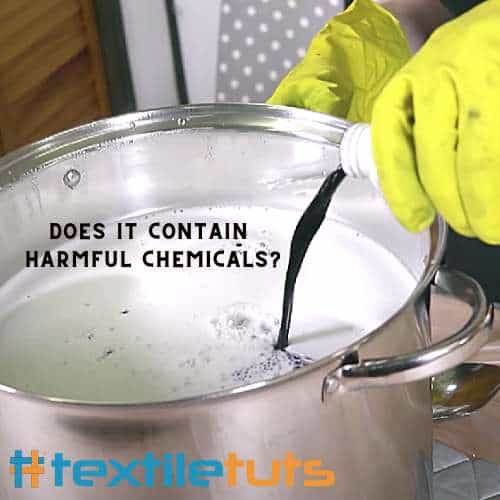
Dye removers containing chlorine bleach deliver faster results but cause cumulative fiber damage. Each treatment reduces cotton tensile strength by 5–15%, with effects becoming noticeable after 3–5 applications.
Oxygen-based and reducing-agent formulations preserve fabric integrity more effectively, maintaining 90–100% fiber strength after repeated treatments. These products cost 20–40% more but extend garment lifespan significantly.
Packaging Quality
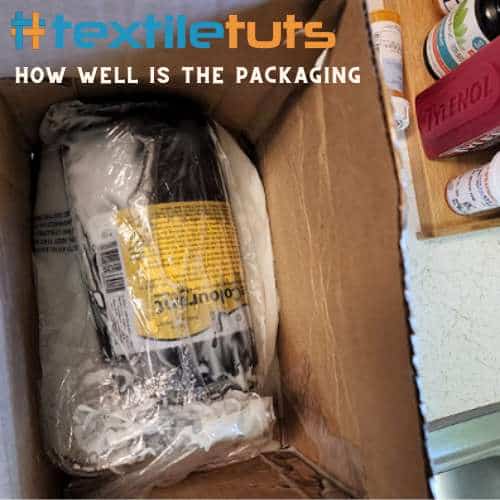
Quality packaging prevents leakage, moisture ingress, and product degradation during storage and transport. Resealable containers with integrated mixing nozzles reduce waste and improve dosing accuracy.
Leak-proof packaging eliminates mess and ensures accurate product measurement for each application. Look for containers with screw-top lids and inner seals for liquid formulations.
Cost per Application

Fabric dye removers range from $5–$30 depending on formulation and quantity. Calculate the cost per treatment by dividing the total price by the number of applications the container provides. Most products offer 4–12 treatments per container.
Premium formulations costing $20–$30 per container may prove more economical than budget options at $5–$10 if the higher concentration requires less product per application.
Carbona Color Run Remover vs Rit Dye Remover
Carbona Color Run Remover and Rit Dye Remover both deliver effective color removal but serve different primary purposes. Understanding their key differences helps you select the appropriate product for your specific situation.
Application Methods
Carbona Color Run Remover works on colorfast fabrics only. Applying it to garments with improperly set dyes eliminates the original color along with the unwanted dye. This product requires separate container soaking or front-loader washing machine use.
Rit Dye Remover applies to a broader range of fabrics including silk, linen, cotton, and cotton-linen blends. The formula preserves properly set original dyes while removing unwanted color transfer from bleeding or spillage.
Primary Uses
Carbona Color Run Remover brightens white garments and removes color bleeding without damaging the fabric base. The formula works best for restoring garments affected by dye transfer from mixed laundry loads.
Rit Dye Remover removes dye stains and stubborn patterns while protecting the original garment color. The formulation prepares fabrics for re-dyeing by removing existing color uniformly.
Application Techniques
Rit Dye Remover works through washing machine application at hot water temperatures (185°F–212°F / 85°C–100°C) or stovetop boiling treatment for 15–30 minutes. Both methods provide consistent results for fabric loads up to 2 pounds.
Carbona Color Run Remover requires separate container soaking, front-loader machine, or top-loader machine treatment without mixing with regular laundry loads.
Price Comparison
Carbona Color Run Remover costs $8–$12 for a 22-fluid-ounce (650mL) bottle providing 4–6 treatments. Rit Dye Remover costs $6–$10 for a 2-ounce (57g) package providing 1–3 treatments depending on fabric weight.
Carbona offers better value per treatment for color bleeding emergencies, while Rit provides more versatility for dye removal and fabric preparation projects.
Common Questions About Rit Dye Color Remover
Rit represents the most popular dye color remover for household use. These common questions address the most frequently asked concerns about this product line.
Efficacy Compared to Bleach
Rit Color Remover produces less dramatic lightening than chlorine bleach. Bleach achieves 95–100% color removal in a single treatment at 20-volume hydrogen peroxide concentration (6% aqueous solution). Rit Color Remover removes 70–90% of color in a single treatment, requiring multiple applications for complete removal.
The gentler action preserves fabric integrity better than bleach, which degrades cellulose fibers with each application. Chlorine bleach poses health risks including respiratory irritation when used in enclosed spaces without proper ventilation.
Compatible Fabric Types
Rit Color Remover removes color from all colorfast natural and synthetic textiles including cotton, linen, wool, polyester, and nylon. The application process varies slightly depending on fiber type, with natural fibers responding faster than synthetics.
Effectiveness on Rit Dyes
Rit Color Remover works on all types of dyes because commercial dye formulations share similar chemical structures. The reducing agent breaks the chromophore bonds regardless of the specific dye manufacturer, making it effective for removing Rit brand and other commercial dyes.
Selection Between Color Remover and Bleach
Color removers provide the most sustainable option for fabric color management. Chlorine-based bleaches contain hazardous chemicals that pose environmental disposal concerns. Rit Color Remover uses non-chlorinated formulations that break down into less harmful byproducts.
The gentle action extends fabric lifespan by 2–4 times compared to chlorine bleach treatments, making color removers more economical over the garment’s usable life despite higher per-treatment costs.
Proper Application Process
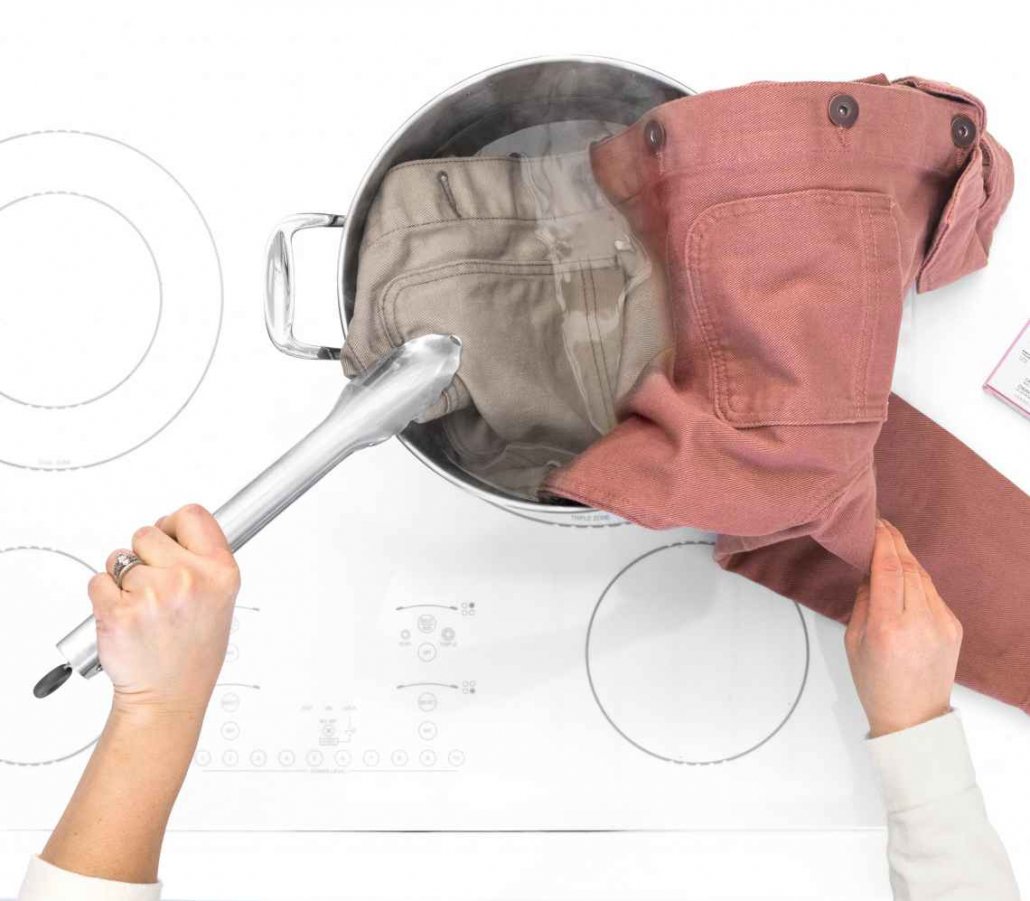
Follow this stovetop method for optimal Rit Dye Color Remover results:
- Pre-wash fabric in warm water with detergent. Pre-washing removes finishing treatments that interfere with color remover effectiveness.
- Fill a stainless steel or enamel pot with enough water to submerge the fabric completely. Use 3–4 gallons (11–15 liters) of water per pound of fabric.
- Heat water to a full boil (212°F / 100°C at sea level).
- Add 1 packet of Rit Color Remover per pound of dry fabric weight. Stir until completely dissolved.
- Immerse wet fabric in the solution. Maintain temperature at a rolling boil for 15–30 minutes, stirring occasionally.
- Check color removal progress every 5 minutes after 15 minutes. Remove fabric when desired shade is achieved.
- Rinse fabric in warm water, then cold water until rinse water runs clear.
- Wash fabric in hot water (140°F–160°F / 60°C–71°C) with detergent to remove all residual color remover.
- Dry fabric according to the fiber content care label instructions.
Dye Remover vs Stain Remover: Key Differences
A dye remover breaks the chemical bonds in chromophore molecules, eliminating color from the entire fiber. This process serves two purposes: removing unwanted dye for re-dyeing projects or eliminating dye bleeding from fabric where colors ran during washing.
A stain remover targets external coloring substances that sit on fiber surfaces without bonding chemically. Coffee stains, grass marks, and food spills respond to stain remover because these substances have not penetrated the fiber structure.
Applying color remover to surface stains destroys both the stain and the original fabric dye, permanently damaging the garment.
Fabric dye removers should never serve as spot-cleaning agents. Always use stain removers for localized staining and reserve dye removers for full-fabric color correction.
Fabric Color Remover vs Bleach
Fabric color removers and bleach achieve similar color elimination results through fundamentally different chemical mechanisms. Understanding these differences helps you select the appropriate product for your specific situation.
| Fabric Color Remover | Bleach |
|---|---|
| Contains reducing agents (sodium hydrosulfite, thiourea dioxide) | Contains oxidizing agents (chlorine, hydrogen peroxide) |
| Preserves fiber tensile strength at 90–100% after treatment | Reduces fiber tensile strength by 5–15% per treatment |
| Available in organic formulations for eco-friendly use | Poses environmental disposal concerns due to chlorine compounds |
| May include fabric-safe freshening agents | Emits strong chemical odor requiring ventilation |
| Maintains fabric GSM (grams per square meter) within 3% of original | Reduces fabric GSM by 5–10% after multiple treatments |
| Requires 15–30 minutes per treatment at elevated temperatures | Achieves results in 5–15 minutes but causes cumulative damage |
| Safe for repeated applications without significant fabric degradation | Multiple applications may cause tearing and structural failure |
Frequently Asked Questions
Polyester Color Removal Process
Polyester color removal requires advanced chemical treatment because polyester dyes penetrate fiber interiors mechanically. The process demands higher temperatures (200°F–212°F / 93°C–100°C) and longer treatment times (45–60 minutes) compared to natural fibers.
Polyester-safe dye removers use strong reducing agents at near-boiling temperatures. Wear protective gloves and work in well-ventilated areas when handling these formulations. Test on an inconspicuous area before full application.
Rit Color Remover Purchase Options
Rit Color Remover is available through major online retailers including Amazon, JOANN Fabric and Craft Stores, and the official Rit Dye website. Physical retail locations include Walmart, Target, and craft store chain locations with sewing supply sections.
Dye Removal Techniques
Hand application works effectively for small items or spot treatment. Dampen a white cloth with dye remover solution and rub the stained area using firm, consistent pressure. Replace the cloth when dye transfers become visible to prevent re-deposition.
Expected Results and Effectiveness
Rit dye color removers work effectively for permanent fabric dye removal from clothing. These formulations avoid harsh chemicals that damage fibers, allowing successful re-dyeing with consistent results afterward.
The products successfully removed Arteza permanent fabric paint in testing, demonstrating effectiveness against various commercial fabric painting formulations beyond standard dye removal.
Rit Dye Storage and Lifespan
Unused Rit dye powder maintains effectiveness indefinitely when stored in a cool, dry location in its original sealed packaging. Liquid Rit dye remains viable for 1–2 years when stored in airtight containers to prevent oxidation and evaporation.
Alternative Lightening Methods
Baking soda and soda ash mixtures provide moderate fabric lightening without commercial dye removers. Add 1 cup (240g) of baking soda to the washing machine along with regular detergent for gentle ongoing lightening over multiple wash cycles.
Effectiveness on Tie Dye Projects
Color removers work on tie dye projects, with results depending on the dye type and shade depth. Even permanent fabric dye responds to color remover treatment, though deeper shades require multiple applications.
Cross-staining risk exists when removing colors from multi-colored tie dye shirts. The removed dye can transfer to adjacent fabric areas during treatment, creating unintended color patterns.
Odor Concerns
Quality dye removers do not cause fabric odor when used as directed. Fabric damage from excessive bleach use creates persistent odor problems. Neutralize chlorine odors with white vinegar rinse (1 cup / 240mL per load) followed by proper rinsing.
Strong Reducing Agent Alternatives
Strong reducing agents including Rongalite (zinc formaldehyde sulfoxylate) and sodium dithionite effectively destroy dye molecules at industrial scale. These chemicals pose toxicity concerns including skin irritation, respiratory sensitivity, and environmental persistence.
Household users should avoid hydros, sodium dithionite, and Rongalite formulations due to handling complexity and disposal requirements. Consumer-grade products provide adequate results with significantly reduced risk profiles.
Final Words
Finding the best fabric dye remover requires balancing effectiveness, fabric safety, and cost considerations. Unlike simple cleaning tasks, fabric color correction demands careful product selection for optimal results.
Use all available product information to make an informed decision. Avoid rushing the selection process or settling for products that fail to meet your specific requirements.
The right fabric dye remover delivers consistent results while preserving garment integrity through multiple treatment cycles. Your investment in quality products pays dividends through extended clothing lifespan and successful project outcomes.
References
- Society of Dyers and Colourists. (2002). Colorants and auxiliaries: Organic chemistry and application properties, Vol. 1: Colorants (2nd ed.). Bradford, West Yorkshire: Society of Dyers and Colourists.


