
What Color Can You Dye Green Fabric? Learn New Facts And Techniques!

What Color Can You Dye Green Fabric? A Complete Over-Dyeing Guide
You can dye green fabric into darker shades (navy, burgundy, brown, black), lighter pastel tones, or neutral grays and tans—depending on the fabric type, original color depth, and dye chemistry. The result depends on whether you apply dye directly over the existing green or remove the original color first with a color remover.
All you need to know is the easiest over-dyeing techniques and color theory. In this guide, you will learn what colors work best on green fabric and exactly how to apply them.
Dyeing Colored Fabric: What You Need to Know First
Dyeing already-colored fabric is entirely possible and gives garments a completely new look. However, several factors determine whether the over-dyeing will succeed: the fabric type, the original color depth, and the dye chemistry involved.
Natural or Synthetic Fabric
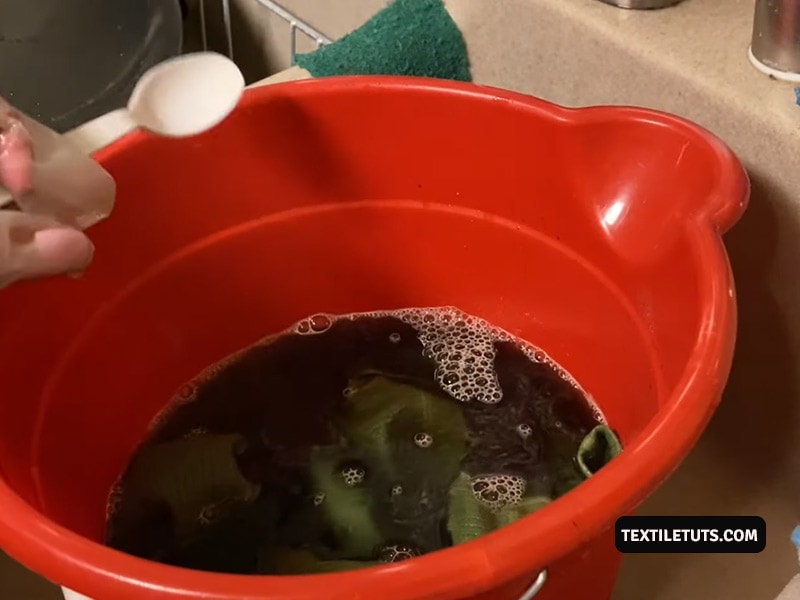
You need to identify the fabric type before selecting a dye. Natural fibers—cotton, wool, and silk—have porous cell structures that absorb dye quickly and evenly. According to Wikipedia, reactive dyes form a covalent bond with functional groups in natural fibers, producing high wet fastness. Synthetic fibers—polyester, nylon, and acetate—require disperse dyes, which diffuse into the fiber at high temperatures.
Polyester with a high polyester content often resists dye absorption entirely unless you use disperse dyes heated to at least 200°F (93°C). This is why fiber identification is the critical first step in any over-dyeing project.
Type of Dye to Apply
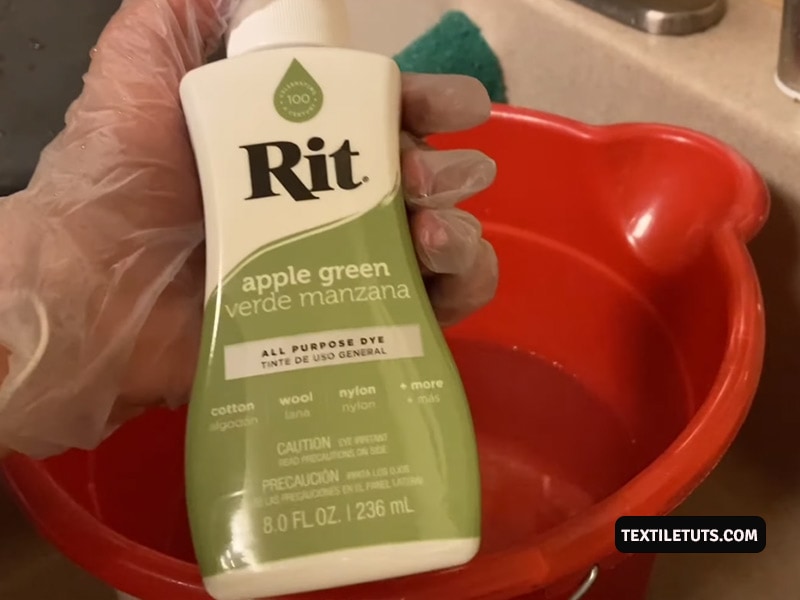
The two primary dye categories are fiber-reactive dyes and acid dyes. Fiber-reactive dyes are specifically formulated for cellulose fibers such as cotton, linen, and rayon. Acid dyes work optimally on protein fibers including wool, silk, and nylon at a pH range of 2–6, according to the Wikipedia dye classification system. All-purpose dyes are a compromise that work on both natural and synthetic fabrics but with reduced wash fastness compared to specialized dyes.
For synthetic polyester, only disperse dyes produce acceptable results—and these require boiling temperatures of 200°F (93°C) or higher to achieve proper fiber penetration and color saturation.
Original Fabric Color
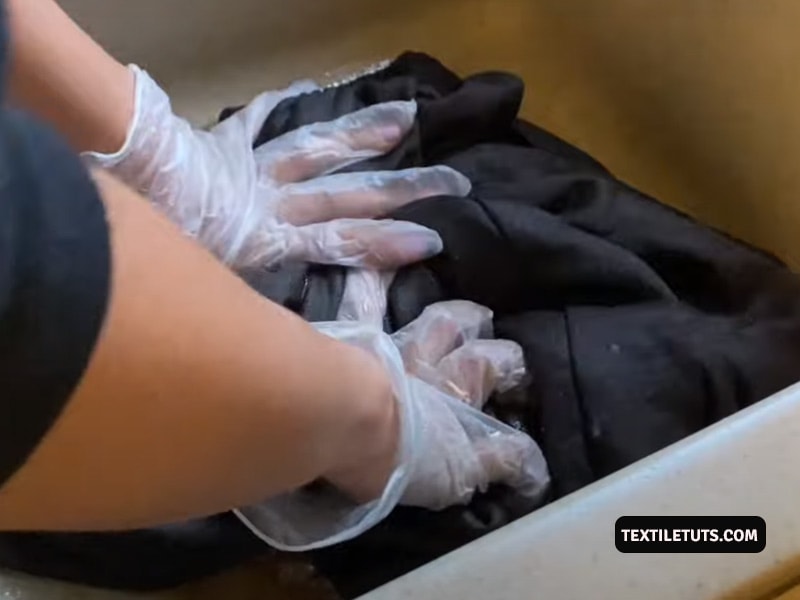
The original color directly affects the final result because color mixing follows subtractive principles. When you apply a new dye over an existing color, the hues blend—and darker original colors are significantly harder to shift than lighter ones.
Over-dyeing a deep forest green to a pale lavender will likely fail without first stripping the original color with a color remover. Lighter pastel greens, however, respond well to most over-dyeing treatments.
The saturation and value of the original green fabric determine the technique required. High-saturation deep greens require either a complementary color (red) to neutralize to brown/gray, or a darker-over-darker approach using navy or black dye.
Over Dyeing Explained: The Process and Its Uses
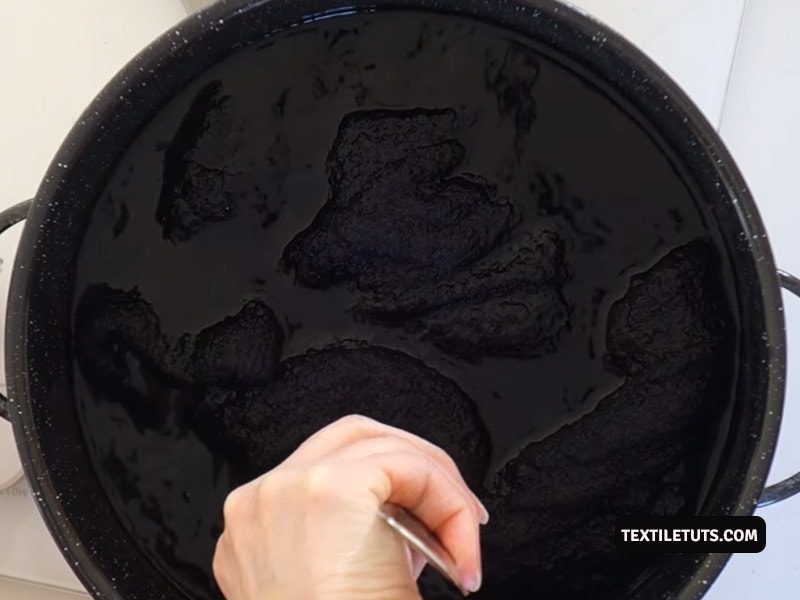
Over-dyeing means applying a new color to fabric that has already been dyed. This technique serves two purposes: it gives worn or faded garments a fresh appearance, and it transforms outdated colors to match current trends. According to Rit Dye, over-dyeing extends the life of garments—saving four shirts you love with dye versus buying new ones reduces CO2 emissions by approximately 74%.
The over-dyeing process follows the same basic steps as dyeing a white garment: identify the fabric, select the correct dye, prepare the dye bath, and heat-set the color. The key difference is that the original color participates in the final hue creation through subtractive color mixing.
One approach for over-dyeing a darker fabric to a lighter color is to first use a color remover to strip the existing dye, creating a blank canvas for the new color. Without this step, the original pigment will dominate the final result or produce unpredictable mixed tones.
Before immersing any fabric in a dye bath, always test your color mixture on a small fabric swatch. Different dyes have different pigment compositions, which interact uniquely with base colors—predicting the result in advance prevents irreversible mistakes.
When over-dyeing used clothing, inspect for stains first. Deeper stains often resist both washing and dye absorption, so pre-treat with a stain remover before dyeing. If stains remain visible after dyeing, a tie-dye technique can incorporate them into a deliberate design pattern.
Color Theory for Over Dyeing: How Colors Interact on Fabric
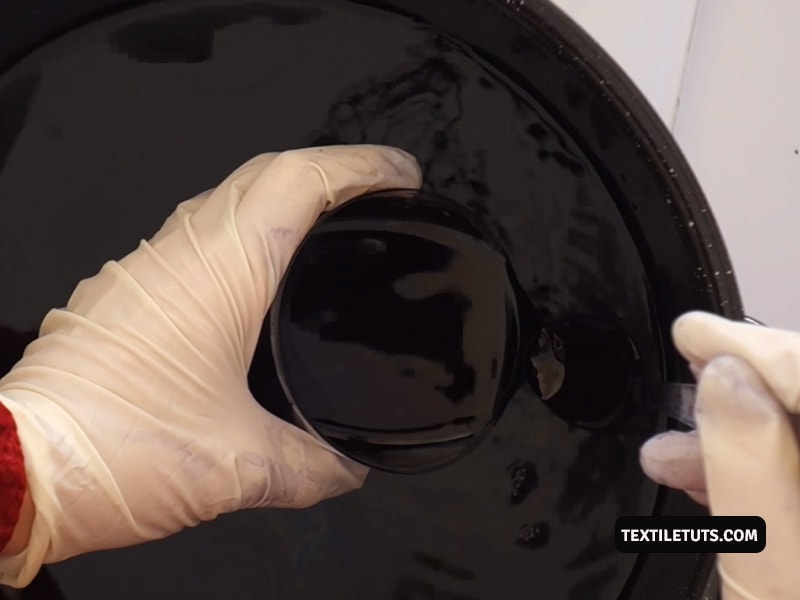
Color theory governs how different hues interact when mixed on fabric. In subtractive color mixing—the principle that applies to dyes and pigments—primary colors are red, yellow, and blue. Secondary colors (orange, purple, and green) are created by mixing adjacent primaries. According to Wikipedia’s color wheel analysis, complementary colors sit directly opposite each other and neutralize each other when mixed in equal proportions.
The critical principle for over-dyeing is that each dye medium behaves differently. Unlike light mixing, which is precise, pigment combinations on fabric cannot be calculated with perfect accuracy. This is why professional dyers create custom color wheels specific to their materials and dye types.
When you over-dye a yellow-toned green fabric with blue, the yellow and blue components combine to produce a blue-green tertiary color. When you over-dye the same green with red—the true complementary color of green—the hues cancel each other out, producing a muted brownish or grayish neutral tone.
Both the value (lightness/darkness) and saturation (color intensity) of the original green fabric significantly influence the final result. Deep forest greens yield different outcomes than pale mint greens even when treated identically.
What Colors Can Be Applied to Green Fabric: Your Options
Green is a secondary color created by mixing yellow and blue. As a result, over-dyeing green fabric requires understanding how its component colors will interact with the new dye. The three primary approaches are using complementary colors, creating tertiary hues, and working with lighter or darker shades.
Over-Dyeing with Complementary Colors
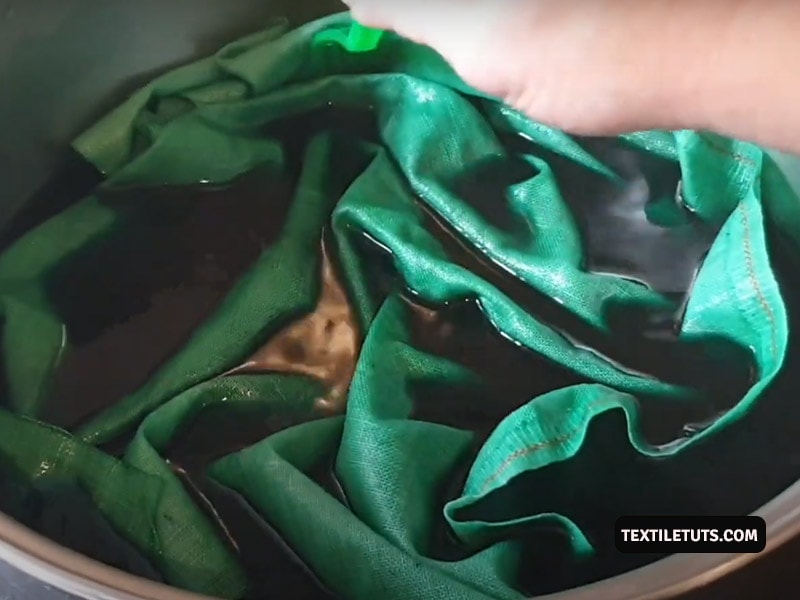
The complementary color of green on the subtractive color wheel is red. When red dye is applied to green fabric in roughly equal proportions, the colors cancel each other out, producing a brown, gray, or taupe neutral tone. The exact result depends on whether the green skews more yellow (requiring more red to neutralize) or more blue (requiring less).
Over-Dyeing to Produce Tertiary Colors
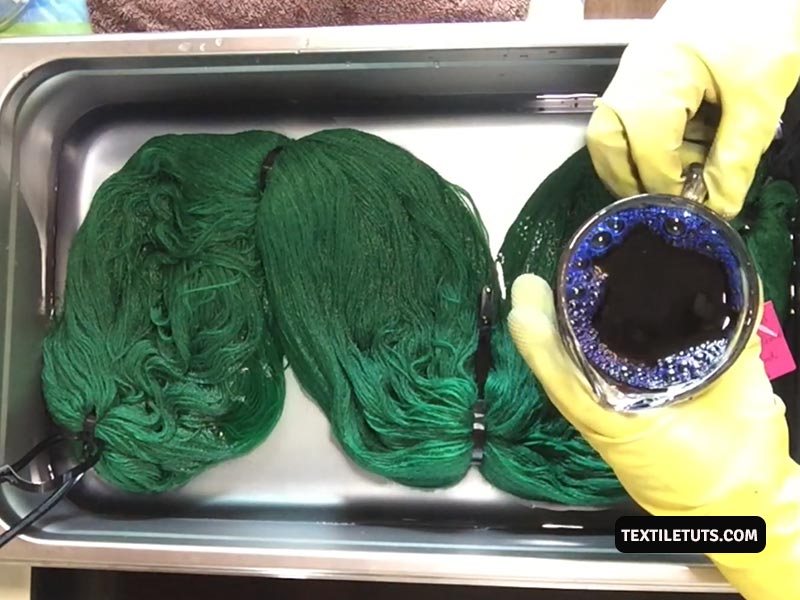
Applying a primary color adjacent to one of green’s component colors produces a tertiary hue. Over-dyeing green fabric with blue creates blue-green (teal). Over-dyeing with yellow produces yellow-green. These approaches retain the green base while shifting the overall hue toward a new direction.
Over-Dyeing to Darker or Lighter Shades
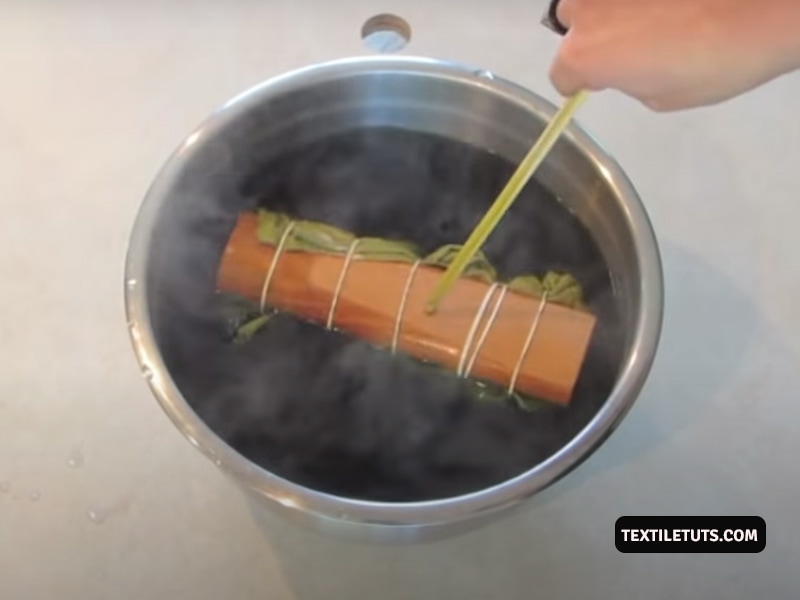
Pastel and light green fabrics accept darker dyes readily, shifting easily to forest green, navy, or black. Deep green fabrics, however, require either darker-vivid dyes (navy, burgundy, black) or a two-step process involving color removal before applying a lighter hue.
Bleaching Green Fabric to a Lighter Shade
Bleaching strips the green pigment from fabric, often producing a yellow, off-white, or pure white result depending on the original dye’s resistance. Bleaching is aggressive and will degrade cotton fibers over repeated treatments. Test on a hidden seam area before committing to full garment bleaching.
The safest approach is always to experiment on a small fabric swatch before treating an entire garment, giving you a reliable preview of the final color interaction.
Color Options at a Glance: What Works on Green Fabric
This quick reference shows the most reliable color outcomes when over-dyeing green fabric, based on the original color depth and desired result.
| Desired Result | Best Dye Colors to Use | Fabric Consideration |
|---|---|---|
| Darken the green | Navy blue, burgundy, brown, black | Works on all green fabric depths |
| Neutral brown/gray tone | Red (complementary color) | Yellow-toned greens need more red; blue-toned need less |
| Teal / blue-green | Blue | Original green shifts toward blue-green |
| Yellow-green | Yellow | Original green shifts toward yellow-green |
| Lighter pastel shade | Pastel pink, lavender, mint | Light greens only; deep greens need color remover first |
| White or off-white | Bleach (color remover) | Aggressive process; degrades fibers on repeated use |
Step-by-Step DIY Guide to Over-Dyeing Green Fabric
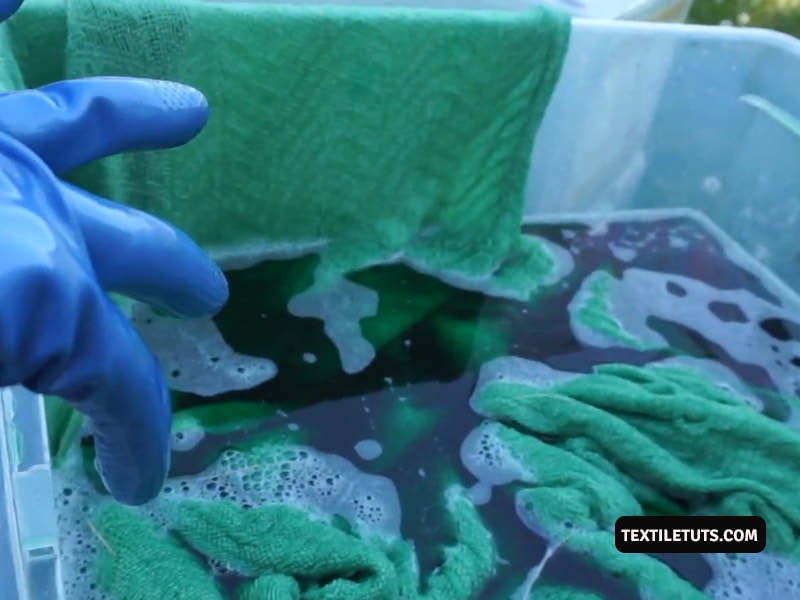
When over-dyeing a green fabric, you have two options: apply a darker or neutral shade directly over the existing green, or remove the original color first before applying a completely different hue. Removing color reduces fabric lifespan and quality, so the direct over-dye method is recommended whenever possible.
- Over-dye the green fabric with a darker or neutral shade, or
- Remove the existing color with a color remover, then apply a new hue
What You Will Need
Preparation Is the Key
Wash the green fabric with warm water and a detergent before dyeing. This removes dirt, body oils, and fabric finishes that would otherwise create uneven dye absorption. After washing, rinse thoroughly and allow the fabric to dry completely.
Pick the Right Dye
For natural fibers such as cotton, wool, and silk, use fiber-reactive dyes (for cellulose) or acid dyes (for protein fibers). For synthetic polyester, nylon, or acetate, you must use disperse dyes heated to at least 200°F (93°C). Match the dye chemistry to your specific fabric composition.
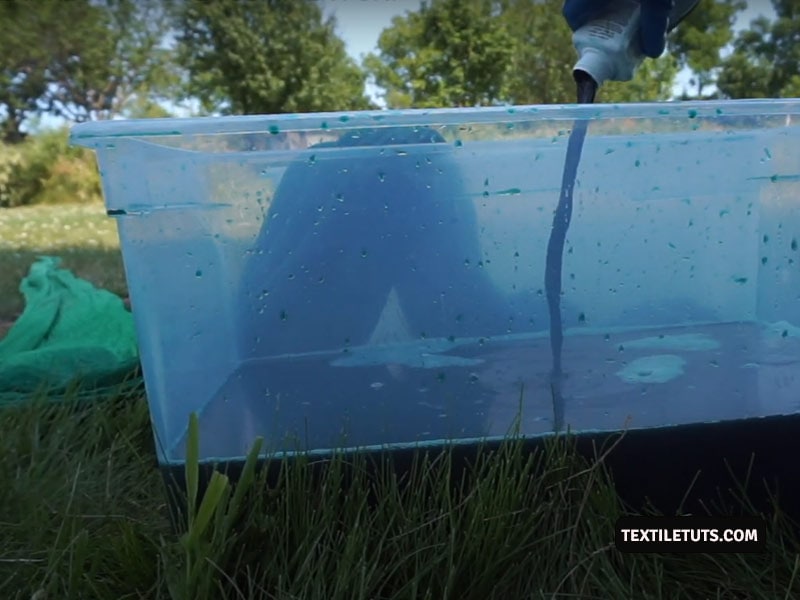
Mix the Dye Correctly
Follow the package instructions for dye-to-water ratios. For fiber-reactive dyes, add salt to the solution to promote absorption. Stir the mixture thoroughly in a large pot until the dye is fully dissolved before adding fabric.
Dampen the Fabric
Wet the fabric with warm water before immersing it in the dye bath. Damp fabric absorbs color more evenly than dry fabric, which would repel the dye solution and create blotching.
Immerse in the Dye Bath
Fully submerge the damp fabric in the dye bath. Use a wooden stirrer to move the fabric continuously for the first 15 minutes to ensure even color distribution. After that, stir at regular intervals to maintain uniformity.
Heat the Dye Bath
Heat the pot according to the dye package directions. Fiber-reactive dyes typically require several hours of low-intensity heat for proper fixation on cotton. Acid dyes for wool and silk generally require 30–60 minutes at temperatures below boiling. Disperse dyes for polyester require temperatures of at least 200°F (93°C) near boiling point.
Rinse and Dry
Remove the fabric from the pot and rinse under cool running water. Continue rinsing until the water runs completely clear—this may take several minutes. Wash separately in a machine on a cold gentle cycle, then hang to dry away from direct sunlight.
If the final color is not as you intended, you can repeat the over-dyeing process. However, repeated dyeing cycles degrade fabric fibers, so limit retreatments to no more than two additional attempts.
Dye Types at a Glance: Which Dye Works on Which Fabric
Choosing the correct dye for your fabric type is essential for achieving a durable, even color. The table below summarizes the primary dye types and their compatible fabric categories, process temperatures, and expected results.
| Dye Type | Compatible Fabrics | Process pH / Temp | Result / Fastness |
|---|---|---|---|
| Fiber-reactive dye | Cotton, linen, rayon (cellulose) | pH 10–11 / 140–160°F (60–71°C) | High wet fastness, covalent bond with fiber |
| Acid dye | Wool, silk, nylon (protein/polyamide) | pH 2–6 / below boiling | Bright colors, moderate wash fastness |
| Disperse dye | Polyester, acetate | 200°F+ (93°C+) / near boiling | Moderate wash fastness, diffuses into fiber |
| Vat dye | Cotton (cellulose) | Reduced/oxidized process / 120–140°F | Very high wash fastness, complex process |
| All-purpose dye | Cotton, wool, silk, nylon, rayon | Varies / near boiling | Moderate fastness, convenience over performance |
Common Mistakes to Avoid When Dyeing Green Fabric
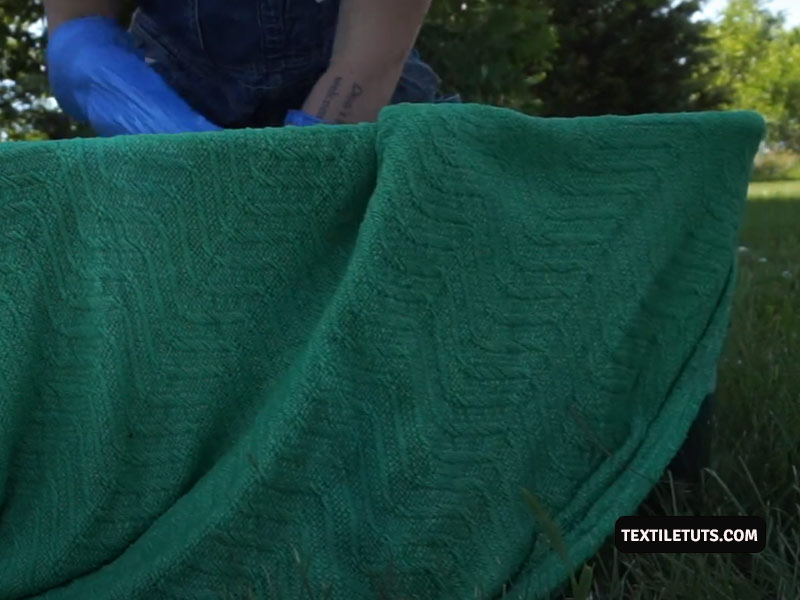
Over-dyeing a green fabric can yield excellent results, but certain common mistakes lead to uneven color, fabric damage, or complete failure. Here are the key pitfalls to avoid:
Skipping the Pre-Wash
Grease, fabric softeners, and body oils create barriers that prevent dye absorption. Always pre-wash your green fabric in warm water with detergent before dyeing.
Insufficient Stirring
Uneven stirring causes blotchy, streaked results. Stir continuously for the first 15 minutes, then maintain regular stirring intervals throughout the dyeing process.
Skipping Fabric and Dye Research
Each fabric type requires a specific dye chemistry. Using the wrong dye on your green fabric wastes time and produces poor results. Research the fiber content before purchasing any dye product.
Skipping the Swatch Test
Always test the color interaction on a small fabric swatch before treating an entire garment. This preview reveals exactly how your specific green fabric will respond to the chosen dye.
Frequently Asked Questions
How to dye green polyester?
To dye green polyester fabric, you must use disperse dyes formulated specifically for synthetic fibers. Heat the dye bath to at least 200°F (93°C) and maintain that temperature for 30–60 minutes to allow the dye to diffuse into the polyester fibers. Polyester’s hydrophobic structure requires high heat to achieve acceptable color penetration.
How do you dye green fabric darker?
To darken green fabric, select a dye that is darker than the original green. Navy blue, burgundy, brown, and black are the most effective choices. Apply the darker dye using the standard over-dyeing process at the appropriate temperature for your fabric type. The original green will blend with the new dye to produce a deeper overall hue.
Does pink or red cancel out green?
Red is the complementary color of green on the subtractive color wheel. When applied in sufficient quantity, red neutralizes green, producing brown, taupe, or gray tones. Pink, being a lighter tint of red, has a similar but milder neutralizing effect on green fabric.
Can re-dyeing my garment cause blotchiness?
Re-dyeing can cause blotchiness if the original dye was not fully removed, if the fabric has areas of varying wear, or if the fabric was not properly stirred during dyeing. To fix blotchy results, you can rewash the garment and re-dye it, or apply a color remover and start fresh. There are also steps to fix blotchy fabric dye as described in our dedicated guide.
References
- Dye. (2024). Wikipedia.
- Color wheel. (2024). Wikipedia.
- Rit Dye. (2024). Rit Dye website — product information and environmental data. Rit Dye.
Wrapping Up
Dyeing green fabric opens up a world of color possibilities without the cost of buying new clothes. By understanding color theory, selecting the correct dye for your fabric type, and following proper pre-treatment and stirring practices, you can reliably transform green garments into new hues you will love wearing.
If you are uncertain how a specific green fabric will respond to a particular dye, test the combination on a hidden seam swatch first. With a bit of patience and the right technique, your green wardrobe pieces can become navy, burgundy, brown, or any color you envision.


