
5 Best Fabric Dye for Polyester in 2026 [Updated List]

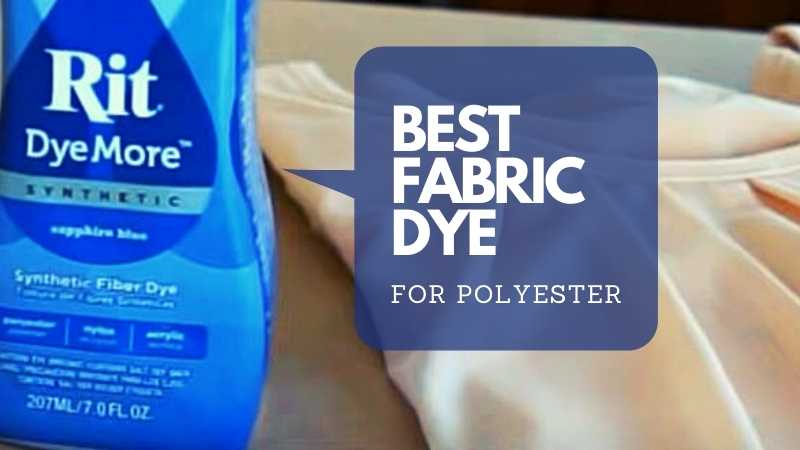
Rit DyeMore is the best fabric dye for polyester — its specially formulated disperse dye chemistry penetrates hydrophobic synthetic fibers at high temperatures, delivering vibrant, long-lasting color that standard dyes cannot achieve. Unlike natural fiber dyes that rely on chemical bonding with cotton or wool, polyester requires heat-assisted dye absorption, making DyeMore the top choice for both pure polyester and synthetic blends.
Dyeing polyester differs significantly from working with natural fibers. Polyester’s synthetic composition means standard dye methods fail — only disperse dyes formulated for synthetics produce professional results. This guide covers the complete process and identifies the best products for every polyester dyeing project.
Whether you’re refreshing faded black clothing, creating custom tie-dye patterns, or dyeing 100% polyester fabric for the first time, the right approach depends on understanding polyester’s unique properties and selecting dyes specifically designed for synthetic materials.
Polyester Dyeing at a Glance
| Parameter | Requirement | Why It Matters |
|---|---|---|
| Dye Type | Disperse dye (e.g., Rit DyeMore, Jacquard iDye Poly) | Natural fiber dyes will not bond with polyester |
| Water Temperature | Near boiling (~100°C / 212°F) | Heat opens polyester fibers for dye absorption |
| pH Level | Acidic, 4.2–4.7 | Optimizes dye uptake and color intensity |
| Immersion Time | 60 minutes for pure polyester | Ensures full dye penetration and even coverage |
| Dye Quantity | 1 packet per 1 lb (0.45 kg) fabric | Prevents uneven or patchy results |
| Fabric Prep | Pre-wash without detergent | Removes finishes that block dye absorption |
Dye Comparison: Quick Reference
| Product | Best For | Form | Polyester % | Method |
|---|---|---|---|---|
| Rit DyeMore | Best Overall | Liquid | 35%+ | Stovetop |
| Rit All-Purpose | Natural-dominant blends | Liquid | <35% | Bucket/Machine |
| Jacquard iDye Poly | Versatility | Powder (dissolvable) | Any % | Stovetop |
| Rit All-Purpose Powder | Affordability | Powder | <35% | Machine/Bucket |
| Tulip Permanent | Colorfastness | Powder | Blends only | Stovetop |
How to Dye Polyester Fabric
Dyeing polyester requires specific steps to achieve professional results. Several critical parameters must be controlled throughout the process.
Critical Parameters
- Disperse dyes work on synthetic fibers; natural fiber dyes (cotton, linen) will not bond with polyester
- Maintain acidic pH between 4.2 and 4.7 throughout the dyeing process for optimal dye uptake
- Base fabric color affects the final hue; dye quantity and immersion duration control color depth
- Required equipment: measuring cup, metal tongs, rubber gloves, protective drop cloths
Cover your workspace before beginning. Wear rubber gloves throughout the process.
Step 1: Determining Dye Quantity
Weigh the fabric dry before mixing dye. Most dye packets specify coverage for a specific weight. A general guideline: one packet colors approximately 1 pound (0.45 kg) of dry fabric. Excess dye creates uneven results.
Step 2: Pre-Wash the Fabric
Pre-wash fabric to remove stains, dirt, and finishing treatments that inhibit dye absorption. Wash by hand or machine using warm water without detergent.
Step 3: Selecting the Dyeing Method
Disperse dyes require the stovetop method for polyester. The water temperature must reach near-boiling (approximately 100°C/212°F) for the dye to diffuse into the hydrophobic polyester fibers.
Step 4: Color Removal for Pre-Dyed Fabric
Fabric with an existing base color requires color removal before re-dyeing. Color removers work partially but rarely eliminate color completely. Calculate color mixing ratios to achieve target hues when full removal is not possible.
Step 5: Selecting the Container
Use a stainless steel pot with sufficient water for the fabric to move freely. Standard ratio: 3 gallons (11.3 liters) of water per pound (0.45 kg) of fabric. This ensures consistent color distribution. Tie-dye patterns require less water.
Step 6: Adding a Washing Agent
Add 1-2 teaspoons of dish detergent to promote level dyeing. This surfactant reduces surface tension and helps the dye distribute evenly. When water approaches simmering temperature, shake the dye concentrate and pour it in, mixing with a stainless steel spoon or tongs.
Step 7: Preparing and Adding Fabric
Dampen fabric slightly before adding to the dye bath. Slowly submerge the fabric, ensuring complete immersion. Full submersion is essential for uniform color. For tie-dye patterns, prepare the fabric in the desired configuration before adding to the bath.
Step 8: Maintaining Consistent Stirring
Stir fabric continuously during the first 10-15 minutes, which is the most critical phase for dye absorption. Consistent movement prevents uneven color concentration and blotching. Irregular stirring produces patchy results even when using premium dyes.
Step 9: Determining Immersion Duration
Immersion time varies by fabric blend. Natural fiber blends (cotton-polyester) require 30-60 minutes. Extended time up to 60 minutes produces deeper shades. Pure polyester requires the full 60 minutes at simmering temperature.
Key Parameters for Polyester Dyeing
Dye quantity and immersion duration directly determine final color intensity. Test color results on a scrap fabric before dyeing the final piece. Wet fabric appears significantly darker than the dry result — the final color lightens by approximately 30-40% upon drying.
Allow fabric to dry completely before assessing color. Water repellency testing after dyeing confirms fabric performance meets desired standards for both aesthetic and functional quality.
These steps produce professional-quality results on synthetic fabrics. Unlike direct dyes or natural dyes that work at room temperature, disperse dyes require sustained heat to achieve molecular bonding with polyester fibers.
5 Best Fabric Dyes for Polyester in 2021
Quality dyes produce vibrant, long-lasting color on synthetic fabrics. These five products deliver consistent results for polyester dyeing projects.
1. Rit DyeMore Liquid Dye — Best Overall
Features
- Dye Type: Liquid concentrate
- Usable With: Fabrics with more than 35% polyester
- Suggested Usage Method: Stovetop at high temperature
- Package Size: 207 ml
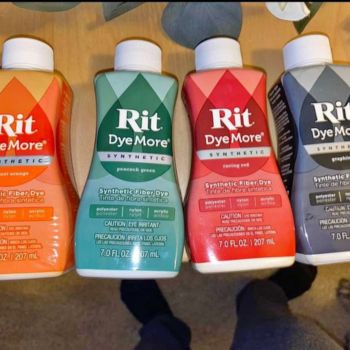
Rit dominates the fabric dye market, and DyeMore represents their synthetic dye formula. This liquid concentrate dyes polyester fabrics with 35% or higher synthetic content. It also works effectively on acrylic, acetate, and nylon.
Beyond fabrics, this dye colors wigs, plastics, and 3D printed items containing synthetic polymers. Most dyes cannot penetrate 100% polyester, but DyeMore’s formula achieves reliable color absorption at high temperatures.
The graphite variant produces deep black shades superior to fabric paints. Users report excellent results with tie-dye and ombré gradient patterns.
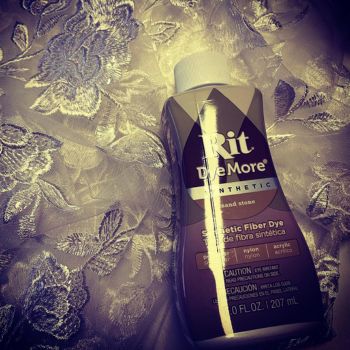
Pattern work yields excellent results at higher temperatures. Both tie-dye and ombré patterns retain their definition through the dyeing process.
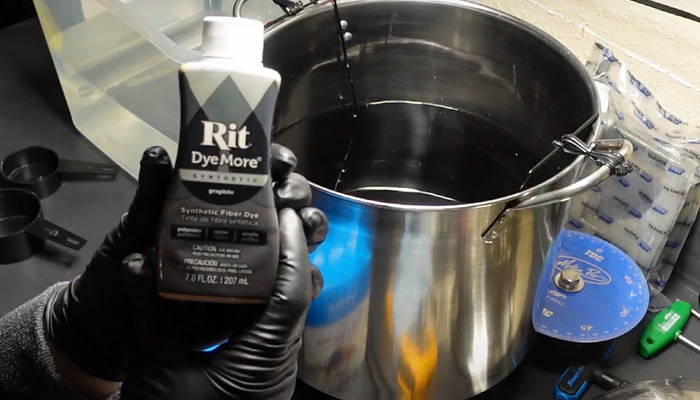
The graphite shade produces blacks with superior depth compared to fabric paints. This makes it the preferred choice for restoring faded black garments.
PROS:
CONS:
Verdict
This dye handles natural/polyester blends and pure polyester effectively.
2. Rit All-Purpose Liquid Fabric Dye — Best for Natural Fiber-Dominant Blends
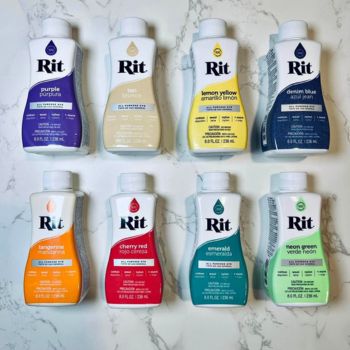
Features
- Dye Type: Liquid concentrate
- Usable With: Cotton, wool, silk, and polyester blends below 35%
- Suggested Usage Method: Bucket, tub, or washing machine
- Package Size: 236 ml
For fabrics with higher natural fiber content, this all-purpose formula delivers vibrant colors. It works through standard dyeing methods without requiring heat, making it suitable for cotton, wool, and silk blends.
This Rit formula produces exceptionally vivid colors that rejuvenate faded fabrics. It extends beyond fabric applications to various craft projects.
The liquid concentrate offers flexibility in color mixing. Users can achieve custom shades by adjusting concentration. The washing machine dyeing method works, though some color bleeding may occur during subsequent washes.
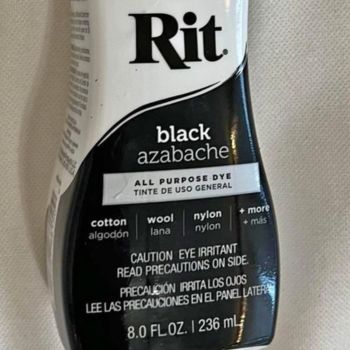
Some color transfer occurs during washing, which is typical for this dye type. The pre-mixed liquid form provides greater control over final color intensity compared to powder alternatives.
This all-purpose dye works with natural fabrics and blended fabrics containing up to 35% polyester. The affordable price point makes it accessible for various projects.
PROS:
CONS:
Verdict
Choose this dye for fabrics with more natural fibers than synthetic.
3. Jacquard iDye Poly — Best for Versatility
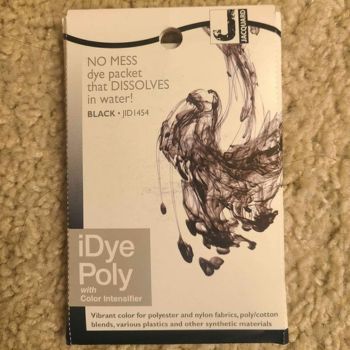
Features
- Dye Type: Powder in dissolvable packet
- Usable With: Polyester, nylon, poly/cotton blends
- Suggested Usage Method: Stovetop simmering
- Package Size: 14 g (0.49 oz)
Jacquard produces professional-grade dyes, and iDye Poly represents their synthetic dye line. This powder formula dissolves in water in its packaging, eliminating messy powder handling.
Polyester dyeing requires controlled high temperatures and continuous stirring for the color to bond properly. The iDye Poly formula delivers vibrant, professional results under these conditions.
Color quality after dyeing exceeds expectations — the blacks appear particularly rich when sufficient dye is used. The formula works on plastics and 3D printed items containing synthetic polymers.
Each packet covers 2-3 pounds (0.9-1.4 kg) of fabric. The formula dyes 100% polyester effectively and performs equally well on synthetic fiber blends.
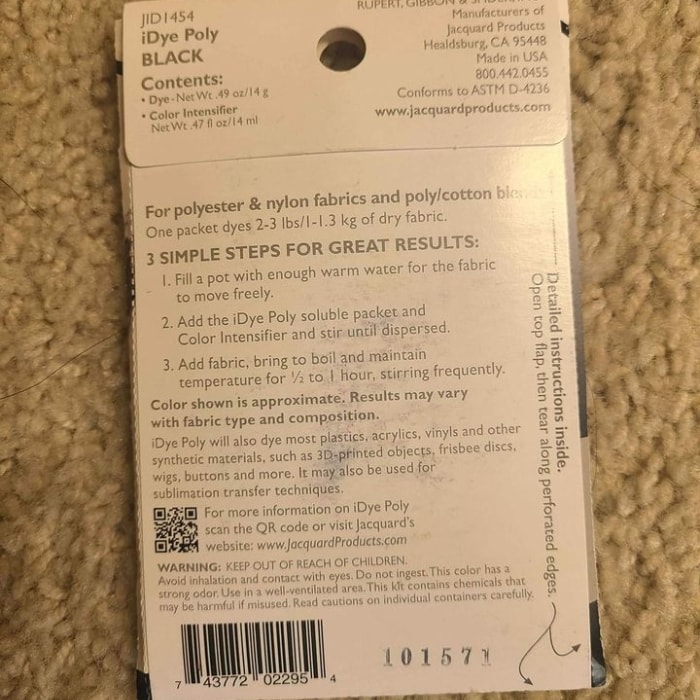
Coverage per packet ranges from 2-3 pounds of fabric depending on desired intensity. This makes it economical for larger projects.
PROS:
CONS:
Verdict
This dye excels with pure synthetics and synthetic blends without natural fibers.
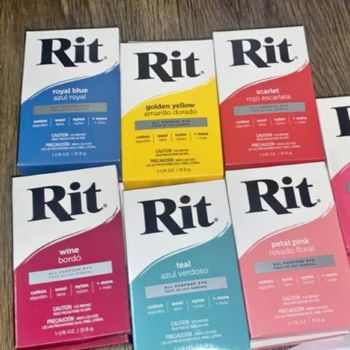
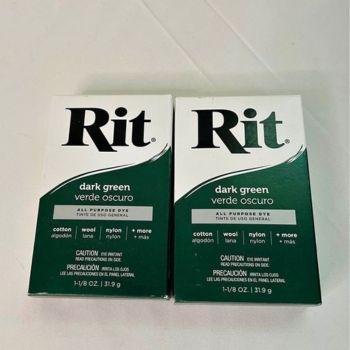
4. Rit All-Purpose Powder Dye — Best for Affordability
Features
- Dye Type: Powder
- Usable With: Natural fiber-dominant blends with polyester
- Suggested Usage Method: Washing machine or bucket
- Package Size: 31.9 g (1.125 oz)
For fabrics with higher natural fiber content, this Rit powder formula provides an economical option. It works optimally with natural fibers like cotton and silk.
Powder dyes in this category primarily bond with natural fibers. For blends containing approximately 35% or less polyester, this formula produces acceptable results on the cotton or silk portion.
The formula works with cotton, silk, and wool through standard dyeing processes. Vibrant colors result from proper application. Beyond fabrics, it extends to wood, paper, and screen printing applications.
The extensive color selection enables diverse creative projects. The affordable price point makes it accessible for experimentation and larger projects alike.
PROS:
CONS:
Verdict
This dye suits projects prioritizing affordability and color variety.
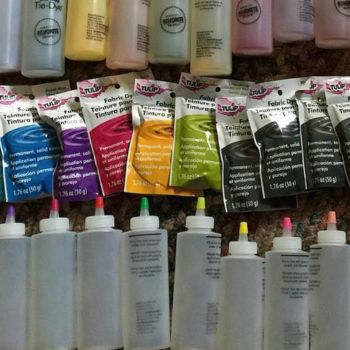
5. Tulip Permanent Fabric Dye — Best for Colorfastness
Features
- Dye Type: Powder
- Usable With: Synthetic blends
- Suggested Usage Method: Stovetop with hot water
- Package Size: 50 g (1.76 oz)
Tulip delivers permanent, fade-resistant results without sacrificing color control. The range of color options produces vibrant, wash-resistant shades.
Higher temperatures during dyeing produce deeper shades. This applies to all colors in the Tulip range. The formula works with polyester, nylon, acrylic, and other synthetic fibers.
Tulip does not recommend this product for 100% polyester fabrics, which limits its versatility. Blended fabrics with sufficient synthetic fiber content accept the dye well.
The price point balances cost against colorfastness performance. Beyond the limitation with pure polyester, this dye delivers professional-quality results.
PROS:
CONS:
Verdict
This dye excels when color retention and quality outweigh other considerations.
What to Look for Before You Buy
Polyester presents specific challenges due to its hydrophobic properties. Consider these factors before purchasing dye.
Selecting the Dye Type
Dye types include azoic, reactive, disperse, and acid dyes. Each requires different application methods. For polyester and synthetic fabrics, disperse dye delivers optimal results.
Disperse dyes bond with synthetic fibers without requiring fixatives. Temperature change drives the bonding process instead of chemical fixatives. Acid dyes work differently and suit different fiber types.
Liquid versus Powder Form
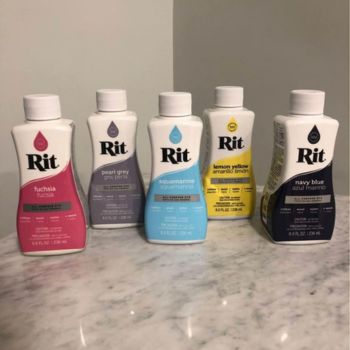
Both liquid and powder forms work as permanent fabric dyes for polyester. Liquid dye offers higher concentration, making it more economical for large projects. Digital textile printers use liquid dye formulations.
Selecting the Color
Color mixing requires understanding how existing fabric color affects the final result. A green fabric dyed with red produces brown. Color theory principles guide mixing ratios to achieve target hues.
Determining Dye Quantity
Dye quantity depends on the desired color depth. Deep shades require higher dye concentrations. Light refreshment of faded colors requires proportionally less dye.
Bleach stain coverage demands significantly more dye to achieve uniform results. Fabric blend composition affects quantity requirements but less than desired depth.
How to Dye Cotton Blended Fabric
Cotton-blended fabrics require different approaches based on fiber ratios. Understanding the blend composition determines the appropriate method.
For fabrics with predominantly synthetic content (80% polyester, 20% cotton), use synthetic dye methods. Disperse dyes with the stovetop technique color the polyester portion effectively.
Rit DyeMore and similar products work well for these high-polyester blends. The stovetop method at near-boiling temperature achieves uniform color distribution.
For fabrics with 50% or higher cotton content, reverse the approach. Dylon and similar dyes formulated for natural fibers work more effectively. These will not penetrate 100% polyester — cotton-blend compositions with high cotton ratios respond best to natural fiber dye methods.
Frequently Asked Questions
Dyeing 100% Polyester Fabric
100% polyester accepts dye, though it requires specific techniques. Disperse dyes at high temperatures (near boiling) achieve the best results. This process is more challenging than dyeing blended fabrics.
Best Fabric Dye for Polyester
Disperse dye combined with the stovetop method produces optimal results for synthetic fabrics. The hydrophobic nature of polyester requires heat-assisted dye absorption for the color to penetrate the fiber.
Dyes Used for Polyester
Acid dyes work with polyester, acrylic, and nylon. Disperse dyes also perform well on this material. Each type requires specific application conditions.
Polyester Dyeing Effectiveness
Polyester’s hydrophobic nature prevents compatibility with basic dyes designed for cotton. At specific temperatures, polyester absorbs water rapidly, allowing disperse dyes to bond with the fiber. Pure polyester presents greater difficulty than blended fabrics containing natural or protein fibers.
Using Rit Dye on Polyester
Standard Rit dye does not work well with synthetic materials. Rit DyeMore (a disperse dye) handles polyester effectively. Disperse dyes enable the color to penetrate hydrophobic polyester fibers.
Tie-Dyeing 60% Cotton 40% Polyester
This blend accepts tie-dyeing, though the cotton portion absorbs color while polyester remains unaffected. Fiber reactive dyes work effectively for the cotton component. The polyester will not absorb dye, so plan designs accordingly.
Dyeing Cotton Blended Fabrics
For synthetic-dominant blends (80:20 polyester/cotton), the stovetop method with disperse dye produces results. For cotton-dominant blends, reverse the approach and use natural fiber dye methods.
Dyes for Polyester
Synthetic disperse dyes work effectively on polyester. Acrylic paint and acid dyes provide alternative methods with different application processes. Disperse dye remains the most accessible and effective option for most projects.
Dyes to Avoid for Synthetic Fibers
Natural dyes designed for cotton, silk, and wool do not bond with synthetic fibers. Using these on polyester or acrylic produces no color change. Always select dyes formulated specifically for synthetic materials.
Tea-Dyeing Synthetic Fabrics
Tea-dyeing produces no effect on synthetic fabrics. Natural fabric dyeing techniques do not transfer to polyester or acrylic. Synthetic dyes are required for these materials.
Final Words
Dyeing polyester requires specific techniques suited to its synthetic properties. Rit DyeMore delivers the best all-around results due to its versatility with pure polyester and blends. The product reviews above provide options for various specific needs.
References
- Disperse dyes are non-ionic, polar molecules with approximately 85% being azo or anthraquinone compounds. They bond to polymer fibers through Van der Waals and dipole forces, achieving better diffusion at boiling temperatures or higher. Originally developed for cellulose acetate fibers in 1923-24, disperse dyes remain essential for polyester and synthetic fiber textile manufacturing.
- Jacquard Products. (2024). iDye Poly Instructions. Jacquard.
- Rit Dye. (2024). Rit Dye Products and Instructions. Rit Dye.
- Wikipedia. (2024). Disperse Dye. Wikimedia Foundation.
- TextileTuts. (2024). Best Fabric Dye for Polyester. TextileTuts.


