
Can You Dye A Dress With Sequins? Ultimate Guide to Dyeing Sequin Dresses

You can dye a dress with sequins, but success depends entirely on the sequin material and requires careful temperature control. Natural sequins (silk) can be dyed alongside the fabric, while plastic sequins won’t absorb dye and may melt or warp if exposed to heat above 140°F (60°C). Metallic sequins won’t dye at all — they will remain their original color regardless of what you do.
Before you attempt to dye a sequined dress, check the tag for fabric composition and assess whether the risk is worth it. The base fabric can usually be successfully dyed, but the sequins will likely remain unchanged, become discolored, or suffer damage. If you proceed, turn the dress inside out, use cold water techniques when possible, and consider consulting a professional dyer experienced with embellished garments.
Dyeing a Dress with Sequins: What You Need to Know
Dyeing a dress with sequins presents a unique challenge due to the different material properties involved. Sequins are typically made of plastic (polyester, acetate) or metal, and they do not absorb dye the same way fabrics do.

If the dress is made from a natural fiber like cotton, silk, or wool, it is possible to dye the base fabric. Cotton typically shrinks 3-5% during wet processing, and silk requires acid dyes applied at pH 2-6 for proper fiber penetration.
However, the sequins themselves will not take on the new color, and they may become discolored or damaged during the dyeing process. Polyester sequins have a softening point around 140°F (60°C) and will warp or melt if exposed to higher temperatures.
To dye a sequined dress, use a dye specifically formulated for the fabric type. Synthetics like polyester require dispersion dyes and temperatures of 140-200°F (60-93°C) for proper penetration, which is often incompatible with attached sequins.
Metallic sequins and threads are made from metallized polyester or aluminum and will not absorb dye at all. Thread is typically 100% polyester and will remain its original color even when the surrounding fabric takes the dye.
For best results, use cold water techniques or consult a professional dyer experienced with embellished garments. Turn the dress inside out during dyeing to minimize direct sequin exposure to the dye bath.
Dye Type Comparison: Fabric and Sequin Compatibility
Not all fabric-sequin combinations respond well to dyeing. Use this comparison to assess whether your sequined dress is a good candidate for dyeing and which products to use.
| Fabric Type | Dye Required | Temperature | Dye Result | Sequin Impact |
|---|---|---|---|---|
| Cotton / Linen | Fiber-reactive dye | Room temp to 140°F (60°C) | Vibrant, wash-fast | Sequins unchanged (if plastic) |
| Silk | Acid dye | 185°F (85°C) max | Rich, lustrous color | May discolor or damage silk sequins |
| Wool | Acid dye | 185°F (85°C) max | Good color uptake | Sequins may soften or warp |
| Nylon | Acid dye | 185°F (85°C) max | Good color uptake | Depends on sequin material |
| Polyester / Acetate | Dispersion dye (Rit DyeMore) | 140-200°F (60-93°C) | Moderate, requires long immersion | Plastic sequins will warp or melt |
| Spandex Blends | Not recommended | — | Will not dye uniformly | Spandex degrades in heat |
Quick-Reference: Temperature Thresholds
- 104°F (40°C) — Silk begins to shrink significantly
- 140°F (60°C) — Polyester sequins begin to soften and warp
- 185°F (85°C) — Safe upper limit for silk, wool, and nylon
- 200°F (93°C) — Required temperature for polyester dispersion dyes
Pre-Dyeing Considerations for Sequined Dresses
When dyeing sequined dresses, there are several important considerations to keep in mind to achieve the best possible outcome without damaging the dress or the sequins. Here are the key pre-dyeing considerations:
Fabric Compatibility
Not all fabrics or sequins can be dyed successfully. Check the dress’s fabric composition and the material of the sequins. Natural fibers like cotton, silk, and wool typically dye better than synthetics like polyester, which most sequins are made of.
Dresses with spandex content will not dye uniformly since spandex fibers do not absorb traditional fabric dyes. Fabrics with water-repellent or stain-resistant finishes also present challenges, as these coatings prevent dye penetration.
Sequin Material
Sequins are often made of plastic and are not receptive to traditional fabric dyes. Knowing the composition of the sequins is vital. Metallic sequins, for example, will not tolerate the dyeing process, and heat above 140°F (60°C) causes plastic sequins to warp or melt.
Color Choice and Dye Type
Darker sequins cannot be dyed into lighter shades. Similarly, the choice of dye is crucial. Acid dyes work on silk and nylon at pH 2-6, while dispersion dyes are required for polyester at temperatures of 140-200°F (60-93°C).
The fabric of the dress will also affect the choice of dye. Always select a dye that is appropriate for both the sequins and the fabric. Rit All-Purpose Dye works on natural fibers and nylon, while Rit DyeMore for Synthetics is required for polyester blends over 35% polyester content.
Dye Penetration and Coverage
Consider whether the dye will penetrate and cover uniformly. Sequins create uneven patterns and resist dye, which could result in a splotchy or inconsistent color on the underlying fabric.
Testing
Conduct small-scale tests to see how the dye interacts with the sequin and fabric. Use a hidden section of the dress or spare sequins if available. Testing helps in avoiding unwanted surprises and allows you to adjust the dyeing process accordingly.
Sequin Attachment and Condition
Examine how the sequins are affixed to the fabric. If they are glued, the adhesive will dissolve or weaken in the dye bath. Sewn-on sequins are more likely to stay in place, but inspect the thread for dye compatibility since polyester thread does not absorb dye.
Check the condition of the sequins as well. Damaged or loose sequins may need to be removed or secured before dyeing. Replace any sequins that show signs of deterioration to ensure they survive the dyeing process.
Cleaning and Preparation
The dress should be clean and free from oils, dirt, and finishes, as these affect dye uptake. Pre-wash the dress following care instructions to avoid damage. Fabric softeners and detergent residues can interfere with dye bonding.
Shrinkage and Fit
Be aware that dyeing causes some fabrics to shrink. Cotton typically shrinks 3-5%, while silk can shrink significantly if washed in water above 104°F (40°C). If the dress is already a precise fit, account for this potential shrinkage or avoid dyeing altogether.
Professional Consultation
Dyeing a sequined dress requires professional expertise. Consulting with a professional dyer provides insights into the best practices for your specific dress materials and construction.
Choosing the Right Dye for Your Sequined Dress
Choosing the right dye for a sequined dress presents unique challenges because sequins are made from various materials, and not all dyes work well with every type of material. The fabric of the dress plays a crucial role in determining the appropriate dye.
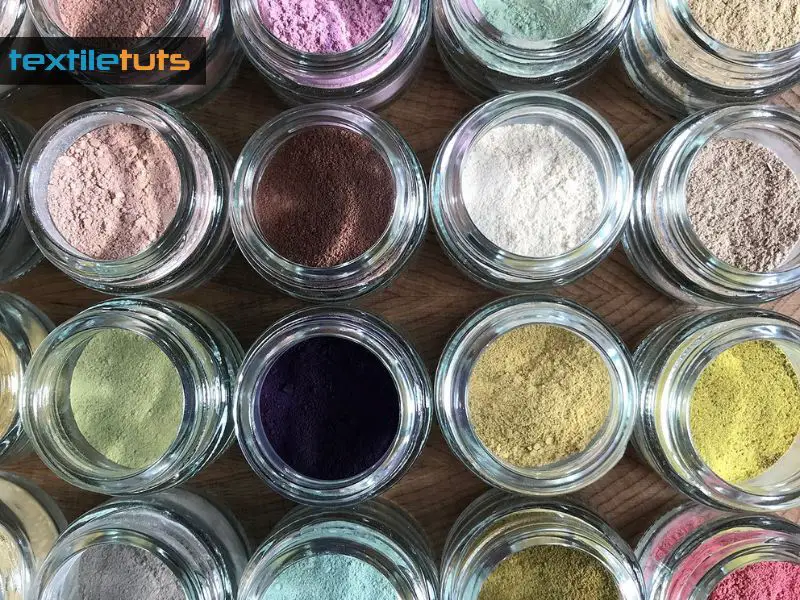
Here are the key factors to consider when selecting a dye for your sequined dress:
Fabric Type
Identify the fabric of your dress. Common fabrics include silk, satin, polyester, or a blend of materials. Different fabrics react differently to dyes. Silk requires acid dyes at pH 2-6. Cotton requires fiber-reactive dyes for vibrant, wash-fast results. Polyester requires dispersion dyes at 140-200°F (60-93°C).
Sequin Material
Sequins are made of plastic, metal, or other materials. Most dyes do not adhere to sequin surfaces. Perform a small test on an inconspicuous area to check how the sequins react to the dye before proceeding with the full garment.
Dye Type
Fabric dyes come in various types, including acid dyes, fiber-reactive dyes, and all-purpose dyes. Some dyes work better on natural fibers, while others are formulated for synthetics.
Rit All-Purpose Dye works on natural fibers (cotton, silk, wool, linen) plus nylon and rayon. Rit DyeMore for Synthetics is required for polyester, acetate, and acrylic, as well as blends exceeding 35% polyester content.
Color Matching
Ensure the dye you choose produces the color you desire. Be mindful of the original color and how it affects the final result. Dark-to-light transformations are not possible with traditional fabric dyes.
Consider Professional Help
If you’re uncertain about the type of sequins or fabric in your dress, or if you’re not confident in your dyeing skills, seek professional help. Some dry cleaners and textile professionals offer dyeing services for embellished garments.
Step-By-Step Guide to Dyeing Your Sequined Dress
Dyeing a sequined dress requires careful attention to detail to prevent damaging the delicate sequins. Follow this step-by-step guide to ensure your dress gets a stunning and even new hue while keeping its sparkle intact.
Step 1: Choose the Right Dye
- Fabric Consideration: Check the fabric tag on your dress. Most sequins are attached to a base fabric made of silk, cotton, or synthetics like polyester. The base fabric absorbs the dye.
- Dye Selection: Use acid dye for silk and nylon (pH 2-6). Use fiber-reactive dye for cotton. Use dispersion dye for polyester (140-200°F / 60-93°C).
- Color: Select a color that mixes well with the current shade unless you’re going for a bold transformation.
Step 2: Prepare Your Work Area
- Safety Measures: Wear rubber gloves and an apron to protect your skin and clothing.
- Protect Surfaces: Cover surfaces with plastic sheets or old towels to prevent staining.
- Utensils: Use a stainless steel pot for the dye bath, along with stainless steel spoons or tongs for stirring and handling the dress.
Step 3: Pre-Dye Treatment
- Cleaning: Wash your dress to remove oils, dirt, or finishes that interfere with dye uptake. Ensure it is clean and damp before dyeing.
- Sequin Protection: Sequins warp or melt under high heat. Turn your dress inside out to minimize direct sequin exposure to the dye bath.
Step 4: Mix Your Dye Bath
- Instructions: Follow the dye package instructions carefully. This typically involves dissolving dye in hot water.
- Stir: Ensure the dye is well mixed and completely dissolved in the water to avoid uneven coloring.
- Temperature: Heat the dye bath to the recommended temperature for your fabric type. For polyester, maintain 140-200°F (60-93°C). For silk, keep below 185°F (85°C) to prevent damage. Do not exceed temperatures that damage sequins (above 140°F / 60°C for plastic sequins).
Step 5: Dyeing Process
- Immersion: Gently lower your dress into the dye bath. Keep it moving to promote even dyeing and prevent the sequins from sticking together.
- Duration: Leave your dress in the dye bath for the time specified by the dye manufacturer, typically 30-60 minutes for cotton, 20-30 minutes for silk. Regularly move and turn the dress to ensure even coverage.
- Rinsing: Once the desired color is achieved, carefully rinse the dress in lukewarm water, gradually decreasing the temperature until it runs clear.
Step 6: Post-Dye Treatment
- Drying: Avoid wringing the dress as it damages the sequins. Instead, press out excess water gently between towels or let it drip dry on a hanger.
- Set Color: To set the color and prevent bleeding, use a color fixative suitable for the dye and fabric type.
Step 7: Caring for Your Dyed Sequined Dress
- Wash Carefully: Hand wash your newly dyed dress gently or opt for dry cleaning if the fabric requires it.
- Storage: Store the dress away from direct sunlight to prevent fading. Keep it hung to prevent wrinkles in the sequins.
Aftercare and Maintenance of Your Newly Dyed Sequined Dress
Caring for a newly dyed sequined dress requires meticulous attention to detail to ensure that the color stays vibrant and the embellishments remain intact. Improper handling leads to faded colors and dislodged sequins, which ruin your dress’s appearance.
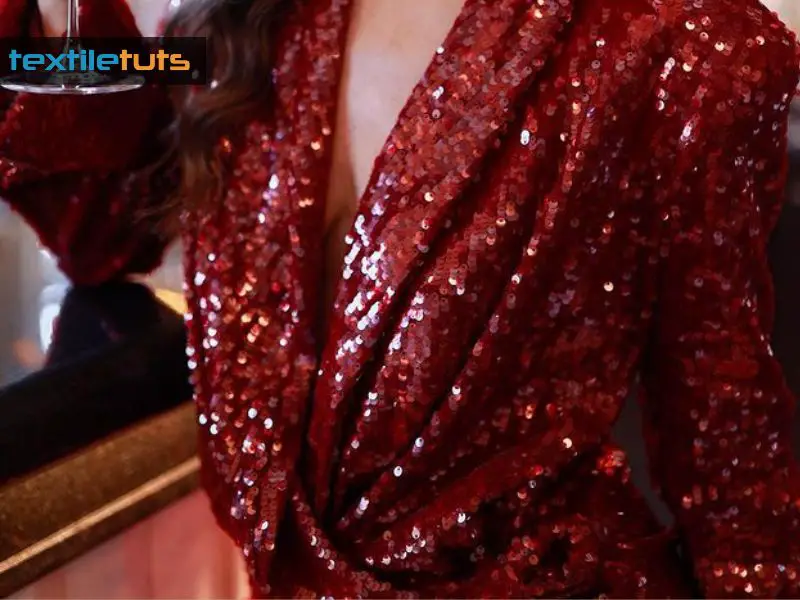
Below are guidelines for aftercare and maintenance to help your garment maintain its sparkle and color for as long as possible.
Initial Care Post-Dyeing
- Inspect the Dress: Carefully examine your sequined dress after the dyeing process. Check for color inconsistencies or areas where sequins may have come loose or been damaged.
- Ventilation: After dyeing, keep the dress in a well-ventilated area away from direct sunlight to air out chemical smells and allow the fabric and sequins to dry thoroughly.
Cleaning Instructions
- Spot Cleaning: For minor cleaning, try spot cleaning first. Use a gentle, color-safe cleaner and apply it to the affected area with a soft cloth. Avoid rubbing the sequins directly, as this causes damage.
- Dry Cleaning: For full cleaning, take your sequined dress to a professional dry cleaner experienced in handling dyed and embellished garments. They have the expertise and proper solvents to clean without causing harm.
- Avoid Water: Sequins, especially when attached to delicate fabrics, become disfigured or detached when soaked in water. Keep your dress as dry as possible.
Drying Your Dress
- Air Dry: Always air-dry your dress by laying it flat on a clean towel. Hanging a sequined dress while it dries causes the fabric to stretch due to the weight of the sequins, especially when wet.
- Avoid Heat: Keep your dress away from direct heat sources like sunlight, radiators, or hairdryers. Heat causes shrinkage and melts or warps sequins.
Ironing or Steaming
- Use Low Heat: If your dress requires ironing, set your iron to the lowest heat setting (below 300°F / 150°C for sequined items) and place a pressing cloth between the iron and the fabric to protect the sequins.
- Steam Carefully: Steaming removes wrinkles from delicate fabrics more safely than ironing. However, avoid steaming the sequined areas directly, as heat and moisture damage them.
Storage Techniques
- Hang or Fold Properly: If hanging your sequined dress, use a padded hanger to prevent stretching and preserve the garment’s shape. If folding, place tissue paper between the folds to prevent the sequins from catching on each other.
- Avoid Compression: Store your dress where it will not be compressed or crushed by other garments or objects, as this causes sequins to come off or imprint marks onto the fabric.
- Garment Bag: Store your dress in a breathable garment bag to protect it from dust and potential damage while allowing air circulation.
Regular Maintenance
- Sequin Checks: Before and after wearing the dress, check for loose or missing sequins. Repair any areas where the sequins are loose to prevent further loss or damage.
- Refresh the Color: If the color of your dress fades over time, consider another round of dyeing. Consult with the professional who originally dyed the dress or a fabric dyeing expert for advice.
Conclusion
You can dye a dress with sequins, but the process is difficult and may result in a less-than-desirable outcome. Sequins are made with materials that do not hold dye well, and the process is messy and time-consuming. The risk of damage to sequins or uneven coloring is significant.
If you are determined to change the color of your dress, it is possible with the right techniques and materials. Whether you choose to use fabric dye or fabric spray, carefully remove any loose or excess sequins and follow the instructions for the dyeing process.
With patience and attention to detail, you can successfully dye a dress with sequins and give it a whole new look. Always test a small area first and consult with a professional if needed.
References
- Rit Dye. (2024). Dyeable Fabrics and Materials FAQ. Rit Dye.
- Wikipedia. (2024). Dye. Wikimedia Foundation.
- ASTM International. (2024). Textile Standards. ASTM International.
- Wikipedia. (2024). Ironing. Wikimedia Foundation.


