
Can You Dye Gore-Tex? The Do’s and Don’ts

No, you should not dye Gore-Tex. Manufacturers do not recommend dyeing Gore-Tex garments, and doing so will void the warranty in most cases. The dyeing process carries significant risks because the ePTFE membrane structure can become clogged or damaged, compromising the waterproofing and breathability that make Gore-Tex valuable in the first place.
The core problem is a fundamental thermal incompatibility: disperse dyes — the only appropriate dye for polyester synthetic fibres — require temperatures of 180°C to 200°C (356°F to 392°F) for proper bonding, but Gore-Tex polyurethane laminates begin degrading at approximately 120°C (248°F). This means achieving a proper colour fix will damage the membrane in virtually every case.
Key Temperature Thresholds for Gore-Tex
| Temperature | Threshold | Significance |
|---|---|---|
| 120°C (248°F) | Laminate degradation point | Polyurethane components begin breaking down |
| 130°C (266°F) | Emergency cutoff | Remove garment immediately if reached |
| 180–200°C (356–392°F) | Dye fixation range | Required for disperse dyes to bond — exceeds safe limits |
| 60°C (140°F) | Tumble dryer maximum | Safe drying temperature after dyeing |
Dyeing Gore-Tex: Pros and Cons
| Pros | Cons |
|---|---|
| Custom colour matching to personal preference | Membrane pore structure can become clogged, destroying waterproofing |
| Extends garment life by refreshing faded colours | Voiding of manufacturer warranty in most cases |
| Personal expression without patches or additives | DWR (Durable Water Repellent) coating is reduced by 60–100% |
| Thermal conflict: dye temperatures exceed laminate tolerance | |
| Colour uptake is 30–50% lower than untreated polyester | |
| Professional technical fabric dyeing services are exceptionally rare |
Why Dyeing Gore-Tex Carries Significant Risks
Gore-Tex is a waterproof and breathable fabric widely used in outdoor gear. The membrane is composed of expanded PTFE (ePTFE) with approximately 9 billion pores per square inch — each pore measures roughly 1/20,000 the size of a water droplet, which is why liquid water cannot penetrate while water vapor escapes.
Dyeing Gore-Tex damages the membrane and voids the warranty in most cases. The ePTFE pore structure can become clogged by dye particles, destroying the precise balance that makes the fabric waterproof yet breathable.
Disperse dyes — the only dye type formulated for polyester and synthetic fibres — require temperatures of 180°C to 200°C (356°F to 392°F) for proper bonding. These temperatures exceed the thermal tolerance of the polyurethane component found in many Gore-Tex laminates.
Professional re-dyeing services that handle technical fabrics are exceptionally rare because the process demands specialized knowledge and equipment to preserve fabric performance characteristics.
Pre-Dye Considerations for Dying Gore-Tex
Dyeing Gore-Tex requires thorough preparation and a clear understanding of what is at stake. Below are the critical pre-dye considerations that determine whether your garment survives the process with its performance intact.
Understanding Gore-Tex Fabric
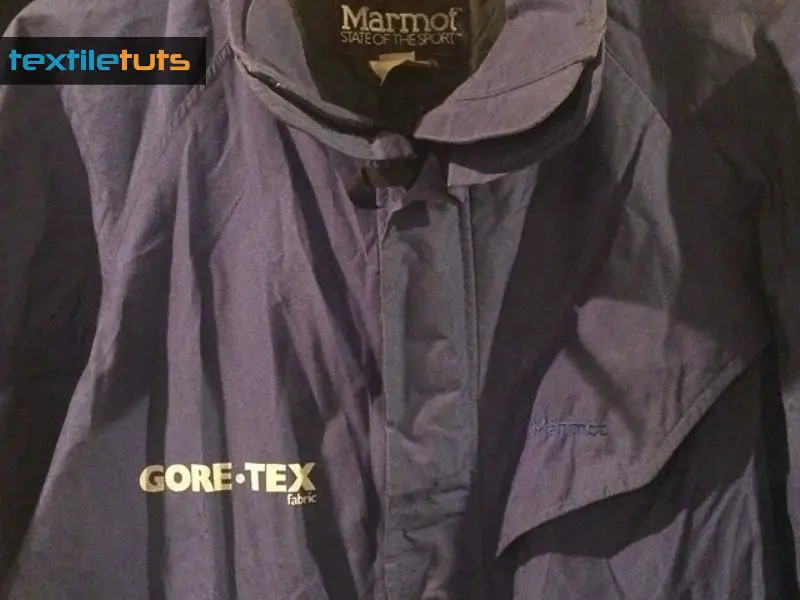
- Composition and Structure: Gore-Tex uses an ePTFE membrane bonded between a high-performance lining and outer fabric. The membrane contains approximately 9 billion pores per square inch (1.4 billion per square centimeter), each 1/20,000 the size of a water droplet.
- Performance and Care: The garment’s performance depends entirely on the integrity of this membrane. Harsh chemicals, high temperatures above 180°C (356°F), and solvents degrade ePTFE structure and destroy the polyurethane laminates used in the construction.
Choosing the Correct Dye
- Compatibility: Only disperse dyes formulated for polyester and synthetic materials bond with Gore-Tex’s outer layer. Acid dyes and fiber-reactive dyes do not work on the ePTFE membrane or polyester face fabric.
- Quality and Brand: High-quality disperse dyes from reputable textile suppliers reduce the risk of uneven application and fibre damage. Budget dyes frequently produce inconsistent results and leave residue that clogs membrane pores.
Pre-Dye Testing
Spot Test: Perform a spot test in an inconspicuous area — such as the inside of a cuff or hem — to evaluate how the fabric reacts to the dye. This determines whether the colour sets properly and reveals any adverse effects on the membrane before committing the entire garment.
Colour Expectation: Gore-Tex’s synthetic fibres produce muted, less vibrant colours compared to natural fibres like cotton or wool. The dye uptake on polyester ePTFE-backed fabrics is typically 30–50% lower than on untreated polyester.
Cleaning the Garment
- Dirt and Oils: Before any dyeing process, the garment must be thoroughly cleaned with a technical fabric cleaner to remove all dirt, body oils, laundry detergents, and fabric softeners. These residues block dye absorption and cause uneven colouring.
- Laundry Instructions: Never use bleach, fabric softener, or dry cleaning solvents on Gore-Tex. These chemicals degrade the polyurethane laminates and the DWR coating applied to the outer face fabric.
Preparing the Work Area
- Protection Measures: Set up a workspace with adequate ventilation and protect all surrounding surfaces with plastic sheeting. Disperse dyes permanently stain most materials including wood, plastic, and sealed concrete.
- Safety Equipment: Wear nitrile gloves, safety glasses, and an organic vapour respirator rated for fine particulate matter. Disperse dye powders become airborne during mixing and pose respiratory risks.
Temperature and Time Considerations
- Dye Bath Temperature: Disperse dyes achieve proper fixation at 180°C to 200°C (356°F to 392°F). However, Gore-Tex polyurethane components begin degrading at approximately 120°C (248°F). This thermal conflict makes successful dyeing of Gore-Tex laminates extremely difficult to achieve.
- Timing: Standard disperse dye processes require 30 to 60 minutes at temperature. Prolonging immersion beyond 90 minutes oversaturates the fabric and does not improve colour depth, increasing the risk of membrane damage.
Dyeing Techniques for Gore-Tex Materials
If you decide to proceed with dyeing Gore-Tex, strict adherence to process parameters is essential to minimize damage. Use these techniques only when the risk to membrane integrity is acceptable.
Dye Selection
Disperse dyes are the only appropriate choice for Gore-Tex’s outer layer, which typically consists of woven polyester with a DWR finish. These dyes sublimate at high temperatures and bond directly with synthetic polymer chains. Other dye classes — including acid dyes, basic dyes, and fibre-reactive dyes — do not chemically bond with polyester and will wash out completely.
Testing First
Always test the dye on a fabric scrap of the same material before treating the full garment. This reveals the actual colour result, assesses any damage to the DWR coating, and determines whether the colour meets your expectations without risking the complete garment.
Dyeing Process
- Preparing the Fabric: Confirm the garment is completely clean and dry. Any residual detergent, oil, or water interferes with dye absorption and produces splotchy, inconsistent results across the fabric surface.
- Setting Up the Workspace: Cover the work surface with disposable plastic sheeting, ensure ventilation fans are operating, and have a eyewash station nearby when working with hot dye baths.
Dye Bath Preparation
Follow the dye manufacturer’s exact mixing ratio, which typically ranges from 2 to 5 grams of disperse dye powder per litre of water. Dissolve the powder in water at 60°C (140°F) before raising the bath to the target temperature. The target temperature must not exceed 120°C (248°F) to protect the polyurethane laminates — this produces lighter colours than standard disperse dye processes but preserves the membrane.
Dyeing the Fabric
Completely submerge the Gore-Tex garment in the dye bath and maintain a gentle agitation throughout the process. The fabric must move freely to ensure even colour distribution. Monitor the bath temperature continuously and remove the garment immediately if the temperature approaches 130°C (266°F).
Post-Dyeing Care
- Rinsing: After removing the garment from the dye bath, rinse it in water starting at 40°C (104°F) and gradually reducing to cold. Continue rinsing until the water runs completely clear, which may require 10 to 15 minutes of running water. Incomplete rinsing leaves residual dye that accelerates DWR degradation.
- Reapplying DWR: The dyeing process removes between 60% and 100% of the original Durable Water Repellent coating. Apply a factory-specified DWR reapplication product — such as Nikwax TX.Direct or McNett GORE-TEX Fabric Wax — within 24 hours of dyeing to restore water repellency.
- Drying: Air dry the garment flat at room temperature. Do not use a tumble dryer, as temperatures above 60°C (140°F) can damage the ePTFE membrane and the newly applied DWR coating.
Alternatives to Dyeing: Customizing Your Gore-Tex Gear Without Risk
Since dyeing Gore-Tex risks destroying the membrane, several alternative customization methods deliver permanent or semi-permanent personal expression without compromising waterproofing or breathability. These techniques preserve the ePTFE structure and the DWR coating intact.
Patches and Appliques
- Iron-On or Sew-On Patches: Patches add personal style without affecting the membrane. Iron-on patches work on the outer surface and do not penetrate the face fabric. For waterproof gear that sees heavy use, sewing patches with a hand-stitched bond provides superior durability over iron-on adhesives that degrade with repeated washing.
- Custom Appliques: Fabric appliques cut to any shape and sewn onto Gore-Tex gear deliver maximum customization. Use a leather or nylon needle in your sewing machine to avoid damaging the membrane when stitching through multiple layers.
Stenciling and Painting
- Acrylic Paints for Fabric: Specialized outdoor fabric paints — such as Joolee or Plaid Textile Paint — bond to Gore-Tex’s outer surface without affecting the ePTFE membrane. Apply in thin coats and allow each coat to cure fully before adding the next layer.
- Creating Stencils: Cut stencils from reusable mylar sheets rather than cardboard, which disintegrates when wet. Secure the stencil with masking tape and apply paint using a natural sea sponge for even coverage across the fabric texture.
Embroidery
- Hand Embroidery: Hand-embroidered designs create a durable, highly personal finish on Gore-Tex gear. Use a sharp embroidery needle sized appropriately for the fabric weight and avoid stitching through the lining side, which protects the membrane from needle punctures.
- Machine Embroidery: Machine embroidery produces consistent, complex designs in less time than hand stitching. Use a tear-away stabilizer on the back and a water-soluble top stabilizer to prevent the design from sinking into the fabric texture. Limit stitch density to avoid creating a continuous puncture pattern that could compromise water resistance.
Vinyl Decals
- Heat Transfer Vinyl: Adhesive vinyl designed for technical fabrics applies with an iron or heat press set to 150°C (302°F) — well below the 180°C threshold where polyurethane laminates begin degrading. Cut designs with a vinyl cutter and weed excess material before applying.
- Durability: Properly applied heat transfer vinyl on Gore-Tex withstands between 30 and 50 wash cycles before showing significant wear at the edges, depending on the brand and how the garment is laundered.
Screen Printing
- Silk Screen Techniques: Screen printing with plastisol or water-based inks formulated for synthetic fabrics deposits a durable design on the Gore-Tex outer face. Use a mesh count of 110 to 160 threads per inch to ensure adequate ink deposit without clogging the fabric’s surface pores.
- Mesh Counts and Inks: Lower mesh counts (86 threads per inch) work better for textured Gore-Tex fabrics, while higher counts (200 threads per inch) produce finer detail for simple logos and text. Always cure printed designs at 160°C (320°F) for 3 to 5 minutes.
Conclusion
Dyeing Gore-Tex involves a direct trade-off between colour customization and the membrane performance that makes the fabric valuable. The ePTFE pore structure — with approximately 9 billion pores per square inch, each 1/20,000 the size of a water droplet — operates within a narrow thermal and chemical tolerance window that dyeing processes frequently exceed.
Disperse dyes require 180°C to 200°C (356°F to 392°F) for proper fixation, but Gore-Tex laminates begin degrading at 120°C (248°F). This fundamental incompatibility means that attempting to dye Gore-Tex at temperatures sufficient for proper colour fixation will damage the membrane in virtually all cases.
Patches, embroidery, vinyl decals, fabric paint, and screen printing all deliver durable personal expression without introducing heat or chemicals that degrade the ePTFE membrane or strip the DWR coating. These methods preserve the garment’s waterproofing, breathability, and wind resistance while allowing full creative customization.
When in doubt, consult a professional textile restoration service that specializes in technical outerwear — they have the equipment and expertise to assess whether any modification is appropriate for your specific Gore-Tex garment.
References
- W.L. Gore & Associates. (2024). Gore-Tex. Wikipedia — ePTFE membrane specifications including pore density of approximately 9 billion pores per square inch and 1/20,000 water droplet size ratio.
- ScienceDirect. (2022). Expanded PTFE (ePTFE) in Textile Applications. Elsevier — Peer-reviewed technical literature on ePTFE thermal properties and chemical resistance relevant to high-performance fabric membranes.
- U.S. Federal Trade Commission. (2023). Textile and Rug Guides. FTC.gov — Consumer product safety guidelines applicable to textile labelling and care instructions for waterproof breathable fabrics.


