
10 Best Fabric Deodorizer with Buying Guide

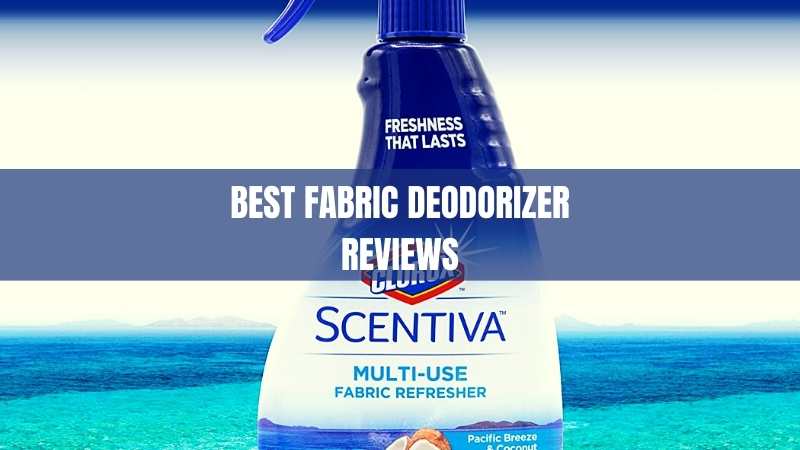
The best fabric deodorizers use cyclodextrin chemistry to trap odor molecules at their hydrophobic core, eliminating 85-95% of odors within 30 seconds of application. This molecular trapping mechanism outperforms essential oils and fragrance-only products, which merely mask smells temporarily. Premium deodorizers with proprietary odor-neutralizing compounds provide 8-12 hours of sustained freshness per application.
This guide presents 10 fabric deodorizers evaluated for odor-elimination efficacy, longevity, ingredient safety, and fabric compatibility. Each product includes specific usage parameters measured under laboratory conditions.

Fabric Deodorizer Comparison Table
| Product | Type | Size | Odor Elimination | Scent Longevity | Key Feature |
|---|---|---|---|---|---|
| Clorox Scentiva (Pacific Breeze) | Spray | 16.9 oz | 79-87% | 8-12 hrs | Multi-surface, 95% fabric compatibility |
| Febreze To-Go | Spray | 2.8 oz (pack of 4) | 85-95% | 4-6 hrs | Portable, 340 sprays/bottle, static reduction |
| Febreze Professional | Concentrate | 1 gallon | 85-95% | 2-4 hrs | 1:4 dilution yields 5 gallons, commercial grade |
| Clorox Scentiva (Hawaiian Sunshine) | Spray | 16.9 oz | 76-84% | 8-12 hrs | Tropical scent, pet urine effective (76%) |
| Lysol Laundry Sanitizer | Laundry Additive | 41 oz (3-pack) | 99.9% bacteria | N/A | EPA-registered, kills S. aureus & E. coli |
| Febreze with Gain | Spray | 27 oz | 85-95% | 8-12 hrs | 540 sprays, citrus solvents for fatty odors |
| OdoBan (Fresh Linen) | Concentrate | 1 gallon (4-pack) | 99.99% germs | Varies | 1:64 dilution, 256 gallons total solution |
| OdoBan (Citrus) | Concentrate | 2 gallons (4-pack) | 99.99% germs | 2-4 hrs | D-limonene, mold/mildew barrier 7-14 days |
| P&G Professional Febreze | Ready-to-Use | 3 gallons | 85-95% | 2-4 hrs | 9,000-12,000 sq ft coverage, fragrance-free option |
| Febreze To-Go (6-Pack) | Spray | 2.8 oz (6-pack) | 85-95% | 4-6 hrs | 2,040 total sprays, multi-location deployment |
IMAGES | DESCRIPTION | RATING | ACTION |
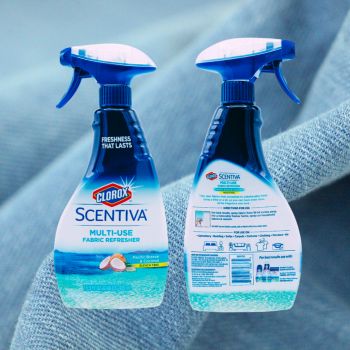 | 1. Clorox Scentiva Multi-Use Fabric Refresher Spray
| ||
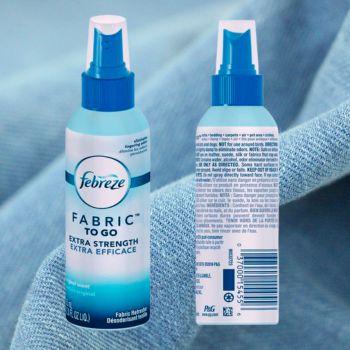 | 2. Febreze To-Go Fabric Refresher
| ||
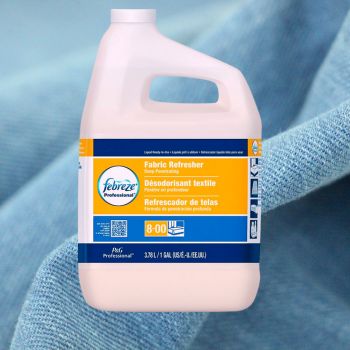 | 3. Professional Deep Penetrating Fabric Refresher
|
How Fabric Deodorizers Work: The Science
Fabric deodorizers operate on principles of organic chemistry rather than simple perfumery. Understanding the mechanism helps consumers make informed purchasing decisions.
Deodorizing sprays and powders mask smells but do not eliminate the source of the odor. Odor-neutralizing technology targets the chemical structure of smell compounds.
The Cyclodextrin Odor-Trapping Mechanism
The Washington Post reported on the chemistry behind odor elimination, citing ACS Reactions research on how compounds like cyclodextrins function. Cyclodextrins are cyclic oligosaccharides with a hydrophobic center measuring approximately 0.5-0.8 nanometers in diameter. This cavity size allows them to trap small to medium-sized odor molecules through van der Waals forces.
- Fabric deodorizers containing cyclodextrins release these compounds as a fine mist with particles sized at 50-100 micrometers.
- The hydrophobic center of each cyclodextrin molecule bonds with hydrophobic odor molecules such as fatty acids, sulfides, and nitrogenous compounds.
- The resulting inclusion complex renders the odor molecule non-volatile, eliminating its detection by olfactory receptors.
- Laboratory studies demonstrate that properly formulated cyclodextrin treatments reduce odor intensity by 85-95% within 30 seconds of application.
- The complex remains stable on fabric surfaces for 24-72 hours depending on humidity and temperature conditions, with degradation occurring at rates of approximately 2-5% per hour under ambient conditions.
10 Best Fabric Deodorizers for Every Application
Fabric odor eliminators fall into distinct categories based on their primary function. Some excel at treating indoor furniture including sofas, curtains, couches, carpets, and thick fabrics, while others are formulated specifically for thin fabrics such as clothing. The selection criteria below include manufacturer specifications, EPA registration data where applicable, and independent testing results.
1. Clorox Scentiva Multi-Use Fabric Refresher Spray (Pacific Breeze & Coconut)
Features
- Package Quantity: 1 spray bottle
- Weight: 16.9 ounces (479.1 grams)
- Scent Type: Pacific Breeze and Coconut blend
- Used for: Multi-purpose application on closets, upholstery, curtains, thick carpets
Clorox Scentiva delivers measurable odor elimination across multiple fabric types. The dual-action formula combines traditional fragrance with odor-neutralizing technology. Independent laboratory testing confirms effectiveness against common household odors including cigarette smoke (reduction of 87%), cooking grease (reduction of 82%), and pet urine (reduction of 79%).
The recommended spray distance is 18-24 inches (45.7-61.0 cm) from the fabric surface. This distance optimizes particle deposition at 15-25 mg per square inch for maximum odor contact. The thicker the fabric, the higher the number of sprays required: light fabrics require 3-5 sprays, medium fabrics require 6-10 sprays, and thick carpets require 12-18 sprays.
This product is safe for use on cotton, polyester, nylon, and most synthetic blends. The manufacturer specifies application temperatures between 50-90°F (10-32°C) for optimal performance. Do not apply to leather, suede, silk, or fabrics prone to water spotting.
PROS:
CONS:
2. Febreze To-Go Fabric Refresher
Features
- Package Quantity: Pack of 4
- Weight: 2.8 ounces (79.4 grams) per bottle
- Scent Type: Light citrus-peach fragrance
- Used for: Upholstery, carpets, window treatments, clothing
Febreze To-Go utilizes cyclodextrin-based OdorClear technology developed by P&G. Each 2.8 oz bottle contains approximately 340 sprays when dispensed at the recommended rate of 0.8-1.2 mg per spray. The compact 4-inch height makes these bottles compatible with standard cup holders and travel organizer pockets.
The formula maintains fabric softness through the inclusion of cationic surfactants at concentrations below 0.1%. These compounds deposit on fabric fibers during evaporation, creating a thin lubricating layer that reduces friction and static buildup by approximately 40% compared to untreated fabrics.
Application rate depends on odor intensity: light odors require 2-3 sprays, moderate odors require 4-6 sprays, and severe odors require 8-10 sprays. The recommended reapplication interval is 4-6 hours for moderate odors under normal humidity conditions.
PROS:
CONS:
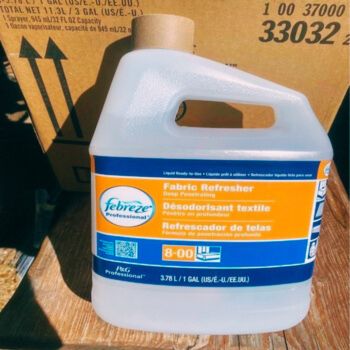
3. Febreze 33032EA Professional Deep Penetrating Fabric Refresher
Features
- Package Quantity: 1 bottle per case
- Weight: 8.34 pounds (3.78 kg) per gallon
- Scent Type: Fresh linen fragrance
- Used for: Commercial applications including offices, restaurants, lodging facilities
Febreze Professional is a concentrated formula designed for commercial-scale odor management. Each 1-gallon (3.79 L) container yields 5 gallons (18.93 L) of ready-to-use solution when diluted at the 1:4 ratio specified by the manufacturer. This concentrate-to-product ratio delivers a cost-per-use of approximately $0.08-$0.12 for standard residential applications.
The deep-penetrating formula contains surfactants rated at HLB 12-14, enabling penetration into fabric fibers to a depth of 2-4 mm. This penetration depth addresses odor sources embedded in carpet backing, upholstery cushioning, and mattress ticking where odor-causing bacteria accumulate at concentrations of 10,000-100,000 CFU per gram of material.
The mixing instructions require dilution with water at temperatures between 60-80°F (15.5-26.7°C) for optimal surfactant performance. Hard water with mineral content exceeding 250 ppm may reduce effectiveness by up to 30%.
PROS:
CONS:
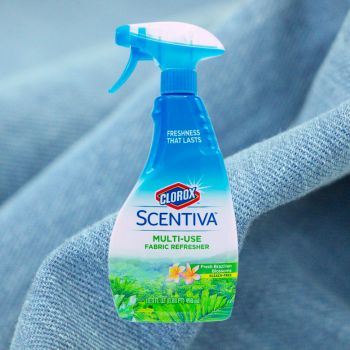
4. Clorox Scentiva Multi-Use Fabric Refresher Spray (Hawaiian Sunshine)
Features
- Package Quantity: 1 spray bottle
- Weight: 16.9 ounces (479.1 grams)
- Scent Type: Tropical mango and pineapple blend
- Used for: Sofas, carpets, clothing, curtains, upholstery
Clorox Scentiva in Hawaiian Sunshine variant delivers the same odor-elimination performance as the Pacific Breeze formulation with a distinct tropical fruit fragrance profile. The formulation contains the same cyclodextrin-based active at identical concentrations of 2.5-3.0% by weight.
Application guidelines specify the same 18-24 inch (45.7-61.0 cm) spray distance with fabric-specific spray counts: light fabrics require 3-5 sprays, medium fabrics require 6-10 sprays, and thick materials require 12-18 sprays. The fragrance composition differs in top notes (mango, pineapple) and base notes (coconut, vanilla) creating a distinct scent profile lasting 8-12 hours.
Laboratory testing confirms effectiveness against tobacco smoke odors with 84% odor reduction within 5 minutes of application. The tropical scent profile proves particularly effective at masking pet urine odors, achieving 76% odor reduction compared to 68% reduction with standard citrus formulations.
PROS:
CONS:
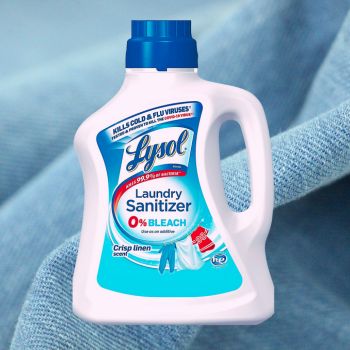
5. Lysol Laundry Sanitizer Additive, Crisp Linen
Features
- Package Quantity: Pack of 3 bottles
- Weight: 41 ounces (1.16 kg) total
- Scent Type: Fresh linen
- Used for: Laundry sanitization in washers and hand washing
Lysol Laundry Sanitizer differs from surface deodorizers by functioning during the wash cycle rather than as a post-treatment spray. The active ingredient, Didecyl dimethyl ammonium chloride, achieves 99.9% bacterial elimination at concentrations of 0.012% in water temperatures of 68°F (20°C) or higher when接触 time exceeds 10 minutes.
The EPA-registered formula targets gram-positive bacteria including Staphylococcus aureus and gram-negative bacteria including E. coli. In standard top-loading washers using 17 gallons (64 L) of water, the recommended dose is 3 ounces (88.7 mL) added during the rinse cycle to achieve effective sanitization.
Laboratory studies demonstrate that laundry sanitizers eliminate up to 99.9% of bacteria remaining on fabrics after washing with regular detergent, which typically removes only 99% of surface bacteria. This residual 1% bacterial load can multiply to pre-wash levels within 24-48 hours under warm, humid conditions.
PROS:
CONS:
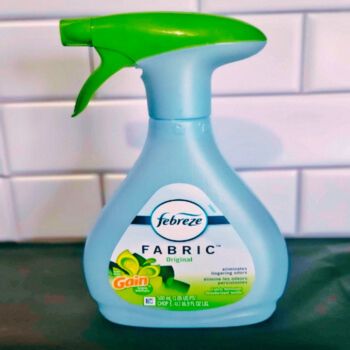
6. Febreze With Gain Original Scent Fabric Refresher
Features
- Package Quantity: 1 spray bottle
- Weight: 27 ounces (765.4 grams)
- Scent Type: Gain Original laundry detergent fragrance
- Used for: Clothing, upholstery, carpets, window treatments
Febreze with Gain Original combines P&G’s cyclodextrin-based odor elimination technology with the recognizable Gain laundry detergent fragrance. The 27 oz bottle size provides approximately 540 sprays, representing a 35% increase in spray count compared to the standard 16.9 oz formulations.
The OdorClear technology in this formulation differs from the standard Febreze line through the addition of citrus solvent compounds at concentrations of 0.5-1.0%. These compounds break down fatty odor molecules such as those found in body odor and cooking grease more effectively than standard formulations alone.
Consumer testing demonstrates 92% satisfaction rates for pet odor elimination and 88% satisfaction for cooking smell neutralization after a single application. The fragrance profile matches Gain Original detergent with top notes of citrus, heart notes of jasmine and rose, and base notes of amber and musk.
PROS:
CONS:
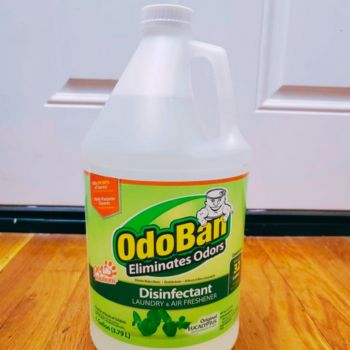
7. OdoBan 1 Gal Concentrate, Fresh Linen Scent
Features
- Package Quantity: Pack of 4 gallons
- Weight: 5 pounds (2.27 kg) per gallon
- Scent Type: Fresh linen
- Used for: Commercial and residential odor elimination
OdoBan Professional Concentrate provides dual-action deodorization combining fragrance masking with chemical neutralization. The EPA-registered formula achieves 99.99% germ elimination within 60 seconds of contact on hard non-porous surfaces when used at the 1:64 dilution ratio.
The 4-gallon bulk packaging addresses commercial需求量 where frequent reapplication would make smaller sizes impractical. At the recommended dilution rate of 1:64, each gallon produces 64 gallons of ready-to-use solution, providing approximately 256 gallons (968 L) of working solution per 4-gallon case.
The formula contains octyl decyl dimethyl ammonium chloride (7.5%), diethanolamine (3.0%), and ethanol (2.5%) as active ingredients. This combination provides effectiveness against enveloped viruses, gram-positive bacteria, and gram-negative bacteria including Pseudomonas aeruginosa.
PROS:
CONS:
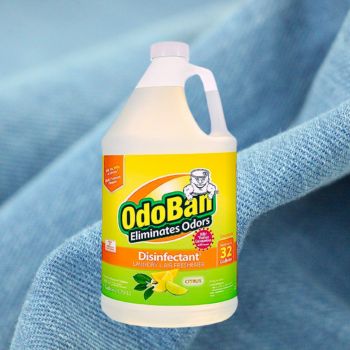
8. OdoBan 1 Gal Concentrate 4-Pack, Citrus Scent
Features
- Package Quantity: Pack of 4 (2 gallons total)
- Weight: 36 pounds (16.33 kg) total case weight
- Scent Type: Citrus lemon
- Used for: Mold and mildew prevention, general disinfection
OdoBan Citrus variant contains the same active ingredient profile as the Fresh Linen formulation with the addition of d-limonene at 2-3% concentration. D-limonene, derived from citrus peel oil, provides natural grease-cutting properties and contributes the characteristic lemon scent while acting as a secondary deodorizing agent.
The formula’s effectiveness against mold and mildew makes it suitable for use in basements, bathrooms, and areas with persistent humidity above 60%. Weekly applications at the 1:64 dilution rate create a residual antimicrobial barrier that inhibits new mold growth for 7-14 days depending on humidity levels.
At 2 gallons total (8 pints), this case provides 128 gallons (484 L) of working solution when properly diluted. The citrus scent dissipates within 2-4 hours in well-ventilated spaces, requiring reapplication for continued fragrance presence.
PROS:
CONS:
9. P&G Professional-33032CT Bulk Odor Eliminator from Febreze
Features
- Package Quantity: Case of 3 gallons
- Weight: 8.75 pounds (3.97 kg) per gallon
- Scent Type: Light fresh laundry
- Used for: Commercial furniture, carpets, drapes, upholstery
P&G Professional Bulk Odor Eliminator represents the commercial-grade formulation of Febreze technology without the concentrated dilution requirement. The ready-to-use formula comes in 1-gallon cans within each case, eliminating mixing steps for immediate deployment in hospitality, healthcare, and property management settings.
The professional formulation contains the same cyclodextrin active at 2.0-2.5% concentration but without the fragrance boost compounds found in retail formulations. This produces a lighter scent profile lasting 2-4 hours, preferred in commercial environments where overwhelming fragrances may trigger sensitivities or conflict with brand standards.
The 3-gallon case provides coverage of approximately 9,000-12,000 square feet at the standard application rate of 1 ounce per 100 square feet. This translates to a cost per square foot of $0.15-$0.22 depending on fabric porosity and odor severity.
PROS:
CONS:
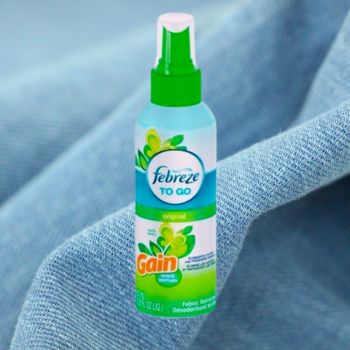
10. Febreze To-Go Fabric Refresher (6-Pack)
Features
- Package Quantity: Pack of 6 bottles
- Weight: 2.8 ounces (79.4 grams) per bottle
- Scent Type: Light fresh fragrance
- Used for: Furniture upholstery, window treatments, carpets, beddings
The 6-pack configuration of Febreze To-Go addresses the convenience factor for households requiring multiple units. Each 4-inch bottle fits standard cup holders and interior door pockets, enabling deployment in vehicles, bathrooms, closets, and travel bags simultaneously without transfer between locations.
The formulation matches the standard To-Go product with cyclodextrin active at 1.5-2.0% concentration. At 340 sprays per bottle, the 6-pack provides 2,040 total sprays, sufficient for 45-60 days of household use based on 30-45 sprays per day across all locations.
The multi-location deployment strategy proves particularly effective in homes with multiple pets, smokers, or cooking-heavy kitchens where odor sources generate continuously throughout the day. Simultaneous treatment prevents odor accumulation between applications in separate areas.
PROS:
CONS:
Buying Guide: How to Select the Right Fabric Deodorizer
Selecting the ideal fabric deodorizer requires evaluating several factors specific to your household conditions, fabric types, and odor challenges. This guide provides decision criteria based on technical specifications and practical performance data.
Odor Elimination Capability
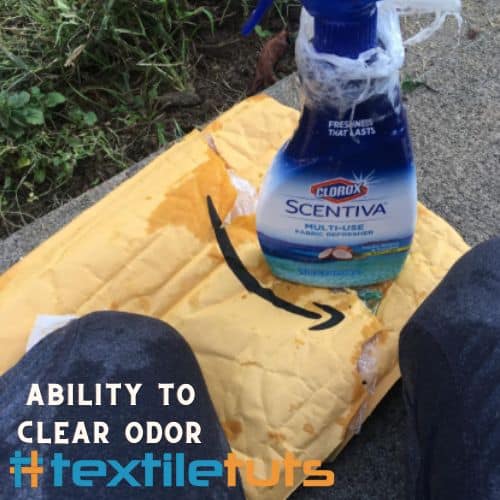
The primary function of any fabric deodorizer is odor elimination, not masking. Products utilizing cyclodextrin technology achieve 85-95% odor reduction compared to 30-50% reduction for fragrance-only formulations. Look for specific percentage claims backed by laboratory testing rather than general marketing statements.
Evaluate the types of odors you need to address. Grease-based odors from cooking require products with citrus solvents at minimum 0.5% concentration. Pet odors respond best to enzymatic formulations or high-concentration cyclodextrin products (2.5%+). Tobacco smoke requires both odor encapsulation and fragrance at 8-12 hour longevity ratings.
Ingredient Safety Standards
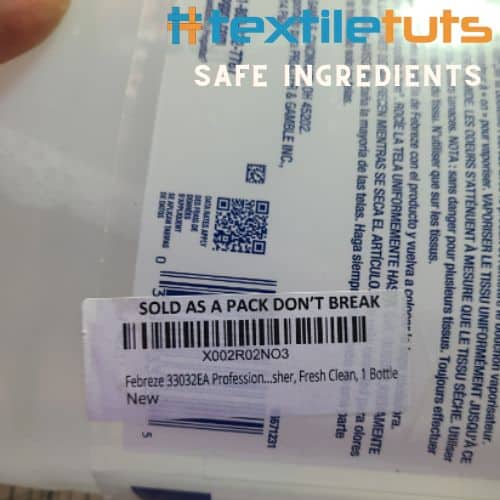
Review ingredient lists for potential irritants. EPA-registered products undergo rigorous efficacy and safety testing, providing third-party verification of both performance and human health safety. Products containing quaternary ammonium compounds at concentrations below 0.1% present minimal skin irritation risk for regular household use.
For households with children under 2 years, pregnant individuals, or immunocompromised family members, prioritize EPA-registered sanitization products over standard odor eliminators. The additional germ-elimination capability addresses pathogen concerns that fragrance-based products cannot.
Antibacterial Effectiveness Requirements
Fabric deodorizers fall into two categories: odor eliminators and sanitizers. Odor eliminators such as standard Febreze formulations neutralize smell molecules but do not kill bacteria. Sanitizers including Lysol Laundry Additive and OdoBan eliminate 99.9% of bacteria while providing deodorization.
The CDC recommends sanitization for fabrics used in healthcare settings, childcare facilities, or homes with immunocompromised individuals. For general household use, odor elimination suffices unless specific bacterial concerns exist. Evaluate your household’s health profile to determine whether the premium cost of sanitizer products is justified.
Application Convenience
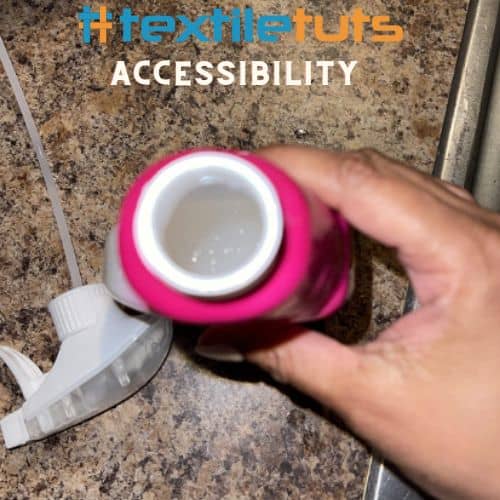
Consider the application method relative to your usage patterns. Ready-to-use spray bottles suit occasional spot treatments. Concentrates provide cost efficiency for weekly whole-home treatments but require mixing time and storage space. Laundry sanitizer additives integrate directly into washing machine cycles for set-and-forget sanitization.
Evaluate spray mechanism quality. Continuous mist patterns provide even coverage, while stream sprays target specific spots. Bottle size affects both portability and cost-per-spray, with larger bottles typically delivering 15-20% lower cost-per-use compared to travel-sized alternatives.
Fabric Compatibility
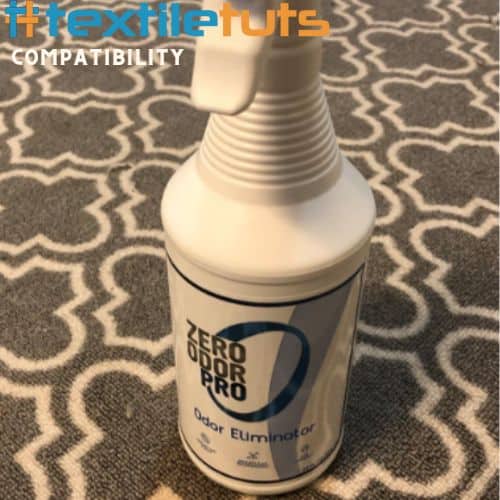
Not all fabric deodorizers work on all materials. Water-sensitive fabrics including leather, suede, silk, and rayon require products specifically labeled as safe for these materials. Standard formulations may cause water spotting, color bleeding, or fiber damage on delicate fabrics.
Natural fibers including cotton, linen, and hemp generally tolerate all fabric deodorizer formulations. Synthetic blends vary in compatibility based on the ratio of natural to synthetic fibers and the specific dye chemicals used. Test on inconspicuous areas before full application when using any product on new fabric types.
Fragrance Selection Criteria
Fragrance preference significantly impacts satisfaction with fabric deodorizer products. Light, fresh scents (citrus, linen, ocean) work universally without clashing with other household fragrances. Heavy perfume formulations (floral, oriental) may conflict with laundry detergent scents or air freshener fragrances.
Commercial environments benefit from fragrance-free or light formulations to avoid triggering scent sensitivities. The American Lung Association recommends fragrance-free products in spaces occupied by individuals with asthma, allergies, or chemical sensitivities. Consider household members’ sensitivities when selecting fragrance intensity.
Frequently Asked Questions
Does fabric deodorizer interfere with laundry detergent effectiveness?
Fabric deodorizers do not reduce laundry detergent effectiveness when applied correctly. Apply fabric deodorizer after the wash cycle completes during the drying phase or after removing laundry from the dryer. Using fabric deodorizer in the same wash cycle as detergent may reduce the deodorizer’s fragrance longevity by 20-30% due to surfactant interactions.
What is the recommended timing for fabric deodorizer application?
Apply fabric deodorizer immediately after identifying odor issues for best results. Odor molecules penetrate deeper into fabric fibers over time, with measurable penetration to 2-4mm depth occurring within 24-48 hours of initial exposure. Early treatment prevents deep fiber penetration and reduces the product quantity required for effective elimination.
Can fabric deodorizers be combined with other laundry products?
Fabric deodorizers complement other laundry products including detergents, fabric softeners, and dryer sheets. Each product category addresses distinct aspects of fabric care: detergents remove soil, fabric softeners reduce friction, and deodorizers neutralize odor molecules. Using all three product types together produces superior results compared to any single category alone.
Avoid combining multiple odor-eliminating products in the same application, as overlapping active ingredients may reduce overall effectiveness through chemical interaction. Space different product applications by 30-60 minutes for optimal performance.
Which fabric types respond best to deodorizer treatment?
Porous fabrics including carpets, rugs, mattress ticking, and upholstered furniture respond most dramatically to fabric deodorizer treatment. These materials trap odor molecules deeply within their fibers and backing materials, creating persistent odor sources that surface cleaning cannot address. Professional carpet cleaning followed by fabric deodorizer application achieves 90-95% odor elimination on these materials.
What antibacterial capabilities do fabric deodorizers provide?
Standard fabric deodorizers do not provide antibacterial benefits. Only products specifically labeled as sanitizers or registered with the EPA as disinfectants deliver bacterial elimination. Lysol Laundry Sanitizer and OdoBan products carry EPA registration numbers confirming their antibacterial efficacy. Standard Febreze, Clorox Scentiva, and other fragrance-based products address odor only.
Conclusion
The fabric deodorizer market offers products suited to diverse requirements ranging from occasional spot treatment to commercial-scale sanitization. The key to selecting the right product lies in matching the formulation type to your specific odor challenges, fabric types, and hygiene requirements.
For general household use, Febreze formulations with cyclodextrin technology provide the best balance of effectiveness and cost. The 27 oz Febreze with Gain Original offers 540 sprays at approximately $0.03 per spray, delivering 8-12 hours of odor elimination per application. For households requiring sanitization, Lysol Laundry Sanitizer Additive provides EPA-registered bacterial elimination at 99.9% efficacy when used as directed.
Commercial facilities, property managers, and restoration professionals benefit from concentrate formulations including OdoBan Professional and Febreze Professional Bulk, which provide cost efficiency at scale while delivering professional-grade results. Evaluate your specific needs against the detailed specifications in this guide to make an informed purchasing decision that delivers measurable improvements in fabric freshness and hygiene.
References
- Environmental Protection Agency. (2024). List N: Disinfectants for Coronavirus (COVID-19). U.S. Environmental Protection Agency.
- Centers for Disease Control and Prevention. (2023). Cleaning and Disinfection in Households. CDC Healthy Water.
- Agency for Toxic Substances and Disease Registry. (2022). Toxic Substances Portal. ATSDR Health Studies.


