
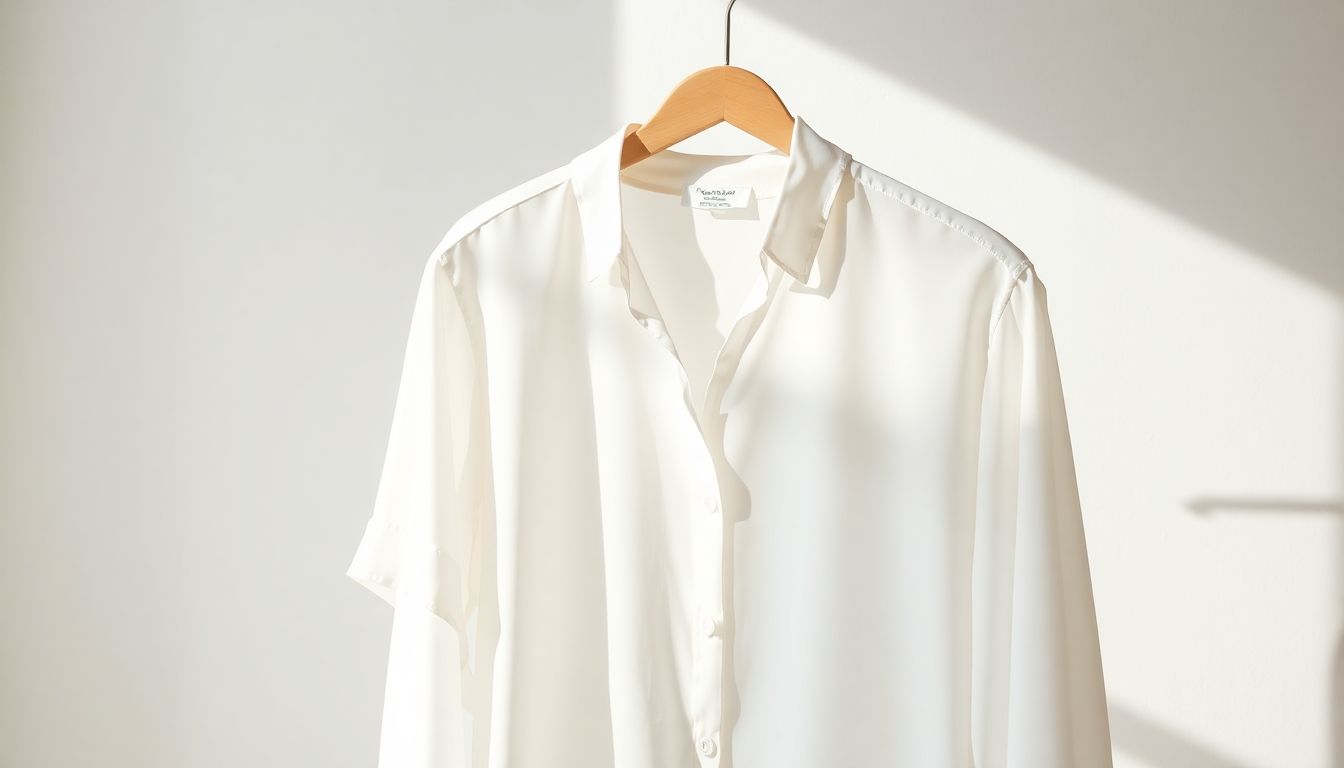
Can You Put Silk in the Dryer? What Really Happens

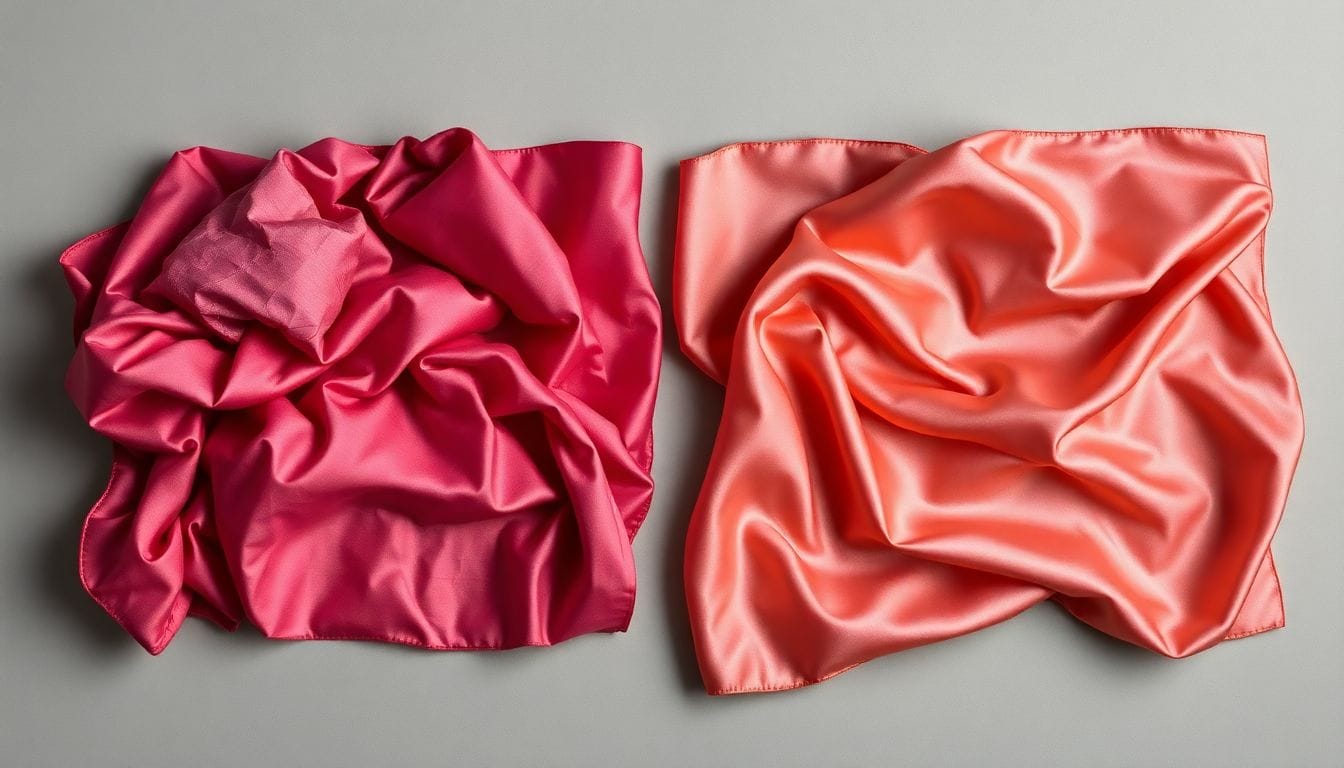
No, you should not put 100% pure silk in the dryer. While it might be tempting to speed up the laundry process, the intense heat and mechanical tumbling action of a standard dryer will permanently ruin the fabric. Even a single cycle can cause irreversible fiber breakage, a loss of its signature luxurious shine, and a severe 5% to 15% shrinkage that no amount of ironing or tailoring can fix.
While certain resilient silk blends or a zero-heat “air-fluff” setting might offer a slim margin for error, air-drying remains the gold standard for preserving your delicate garments. If you want to keep your silk clothing, pillowcases, and sheets looking fluid and luminous, understanding how this delicate natural polymer responds to machine drying is essential. Here is a deep dive into the science behind why the dryer is silk’s worst enemy, and exactly how to dry your luxury items safely.
What Actually Happens to Silk in the Dryer
Standard tumble dryers operate at 60–80°C — temperatures that exceed silk’s thermal damage threshold by a significant margin. The fibroin protein that makes up silk is a natural polymer composed of long-chain polypeptide molecules arranged in a triangular prism structure. This precise geometry gives silk its characteristic luster and drape. Heat and mechanical agitation physically disrupt this structure in multiple ways simultaneously, causing fiber breakage, surface dulling, and shrinkage of 5–15% that no professional treatment can reverse. Even a single dryer cycle causes irreversible damage that accumulates with repeated exposure.
Heat Damage
Temperatures above 50°C begin to degrade silk’s fibroin molecules, initiating the breakdown of the polypeptide chains that give silk its structural integrity. Extended heat exposure causes these chains to reorganize in ways that permanently alter the fabric’s hand and feel. Research on silk’s thermal properties confirms that silk loses 20–30% of its tensile strength after exposure to temperatures of 70°C or higher — conditions standard tumble dryers reach easily.
The degradation mechanism involves the breaking of hydrogen bonds between fibroin chains, followed by a reorganization of the molecular structure. This process, known as thermal denaturation, is what makes silk feel stiff, papery, and brittle after heat exposure. Unlike cotton or linen, which may relax and soften with heat, silk’s protein structure is permanently and adversely affected. The fabric’s characteristic drape — the quality that makes silk feel luxurious — is among the first properties to degrade.
Mechanical Damage from Tumbling
Beyond heat, the physical tumbling action inside a dryer creates significant mechanical damage. As the drum rotates, silk fibers rub against each other and against the dryer drum surface in a process called fiber-to-fiber and fiber-to-drum abrasion. This friction breaks the micro-fine filaments on the silk surface, creating surface breakage that manifests as pilling, dulling, and a rough texture that worsens with each additional cycle.
Over time, this microscopic abrasion degrades fabric integrity at a molecular level. The continuous flexing and rubbing action works loose the fine fibrils that give silk its smooth surface, progressively stripping away the fabric’s structural coherence. Even on a low-heat or air-fluff setting, where thermal damage is eliminated, the mechanical component of tumble drying remains a genuine risk for delicate silk items.
Shrinkage
Silk can shrink between 5–15% in both length and width when exposed to the combination of heat and mechanical agitation found in a standard tumble dryer. This shrinkage is not a temporary relaxation of the fibers — it is a permanent structural change driven by the breaking and reforming of hydrogen bonds between fibroin chains. The mechanism, known as fiber relaxation shrinkage, cannot be blocked by any commercial product or professional treatment once it has occurred.
Unwashed silk fabric may shrink up to 8% during first washing, and even pre-washed or “machine washable” silk labeled items retain some vulnerability to heat-induced shrinkage. Dry cleaning, while gentler than machine drying, can still produce up to 4% shrinkage in some silk fabrics due to the solvent and heat involved in the process. The margin for error is narrow, and tumble drying represents the worst-case scenario within that margin.
Luster Loss
Silk’s signature sheen comes from the triangular prism structure of its fibroin fibers, which refracts and scatters light to produce a natural iridescence. Heat and friction physically damage this prismatic structure, flattening and smoothing the sharp edges of the fibers that are responsible for light reflection. Once the triangular geometry is compromised, the fabric appears dull, lifeless, and irreversibly changed.
This damage is particularly noticeable on charmeuse and habotai weaves, which rely heavily on their highly polished surface for their characteristic visual appeal. A single tumble dryer cycle transforms a vibrant, shimmering silk blouse into a matte, lifeless garment that no amount of steaming or professional treatment can fully restore. The prismatic fiber structure simply does not reconstitute once damaged.
When Machine Drying Is Conditionally Acceptable (Air-Fluff Only)
Some care labels may show a tumble dry symbol — but this instruction should be interpreted with caution and only when accompanied by “low” or “no heat” designations. The air-fluff or “air dry” setting on a tumble dryer uses only the tumbling mechanism with no heat element activated, making it thermally safer for silk. However, air-fluff is not a zero-risk option — the mechanical friction risk remains even without heat.
The only silk items that may reasonably tolerate air-fluff are durable silk goods such as pillowcases, silk bed sheets, or sturdy silk blends that contain a high proportion of more resilient fibers like cotton or synthetic materials. Even in these cases, always place the item inside a mesh laundry bag to reduce direct fabric-to-drum contact. Delicate silk blouses, scarves, lingerie, and structured garments should never be subjected to even the air-fluff setting.
- Never use air-fluff on delicate silk items: blouses, scarves, ties, lingerie, or structured garments
- Only use air-fluff for sturdy silk items: pillowcases, sturdy sheets, silk blends with high cotton content
- Always use a mesh laundry bag to minimize direct tumbling contact with the dryer drum
- Limit air-fluff cycles to 20 minutes maximum and check the item immediately after
The Correct Way to Dry Silk: Step-by-Step
Step 1: Remove Promptly After Washing
Do not leave silk sitting in a wet pile or the washing machine drum. As soon as the wash cycle ends, transfer the item to a clean, dry towel. Wet silk loses up to 20% of its tensile strength when wet, making it highly susceptible to deformation, stretching, and fiber damage from even mild stress. Prompt removal prevents unnecessary prolonged contact with water and eliminates the risk of dye bleeding or color transfer within the drum.
Step 2: Press Out Excess Water Gently
Roll the silk item in a clean, dry white towel to absorb moisture — press firmly but do not wring or twist. Wringing and twisting apply severe mechanical stress to the weakened wet fibers, stretching them permanently out of shape and potentially causing the fabric to become misshapen. White towels are recommended to prevent dye transfer from colored towels to light-colored silk. Repeat with a second dry towel if the first towel becomes saturated.
Step 3: Air-Dry Flat or Hang
Lay flat on a clean, dry towel on a hard surface for delicate items such as blouses, scarves, and lingerie. This distributes the fabric’s weight evenly and prevents stretching. Hang on a padded hanger for sturdier items such as silk dresses with structural seams — the padded surface prevents hanger marks and distributes weight across the shoulder seam. In both cases, keep silk away from direct sunlight, as UV rays degrade silk’s protein structure over time, and away from heat sources such as radiators, heating vents, and ovens, which can create uneven heat zones that cause localized shrinkage or fiber damage.
Step 4: Finish While Slightly Damp
Silk irons beautifully when slightly damp using a low-heat steam setting. Set your iron to the silk setting (typically 110–120°C) and use a pressing cloth between the iron and the fabric. Steam gently — never press down hard with a hot iron, as direct pressure can create shine marks on the fabric surface that are difficult to remove. Finishing silk while it is slightly damp restores the fabric’s natural drape and softness, giving it the smooth, fluid quality that characterizes well-maintained silk garments. For a detailed guide to ironing silk safely, see our article on how to iron silk correctly.
Silk Drying Do’s and Don’ts Summary
| Method | Recommended for Silk | Risk Level |
|---|---|---|
| Tumble dry (any heat) | No | Very High — heat + mechanical damage |
| Air-fluff (no heat) | Only with mesh bag, sturdy silk | Medium — mechanical friction remains |
| Flat air-dry on towel | Yes — all delicate silk items | Low — safest method |
| Hang on padded hanger | Yes — structured silk garments | Low |
| Direct sunlight dry | No | High — UV protein degradation |
| Near heat source dry | No | High — heat damage |
What to Do If You Accidentally Put Silk in the Dryer
If you discover a silk item has been through a tumble dryer cycle, check it immediately. Look for three primary signs of damage: shrinkage (check if the garment feels tighter or shorter than before), stiffness (the fabric may feel papery or rigid rather than fluid), and dullness (the surface appears matte rather than luminous). If any of these signs are present, the damage is unfortunately permanent — a tailor cannot restore silk to its original dimensions after heat shrinkage, and no treatment can fully reconstitute the damaged fibroin structure.
If the fabric feels stiff or dull but shows no obvious shrinkage, try a silk-specific conditioner or a white vinegar rinse to restore some softness. Fill a basin with cool water and add a tablespoon of white vinegar — the vinegar helps dissolve detergent residue and calcium deposits that can contribute to stiffness. Soak for 5–10 minutes, then rinse thoroughly with cool water. Roll in a clean towel to remove excess moisture and air-dry flat. For future washes, always check the care label and use the cold water hand wash method, and consider professional dry cleaning for high-value silk garments.
The most important step is prevention. Establish a routine of air-drying all silk items, and treat tumble drying of silk as categorically incompatible with proper silk care. For comprehensive guidance on washing silk at home without a dryer, see our article on how to wash silk at home.
Frequently Asked Questions
Can you put 100% silk in the dryer at all?
No — 100% silk should never go in a tumble dryer. The heat and tumbling action cause irreversible damage including fiber breakage, shrinkage of 5–15%, and complete loss of the fabric’s natural luster. Always air-dry 100% silk flat on a towel.
What about silk blends — can they go in the dryer?
Silk blends with cotton or synthetic fibers may tolerate low-heat tumble drying better than pure silk, but caution is still advised. Check the care label carefully — if it says “tumble dry low,” use the lowest heat setting and place the item in a mesh laundry bag. Air-drying remains the safest choice for all silk items.
Does the “air-fluff” setting make it safe for silk?
Air-fluff eliminates heat damage but does not remove mechanical friction risk. The tumbling action still causes fiber-to-fiber abrasion that can damage silk over time. Only use air-fluff for sturdy silk items like pillowcases, and always use a mesh laundry bag to minimize direct tumbling contact.
How do you restore silk that has become stiff after washing?
Fill a basin with cool water and add a tablespoon of white vinegar — the vinegar helps dissolve detergent residue and restore some softness. Soak for 5–10 minutes, then rinse with cool water. Roll in a towel to remove excess moisture and air-dry flat. For heat-damaged silk (stiffness from dryer), the damage is permanent and cannot be reversed.
References
- Gulbiniene, A., Jankauskaite, V., & Mar. (2004). Investigation of silk fibre thermal degradation. Materials Science, 10(4), 287–291. ScienceDirect
- International Sericultural Commission. (n.d.). Silk fibre properties and characteristics. insepc.org
- Freddi, G., Romano, M., & Cravanzola, F. (2003). Shrinkage behavior of silk fabrics. Journal of Applied Polymer Science, 88(12), 2861–2867. Wiley Online Library
- Wikipedia Contributors. (2025, February 11). Silk. Wikipedia. en.wikipedia.org


