
5 Best Sewing Machine for Canvas and Leather

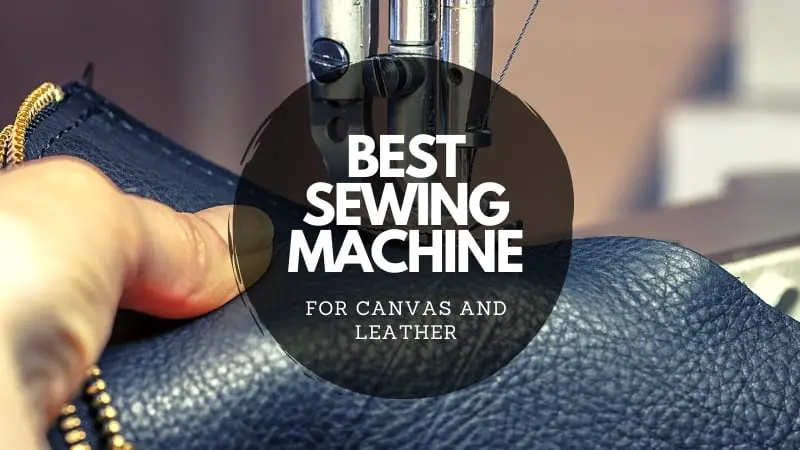
The Janome HD1000 stands out as the best sewing machine for canvas and leather—delivering professional-grade power, reliable stitch quality, and durability at a price point that balances capability with accessibility for serious hobbyists and semi-professionals alike. For canvas weighing 7–12 oz/yd² (240–410 g/m²) or comparable leather thickness, a machine with 0.75+ amp motor power, walking foot compatibility, and 4mm+ stitch length capacity is essential for clean, consistent seams without skipped stitches or material damage.
Many sewers assume a budget home machine will handle heavy fabrics—but this misconception leads to skipped stitches, broken needles, and damaged materials. Investing in a machine designed for heavy-duty work delivers results that justify the expenditure.
This guide narrows the field to five machines that excel at sewing canvas and leather, based on verified specifications and performance data. The Janome HD1000 earns our top recommendation, with alternatives suited to every skill level and project scale.
IMAGES | DESCRIPTION | RATING | ACTION |
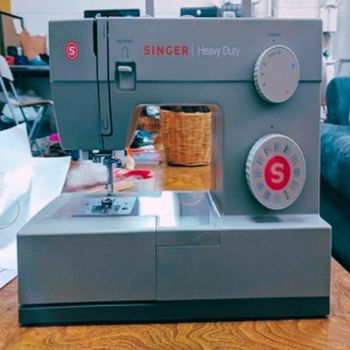 | 1. SINGER | Heavy Duty 4452 Sewing Machine
|
How to Sew Canvas and Leather
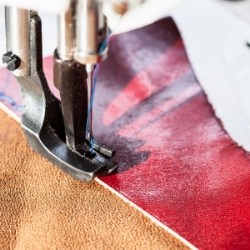
Sewing Canvas and Leather By Sewing Machine
Sewing canvas or leather follows a consistent process. Heavy-duty machines require understanding of industrial sewing machine operation. The core technique remains similar across machine types.
Adjust Your Presser Foot
This step has two parts. First, select the appropriate presser foot—a roller foot prevents sticking on leather, unlike standard presser feet. Use a roller foot when available.
A walking foot eliminates fabric puckering and handles multiple layers effectively. The walking foot moves in sync with the feed dogs, preventing bunching during multi-layer construction.
Set Up Your Needle
Use a heavy-duty needle sized 100/16 or 110/18 for canvas and leather. The metric/imperial sizing (first number is metric, second is imperial) indicates needle diameter—for medium-weight fabrics, 90/14 needles suffice; for heavy canvas at 10–12 oz/yd², 100/16 or larger is essential.
Thread the needle with nylon or polyester thread. Polyester thread offers tensile strength of 8–12 lbs per strand and resists abrasion, rot, and mildew—critical for items exposed to outdoor use.
Set the Stitch Length
Use a longer stitch length (3.0–4.0 mm) for thick, bulky materials. The increased length accommodates fabric thickness and prevents puckering. For canvas, a 3.5–4.0 mm setting produces optimal results.
Plan Your Project
Home sewing machines typically handle 4–6 layers of canvas or 3–4 layers of leather without additional support. For custom leather bags with 8+ layers, a walking foot is mandatory. Plan seam allowances accordingly—add 3/8″ to 1/2″ extra for heavy materials.
Pre-baste layers with clips rather than pins to prevent fabric distortion when working with thick leather pieces.
Test Your Setup
Always test stitch quality on scrap fabric matching your project materials. Verify thread tension, stitch length, and needle stability before beginning the final project. Adjust tension dial settings between 4–6 for heavy fabrics.
5 Best Sewing Machines for Canvas and Leather
Selecting a sewing machine for heavy materials requires evaluating motor power, stitch options, and presser foot compatibility. These five models represent the best options across affordability, versatility, and professional performance.
| Machine | Speed (spm) | Stitches | Weight | Best For |
|---|---|---|---|---|
| Singer Heavy Duty 4452 | 1100 | 32 | 15.7 lbs (7.1 kg) | Affordability |
| Brother ST371HD | 800 | 37 | 14.5 lbs (6.6 kg) | Beginners |
| Janome HD3000 | 860 | 18 | 18.7 lbs (8.5 kg) | Versatility |
| Janome HD1000 | 860 | 14 | 15 lbs (6.8 kg) | Best Overall |
| REX RX-607 | 800 | 9 | 37.3 lbs (16.9 kg) | Professional Workloads |
1. Singer Heavy Duty 4452 Sewing Machine — Best for Affordability
Features
- Maximum Stitching Speed: 1100 stitches/minute
- Threading System: Automatic needle threader
- Free Arm Support: Supported
- Item Weight: 15.7 pounds (7.1 kg)
- Number of Stitches: 32 built-in stitches
Singer dominates the home sewing machine market for good reason—the 4452 delivers heavy-duty performance at an accessible price point. The inclusion of a walking foot alone makes this machine suitable for canvas and leather projects.
When sewing canvas or leather, keeping material flat under the presser foot presents the primary challenge. The walking foot featured on this machine grips the fabric from above while the feed dogs move it from below, eliminating the slippage that causes puckering.
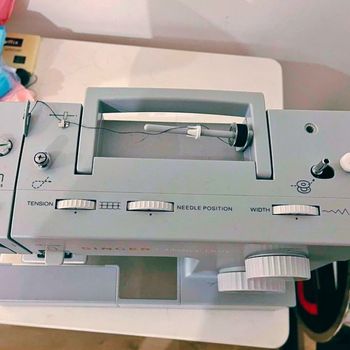
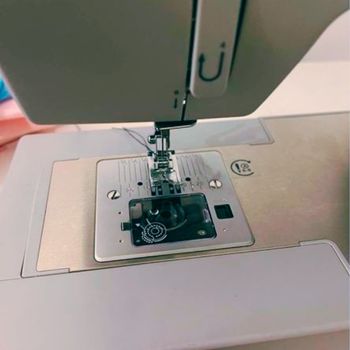
The machine ships with multiple presser feet: zipper foot, all-purpose foot, nonstick foot, and button sewing foot. This assortment covers most heavy-fabric applications without additional purchases.
The 32 built-in stitches include 6 basic stitches, 18 decorative stitches, and 7 stretch stitches. The 1100 stitches/minute maximum speed outpaces typical home machines, which operate at 600–850 stitches/minute.
The motor produces approximately 60% more power than standard home machines, generating the torque necessary to push needles through 4–6 layers of medium-weight canvas. The automatic needle threader reduces setup time significantly.
PROS:
CONS:
Verdict
The Singer 4452 delivers reliable performance for light to moderate canvas and leather projects at an unbeatable price point for hobbyists.
2. Brother ST371HD Sewing Machine — Best for Beginners
Features
- Maximum Stitching Speed: 800 stitches/minute
- Threading System: Automatic needle threader
- Free Arm Support: Supported
- Item Weight: 14.5 pounds (6.6 kg)
- Number of Stitches: 37 built-in stitches
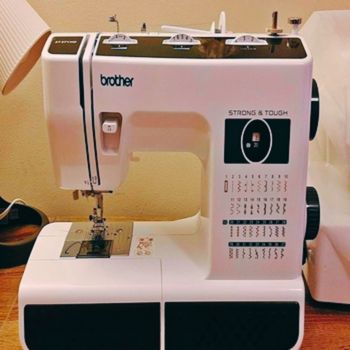
The Brother ST371HD strikes an effective balance between price and capability for beginners tackling canvas and leather projects. The automatic needle threader eliminates one of the most frustrating setup tasks in sewing.
Brother designed the ST371HD specifically for heavy fabrics, evident in its metal needle plate and reinforced feed system. The 37 built-in stitches exceed most competitors in this class, providing versatility for decorative work on finished projects.
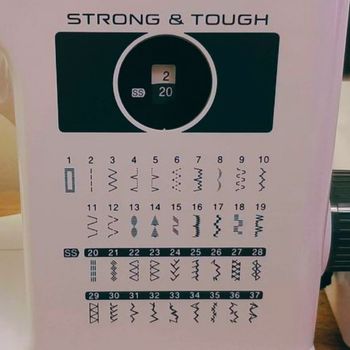
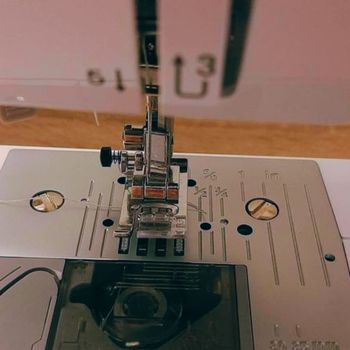
The 37 stitch options include blind hems, stretch stitches, and buttonhole patterns. The six included presser feet (zigzag, nonstick, blind, zipper, buttonhole, button) cover standard heavy-fabric applications.
The metal needle plate ensures even fabric feeding across seams. The drop feed feature enables free-motion quilting and stippling when the presser foot is removed—a capability some competitors omit at this price.
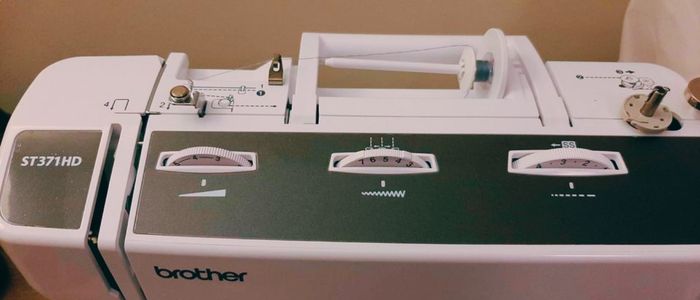
The free arm support enhances versatility for cylindrical items like boot bags and camera cases. At 14.5 pounds, this machine remains portable while providing sufficient weight for stability during heavy sewing.
The primary limitation is motor power—the 800 stitches/minute maximum and torque output suit light to medium canvas (4–6 oz/yd²) and thin leather. The walking foot is not included, limiting multi-layer capacity.
PROS:
CONS:
Verdict
The Brother ST371HD offers exceptional value for beginners working with light canvas and thin leather, though professional-grade projects demand more powerful equipment.
3. Janome HD3000 Heavy-Duty Sewing Machine — Best for Versatility
Features
- Maximum Stitching Speed: 860 stitches/minute
- Threading System: Built-in automatic needle threader
- Free Arm Support: Supported
- Item Weight: 18.7 pounds (8.5 kg)
- Number of Stitches: 18 built-in stitches
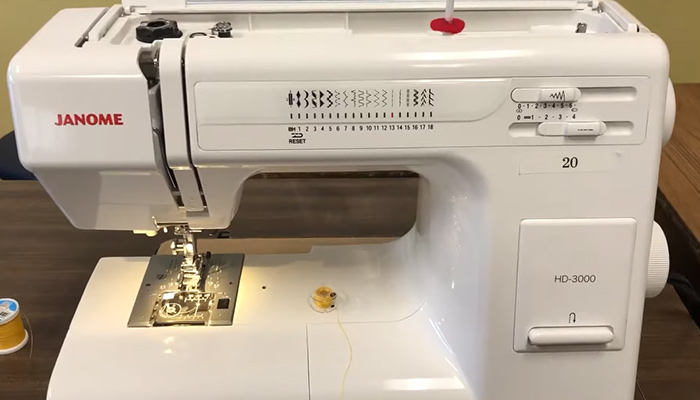
Janome built the HD3000 for sewers who demand professional-grade capability without industrial machinery costs. The heavy-duty metal frame and powerful motor deliver consistent performance across demanding projects.
The cast-metal gears ensure durability under continuous use—a critical factor when working with thick leather that requires sustained motor output. The five-piece feed dog system provides superior fabric grip compared to standard three-piece systems.
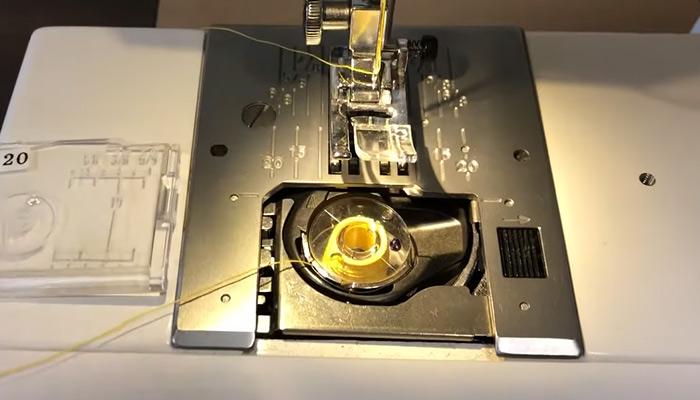
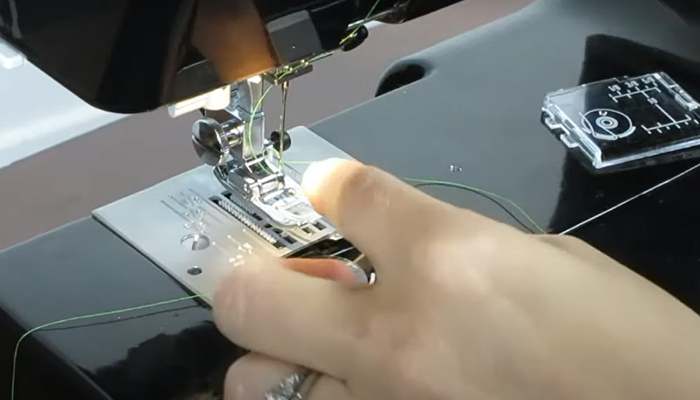
The extra-high presser foot lift accommodates stacked layers up to 5/8 inch thick—essential for heavy leather bags and layered canvas tarps. The automatic buttonhole foot produces consistent, professional-quality buttonholes in a single step.
The 18 stitches include blind hem, overedge, rolled hem, and zigzag patterns. The built-in needle threader reduces eye strain and setup frustration. Reverse stitch reinforcement strengthens seams on heavy materials.
The Janome HD3000 features adjustable foot pressure via a dial on the front—critical for preventing imprint of presser foot on delicate leather surfaces. Drop feed support enables free-motion decorative stitching when needed.
PROS:
CONS:
Verdict
The Janome HD3000 delivers professional versatility and heavy-duty performance for intermediate to advanced sewers working with canvas and leather regularly.
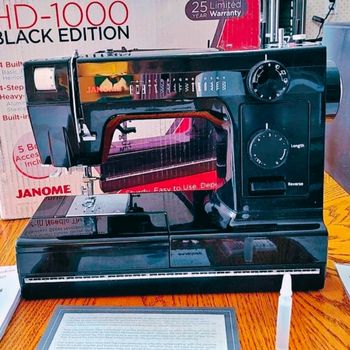
4. Janome HD1000 Heavy-Duty Sewing Machine — Best Overall
Features
- Maximum Stitching Speed: 860 stitches/minute
- Threading System: Built-in needle threader
- Free Arm Support: Supported
- Item Weight: 15 pounds (6.8 kg)
- Number of Stitches: 14 built-in stitches
The Janome HD1000 represents the sweet spot between price and professional capability. Its cast aluminum body provides durability while keeping weight manageable—a critical factor for home-based sewists with limited workspace.
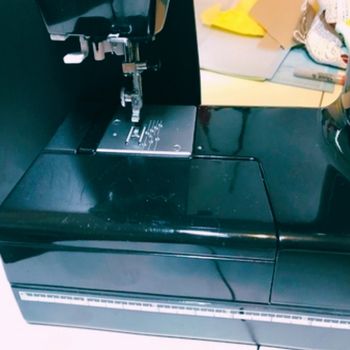
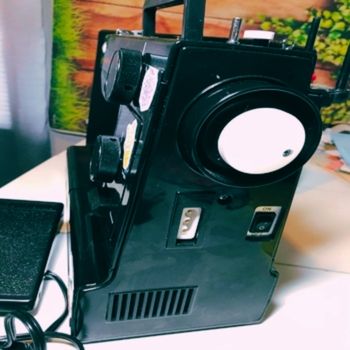
The 14 built-in stitches cover essential utility patterns including multiple stretch stitches. The 0.75 amp motor produces sufficient torque for 6–8 layers of medium-weight canvas or 4–6 layers of leather.
The snap-on presser foot system allows quick foot changes without tools. The lay-in manual thread tension control provides tactile feedback that experienced sewists prefer over electronic presets.
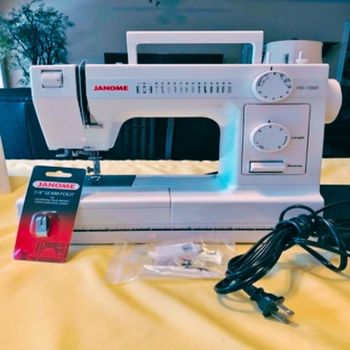
Included accessories—bobbins, needles, screwdrivers, and felt pads—provide sufficient supplies to begin projects immediately. The zipper foot, hem foot, and buttonhole foot handle most heavy-fabric applications.
The built-in needle threader eliminates manual threading frustration. The 4mm maximum stitch length accommodates heavy materials without excessive fabric distortion.
At 15 pounds, the HD1000 balances portability with the stability needed for controlled heavy sewing. The reverse stitch lever reinforces seams on high-stress items like leather tool belts and canvas marine covers.
PROS:
CONS:
Verdict
The Janome HD1000 delivers professional-grade performance for canvas and leather without industrial machinery costs—the top choice for serious home sewists.
5. REX Portable Walking-Foot Sewing Machine — Best for Professional Workloads
Features
- Maximum Stitching Speed: 800 stitches/minute
- Threading System: Automatic needle threader
- Free Arm Support: Unsupported
- Item Weight: 37.3 pounds (16.9 kg)
- Number of Stitches: 9 built-in stitches
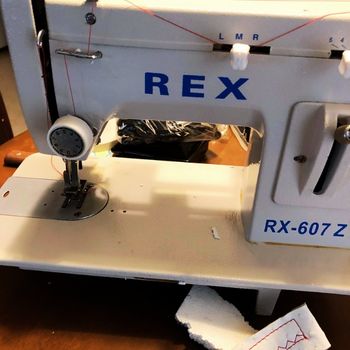
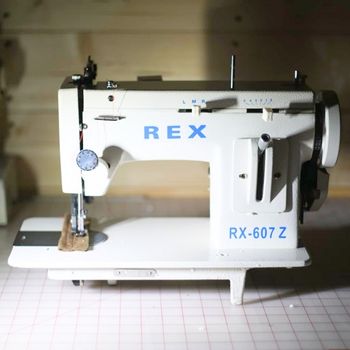
The REX RX-607 bridges the gap between home machines and industrial equipment. At 37.3 pounds, this machine demands dedicated workspace but delivers industrial-grade power and durability.
The cast iron body provides vibration-dampening stability that prevents motor vibration from affecting stitch quality. This construction also extends machine longevity significantly compared to plastic-bodied alternatives.
The 1.5 amp motor produces substantially more torque than standard home machines, allowing the RX-607 to power through 8+ layers of canvas or 6+ layers of thick leather without stalling or skipped stitches.
The 6mm maximum stitch length accommodates heavy materials where shorter stitches risk fabric bunching. The 9 built-in stitches focus on utility patterns essential for heavy-material construction rather than decorative work.
The manufacturer includes a leather sample sewn with the machine, demonstrating capability on actual materials. This proves the machine handles heavy leather without the skipped stitches common in underpowered alternatives.
This machine requires heavier thread—nylon #69 or equivalent—as standard sewing thread lacks the tensile strength for consistent results. The instruction manual lacks detail, but online resources compensate for this weakness.
PROS:
CONS:
Verdict
The REX RX-607 delivers industrial capability for professionals requiring consistent performance on heavy canvas and leather projects without industrial equipment investment.
What to Look for Before You Buy
Home sewing machines and heavy-duty machines serve different purposes. Understanding the specifications that matter for canvas and leather prevents costly mistakes.
These key factors determine whether a machine handles heavy materials effectively or fails under the demands of thick fabric construction.
Walking Foot Compatibility
A walking foot moves in synchronization with the feed dogs, gripping fabric from above while the feed dogs advance it from below. This dual-action system prevents the layer slippage that causes puckering on canvas and leather.
For projects involving 4+ layers of medium-weight canvas or 3+ layers of leather, a walking foot becomes mandatory rather than optional. Budget machines that omit this feature struggle with multi-layer heavy fabric work.
The walking foot’s even-feed mechanism also prevents rippling when joining dissimilar material thicknesses—such as canvas to leather trim.
Motor Power and Torque
Motor power determines a machine’s ability to push needles through thick materials. Home machines typically feature 0.5–0.75 amp motors producing 600–850 stitches/minute maximum.
Heavy-duty machines for canvas and leather require 0.75–1.5 amp motors with high starting torque to avoid stalling when the needle penetrates multiple layers. The REX RX-607’s 1.5 amp motor exemplifies professional-grade capability.
Higher torque also reduces skipped stitches, which occur when the needle fails to catch the bobbin thread due to insufficient penetration force.
Automatic Needle Threader
Manual needle threading frustrates most sewists. Automatic needle threaders guide thread through the needle eye using a mechanical hook—eliminating eye strain and setup time.
All machines reviewed here include this feature, though threading mechanism precision varies. The Janome HD1000’s threading system requires more precise alignment than the Brother or Singer alternatives.
Stitch Length and Width Controls
Canvas and leather require longer stitch lengths than lightweight fabrics. A minimum of 3.0–4.0 mm stitch length prevents puckering and accommodates fabric thickness.
The REX RX-607’s 6mm maximum stitch length provides the widest range for extremely heavy materials. Most home machines cap at 4–5mm, sufficient for moderate canvas and lightweight leather.
Variable stitch width control matters for decorative work on finished items—zigzag patterns between 3–5mm width provide secure applique edges on heavy fabrics.
Presser Foot Selection
Standard presser feet stick to leather and vinyl surfaces. Nonstick feet (Teflon-coated) glide over these materials without friction or damage. Walking feet with nonstick coatings offer the best multi-layer heavy fabric performance.
Essential presser feet for canvas and leather work include: walking foot, nonstick foot, zipper foot, and buttonhole foot. Machines shipping with these accessories avoid immediate additional purchases.
Matching Machine to Project Scale
Industrial machines suit continuous professional use but demand dedicated space, 220V power, and significant investment. Home heavy-duty machines handle occasional to regular heavy fabric projects without these requirements.
For occasional canvas tote bags and light leather accessories, a Singer 4452 or Brother ST371HD suffices. For regular leather bag production or marine canvas work, the Janome HD1000 or HD3000 delivers appropriate capability. Professional upholstery and leatherwork warrant the REX RX-607 or industrial equipment.
Canvas and Leather Sewing Tips
Heavy materials present unique challenges that standard sewing techniques cannot address. These proven methods ensure professional results on canvas and leather projects.
Selecting Appropriate Needles
Canvas fabrics use tight plain weaves requiring heavyweight needles. For medium canvas (7–8 oz/yd²), 90/14 or 100/16 needles provide adequate penetration. Heavy canvas (10–12 oz/yd²) demands 100/16 or 110/18 needles.
Leather needles feature wedge-shaped points that slice through material rather than pushing through fibers. Use 11/75 or 14/90 leather needles for thin to medium leather. Thicker leather requires the larger size.
Replace needles after 8–10 hours of heavy fabric sewing—dulled needles increase skipping and fabric damage. Keep a supply of spares for extended projects.
Thread Selection for Durability
Cotton thread deteriorates rapidly in leather items exposed to moisture and flexing. Nylon and polyester threads resist rot, mildew, and abrasion—essential properties for items like marine canvas and outdoor leather gear.
Polyester thread offers tensile strength of 8–12 lbs per strand, suitable for seams requiring 20–30 lbs per inch of load capacity. Nylon #69 (the standard for leather work) provides similar strength with slightly more flexibility.
Use bonded nylon or polyester thread for leather—these feature a protective coating that reduces friction during sewing and extends seam life in high-stress applications.
Frequently Asked Questions
Which sewing machine handles canvas most effectively?
The ideal canvas machine features a straight stitch mechanism (rather than rotary), walking foot capability, and motor power of 0.75+ amps. Machines like the Janome HD1000 and REX RX-607 excel at canvas work due to their powerful motors and extended stitch length ranges.
What specifications matter most for thick materials and leather?
Motor torque, presser foot lift height, and stitch length capacity determine leather performance. Seek machines with 0.75+ amp motors, 5/8″+ presser foot lift, and 4mm+ maximum stitch length. Walking foot inclusion dramatically improves multi-layer leather work quality.
What types of machines successfully sew canvas?
Canvas comes in two primary types: duck (tightly woven, extremely rigid) and plain (standard weave). Both require straight-stitch-focused machines with strong motors. Machines limited to zigzag-only operation cannot handle heavy canvas effectively.
Which machines work effectively with leather?
Leather demands powerful motors (0.75+ amps), leather-specific needles, and nonstick presser feet. The REX RX-607 leads for professional leather work, while the Janome HD1000 offers the best value for home leather projects requiring consistent results.
What causes sewing machines to skip stitches on heavy fabric?
Bent or dull needles cause most skipped stitch issues on heavy materials. The needle deflects rather than penetrating properly, failing to meet the bobbin thread. Replacing with a fresh heavy-fabric needle (100/16 or larger) typically resolves this.
What alternatives exist for repairing car seats without sewing?
Fabric repair kits provide adhesive-based solutions for automotive upholstery. These kits work for temporary repairs or materials unsuitable for machine sewing. For permanent leather seat repairs, consult automotive upholstery professionals with industrial sewing equipment.
Final Words
Canvas and leather offer exceptional durability and aesthetic appeal when sewn correctly. The right heavy-duty machine transforms challenging materials into professional-quality projects.
The Janome HD1000 earns our top recommendation as the best sewing machine for canvas and leather—it delivers professional-grade power, reliable stitch quality, and durability at a reasonable price point for serious hobbyists and semi-professionals alike.
References
- Wikipedia. (2024). Canvas. Wikipedia, The Free Encyclopedia.


