
4 Best Inkle Loom Reviews | Buying Guide

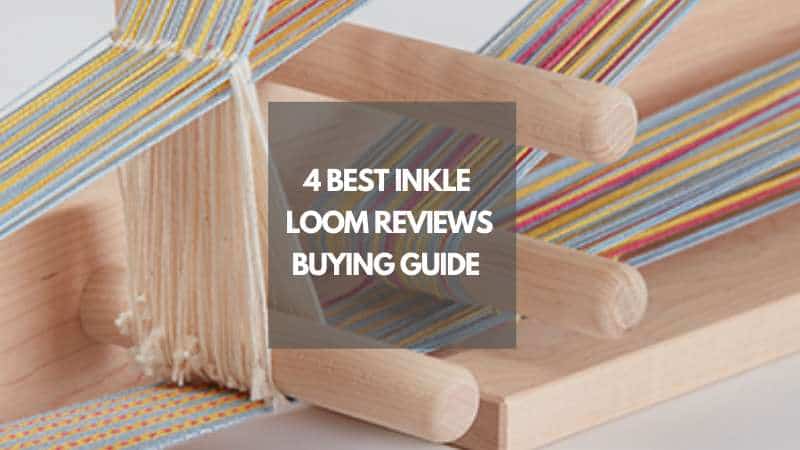
The best inkle loom for your needs depends on your skill level, project type, and workspace requirements. For versatility across multiple project types, the Ashford Inkle Loom delivers the broadest capability. For professional belt and strap production, the Schacht Inkle Loom offers superior durability and tension control. For beginning weavers prioritizing portability, the Beka Inkle Loom provides an accessible entry point. For traveling weavers or those with limited storage, the Small Inkle Loom delivers full capability in a 15-inch format.
An inkle loom is a specialized weaving tool that produces narrow woven bands — including belts, bracelets, guitar straps, and decorative trims — up to 4 inches wide using cotton, linen, or pearl cotton yarns. Unlike rigid heddle or floor looms, inkle looms are inherently portable and suited to both beginners and experienced weavers.
Selecting the right model requires evaluating construction materials, tension control mechanisms, portability, and intended use — rather than simply choosing the least expensive option or the first model you encounter.
4 Best Inkle Loom Reviews
Finding the best inkle loom for your weaving projects demands careful evaluation of specifications and performance characteristics. The following four inkle looms represent the most capable options currently available for weaving professionals and beginners alike.
IMAGES | DESCRIPTION | RATING | ACTION |
Meets All Criteria 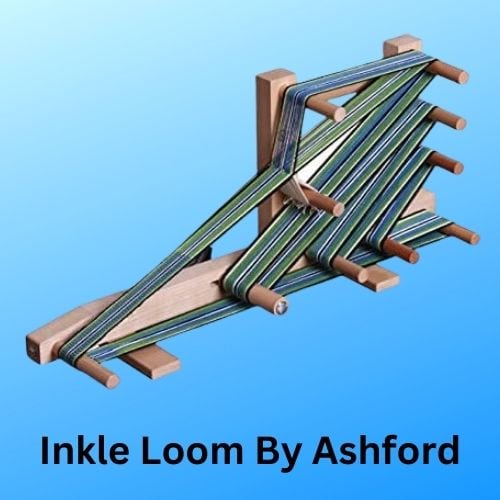 | Inkle Loom By Ashford
|
Inkle Loom Comparison Table
| Feature | Ashford | Schacht | Beka | Small |
|---|---|---|---|---|
| Material | Silver Beech Hard Wood | Hard Maple (unfinished) | Hard Maple (MN/WI) | Maple and Oak |
| Dimensions | 25″ × 10″ × 5.5″ | 7″ × 9½″ × 31″ | 28″ × 7–12″ × 12½″ | 15″ length |
| Weaving Width | Up to 4 inches | Up to 4 inches | 7–12 inches (adjustable) | Up to 4 inches |
| Weight | — | — | 7 pounds | 1.25 pounds |
| Tension Range | 2–4 PSI (cotton) / 3–5 PSI (linen) | 3–6 PSI | 2–5 PSI | Double tension system |
| Skill Level | Professionals | Professional Weavers | Beginners | All levels |
| Assembly | Required | Required | Required | Fully assembled |
| Best For | Multi-project versatility | Belt and band production | Portability and beginner ease | Travel and limited workspace |
1. Ashford Inkle Loom
Features
- Material: Silver Beech Hard Wood
- Dimensions: 25″ × 10″ × 5.5″
- Tension: Adjustable Tension Peg
- Weaving Width: Up to 4 inches
- Suitable For: Professionals
- Included Items: Belt Shuttle
The Ashford inkle loom delivers versatility for weavers who work with multiple yarn types and color combinations. Its silver beech hardwood construction provides the stability required for heavy-duty usage without introducing flex or warping over time.
The silver beech hardwood frame withstands sustained tension loads that occur during extended weaving sessions. This durability ensures consistent shed formation and prevents the frame distortion that plagues lower-quality looms after prolonged use.
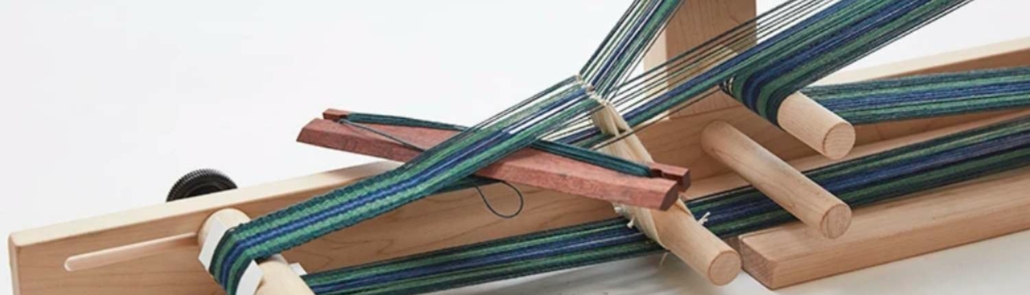
The loom’s compact footprint (25″ × 10″ × 5.5″) allows easy transport between workspaces and convenient storage in limited spaces. At this size, the Ashford model accommodates weaving widths up to 4 inches — the industry standard for inkle loom band weaving.
The adjustable tension peg enables precise warp tension control, which directly affects shed clarity and weaving consistency. Warp tension measurement using a tension meter typically ranges between 2–4 PSI for cotton yarns and 3–5 PSI for linen on this class of loom.
The included belt shuttle streamlines the weaving process for producing tassels, trims, straps, and decorative bands. Yarn types compatible with this loom include cotton (8/4, 8/6, 8/8), linen (8/2, 10/2, 20/2), and pearl cotton (5/2, 8/2).
PROS:
CONS:
Verdict
The Ashford inkle loom is the most versatile option for weavers who require flexibility across multiple project types. Its adjustable tension peg and 4-inch weaving width accommodate cotton, linen, and pearl cotton yarns for producing belts, trims, and straps.
2. Schacht Inkle Loom
Features
- Material: Hard Maple (unfinished)
- Dimensions: 7″ × 9½″ × 31″
- Configuration: One Open Side
- Weaving Width: Up to 4 inches
- Suitable For: Professional Weavers
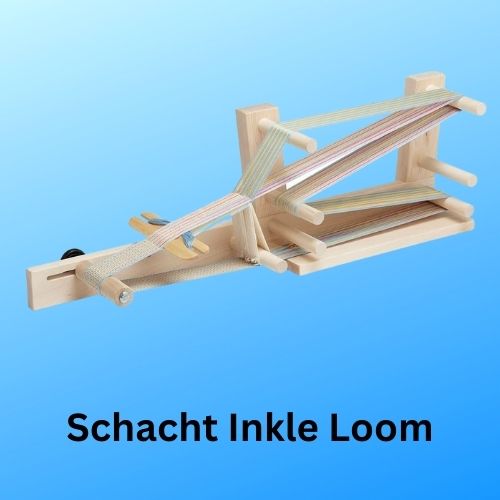
The Schacht Inkle Loom arrives with detailed assembly instructions, eliminating the frustration of unassembled looms without documentation. First-time users and experienced weavers alike benefit from this clarity during setup.
Hard maple construction provides the structural integrity required for sustained professional use. This species (Acer saccharum) offers a Janka hardness rating of 1,450 lbf, ensuring the frame resists dents and deformation under repeated tension cycles.
The single open-side configuration simplifies shed formation for belt and band weaving, allowing smooth passage of the belt shuttle across the warp. The tension bar knob enables fine-tuning of warp tension within the 3–6 PSI range typical for band weaving applications.
The loom’s dimensions (7″ × 9½″ × 31″) position it as the largest model in this review, providing maximum rigidity for professional-grade output. This size accommodates longer warp runs, reducing the frequency of re-threading during extended projects.
The unfinished hard maple surface accepts wood stain or sealer per user preference, extending the loom’s lifespan in high-humidity studio environments where untreated wood may absorb moisture and warp.
PROS:
CONS:
Verdict
The Schacht Inkle Loom excels for professional weavers focused on belt and band production. Its hard maple construction (Janka 1,450 lbf), tension adjustment range of 3–6 PSI, and included belt shuttle deliver the precision and durability that sustained weaving work demands.
3. Beka Inkle Loom
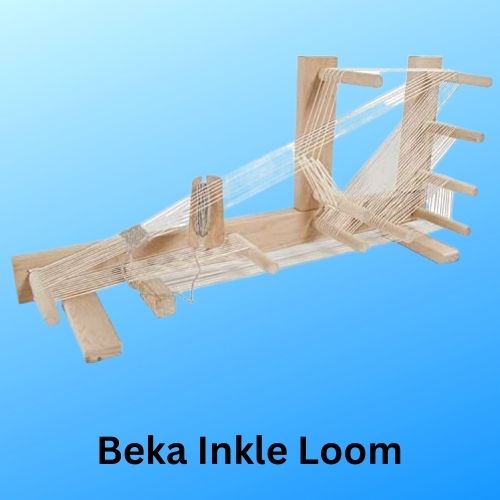
Features
- Material: Hard Maple (Minnesota/Wisconsin)
- Dimensions: 28″ long × 7–12″ wide × 12½″ tall
- Weaving Width: Adjustable 7–12 inches
- Weight: 7 pounds
- Suitable For: Beginners
- Included Items: Belt Shuttle, Instruction Sheet
The Beka Inkle Loom targets beginning weavers who require straightforward operation without a learning curve. The open-sided tabletop design reduces complexity while maintaining the capability to work with diverse yarn types and bead embellishments.
Hard maple sourced from Minnesota and Wisconsin forests provides consistent grain structure and moderate hardness (Janka approximately 1,450 lbf). This regional sourcing typically indicates controlled timber harvesting practices and predictable wood quality.
At 7 pounds with dimensions of 28″ × 7–12″ × 12½″, the Beka loom achieves a balance between portability and workspace stability. The adjustable weaving width of 7–12 inches exceeds the standard 4-inch band width, enabling wider trim and strap projects.
Hard maple sourced from Minnesota and Wisconsin forests provides consistent grain structure and moderate hardness (Janka approximately 1,450 lbf). This regional sourcing typically indicates controlled timber harvesting practices and predictable wood quality.
The adjustable tension peg accommodates warp tension settings between 2–5 PSI depending on yarn weight. Lightweight cotton warps (8/4) perform optimally at 2–3 PSI, while linen warps (8/2) require 3.5–5 PSI for consistent shed formation.
PROS:
CONS:
Verdict
The Beka Inkle Loom serves beginning weavers who prioritize portability and straightforward setup. Its 7-pound weight, adjustable 7–12 inch weaving width, and hard maple construction from Minnesota and Wisconsin make it an accessible introduction to band weaving.
4. Small Inkle Loom
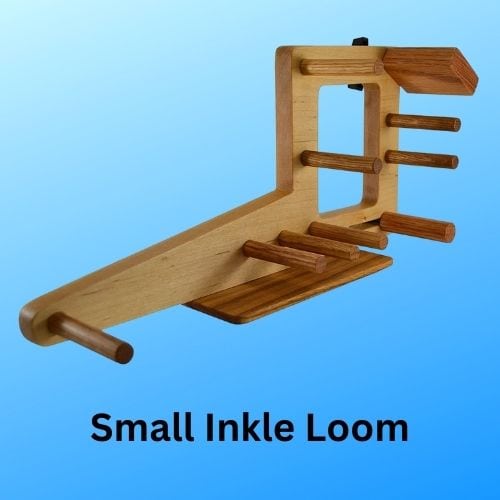
Features
- Material: Maple and Oak
- Dimensions: 15″ length
- Maximum Warp Length: 74 inches
- Weaving Width: Up to 4 inches
- Weight: 1.25 pounds
- Finish: Natural Smooth Satin
- Assembly: Fully assembled
The Small Inkle Loom delivers full weaving capability in a 15-inch format, making it the most portable option in this review. Its 1.25-pound weight and compact dimensions suit weavers who travel to workshops, classes, or work in multiple locations.
Maple and oak hybrid construction provides a balance of hardness and workability. Oak (Quercus) registers approximately 1,360 lbf on the Janka scale, while maple (Acer) measures approximately 1,450 lbf — together creating a frame that resists warping while remaining workable for threading adjustments.
The double tension system incorporated into this loom enables precise warp tension control for fine work, including the 20/2 linen and 5/2 pearl cotton combinations used in historical pattern reconstruction. This system maintains consistent tension across the 74-inch maximum warp length without periodic re-adjustment.
The natural smooth satin finish reduces friction between the warp threads and the frame during weaving, which is particularly important for high-speed belt shuttle passes in extended sessions. Finished dimensions of 15 inches make this model the only fully assembled option in this review.
Despite its compact size, this loom accommodates weaving widths up to 4 inches and maximum warp lengths of 74 inches — allowing for projects such as guitar straps, long belts, and decorative trim runs without frequent re-threading.
PROS:
CONS:
Verdict
The Small Inkle Loom is the optimal choice for traveling weavers and those with limited workspace. Its 1.25-pound weight, double tension system, and 74-inch maximum warp length deliver full band-weaving capability in a portable 15-inch format.
Inkle Loom Buying Guide: What to Evaluate
Selecting the best inkle loom requires evaluating specific technical characteristics rather than relying on price or brand recognition alone. The following factors determine which loom will perform best for your intended applications.
Construction Material and Hardness
Frame material directly affects durability, weight, and long-term dimensional stability. Hard maple (Acer saccharum) with a Janka hardness of 1,450 lbf represents the industry standard for quality inkle looms. Silver beech (Nothofagus pumilio) offers similar durability at a lighter weight, while oak (Quercus) provides excellent impact resistance at approximately 1,360 lbf.
looms constructed from softwoods or engineered wood products will flex under sustained warp tension, causing inconsistent shed formation and premature wear on heddles and tensioning mechanisms.
Open-Side Configuration: One vs. Two Sides
Inkle looms feature either one or two open sides. Single-side open configurations simplify belt and strap weaving by providing direct access to the full warp width. Dual-side open looms offer greater versatility for patterned weaving but introduce additional complexity in tension management across the warp spread.
Warp Tension Control Systems
Effective warp tension control determines the quality of shed formation and the consistency of beat density. Most inkle looms use a tension peg or tension bar system. The adjustment range and precision of this mechanism directly affects the types of yarn and the projects the loom can accommodate.
Cotton warps (8/4, 8/6) perform optimally at 2–4 PSI tension, while linen warps (8/2, 10/2) require 3.5–5 PSI for consistent results. The double tension system found on advanced models maintains stable tension across 74-inch warp lengths without re-adjustment during extended sessions.
Portability and Workspace Requirements
Inkle looms range from 1.25 pounds (fully assembled mini models) to 7+ pounds for professional-grade units. Compact models measuring 15 inches in length fit in laptop bags and briefcases, making them suitable for workshop attendance or teaching demonstrations. Full-size models at 25–31 inches provide maximum rigidity but require dedicated workspace.
Skill Level Appropriateness
Beginner-appropriate looms include pre-assembled models, detailed instruction sheets, and open-sided designs that reduce threading complexity. Professional-grade looms require assembly, offer tension adjustment ranges suited to advanced techniques, and produce output suitable for retail or commission work.
Frequently Asked Questions
Inkle Loom Selection Criteria
The most critical selection factors include frame construction material (hardness should exceed Janka 1,300 lbf), tension control range (should accommodate 2–6 PSI for cotton and linen warps), and weaving width capacity (standard band width is 4 inches). Smooth frame surfaces and consistent heddle spacing directly affect weaving quality.
Inkle Loom Project Capabilities
An inkle loom produces narrow woven bands including bracelets, belts, guitar straps, neckties, bag handles, and decorative trims. Standard weaving width is approximately 4 inches, with warp lengths reaching 74 inches on extended-frame models. The finished bands can be sewn into larger items such as cushion covers, totes, and garment accents.
Inkle Loom Weaving Width Specifications
The industry-standard weaving width for inkle looms is approximately 4 inches (10 cm). Some models offer adjustable widths ranging from 7 to 12 inches for wider trim projects. Typical warp length capacity ranges from 40 inches on mini models to 74 inches on extended-frame professional units.
Best Loom Type for Specific Projects
The optimal loom depends on the project type. Belt and strap production benefits from single-side open looms with rigid tension control (Schacht model). Versatile multi-project weaving suits the Ashford model with adjustable tension peg. Portable workshop use suits the Small Inkle Loom at 1.25 pounds with 74-inch warp capacity. Beginner instruction suits the Beka model with open-sided design and included instruction sheet.
Inkle Loom Portability Characteristics
Inkle looms are inherently portable compared to floor looms and rigid heddle looms. Weights range from 1.25 to 7 pounds, and assembled dimensions range from 15 to 31 inches in length. The smallest models (15 inches) fit in standard laptop bags. All models disassemble for transport if needed.
Inkle Loom Compatibility with Scarf Weaving
The inkle looms recommended in this guide accommodate narrow scarf and band weaving projects. Their 4-inch standard weaving width suits band scarves, narrow infinity scarves, and coordinating trim that matches larger garments. For wide scarves exceeding 6 inches, a rigid heddle loom with 24-inch weaving width is more appropriate.
Summary
Matching an inkle loom to your projects requires aligning frame material, tension control range, and dimensions with your skill level and intended applications. The Ashford model offers the broadest versatility. The Schacht model excels for belt-focused professional work. The Beka model provides an accessible entry point for beginners. The Small Inkle Loom serves traveling weavers and those with limited storage space.
References
- Food and Agriculture Organization. (2020). Janka Hardness Rating for Maple and Oak Species. FAO Forestry Papers.


