
A Comprehensive Guide to Different Types of Denim

Types of Denim: Quick-Reference Guide
Denim is a rugged cotton twill textile distinguished by its diagonal twill weave and characteristic colorway—indigo-dyed warp threads with undyed weft. The denim industry classifies fabric by weight (oz/yd² or GSM) and categorizes it by fiber content, weave, and treatment. Standard consumer jeans use 10–14 oz fabric, while premium selvedge ranges 12–15 oz and workwear-inspired denim reaches 15–20 oz.
| Denim Type | Typical Weight | Best For | Season |
|---|---|---|---|
| Cotton Denim | 10–14 oz | Versatile jeans, work pants, shorts | Year-round |
| Raw Denim | 12–15 oz | Premium jeans, work pants | Fall / Winter |
| Stretch Denim | 8–12 oz | Skinny jeans, fitted styles | Spring / Summer |
| Loom State Denim | 14–16 oz | Premium raw jeans, work pants | Fall / Winter |
| Washed Denim | 8–12 oz | Casual jeans, work pants | Spring / Summer |
| Selvedge Denim | 11–15 oz | Premium raw jeans, limited-edition pieces | Fall / Winter / Spring |
| Lightweight Denim | 6–9 oz | Summer jeans, casual shorts | Summer |
| Heavyweight Denim | 14–20 oz | Work pants, denim jackets | Fall / Winter / Spring |
| Bull Denim | 13–16 oz | Industrial work pants, motorcycle apparel | All seasons |
| Ecru Denim | 10–14 oz | Fashion jeans, summer shorts | Summer |
| Indigo Dyed Denim | 10–15 oz | Classic blue jeans, work pants | Year-round |
| Stone Wash Denim | 10–14 oz | Casual jeans, lightweight work pants | Spring / Summer |
| Organic Denim | 10–14 oz | Sustainable fashion jeans, eco work pants | Year-round |
| Thermo Denim | 10–14 oz | Winter work pants, outdoor casual jeans | Winter |
| Corduroy Denim | 10–13 oz | Fall/winter casual pants, fashion bottoms | Fall / Winter |
| Colored Denim | 8–12 oz | Fashion jeans, versatile casual pants | Year-round |
Denim Weight Classification Guide
| Weight Class | Oz per Square Yard | Grams per Square Meter (GSM) | Best Use |
|---|---|---|---|
| Lightweight | 4–8 oz | 135–270 gsm | Spring/summer apparel, linings |
| Midweight | 8–12 oz | 270–405 gsm | Year-round jeans, casual wear |
| Heavyweight | 12–16 oz | 405–540 gsm | Workwear, jackets, fall/winter |
| Extra Heavyweight | 16–32 oz | 540–910 gsm | Specialty workwear, belts |
The denim industry classifies fabric by weight measured in ounces per square yard (oz/yd²) or grams per square meter (GSM). Standard consumer jeans typically use 10–14 oz (340–475 gsm) fabric. Raw denim for premium selvedge jeans often weighs 12–15 oz (405–510 gsm). Workwear-inspired brands favor 15–20 oz (510–680 gsm) for durability.
Denim is a rugged cotton twill textile that has served as workwear material for centuries. Originally developed in Nîmes, France in the 17th century, denim gained prominence in the United States during the California Gold Rush when Levi Strauss & Co. began producing durable waist overalls for miners. Modern denim is available across a spectrum of weights, dyes, and weaves to suit fashion, workwear, and technical applications.
How Denim Fabrics Are Manufactured
Denim production begins with cotton fiber selection and progresses through spinning, dyeing, weaving, and finishing stages. The defining characteristic of denim is its twill weave construction—typically a 3/1 right-hand twill where the weft threads pass under three warp threads and over one.
The dyeing process creates denim’s signature colorway: the warp threads are dyed with indigo (synthetic indigo accounts for approximately 90% of modern denim dyeing), while the weft threads remain undyed, creating the fabric’s characteristic white reverse side. Multiple dips in the indigo dye bath build depth of color—premium selvedge denim may receive 8–12 dips.
After weaving, denim undergoes finishing treatments including sanforization (pre-shrinking), mercerization (strength and luster enhancement), and various washing processes. The fabric is then pressed and inspected before cutting.
Types of Denim Fabrics
Denim fabrics are categorized by fiber content, weave structure, finishing treatment, and weight. Each type offers distinct performance characteristics and aesthetic properties.
Cotton Denim
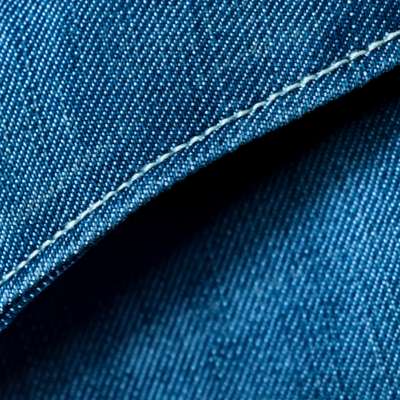
Specifications: 100% cotton fiber; 10–14 oz typical weight; 3/1 twill weave; absorbs moisture effectively; breathability of 0.5–0.7 clo units.
Common Uses:
- Denim jeans (midweight 12–14 oz)
- Work pants (heavyweight 14–16 oz)
- Shorts (lightweight 8–10 oz)
Seasonal Suitability: Cotton denim in lightweight constructions (8–10 oz) is ideal for spring and summer wear due to its breathability and moisture absorption. Midweight cotton denim (12 oz) provides year-round versatility.
Raw Denim
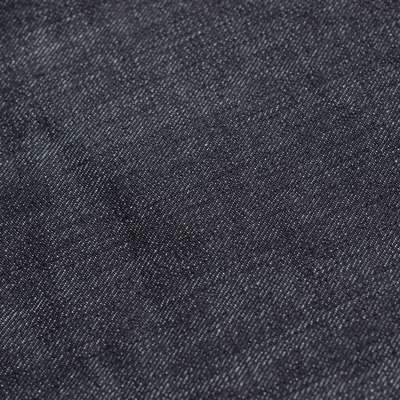
Specifications: Unwashed, untreated 100% cotton denim; unsanforized; 12–15 oz typical weight; shrinks 5–10% on first wash; initial stiffness of 1.5–2.0 kg/cm² (tensile strength).
Common Uses:
- Premium denim jeans (12–15 oz)
- Work pants (14–16 oz heavyweight)
- Heavyweight shorts (12 oz)
Seasonal Suitability: Raw denim’s heavier weight (14–15 oz) and lack of pre-washing make it unsuitable for warm weather. The 100% cotton construction provides excellent insulation of 0.8–1.0 clo units, making it best suited for fall and winter wear. First-wash shrinkage requires purchasing 1–2 sizes larger.
Stretch Denim
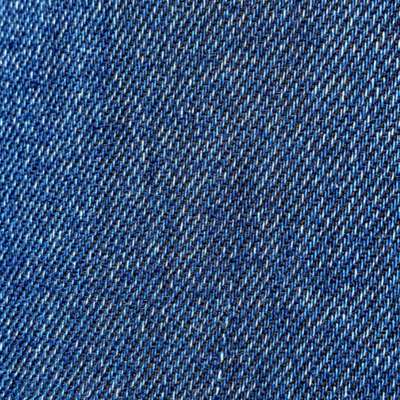
Specifications: Cotton-elastane blend (typically 95–98% cotton, 2–5% elastane); 8–12 oz typical weight; recovery rate of 95–98% after stretch; elastane degrades after 30–50 wash cycles.
Common Uses:
- Skinny jeans and fitted styles (8–10 oz)
- Lightweight work pants (10 oz)
Seasonal Suitability: Stretch denim’s lightweight construction (8–10 oz) and increased breathability make it appropriate for spring and summer. The elastane content reduces durability—stretch denim tears at 15–25 N/mm² compared to 40–60 N/mm² for pure cotton denim. Avoid stretch denim for strenuous activities where abrasion resistance is required.
Loom State Denim
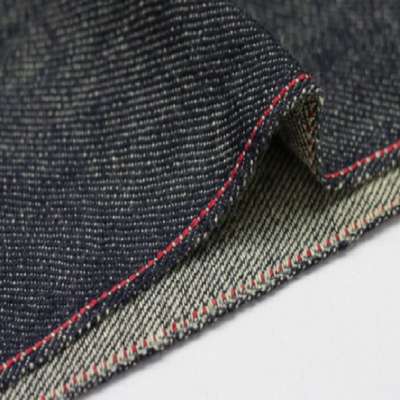
Specifications: Untreated, unwashed 100% cotton denim; 14–16 oz typical weight; stiffness rating of 2.0–2.5 kg/cm²; pilling resistance rating of 4/5; significantly rougher texture than finished denim.
Common Uses:
- Premium raw denim jeans (14–16 oz)
- Heavyweight work pants (14–16 oz)
Seasonal Suitability: Loom state denim’s heavier weight and lack of chemical treatment provide superior durability and warmth. The 14–16 oz weight range makes it best for fall and winter. Without washing or chemical softeners, the fabric retains its natural oils and resists water penetration better than treated alternatives.
Washed Denim
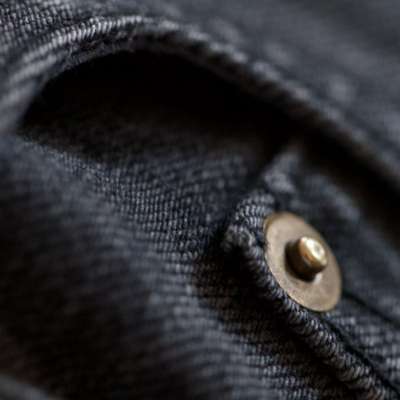
Specifications: Pre-washed cotton denim; 8–12 oz typical weight; shrinkage reduced to 1–2% after pre-washing; softness rating increased by 60–70% compared to raw denim; tensile strength reduced by 10–15% from washing.
Common Uses:
- Casual jeans (10–12 oz)
- Lightweight work pants (10 oz)
Seasonal Suitability: Washed denim in the 8–10 oz range works well for spring and summer due to its softer hand feel and reduced weight. The pre-washing eliminates shrinkage concerns and provides immediate comfort. Note that repeated home washing continues to soften the fabric and reduce its lifespan.
Jeans
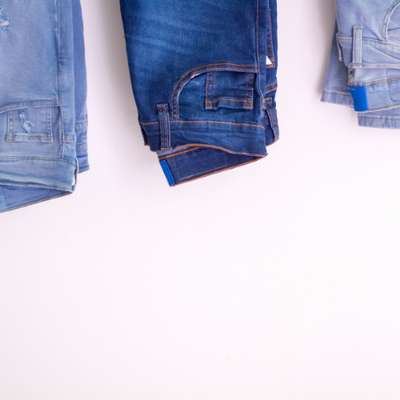
Specifications: Versatile denim suitable for 100% cotton or blended constructions; 10–14 oz typical weight; available in various washes from rigid raw to distressed; inseam length standard at 30–34 inches.
Common Uses:
- 100% cotton denim jeans (12–14 oz rigid)
- Cotton-polyester blend work pants (10 oz)
- Lightweight denim shorts (8–10 oz)
Seasonal Suitability: Standard denim jeans provide year-round versatility. Midweight 12–14 oz cotton denim suits all seasons when styled appropriately—lightweight 10 oz denim for spring/summer, heavyweight 14+ oz for fall/winter layers.
Twill Weave Denim
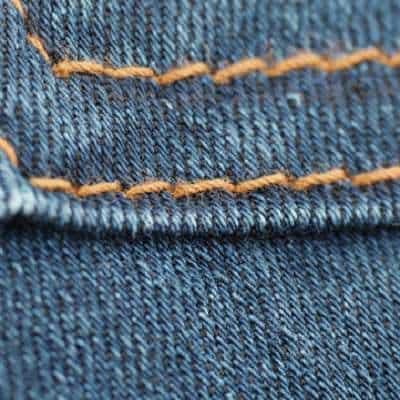
Specifications: Twill weave denim (3/1 right-hand twill is standard); 8–14 oz typical weight; diagonal twill line visible at 60–75° angle; available in colored variants using reactive dyes; shrinkage of 3–5% for unsanforized, 1–2% for sanforized.
Common Uses:
- 100% cotton denim jeans (12–14 oz)
- Lightweight work pants (10 oz)
- Casual shorts (8–10 oz)
Seasonal Suitability: Lightweight twill denim (8–10 oz) is ideal for spring and summer. The twill weave construction provides good breathability. For fall and winter, pair twill denim with boots or layer with thermal underwear. Always account for 3–7% shrinkage on first wash for unsanforized twill—purchase accordingly or opt for sanforized.
Sanforized Denim
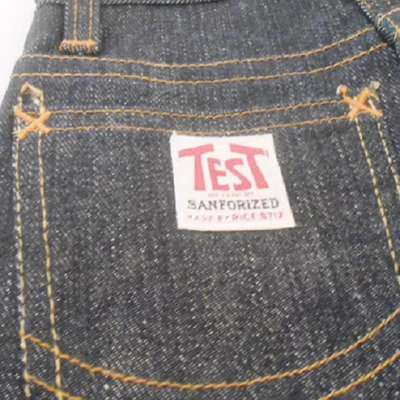
Specifications: Pre-shrunk cotton denim treated with sanforization process; 10–14 oz typical weight; residual shrinkage of 0–1% after machine washing; ISO 3759 standard compliance for dimensional stability; processing involves moist heat treatment of 60–65°C for 30–45 minutes.
Common Uses:
- 100% cotton sanforized jeans (12–14 oz)
- Lightweight work pants (10 oz)
- Casual shorts (8–10 oz)
Seasonal Suitability: Sanforized denim provides consistent sizing across all seasons. The pre-shrunk treatment eliminates surprise shrinkage, making it reliable for everyday wear year-round. No size adjustment needed—purchase your true size.
Crushed Denim
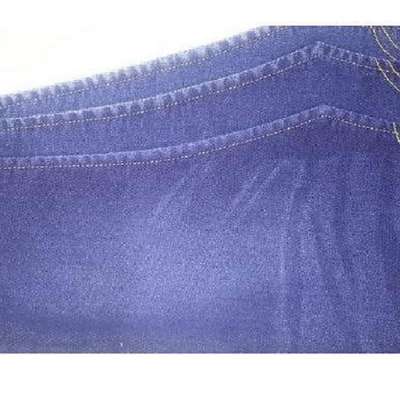
Specifications: Chemically treated denim with permanent wrinkled appearance; 8–12 oz typical weight; chemical treatment uses resin finishing at 140–160°C for 20–30 minutes; tensile strength reduced by 20–30% from treatment; requires 50–70% less ironing than flat denim.
Common Uses:
- Fashion denim jeans (10–12 oz)
- Lightweight work pants (10 oz)
- Stylish shorts (8–10 oz)
Seasonal Suitability: Crushed denim’s lighter weight and casual aesthetic suit spring and summer occasions. The permanent press effect from chemical treatment makes it inappropriate for workwear or activities requiring durability. Wear for nights out, concerts, and social events rather than everyday use.
Selvedge Denim
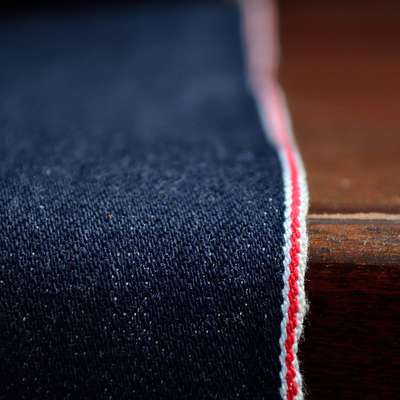
Specifications: Premium denim woven on vintage shuttle looms; 11–15 oz typical weight; selvedge edge width of 3–5mm; warp threads dyed with 8–12 indigo dips; natural oils retained from unsanforized processing; typical cotton staple length of 28–30mm for premium quality.
Common Uses:
- Premium raw denim jeans (12–15 oz)
- Lightweight work pants (11–12 oz)
- Limited edition shorts (11 oz)
Seasonal Suitability: Selvedge denim’s 12–15 oz weight range suits fall, winter, and spring. The tight weave provides wind resistance and durability for cooler seasons. For summer, choose lighter 11–12 oz selvedge options and accept faster break-in. Premium pricing reflects longer production time on shuttle looms (60–90 minutes per meter vs. 5–10 minutes on modern projectile looms).
Lightweight Denim
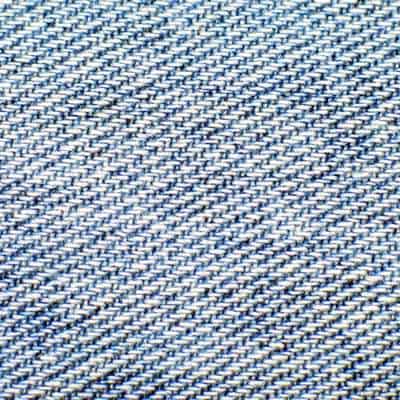
Specifications: Cotton-polyester blended denim; 6–9 oz typical weight; cotton-polyester ratio typically 65/35 to 80/20; drapes more fluidly than 100% cotton; wrinkle resistance rating 30–40% higher than cotton; shrinkage of 1–2%.
Common Uses:
- Summer jeans (7–9 oz)
- Lightweight work pants (8 oz)
- Casual shorts (6–8 oz)
Seasonal Suitability: Lightweight denim (6–9 oz) is specifically designed for warm weather. The reduced weight and increased polyester content improve moisture-wicking. Pairs well with MTP (Multi-Terrain Pattern) combat-style pants for tactical aesthetics. Avoid for cold weather where insulation is needed.
Heavyweight Denim
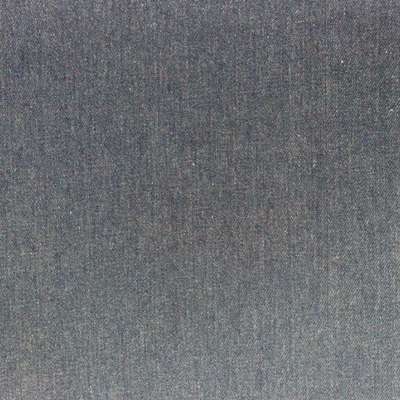
Specifications: Heavy cotton denim; 14–20 oz typical weight; 100% cotton or 98/2 cotton-elastane; abrasion resistance of 40–60 N/mm²; tensile strength of 350–450 N; initial stiffness of 2.5–3.5 kg/cm²; requires 2–3 weeks break-in period.
Common Uses:
- Heavyweight work pants (16–20 oz)
- Denim jackets (14–16 oz)
- Durable jeans (14–16 oz)
- Shorts (12–14 oz)
Seasonal Suitability: Heavyweight denim excels in fall, winter, and spring. The 14–20 oz weight provides excellent insulation (0.9–1.2 clo units) and abrasion resistance for workwear applications. Summer wear is impractical due to heat retention. The extended break-in period of 2–3 weeks yields personalized fit through creasing and fading patterns unique to the wearer.
Bull Denim
Specifications: Heavy-duty cotton-polyester blend; 13–16 oz typical weight; cotton-polyester ratio typically 80/20; tear resistance of 25–35 N (compared to 15–20 N for standard denim); reduced flexibility due to polyester content; shrinkage of 2–3%.
Common Uses:
- Industrial work pants (14–16 oz)
- Motorcycle apparel (14 oz)
- Heavyweight jeans (13–14 oz)
- Utility shorts (12 oz)
Seasonal Suitability: Bull denim’s 14–16 oz weight and reinforced construction make it suitable for all seasons in workwear contexts. The polyester addition reduces flexibility but increases longevity by 40–60% compared to 100% cotton. The trade-off is reduced comfort during extended wear in warm conditions.
Ecru Denim
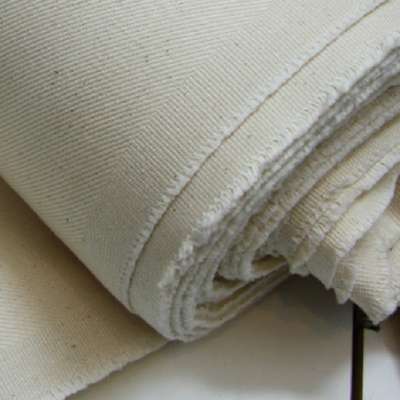
Specifications: Undyed or minimally dyed cotton denim; 10–14 oz typical weight; natural cotton color (ivory/cream); pH of 6.5–7.0 (close to neutral); UV degradation rate of 15–20% after 500 hours exposure; commonly finished with black or red contrast stitching.
Common Uses:
- Fashion jeans with contrast stitching (12 oz)
- Lightweight work pants (10 oz)
- Summer shorts (10 oz)
Seasonal Suitability: Ecru denim’s undyed nature makes it ideal for summer. The light color reflects sunlight (solar reflectance of 0.6–0.7 compared to 0.2–0.3 for indigo). UV degradation is a consideration—expect 15–20% color change after one summer season of sun exposure. The natural cotton tone pairs well with vibrant colors and beach attire.
Indigo Dyed Denim
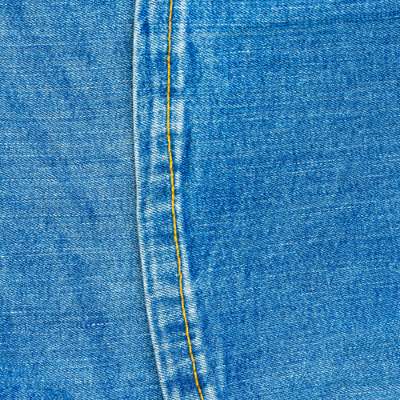
Specifications: Warp threads dyed with synthetic indigo (C.I. Vat Blue 1); 10–15 oz typical weight; 4–8 indigo dye dips standard, premium uses 8–12; color fastness rating of 3–4/5 (ISO 105-C06); fade pattern characteristic of warp-faced twill.
Common Uses:
- Classic blue jeans (12–14 oz)
- Work pants (12 oz)
- Casual shorts (10 oz)
Seasonal Suitability: Indigo dyed denim is the most versatile and widely available denim type, suitable for year-round wear. Midweight 12–14 oz indigo denim works across all seasons. The indigo dye fades naturally over time, developing unique wear patterns. Deep indigo color (achieved through 8+ dye dips) maintains appearance longer but shows more dramatic fading.
Acid Wash Denim
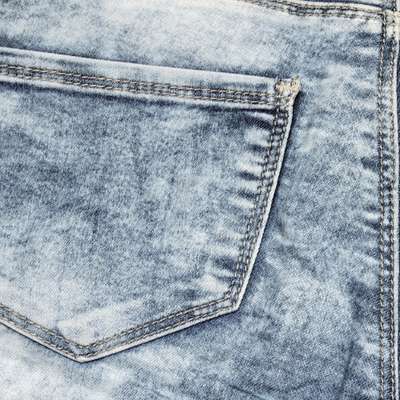
Specifications: Pumice stone or chemical treated denim; 8–12 oz typical weight; chlorine-ascorbic acid treatment at pH 2–3 for 15–45 minutes; tensile strength reduced by 15–25% from treatment; fabric soft hand feel; color contrast rating of 70–85%.
Common Uses:
- 1980s-style fashion jeans (10 oz)
- Lightweight work pants (10 oz)
- Casual shorts (8–10 oz)
Seasonal Suitability: Acid wash denim’s lighter weight (8–10 oz) and pre-distressed appearance make it a summer staple. The faded aesthetic complements bright colors and casual styles. Durability is compromised by acid treatment—expect 20–30% reduced lifespan compared to standard denim. Best reserved for fashion use rather than workwear.
Stone Wash Denim
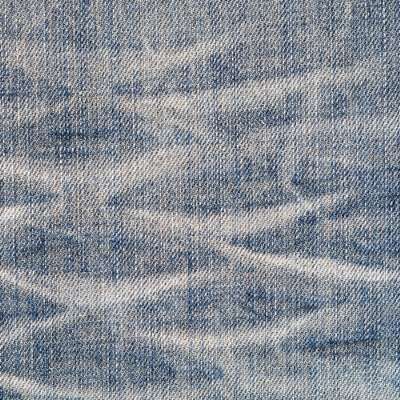
Specifications: Pumice stone tumbled denim; 10–14 oz typical weight; 30–60 minutes stone washing cycle; enzyme washing (cellulase) often combined at 50–60°C for 30–45 minutes; tensile strength reduced by 10–20%; softness improvement of 40–60%.
Common Uses:
- Casual jeans (10–12 oz)
- Lightweight work pants (10 oz)
Seasonal Suitability: Stone wash denim’s medium weight and soft hand feel suit spring and summer casual wear. The pre-washing eliminates shrinkage concerns and provides immediate comfort. For fall and winter, stone wash denim in 12+ oz weights maintains usability. The relaxed, casual aesthetic is inappropriate for formal or workwear contexts.
Organic Denim
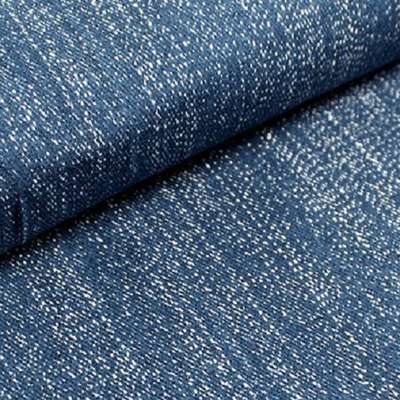
Specifications: GOTS-certified organic cotton denim; 10–14 oz typical weight; zero pesticide residue (below 0.01 mg/kg); water consumption 90% lower than conventional cotton (8,000 L/kg vs. 80,000 L/kg); available in natural dyes and conventional indigo.
Common Uses:
- Sustainable fashion jeans (10–12 oz)
- Eco-conscious work pants (12 oz)
Seasonal Suitability: Organic denim in midweight 10–12 oz constructions works well across all seasons. The absence of chemical residue makes it gentler on skin for those with sensitivities. Organic cotton typically costs 20–50% more than conventional cotton due to lower yields and higher labor costs for organic farming practices.
Distressed Denim
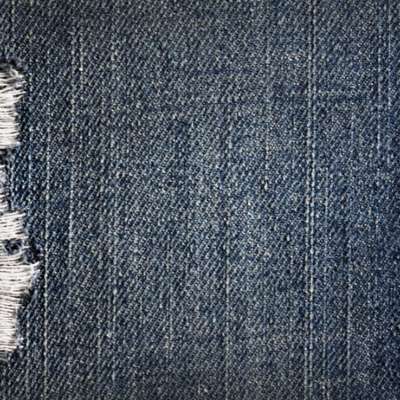
Specifications: Mechanically or manually distressed denim; 8–12 oz typical weight; hand sanding removes 10–20% fabric thickness at stress points; potassium permanganate spray used for chemical distressing; tensile strength reduced by 25–35% at distressed areas.
Common Uses:
- Fashion-forward jeans (10–12 oz)
- Casual work pants (10 oz)
Seasonal Suitability: Distressed denim’s lighter weight and casual aesthetic make it a warm-weather choice. The distressed construction is purely fashion-driven and offers minimal durability for workwear applications. The versatility of distressed denim allows day-to-night transitions when styled appropriately. For those building a sustainable wardrobe, the extended wear cycle of distressed denim (achieving a look without needing to buy pre-distressed) may offset the reduced durability.
Natural Dyed Denim
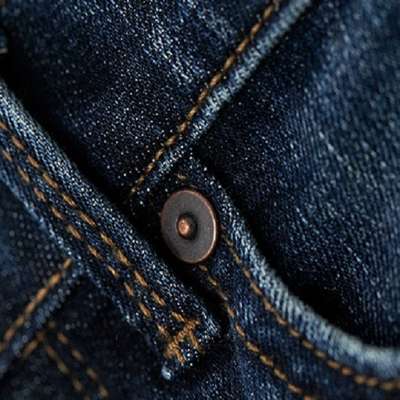
Specifications: Plant-based dyed cotton denim; 10–14 oz typical weight; natural dyes include indigo (plant), weld, madder, cutch; UV degradation rate of 20–30% after 300 hours exposure; color fastness rating of 2–3/5 (lower than synthetic); requires gentle care washing.
Common Uses:
- Eco-fashion jeans (10–12 oz)
- Natural fiber work pants (12 oz)
Seasonal Suitability: Natural dyed denim suits those seeking sustainable fashion in mild weather. The lower color fastness means sun exposure accelerates fading—consider this characteristic rather than viewing it as a defect. Natural dyes age gracefully, developing unique patinas over time. The trade-off for eco-conscious production is increased sensitivity to UV and washing conditions.
Ramie Cotton Denim
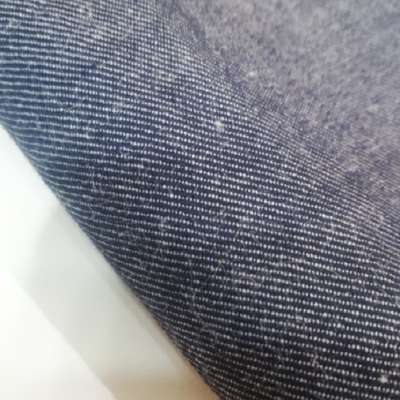
Specifications: Cotton-ramie blend denim; ramie content typically 30–40%; 9–13 oz typical weight; ramie provides increased durability and mildew resistance; biodegradable fiber blend; shrinkage of 3–5%.
Common Uses:
- Lightweight summer jeans (9–11 oz)
- Breathable work pants (11 oz)
Seasonal Suitability: Ramie-cotton denim’s lighter weight and increased breathability make it ideal for summer. Ramie (from nettle family plants) wicks moisture more effectively than cotton alone. The 30–40% ramie blend maintains cotton’s comfort while adding durability. The fabric ages gracefully, developing natural fading patterns.
Waxed Reversed Denim
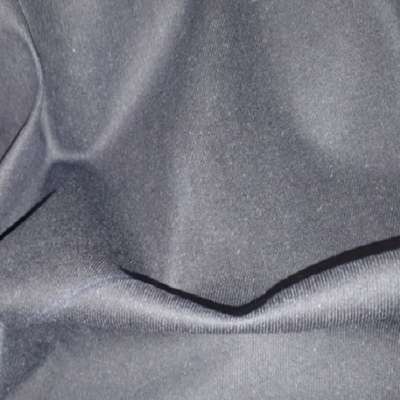
Specifications: Cotton denim with wax coating on reverse side; 12–16 oz typical weight; water resistance rating of 80–90% (vs. 10–20% for standard denim); wax coating weight of 30–50 g/m²; requires re-waxing every 30–50 wears.
Common Uses:
- Water-resistant outerwear (14–16 oz)
- Tactical pants (12–14 oz)
- Motorcycling apparel (14 oz)
Seasonal Suitability: Waxed reversed denim provides water resistance for spring, fall, and light rain conditions. The wax coating adds wind resistance and durability but reduces breathability—avoid for hot summer conditions. Maintenance includes re-waxing every 30–50 wears to maintain water resistance. The unique aesthetic of waxed denim improves with wear and develops a patina unique to the wearer.
Thermo Denim
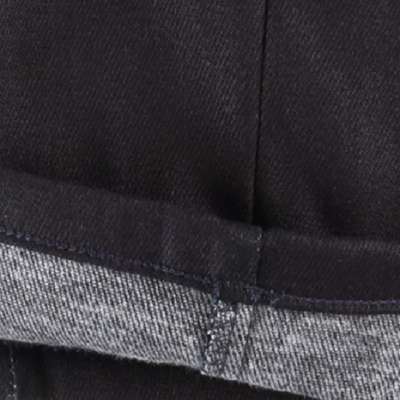
Specifications: Insulated cotton-polyester blend denim; 10–14 oz typical weight; thermal insulation of 0.8–1.2 clo units (vs. 0.4–0.6 for standard denim); typically uses 35/65 cotton/polyester blend or includes internal fleece layer; moisture vapor transmission rate of 300–400 g/m²/24hr.
Common Uses:
- Winter work pants (12–14 oz)
- Outdoor casual jeans (10–12 oz)
Seasonal Suitability: Thermo denim is specifically engineered for cold weather. The 0.8–1.2 clo insulation rating provides 50–100% more warmth than standard denim. Suitable for any occasion where thermal protection is needed. The moisture-wicking properties of the polyester component help maintain comfort during outdoor activities in cool conditions.
Corduroy Denim
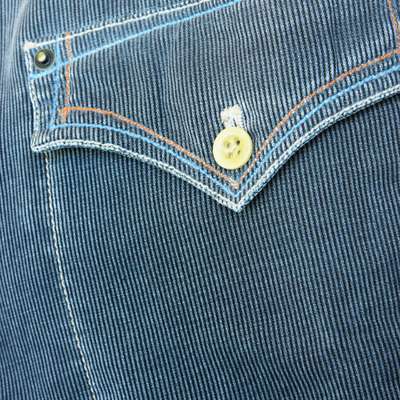
Specifications: Cotton corduroy with denim-like construction; wale count of 8–16 ribs per inch (standard is 11–14); 10–13 oz typical weight; pile height of 1.5–3mm; breathability rating of 0.4–0.5 clo; moisture absorption of 8–10% by weight.
Common Uses:
- Fall/winter casual pants (11–13 oz)
- Fashion bottoms (10–11 oz)
Seasonal Suitability: Corduroy denim’s unique texture and medium weight make it a fall and winter staple. The cotton pile construction provides warmth while remaining breathable. The 11–14 wale count (ribs per inch) balances softness with durability—higher wale counts are softer but less durable. Corduroy denim’s breathability prevents the clammy feeling of synthetic insulated fabrics during temperature fluctuations.
Colored Denim
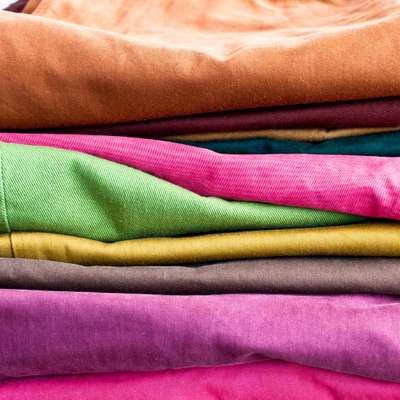
Specifications: Cotton denim dyed with reactive, direct, or sulfur dyes; 8–12 oz typical weight; color fastness rating of 3–4/5 (ISO 105-C06); black, brown, olive, burgundy common colorways; shrinkage of 2–3%.
Common Uses:
- Fashion jeans (10–12 oz)
- Versatile casual pants (8–10 oz)
Seasonal Suitability: Colored denim in lighter weights (8–10 oz) suits spring and summer fashion applications. Darker colors (black, navy, burgundy) in 10–12 oz weights transition into fall and winter. The versatility of colored denim makes it a year-round wardrobe staple when selected appropriately. Sulfur-dyed colors (black, olive, tan) typically fade more naturally than reactive-dyed colors.
How to Match Different Denim Types with Light Blue Pants
When coordinating light blue pants color combinations, mixing different denim types creates varied looks. Dark indigo denim jackets pair classically with light blue pants for a structured double-denim aesthetic. A light wash denim shirt beneath a dark denim jacket provides tonal contrast while maintaining cohesion.
References
- Wikipedia. (2025). Denim. Wikimedia Foundation.
- CottonWorks. (2025). Denim Production and Resources. Cotton Incorporated.
- International Organization for Standardization. (2025). ISO Standards for Textile Testing. ISO.
- Textile Exchange. (2025). Organic Cotton Knowledge Hub. Textile Exchange.
- American Society for Testing and Materials. (2025). ASTM Textile Fabric Standards. ASTM International.


