
Fashion Styles: The Types and Styles of Clothing

Fashion styles are the distinct aesthetic languages we use to communicate identity, personality, and cultural affiliation through dress. This guide covers more than 40 fashion aesthetics — from classic elegance and bohemian free-spiritedness to street wear and avant-garde — each with its own signature silhouettes, fabric choices, color palettes, and cultural roots. Whether you are looking for polished professional attire, casual weekend wear, or bold self-expression, understanding these style categories helps you identify what resonates with your personal identity and build a wardrobe that feels authentically you.
The fashion industry produces approximately 100 billion items of clothing annually worldwide, with the global fashion market valued at 1.9 trillion U.S. dollars in 2019 and projected to reach 3 trillion by 2030. Fashion styles evolve constantly, shaped by cultural influences, media, celebrity endorsements, and shifting societal values.
Fashion Styles at a Glance: Major Categories Compared
| Style Category | Key Silhouettes | Typical Fabrics | Color Palette | Core Vibe |
|---|---|---|---|---|
| Classic | Tailored blazers, pencil skirts, button-down shirts | Cotton, wool, silk | Black, navy, white, beige, grey | Timeless, sophisticated |
| Bohemian | Flowing maxi dresses, loose tunics, wide-leg pants | Cotton, linen, hemp | Earth tones — terracotta, ochre, sage | Carefree, artistic |
| Street Wear | Oversized tees, baggy jeans, hoodies | Cotton jersey, denim, synthetic blends | Bold logos, neutrals, neon accents | Urban, youth-driven |
| Preppy / Ivy League | Polo shirts, cable-knit sweaters, chinos, boat shoes | Oxford cotton, cashmere, wool blends | Navy, burgundy, forest green, gold | Polished, collegiate |
| Goth | Leather jackets, fitted black dresses, platform boots | Cotton, PVC, leather, velvet | Blacks, burgundy, midnight purple | Dark, dramatic, subversive |
| Minimalist | Simple silhouettes, straight-leg trousers, T-shirts | Cotton, linen, cashmere | Black, white, grey, navy, beige | Understated, intentional |
| Vintage / Retro | Circle skirts, mod shifts, wrap dresses, power shoulders | Silk, cotton, wool depending on era | Era-specific brights, pastels, neons | Nostalgic, distinctive |
| Sporty / Athletic | Leggings, sports jerseys, windbreakers, sneakers | Polyester blends, spandex, merino wool | Bold brights, color-block panels | Active, functional |
The Most Popular Fashion Styles Worldwide
The fashion industry operates across four major levels: raw materials (fibers, textiles, leather), designer and manufacturer production, retail sales, and advertising. The four major fashion capitals remain New York City, Paris, Milan, and London, where trends emerge through top-down, bottom-up, and cross-cultural dissemination patterns.
The Classic Fashion Style
The classic fashion style never goes out of season. This aesthetic centers on clean lines, well-groomed presentation, and sophisticated elegance. Classic wardrobes rely on neutral color palettes including black, navy, white, beige, and grey, with tailored silhouettes that emphasize fit and quality craftsmanship. Key pieces include tailored blazers, pencil skirts, button-down shirts, and leather pumps.
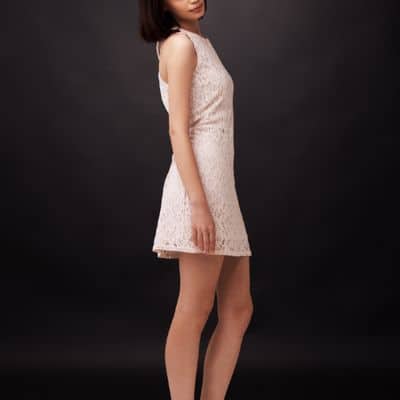
The Trendy Fashion Style
The trendy fashion style follows the latest runway directions and street-style influences. This aesthetic emphasizes youthfulness and vibrancy through bold colors, experimental silhouettes, and statement accessories. Trend-driven wardrobes incorporate seasonal pieces that reflect current designer collections and influencer-inspired looks.
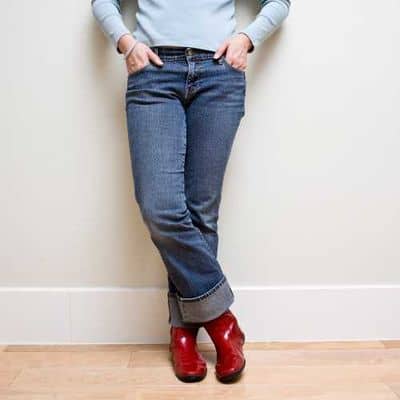
The Preppy Fashion Style
The preppy fashion trend appeals to individuals seeking a polished, formal-adjacent aesthetic. This style incorporates high-quality materials and refined details. Adding a formal scarf in silk or cashmere elevates any preppy ensemble with additional visual interest and texture.
The preppy aesthetic emphasizes rich, saturated colors including royal blue, hunter green, burgundy, and gold alongside premium fabrics such as oxford cloth cotton (typically 80–100 thread count per inch), cashmere, and tailored wool blends. The overall effect is one of understated elegance and Ivy League heritage.
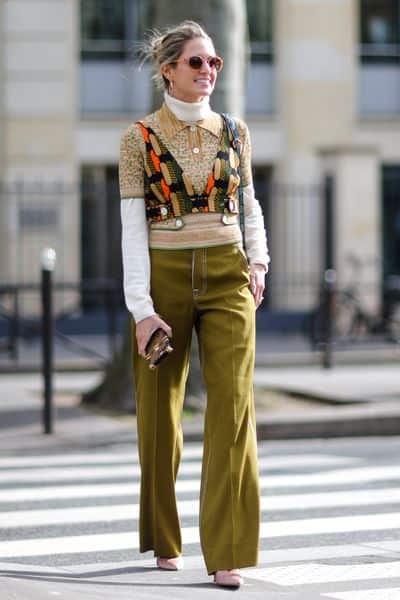
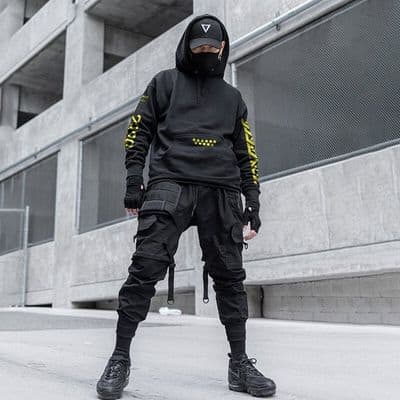
The Techie Fashion Style
The techie fashion style delivers an edgy yet refined aesthetic suited to the modern individual. This look emphasizes sleek silhouettes, high-performance fabrics, and innovative design details. Technical textiles used in this style include moisture-wicking synthetics, compression fabrics, and smart textiles with responsive properties.
The Bohemian Fashion Style
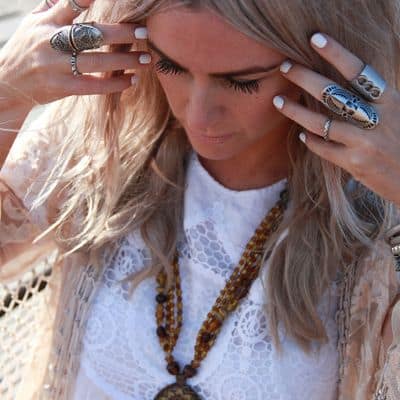
The bohemian fashion style embodies a carefree, free-flowing aesthetic rooted in artistic expression. This style prioritizes comfort through natural fibers including cotton at 150–200 GSM for lightweight summer dresses, linen at 100–150 GSM for breezy tops, and hemp fabric known for its durability and breathability. Earth-tone palettes featuring terracotta, ochre, sage green, and rust dominate this aesthetic. Loose silhouettes, flowing fabrics, and artisanal details such as embroidery, fringe, and hand-block printing define the boho look. Many enthusiasts personalize their pieces using fabric paint designed for textile printing to create unique, one-of-a-kind garments through tie-dye, block printing, or hand-painted motifs.
The Sporty Fashion Style
The sporty fashion style blends athletic functionality with casual wearability. This aesthetic features performance fabrics including polyester blends that offer four-way stretch, spandex at 10–20% composition for elasticity, and merino wool for temperature regulation. Athletic patterns such as color-block panels, mesh inserts, and technical seaming create visual distinction in sporty ensembles.
The Hipster Fashion Style
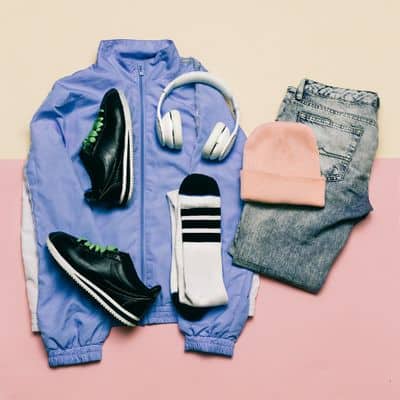
The hipster fashion style draws inspiration from vintage aesthetics and alternative subcultures. This look embraces a relaxed, youthful energy through vintage-inspired pieces, independent designer labels, and artisanal accessories. Key elements include skinnyb jeans, plaid shirts, beanies, and sustainable footwear.

The Glamour Fashion Style
The glamour fashion style embraces boldness through high-fashion patterns and vivid color palettes. This aesthetic draws from couture influences, featuring sequined fabrics, bias-cut gowns, and statement jewelry that commands attention. The glamour look prioritizes drama and sophistication in equal measure.
Why Prom Dresses Command Premium Prices
Prom dresses represent a significant investment for teenagers marking a rite of passage into adulthood. The average prom dress costs between $200 and $500, with designer gowns reaching $1,000 or more. Several factors justify these price points.
The answer lies in fabric selection and construction methods. Prom dresses frequently feature luxurious textiles including satin (weighing 150–200 GSM), silk charmeuse, and tulle netting—materials that cost significantly more than everyday dress fabrics. Elaborate details such as hand-applied beading, intricate embroidery requiring 15–30 hours of labor, and custom dyeing processes add substantial production costs.
Designer branding also influences pricing. Dresses from established fashion houses carry name recognition that justifies a 200–400% markup compared to equivalent styles from budget retailers. The limited wearability of a prom dress—often just a single evening—makes the price tag feel disproportionately high to many consumers.
The Vintage Fashion Style
The vintage fashion style transcends generational boundaries, offering timeless elegance rooted in classic design. This aesthetic emphasizes clean lines, quality construction, and distinctive period details. Authentic vintage pieces are identified by specific era markers: 1950s circle skirts, 1960s mod shifts, 1970s disco wrap dresses, and 1980s power shoulders. Reproduction vintage has also gained traction, with contemporary designers creating new garments in authentic period styles.

The Eclectic Fashion Style
The eclectic fashion style defies rigid categorization by blending elements from multiple aesthetics into a cohesive personal look. This approach requires careful curation, balancing colors, textures, and silhouettes to create intentional visual harmony. The eclectic dresser mixes high and low pieces, vintage and contemporary, masculine and feminine elements with confident creative flair.
The Cute Fashion Style
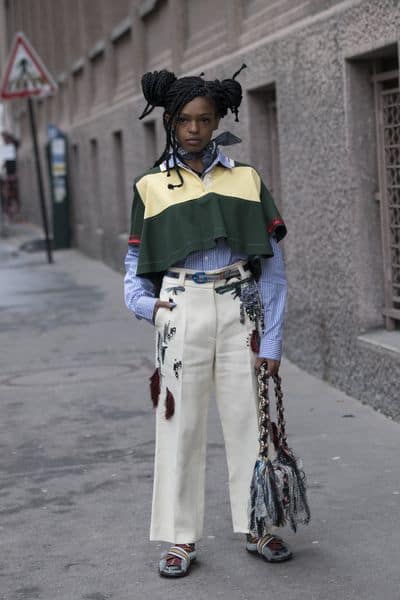
The cute fashion style prioritizes approachability and universally flattering aesthetics. This look enhances natural features through soft colors, playful details, and figure-flattering cuts. Key elements include A-line skirts, cardigan sets, ballet flats, and delicate jewelry that add polish without overwhelming.
The Resort Fashion Style
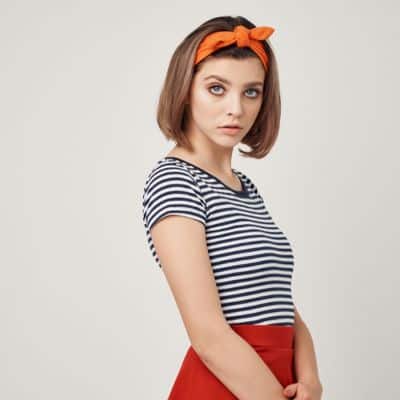
The resort fashion style embodies effortless warm-weather elegance. This aesthetic centers on natural fabrics including linen (breathable at 150–200 CFM airflow), cotton poplin, and lightweight viscose-rayon blends. Earth-tone palettes featuring sand, olive, terracotta, and ocean blue define the resort wardrobe. Flowing maxi dresses, wide-leg trousers, and straw accessories complete the relaxed yet refined look.
The Sexy Fashion Style
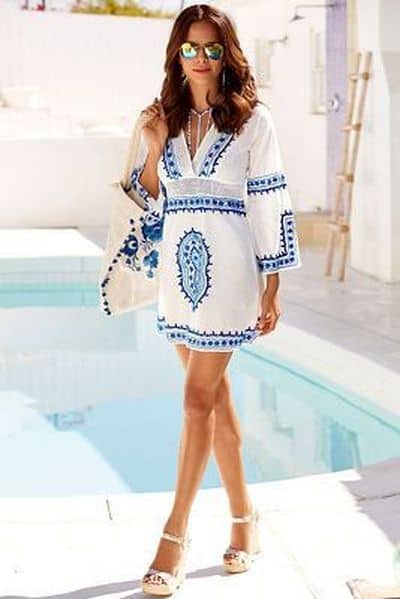
The sexy fashion style embraces bold silhouettes, figure-enhancing construction, and skin-revealing cuts. This aesthetic dominates contemporary trends, with form-fitting dresses, off-shoulder tops, high slits, and bodycon styles representing the mainstream market. The sexy look utilizes stretch fabrics including spandex-blend jerseys and power-span materials that provide structure while贴身.
The Business Casual Style
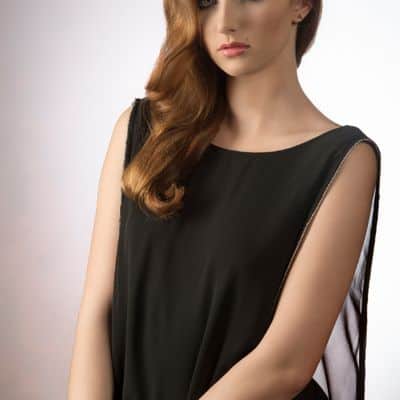
The business casual style bridges professional polish and relaxed comfort. This aesthetic works for office environments, client meetings, and creative workplaces. Key pieces include tailored trousers in neutral tones, button-down shirts or blouses, structured blazers, and leather loafers or low heels. Fabrics like wool-cotton blends (45/55 ratio) and ponte knit (300–400 GSM) maintain a polished appearance throughout the workday.
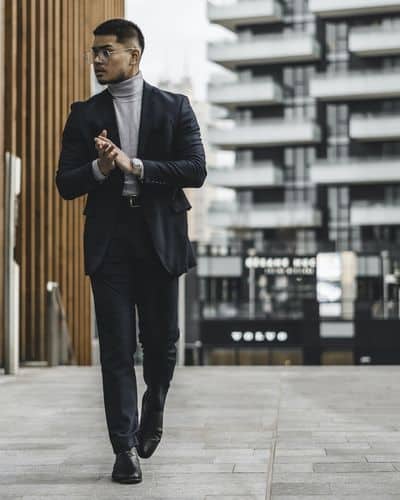
The Goth Fashion Style
Goth fashion represents an extreme aesthetic centered on dark colors, dramatic styling, and subversive influences. The goth wardrobe relies on black cotton (reactive dyeing at -0.5% reflectance), PVC, leather, and velvet in deep blacks, burgundy, and midnight purple. Hardware details including metal buttons, rivets, and gothic-themed buckles punctuate the look. Followers of goth fashion often identify as members of emo, scene, or punk subcultures.
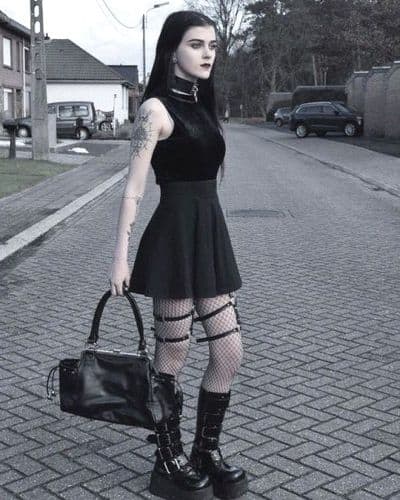
The Boho Chic Fashion Style
Boho chic fashion combines bohemian free-spiritedness with polished, modern sensibility. This style features natural, breathable fabrics in soft earth tones alongside refined accessories. Flowing maxi dresses, embroidered tunics, fringe details, and wide-brimmed hats define the boho chic aesthetic.
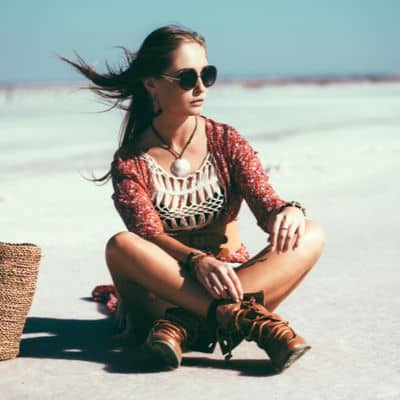
The Rocker Fashion Style
The rocker fashion style channels rebellion and strength through leather jackets, distressed denim, and dark color palettes. Signature pieces include genuine leather motorcycle jackets (typically 1.0–1.2mm thickness), band merchandise, studded accessories, and heavy boots. This aesthetic draws from punk, heavy metal, and alternative music cultures.
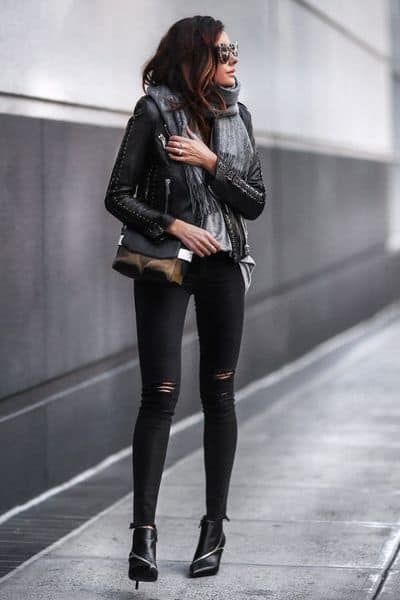
The Country Fashion Style
The country fashion style draws inspiration from rural and Western heritage, featuring clothing that evokes farm work and frontier life. Signature elements include ecru denim fabric weighing 10–14 oz per square yard, plaid shirts in red and blue check patterns, cowboy boots with 1.5–2 inch heels, and felt or straw hats. This aesthetic is also called the “cowboy” or “Western” look.

The Preppy-Girly Fashion Style
Preppy fashion—also called the “Ivy League” style—originated in the elite American collegiate institutions of the Northeast. This aesthetic typically features oxford shirts (often with button-down collars at 3.5–4 inch spread), blazers with school crests, chino pants for men, and polo shirts or sweater sets with skirts or jumpers for women. Footwear includes penny loafers or boat shoes in leather or suede.
The Edgy-Girly Fashion Style
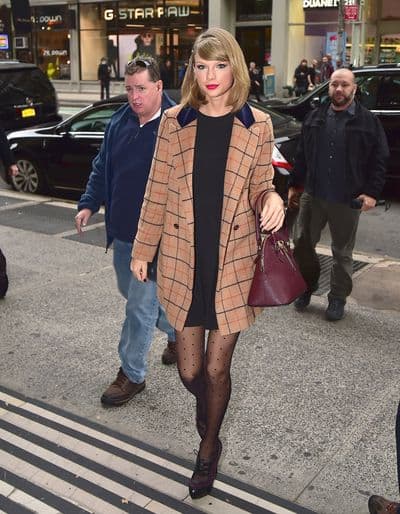
The edgy-girly fashion style subverts mainstream conventions through unconventional body modifications and dark aesthetics. Followers may display visible tattoos, piercings in non-traditional locations, and predominantly black wardrobes. This style celebrates individualism and rejection of mainstream fashion norms.
The Diva Fashion Style
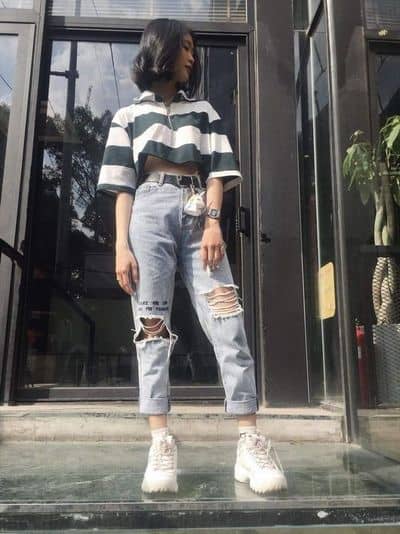
The diva fashion style exudes confidence and extravagance through over-the-top glamour. This aesthetic features bold, saturated colors, luxurious materials such as satin, silk, and faux fur, dramatic silhouettes, and statement accessories. The diva look embraces opulence without restraint.
The Elegant Style
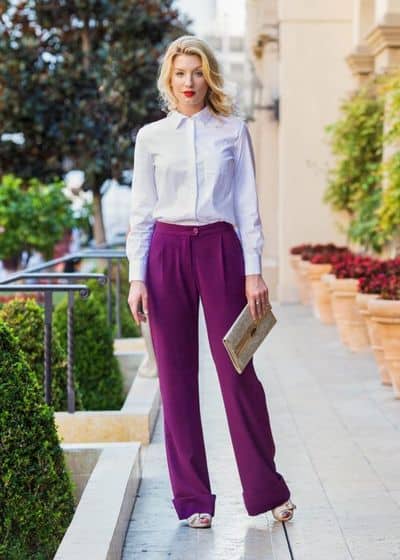
The elegant fashion style creates a formal, sophisticated appearance suited to special occasions and upscale settings. This aesthetic emphasizes investment pieces including tailored gowns, designer heels, fine jewelry, and luxury handbags. Fabrics like silk chiffon (8–10 momme weight), Italian wool crepe, and charmeuse weave define the elegant wardrobe.
The Tomboy Fashion Style
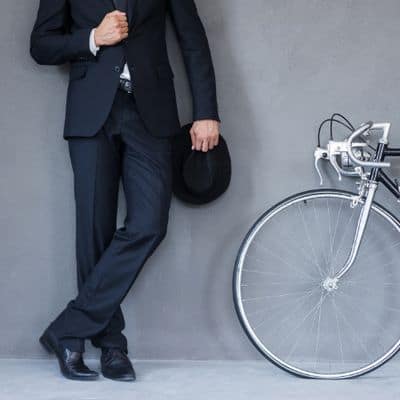
The tomboy fashion style embraces athletic sensibility and casual comfort. This look suits active individuals who prefer practicality over formality. Signature pieces include hoodies, sports jerseys, baggy jeans, sneakers, and headbands. The tomboy aesthetic keeps things relaxed with an athletic influence.
Staples of the tomboy wardrobe include French terry sweatshirts (300–400 GSM), jersey knit T-shirts (150–180 GSM), denim with 10–14 oz weight per square yard, and running or canvas sneakers. This style remains practical for swimming, track and field, or casual outdoor activities.
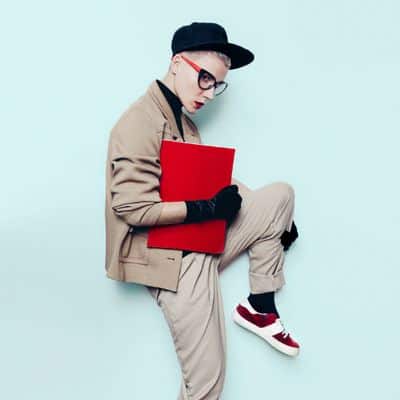
The Girl Next Door Fashion Style
The girl next door fashion style creates an approachable, naturally pretty aesthetic. This look emphasizes comfort and simplicity through jeans, T-shirts, sneakers, and minimal accessories. The overall effect is effortlessly cute without appearing overdone or artificially styled.
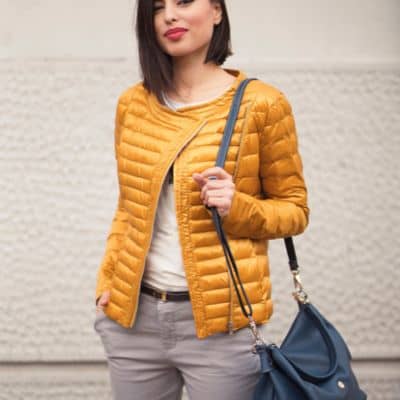
The Grunge Fashion Style
The grunge fashion style rejects mainstream polish in favor of deliberately disheveled aesthetics. This look emerged from Pacific Northwest alternative music culture in the early 1990s. Key elements include flannel shirts (typically 100% cotton in 5–6 oz weight), ripped or Distressed jeans, band T-shirts, and worn-in boots or sneakers.

The Hippie Fashion Style
The hippie fashion style celebrates counterculture values through earth tones, organic materials, and loose-fitting silhouettes. Natural textiles including organic cotton (grown without pesticides in soil with less than 10 ppm chemical residue), unbleached linen, and raw hemp fabric define this aesthetic. Tie-dye techniques, peace symbol motifs, and handmade accessories round out the look.
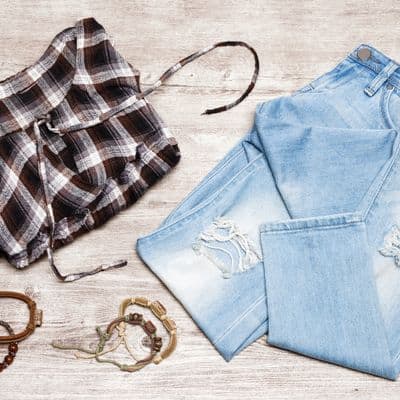
The Flashy Fashion Style
The flashy fashion style commands attention through bold, outgoing aesthetics. Signature elements include glitter and metallic fabrics, paisley prints in vivid colorways, sequined details, and vibrant hues like electric blue, hot pink, and sunshine yellow. Flashy dressers are known for their exuberant, party-ready approach to fashion.
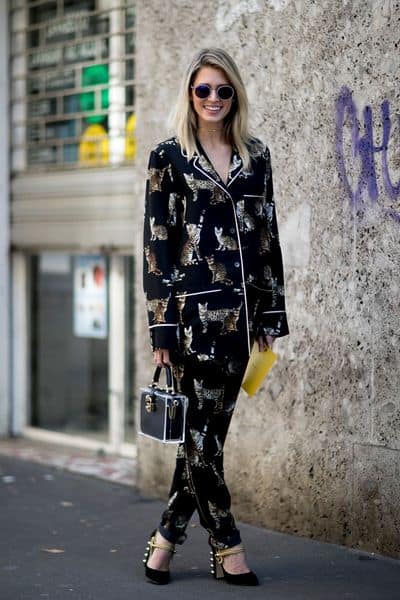
The Free-Spirit Fashion Style
The free-spirit fashion style creates an effortless, undone aesthetic through flowing fabrics and vibrant patterns. This look embraces an anything-goes philosophy with bright colors, mixed prints, and artisanal details. However, the carefully curated effect requires thoughtful styling despite its apparent carelessness.
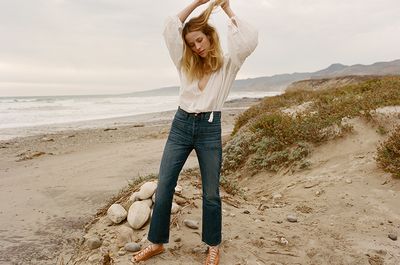
The Gamine Fashion Style
The gamine fashion style suits petite women with an athletic, angular build. This aesthetic features short, cropped hemlines, high-waisted silhouettes, and structured tailoring that creates the illusion of height. Smart-casual and elegant casual outfits with sharp accessories define the gamine look.
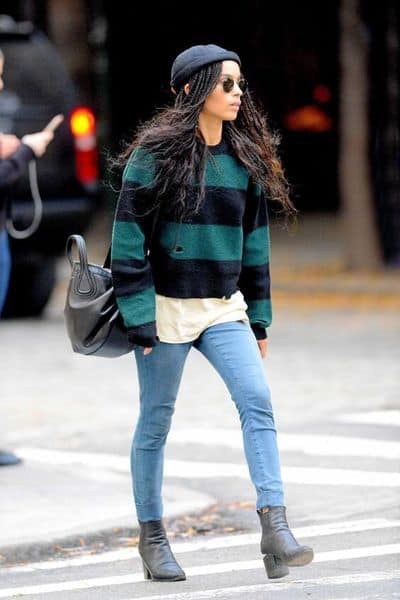
The Urban Fashion Style
The urban fashion style resonates with teenagers and young adults navigating city culture. This aesthetic features edgy, statement-making pieces including distressed denim, graphic T-shirts with bold slogans, and sneakers in limited-edition collaborations. Maintaining T-shirt collar shape through proper care—including machine washing cold, reshaping while damp, and air drying—prevents the stretched collars common to this style.
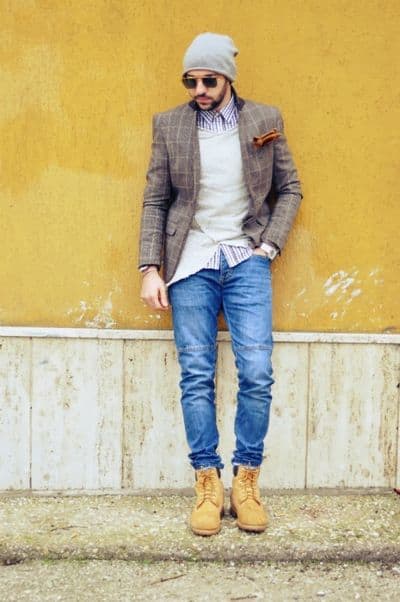
The Kawaii Fashion Style
Kawaii—Japanese for “cute”—is a fashion aesthetic focused on super adorable, sweet presentation. This style relies on pastel color palettes including bubblegum pink (hex #FF69B4), mint green (#98FF98), lavender (#E6E6FA), and powder blue (#B0E0E6). Accessories like bows, lace collars, and hair clips in matching pastel tones complete the look.
Key clothing pieces in kawaii fashion feature soft, rounded silhouettes in these pastel colors. Layered petticoats, knee-high socks, and rounded-toe platform shoes add distinctive kawaii proportions.

The Cottagecore Fashion Style
The cottagecore fashion style draws romantic inspiration from rural life, Victorian aesthetics, and romanticized countryside imagery. Celebrities including Sienna Miller, Blake Lively, and Cameron Diaz have popularized this aesthetic. Key elements include corsets with 18-inch waist cinching when properly fitted, high-waisted skirts or trousers, delicate floral prints, and vintage-inspired details. Many contemporary designers now create pieces in the cottagecore style, blending antique charm with modern tailoring.
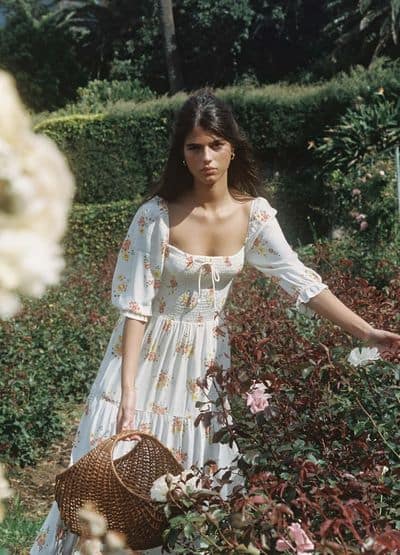
The Laid Back Fashion Style
The laid back fashion style prioritizes relaxation and comfort without sacrificing style. This aesthetic emphasizes natural fabrics, neutral color palettes, and effortless silhouettes. Soft jersey knits, cotton blends, and unstructured tailoring create a polished yet comfortable appearance suitable for everyday wear.
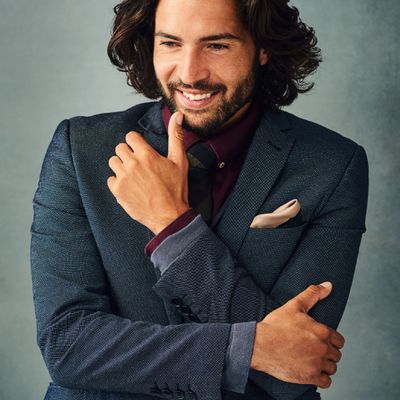
The Mod Fashion Style
The mod fashion style—short for “modern”—has remained influential since its 1960s emergence in London. This aesthetic centers on geometric shapes, bold color blocking in black and white, and sleek, minimal silhouettes. The mod look includes shift dresses, go-go boots, A-line skirts, and structured box-shaped jackets.
The mod aesthetic maintains enduring popularity among young women who appreciate its clean lines and graphic impact. Contemporary mod-influenced fashion regularly appears on international runways.
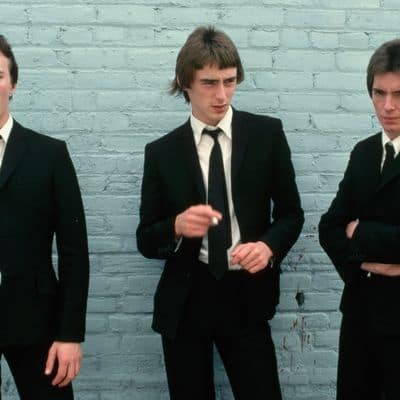
The Casual Chic Style
The casual chic fashion style balances comfort with elevated styling. This aesthetic suits girls who prefer relaxed pieces—jeans, T-shirts, hoodies, and sneakers—presented in a deliberately polished way. The look transitions seamlessly from shopping trips and mall outings to casual restaurant meals or lakeside rollerblading.
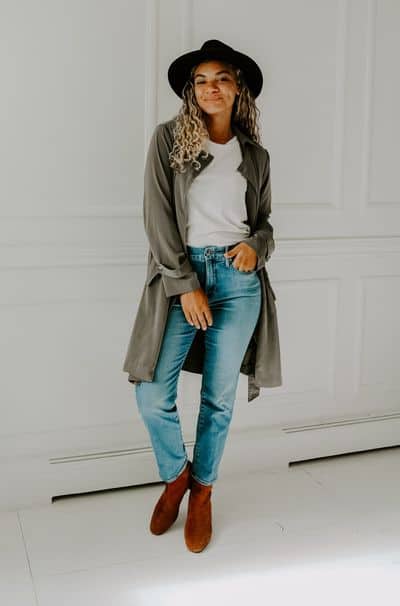
The E-girl Fashion Style
E-girl fashion blends internet culture aesthetics with youthful, sometimes innocence-challenging styling. This look incorporates established TikTok and Instagram trends, combining sporty pieces with artistic makeup and deliberately disheveled hair. The e-girl aesthetic mixes established fashion items with internet-specific subcultural references.
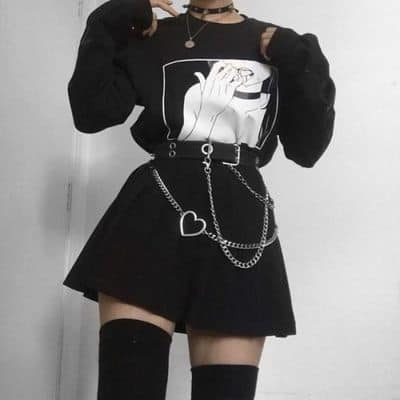
The Lolita Fashion Style
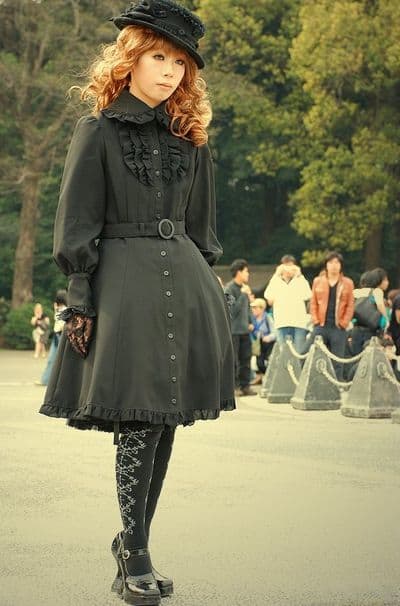
Lolita fashion is a Japanese street style subculture drawing inspiration from Victorian and Edwardian children’s clothing, reinterpreted through modern tailoring on contemporary textiles. Key elements include bell-shaped skirts with full-circle silhouettes requiring 2–3 yards of fabric, lace trim, ribbon accessories, and platform shoes. The aesthetic emphasizes modesty and elaborate detail rather than adult-oriented silhouettes.
The Retro Fashion Style
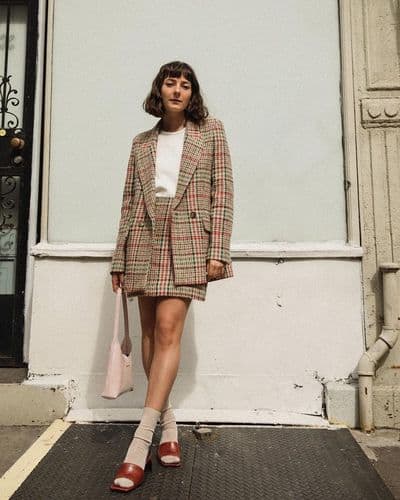
The retro fashion style draws deliberate inspiration from specific past decades, recreating the silhouettes, patterns, and styling sensibilities of earlier eras. This aesthetic allows wearers to channel the confidence of previous generations through vintage reproduction pieces and authentic vintage finds.
The Biker Fashion Style
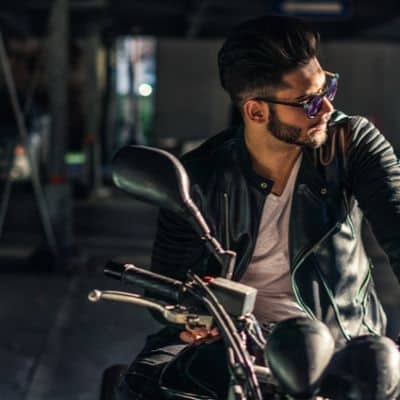
The biker fashion style channels motorcycle culture through leather-clad, rebellious aesthetics. Signature pieces include motorcycle leather jackets (1.0–1.4mm cowhide or 0.8–1.0mm lambskin), straight-leg or slim-fit jeans in dark indigo denim (minimum 12 oz per square yard), steel-toe or heeled boots, and leather chaps or full leather pants for full effect.
The Psychedelic Fashion Style
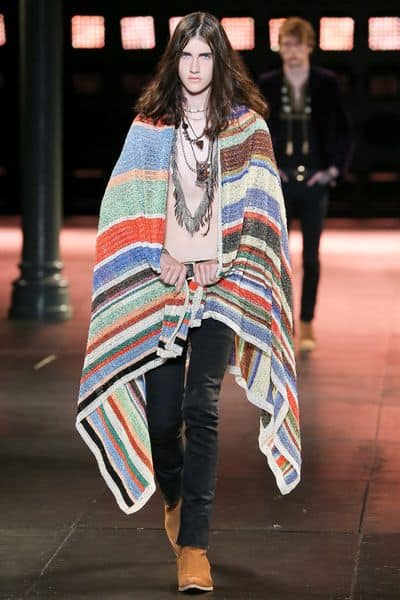
The psychedelic fashion style draws directly from psychedelic art movements of the 1960s and 1970s, featuring swirling patterns, optical illusions, and vivid color combinations. Fashion influenced by this aesthetic uses bold dye techniques including tie-dye patterns requiring 4–6 colors per garment and bold geometric or nature-inspired motifs.
The Burning Man Fashion Style
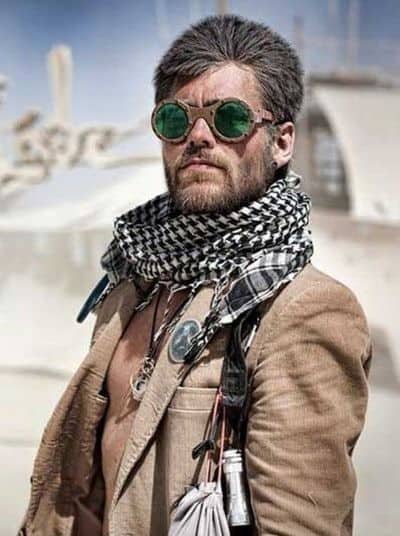
The Burning Man fashion style prepares wearers for desert conditions while embracing radical self-expression. This aesthetic prioritizes UV protection (with UPF 50+ rated fabrics), cooling elements through breathable mesh panels, and reflective or glow-in-the-dark accessories for nighttime visibility. Practical yet theatrical, the Burning Man look balances function with creative freedom.
The Flamboyant Fashion Style
The flamboyant fashion style demands attention through head-turning colors, dramatic silhouettes, and theatrical accessories. Signature elements include flame-inspired prints in yellow, orange, and red, feathered accents, and oversized proportions that reject subtlety in favor of maximum visual impact.
The French Girl Fashion Style
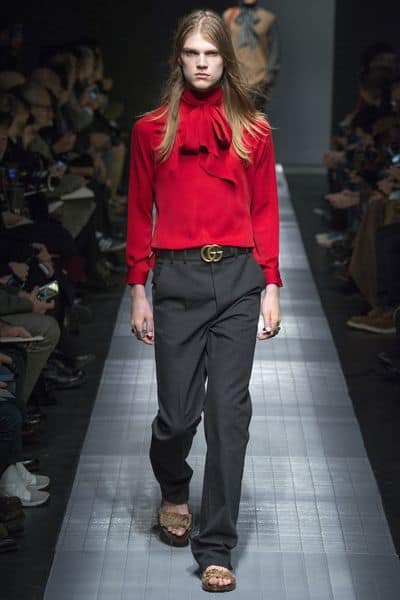
The French girl fashion style—known as la française—embodies Parisian chic through an effortlessly polished, sensual aesthetic. The French approach to dressing prioritizes quality basics, tailored fits, and understated accessories. Key pieces include Breton stripes (originating from Saint-Malo, Brittany in 1858), cigarette pants, silk scarves, and structured leather handbags in black or tan.
The Renaissance Fashion Style
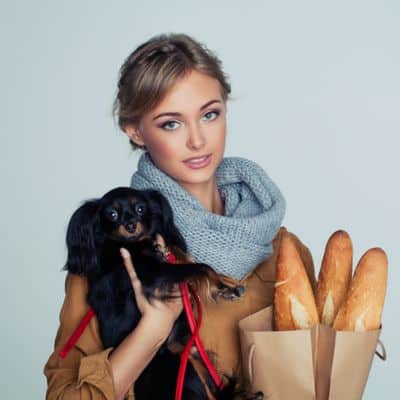
The Renaissance fashion style recreates the regal, ornate aesthetics of 14th through 17th century European courts. Signature elements include poofy sleeves with 16–24 inch circumference, layered petticoats, corseted bodices with 18–20 inch waist measurement in historical reproduction pieces, and richly embroidered fabrics featuring metallic thread work.
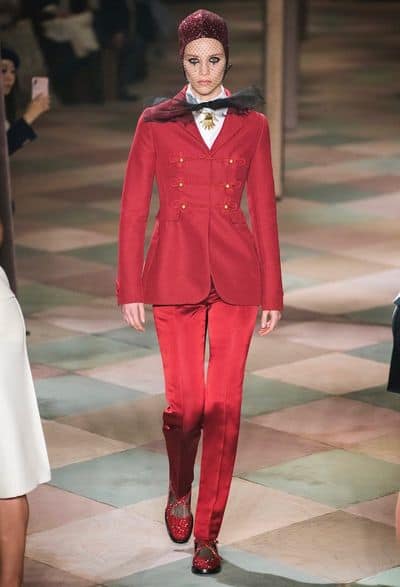
The Circus Fashion Style
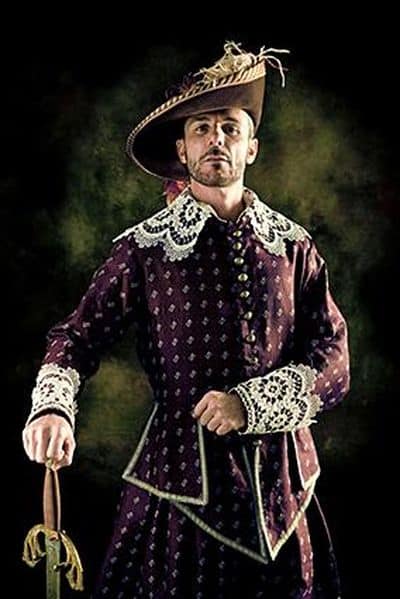
The circus fashion style brings playful, carnival-inspired fun to everyday dressing. Bright primary colors, tent-like silhouettes, and whimsical accessories define this aesthetic. Accessories include colorful butterfly wings, vintage-inspired walking sticks, and face paint for full thematic commitment.
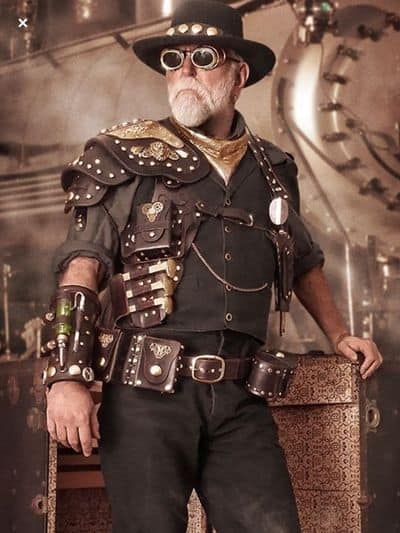
The Steampunk Fashion Style
Steampunk fashion blends Victorian-era aesthetics with industrial and science fiction elements. This contemporary style draws from 19th-century fashion—corsets, top hats, bustles, and frock coats—combined with mechanical details like gears, clock faces, and brass fixtures. Enthusiasts, known as “Steampunks,” create hand-crafted garments that merge historical craftsmanship with imaginative technology.
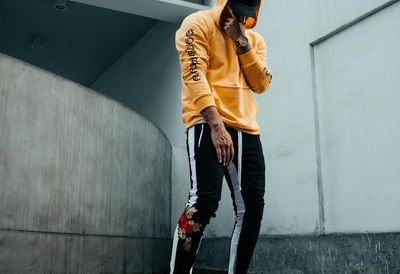
The Street Wear Fashion Style
Street wear fashion combines urban influences from skateboarding, hip-hop, and youth subcultures into a dominant contemporary style. This aesthetic centers on oversized silhouettes, logo-heavy graphics, and limited-edition sneaker culture. Street wear enthusiasts often engage with music, street art, and extreme sports alongside their fashion interests.
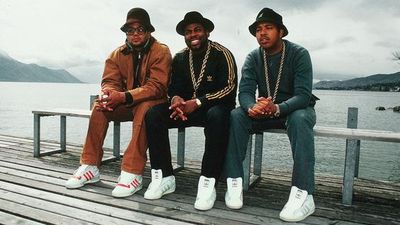
The Hip Hop Fashion Style
Hip hop fashion draws direct inspiration from rap and hip-hop music culture, featuring bold logos, oversized clothing, and sportswear as everyday style. Signature elements include baggy jeans (typically 2–4 sizes larger than true fit), matching tracksuits, chunky gold jewelry, oversized sunglasses, and fitted caps or snapback hats.
The Artistic Fashion Style
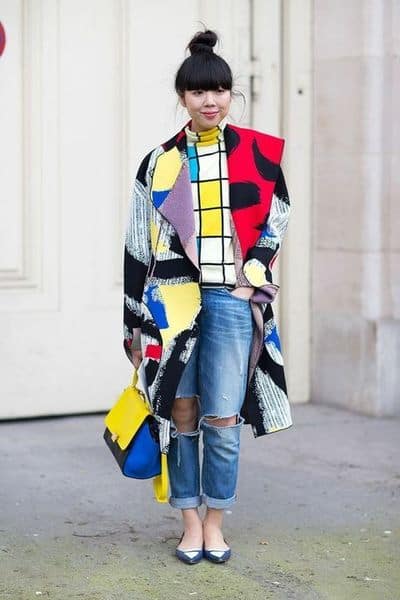
The artistic fashion style uses clothing as a canvas for creative expression. This aesthetic embraces bold colors, unconventional patterns, and statement accessories that defy conventional styling rules. The artistic dresser prioritizes self-expression over trend compliance, creating personalized looks that function as wearable art.
The Ethnic Fashion Style
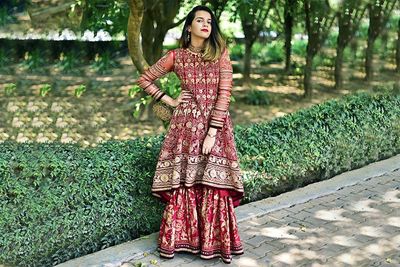
Ethnic fashion celebrates cultural heritage through traditional garments and ethnic-inspired designs. This style draws from a wearer’s ancestral background—Chinese Cheongsam with its characteristic Mandarin collar and frog buttons, Indian sarees with 6–9 yards of draped fabric, or West African kente cloth with its geometric woven patterns. The aesthetic honors cultural craftsmanship through traditional construction techniques.
The Formal Office Wear Fashion Style
Formal office wear covers professional dress codes in corporate settings, law firms, and businesses requiring business attire. This aesthetic balances professionalism with fashion-forward sensibility. Fabrics like wool blends (60/40 wool-polyester with 200–240 GSM weight) and wrinkle-resistant cotton poplin maintain polished appearances throughout demanding workdays.

The Androgynous Fashion Style
The androgynous fashion style merges masculine and feminine elements into a unified, gender-neutral aesthetic. This approach challenges traditional fashion binary conventions, creating looks that read as simultaneously masculine and feminine. Understanding shirt construction details like collar shape and shoulder width helps style androgynous looks effectively.
The Eco-Fashion Style
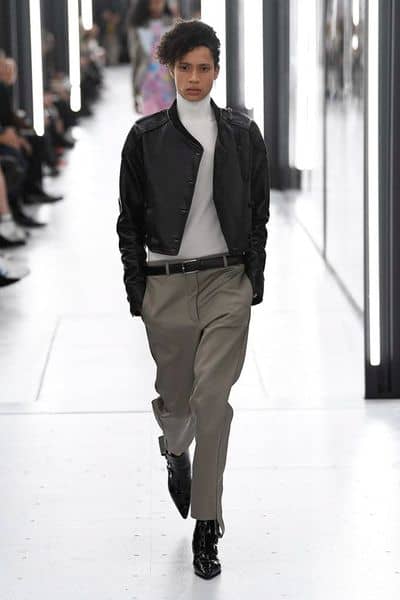
Eco-fashion prioritizes environmental responsibility through sustainable material choices and ethical production practices. This style avoids animal-derived materials including fur, leather, and wool in favor of organic cotton (certified GOTS with less than 10 ppm chemical residue), bamboo fabric (requiring 1/3 less water than conventional cotton), hemp (yielding 200–250% more fiber per acre than cotton), and soy silk (a byproduct of soy milk production). Eco-conscious consumers drive demand for transparency in supply chains and fair labor practices.

The Skateboarders Fashion Style
Skateboarder fashion emerged in the 1990s and has maintained consistent influence on youth culture. This style features loose-fitting clothing, sportswear from brands like Nike and Adidas, and specialized footwear including VansAuthentic with 8-oz canvas uppers and vulcanized rubber soles or Skateboard-specific shoes with reinforced ollie areas. Accessories include Skullcandy headphones and backpacks from skate brands.

The Military Fashion Style
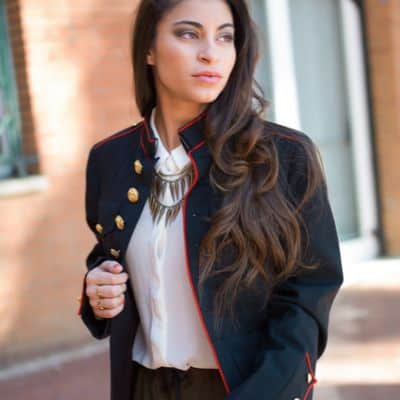
Military fashion adapts utilitarian military garments for civilian dress. This aesthetic features camouflage patterns in standardized colorways including M81 Woodland (green, brown, black) and digital camouflage (ACU UCP at 50/50 color distribution), cargo pockets, epaulettes, and structured blazers inspired by officer uniforms. The military look delivers a timeless, authoritative aesthetic.
The Hot Summer Fashion Style
Hot summer fashion addresses warm-weather dressing through lightweight, breathable fabrics and minimal layering. This style eliminates bulky outerwear in favor of cotton voile (weighing 40–60 GSM), linen blends, and airy midi or mini hemlines. The summer wardrobe prioritizes cooling through loose silhouettes, short sleeves, and open footwear.
Summer fashion contrasts directly with fall-winter layering, shifting from heavy knits and insulating layers to minimal, heat-reducing ensembles. Sun protection through UPF-rated fabrics and wide-brimmed accessories becomes essential.
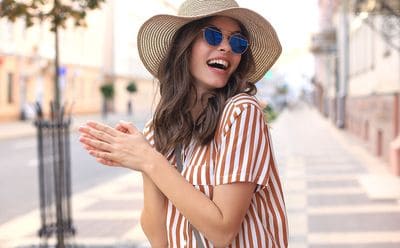
The Christmas Fashion Style
Christmas fashion embraces winter holiday festivities through warm, cozy layers and seasonal color palettes. Key cold-weather pieces include wool coats (weighing 400–600 GSM), cashmere scarves (with fiber diameter of 14–16 microns for softness), insulated gloves, and knit beanies. These pieces protect against freezing temperatures while maintaining festive style.
Hand and finger protection through lined gloves or mittens with thermal insulation (typically 40–100 g/m² Thinsulate) completes the cold-weather Christmas look.
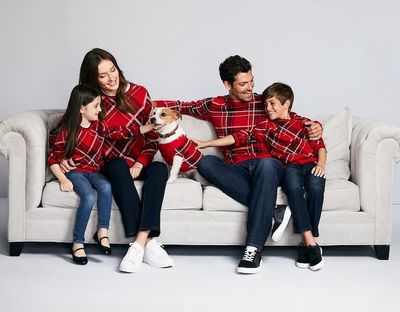
The Comic Book Fashion Style
Comic book fashion translates superhero aesthetics into wearable street style. This trend spans graphic T-shirts featuring comic panels, capes reinterpreted as ponchos, hair accessories inspired by superhero masks, and full costumes for cosplay events. The aesthetic celebrates comic book culture’s visual language of bold primary colors and dramatic silhouettes.
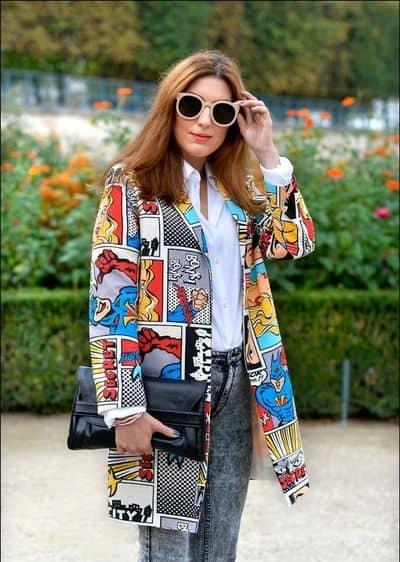
The Modest Fashion Style
Modest fashion serves individuals who prefer coverage without sacrificing style. This aesthetic covers key areas through longer hemlines, higher necklines, and three-quarter length sleeves while maintaining fashionable silhouettes. Fabrics with opacity at 100+ denier for opaque coverage and structured tailoring ensure modesty doesn’t compromise visual appeal.
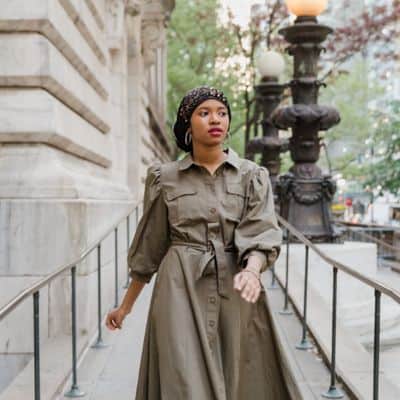
The Cosplay Fashion Style
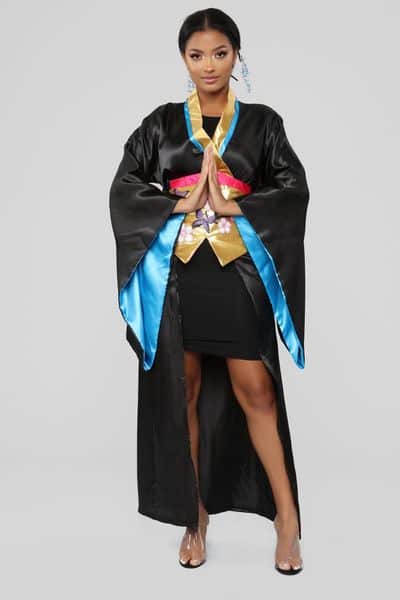
Cosplay fashion centers on costume replication of characters from anime, manga, video games, and pop culture. This style has gained significant traction among teenagers and young adults, particularly in Asian markets where Japan’s cosplay market generates an estimated $400 million annually. Enthusiasts attend conventions, school events, and social gatherings in carefully constructed character-accurate outfits.
The Maternity Fashion Style
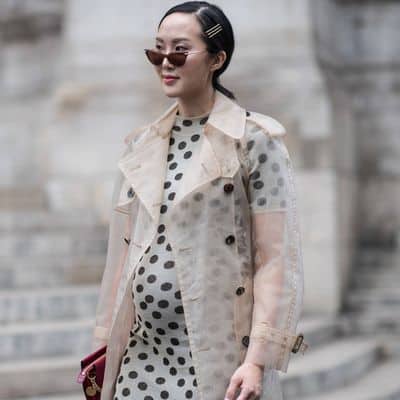
Maternity fashion serves pregnant women seeking both comfort and attractiveness throughout pregnancy. Modern maternity clothing incorporates 4-way stretch fabrics (typically 92% cotton, 8% spandex blend) that accommodate growing bellies while maintaining style. Wrap dresses, empire-waist tops, and leggings with supportive waistbands provide versatility during all three trimesters.
The Minimalist Fashion Style
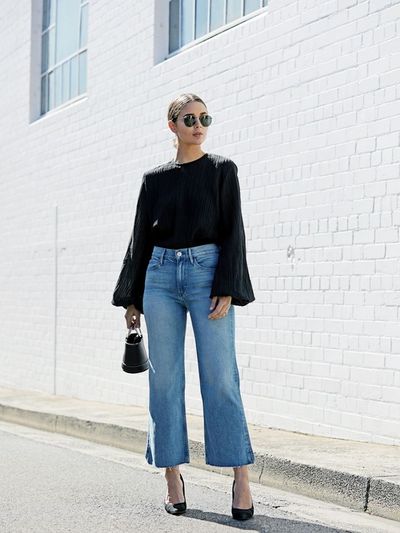
Minimalist fashion relies on a carefully curated capsule wardrobe of basic pieces in neutral colors. This aesthetic excludes bright colors and bold prints, instead featuring black, white, grey, navy, and beige as primary palette choices. Minimalists typically wear black trousers with plain white T-shirts or solid-colored dresses, pairing with simple stud earrings or no jewelry at all.
The Tuxedo Fashion Style
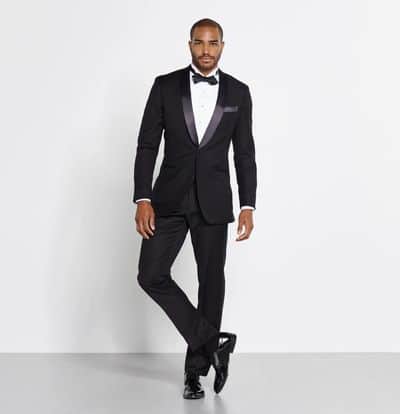
The tuxedo fashion style creates timeless formal elegance for black-tie occasions and weddings. This look centers on a matching jacket and trousers in black wool serge or midnight navy, worn with a white dress shirt featuring pleated or piqué front with 3-button closure, a bow tie, and leather dress shoes polished to a mirror shine.
The Thrift Store Fashion Style
Thrift store fashion emphasizes personal style over new purchases while promoting environmental sustainability. This approach selects from diverse fabric types found at secondhand retailers, consignment shops, and vintage stores. The thrift aesthetic prioritizes unique finds, budget-friendly shopping, and reducing textile waste.
The New Age Fashion Style
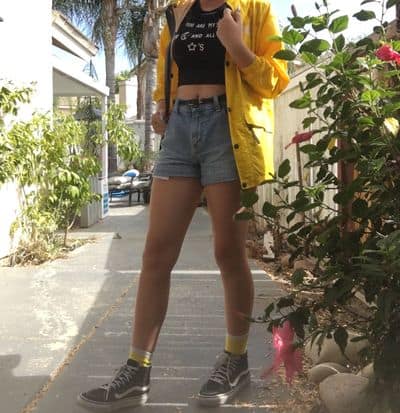
New Age fashion synthesizes influences from global spiritual traditions, alternative wellness cultures, and contemporary minimalism. This aesthetic features flowing fabrics in muted earth tones, crystals and spiritual symbols as accessories, and loose silhouettes that prioritize comfort and energy flow over structured tailoring.
Fashion Industry Statistics and Environmental Impact
The global fashion industry generates approximately 100 billion items of clothing per year worldwide, with Americans purchasing three times more clothing than they did in the 1960s. Despite this massive production volume, less than 1% of discarded clothing gets recycled into new garments, while 85% of discarded garments in the United States end up in landfills.
Fashion ranks as the second greatest polluter of local freshwater worldwide and accounts for roughly 2% of global greenhouse gas emissions—a figure comparable to the emissions from international aviation and shipping combined. The industry produces approximately 20% of all industrial water pollution, making sustainable fabric choices increasingly critical for environmentally conscious consumers.
Final Words
This guide covers the complete spectrum of fashion styles, from classic elegance to street wear, bohemian free-spiritedness to formal professional attire. Understanding these distinct aesthetics helps you identify which styles resonate with your personal identity, lifestyle, and values. Experimenting with different influences allows you to develop a signature look that authentically represents who you are.
If you follow any of these styles—or a unique combination of several—we’d love to hear about your approach. Share your favorite fashion style in the comments below, and stay connected with us for ongoing updates, styling tips, and fashion inspiration.
References
- Wikipedia, Inc. (2025). Fashion – Wikipedia. Wikimedia Foundation.
- Wikipedia, Inc. (2025). Lolita fashion – Wikipedia. Wikimedia Foundation.
- Wikipedia, Inc. (2025). Kawaii – Wikipedia. Wikimedia Foundation.
- Textile Exchange. (2024). Textile Exchange Homepage. Textile Exchange.
- Global Fashion Agenda & Boston Consulting Group. (2023). Fashion Industry Survey. Global Fashion Agenda.


