
Types of Shirts: The Ultimate Guide

Different Types of Shirts: 20 Essential Styles for Every Wardrobe
This guide covers 20 essential shirt types—from lightweight 120 GSM t-shirts for casual wear to heavyweight 400+ GSM dress shirts for formal occasions. Each style serves a specific purpose: t-shirts and Henleys for casual settings, polo shirts and button-downs for business casual, dress shirts and tailored shirts for formal business, and overshirts and flannel shirts for cold-weather layering. Understanding fabric weight (measured in GSM), thread count, weave structure, and construction details helps you select the right shirt for any occasion and build a versatile wardrobe that performs across every context.
The 20 shirt types covered here span every wardrobe need: T-Shirts, Button-Down Shirts, Polo Shirts, Classic Shirts, Ivy League Shirts, Dress Shirts, Overshirts, Cuban Collar Shirts, Henley Shirts, Flannel Shirts, Office Shirts, Chambray Shirts, Short Sleeve Shirts, Denim Shirts, Linen Shirts, Aloha Shirts, Baseball Shirts, Tailored Shirts, Night Shirts, Sweatshirts, and Under Shirts. Below is a comprehensive breakdown of each style with fabric specifications, ideal use cases, and pairing recommendations.
Shirt Types at a Glance
| Occasion | Shirt Types | Typical GSM Range |
|---|---|---|
| Casual / Everyday | T-Shirts, Henley Shirts, Flannel Shirts, Chambray Shirts, Denim Shirts | 120–300 |
| Business Casual | Button-Down Shirts, Polo Shirts, Ivy League Shirts, Cuban Collar Shirts, Short Sleeve Shirts, Overshirts | 150–250 |
| Business Formal | Dress Shirts, Classic Shirts, Office Shirts, Tailored Shirts | 120–220 |
| Active / Athletic | Baseball Shirts, Polo Shirts (moisture-wicking) | 150–220 |
| Lounge / Sleep | Night Shirts, Sweatshirts, Under Shirts | 80–450 |
Different Types of Shirts
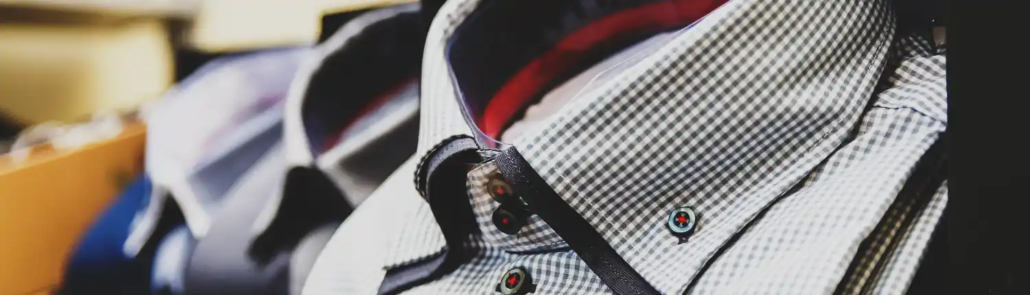
T-Shirts
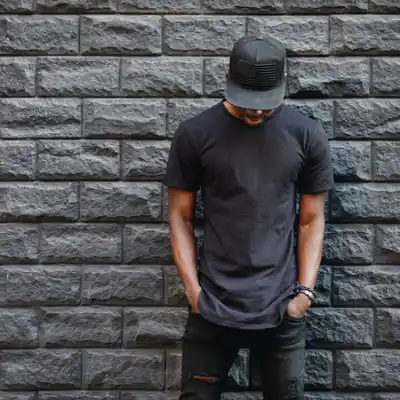
A t-shirt is a collarless shirt with short sleeves and a round neckline, constructed from knit fabric rather than woven cloth. The typical t-shirt ranges from 120–200 GSM (grams per square meter), with lightweight summer weights at 120–150 GSM and heavier, more structured options reaching 180–200 GSM. Common fabric compositions include 100% ring-spun cotton for softness, cotton-polyester blends (65/35 ratio) for wrinkle resistance, and tri-blend fabrics combining cotton, polyester, and rayon for stretch and recovery.
Personalize a t-shirt using a t-shirt printing machine for small business applications including screen printing, heat transfer vinyl, and direct-to-garment DTG printing.
When to Wear It
Wear a t-shirt for casual daytime activities, home tasks, and informal social outings. The breathable knit construction at 150–200 GSM provides comfort during physical activity while maintaining a relaxed silhouette suitable for weekend errands, outdoor recreation, and layered looks under jackets or cardigans.
Pair With
Pair a t-shirt with 12–14 oz raw denim jeans for a classic casual look, or combine with chino shorts (8–10 oz cotton twill) for warm-weather comfort. Add leather sneakers or canvas shoes to complete the outfit.
Button-Down Shirt
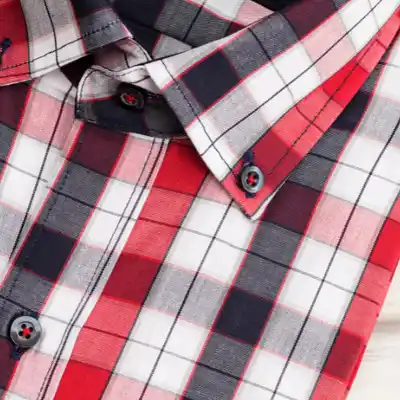
The button-down shirt features a collar with buttonholes on the points that fasten to the shirt body, distinguishing it from other collar styles. This style emerged from 19th-century British sportswear and became an American wardrobe staple through Ivy League universities. Thread counts for quality dress shirt poplin range from 200–400 threads per square inch, with Oxford weave cloth typically at the lower end (150–200 thread count) and fine broadcloth reaching 300+.
When to Wear It
Button-down shirts are appropriate for business casual offices, weekend social events, and smart-casual dining. The button-down collar accommodates ties for semi-formal occasions while remaining comfortable without one. Avoid this style at black-tie events or workplaces requiring formal business attire.
Pair With
Combine a button-down shirt with wool dress pants (10–14 oz flannel), cotton chinos (8–10 oz twill), or dark indigo jeans. Layer under a v-neck sweater at 200–300 GSM for a preppy aesthetic, or wear untucked over shorts for warm-weather smart-casual style.
Polo Shirt
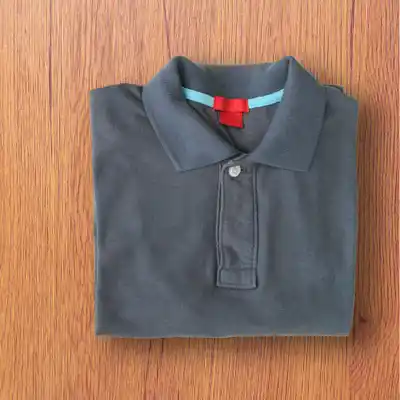
The polo shirt combines the collar and button placket of a dress shirt with the knit construction of a t-shirt. René Lacoste introduced the modern polo shirt design in 1926, originally for tennis, featuring an unstarched collar and tennis tail. The signature piqué knit weave creates a textured surface with improved durability and breathability compared to smooth jersey knit. Polo shirts typically weigh 180–220 GSM, providing enough structure for professional settings while maintaining the comfort of knit cotton.
When to Wear It
Polo shirts excel in business casual office environments, golf and country club settings, outdoor sporting events, and warm-weather professional occasions. The knit construction provides moisture-wicking properties, making it suitable for outdoor activities where temperatures range from 18–27°C (65–80°F).
Pair With
Combine a solid-color polo with navy or khaki chinos at 8–10 oz for a classic look. Create a color-block outfit with a white polo and stone or tan chinos for a clean, preppy aesthetic. For weekend wear, pair with light-wash jeans (10–12 oz denim) and white leather sneakers.
Classic Shirt
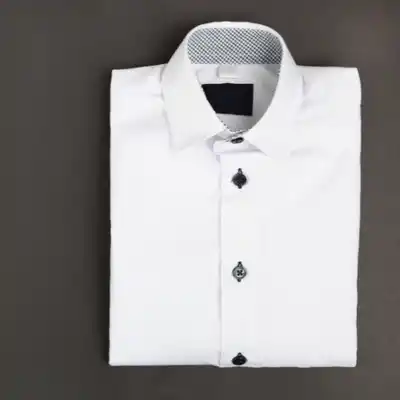
The classic shirt represents timeless tailoring with a roomier cut through the body and sleeves compared to slim or contemporary fits. These shirts typically feature a 150–200 GSM broadcloth or pinpoint oxford fabric, with thread counts ranging from 200–400 threads per square inch. The construction prioritizes comfort and professional appearance, making it ideal for all-day wear in office environments.
When to Wear It
Classic-fit shirts are appropriate for job interviews, business meetings, formal daytime events, and professional environments requiring traditional attire. The generous cut accommodates movement throughout the workday while maintaining a polished silhouette when properly pressed.
Pair With
Pair a classic white dress shirt with charcoal or navy wool trousers and a complementary tie for formal business settings. For smart-casual occasions, tuck into 8–10 oz cotton chinos with a leather belt and Oxford shoes.
Ivy League Shirt
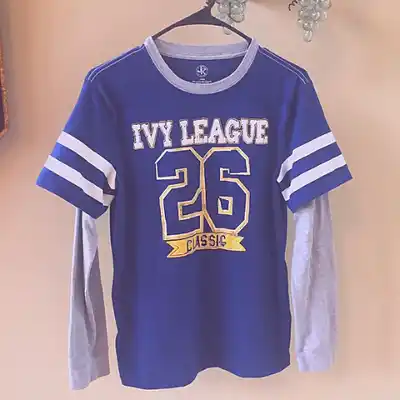
The Ivy League shirt, also known as the OCBD (Oxford Cloth Button-Down), originated at prestigious American universities in the 1950s and became a symbol of East Coast collegiate style. The defining feature is the button-through collar points that fasten to the shirt body, preventing the collar from spreading beyond the lapel line. Oxford cloth typically weighs 150–200 GSM, using a basketweave construction with a white filling yarn creating the characteristic texture and durability that distinguishes it from plain weaves.
When to Wear It
Wear an Ivy League shirt for campus-inspired casual occasions, smart-casual social events, and settings where a polished yet relaxed aesthetic is appropriate. The button-down collar allows it to function without a tie while maintaining enough structure for business casual environments.
Pair With
Style an OCBD with 10–12 oz dark indigo Selvedge jeans and a tweed sport coat for an authentic Ivy League aesthetic. Alternatively, pair with 8–10 oz khaki chinos and leather penny loafers for a refined casual look suitable for weekend dining.
Dress Shirt
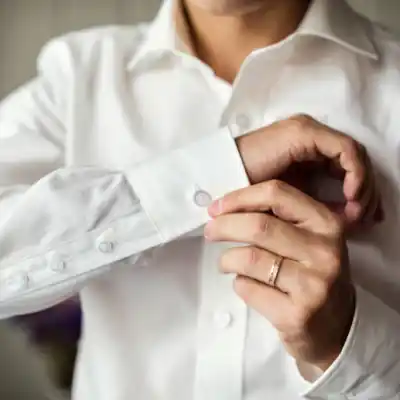
A dress shirt is a formally constructed shirt designed for professional and formal occasions, featuring a collar, long sleeves with cuffs, and a button-down front placket. Quality dress shirts use fabric weights of 120–160 GSM for broadcloth, 140–180 GSM for pinpoint oxford, and 180–220 GSM for end-on-end weave. Thread counts typically range from 200–400 threads per square inch, with two-ply yarns providing superior durability and a smoother hand feel. Dress shirts are available in multiple collar styles including the Kent (point), spread, Windsor, tab, wing, and long-point configurations.
Calculate fabric requirements for custom dress shirt construction using this shirt fabric consumption calculator which accounts for body measurements, sleeve length, and fabric width.
When to Wear It
Dress shirts are appropriate for corporate offices, formal business meetings, job interviews, weddings, and black-tie events (with appropriate collar and cuff choices such as wing collar with double cuffs). The wing collar and French cuff combination specifically suits evening formal wear.
Pair With
Combine a dress shirt with a two-piece suit (250–350 GSM wool) and a silk tie for formal business. The spread collar accommodates Windsor and half-Windsor knot styles, while the long-point collar pairs with a four-in-hand knot. For business casual, wear untucked with 10–12 oz chinos and leather dress shoes.
Overshirt
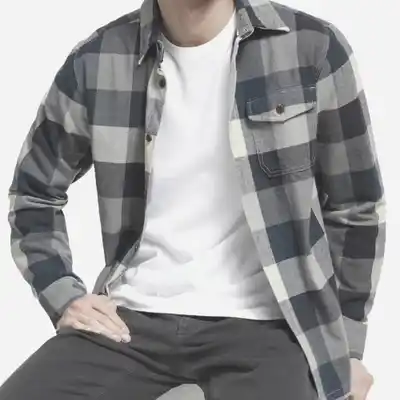
The overshirt is a collarless knit or woven jacket designed to be worn over other garments as a mid-layer or outer layer. Knit overshirts typically weigh 300–450 GSM, using fleece-back construction where the inner surface is brushed to create a soft napped layer that traps air for insulation. Woven overshirt fabrics include heavyweight Oxford cotton at 200–280 GSM, flannel at 180–250 GSM, and workwear-weight cotton duck at 300–400 GSM for maximum durability.
When to Wear It
Wear an overshirt as a transitional outer layer during spring and fall when temperatures range from 10–18°C (50–65°F). It functions effectively as a mid-layer under a heavier coat in winter conditions, or as a standalone jacket during mild weather outdoor activities.
Pair With
Pair a 300+ GSM overshirt with 12–14 oz raw denim jeans and work boots for a rugged casual aesthetic. For smart-casual occasions, layer a lighter-weight overshirt (200–250 GSM) over a t-shirt with 10–12 oz chinos and suede desert boots.
Cuban Collar Shirt
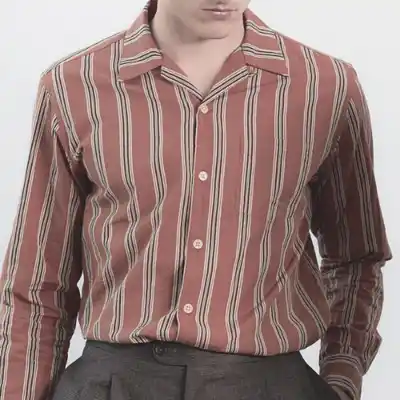
The Cuban collar shirt—also called a camp collar or open-collar shirt—features a flat, open collar with no button closure at the neck and a left chest pocket. This style emerged in the 1920s in Cuba and gained international popularity through Hollywood films of the 1950s. The relaxed collar sits flat against the chest without folding over, and the shirt is designed to be worn untucked. Fabrics typically range from lightweight cotton voile at 70–100 GSM to crisp cotton lawn at 100–130 GSM, with linen options at 100–150 GSM for superior breathability in hot climates.
When to Wear It
The Cuban collar shirt is appropriate for tropical vacations, summer social events, casual beachside dining, and relaxed outdoor gatherings. It performs best in warm climates at temperatures above 24°C (75°F) due to its open collar design and lightweight fabric construction.
Pair With
Style a Cuban collar shirt untucked over 8–10 oz linen or cotton drawstring trousers for resort wear. For smart-casual occasions, pair with 10–12 oz light-wash jeans and white leather loafers or espadrilles.
Henley Shirts
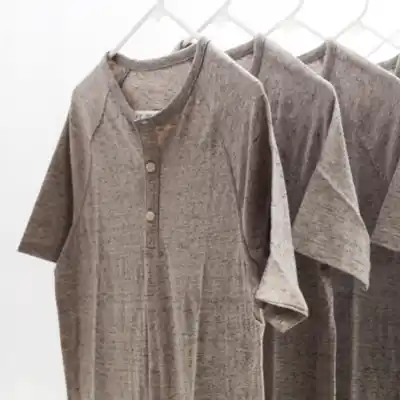
The Henley shirt is a collarless pullover featuring a partial front placket (typically 3–5 inches / 8–13 cm) with 2–5 buttons. This style originated as the traditional uniform for rowers at the Henley Royal Regatta, first held in 1839 in Henley-on-Thames, England. Modern Henleys are constructed from cotton knit jersey at 150–220 GSM, cotton-polyester blends for durability, or linen (120–160 GSM) for warm-weather comfort. The design essentially combines a t-shirt silhouette with the button-front detail of a polo, offering a middle ground between casual and polished.
When to Wear It
Henley shirts suit casual weekend activities, layered looks under sweaters or cardigans, and smart-casual occasions where a t-shirt appears too informal. Long-sleeve versions at 180–220 GSM work well as base layers in cooler months, while short-sleeve versions at 150–180 GSM excel in warm weather.
Pair With
Combine a long-sleeve Henley with 12–14 oz dark denim and a wool blazer for elevated casual style. For relaxed weekend wear, pair a short-sleeve Henley with 8–10 oz canvas Chino shorts and canvas sneakers.
Flannel Shirt
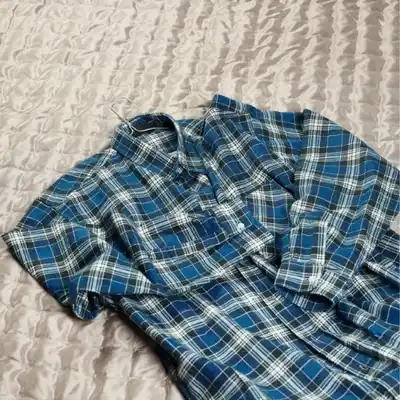
Flannel is a soft woven fabric created through a mechanical brushing process that raises fibers from loosely spun yarns, producing a napped surface on one or both sides. Originally manufactured from carded wool or worsted yarn, modern flannel shirts use cotton (most common), wool, or synthetic fiber blends. Fabric weights range from 170–300 GSM, with heavyweight workwear flannel at 250–300 GSM suitable for cold weather outer layering and lighter weights at 170–220 GSM for mid-layer use. The brushed surface creates pockets of trapped air that provide insulation while the loose weave allows moisture vapor transmission.
When to Wear It
Flannel shirts function as mid-layers or outer layers in cold weather conditions below 10°C (50°F). They excel during autumn and early winter outdoor activities, casual workplace environments, and any setting where insulation and durability take priority over formal appearance.
Pair With
Layer a heavyweight flannel shirt (250–300 GSM) over a basic t-shirt and pair with 14–16 oz raw denim jeans and leather work boots for a classic workwear aesthetic. For a polished casual look, combine a lighter-weight plaid flannel with 10–12 oz chinos and suede Chelsea boots.
Office Shirt

Office shirts encompass a range of styles designed for professional business environments, from traditional pinpoint oxford at 140–180 GSM to non-iron dress shirting at 120–160 GSM with wrinkle-resistant finishing. Construction details that indicate quality include single-needle stitching on side seams (reduces bulk to 1–2 mm seam allowance), reinforced collar stays for lasting shape, and gusseted side vents that allow movement without fabric pulling. Fabric weave options include broadcloth (smooth, formal), Oxford (textured, versatile), twill (diagonal rib, drapes well), and end-on-end (sheer effect, casual formal).
When to Wear It
Office shirts are appropriate for corporate workplaces, client meetings, business conferences, and any formal professional setting. Non-iron varieties at 120–160 GSM are particularly practical for business travel where time for garment care is limited. The versatility of Oxford weave shirts at 150–180 GSM allows them to transition from client presentations to after-work social events.
Pair With
For formal office settings, pair an end-on-end or broadcloth dress shirt with 200–280 GSM wool dress trousers and a blazer. For creative office environments, a patterned Oxford shirt with 10–12 oz chinos and leather boots maintains professionalism while allowing personal expression.
Chambray Shirt
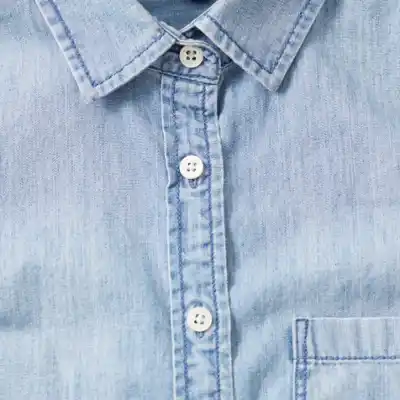
Chambray is a lightweight plain-weave cotton fabric named after the French city of Cambrai where it was first produced. Unlike denim, which uses a twill weave to create its characteristic diagonal rib, chambray uses a simple over-one-under-one weave pattern that produces a smooth, flat surface. Typical fabric weight ranges from 100–150 GSM, making it significantly lighter than denim. The weave structure uses a colored warp thread (traditionally indigo) paired with a white weft thread, creating subtle color variation across the fabric surface that gives chambray its distinctive appearance—similar to denim but lighter and softer from the first wear.
When to Wear It
Chambray shirts perform well in warm-weather professional settings at temperatures above 21°C (70°F), casual workplace environments, outdoor events, and vacation wardrobes. The breathable plain weave at 100–130 GSM allows air circulation that reduces heat stress compared to heavier twill-woven fabrics.
Pair With
For a clean casual look, tuck a light blue chambray shirt into 8–10 oz white or stone chinos with brown leather belts and shoes. For weekend style, wear untucked over 10–12 oz dark indigo jeans with white sneakers and a canvas belt.
Short Sleeves Shirt
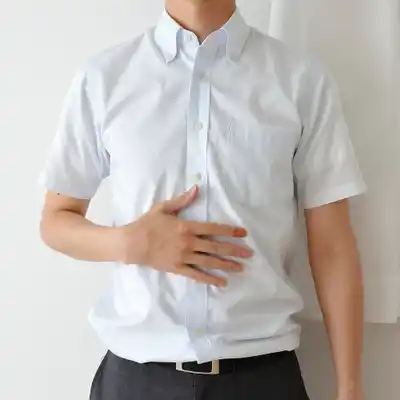
Short sleeve shirts feature sleeves that extend 15–25 cm (6–10 inches) from the shoulder seam, providing upper arm coverage while maximizing ventilation. Construction ranges from casual knit polo styles at 150–200 GSM to lightweight woven camp collar shirts at 100–150 GSM. Fabric options include cotton poplin (120–160 GSM), linen (100–150 GSM), and cotton blends (130–180 GSM). The key distinction from t-shirts is the inclusion of a collar (spread, point, or Cuban camp collar) and a more structured front placket, elevating the garment beyond basic casual wear.
When to Wear It
Short sleeve shirts are ideal for warm-weather activities at temperatures above 24°C (75°F), tropical and subtropical climates, outdoor recreational events, and casual social gatherings where maintaining a polished appearance in heat is important. Camp collar styles at 100–130 GSM are particularly suited for resort and vacation wear.
Pair With
Style a short sleeve dress shirt with 8–10 oz light-wash jeans and low-top leather shoes for warm-weather smart-casual occasions. For maximum comfort in heat, pair a camp collar short sleeve shirt with 6–8 oz linen trousers and ventilated sandals or canvas shoes.
Denim Shirt

A denim shirt is constructed from 11–14 oz (310–400 g per square yard) warp-faced cotton twill textile, producing the characteristic diagonal rib pattern that distinguishes twill from plain weaves. The fabric originated in Nîmes, France (dé Nîmes = “from Nîmes”) in the 18th century, originally called serge de Nîmes before shortening to denim. Classic denim shirt construction features two chest pockets with button closures, a button-down collar, barrel cuffs with two buttons, and a full-button front. The heavyweight twill construction provides wind resistance and durability approximately 2–3 times greater than comparable weight plain-weave cotton fabrics.
When to Wear It
Denim shirts function as versatile standalone shirts in temperatures from 10–21°C (50–70°F) and as mid-layers in colder conditions. They suit casual workplace environments, weekend activities, and smart-casual occasions where the rugged aesthetic of denim is appropriate. The 11–14 oz fabric weight provides sufficient structure for untucked wear without excessive billowing.
Pair With
Layer a denim shirt under a 250–350 GSM wool overcoat with 12–14 oz dark denim jeans for a tonal牛仔 style. For smart-casual occasions, combine a lighter-weight 9–11 oz denim shirt with 10–12 oz khaki chinos and brown leather boots.
Linen Shirt
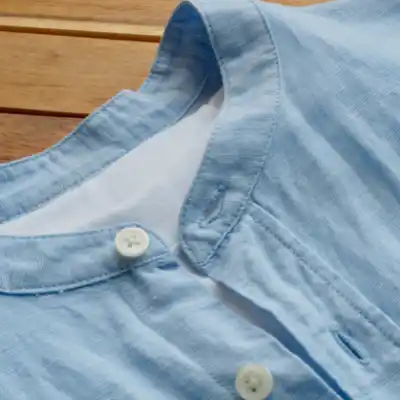
Linen shirts are constructed from flax plant fibers, which measure 25–40 mm in length and are spun into yarns that create a fabric with distinctive handle and performance properties. Linen fabric weighs 100–200 GSM depending on weave structure, with plain-weave shirting typically at 120–160 GSM. The fiber’s higher thermal conductivity (approximately 1.3x that of cotton) makes linen feel cool to touch, and its moisture management capability—absorbing up to 20% of its weight in moisture while maintaining less than 4% water content—exceeds cotton performance. Linen tensile strength increases by up to 20% when wet, and the fabric dries faster than cotton due to its lower moisture retention. Note that linen can shrink 3–5% on first wash if not pre-shrunk, and wrinkles easily due to low elasticity (only 2–3% stretch recovery).
When to Wear It
Linen shirts are optimal for summer professional settings, tropical vacations, outdoor summer events, and any occasion where staying cool is paramount at temperatures above 24°C (75°F). The fabric’s natural antibacterial properties (resists odor-causing bacteria) extend wear time between launderings, making it practical for travel.
Pair With
For warm-weather business attire, pair a white or cream linen shirt with 8–10 oz light gray or tan tropical wool trousers. For smart-casual occasions, combine with 8–10 oz white or navy linen trousers and leather loafers or driving shoes.
Aloha Shirts
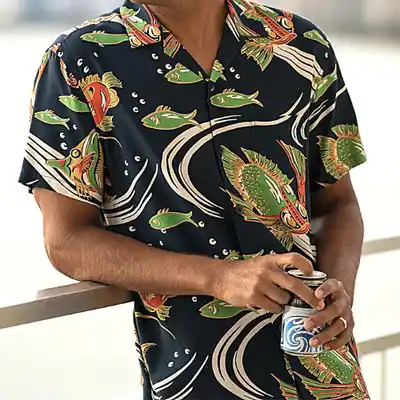
Aloha shirts—also called Hawaiian shirts—feature vibrant floral, nature, or abstract print designs on lightweight fabrics and are considered casual wear in Hawaii. The Hawaii State Legislature designated the Aloha shirt as the official dress shirt of Hawaii in 1946. Fabric weights typically range from 100–150 GSM cotton or cotton-rayon blends, using a relaxed fit and camp collar construction designed for tropical comfort. The print motifs draw from Hawaiian flora (hibiscus, plumeria, monstera leaves), fauna, and cultural themes.
When to Wear It
Aloha shirts are appropriate for tropical vacations, luaus and beach celebrations, casual Friday offices in warm climates, and resort dining. The tradition of “Aloha Friday” in Hawaii—where employees were permitted to wear Aloha shirts to work on Fridays—has spread to business casual policies in warm-climate offices worldwide.
Pair With
Style an Aloha shirt untucked over 8–10 oz solid-color shorts or linen trousers with leather sandals for resort wear. For casual Friday office style, pair with 10–12 oz khaki chinos and boat shoes, keeping the shirt untucked with the collar laid flat.
Baseball Shirts
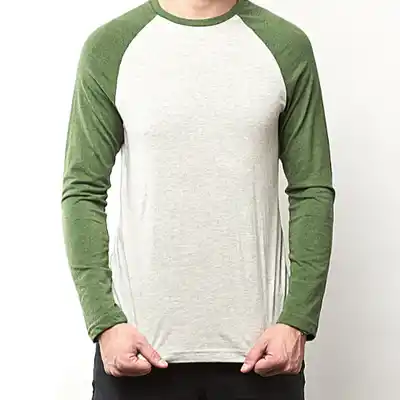
Baseball shirts—also called baseball jerseys, softball jerseys, or diggers— feature raglan sleeve construction where the sleeve extends in one piece to the collar, eliminating the shoulder seam and allowing greater range of motion for batting and throwing. The original baseball game shirts used 100% wool at 300–350 GSM, but modern versions typically use 150–200 GSM moisture-wicking polyester blends or 50/50 cotton-polyester for recreational league versions. Competitive baseball jerseys at 150–180 GSM use synthetic performance fabrics with mesh ventilation panels to manage body temperature during exertion.
When to Wear It
Baseball shirts are appropriate for athletic activities (practice, games, training), youth league sports, casual athletic-inspired streetwear, and themed social events. The raglan sleeve design accommodates a full range of upper body motion, making it functional for any arm movement activity.
Pair With
For game day, pair a baseball jersey with 10–12 oz athletic fit denim jeans and baseball-cap-compatible sneakers. For casual streetwear style, combine a vintage-style baseball shirt with 8–10 oz jogger pants and retro athletic shoes for a nostalgic athletic aesthetic.
Tailored Shirt
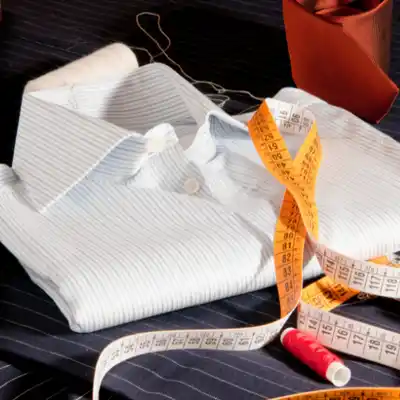
A tailored shirt is constructed to the wearer’s exact body measurements rather than standard size grading, providing superior fit through precise control of shoulder width (±2 mm tolerance), chest circumference, waist suppression, sleeve length, and body length. High-quality bespoke shirt makers use 2–3 fitting sessions to achieve accuracy within 3 mm. Fabric choices for tailored shirts include Sea Island cotton (rare, 100–140 GSM, extra-long staple), Egyptian cotton (150–200 GSM, long staple), and Swiss cotton poplin (120–160 GSM). Construction details distinguish tailored from off-the-rack: hand-stitched collar (200–400 stitches per collar), hand-sewn buttons with shank construction for durability, and single-needle stitching throughout at 1–2 mm seam allowance.
When to Wear It
Tailored shirts are appropriate for formal business settings, executive office environments, important meetings and presentations, and any occasion where personal presentation significantly impacts outcomes. The precision of fit projects attention to detail and self-investment that registers at subconscious levels in professional contexts.
Pair With
Pair a tailored dress shirt with a 250–300 GSM two-piece suit in navy or charcoal for maximum professional impact. French cuff tailored shirts require cufflinks and pair with a spread or Windsor collar for formal occasions.
Night Shirts
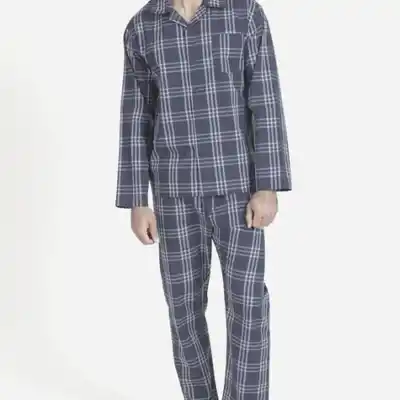
Night shirts are designed for sleep and lounge wear, typically constructed from lightweight fabrics: cotton poplin at 100–140 GSM, cotton lawn at 80–120 GSM, silk at 60–100 GSM, or modal at 100–150 GSM. The loose, flowing fit provides comfort during sleep with lengths ranging from mid-thigh (60 cm) to knee-length (80 cm) or longer for nightgown styles. Night shirts for warm climates use 80–120 GSM fabrics with plain-weave construction for maximum breathability, while thermal night shirts at 180–250 GSM with flannel brushing provide insulation for cold-weather sleep.
When to Wear It
Night shirts are designed for sleep wear and in-home lounge use. In warm climates, lightweight 80–120 GSM cotton or silk night shirts at mid-thigh length optimize temperature regulation during sleep. For pregnant individuals or those who sleep warm, loose night shirts in breathable natural fibers at 100–140 GSM provide comfort when room temperatures exceed 22°C (72°F).
Pair With
Night shirts pair with robes for morning lounge wear. Wear with a cotton waffle robe at 250–300 GSM over the night shirt for warmth during cooler mornings, or standalone for sleep-only use.
Sweatshirts
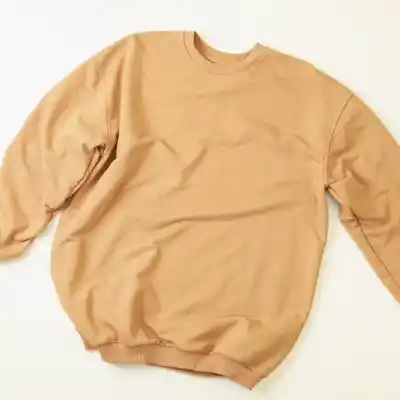
Sweatshirts are knit garments designed for warmth and comfort during low-activity or sedentary situations, distinct from active athletic wear through heavier fabric weight and relaxed fit. The sweatshirt terminology originates from the garment’s original purpose: retaining body heat during outdoor coaching activities. Modern sweatshirt fabric ranges from lightweight French terry at 200–280 GSM to heavyweight fleece at 320–450 GSM. Construction includes set-in or raglan sleeves, ribbed cuffs and hem (typically 2×2 rib at 400–500 GSM for compression recovery), and a crew neck or V-neck collar. Materials include cotton fleece (most common), polyester fleece (moisture-wicking), and blended constructions.
When to Wear It
Sweatshirts are appropriate for casual settings, low-intensity outdoor activities in cool weather (10–18°C / 50–65°F), indoor lounge wear, and athletic warm-up layers before exercise or cool-down after. Heavyweight 350+ GSM fleece sweatshirts work as standalone outer layers in mild temperatures, while lighter weights (200–280 GSM) function as mid-layers under shells.
Pair With
Style a classic crew neck sweatshirt at 300–350 GSM with 12–14 oz indigo denim and leather sneakers for a timeless casual look. For an athletic aesthetic, pair with 10–12 oz jogger sweatpants in matching fleece and performance running shoes.
Under Shirts
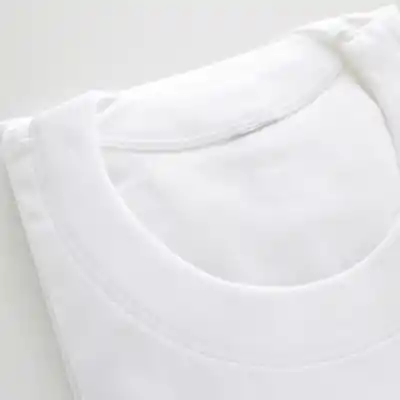
Under shirts are designed to be worn beneath outer garments as a protective layer against perspiration, temperature management, and garment protection. Fabric weights for undershirts range from 120–150 GSM for lightweight summer weights to 180–220 GSM for standard everyday use. Materials include 100% ring-spun cotton (softest hand feel), cotton-modal blends (60/40 ratio for added drape), and moisture-wicking polyester blends (for athletic use). Typical sleeve lengths include tank/sleeveless (for V-neck visibility), short sleeve (15–20 cm覆盖上臂), and long sleeve (full arm coverage for layering). Under shirts absorb perspiration before it reaches outer garments, extending the wear life of more expensive dress shirts and business casual tops.
When to Wear It
Wear under shirts beneath dress shirts and business casual tops to absorb perspiration, protect outer garments from deodorant staining, and provide an additional insulation layer in cold weather. Lightweight 120–150 GSM tank styles are ideal under V-neck sweater or golf shirt configurations, while standard short-sleeve undershirts at 150–180 GSM provide protection under dress shirts in temperatures from 18–27°C (65–80°F).
Pair With
Under shirts are invisible base layers worn beneath outerwear and do not constitute visible outfit components. They pair functionally with any outer garment to provide moisture management and temperature regulation.
What Determines Shirt Quality?
Three primary factors distinguish a quality shirt from inferior alternatives: fabric composition and weight, construction methodology, and fit precision. Each contributes independently to overall garment performance and longevity.
Fabric Quality
High-quality shirt fabrics begin with long-staple or extra-long-staple fibers: Egyptian cotton (staple length 30–40 mm), Sea Island cotton (35–50 mm), or Pima cotton (28–34 mm). Shorter staples produce weaker yarns that pill and degrade faster. Thread count and weave structure also matter: a 200+ thread count broadcloth at 140–180 GSM provides smoothness and durability that a 150 GSM coarse weave cannot match. Natural fibers—cotton, linen, silk, wool—outperform synthetic alternatives in moisture management and odor resistance for everyday wear.
Construction Quality
Quality construction details include: single-needle stitching (1–2 mm seam allowance vs. 3–4 mm for double-needle), hand-sewn buttons with shank posts (allowing button to stand 2–3 mm off fabric to accept thread without strain), reinforced collar stays (metal or plastic inserts maintaining collar shape after 50+ wears), and gusseted side seams (small diamond or triangular fabric inserts at armpit that reinforce high-stress area and prevent tearing). Lower-quality shirts use chain stitching that can unravel, glue-based interfacing that separates after laundering, and plastic buttons that crack.
Fit Quality
A quality shirt must fit properly across four key dimensions: shoulder seam placement (shoulder seam should end at the natural acromion bone, neither extending past nor falling short by more than 5 mm), sleeve length (sleeve should end 1–2 cm above the wrist bone at rest, exposing 1–1.5 cm of shirt cuff beyond jacket sleeve), torso ease (quality dress shirts provide 10–15 cm of circumference ease beyond body measurement for non-pull style comfort), and collar fit (should allow two fingers between collar and neck when buttoned for comfort without gaping).
Tips for Building and Maintaining Your Shirt Collection
- Store shirts on wide-shouldered wooden or padded hangers (minimum 40 mm shoulder width) to maintain collar and sleeve shape; wire hangers cause pointed shoulders within 24 hours.
- Wash cotton shirts in cold water (30°C / 86°F maximum) to prevent shrinkage and color fading; linen tolerates hotter water up to 40°C / 104°F for hygiene.
- Remove shirts from the dryer while still slightly damp (10–15% moisture content) to reduce wrinkling; over-drying at high heat causes fibers to become brittle and reduces garment lifespan by up to 25%.
- Rotate shirt wear to allow 24–48 hours of rest between wears, allowing creases to fall out and fabrics to recover shape; repeated wear without rest accelerates fabric breakdown.
- Professional cleaning is recommended for 300+ GSM wool shirts, silk, and structured garments with delicate interfacing to preserve collar and cuff shaping.
- Replace shirts when you notice fabric thinning (visible through sub-strip of light when held to brightness), collar irreversible deformation (collar will not maintain shape after hand washing and reshaping), or stitching deterioration (loose threads, broken seams at stress points).
- Use a fabric consumption calculator when planning DIY shirt construction to determine precise material requirements based on fabric width, body measurements, and style specifications.
What Type of Fabric is Best for Shirts?
Fabric selection depends on intended use, climate, and care preferences. Cotton remains the most versatile shirt fabric across 80% of applications, with specific weaves optimized for different functions: broadcloth at 120–160 GSM for formal business shirts requiring a smooth, crisp appearance; Oxford at 150–200 GSM for versatile business casual with durability; twill at 140–180 GSM for shirts requiring excellent draping and wrinkle concealment; and pinpoint Oxford at 140–180 GSM as a dressier alternative to standard Oxford. Linen excels in warm climates above 24°C (75°F) where its 20% higher thermal conductivity than cotton provides measurable cooling effect, despite requiring higher maintenance ( wrinkles, potential shrinkage 3–5%). Wool provides superior performance in cold weather shirts at 180–250 GSM, offering 10–30% better insulation-to-thickness ratio than cotton, though it requires specialized care. Synthetic performance fabrics (polyester blends at 130–180 GSM) offer superior moisture-wicking and wrinkle-resistance for athletic and travel applications, but trap odor-causing bacteria more readily than natural fibers.
Shirt Fabric Quick Reference
| Fabric | GSM Range | Best Use | Care Level |
|---|---|---|---|
| Cotton Broadcloth | 120–160 | Formal dress shirts | Medium (ironing required) |
| Cotton Oxford | 150–200 | Business casual, everyday | Low–Medium |
| Cotton Twill | 140–180 | Durable casual shirts | Low–Medium |
| Linen | 100–200 | Warm climate, summer | High (wrinkles, shrinkage) |
| Wool | 180–250 | Cold weather, formal | High (specialized cleaning) |
| Polyester Blend | 130–180 | Athletic, travel, wrinkle-resistant | Low (machine wash/dry) |
| Denim (Shirt) | 270–400 | Casual, workwear | Low–Medium |
Frequently Asked Questions
What loose shirts are called?
Loose-fitting shirts extending to mid-thigh or knee length are classified as tunics. Tunic-style shirts typically measure 70–90 cm in body length and feature a relaxed fit with 15–25 cm of ease through the torso. Materials include cotton voile (80–120 GSM), linen (100–150 GSM), and silk (60–100 GSM) for lightweight drape. Tunics are distinguished from regular shirts by their hip-length coverage, which allows tucking or wearing untucked without revealing undergarments or shorts.
What are crew shirts?
Crew shirts feature a round neckline without a collar (crew neck) and a partial or full front placket. The standard crew neck curve spans 18–22 cm across the front, sitting 2–3 cm below the collarbone. Crew shirt sleeves typically extend 15–25 cm from the shoulder seam. This style serves as the baseline construction for t-shirts, Henleys, and athletic jerseys, distinguished from V-neck variants by the semicircular neckline shape that exposes the collarbone without the angular downward point of V-neck configurations.
What are thick shirts called?
Thick, heavy shirts at 300+ GSM that provide significant insulation are typically called sweatshirts when collarless and knit with a fleece back, or flannel shirts when woven with a brushed nap surface. For formal applications, heavyweight dress shirts at 180–220 GSM in flannel or brushed cotton provide warmth without the athletic appearance of sweatshirt construction. The term “sweater” is incorrectly applied to thick shirts in casual speech; true sweaters are knit from yarn rather than cut from woven or knit fabric.
What is a roll-tab sleeve?
A roll-tab sleeve features a small tab (typically 2–3 cm long) at the wrist that allows the sleeve to be rolled up and fastened at an intermediate length, creating a 3/4 sleeve configuration. The tab contains a button that secures through a corresponding buttonhole on the sleeve cuff, maintaining the roll without requiring readjustment. This feature originally appeared on field shirts and workwear garments in the early 20th century and migrated to casual and dress shirt styles as a functional and aesthetic detail.
How do you keep cuffs rolled?
Four methods maintain rolled cuffs on shirts: button-through tab closures (2–3 cm tabs with buttons found on roll-tab sleeve designs); stitching the cuff in the preferred rolled position using a hand-blind stitch that can be removed for full-length wear; elastic cuff expanders (coiled plastic or metal inserts placed inside the cuff to maintain shape when rolled); and cuff stays with built-in snaps (metal or plastic strips sewn into the cuff that clip to the sleeve at the desired rolled length). The button-tab method provides the most reliable and adjustable solution.
References
- Wikipedia. (2026). Linen. Wikimedia Foundation.
- Wikipedia. (2026). Denim. Wikimedia Foundation.
- Wikipedia. (2026). Collar (clothing). Wikimedia Foundation.
- Wikipedia. (2026). Polo shirt. Wikimedia Foundation.
- Wikipedia. (2026). Henley shirt. Wikimedia Foundation.
- Wikipedia. (2026). Flannel. Wikimedia Foundation.


