
Can I Spray Fabric Softener on Clothes

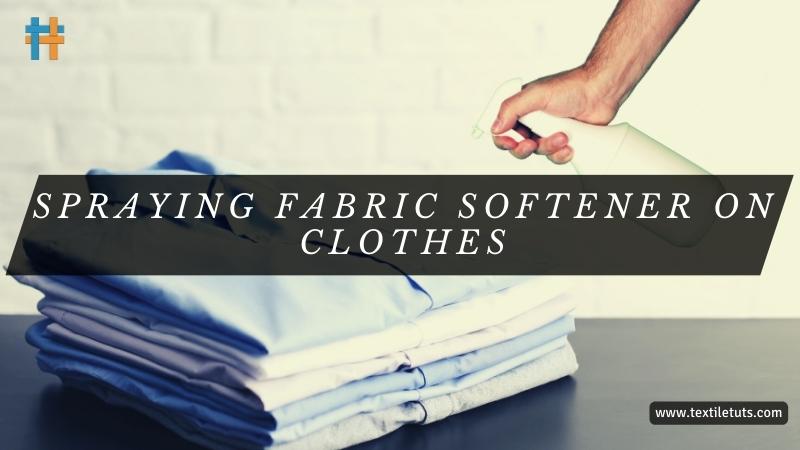
Do not spray fabric softener directly on clothes — the surfactants it contains (cationic compounds like distearyldimethylammonium chloride) need water to disperse properly. Sprayed directly, they leave behind waxy residues that cause stains, oily spots, and fabric discoloration that are difficult to remove. The correct method is always adding fabric softener to your washer’s rinse cycle.
If you want a spray option for upholstery or fabrics that can’t go in the wash, you can dilute fabric softener with water at a 1:20 ratio and apply it to a microfiber cloth first — never directly onto the fabric surface.
Here’s what you need to know to use fabric softener correctly and avoid common mistakes.
Why Spraying Fabric Softener on Clothes Is Not Recommended
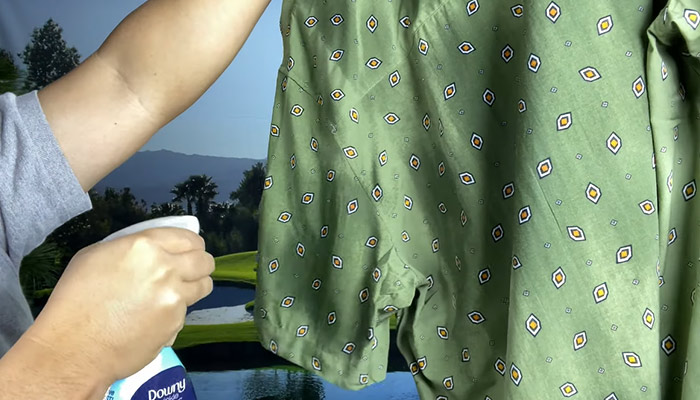
Spraying fabric softener directly onto clothes is not recommended because it causes staining, dirt, and lint buildup. The softener does not disperse properly in water when soaked into the clothing beforehand.
Fabric softeners contain cationic surfactants (quaternary ammonium compounds) such as distearyldimethylammonium chloride. These compounds are hydrophobic and waxy in nature, which attracts dirt particles. This buildup continues until the garment is washed again. Always add fabric softener to the washer rinse cycle for optimal results without any potential problems.
Diluting Fabric Softener for Fabric Spray
You can dilute fabric softener with water to create a spray for fabrics. The ratio of water to fabric softener should be low — for example, 1:20 (one part fabric softener to twenty parts water).
Even with proper dilution, there is still a risk of wax deposition on delicate fabrics. The cationic surfactants in fabric softener (typically 3-8% concentration in commercial products) can leave residue on certain materials. If you want to make your clothes smell fresh, use the alternatives discussed below instead.
DIY Fabric Softener Spray Recipe
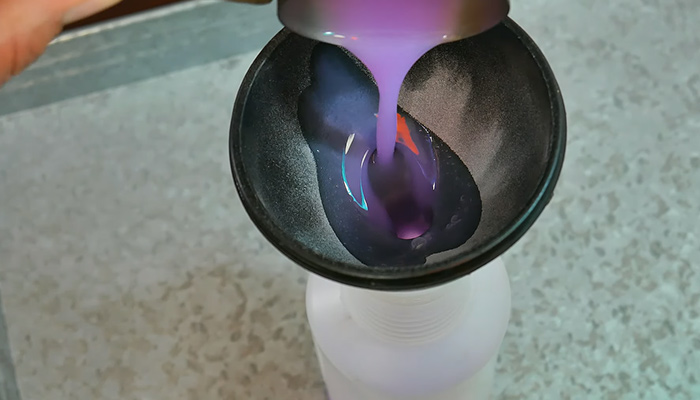
To make fabric softener spray, you’ll need a large spray bottle, 2 tablespoons of baking soda, and ¼ cup of fabric softener.
Start by filling your spray bottle with 2 cups (473 mL) of hot filtered or distilled water. Leave approximately 1 inch (2.5 cm) of space at the top of the bottle to prevent overflow when you add the other ingredients.
Once your bottle is filled, add 2 tablespoons (28 grams) of baking soda and ¼ cup (59 mL) of fabric softener. Shake gently until all ingredients are well blended. The baking soda helps neutralize odors while the fabric softener adds softness.
Once your mixture is prepared, spray it lightly onto upholstery from a distance of 6-8 inches (15-20 cm) for even coverage without oversaturation.
Spraying Fabric Softener on Sofa Safely
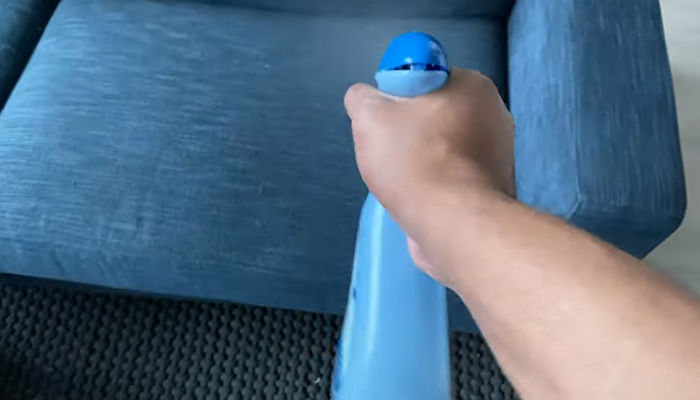
You can safely spray fabric softener on a sofa using the DIY recipe above. Follow the method we have discussed.
Never spray directly onto upholstery fabrics — this causes staining and discoloration. Instead, spray the mixture onto a clean microfiber cloth or towel first, then wipe down the sofa surface. This method ensures even coverage at a concentration of approximately 0.15-0.25% cationic surfactant, which is safe for most upholstery fabrics.
Proper Fabric Softener Usage in Laundry
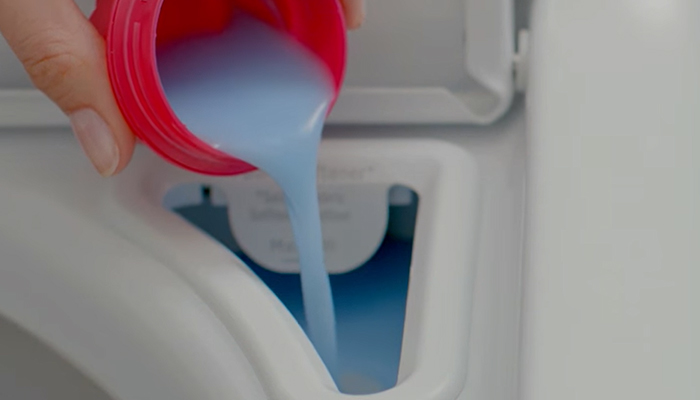
Fabric softeners are designed for use during the rinse cycle of your washing machine, not for direct application to clothing. This ensures proper dispersion in water at a ratio of approximately 1:1000 (softener to water) and coats each piece of fabric evenly without leaving residues or stains.
Add liquid fabric softener to your washer’s designated dispenser or use a dispensing ball for automatic release during the rinse cycle. The optimal water temperature for rinse is 65-85°F (18-29°C) to allow proper surfactant dispersion.
Fabric softeners reduce drying time by 10-15% by coating fibers with lubricating compounds that allow better heat transfer. They also neutralize static charges on synthetic fabrics by approximately 80%.
Avoid using fabric softener on certain fabrics: microfiber (reduced effectiveness), moisture-wicking athletic wear (decreased breathability), towels (reduced absorbency by up to 30%), and flame-resistant labeled items (increased flammability).
Fabrics You Should Never Use Fabric Softener On
| Fabric Type | Why to Avoid | What Happens |
|---|---|---|
| Microfiber | Coats fibers and ruins their cleaning ability | Reduced effectiveness; residue buildup |
| Moisture-wicking athletic wear | Blocks the fabric’s breathability pores | Decreased moisture-wicking performance |
| Towels | Coats fibers making them less absorbent | Up to 30% reduction in absorbency |
| Flame-resistant labeled items | Chemical coating reacts with surfactants | Increased flammability risk |
| Silk and delicate synthetics | Waxy residue builds up on fine fibers | Staining and fabric degradation |
Natural Alternatives to Fabric Softener Spray
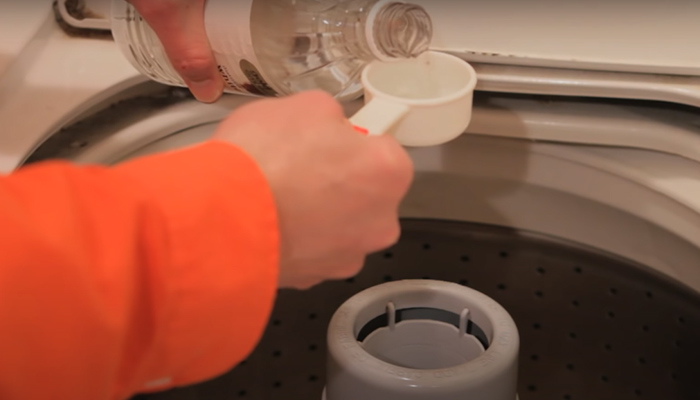
If you want to keep your clothes smelling fresh without spraying fabric softener directly onto them, natural alternatives work effectively.
Add 5-10 drops of essential oil (lavender, eucalyptus, or tea tree) to the rinse cycle of your washer. This provides a light scent that lasts 3-5 days. Essential oils have natural antibacterial properties effective against 99% of common bacteria at this dilution.
White vinegar (½ cup or 118 mL) added to the rinse cycle softens fabrics naturally and neutralizes odors. The acetic acid in vinegar (5-8% concentration) breaks down residue buildup and is safe for most fabrics including cotton, polyester, and blends.
Baking soda (½ cup or 115 grams) softens water and neutralizes odors when added to the wash cycle. This is particularly effective for hard water areas where mineral deposits cause fabric stiffness.
Commercial fabric fresheners in spray or powder form provide residue-free freshness. These products typically contain cyclodextrin-based odor neutralizers that encapsulate odor molecules rather than masking them.
Fabric Softener Spray Safety Considerations
Fabric softener sprays are safe alternatives to pouring liquid softener directly on clothes when diluted properly. The spray mechanism provides more controlled application and prevents over-saturation of fabric fibers, which can occur with direct pouring.
Overuse of fabric softener increases fabric flammability due to the fat-based nature of cationic surfactants. Some jurisdictions have reported incidents linking prolonged fabric softener buildup to increased fire hazard. Always use the recommended dilution ratio and avoid use on flame-resistant labeled items.
For sensitive skin, use dye-free and fragrance-free formulations. Fabric softeners can cause irritant contact dermatitis in susceptible individuals at any concentration above 0.1% cationic surfactant.
Fabric Softener Spray as a Safe Alternative to Direct Pouring
Fabric softener spray is a safe alternative to pouring fabric softener on clothes directly. The spray allows for more controlled application with dilution ratios of 1:20 and prevents over-saturation of fabric at concentrations below 0.5%. This method achieves the desired softness and fragrance for laundry while minimizing the risk of staining, residue buildup, and fiber damage.
Conclusion
Spraying fabric softener directly onto clothes is not recommended because it leaves behind residues that cause discoloration and staining. The hydrophobic nature of cationic surfactants (3-8% concentration in commercial products) means they adhere to fabric fibers unevenly when not properly diluted in water.
The best method for using fabric softener is adding it during the rinse cycle of your washer at a dilution ratio of approximately 1:1000. This ensures even distribution and optimal softening without any potential problems.
If you want to keep your fabrics smelling fresh without using fabric softener directly, natural alternatives such as adding 5-10 drops of essential oils or ½ cup of white vinegar to the rinse cycle work just as effectively and are safer for sensitive skin and flame-resistant fabrics.
References
- Wikipedia. (2024). Fabric softener. In Wikipedia, The Free Encyclopedia. Retrieved from https://en.wikipedia.org/wiki/Fabric_softener
- U.S. Environmental Protection Agency. (2022). Safer Choice Program – Fabric Softeners. Retrieved from https://www.epa.gov/saferchoice
- Oregon State University Extension Service. (2023). Fabric Softeners and Alternatives. Retrieved from https://extension.oregonstate.edu


