
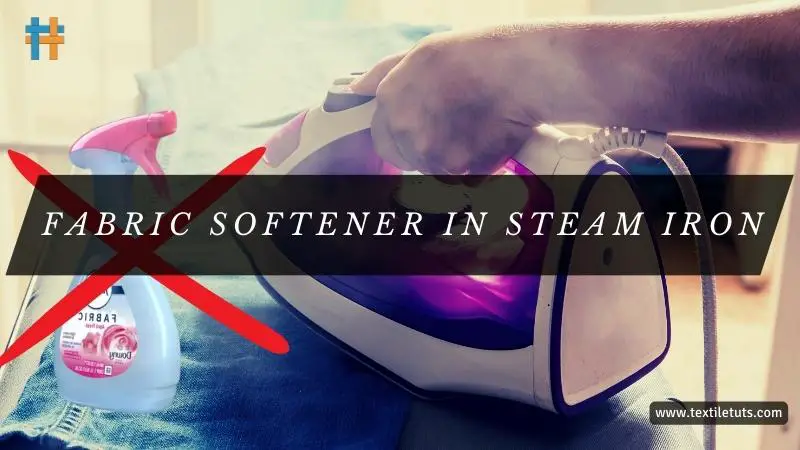
Can I Put Fabric Softener in My Steam Iron

Never put fabric softener in your steam iron. Fabric softeners contain cationic surfactants—such as distearyldimethylammonium chloride (DSDMAC)—that cling to the iron’s internal heating elements and soleplate, causing permanent staining on fabric and irreversible damage to the machine.
Fill your steam iron tank with only clean, distilled water (mineral content below 50 ppm). This simple practice prevents mineral deposits, maintains optimal steam output, and extends your iron’s lifespan to 10–15 years with proper care.
Why Fabric Softener Damages Steam Irons
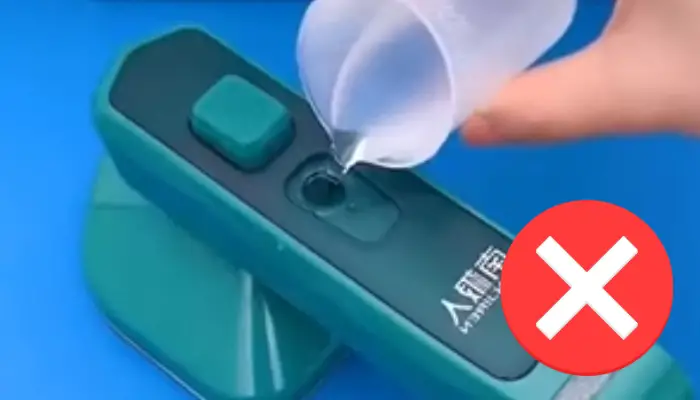
We often use fabric softeners to help our clothes smell nice and feel softer. However, you should never put fabric softener in your steam iron. The active ingredients in most fabric softeners include quasi-coconut diethanolamide (QDA), distearyldimethylammonium chloride (DSDMAC), or related amine-based cationic surfactants.
Fabric softeners deposit cationic surfactants onto fabric fibers during the rinse cycle. These compounds—typically at concentrations of 2–5% in commercial products—create an emollient barrier that reduces friction. When introduced to a steam iron’s heating element (operating at 150–200°C or 302–392°F), these compounds carbonize and form residue that:
The compounds in fabric softeners cling to the iron and stain the fabric. Use only clean, distilled water (with mineral content below 50 ppm) to fill your tank. This will help keep your clothes looking and smelling their best while preventing the estimated $30–50 in repair costs from fabric softener damage.
What Fabric Softener Does in a Steam Iron
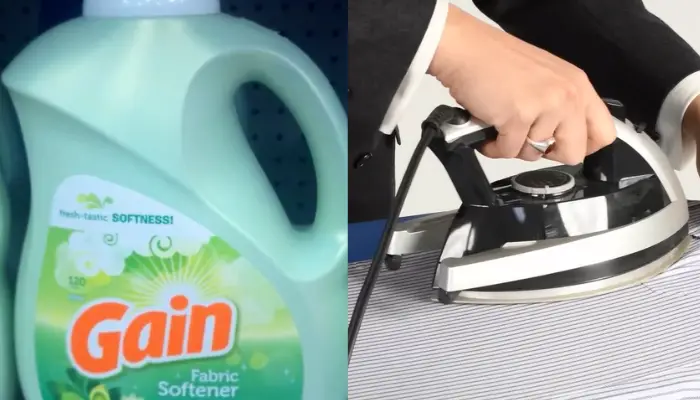
Fabric softener is a liquid added to the rinse cycle of laundry loads. It contains cationic surfactants that deposit a layer of fat molecules onto fabric fibers, creating an emollient barrier that reduces friction and makes fabrics feel softer.
Fabric softener works by coating fabric surfaces with electrically charged chemical compounds. These compounds bind to negatively charged fiber surfaces, causing threads to stand up and creating a softer, fluffier texture with long aliphatic chains that align outward from fibers, providing lubricity.
Using fabric softener in a steam iron must be avoided. The surfactant deposits carbonize at the iron’s operating temperature of 150–200°C (302–392°F), creating a residue that sticks to the soleplate and steam ports. This buildup directly damages the machine, reduces steam output by up to 40%, and causes discoloration on fabrics pressed at temperatures above 120°C (248°F).
Fill the iron’s tank with only clean, distilled water for optimum performance and a lifespan of 10–15 years.
Safe Alternatives for Steam Ironing
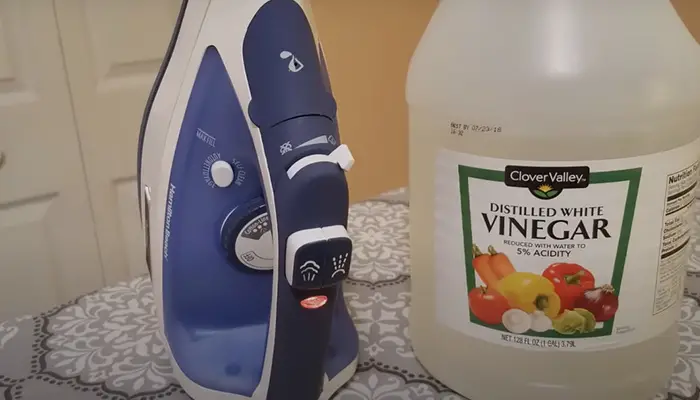
Alternatives to fabric softeners when steam ironing still keep fabrics looking their best. Distilled white vinegar (5% acetic acid solution) naturally deodorizes and cleans steam ports by dissolving mineral deposits at a 1:1 ratio with water.
Anti-calcium cleaners are nonabrasive formulations specifically designed to prevent mineral deposits and calcium buildup (calcium carbonate) that accumulates when using hard water above 120 ppm total dissolved solids.
Fabric Softener vs. Starch: Key Differences
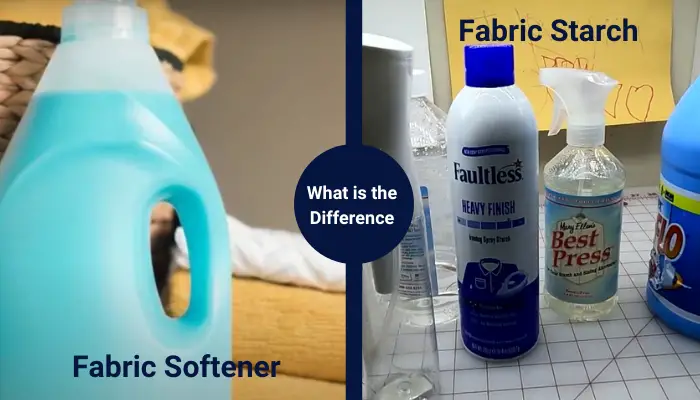
Fabric softener and starch serve different purposes in fabric care. Fabric softener is a liquid or dryer sheet product containing cationic surfactants (typically 2–5% concentration) that adds fragrance and prevents static cling.
Starch is a spray product containing modified corn, wheat, or potato starch that creates a crisp finish. It works at concentrations of 5–10% to make fabrics fuller, more wrinkle-resistant, and more crisp.
Both products require caution: overuse causes residue accumulation at levels above 2% of fabric weight, leading to fiber stickiness and clumping. Neither product should be used in steam irons, as starch granules (10–100 micrometers) and softener surfactants will clog steam ports and cause irreparable staining.
Fabric softener and starch in specialized items such as steam irons cause stains and leave buildup that proves impossible to remove without professional repair.
Why No Fabric Softener Is Safe for Steam Irons
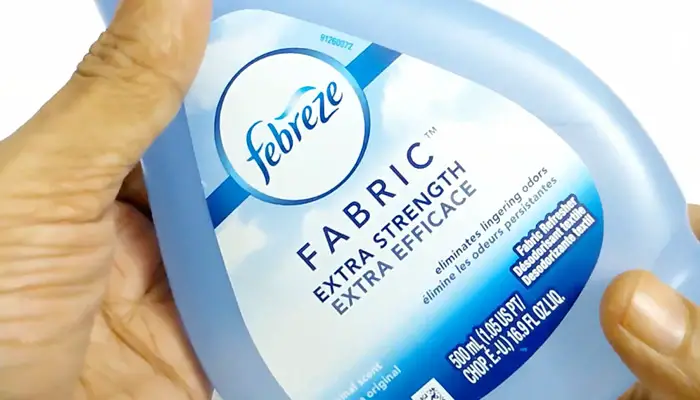
No fabric softener—not even specially formulated products—is safe for steam irons. All fabric softeners contain surfactants that carbonize at iron temperatures above 150°C (302°F). The claim that certain products like Febreze at a 10:1 ratio are safe for steam irons lacks scientific support and risks voiding the iron’s warranty.
Quick Reference: Steam Iron Care Specifications
| Parameter | Safe Value | Damaging Value |
|---|---|---|
| Water mineral content | Below 50 ppm (distilled) | Above 120 ppm (hard water) |
| Iron operating temperature | 150–200°C (302–392°F) | Above 200°C (392°F) |
| Fabric softener concentration in products | 2–5% (in wash) | Any amount in iron tank |
| Steam output reduction from residue | Optimal with clean water | Up to 40% reduction |
| Heating element limescale buildup | Zero with filtered water | 1–2 mm per year with hard water |
| Repair cost from fabric softener damage | $0 (using distilled water) | $30–50 cleaning / $80–150 replacement |
What NOT to Put in Your Steam Iron
| Product | Why It’s Dangerous | Safe Alternative |
|---|---|---|
| Fabric softener | Cationic surfactants carbonize at 150–200°C, staining fabric and damaging heating elements | Distilled water only |
| Laundry detergent | Anionic surfactants leave residue, reduce ironing efficiency by 35%, cause pitting on stainless steel | Distilled water only |
| Starch spray | Starch granules (10–100 μm) clog steam ports and cause residue buildup | Spray on fabric after ironing, not in tank |
| Essential oils | Concentrations above 0.5% damage rubber seals in 3–6 months; clog steam ports reducing output by 40–60% | Apply via spray bottle after ironing (1–2 drops per 100 ml water) |
| Fragrance additives | Scent particles oxidize above 100°C, discoloring soleplate and staining fabrics | Hang clothes in fresh air; use essential oil spray post-ironing |
| Hard tap water | Mineral content above 120 ppm causes limescale buildup reducing heat transfer by 25% | Distilled or filtered water below 50 ppm |
How to Add Fragrance Without Fabric Softener in Your Steamer
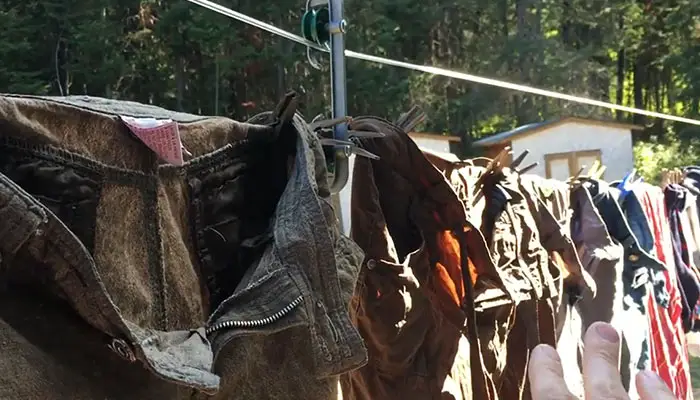
Hang clothing outside on a laundry line. Fresh air and natural sunlight naturally deodorize fabrics without chemicals, leaving clothes smelling clean at zero cost.
Apply 3–5 drops of essential oils (lavender, eucalyptus, or lemon) to an absorbent cloth and tuck it in your wardrobe. Allow the scent to linger for 24–48 hours. Never add oils directly to the steamer’s water tank, as essential oils at concentrations above 0.5% will damage internal seals and cause discoloration.
Fabric softener must never be added directly into the steamer’s water tank under any circumstances.
Why Laundry Detergent Should Not Go in Steamers
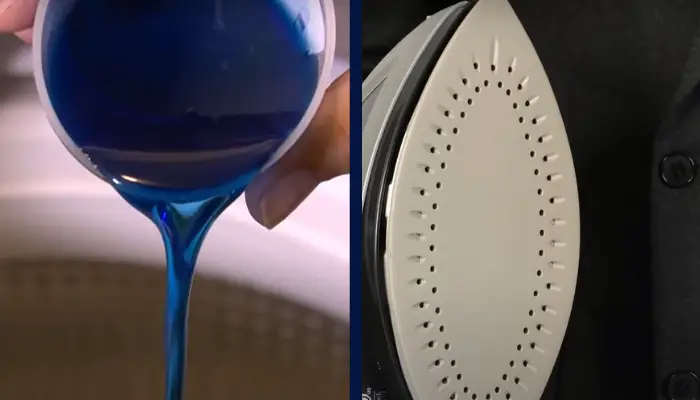
Laundry detergents contain anionic surfactants (such as linear alkylbenzene sulfonate) that leave behind a residue competing with steam for space on fabric surfaces. This residue reduces ironing efficiency by up to 35% and can cause pitting on stainless steel soleplates.
Only clean, distilled water should fill your tank to prevent residue formation and maintain optimal steam output.
Why Fragrance Additives Damage Steam Irons
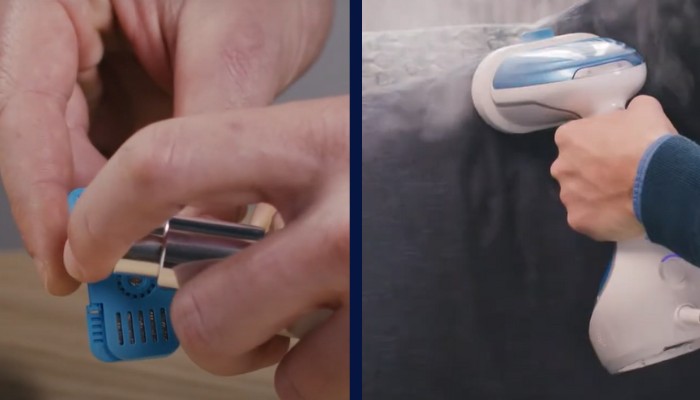
Adding fragrance to your steam iron causes damage. Scent particles in water settle on internal components and oxidize at temperatures above 100°C (212°F), creating discoloration on the soleplate and fabric staining that requires replacement of affected parts.
Filtered Water Is Essential for Steam Iron Longevity
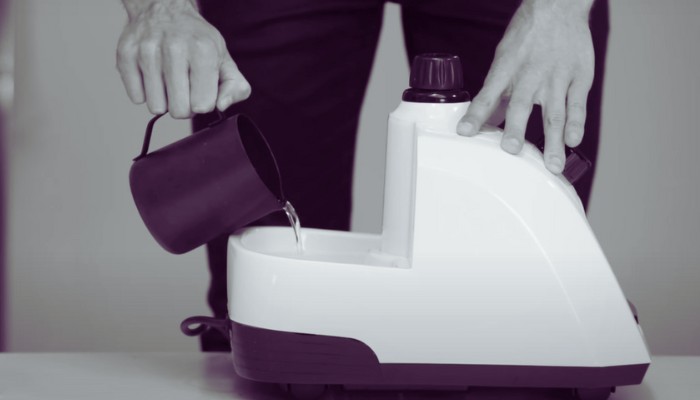
Filtered water is essential for steam iron longevity. Use water with mineral content below 50 ppm (parts per million) to prevent limescale deposits that reduce heat transfer efficiency by up to 25% and cause hot spots that scorch fabrics.
Hard water—with total dissolved solids above 120 ppm—damages both clothes and steam irons through mineral deposits that accumulate at rate of 1–2 mm per year on heating elements.
Keep filtered water free of chemicals and fragrances. Ensure your water contains zero added scents for optimal steam iron performance and a lifespan exceeding 10 years.
Essential Oils Damage Clothes Steamers
Essential oils and scented oils damage clothes steamers. Oil residues at concentrations above 0.5% degrade rubber seals in the pump mechanism within 3–6 months of regular use. The residue builds up on heating elements and clogs steam ports, reducing vapor output by 40–60%.
Apply essential oils through a spray bottle after ironing is complete. Use a dilution ratio of 1–2 drops per 100 ml of water for a light scent that does not damage fabrics or equipment.
Why Spraying Fabric Softener Is Not a Substitute for Machine Application
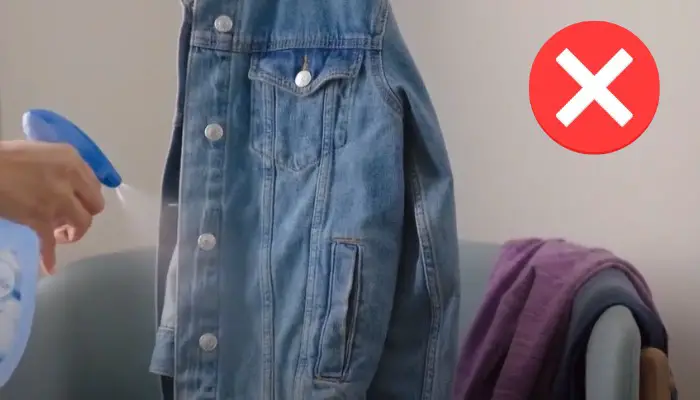
Spraying fabric softener on clothes cannot replace adding it to the washing machine. However, you can use it as a spot treatment to freshen garments between washes. Lightly spray a 10–15 cm radius area on the fabric, avoiding oversaturation that causes localized staining.
After spraying, hang clothes to dry naturally for 2–4 hours. This method provides temporary freshness but does not replicate the fabric-softening benefits of machine application, which deposits softener at 2–5% concentration during the full rinse cycle.
Over-application of fabric softener causes visible staining and discoloration on fabrics, particularly on synthetic fibers where concentrations above 1% create visible residue. Delicate fabrics—including silk, acetate, and items labeled “do not wash”—may be damaged or discolored by fabric softener at any concentration.
Check care labels before using fabric softener. Always follow the manufacturer’s recommended dosage of 35–50 ml per full wash load to avoid buildup that exceeds 2% of fabric weight.
Conclusion: Keep Fabric Softener Out of Your Steam Iron
Fabric softener is not safe for use in steam irons. All fabric softeners contain cationic surfactants that carbonize at iron temperatures and cause permanent damage to internal components, soleplates, and steam ports. The repair cost for fabric softener damage ranges from $30–50 for cleaning to $80–150 for replacement of damaged heating elements.
Use only distilled or filtered water with mineral content below 50 ppm in your steam iron. If you want fragrance on your clothes, apply essential oils via spray bottle after ironing or hang garments in fresh air. For fabric softening during laundry, add fabric softener to the washing machine at the recommended 35–50 ml per load dosage during the rinse cycle only.
References
- Wikipedia contributors. (2024). Fabric softener. In Wikipedia, The Free Encyclopedia. https://en.wikipedia.org/wiki/Fabric_softener


