
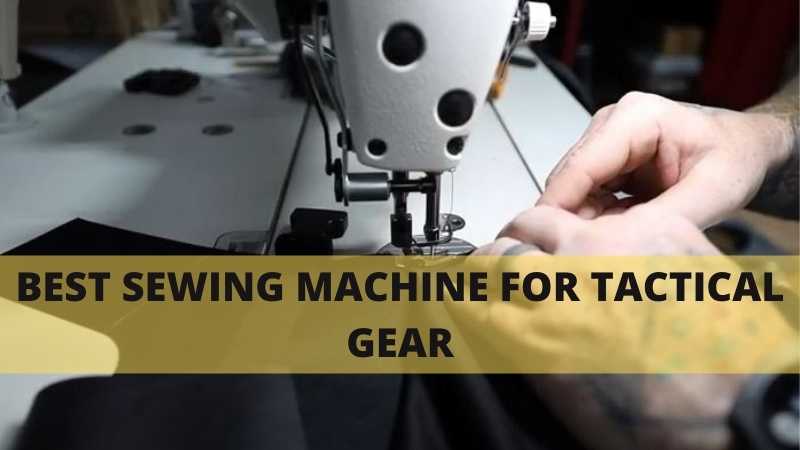
5 Best Sewing Machine for Tactical Gear in 2024

The best sewing machines for tactical gear are heavy-duty models with 1,000+ SPM, metal frames, and included walking feet — the SINGER 4423 and SINGER 4452 lead for canvas work with their 1,100 SPM motors, while the Brother CS6000i offers the best versatility for beginners with 60 built-in stitches and an automatic needle threader.
Tactical gear construction demands machines rated at 60-100 watts with the ability to handle 10-12 oz/yd² canvas and 6-8 oz/yd² nylon simultaneously. A walking foot is mandatory for feeding multiple fabric layers — without one, canvas shells, foam padding, and nylon linings bunch and misalign during sewing.
This guide covers fabric selection, key machine features, thread types, and stitch specifications to help you build professional-grade tactical equipment.
Fabrics Used for Making Different Tactical Gear
The foundation of reliable tactical gear lies in fabric selection. High-performance tactical fabrics include specific weight classes, weave densities, and treatment specifications that directly impact durability, water resistance, and abrasion resistance.
Padded Inserts
Padded inserts distribute backpack weight across the shoulder area, reducing fatigue during extended wear. These inserts typically use 200-400 g/m² foam padding encased in durable nylon shell fabric rated at 6-8 oz/yd².
Canvas
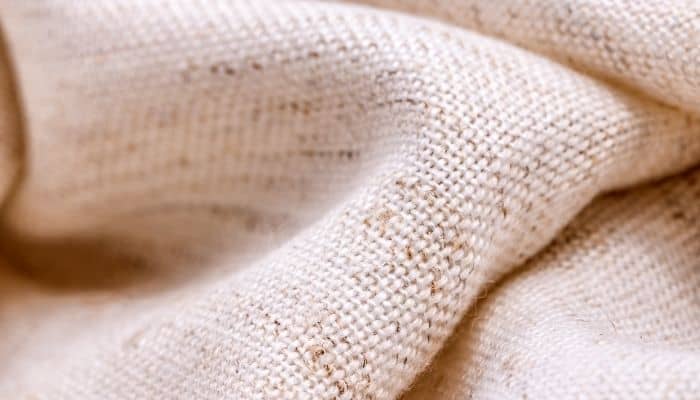
Canvas is a plain-woven fabric constructed from cotton or synthetic fibers with three weight classifications: lightweight (4-5 oz/yd² or 140-170 g/m²), medium-weight (7-8 oz/yd² or 240-270 g/m²), and heavy-weight (10-12 oz/yd² or 340-410 g/m²). Heavy-weight canvas provides maximum durability for tactical applications and offers water-resistant properties when treated.
Cotton
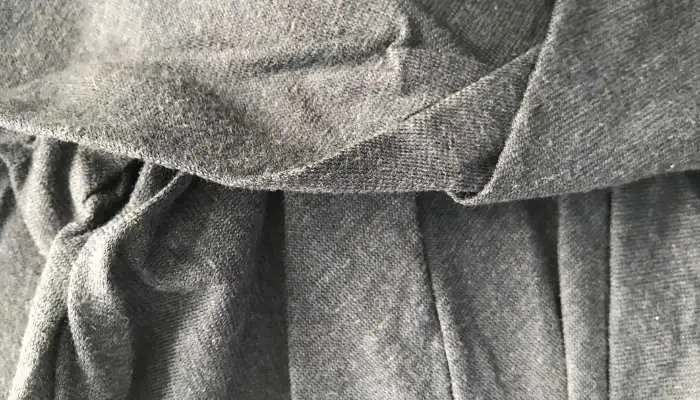
Cotton provides comfort and breathability with a typical weight range of 3-8 oz/yd². This natural fabric absorbs moisture at rates of 8-10% of its weight and shrinks 3-5% when washed. Cotton’s temperature resistance reaches 200°C (392°F) before scorching.
Ceramic Dots
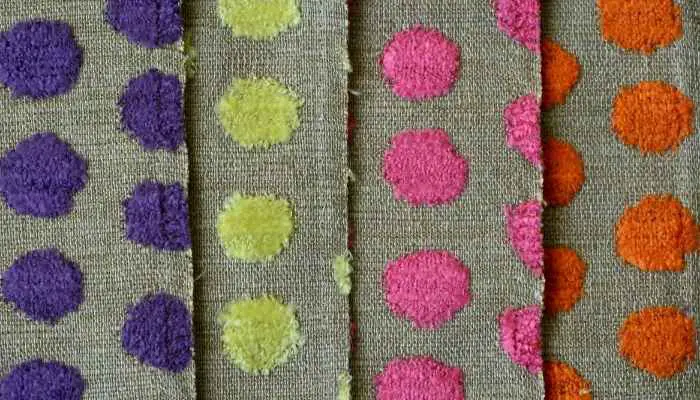
Ceramic dot coatings increase abrasion resistance to 50,000+ Martindale cycles, making fabrics suitable for gear subjected to rough handling. These reinforced zones typically cover 15-25% of the fabric surface in high-wear areas.
G-loft
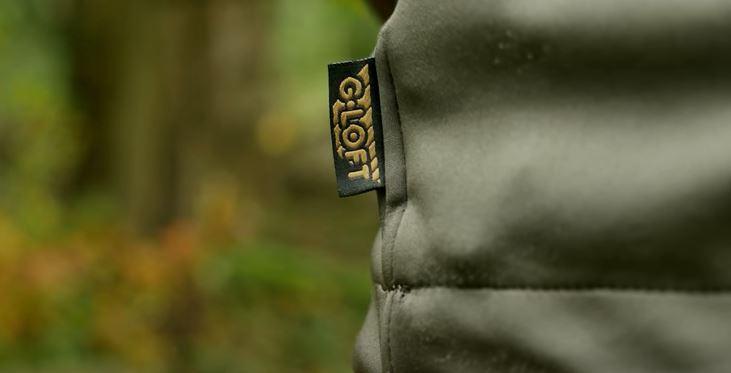
G-loft is a synthetic hollow-core insulation material rated at 120-200 g/m² that provides thermal retention equivalent to natural down at 60-70% of the weight. This fabric maintains insulating properties when wet and withstands temperatures to -40°C (-40°F).
Nylon
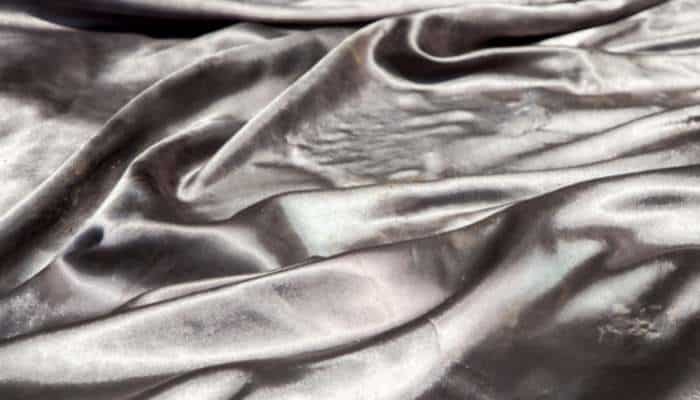
Nylon (Nylon 66) offers a melting point of 265°C (509°F), density of 1.15 g/cm³, and tensile strength suitable for ballistic cloth applications. This synthetic material provides excellent abrasion resistance rated at 100,000+ cycles and maintains structural integrity in temperatures from -70°C to 150°C.
Spandex
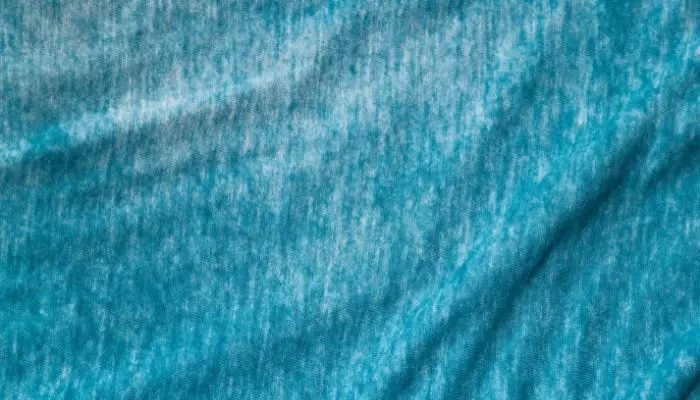
Spandex delivers 400-800% stretch recovery, making it essential for tactical gear requiring flexibility. This elastic fiber maintains 95% of its original shape after 100% extension cycles and operates effectively in temperatures from -30°C to 60°C.
Polyester
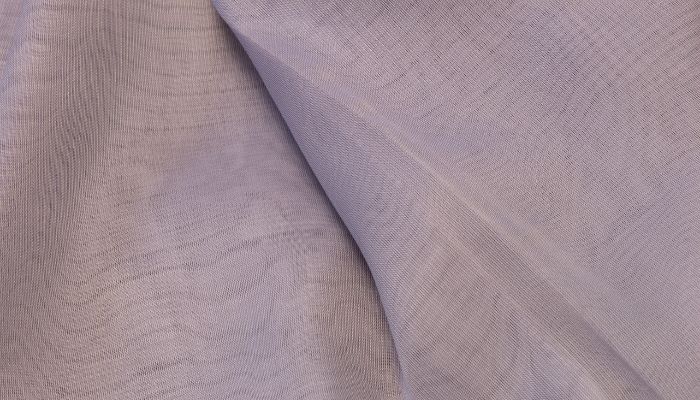
Polyester provides moisture-wicking properties that move sweat at rates of 0.4-0.6 kg/m²/24hr, keeping wearers dry during physical activity. This fabric resists UV degradation (retaining 85-95% strength after 500 hours exposure) and maintains structural integrity at temperatures up to 180°C (356°F).
5 Best Sewing Machines for Tactical Gear
These five sewing machines represent the top choices for tactical gear construction, each offering specific features suited for heavy fabric work.
IMAGES | DESCRIPTION | RATING | ACTION |
Best Overall 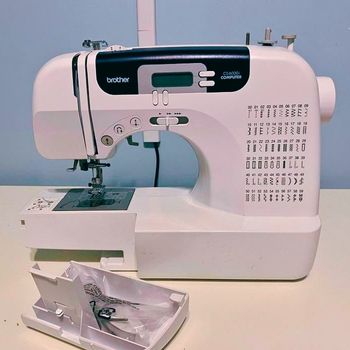 | Brother CS6000i Sewing and Quilting Machine
|
Quick-Reference Comparison
| Machine | Max SPM | Weight | Built-in Stitches | Walking Foot |
|---|---|---|---|---|
| Brother CS6000i | 850 | 5.9 kg (13 lbs) | 60 | Included |
| SINGER 4423 | 1,100 | 6.6 kg (14.5 lbs) | 23 | Included |
| Brother XR3774 | 800 | 7.2 kg (15.9 lbs) | 37 | Included |
| SINGER 4452 | 1,100 | 7.14 kg (15.7 lbs) | 32 | Included |
| SINGER 4411 | 1,100 | 6.6 kg (14.5 lbs) | 11 | Included |
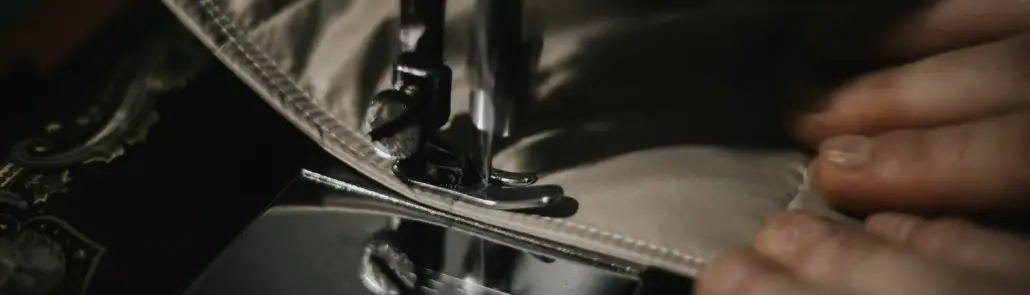
1. Brother Sewing and Quilting Machine, CS6000i
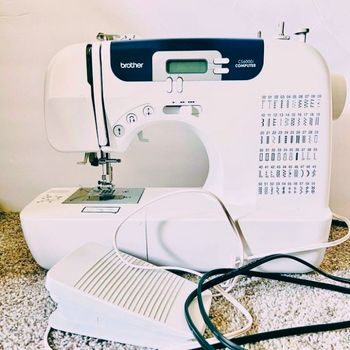
Features
- Color: White
- Material: Aluminium
- Weight: 5.9 kg (13 lbs)
- Power Source: Corded Electric
- Electric: Yes
The Brother CS6000i provides 60 built-in stitches including 7 one-step buttonhole patterns. The automatic needle threader eliminates eye strain during extended projects. The LCD display shows stitch selections at 1.5-inch height for clear visibility from a standing position.
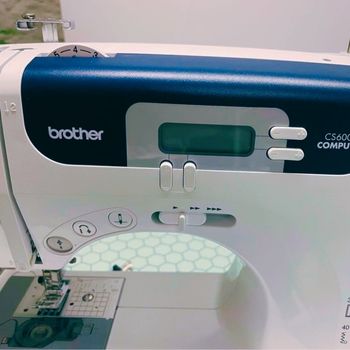
Adjustable sewing speed ranges from 400 to 850 SPM, allowing precise control when transitioning between canvas layers and delicate reinforcements. The heavy-duty metal frame provides stability during high-speed operation on 10-12 oz/yd² canvas materials.
The included walking foot feeds multiple fabric layers evenly, preventing bunching when sewing 6-8 oz/yd² nylon alongside foam padding. This machine also handles canvas and leather projects effectively.
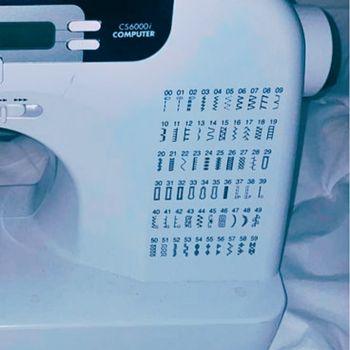
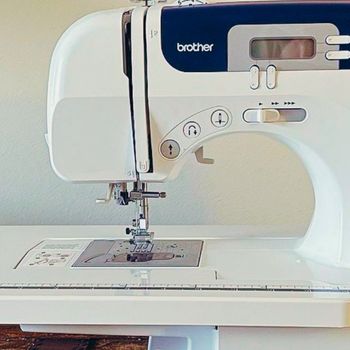
The 13-inch extended arm provides 8.5-inch throat depth for circular items like gear loops and strap adjusters. The drop-in bobbin system reduces thread tangles and maintains consistent tension across 1,000+ continuous stitches.
Walking foot compatibility extends to binding tape applications and 1-inch webbing loops. The jam-resistant bobbin withstands 40+ hours of continuous heavy use without replacement.
PROS:
CONS:
Verdict
The Brother CS6000i delivers versatility and flexibility for beginners building tactical gear projects. The combination of 60 stitches, walking foot, and adjustable speed provides sufficient capability for 4-12 oz/yd² fabrics.
2. SINGER 4423 Heavy Duty Sewing Machine
Features
- Color: Grey
- Material: Metal
- Weight: 14.5 Pounds (6.6 kg)
- Power Source: Corded Electric
- Electric: Yes
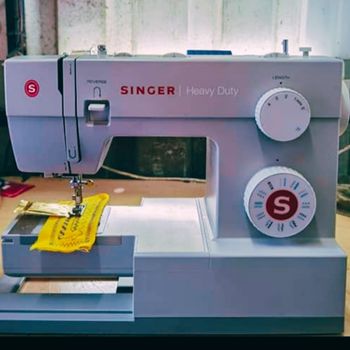
The SINGER 4423 features a metal interior frame and stainless steel bed plate that withstands continuous operation on heavy canvas materials. The 60% more powerful motor delivers 1,100 SPM maximum sewing speed, making it suitable for production-level tactical gear assembly.
Despite its industrial capabilities, this machine operates with beginner-friendly controls. The automatic needle threader reduces setup time by 30 seconds per bobbin change, and the top-drop-in bobbin system eliminates jamming during extended sewing sessions.
The 23 built-in stitches include utility patterns, stretch stitches, and decorative options. This variety handles 10-12 oz/yd² canvas reinforcement zones alongside lighter nylon pocket linings without thread breakage.
The included walking foot feeds 6-8 oz/yd² nylon webbing and 1-inch binding tape consistently. Metal construction handles the 6.6 kg machine weight during transport to job sites without frame flex.
PROS:
CONS:
Verdict
The SINGER 4423 suits beginners who want professional-grade power for tactical gear projects. Its motor handles 10-12 oz/yd² canvas at 1,100 SPM consistently.
3. Brother Sewing and Quilting Machine, XR3774
Features
- Color: White
- Material: Metal
- Weight: 15.9 Pounds (7.2 kg)
- Power Source: AC
- Electric: Yes
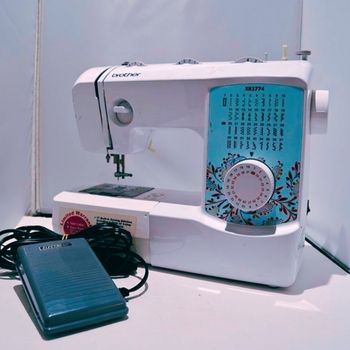
The Brother XR3774 offers 37 built-in stitches including utility patterns, decorative stitches, and a 1-step buttonhole. The all-metal construction maintains alignment during high-speed operation on 8-10 oz/yd² canvas materials.
Drop-in top bobbin design eliminates thread tangles, while the automatic needle threader reduces setup time by 25-30 seconds per bobbin change. This combination suits extended tactical gear production sessions.
Variable speed control ranges from 300 to 800 SPM, providing precise control when sewing reinforced zones. The included walking foot handles 1-inch webbing loops and 6-8 oz/yd² nylon effectively.
The versatile free arm accommodates cylindrical items like gear loops and water bottle pockets. This machine also handles marine vinyl applications with consistent stitch quality.
PROS:
CONS:
Verdict
The Brother XR3774 delivers adjustable speed control for convenient tactical gear construction. The 37-stitch variety handles 8-10 oz/yd² canvas and nylon combinations effectively.
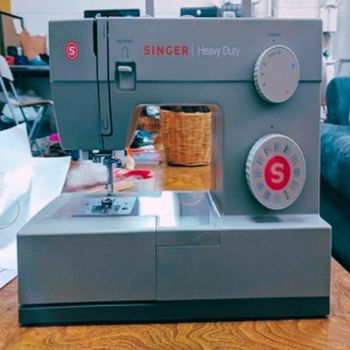
4. SINGER Heavy Duty 4452 Sewing Machine
Features
- Color: Grey
- Material: Metal
- Weight: 7.14 kg (15.7 lbs)
- Power Source: Corded Electric
- Electric: Yes
The SINGER 4452 includes 32 built-in stitches with a 1-step buttonhole for tactical gear reinforcement points. The 1,100 SPM maximum speed with 60% more powerful motor than standard machines handles 10-12 oz/yd² canvas consistently.
Stainless steel bedplates paired with the interior metal frame ensure smooth fabric feeding without flex. This machine handles heavy fabric applications including reinforced webbing loops and binding tape.
The automatic needle threader eliminates manual threading difficulty, reducing setup time. Adjustable presser foot pressure (1-5 settings) accommodates fabric stacks from 4 oz/yd² nylon to 12 oz/yd² canvas.
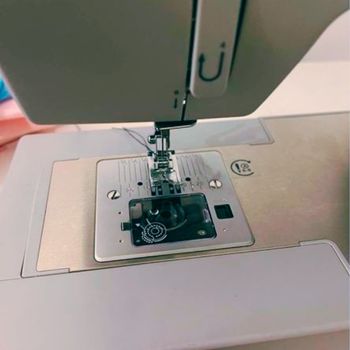
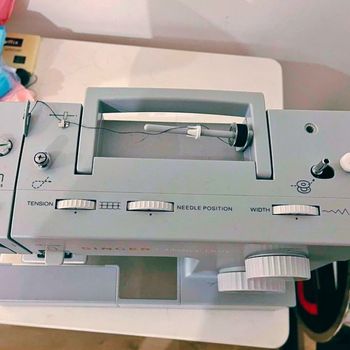
The adjustable needle position (left, center, right) accommodates 5-7 stitch widths for various seam configurations. This flexibility handles 1-inch webbing with 3/8-inch seams alongside 1.5-inch binding with 5/8-inch seams.
Beginners can operate this machine without extensive training. The straightforward controls and included instruction manual cover basic setup through advanced techniques within 30-45 minutes of practice.
PROS:
CONS:
Verdict
The SINGER 4452 delivers high-speed performance with versatile stitch options for tactical gear production. The 1,100 SPM motor and walking foot handle 10-12 oz/yd² canvas effectively.
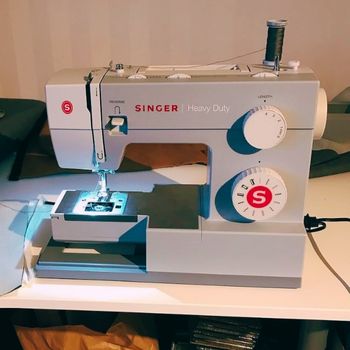
5. SINGER 4411 Heavy Duty Sewing Machine
Features
- Color: Grey
- Material: Metal
- Weight: 14.5 Pounds (6.6 kg)
- Power Source: Corded Electric
- Electric: Yes
The SINGER 4411 provides 11 built-in stitches including a 1-step buttonhole for basic tactical gear construction. Adjustable needle position accommodates left, center, and right placements for seams ranging from 3/8-inch to 5/8-inch widths.
The heavy-duty metal frame and stainless steel bedplates handle continuous operation on 8-10 oz/yd² canvas materials. The powerful motor delivers 1,100 SPM maximum speed for efficient production workflows.
Adjustable presser foot pressure (settings 1-5) accommodates fabric stacks from 4 oz/yd² nylon to 10 oz/yd² canvas. This flexibility handles multi-layer reinforcement zones without bunching or skipped stitches.
The included walking foot feeds 1-inch webbing and binding tape consistently. This machine also handles dog collar construction and shoe repair applications effectively.
PROS:
CONS:
Verdict
The SINGER 4411 suits users needing a straightforward machine for tactical gear alongside general apparel and home decor projects. The 1,100 SPM motor handles 8-10 oz/yd² canvas effectively.
What to Look for Before You Buy
Selecting the right sewing machine for tactical gear requires evaluating specific technical specifications that directly impact performance with heavy fabrics and reinforced construction.
Sewing Speed Requirements
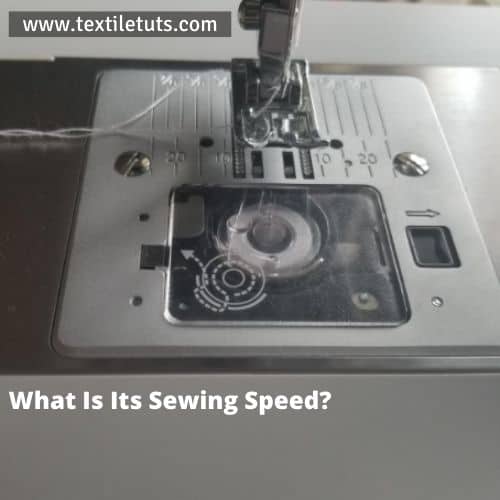
Tactical gear production requires machines capable of 1,000-1,100 SPM minimum for efficient workflows. Heavy canvas (10-12 oz/yd²) demands consistent speed without stitch dropping or skipped stitches during extended seams.
Variable speed control allows operators to reduce from maximum to 400-600 SPM when navigating corners, reinforcement zones, and multi-layer stacks. This flexibility prevents thread breakage on 6-8 oz/yd² nylon overlays.
Build Material and Frame Construction
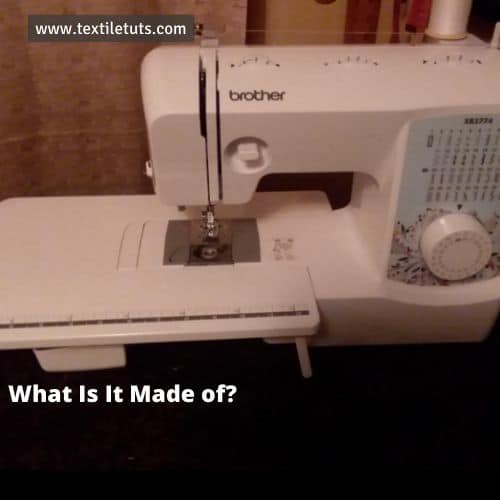
Metal interior frames with stainless steel bedplates provide the stability required for heavy fabric work. Machines exceeding 6 kg (13 lbs) deliver adequate weight to prevent walking during high-speed operation on canvas materials.
Avoid plastic frame machines for tactical applications. Plastic components flex under 10+ oz/yd² canvas loads, causing inconsistent stitch length and accelerated wear on drive components.
Walking Foot Inclusion
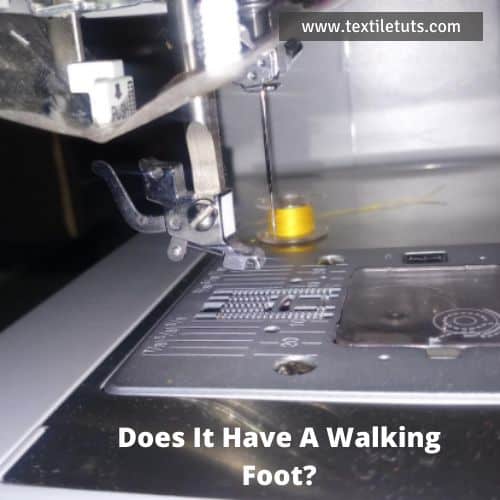
Walking feet are mandatory for tactical gear construction. These attachments feed multiple fabric layers simultaneously, preventing bunching when combining canvas shell, foam padding, and nylon lining materials.
Machines including walking feet reduce accessory costs by $30-50. Verify walking foot compatibility before purchase, as some manufacturers use proprietary attachment mechanisms.
Heavy Fabric Compatibility
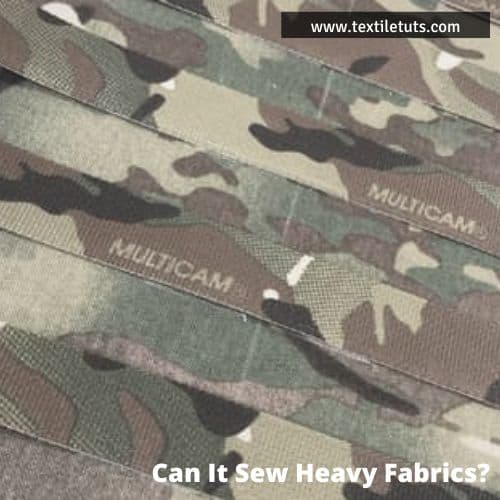
Verify machine capability for 10-12 oz/yd² canvas before purchasing. Test samples should run 50+ continuous stitches without thread breakage, skipped stitches, or fabric puckingering.
Needle size compatibility matters for heavy fabrics. Machines must accept size 100/16 or 110/18 needles for canvas work, alongside standard 90/14 needles for nylon and polyester materials.
Built-in Stitch Variety
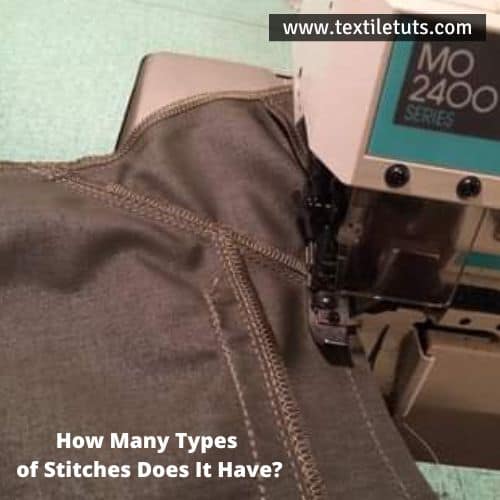
Tactical gear requires minimum 10 different built-in stitches covering utility, stretch, and buttonhole patterns. Reinforcement zones demand multiple stitch widths for 3/8-inch to 5/8-inch seam allowances.
Look for machines offering 20-60 built-in stitches if budget permits. Greater variety provides flexibility for specialized tactical applications including binding tape stitching and webbing attachment.
Ease of Use and Learning Curve
User-friendly machines reduce initial training time to 30-60 minutes for basic operation. Automatic needle threaders, drop-in bobbins, and LCD displays accelerate workflow efficiency.
Verify instruction manual completeness before purchase. Machines with detailed setup guides, troubleshooting sections, and maintenance schedules provide better long-term value.
Setup Requirements and Portability
Heavy-duty machines (6+ kg) require dedicated workspace with stable surfaces. Wheels or carrying handles matter for users transporting equipment between locations.
Machines exceeding 7 kg benefit from permanent placement on workstations. Lighter models (5-6 kg) suit mobile operators moving between job sites regularly.
Value Assessment and Budget Planning
Evaluate total cost including accessories, maintenance, and thread costs over 2-3 year operational periods. Machines priced $150-300 deliver adequate tactical gear capability for beginners to intermediate users.
Professional-grade machines ($400+) justify costs through 2,000+ hour operational lifespans without major repairs. Higher initial investment reduces per-project equipment costs.
Thread Types for Sewing Tactical Gear
Thread selection directly impacts tactical gear durability, UV resistance, and temperature tolerance. Each thread type offers specific performance characteristics suited for different applications.
Polyester Thread
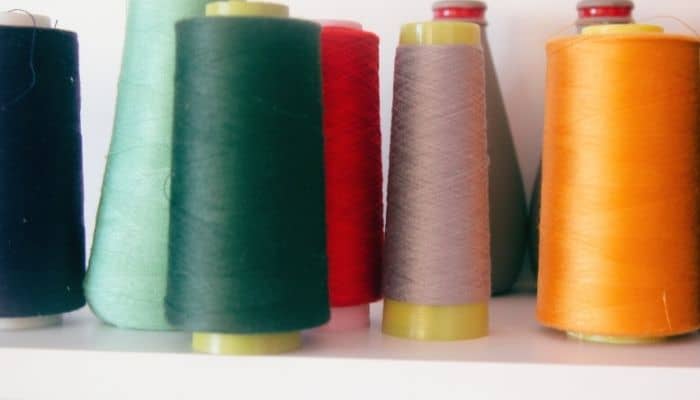
Polyester thread provides UV resistance retaining 85-90% tensile strength after 500 hours of sunlight exposure. This thread type resists mildew, abrasion, and moisture absorption effectively.
Use 100% polyester thread (not blends) for tactical gear. Bonded polyester threads with 0.5-1.0 mm diameter handle 10-12 oz/yd² canvas without breakage during extended seams.
Nylon Thread
Bonded 3-ply nylon thread delivers tensile strength of 7-10 kg per strand for tactical gear applications. This thread maintains flexibility across temperature ranges from -70°C to 150°C.
Nylon thread absorbs 8-10% moisture content, making it unsuitable for waterproof gear seams. For water-resistant applications, use coated nylon or polyester thread instead.
Bonded Thread
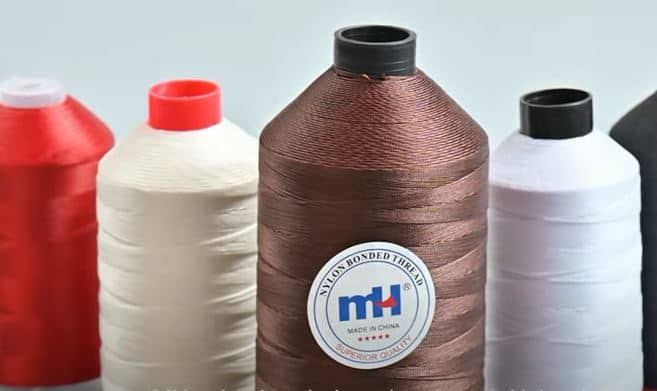
Bonded threads feature resin coatings reducing friction by 40-60% during high-speed sewing. This coating prevents unraveling and extends seam life by 2-3 times compared to uncoated alternatives.
Available in polyester, nylon, and aramid variants, bonded threads suit production environments running 800+ SPM continuously. The coating prevents heat buildup that causes thread breakage.
Kevlar Thread
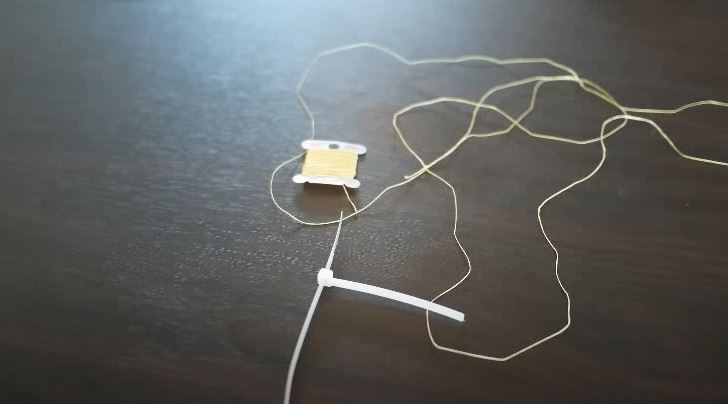
Kevlar (para-aramid) thread provides tensile strength 2.5 times greater than polyester and nylon alternatives. This material withstands temperatures to 500°C (932°F) without melting or decomposition.
Kevlar thread offers low elongation at break (3.5%) maintaining seam integrity under extreme load conditions. This thread resists organic solvents, fuels, and UV exposure effectively in tactical applications.
Sewing Stitch Types for Tactical Gear
Stitch selection determines seam strength, flexibility, and appearance in finished tactical gear. Different stitch types serve specific functional purposes in military and outdoor equipment construction.
Chain Stitch Applications
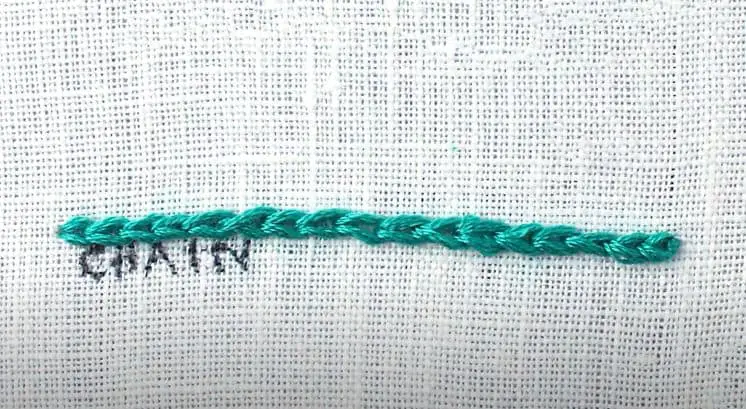
Chain stitch uses 2.5-3 times more thread per inch than lockstitch, creating visible reinforcement on tactical gear exterior seams. This stitch provides 85-90% seam strength retention after repeated stress cycles.
Use chain stitch for non-critical exterior seams where thread consumption outweighs strength requirements. Interior structural seams require lockstitch or overlock combinations for maximum durability.
Buttonhole Stitch for Tactical Fasteners
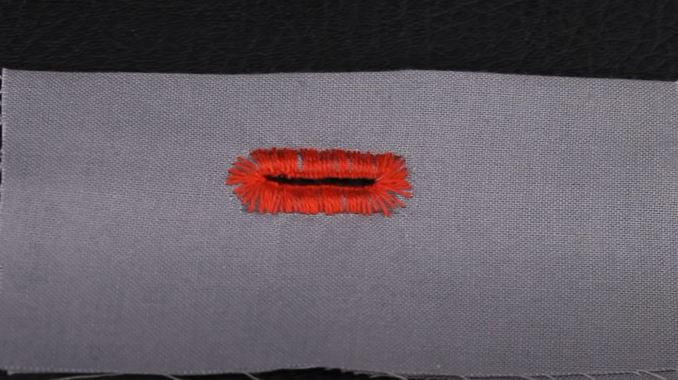
Buttonhole stitch creates reinforced openings for tactical fasteners, buckles, and hardware attachment points. Industrial sewing machines provide this stitch as standard functionality for production environments.
Stitch density of 15-20 stitches per centimeter prevents fraying in nylon and polyester tactical fabrics. Use 3-step zigzag patterns for heavy canvas (10-12 oz/yd²) buttonholes.
Multithread Chain Stitch for Layered Construction
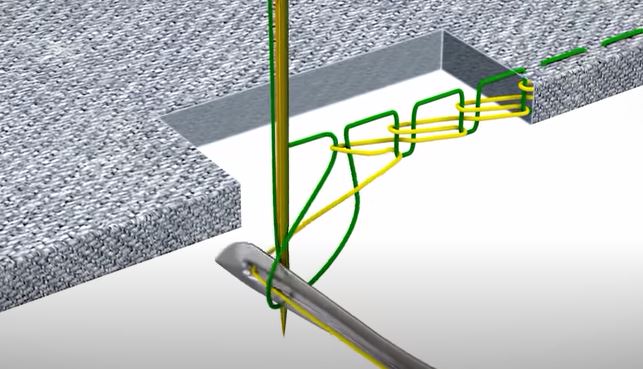
Multithread chain stitch positions stitches between fabric layers, preventing seam puckering on 6-8 oz/yd² nylon overlays. This stitch accommodates 3-4 layer fabric stacks without bunching.
Use this stitch for tactical vest interiors, pouch linings, and pocket reinforcement zones where exterior appearance matters but maximum strength is secondary to flexibility.
Lockstitch for Structural Seams
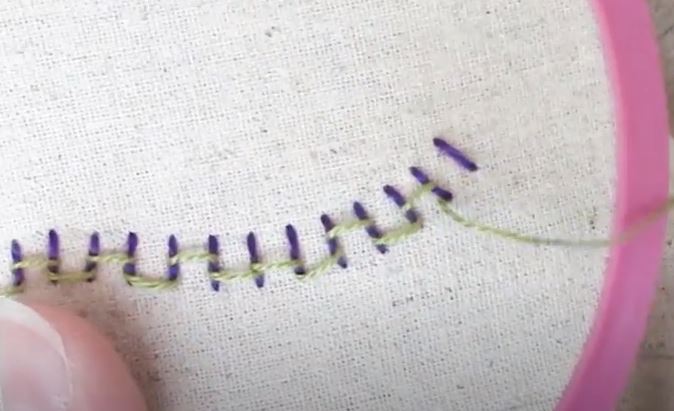
Lockstitch provides 95-100% seam strength retention, making it the primary choice for structural tactical gear seams. Two threads lock at 1-2 mm intervals creating consistent stitch density.
Use lockstitch for shoulder straps, waist belts, and load-bearing attachment points requiring maximum tensile strength. This stitch handles 10-12 oz/yd² canvas with 3/8-inch to 5/8-inch seam allowances.
Overlock Stitch for Stretch Fabrics
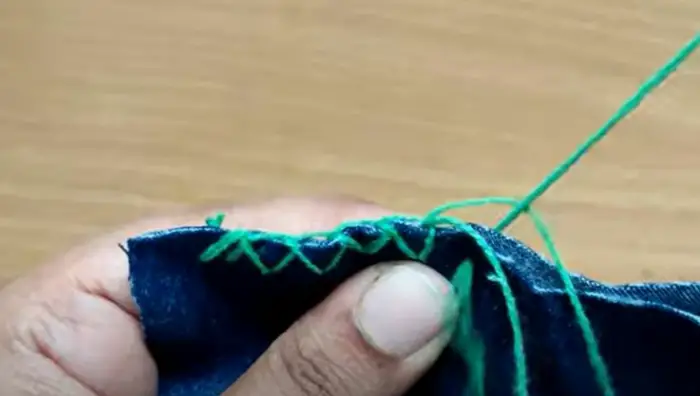
Overlock stitch accommodates 400-800% stretch recovery required for spandex-blend tactical fabrics. This stitch prevents fraying while maintaining flexibility across garment joints and movement zones.
Use 3-thread or 4-thread overlock configurations for spandex tactical wear. Thread consumption increases 25-35% compared to lockstitch but provides necessary seam elasticity.
Frequently Asked Questions
Can tactical gear be sewn without a walking foot?
Walking feet are essential for tactical gear construction. Without walking feet, multiple fabric layers (canvas shell, foam padding, nylon lining) bunch and misalign during sewing, causing inconsistent seam quality and extended production time.
Are industrial sewing machines suitable for beginners?
Some industrial machines offer beginner-friendly controls despite their professional capabilities. The SINGER 4423 provides industrial power with straightforward operation suitable for users with basic sewing experience.
Why does variable speed matter for tactical gear sewing?
Variable speed control (300-1,100 SPM range) allows operators to reduce stitch rate when navigating reinforcement zones, corners, and multi-layer fabric stacks. This control prevents thread breakage and skipped stitches on 6-12 oz/yd² materials.
Should I choose treadle powered or electric sewing machines?
Electric machines provide consistent 1,000-1,100 SPM speed essential for production-level tactical gear assembly. Treadle-powered machines require physical pedal operation limiting continuous sewing sessions to 2-3 hours before fatigue.
Can domestic sewing machines handle heavy tactical fabrics?
Domestic machines lack the motor power, frame stability, and stitch variety required for 10-12 oz/yd² canvas tactical gear. Heavy-duty domestic machines (6+ kg, metal frame, 1,000+ SPM) handle tactical applications adequately.
Final Words
Selecting the right sewing machine for tactical gear determines project quality, production efficiency, and equipment longevity. The machines reviewed here represent the best options for handling canvas, nylon, and reinforced fabric combinations.
Match your machine selection to fabric weights you plan to work with most frequently. Begin with 4-8 oz/yd² materials before progressing to 10-12 oz/yd² canvas heavy-duty applications.
References
- Wikipedia. (2025). Canvas Fabric Specifications. Wikimedia Foundation.
- Wikipedia. (2025). Aramid Fiber Properties. Wikimedia Foundation.
- Wikipedia. (2025). Nylon Technical Specifications. Wikimedia Foundation.


