
Cotton vs. Polyester: Which Is Better and When?

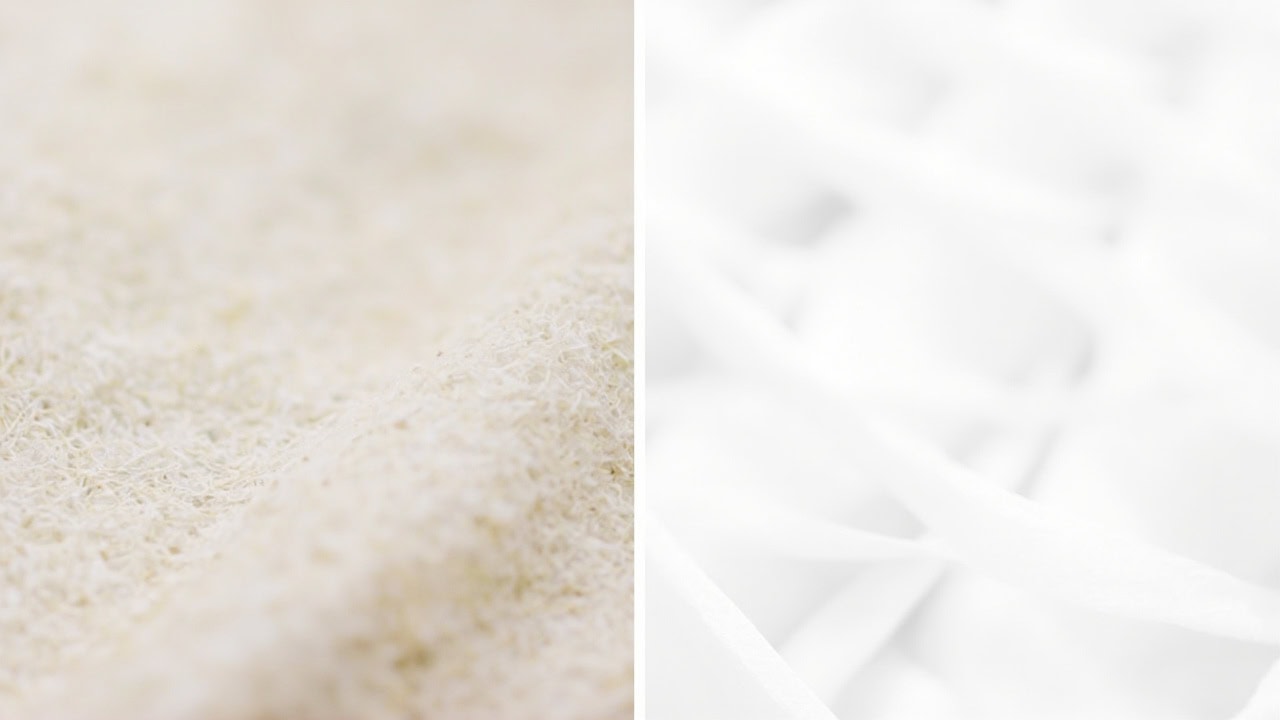
Cotton is a natural cellulosic fiber offering superior breathability (air permeability 200–600 cm³/cm²/s) and moisture absorption (absorbs 25–27% of its weight in water), while polyester is a synthetic petroleum-based polymer with exceptional durability (Martindale abrasion resistance 30,000–100,000+ cycles) and near-zero moisture absorption (0.4–0.5%). The choice between them depends entirely on end use: cotton performs better in hot, dry conditions where comfort matters, while polyester outperforms in high-activity scenarios demanding quick-dry performance and shape retention.
Cotton vs. Polyester: Key Differences at a Glance
Understanding the fundamental differences between these two dominant fabric types starts with their origin, structure, and performance under pressure. The table below summarizes the most critical performance variables.
| Property | Cotton | Polyester |
|---|---|---|
| Fiber origin | Natural (cellulosic) | Synthetic (petroleum-based) |
| Breathability | Excellent (200–600 cm³/cm²/s) | Poor to moderate |
| Moisture absorption | 25–27% of fiber weight | 0.4–0.5% (hydrophobic) |
| Quick-dry | Slow | Excellent |
| Durability (Martindale) | 20,000–40,000 cycles | 30,000–100,000+ cycles |
| Wrinkle resistance | Low (wrinkles easily) | High (excellent shape retention) |
| Softness | Naturally soft | Variable (depends on finish) |
| Static buildup | Low | High (can cause cling) |
| Environmental impact | Biodegradable, but water-intensive cultivation | Non-biodegradable, but longer garment lifespan |
| Cost range | $5–$30/yard | $3–$15/yard |
These differences stem from their molecular structure. Cotton’s cellulosic fiber structure contains hydroxyl groups that actively attract and bond with water molecules — making it highly absorbent but slow to dry. Polyester’s synthetic polymer chains repel water entirely, which is why it registers at only 0.4–0.5% moisture absorption and why it dries so rapidly once wet. The trade-off is comfort: cotton next to skin feels dry even after absorbing significant sweat, while polyester’s hydrophobic surface can leave a damp, clingy feel during high humidity.
When to Choose Cotton
Cotton’s natural fiber properties make it the preferred choice for specific use cases where comfort and skin compatibility outweigh durability concerns.
- Hot weather everyday clothing: Superior breathability prevents heat buildup against skin, allowing air to circulate freely through the fabric structure.
- Sensitive skin: Natural fibers lack the chemical irritants present in some polyester finishes, making cotton the safer choice for eczema-prone individuals and young children.
- Low-activity indoor settings: Moisture absorption benefits when not sweating — cotton soaks up ambient humidity without feeling wet, keeping wearers comfortable in air-conditioned environments.
- Baby and children’s clothing: Skin compatibility and breathability priorities make cotton the default choice in children’s garments, where chemical finishes on synthetic fabrics pose greater risk.
- Home textiles: Bed sheets, towels, and washcloths demand high moisture-wicking performance that only absorbent natural fibers can provide.
- Traditional formal wear: Cotton dress shirts in professional settings offer comfort throughout long workdays, even when wrinkle resistance requires ironing.
For more guidance on keeping your cotton garments in top condition, read our complete guide to how to wash cotton clothes with specific instructions tailored to cotton fiber properties.
When to Choose Polyester
Polyester excels in scenarios that demand durability, shape retention, and rapid moisture evaporation — performance characteristics that natural fibers simply cannot match.
- High-performance activewear: Moisture-wicking pulls sweat to the fabric surface for rapid evaporation, keeping athletes dry during intense exertion.
- Outdoor and athletic apparel: Quick-dry and wind resistance improve comfort during variable-weather workouts and extended outdoor activities.
- Wrinkle-free travel clothing: Polyester retains its shape, dries overnight, and requires no ironing — eliminating the need for a travel steamer or ironing board on the road.
- Durable workwear: Higher Martindale abrasion resistance extends garment lifespan in demanding physical work environments.
- Swimwear and water sports: Chlorine-resistant synthetic fibers maintain shape and color when wet, whereas cotton absorbs water and becomes heavy and saggy.
- Budget-conscious large wardrobes: Lower cost per yard allows more garment options without sacrificing durability — particularly relevant for uniforms and work apparel.
Proper care is essential to maintaining polyester’s performance characteristics. Our guide to how to wash polyester clothes covers the specific techniques that preserve fabric performance wash after wash.
Price and Availability
Both fibers are globally ubiquitous, but significant price stratification exists within each category based on fiber quality, certification, and manufacturing origin.
Cotton price factors: Egyptian and Pima cotton — both featuring extra-long staple fibers that produce smoother, stronger yarn — command premium pricing of $20–$50 per yard. Standard upland cotton, the most common variety worldwide, ranges from $5–$15 per yard. Organic certification (GOTS or OCS) adds a 20–40% premium over conventionally grown cotton of equivalent grade.
Polyester price factors: Standard polyester filament fiber costs $3–$10 per yard. Performance-enhanced varieties with specialized moisture-wicking finishes, antimicrobial treatments, or four-way stretch engineering range from $8–$20 per yard. Recycled polyester (rPET), manufactured from post-consumer plastic bottles, carries a 10–30% premium over virgin polyester as of 2025 market pricing.
Blended fabrics: Yarn count and blend ratio determine pricing for cotton-polyester blends. The most common ratio — 65% polyester, 35% cotton — typically falls in the $6–$18 per yard range, combining cotton’s comfort characteristics with polyester’s durability and low maintenance. The 50/50 blend is common in budget apparel and workwear.
Market availability is broad for both fibers. Polyester offers more consistent retail pricing across retailers due to its manufactured consistency, while cotton prices fluctuate seasonally based on crop yields, weather events, and global demand cycles. For a broader comparison across all major fabric categories, see our complete fabric types guide covering natural versus synthetic fibers.
Care Comparison: Washing, Drying, and Ironing
Care requirements differ substantially between these two fibers. Following the correct protocol for each prevents premature garment degradation and maintains performance characteristics.
Washing
- Cotton: Wash in cold to warm water at 30–40°C. Temperatures above 40°C risk shrinkage of 3–5% in standard upland cotton, while pre-shrunk or sanforized cotton tolerates warm washing with minimal dimensional change.
- Polyester: Cold water (30°C or below) is recommended for routine washing. Polyester can tolerate warm water at 40–50°C, but temperatures above 50°C can cause fabric pilling and damage to the synthetic polymer structure over repeated wash cycles. High heat also sets stubborn wrinkles that become difficult to remove.
Drying
- Cotton: Air drying or tumble drying on low heat preserves garment life. Line drying in sunlight provides natural disinfection and extends textile lifespan. Heat drying at high temperatures causes progressive shrinkage in cotton — each hot drying cycle compounds the dimensional change.
- Polyester: Synthetic fabrics Quick-dry rapidly by air or tumble drying. Tumble dry on low or medium heat — temperatures above 150°C can damage synthetic fibers. Adding dryer balls reduces static cling without chemical dryer sheets that coat polyester fibers and impair moisture-wicking performance.
Ironing
- Cotton: Iron at high heat of 150–200°C using steam function. Cotton’s heat tolerance makes it forgiving for ironing — but avoid excessive heat on colored cotton garments, which can scorch or cause yellowing.
- Polyester: Iron at low heat of 110–130°C only. Polyester fibers melt above 200°C, creating shiny scorch patches that are irreversible. A pressing cloth between the iron and polyester fabric provides an additional safety margin.
For complete ironing guidance including temperature settings for blended fabrics, consult our iron temperature guide — organized by fabric type with specific heat settings and steam recommendations.
Blended Fabrics: Getting the Best of Both
Cotton-polyester blends are the most common fabric type in modern apparel for a reason: they strike a practical balance between comfort and convenience that suits everyday wear.
The standard blends — 65% polyester / 35% cotton (the “workwear ratio”) and 50/50 — reduce wrinkle resistance problems significantly compared to pure cotton while maintaining reasonable breathability. Drying time drops by 30–50% compared to 100% cotton garments of equivalent weight. The polyester component provides abrasion resistance that extends garment lifespan in high-wear applications like school uniforms, work shirts, and children’s clothing.
The trade-off is real: blends sacrifice some of cotton’s moisture absorption and breathability. A 65/35 blend will feel less breathable than pure cotton and less technical than pure polyester. For care, follow polyester rules — wash in cold to warm water at 40°C maximum and iron at low heat — to protect the cotton portion from shrinkage while benefiting from polyester’s dimensional stability.
Blends perform best in workwear, school uniforms, and low-maintenance everyday clothing where neither maximum performance nor maximum comfort is the priority. For more specialized applications — intense athletics, extreme weather, sensitive skin — the parent fibers in pure form remain the better choice.
Environmental Considerations
Both fibers carry significant environmental trade-offs that responsible consumers and manufacturers increasingly weigh in purchasing decisions.
Cotton’s water footprint: Conventional cotton cultivation requires 10,000–20,000 liters of water to produce one kilogram of raw fiber — a figure that places it among the most water-intensive crops in the textile industry. Organic cotton eliminates synthetic pesticides and fertilizers, reducing soil and waterway contamination, but the water requirement remains substantial since the plant’s biology does not change with organic farming methods. At end of life, cotton’s biodegradability allows it to decompose in approximately 1–5 years under natural conditions.
Polyester’s production profile: Polyester manufacturing consumes less water than cotton cultivation — the primary environmental benefit of synthetic fibers. However, polyester is petroleum-derived, making it dependent on fossil fuel resources and non-renewable at human timescales. At end of life, polyester is non-biodegradable and persists in the environment for centuries. Recycled polyester (rPET), made from post-consumer plastic bottles, reduces virgin plastic use by 30–50% according to the Textile Exchange Global Recycled Standard and carries a lower carbon footprint — approximately 30% less CO₂ equivalent per kilogram compared to virgin polyester production.
Carbon emissions comparison: Polyester production emits approximately 5.9 kg of CO₂ equivalent per kilogram of fiber, while cotton production emits approximately 8.0 kg CO₂ eq per kilogram — a difference of roughly 26% favoring polyester on a per-kilogram basis. However, this comparison does not account for cotton’s land use, biodiversity impact, water stress in cotton-growing regions, or the longer lifespan of polyester garments that reduces replacement frequency. Lifecycle assessments vary significantly by region, farming practice, and garment lifespan — no single fiber wins categorically on environmental grounds.
For consumers prioritizing environmental choice, the most sustainable garment is the one already in your closet. Extending garment lifespan through proper care — following the washing, drying, and storage guidance in our fabric care hub — reduces the per-wear environmental impact of either fiber choice.
Frequently Asked Questions
Q: Is cotton or polyester better for summer hot weather?
A: Cotton is better for hot, dry summer weather due to its superior breathability and moisture absorption. It absorbs sweat and allows air circulation against skin. Polyester wicks moisture but does not absorb it, leaving a damp feel in high humidity conditions.
Q: Does cotton or polyester last longer?
A: Polyester generally lasts longer in terms of abrasion resistance (Martindale 30,000–100,000+ cycles vs cotton’s 20,000–40,000 cycles) and shape retention. However, a well-maintained cotton garment can last decades, while polyester eventually pills and loses performance after 50–100 washes.
Q: Can you mix cotton and polyester in the same laundry load?
A: Yes — cotton-polyester blends and mixed loads are safe when washed in cold to warm water (max 40°C). The risk is cotton shrinkage (3–5%) in hot water, which can distort blended garments. Always check care labels.
Q: Is polyester more affordable than cotton?
A: Generally yes — standard polyester costs $3–$15/yard versus cotton at $5–$30/yard. Premium cotton (Egyptian, Pima) significantly exceeds polyester pricing, while basic cotton-polyester blends offer the lowest cost option.
References
- ASTM International. (2025). ASTM D4966-22: Standard Test Method for Abrasion Resistance of Textile Fabrics (Martindale Abrasion Tester). ASTM International.
- Cotton Incorporated. (2025). Cotton Fiber Properties and Performance Data. CottonWorks.
- International Organization for Standardization. (2022). ISO 11092: Textiles — Physiological Effects — Measurement of Thermal and Water-Vapour Resistance. ISO.
- Kadc, A., et al. (2022). “Environmental Life Cycle Assessment of Cotton and Polyester Fabrics.” Journal of Cleaner Production, 344, 131072. ScienceDirect.
- Textile Exchange. (2024). Preferred Fiber & Materials Market Report 2024. Textile Exchange.
- U.S. Department of Agriculture. (2025). Cotton: World Markets and Trade. USDA Foreign Agricultural Service. USDA FAS.
- Ward, A., & McKinnon, L. (2020). “Moisture Management Properties of Cotton and Polyester Knitted Fabrics.” Journal of Textile Institute, 111(4), 489–497.


